Fundación ProAves – por la conservación en el país de las aves

Categorías
News

Five New Ecological Easements in Santander

Friday 4 June 2010.

Thanks to the support of American Bird Conservancy, Amos W. Butler and Conservation Leadership Program, five properties and 143 acres have been permanently protected by their owners to strengthen the Cerulean Warbler Conservation Corridor. Commitments by each landowner include not cutting down trees, reforesting watershed areas, establishing living fences and silvopastoral systems and develop friendly production practices.

So far we have established nine easements in the Cerulean Warbler Conservation Corridor with 323 acres, of which 143 are part of the five new easements. The corridor is established to restore the connectivity between the Nature Reserves of Reinita Cielo Azul (Serranía de los Yariguies) and Pauxi Pauxi (Cerro de la Paz) in order to strengthen the conservation of habitat for many resident and migratory species such as Dendroica cerulea (Cerulean Warbler).

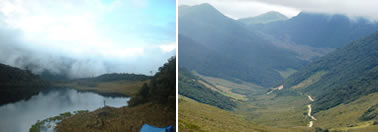
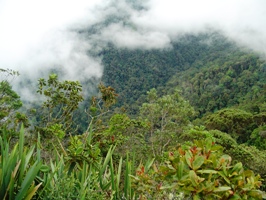
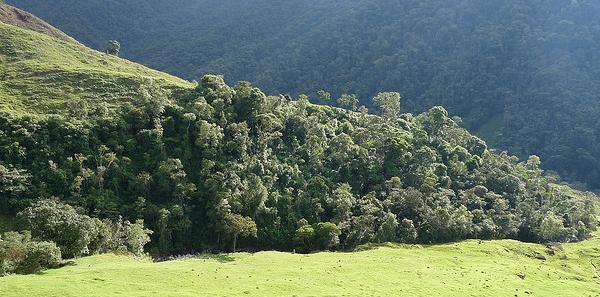
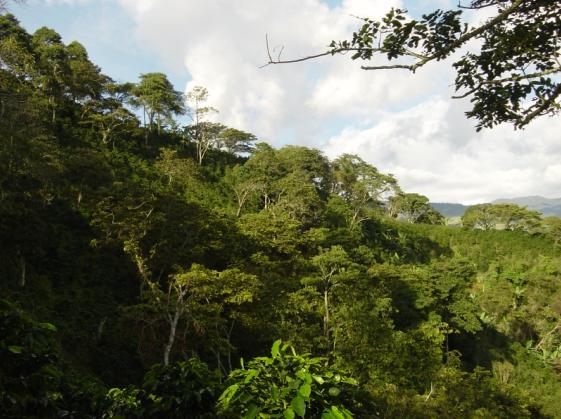
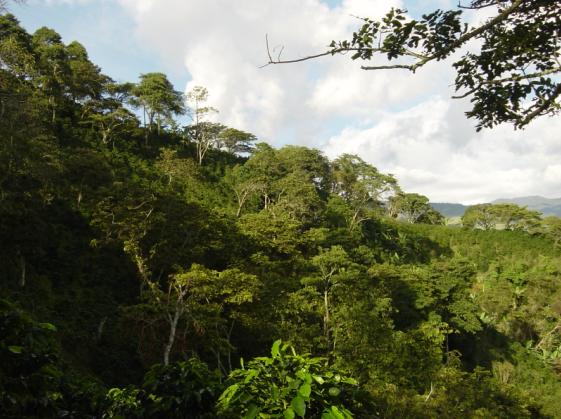
View of Reinita Cielo Azul – View of Pauxi Pauxi.

Conservation easements are a legal mechanism with a voluntary agreement between two parties to the conservation, in which civil society is responsible for protecting the biodiversity and natural resources of an area. The commitments acquired with these easements by the owners were not to clear the forest, to reforest areas of water sources on his farm, establishment of live fences and develop friendly production practices in the forest and conservation.

The Reserves of Pauxi Pauxi and Reinita Cielo Azul support the maintenance of the forests; they provide some materials for the improvement of the productive areas, seedlings are provided for reforestation and provide training to the community in sustainable production techniques.

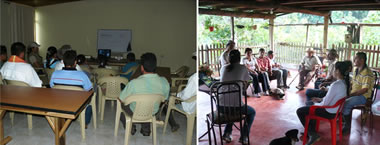
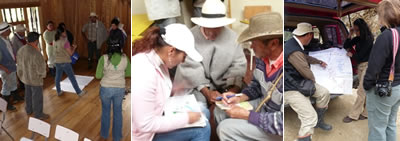
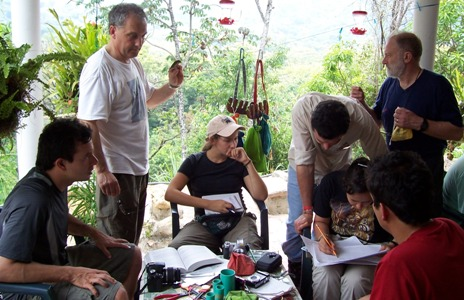
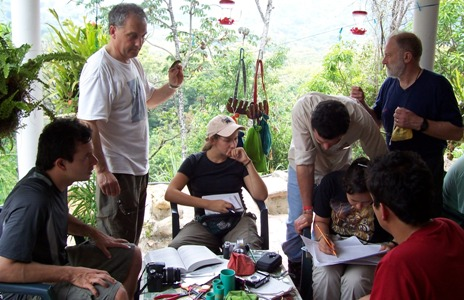
Community meetings.

This project is been conducted by ProAves and Proyecto YARE, which is supported by the Conservation Leadership Program.

{youtube}ogiH3-DTgSc|425|344|1{/youtube}

With the support of:

abc Yar conservationleadership
audubon


Categorías
Noticias

5 nuevas servidumbres ecológicas en Santander

Viernes 4 de junio de 2010.

Gracias al apoyo de American Bird Conservancy, Amos W. Butler y Conservation Leadership Program, estas servidumbres serán protegidas por sus dueños de manera permanente. Son 58 hectáreas que fortalecen el Corredor de Conservación Reinita Cerúlea; los propietarios adquieren compromisos como no talar los bosques, reforestar cuencas hídricas, establecer cercas vivas y sistemas silvopastoriles.

Hasta el momento hemos establecido 9 servidumbres ecológicas en el corredor de conservación Reinita Cerúlea con 130.8 hectáreas, de las cuales 58 hacen parte de las 5 servidumbres nuevas. El corredor se instaura para restablecer la conectividad entre las Reservas Naturales de las Aves Reinita Cielo Azul (Serranía de los Yariguíes) y Pauxi Pauxi (Cerro de la Paz) con el objetivo de fortalecer la conservación del hábitat de muchas especies residentes y migratorias como la Dendroica cerulea (Reinita Cielo Azul).

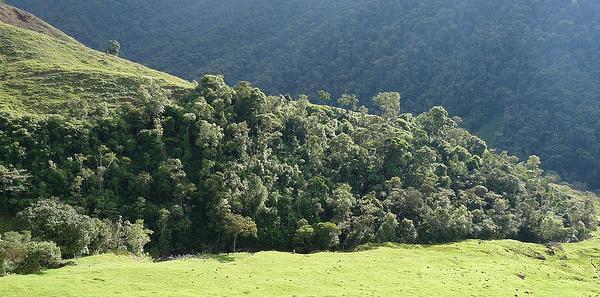
Vista Reserva Reinita Cielo Azul – Vista Reserva Pauxi Pauxi.

Las servidumbres ecológicas son un mecanismo legal de acuerdo voluntario entre dos partes para la conservación, en el que la sociedad civil se encarga de proteger la biodiversidad y los recursos naturales de un área. Los compromisos adquiridos en estas servidumbres por parte de los propietarios finqueros han sido no talar el bosque, reforestar las zonas de nacimiento de su finca, establecimiento de cercas vivas y desarrollar prácticas de producción amigables con el bosque y la conservación.

Desde las Reservas Pauxi Pauxi y Reinita Cielo Azul se apoya el mantenimiento de los bosques, se aportan algunos materiales para el mejoramiento de las áreas productivas, se proporcionan plántulas para realizar la reforestación y se ofrece capacitación a la comunidad en técnicas de producción sostenible.

Reuniones con la comunidad.

Este proyecto es realizado por ProAves y el Proyecto YARÉ, apoyado por BP Conservation Leadership Programme.

{youtube}ogiH3-DTgSc|425|344|1{/youtube}

Con el apoyo de:

abc Yar conservationleadership
audubon


Categorías
News

Pride Campaign in Roncesvalles, Tolima

Monday 2 August 2010.

For over ten years ProAves has been carrying out measures for conservation and environmental education in the town of Roncesvalles, Tolima with the support of Loro Parque Fundación, however, this year the Organization RARE Conservation has joined us to work on the development of the Campaign Pride or Campaña del Orgullo that inspires people to take pride in the natural resources that make their communities unique and take action to protect them.

Currently institutional partnerships are being established to develop actions aimed at the conservation of ecosystems that offer valuable environmental goods and services to meet local demands and regular global climate cycles regular.

Such is the case of the agreement reached with RARE to generate environmental awareness and actions to promote conservation of the moorlands and woodland habitat of the yellow-eared parrot, through the Pride Campaign and the establishment of reciprocal agreements for water.

Roncesvalles, Tolima.

This time, the town of Roncesvalles is the specific scenario in which RARE will guide efforts to promote sustainable production systems and conservation of forests at the source and in the upper basin of the Cucuana, in addition to the settlements that make up the downstream basin of the same river.

Human pressures such as the expansion of livestock and the agricultural frontier, logging, overgrazing and unsustainable production techniques; have become the main causes of deterioration of ecosystems in the town of Roncesvalles.

The high mountain ecosystems in the municipality supply hydrological environmental services including the water supply for human consumption, irrigation, power generation, climate regulation and biodiversity conservation. The values that these ecosystem services acquire have not been measured in economic terms and their deterioration has generated the need to recognize its finitude, in order to make decisions that promote the conservation and sustainable use, in order to increase their offer.

Town center and environmental education activities in Roncesvalles, Tolima.

The alliance RARE – ProAves, seeks to promote cultural values of environmental responsibility, as well as to plan the future of ecosystems to improve the quality of life of the population, guaranteeing the supply of environmental services and protecting the habitat of endangered species like the Yellow-eared Parrot.

We are convinced that it is through environmental education that the way we think and act towards ecosystems can be transformed. Therefore, through the implementation of the Pride Campaign we will support education to promote the establishment of reciprocal agreements related to the water of the Cucuana River basin, where the inhabitants of the upper basin will receive incentives for conservation as a voluntary result of institutions and people of the lower basin as the fulfillment of environmental goods produced by these ecosystems.

Community activities.

To date, the staff of the Foundation is implementing the first phase of this process, the “Participatory planning”, in which we expect to find out the current state of the ecosystems and the most appropriate way to implement the campaign. Starting next year, we will implement the first phase of the project that we hope will be as successful as its has been so far.

lpf proaves rare
Categorías
Noticias

Campaña del Orgullo en Roncesvalles, Tolima

Lunes 2 de agosto de 2010.

Por más de diez años ProAves ha venido desarrollando acciones de conservación y educación ambiental en el municipio de Roncesvalles, Tolima gracias al apoyo de Loro Parque Fundación, sin embargo, este año se ha unido a tan grande labor la Organización mundial para la conservación, RARE Conservation con el fin de desarrollar la Campaña del Orgullo o Campaña Pride que inspira a las personas a enorgullecerse de los recursos naturales que hacen únicas a sus comunidades y tomar acciones para protegerlos.

Actualmente se vienen estableciendo alianzas institucionales para desarrollar acciones encaminadas a la conservación de ecosistemas que ofertan bienes y servicios ambientales valiosos para satisfacer demandas locales y regular ciclos climáticos globales.

Tal es el caso del convenio establecido con RARE con el fin de generar conciencia ambiental y promover acciones orientadas a la conservación de los páramos y bosques hábitat del Loro Orejiamarillo, a través de la Campaña Pride y el establecimiento de acuerdos recíprocos por agua.

Roncesvalles, Tolima.

Esta vez, el municipio de Roncesvalles es el escenario concreto en el cual se orientarán esfuerzos con el fin de promover sistemas de producción sostenibles y la conservación de los bosques ubicados en el nacimiento y cuenca alta del río Cucuana, además de los asentamientos que componen la cuenca baja del mismo río.

Presiones humanas como la expansión de la frontera ganadera y agrícola, la tala indiscriminada, el sobre-pastoreo y técnicas de producción insostenibles, se convierten en las principales causas de deterioro de los ecosistemas del municipio de Roncesvalles.

Los ecosistemas de alta montaña presentes en el municipio prestan servicios ambientales hidrológicos incluyendo provisión de agua para consumo humano, riego, producción de energía, regulación climática y conservación de la biodiversidad. Los valores que adquieren estos servicios ecosistémicos no han sido medidos en términos económicos y el deterioro de los mismos ha generado la necesidad de reconocer su finitud para emprender decisiones que promuevan la conservación y el uso sostenido, con el fin de prolongar su oferta.

Casco urbano y actividades de educación ambiental en Roncesvalles, Tolima.

La alianza Rare – ProAves, intenta promover valores culturales de responsabilidad ambiental, de manera que se planifique el futuro de los ecosistemas mejorando la calidad de vida de la población, garantizando la oferta de servicios ambientales y protegiendo el hábitat de especies en peligro de extinción como el Loro Orejiamarillo.

Estamos convencidos de que es a través de la educación ambiental que se transforma la manera de pensar e intervenir los ecosistemas y por ello la campaña del orgullo es el soporte educativo a través del cual se promoverá el establecimiento de acuerdos recíprocos por agua sobre la cuenca del río Cucuana, donde los habitantes de la cuenca alta recibirán incentivos para la conservación como un resultado voluntario de instituciones y habitantes de la cuenca baja que se satisfacen de los bienes ambientales que producen estos ecosistemas.

Actividades con la comunidad.

Hasta la fecha el equipo de trabajo de la Fundación viene implementando la primera fase de este proceso que consiste en la “Planeación participativa” en la cual se pretende conocer el estado actual de los ecosistemas y la manera más idónea para implementar la campaña. A partir del próximo año, se implementará la fase de ejecución del proyecto que esperamos sea tan exitosa como su formulación ha resultado hasta ahora.

Con el apoyo de:

lpf proaves rare
Categorías
News

DISTINCIÓN VIDA PARA LA FUNDACIÓN PROAVES

El pasado 23 de Septiembre, la Corporación Autónoma Regional Corantioquia, Territorial Citará, celebró sus 15 años de labores con una ceremonia en la que hizo un reconocimiento a aquellas entidades que han trabajado de manera muy comprometida y constante por la preservación de los Recursos Naturales, haciendo la entrega de la Distinción Vida, máximo galardón que entrega la Corporación a una persona o institución.

El evento contó con la participación de las organizaciones gubernamentales y no gubernamentales más importantes que trabajan en la Territorial Citará y fueron condecorados la organización EcoRegion, la Cooperativa de Caficultores de AndesCooperan y la Fundación ProAves Colombia, destacándose por todas las acciones puntuales de conservación que ha realizado desde 1998, en especial por el desarrollo del Proyecto Ognorhynchus en el Municipio de Jardín, Antioquia.

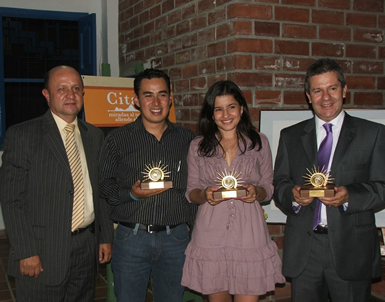
De izquierda a derecha: Ignacio Castaños, Director Territorial Citará; Luis Felipe Barrera, ProAves; Liliana Taborda González, Ecoregion; Luis Bernardo Benjumea, Cooperan.

Terminado el acto protocolario de condecoración, se hizo presentación de la muestra fotográfica “Citará, miradas al territorio, allende el Cauca” realizada por los funcionarios de la Corporación. Además del lanzamiento del “Plan Colegas”, acuerdo de Voluntades que nos compromete a seguir con la Protección y preservación de nuestro Patrimonio Natural.

Equipo ProAves invitado a la ceremonia

En representación de la Fundación ProAves fueron invitados: Luis Felipe Barrera, Subdirector de Áreas protegidas Cordillera Central, Ana Cristina Velasquez, Educadora Ambiental de Jardín y Ana Esperanza Contreras, Coordinadora de Áreas Protegidas para el Norte de la Cordillera Occidental.

Agradecemos a La Corporación Autónoma Regional Corantioquia, por este reconocimiento y los felicitamos por sus 15 años de buena gestión en la protección de los recursos naturales de la región.

Categorías
Noticias

Distinción Vida para la Fundación ProAves

Jueves 21 de octubre de 2010.

El pasado 23 de Septiembre, la Corporación Autónoma Regional Corantioquia, Territorial Citará, celebró sus 15 años de labores con una ceremonia en la que hizo un reconocimiento a aquellas entidades que han trabajado de manera muy comprometida y constante por la preservación de los Recursos Naturales, haciendo la entrega de la Distinción Vida, máximo galardón que entrega la Corporación a una persona o institución.

El evento contó con la participación de las organizaciones gubernamentales y no gubernamentales más importantes que trabajan en la Territorial Citará y fueron condecorados la organización EcoRegion, la Cooperativa de Caficultores de Andes Cooperan y la Fundación ProAves Colombia, destacándose por todas las acciones puntuales de conservación que ha realizado desde 1998, en especial por el desarrollo del Proyecto Ognorhynchus en el Municipio de Jardín, Antioquia.

De izquierda a derecha: Ignacio Castaños, Director Territorial Citará; Luis Felipe Barrera, ProAves; Liliana Taborda González, Ecoregion; Luis Bernardo Benjumea, Cooperan.

Terminado el acto protocolario de condecoración, se hizo presentación de la muestra fotográfica “Citará, miradas al territorio, allende el Cauca” realizada por los funcionarios de la Corporación. Además del lanzamiento del “Plan Colegas”, acuerdo de Voluntades que nos compromete a seguir con la Protección y preservación de nuestro Patrimonio Natural.

Equipo ProAves invitado a la ceremonia

En representación de la Fundación ProAves fueron invitados: Luis Felipe Barrera, Subdirector de Áreas protegidas Cordillera Central, Ana Cristina Velasquez, Educadora Ambiental de Jardín y Ana Esperanza Contreras, Coordinadora de Áreas Protegidas para el Norte de la Cordillera Occidental.

Agradecemos a La Corporación Autónoma Regional Corantioquia, por este reconocimiento y los felicitamos por sus 15 años de buena gestión en la protección de los recursos naturales de la región.

corantioquia
Categorías
News

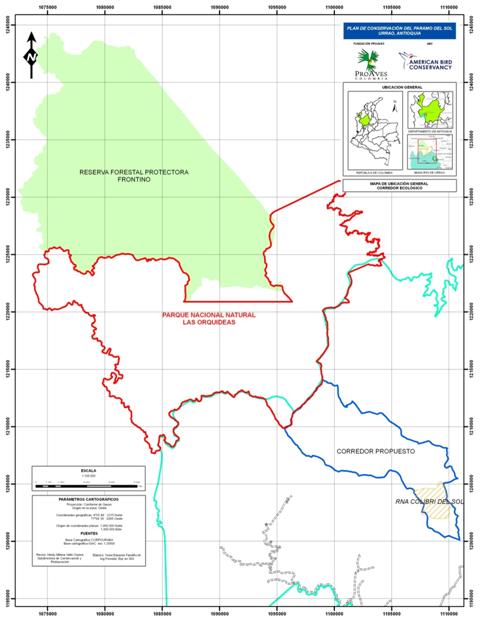
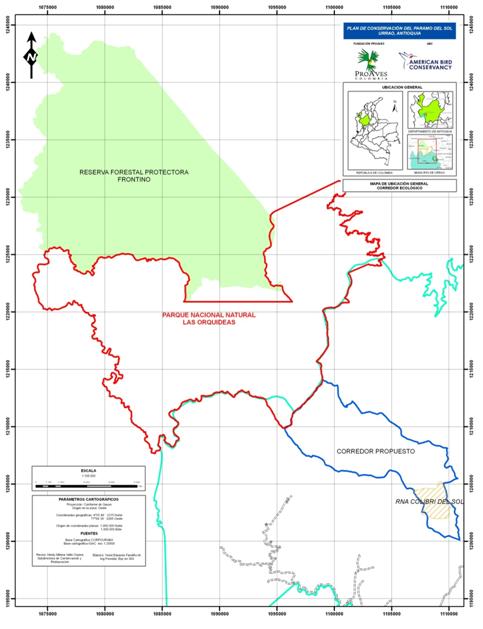
ProAves helps protect Paramo del Sol in Antioquia

Tuesday 4 January 2011.

The event took place in the House of Culture in the town of Urrao (Antioquia) and was framed within the support agreement between the Corporation for Sustainable Development of Urabá CORPOURABÁ and ProAves, to implement the wilderness management plan.

The workshop was attended by 22 people among who were representatives of the community action boards of the villages of El Saladito, Guapantal and La Magdalena, the Municipal Government, the Alfa Eco Group (GEA), the Urrao Public Service Company and the Urrao Institution of Education, The Chuscal.

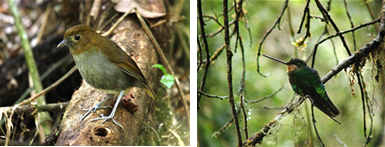
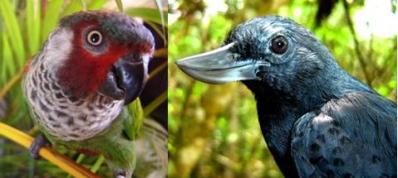
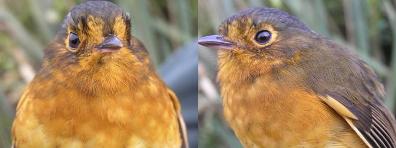
Grallaria fenwickorum – Coeligena orina

“Threatened species that will benefit from future conservation actions”.

The methodology used was of briefings in which presentations were made of the work of CORPOURABÁ, the study discussed the current state of the Páramo del Sol and presented its management plan.

Additionally, there was a group effort where the program and project management plan were reviewed, identified by each institution and the people who attended, on how they can articulate their plans for 2011. Proposed projects were presented and responsibilities and potential resources were defined to implement the plan in a participatory manner by the users of the goods and services provided by the wilderness.

[slickr-flickr search=”sets” set=”72157625683868304″ items=”20″ type=”gallery”]

Finally, the initiatives taken and progress in the formulation and implementation of the wilderness management plan by CORPOURABÁ, ProAves and Alfa Eco Group (GEA) were highlighted.

With the support of:

Corpouraba
Categorías
Noticias

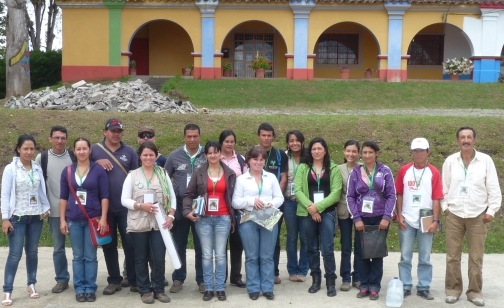
ProAves aporta a la protección del Páramo del Sol

Lunes 27 de diciembre de 2010.

El evento tuvo lugar en la Casa de la Cultura del municipio de Urrao (Antioquia) y fue enmarcado dentro del convenio de apoyo celebrado entre la Corporación para el Desarrollo Sostenible de Urabá CORPOURABÁ y la Fundación ProAves; con el fin de poner en marcha el plan de manejo del páramo.

Al taller asistieron 22 personas entre las cuales se encontraban representantes de las juntas de acción comunal de las veredas El Saladito, Guapantal y La Magdalena; la Alcaldía Municipal, el Grupo Ecológico Alfa (GEA), la Empresa de Servicios Públicos de Urrao y la Institución Educativa El Chuscal.

Grallaria fenwickorum – Coeligena orina
“Especies amenazadas que se beneficiarán de las futuras acciones de conservación”.

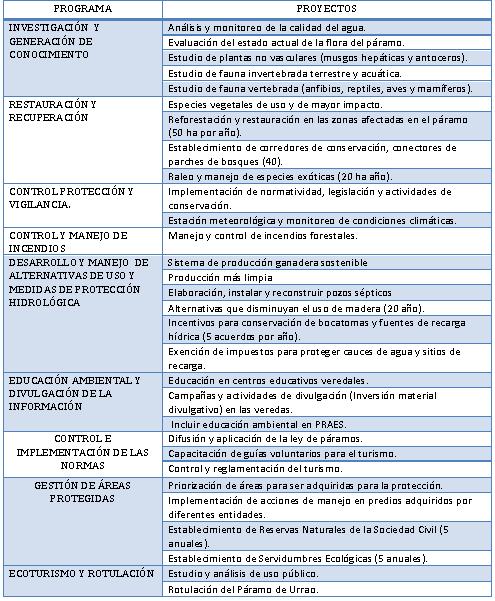
La metodología empleada fue de charlas informativas en las que se hicieron presentaciones del trabajo de CORPOURABÁ, se expuso el estudio del estado actual del Páramo del Sol y se presentó su plan de manejo.

Adicionalmente, se realizó un trabajo grupal donde se revisaron los programas y proyectos del plan de manejo; identificando desde cada institución y personas asistentes, cómo se pueden articular sus planes del 2011. Se presentaron los proyectos planteados y se definieron responsabilidades y posibles recursos, para poner en marcha el plan de manera participativa por parte de los usuarios de los bienes y servicios brindados por el páramo.

[slickr-flickr search=”sets” set=”72157625683868304″ items=”20″ type=”gallery”]

Finalmente, se destacaron las iniciativas emprendidas y los avances en los procesos de formulación e implementación del plan de manejo del páramo por parte de CORPOURABÁ, ProAves y el Grupo Ecológico Alfa (GEA).

Con el apoyo de:

Corpouraba
Categorías
News

Successful VI Banding course with emphasis on migratory and endangered birds

Tuesday 10 May 2011.

The course was attended by high-level instructors like Ian Hunter and Dave Fletcher of The Wetland Trust and Esteban Botero-D SELVA Association, in addition to the participation of 11 students from Colombia, Peru, Chile and Uruguay.

During the same course theoretical and practical activities were developed where topics such as the migration of birds, endemic species, harvesting techniques, handling, banding and data collection, ethics of the bander, age determination by plumage, molt and ossification of the skull, determination of fitness of the bird through the records of fat and muscle and reproductive status, foraging ecology, habitat use and data analysis were discussed.

Banding activities during the course.

As a result of the practical activities 264 individuals were caught and released, of which 150 were banded, 36 were recaptured and 78 released unbanded. Some species banded were: Mionectes oleaginous, Manacus Manacus, Basileuterus rufifrons, Onychoryncus coronatus, Arremon schlegeli, Tersina Viridi, other migratory like Leiothlypis peregrina, Dendroica fusca, Contopus virens and other endemic species: Atlapetes melanocephalus, Arremon Basilicus, Basileuterus conspicillatus, Basileuterus Basilicus.

Also, participants, instructors and organizers expressed their satisfaction with the high academic standards, good logistics, facilities and human quality of all attendees.

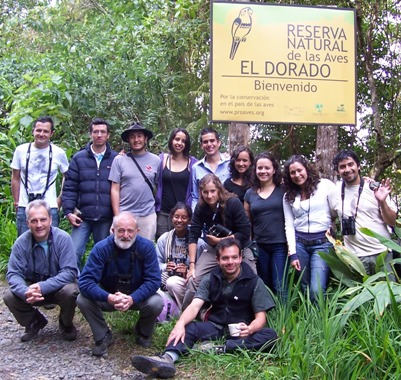
Participants, organizers and instructors of the VI banding course.

[slickr-flickr search=”sets” set=”72157626642008146″ items=”20″ type=”gallery”]

With the support of:

wetlandtrust


Categorías
Aves migratorias Noticias

Éxito en VI curso de anillamiento con énfasis en aves migratorias y amenazadas

El curso contó con la presencia de instructores de alto nivel como Ian Hunter y Dave Fletcher de The Wetland Trust y Esteban Botero-D de la Asociación SELVA; además de la participación de 11 estudiantes de Colombia, Perú, Chile y Uruguay.

Durante el mismo se desarrollaron actividades teórico-prácticas donde se abordaron temas como: la migración de aves, endemismos, técnicas de captura, manipulación, anillamiento y toma de datos; ética del anillador, determinación de la edad por medio del plumaje, muda y osificación del cráneo, determinación de condición física del ave a través de los registros de grasa y músculo y condición reproductiva; ecología de forrajeo, uso de hábitat y análisis de datos.

Actividades de anillamiento durante el curso.

Como resultado de las actividades prácticas se capturaron y liberaron 264 individuos, de los cuales 150 fueron anillados, 36 recapturados y 78 liberados sin anillar. Algunas de las especies anilladas fueron: Mionectes oleaginous, Manacus manacus, Basileuterus rufifrons, Onychoryncus coronatus, Arremon schlegeli, Tersina viridi; otras migratorias como: Leiothlypis peregrina, Dendroica fusca, Contopus virens y otras endémicas: Atlapetes melanocephalus, Arremon basilicus, Basileuterus conspicillatus, Basileuterus basilicus.

Asimismo, los participantes, instructores y organizadores, expresaron su satisfacción por el alto nivel académico, la buena logística, las instalaciones y calidad humana de todos los asistentes al evento.

Participantes, organizadores e instructores del VI curso de anillamiento.
[slickr-flickr search=”sets” set=”72157626642008146″ items=”20″ type=”gallery”]

Con el apoyo de:

wetlandtrust


Categorías
Noticias

Semana Mayor sin Palma de cera

Miércoles 30 de marzo de 2011.

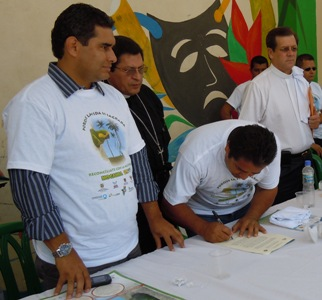
En la reunión se firmó un acta de compromiso que será enviada a todas las iglesias del país con el objetivo de que ningún feligrés utilice la Palma de cera el Domingo de Ramos, debido a que existe la necesidad de conservación de este hábitat que es único del loro y depende de él para vivir.

Lo anterior haciendo alusión a la campaña “Reconcíliate con la Naturaleza” que llega a sus 10 años de trabajo con el cambio en la categoría de amenaza del loro orejiamarillo que pasó de “En Peligro Crítico” a “En Peligro”, gracias al éxito en las actividades puntuales en investigación, conservación y educación ambiental realizadas por la Fundación ProAves y el Proyecto Loro Orejiamarillo.

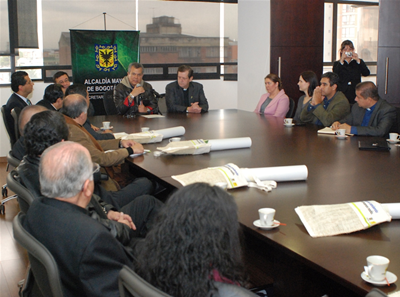
Representantes de las diferentes entidades presentes en la reunión realizada en las instalaciones de la Secretaría Distrital de Ambiente.

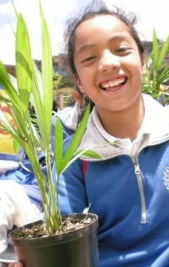
Como conclusión general, la Iglesia no bendecirá la palma de cera si cualquier feligrés asiste con ella el Domingo de Ramos; no obstante se brindarán alternativas como reemplazar la palma por un ramo de amero, junco o una planta viva.

En la reunión también se hicieron presentes delegados de la CAR, las Diócesis Urbanas del Distrito Capital y Diócesis del departamento, Conferencia Episcopal, Mesa Ecoteológica de Bogotá, Iglesia Anglicana y Luterana de Bogotá, Organizaciones no Gubernamentales, Jardineros Ltda., Conservación Internacional Colombia y ProAves.

Con el apoyo de:

minvivienda car secretaria_ambiente conferencia proaves
conservacioninternacionalcolombia PRENSAVERDE_logotipo11x30dig Nocaima Jardineros_ Logos_Jovenes_de_Ambiente
Villeta
Categorías
Noticias Noticias Loro Orejiamarillo

Una década conservando el loro orejiamarillo y la palma de cera

Miércoles 6 de abril de 2011.

La Campaña Reconcíliate con la Naturaleza, que busca proteger el loro orejiamarillo y la palma de cera durante la Semana Santa, cumplió una década de buenos resultados, que van desde el aumento de las poblaciones de las especies a proteger, hasta el ejercicio de nuevas prácticas religiosas por parte de la comunidad.

La campaña que busca salvar de la extinción al loro orejiamarillo, surgió en el 2002 liderada por Conservación Internacional Colombia y la Fundación ProAves, con el apoyo del Ministerio de Ambiente, la Conferencia Episcopal de Colombia, la Secretaría Distrital de Ambiente, la Corporación Autónoma Regional de Cundinamarca, Jardineros, entre otra entidades.

En 1999, había una población de 81 individuos de Loro Orejiamarillo en el Tolima y en 2001, fue encontrada otra con 63 individuos, en Antioquia. Para proteger dicha especie la campaña se enfocó en la conservación de su hábitat: la palma de cera (Ceroxilon quindiense), altamente afectada por el corte indiscriminado de sus ramas para las celebraciones del Domingo de Ramos.
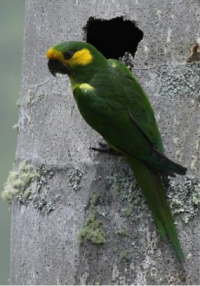
Diez años después, las acciones de conservación realizadas en el Tolima y después de una temporada de cría exitosa, se reportaron en 2010 niveles históricamente altos en la población del loro orejiamarillo con 727 individuos y 291 polluelos, registrados en 131 nidos. Esto significa que hoy se cuenta con una población de más de 1000 individuos, indicó ProAves.

Así, el loro Orejiamarillo, catalogado durante nueve años como ’En Peligro Critico’ por la Unión Internacional Para la Conservación de la Naturaleza (UICN), bajó su categoría de amenaza a ’En Peligro’, lo cual es el resultado de las continuas alianzas interinstitucionales y el trabajo comprometido por la conservación de la especie.

En cuanto a la palma de cera del Quindío, sus poblaciones siguen categorizadas ’En Peligro Crítico’, dadas las amenazas por las actividades agrícolas y pecuarias. Esta especie fue declarada como Árbol Nacional de Colombia mediante la Ley 61 de 1985, que prohíbe su tala de manera indefinida en el territorio nacional.

Al igual que esta especie, existen otras palmas amenazadas. Por esta razón, en 2011 la campaña hace énfasis en la preservación de la palma de cera de Sasaima (Ceroxilon sasaimae), especie endémica, que se encuentra en Cundinamarca. La palma presenta la misma categoría de amenaza de la palma de cera del Quindío y está afectada por la pérdida de hábitat.

Iglesia, comprometida

Desde sus inicios, la campaña ha contado con la participación progresiva de la iglesia Católica. Hace tres años se sumó la comunidad Luterana que comparte los mismos ritos litúrgicos que la Católica, y luego, se unió la Anglicana.

En este tiempo se ha destacado la presencia de Monseñor Alirio López Aguilera, quien creó el lema de la campaña: Porque la vida es sagrada…reconcíliate con la naturaleza, que ha trascendido y marcado un hito dentro de las campañas ecológicas que se realizan en Colombia, por su permanencia y porque ha llegado al corazón de muchos católicos.

Para monseñor López Aguilera su inspiración radicó en que: “Toda la obra creadora de Dios es sagrada. El hombre se reconcilia cuando respeta la creación a través las plantas o los animales. Eso nos hace recordar al patrón de la Ecología que es San Francisco de Asís, quien nos invita a reconocer en el hermano sol, en la hermana planta, en la hermana agua… la impronta de Dios en la naturaleza”.

El religioso afirmó: “Después de diez años de trabajo hoy hay mayor conciencia de la ciudadanía por el cuidado de la palma de cera y el loro orejiamarillo, mayor reconocimiento de que la vida es sagrada, y de que podemos utilizar otros medios para manifestar nuestra relación cultual y de alabanza a Dios”.

Por su parte Monseñor Holman Lara, directivo de la comunidad Luterana expresó que como contribución a la campaña, en su comunidad no están quemando el Árbol Nacional de Colombia, para la elaboración de la sustancia que se utiliza el Miércoles de Ceniza, sino que la elaboran con amero de maíz. “Ya miembros del clero en las diferentes denominaciones han recibido con aceptación esta propuesta, porque lo que importa es la intención y la simbología que encierra esa celebración”.

Monseñor Lara invitó a los feligreses a que hagan una participación masiva y alegre el próximo Domingo de Ramos. “Que las procesiones estén colmadas de personas con plantas recomendadas por las autoridades ambientales, para que luego sean bendecidas y llevadas a las casas. Que los padres generen conciencia en sus hijos, sin afectar la fauna y la flora”.

Las alternativas

En los últimos años, la CAR ha brindado numerosas alternativas para que los feligreses reemplacen la palma de cera por otras especies. Algunas de las propuestas son la palma de Vino, la palma Areca y los ramos artesanales elaborados en junco y en amero o cáscara de mazorca.

Por su parte la Secretaría Distrital de Ambiente realiza cursos sobre ramos ecológicos en las aulas ambientales de Santa María del Lago, Entrenubes, Mirador de los Nevados y Soratama. Este año distribuirá plantas vivas (palma de Areca), en algunas las parroquias bogotanas.

Las autoridades anunciaron sanciones a quienes trafiquen con las especies protegidas. Desde 2007 hasta 2010, la CAR con apoyo de la Policía Nacional, realizó 538 operativos en Cundinamarca con 137 incautaciones de palma.

Juan Antonio Nieto Escalante, Secretario Distrital de Ambiente informó que aquellos que comercialicen ramos elaborados con hojas de palmas de cera y vino podrían pasar entre 3 y 7 años de cárcel, y pagar multas de hasta $2.678 millones (5 mil salarios mínimos mensuales legales vigentes).

Nocaima, sede del evento

En 2011 el lanzamiento de la campaña se realizará este jueves 7de abril, en el municipio de Nocaima, a 64 kilómetros de Bogotá por la vía a La Vega, en la provincia de Gualivá, en el occidente de Cundinamarca.

Mediante un Acta Pública la localidad se suscribirá como guardiana la de las seis variedades de palma de cera y del loro orejiamarillo, al tiempo que promoverá la siembra de palma de Sasaima en la localidad, como la utilización de plantas vivas durante el Domingo de Ramos.

“Hago una invitación especial a todos los colombianos para que nos acompañen este 7 de abril en el lanzamiento de la campaña ’Reconcíliate con la Naturaleza’. Las autoridades de Nocaima y su comunidad, se declaran promotores de la conservación de los recursos naturales, y en especial, del loro orejiamarillo y de las variedades de palma. Este es un municipio próspero, que pese al vendaval sufrido el fin de semana, que dejó 500 casas afectadas, es respetuoso de la vida y conciente de que cuidar el planeta es una obligación de todos”, expresó el alcalde, Wilson Rojas.

Además del municipio de Nocaima, este año participan el Ministerio de Ambiente, ProAves, Secretaría Distrital de Ambientela, CAR, Conservación Internacional, la Conferencia Episcopal, la comunidad Luterana y Anglicana, la Alcaldía Mayor de Bogotá, Jardineros, la Corporación Ambiental Prensa Verde y la Concesión Sabana.
minvivienda car secretaria_ambiente conferencia proaves
conservacioninternacionalcolombia PRENSAVERDE_logotipo11x30dig Nocaima Jardineros_ Logos_Jovenes_de_Ambiente
Villeta


Categorías
Noticias

Éxito en lanzamiento de la Campaña Reconcíliate con la Naturaleza 2011

Viernes 15 de abril de 2011.

La campaña “Reconcíliate con la Naturaleza” que busca proteger el Loro Orejiamarillo y la Palma de Cera durante la Semana Santa, cumplió una década de buenos resultados, entre ellos el cambio de categoría de “En Peligro Critico” a “En Peligro”; lo cual es consecuencia de las continuas alianzas interinstitucionales y el arduo trabajo por la conservación de la especie.

Mediante un Acta Pública la comunidad se suscribió como guardiana de las seis variedades de la Palma de Cera y del Loro Orejiamarillo, al tiempo que promovió la utilización de la Palma de Iraca, Areca o plantas vivas durante el Domingo de Ramos.

Firma del Acta.

Es importante precisar que diez años después, las acciones de conservación realizadas y después de una temporada de cría exitosa, se reportaron en 2010 niveles históricamente altos en la población del Loro Orejiamarillo con 727 individuos y 291 polluelos, registrados en 131 nidos. Esto significa que hoy se cuenta con una población de más de 1000 individuos.

Como acto simbólico y lúdico, se plantó una Palma de Cera en el parque central del municipio, en el cual intervinieron las distintas personalidades y asistentes al evento.

En las fotografías: el señor Obispo de Facatativá Luis Nova sembrando la palma de cera y Lina Daza, Directora Ejecutiva de ProAves con representantes de la CAR en el evento.

“Hago una invitación especial a todos los colombianos para que nos acompañen en la campaña Reconcíliate con la Naturaleza. Las autoridades de Nocaima y su comunidad, se declaran promotores de la conservación de los recursos naturales, y en especial, del Loro Orejiamarillo y de las variedades de palma”. Expresó el Alcalde de Nocaima, Wilson Rojas.

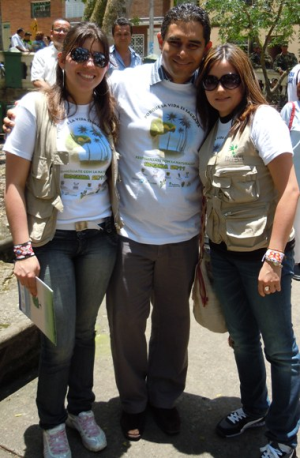
De izq. a der.: Yulied Bautista Coordinadora Nacional de Educación Ambiental de ProAves, Wilson Rojas Alcalde de Nocaima y Lina Daza Directora Ejecutiva de ProAves.

Asimismo, Monseñor Alirio López Aguilera quien creó el nombre y lema de la campaña “Porque la vida es sagrada… Reconcíliate con la naturaleza”, afirmo: “Después de diez años de trabajo hay mayor conciencia de la ciudadanía por el cuidado de la Palma de Cera y el Loro Orejiamarillo, mayor reconocimiento de que la vida es sagrada, y que podemos utilizar otros medios para manifestar nuestra relación cultual y de alabanza a Dios”.

Igualmente el evento fue armonizado con la Banda Sinfónica del municipio, que acompañó la presentación de los Niños Defensores del Agua quienes expusieron la importancia del cuidado de los recursos naturales y la aplicación de los valores con el medio ambiente como el respeto, el compromiso y la ecoternura.

Banda Sinfónica de Nocaima y Niños Defensores del Agua.

El lanzamiento de la campaña contó con la participación del Ministerio de Ambiente, Vivienda y Desarrollo Territorial, CAR, Alcaldía de Bogotá, Conferencia Episcopal de Colombia, Fundación ProAves, Conservación Internacional Colombia, Prensa Verde, Concesión Sabana de Occidente, Jardineros Ltda., Jóvenes de Ambiente, la Administración de Nocaima, la Policía Ambiental, el Ejercito Nacional, la Defensa Civil y la comunidad en general.

Con el apoyo de:

minvivienda car secretaria_ambiente conferencia proaves
conservacioninternacionalcolombia PRENSAVERDE_logotipo11x30dig Nocaima Jardineros_ Logos_Jovenes_de_Ambiente
Villeta
Categorías
Noticias

10 años de “Reconcíliate con la Naturaleza” en Roncesvalles (Tolima)

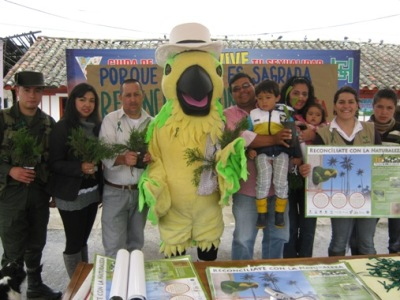
Los católicos de Roncesvalles participaron en la bendición de los ramos con el pino y plántulas de palma de cera que fueron entregadas para incentivar la siembra de esta especie representativa de la región.

El éxito de esta campaña se mide desde hace 10 años, como resultado de un arduo trabajo de educación ambiental a través de charlas informativas, programas radiales y eventos cultural-ambientales de la Fundación ProAves con el apoyo de la iglesia católica e instituciones del municipio.

Uno de los personajes principales del evento fue el loro “Otorrico”, que fue creado por la Fundación desde el redescubrimiento del Loro Orejiamarillo para promover la sensibilización y compromiso en el cuidado de su hábitat la palma de cera y de los recursos naturales en general; fortaleciendo así la integración de la comunidad principalmente de los niños y jóvenes.

“Otorrico” entregó a la población ramos de pino y una cinitilla verde, como símbolo de su disposición a conservar el árbol nacional.

El siguiente video ilustra la participación y conciencia de los habitantes en la campaña “Porque la vida es sagrada… Reconcíliate con la Naturaleza” 2011:

{youtube}_eujTxvg-0c|425|344|1{/youtube}

Categorías
News

10 years of “Reconcile yourself with Nature” in Roncesvalles (Tolima)

The success of this campaign is measured from 10 years ago, as a result of hard work in environmental education through informative lectures, radio programs and cultural and environmental events run by ProAves Foundation with support from the Catholic Church and town institutions.

One of the main characters of the event was the parrot “Otorrico” which was created by the Foundation after the rediscovery of the Yellow-eared Parrot to promote awareness and commitment in caring for their habitat, the Wax Palm and other natural resources; thus strengthening the integration of the community primarily among children and youths.

“Otorrico” delivered pine branches to the population and green cinitilla as a symbol of their willingness to preserve the national tree.

The following video shows the participation and awareness of people in the campaign “because life is sacred … Reconcile yourself with Nature 2011”:

{youtube}_eujTxvg-0c|425|344|1{/youtube}

Categorías
Noticias

VI curso de anillamiento

Martes 8 de marzo de 2011.

Se hará una introducción a la sistematización de datos y el análisis de resultados enfocados a responder preguntas de interés para la conservación de las aves migratorias y endémicas. El curso contará con la presencia instructores de alto nivel de The Wetland Trust (Inglaterra) y la Fundación ProAves (Colombia).

Temáticas a tratar:

Anillamiento científico, captura y toma de datos (muda, edad, sexo), monitoreo, identificación de especies migratorias y ecología.

Fecha:

Del 26 de marzo al 3 de abril de 2011.

Encuentro el 26 de marzo a la 1:30 de la tarde en la Terminal de buses de Santa Marta y regreso 3 de abril 1:30pm en la Terminal de buses de Santa Marta.

Lugar:

Hotel Minca y Reserva Natural de las Aves El Dorado, Sierra Nevada de Santa Marta – Magdalena, Colombia.

Requisitos para los participantes:

Estudiantes o profesionales con experiencia en investigación de aves migratorias y/o endémicas, o con intención de trabajar con este grupo de aves en un futuro cercano. Preferiblemente con conocimientos del idioma inglés. Cupo limitado para 20 personas.

Inscripciones:

Enviar hoja de vida actualizada y carta de intención a: Margarita Arteaga marteaga@proaves.org especificando las razones para tomar el curso y como serán aplicados los conocimientos a futuro. Especificar en el asunto: curso de anillamiento.

Fechas y precios:

Hasta el viernes 18 de marzo de 2011

$650.000 pesos ($323 USD)

A partir del 04 de marzo de 2011

$850.000 pesos ($425 USD)

*El valor incluye: inscripción y alojamiento: tres (3) días, dos (2) noches en el Hotel Minca, y seis (6) días, seis (6) noches en la RNA El Dorado (Santa Marta – Magdalena), en habitación de 4-6 personas. Alimentación completa durante el curso. Transporte terrestre: Santa Marta – Hotel Minca – RNA El Dorado – Santa Marta. No Incluye transporte hasta Santa Marta.

Margarita Arteaga: marteaga@proaves.org. Fundación ProAves.

Con el apoyo de:

Categorías
Noticias

Últimos 4 cupos para VI curso de anillamiento

Martes 15 de marzo de 2011.

Últimos 4 cupos para participar en el VI Curso de anillamiento con énfasis en aves migratorias y amenazadas. Ampliamos el plazo para pago con descuento hasta el día viernes 18 de marzo. ¡Anímate, quedan 4 cupos!

ProAves con el apoyo de The Wetland Trust, tiene el agrado de invitar a participar en el VI CURSO DE ANILLAMIENTO CON ÉNFASIS EN AVES MIGRATORIAS Y AMENAZADAS.

Se hará una introducción a la sistematización de datos y el análisis de resultados enfocados a responder preguntas de interés para la conservación de las aves migratorias y endémicas. El curso contará con la presencia instructores de alto nivel de The Wetland Trust (Inglaterra) y la Fundación ProAves (Colombia).

Temáticas a tratar:

Anillamiento científico, captura y toma de datos (muda, edad, sexo), monitoreo, identificación de especies migratorias y ecología.

Fecha:

Del 26 de marzo al 3 de abril de 2011.

Encuentro 26 de marzo a la 1:30 pm en la Terminal de buses de Santa Marta y regreso 3 de abril 1:30 pm en la Terminal de buses de Santa Marta.

Lugar:

Hotel Minca y Reserva Natural de las Aves El Dorado, Sierra Nevada de Santa Marta – Magdalena, Colombia.

Requisitos para los participantes:

Estudiantes o profesionales con experiencia en investigación de aves migratorias y/o endémicas, o con intención de trabajar con este grupo de aves en un futuro cercano. Preferiblemente con conocimientos del idioma inglés. Cupo limitado para 20 personas. Quedan 4 cupos.

Inscripciones:

Enviar hoja de vida actualizada y carta de intención a: Margarita Arteaga marteaga@proaves.org especificando las razones para tomar el curso y como serán aplicados los conocimientos a futuro. Especificar en el asunto: curso de anillamiento.

Fechas y precios:

Hasta el próximo viernes 18 de marzo de 2011

$650.000 pesos ($323 USD)

A partir del 04 de marzo de 2011

$850.000 pesos ($425 USD)

*El valor incluye: inscripción y alojamiento: tres (3) días, dos (2) noches en el Hotel Minca, y seis (6) días, seis (6) noches en la RNA El Dorado (Santa Marta – Magdalena), en habitación de 4-6 personas. Alimentación completa durante el curso. Transporte terrestre: Santa Marta – Hotel Minca – RNA El Dorado – Santa Marta. No Incluye transporte hasta Santa Marta.

Mayores informes: Margarita Arteaga: marteaga@proaves.org. Fundación ProAves.

Con el apoyo de:

wetlandtrust


Categorías
News

Last 4 places for the VI course of ringing

It will be introduced to the systematization of data and analysis of results focused to answer questions relevant to the conservation of migratory and endemic birds.

The course will be attended by senior instructors from The Wetland Trust (England) and Fundación ProAves (Colombia).

Topics to be addressed:

Scientific ringing, capture and data collection (Silent, age, sex), monitoring, identification of migratory species, ecology.

Date:

March 26 to April 3, 2010.

Location:

Minca Hotel and Nature Reserve El Dorado Bird.

Sierra Nevada de Santa Marta – Magdalena – COLOMBIA.

Requirements for participants:

Students or professionals with experience in bird research or who intend to work with this group of organisms in the near future. Preferably with knowledge of English. Limited seating for 20 people.

Registration and Investment:

The information on enrollment and investment for the course will be published later.

Categorías
Noticias

Ecological disaster: oil spill for cocaine

Wednesday 25 March 2009.

Two weeks ago the ProAves conservation team in the Pangán Bird Reserve on the Pacific slope of Nariño found the Rio Ñambí, that flows through the reserve, to be contaminated by a major crude oil spill.

“The spectacular Ñambí river is becoming a sewer of black water, with thousands of death fish and cover riverside vegetation”, Sara Inés Lara, Executive Director of Fundación ProAves, complained. “It a catastrophe for this forest and for this planet”. The oil spill is not due to accident but by the illegal extraction of oil from a major oil pipeline owned and operated by EcoPetrol.” The oil pipeline starts in Putumayo in the Amazon and flows past the reserve and town of Junín and on to the coastal port of Tumaco. Unfortunately, thieves have drilled into the massive pipeline to extract oil.

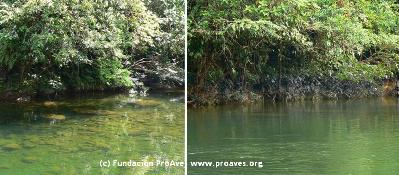
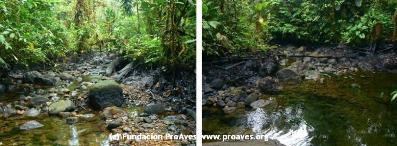
Two images of the same spot on Ñambí River before (left) and after the oil spill (note that oil contaminated a significant are of riverside vegetation).

Thieves process the oil to produce homemade gasoline which is used in the processing of coca leaves into cocaine. The side products from the artisanal distillation of crude oil, plus the overflow of crude oil all flow into streams then the Rio Ñambí. It is estimated that perhaps more than one hundred thousand gallons of oil have flowed into rivers, causing irreparable damage and death to the fauna and flora of the region.

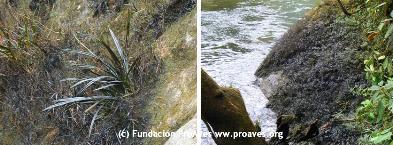
Orchids and other plants dying in the Ñambí river contaminated by oil.

“The illegal and extremely dangerous extraction of oil have just started” said the President of Fundación ProAves, Alonso Quevedo. “The Chocó rainforests of Colombia are recognized as some of the richest in biodiversity and endemic species in the world with enormous value not only for nature but also for Awá indigenous communities who depend on this area.”

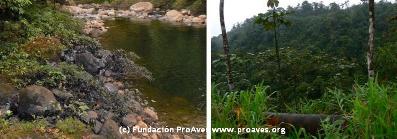
Oil along the Ñambí river (left) and the pipeline passing by the reserve (right).

Unfortunately, there are serious threats to the environment in this region such as illegal logging, illegal crops, cultivation of African palm, and now the looting of oil. UNIPA and CAMAWARI indigenous reserves, besides the El Pangán Bird Reserve are experiencing a crisis that affects not only the ecological balance of the region but also the communities themselves.

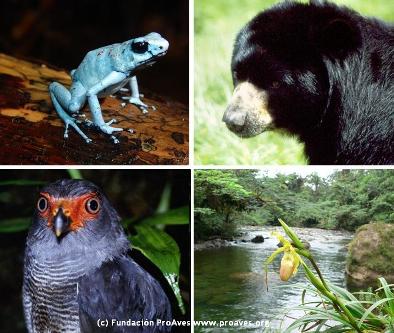
The Pangán Bird Reserve support many threatened species including the Pangan Poison Dart Frog (top left, clockwise), Spectacled Bear, Plumbeous Forest-falcon and rare Slipper Orchids.

“For sure, this not only affects the wildlife but also families who derive their livelihood from these rivers,” said Sara Inés Lara. “This silent death of a once pristine river, may take a decade or more to recover.”

Dramatic scenes from the Gualmanbí creek affected by oil.

Ecopetrol and all other authorities have been informed of the critical situation. ProAves is urgently seeking support to train and hire local people that were once loggers and hunters as “forest guardians” to help protect the areas amazing natural heritage, especially monitoring the pipeline. If you are interested to help support this program, please contact us immediately at fundacion@proaves.org

Categorías
Noticias

New bird discovered, but feared extinct

Wednesday 25 March 2009.

A new subspecies of antpitta – a thrush-sized ground-living bird – from near the Colombian city of Medellin has been discovered among the one million bird specimens at the Natural History Museum in London, after lying undiscovered in the collection for 120 years. Now it is probably extinct. The new bird, called Giles’s Antpitta (Grallaria milleri gilesi), was collected in September 1878 by the British ornithologist Thomas Knight Salmon, when he made his last collection of bird skins from the forested hills surrounding the city of Medellin before his abrupt death.

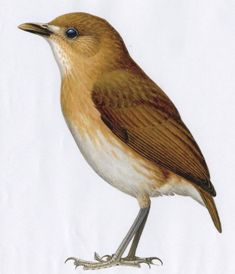
Giles’s Antpitta (Grallaria milleri gilesi).

“There were no bird identification guides in the late nineteenth century so Thomas Salmon sent the specimens he’d collected to be identified by scientists in Britain, where many were deposited at the world’s largest bird collection here at London’s Natural History Museum,” explained the Museum’s head of bird group Dr Robert Prŷs-Jones. “While there were many new and exciting discoveries, one unusual specimen of an antpitta was amazingly overlooked.”

Giles’s Antpitta presentation with Robert Giles (right), Robert Pry-jones (left), and Thomas Donegan.

The new antpitta lay unrecognised in the Museum’s collection until 2001, when bird artist Norman Arlott uncovered the specimen. He drew it to the attention of both Robert Prŷs-Jones and Natural History Museum scientific associate Dr Paul Salaman.

“We immediately recognized the specimen was previously undescribed” exclaimed Dr Paul Salaman, “yet it seems inconceivable that this distinctive specimen could have had been overlooked for 130 years.”

Thomas Knight Salmon collected the bird in the Andean mountains at Santa Elena, a neighbouring town to Colombia’s third largest city, Medellin. Formerly forested, with their cool climate and rich soils these are prime locations for coffee cultivation, agriculture and cattle grazing. Very little of the original lush Andean forests remain and the region has very few protected areas. Several recent searches by Fundación ProAves fieldworkers in the region have failed to locate any living individuals.

“Sadly, the new subspecies appears to have been restricted to Andean forests” said Dr Prŷs-Jones “a habitat that has been almost completely destroyed around Medellin and replaced by non-native pine trees and exotic eucalyptus trees.”

“If we had known about this extraordinary specimen decades before, it is possible the bird could have been located and saved, but sadly it lay overlooked for generations and as a bitter consequence we have probably lost it forever,” concluded Dr Salaman.

Colombia’s national bird conservation organization, Fundación ProAves, has received extensive support from British conservation philanthropist and keen birder, Robert Giles, who has supported the protection of many threatened bird species in Colombia. The new bird has been named in his honor.

The description of the new bird is published in the March 2009 issue of Bulletin of the British Ornithologist’s Club, by three Fundación ProAves Council members – Robert Prŷs-Jones, Thomas Donegan, and Paul Salaman.

Docs

image1 Salaman etal Grallaria milleri gilesi Bull BOC
PDF
– 664 kb

Categorías
Noticias

New bird discovered, but feared extinct

Wednesday 25 March 2009.

A new subspecies of antpitta – a thrush-sized ground-living bird – from near the Colombian city of Medellin has been discovered among the one million bird specimens at the Natural History Museum in London, after lying undiscovered in the collection for 120 years. Now it is probably extinct. The new bird, called Giles’s Antpitta (Grallaria milleri gilesi), was collected in September 1878 by the British ornithologist Thomas Knight Salmon, when he made his last collection of bird skins from the forested hills surrounding the city of Medellin before his abrupt death.

Giles’s Antpitta (Grallaria milleri gilesi).

“There were no bird identification guides in the late nineteenth century so Thomas Salmon sent the specimens he’d collected to be identified by scientists in Britain, where many were deposited at the world’s largest bird collection here at London’s Natural History Museum,” explained the Museum’s head of bird group Dr Robert Prŷs-Jones. “While there were many new and exciting discoveries, one unusual specimen of an antpitta was amazingly overlooked.”

Giles’s Antpitta presentation with Robert Giles (right), Robert Pry-jones (left), and Thomas Donegan.

The new antpitta lay unrecognised in the Museum’s collection until 2001, when bird artist Norman Arlott uncovered the specimen. He drew it to the attention of both Robert Prŷs-Jones and Natural History Museum scientific associate Dr Paul Salaman.

“We immediately recognized the specimen was previously undescribed” exclaimed Dr Paul Salaman, “yet it seems inconceivable that this distinctive specimen could have had been overlooked for 130 years.”

Thomas Knight Salmon collected the bird in the Andean mountains at Santa Elena, a neighbouring town to Colombia’s third largest city, Medellin. Formerly forested, with their cool climate and rich soils these are prime locations for coffee cultivation, agriculture and cattle grazing. Very little of the original lush Andean forests remain and the region has very few protected areas. Several recent searches by Fundación ProAves fieldworkers in the region have failed to locate any living individuals.

“Sadly, the new subspecies appears to have been restricted to Andean forests” said Dr Prŷs-Jones “a habitat that has been almost completely destroyed around Medellin and replaced by non-native pine trees and exotic eucalyptus trees.”

“If we had known about this extraordinary specimen decades before, it is possible the bird could have been located and saved, but sadly it lay overlooked for generations and as a bitter consequence we have probably lost it forever,” concluded Dr Salaman.

Colombia’s national bird conservation organization, Fundación ProAves, has received extensive support from British conservation philanthropist and keen birder, Robert Giles, who has supported the protection of many threatened bird species in Colombia. The new bird has been named in his honor.

The description of the new bird is published in the March 2009 issue of Bulletin of the British Ornithologist’s Club, by three Fundación ProAves Council members – Robert Prŷs-Jones, Thomas Donegan, and Paul Salaman.

Docs

image1 Salaman etal Grallaria milleri gilesi Bull BOC
PDF – 664 kb

Categorías
Noticias

Young Conservationists help in El Pangán ReserveYoung Conservationists help in El Pangán Reserve

Thursday 30 April 2009.

The Young Researchers group of ProAves has been significantly contributed to the  Pangán Bird Reserve, such as repairing and making signs, and observing and drawing birds.

The Pangán Ecocentro, ProAves headquarters in the town of Junín, Nariño, has also been refurbished owning to heavy use by the community.

In a recent visit made by the Parrot Bus to Altaquer, a neighbouring town to Junin, members of the Young Researchers group were in charge of community activities and gave a presentation to schools.

While the group undertakes birding trips organized by ProAves staff; they are lacking binoculars and bird guides. If you want to support their activities and the biodiversity conservation in Colombia, please donate online or write to fundacion@proaves.org

Whit the support of:

rainforest
Categorías
Noticias

10 years of saving the Yellow-eared Parrot

Monday 30 November 2009.

In 1998, Fundación ProAves with the support of the Fundación Loro Parque, initiated the yellow-eared parrot project with the main objective of ensuring the survival of the species and to protect their habitat in the Colombian Andes.

10 years later we continue working steadily and dedicated with the purpose of ensuring that the populations of Yellow-eared Parrot (Ognorhychus icterotis) are healthy and stable. This project is a conservation model that has been replicated to other endangered species and to the establishment of protected areas throughout Colombia.

Piece of art made by plastic artists and illustrators Paula Laverde y Fernando Romero of the Conservation and Arts Foundation.

During these 10 years the project has involved more than 180 people and 47 organizations worldwide, adding the essential contribution and effort of different communities and the success in the specific activities in research, conservation and education, allows us to proudly claim that thanks to the efforts done, the species have now a hopeful future. Of 81 individuals found in 1999 we can now report that the population exceeds over 1000.

This highlights a strong commitment to the species, its habitat and local communities. We are now confident that future generations will know and cherish this dream and this species. ProAves owes its birth and growth to the Yellow-eared Parrot and support of Fundación Loro Parque.

We are pleased to present the following memorial video that summarizes our work and accomplishments of the past 10 years.

{youtube}e1a4WuxvIRU|370|270|1{/youtube}

With the support of:

lpf fpaa conservacioninternacionalcolombia abc
roncesvalles corantioquia Jardin
Roncesvalles (Tolima). Jardín (Antioquia).
Categorías
Noticias

First published photos of two rare species

Wednesday 27 June 2007.

Wildlife researchers have photographed two rare bird species, the Recurve-billed Bushbird and the Perija Parakeet and published it for the first time. The Recurve-billed Bushbird was photographed in Norte de Santander, Colombia by Adriana Tovar and Luis Eduardo Uruena of Fundación ProAves, American Bird Conservancy (ABC) Colombian conservation partner. The species remained undetected between 1965 and 2004 due to its small range and the remoteness of its habitats, until it was rediscovered recently in Venezuela and in a region of northeastern Colombia where this photo was taken.

Perija Parakeet  and Recurve-billed Bushbird

Perija Parakeet and Recurve-billed Bushbird.

During an expedition into this little explored region, Thomas Donegan and Blanca Huertas of ProAves discovered a relict forest around a holy sanctuary near the city of Ocaña. In 1709, the image of the Virgin Mary was seen in a tree root that had been cut down. The event was declared a miracle by the Vatican. A small area of forest known as the Torcoroma Holy Sanctuary has been protected by Church authorities ever since and a beautiful chapel which still houses the divine image was constructed on the site.

The surviving humid forest patch is dominated by bamboo and supports a treasure chest of threatened and little-known species. The site was declared an Important Bird Area in 2005, leading to visits by ornithologists and birdwatchers. Oscar Laverde from Colombia’s National University discovered a population of the endangered Recurve-billed Bushbird there that year. In late 2006, ProAves established the 250-acre Hormiguero de Torcoroma Bird Reserve adjacent to the Torcoroma Holy Sanctuary to protect the Recurve-billed Bushbird and other endemics.

“Whenever a new bird species is found or a species that was thought to be lost is rediscovered, it gives us all hope and encouragement,” said Paul Salaman, ABC’s International Program Director. “But as more and more remote areas are being settled, the bushbird reminds us how important it is to conserve as much natural habitat as we can. Who knows what wonderful biodiversity is being destroyed before it has had a chance to be discovered?”

The Recurve-billed Bushbird inhabits dense bamboo stands in the dry-cloud forest and has been seen splitting bamboo stems with its axe-like beak to extract grubs. The bushbird and several other little-known endemics occur in relict dry-cloud forest patches on the crests of Andean mountains in an otherwise arid region. Deforestation and wildfires for agriculture and grazing have devastated these forests, resulting in a denuded landscape which suffers from extensive soil erosion.

“ProAves is conducting environmental education campaigns for children and young people in the local community of Ocaña to help protect the habitat,” said Salaman. “Due to the rapid fragmentation of the habitat and lack of bordering forests in this region of Colombia, it is vitally important that we learn more about the bushbird to plan effectively for its conservation.”

The Perija Parakeet, an exceptionally rare species which was also photographed by Adriana Tovar and Luis Eduardo Urueña, thanks to Loro Parque Fundacion, has a very distinctive blue nape and white breast, and is threatened by habitat disturbance and loss, and potentially by illegal bird traders.

Categorías
Noticias

First South American Reserve For North American Songbird

Thursday 18 August 2005.
image1

American Bird Conservancy (ABC) and Colombian conservation group, Fundación ProAves, announce the creation of South America’s first protected area for a songbird that breeds exclusively in North America. The reserve will protect wintering habitat for the Cerulean Warbler, a striking bright blue and white migratory bird that has experienced significant population decreases in recent years, mainly due to loss of habitat on both its nesting grounds in North America and wintering grounds in South America.

The Cerulean Warbler nests in the eastern United States and Canada from the lower Great Lakes region, southern Quebec and New England, south to northern Louisiana and northwestern Georgia. Within this area, the species breeds primarily in the Ohio and Mississippi River valleys, especially in the upper Ohio River Valley in West Virginia and western Pennsylvania. The species also ranges east to New York, Maryland, and Virginia.

“This Cerulean Warbler reserve is a ground-breaking step in the conservation of migratory song birds” said Mike Parr, Vice President for Communications at American Bird Conservancy. “This is the first South American preserve designed to protect a bird species that solely nests in the United States and Canada.”

The new reserve currently includes 500 acres of subtropical forest in the Rio Chucurí basin of Santander, Colombia. The area, one of the last natural remnant forest fragments in the region, shelters high populations of wintering Cerulean Warblers. The reserve also contains three Critically Endangered bird species: the Gorgeted Wood-Quail, Colombian Mountain Grackle, and Chestnut-bellied Hummingbird, along with many other threatened and endemic birds.

“The Neotropical Migratory Bird Conservation Act, currently up for reauthorization in Congress, provided critical funding that helped to show that this region is important to the long-term survival of the Cerulean Warbler,” said Parr, “this project and others like it provide a strong justification for the renewal of the Act.”

The reserve in Santander is the focal point for a continuing regional conservation campaign for the warbler. Another key area for wintering Ceruleans, southwestern Antioquia, Colombia, has also been targeted by ABC for further conservation efforts.

The purchase was made possible by a major donation from British conservationist Robert Giles, and support from other individual donors.

PHOTOGRAPHS

To obtain high resolution photos of Cerulean Warbler contact: Robert Royse, www.roysephotos.com, rroyse@sprynet.com (Cerulean Warbler Images are located at: http://www.roysephotos.com/CeruleanWarbler.html – permission must be obtained prior to use).

To download a map showing the Cerulean Warbler’s winter, migration, and breeding ranges, together with the location of the new reserve go to: http://www.abcbirds.org/media/cerulean_map.htm.

American Bird Conservancy is a 501(c)3 not-for-profit organization, whose mission is to conserve native wild birds and their habitats throughout the Americas. It is the only U.S.-based group dedicated solely to overcoming the greatest threats facing birds throughout the Western Hemisphere. ABC believes adequate resources exist to overcome these threats, and that unifying people, organizations, and agencies around common approaches to priority issues is the key to success.

Categorías
Noticias

Birdathon for the Cerulean Warbler Reserve

Thursday 7 June 2007.

On May 5th a group of birders conformed by Gwen Brewer, Bill Hubick, Tom Feild, and George Jett, took part in a fund raising event for the Cerulean Warbler Bird Reserve as part of the Southern Maryland Audubon Society annual fund raising birdathon. They started at 3 AM and birded until well after 10 PM. They finished with 130 species. This team raised just over $2,500 and contributions are still coming in.

Cerulean Warbler Bird Reserve, in Santander, Colombia.

Cerulean Warbler Bird Reserve, in Santander, Colombia.

On May 12th Partners in Flight (PIF) and International Migratory Bird Day (IMBD) joined together to host a World Series of Birding team, the Redstarts with members from Canada, the United States, and Latin America. They saw a total of 212 species and tied for 6th place in the World Series of Birding event. A third of their funds raised (total not yet available) will contribute to the Cerulean Warbler Bird Reserve, own by ProAves. For more information about the PIF/IMBD team efforts (including a list of birds seen) click here. To learn more about the World Series of Birding click here.

Many THANKS to the team members and their supporters for these efforts!

The Bird Conservation Alliance and American Bird Conservancy efforts for raising finds for this appeal will continue until the end of the year.

Categorías
Noticias

Birdathon for the Cerulean Warbler Reserve

Thursday 7 June 2007.

On May 5th a group of birders conformed by Gwen Brewer, Bill Hubick, Tom Feild, and George Jett, took part in a fund raising event for the Cerulean Warbler Bird Reserve as part of the Southern Maryland Audubon Society annual fund raising birdathon. They started at 3 AM and birded until well after 10 PM. They finished with 130 species. This team raised just over $2,500 and contributions are still coming in.

Cerulean Warbler Bird Reserve, in Santander, Colombia.

Cerulean Warbler Bird Reserve, in Santander, Colombia.

On May 12th Partners in Flight (PIF) and International Migratory Bird Day (IMBD) joined together to host a World Series of Birding team, the Redstarts with members from Canada, the United States, and Latin America. They saw a total of 212 species and tied for 6th place in the World Series of Birding event. A third of their funds raised (total not yet available) will contribute to the Cerulean Warbler Bird Reserve, own by ProAves. For more information about the PIF/IMBD team efforts (including a list of birds seen) click here. To learn more about the World Series of Birding click here.

Many THANKS to the team members and their supporters for these efforts!

The Bird Conservation Alliance and American Bird Conservancy efforts for raising finds for this appeal will continue until the end of the year.

Categorías
Noticias

Birdathon for the Cerulean Warbler Reserve

Thursday 7 June 2007.

On May 5th a group of birders conformed by Gwen Brewer, Bill Hubick, Tom Feild, and George Jett, took part in a fund raising event for the Cerulean Warbler Bird Reserve as part of the Southern Maryland Audubon Society annual fund raising birdathon. They started at 3 AM and birded until well after 10 PM. They finished with 130 species. This team raised just over $2,500 and contributions are still coming in.

Cerulean Warbler Bird Reserve, in Santander, Colombia.

Cerulean Warbler Bird Reserve, in Santander, Colombia.

On May 12th Partners in Flight (PIF) and International Migratory Bird Day (IMBD) joined together to host a World Series of Birding team, the Redstarts with members from Canada, the United States, and Latin America. They saw a total of 212 species and tied for 6th place in the World Series of Birding event. A third of their funds raised (total not yet available) will contribute to the Cerulean Warbler Bird Reserve, own by ProAves. For more information about the PIF/IMBD team efforts (including a list of birds seen) click here. To learn more about the World Series of Birding click here.

Many THANKS to the team members and their supporters for these efforts!

The Bird Conservation Alliance and American Bird Conservancy efforts for raising finds for this appeal will continue until the end of the year.

Categorías
Noticias

New subspecies described from Yariguíes

Wednesday 15 October 2008.

Another new bird subspecies for science has been described from beside ProAves’ Cerulean Warbler Bird Reserve The Yariguíes Slate-crowned Antpitta was discovered during explorations of Serranía de los Yariguíes, in Colombia, by ProAves. It is a subspecies of the Slate-crowned Antpitta, and has been given the scientific name Grallaricula nana hallsi. The new subspecies was discovered and described during biological explorations of the Yariguíes mountains by ProAves. The description was formally published last week in the scientific journal Bulletin of the British Ornithologists’ Club.

The Slate-crowned Antpitta is a small bird with orange underparts and long legs found in forested mountains of the northern Andes. It differs from other slate-crowned antpittas in the shade of orange and olive in its plumage and by its short, low-pitched song. The name ’hallsi’ honours the British birder Alan G. Halls, who died in 2005 at the same time as the expedition on which the discovery was made.

This new subspecies of Slate-crowned Antpitta follows various other discoveries of birds and butterflies, being the fourth new taxon to be described from recent explorations of the Yariguíes mountains of Colombia by ProAves’ team. The 100 km Yariguies mountain range went unstudied for decades due to difficulty of access and political instability until recent surveys. The expedition team also found the world’s most viable populations of a host of critically endangered birds in the region. As a result, the Yariguíes mountains were declared a 78,837 ha National Park in 2005 and ProAves established a 545 ha nature reserve adjacent to the National Park.

The description was published as part of a substantial revision of the taxonomy of Slate-crowned Antpitta group. Another new subspecies, Grallaricula nana nanitaea, which had gone overlooked from Venezuela, was also described. It was further revealed that there are three distinct species within the Slate-crowned Antpitta group.

“This and other discoveries from our expeditions show the Yariguíes mountains to be a previously unknown centre of endemism” commented Thomas Donegan of ProAves, who discovered and described the new antpitta. “It is important to conserve the region in order to protect unique populations such as this.”

Grallaricula nana hallsi was discovered on the Fundación ProAves “EBA Project” expedition to Serranía de los Yariguíes. This and follow-up research on YARE project were supported by Royal Geographical Society, BP Conservation Programme (BirdLife International, Conservation International, Flora Fauna International, Wildlife Conservation Society), Duke of Edinburgh, Fondo para Acción Ambiental, Conservation International Colombia (Becas Iniciativa de Especies Amenazadas-Jorge Ignacio “El Mono” Hernández-Camacho), the Percy Sladen Memorial Fund (Linnean Society), Tropical Andean Butterfly Diversity Project, Game Conservancy Trust, World Pheasant Association, Corporación Autónoma Regional de Santander, Mayoralties of San Vicente de Chucurí, Galan and El Carmen, Universidad Industrial de Santander, Universidad de Caldas, Universidad de Tolima and Gobernación de Santander. Other expedition participants included: Colombian and British biologists and students Blanca Huertas, Jorge Avendaño, Elkin Briceño, John Jairo Arias, Cristóbal Ríos, Laura Rosado, Diana Villanueva, Diana Montealegre, Clare Turner, Martin Donegan and local guide José Pinto.

Categorías
Noticias

Critical new protection for Serranía de las Quinchas

Tuesday 11 August 2009.

The 700 mile-long Magdalena river basin once held a lush carpet of lowland rainforest encircled by the mighty Central and Eastern Cordillera mountain ranges. This isolated rainforest have been a biological melting pot, influenced by the flora and fauna from neighboring regions like the Amazon that has given rise to a rich assemblage of biodiversity with an exceptional diversity of endemic flora and fauna, like the Blue-billed Curassow Crax alberti and Magdalena Spider Monkey Ateles hybridus. Tragically, intensive colonization across the region continues unabated and has resulted in the elimination of nearly ten million acres for ranching, coca plantations and other activities, while many of the region’s endemic species are now critically endangered.

Rainforest acquired in Serranía de las Quinchas to expand the El Paujil Nature Reserve.

The Serranía de las Quinchas, on the border between the Boyacá and Santander departments and located just 85 miles north of the capital Bogotá, represents one of the last opportunities to safeguard a critical area of Magdalena valley rainforest. In 2003, ProAves acquired a number of properties to consolidate the 3,678 acre El Paujil Nature reserve – the first protected area of Magdalena lowland rainforest. The site was declared an Alliance for Zero Extinction (AZE) site in 2005 as it held the population stronghold for the Blue-billed Curassow. ProAves also started a threatened species research program and engaged local communities in sustainable development and outreach activities around the reserve. However, forests surrounding the reserve were being clearing to sell timber and establish illicit coca plantations and pasturelands.

Since 2008, ProAves has been working with American Bird Conservancy and World Land Trust to urgently acquire and protect additional properties from loggers that surround the reserve to ensure viable populations of the most endangered species. In recent months, we are pleased to have acquired six strategic private properties totaling 3,356 acres, from loggers and coca farmers, to almost double the size of the Paujil Nature Reserve. The expanded reserve includes over 400 acres of pasturelands requiring reforestation as well as some of the most intact primary forest surviving in the Magdalena valley of Colombia. With three forest guards and reserve Director supported by BirdLife International, the Paujil Reserve is now 6,935 acres and protects in perpetuity an estimated at over 100 pairs of the Critically Endangered Blue-billed Curassow as well as stronghold populations of the Magdalena Spider Monkey, Jaguar, Spectacled Bear and extremely rare Magdalena race of the Lowland Tapir Tapirus terrestris columbianus.

However, it remains critical to continue acquiring private properties around the Paujil reserve as deforestation rates are as high as 6.8% per annum and represents some the planets most imperiled rainforest species and habitat. Land prices are approximately $50 per acre. Please support us to save endangered rainforest today and receive a certificate for every two acres you save.

Categorías
Noticias

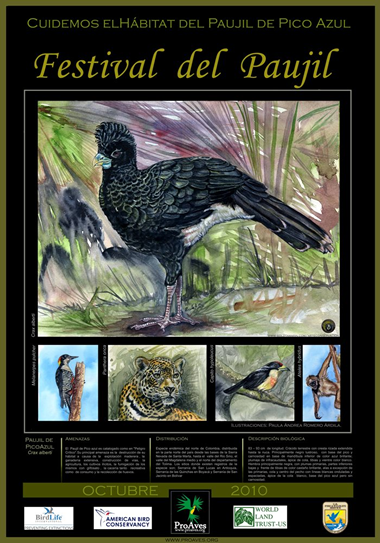
Community leads the 6th Blue-billed Curassow Festival

Friday 3 December 2010.

“Care for the habitat of the Blue-billed Curassow”

Every year ProAves holds the Paujil Festival in order to teach kids and adults about the Blue-billed Curassow (Crax alberti), a bird endemic to Colombia and Critically Endangered.

This festival is a dynamic and educational event where different activities are developed directed at the community, especially children and young people who are closest to the area surrounding the El Paujil Bird Reserve, where ProAves focuses its efforts on the conservation of this bird.

During the festival different activities such as workshops and talks on the Paujil and the mural of the VI Festival of Paujil was painted in the Educational Institution Puerto Pinzón, with ninth grade students and accompanying teachers and representatives from ProAves.

[slickr-flickr search=”sets” set=”72157625342154381″ items=”20″ type=”gallery”]

With the participation of more than 180 children, youths and adults, of the same school, a fashion show was held under the theme “Care for the habitat of the Blue-billed Curassow” it was conducted through the streets of Puerto Pinzón carrying a message to the community of conservation and care of Blue-billed Curassow and its habitat. Also, with the assistance of more than 400 people, a parade was carried out in which ProAves participated in the carnival with myths, legends, the Blue-billed Curassow and migratory birds, where children walked the streets of the town disguised as Blue-billed Curassow, migratory birds and characters from different myths and tales of the region like the weeping lady, the mother mountain, the demon, the devil, and mohan the bearded one.

The observation race was established as a fun and educational activity, attended by 66 people mostly children and youths, each team was assigned names of birds and endangered species of the region and participated in tests such as a bird painting, going through the swamp, help the Blue-billed Curassow and migratory birds, among others.

These samples are set in a cultural and educational source of environmental and cultural recognition.

On the 26th of October, as a symbolic act, the lantern parade took place through the main streets of Puerto Pinzón, where more than 300 people, including children, youths and adults took part. These lanterns were made by children with different motifs, including the Blue-billed Curassow and migratory birds.

AfichePaujil

Poster that is part of the diffusion, is a work of art made by artists and plastic illustrators Paula Laverde and Fernando Romero of the Arts and Conservation Foundation.

Thanks to the following organizations for their support in carrying out the Festival.

birdlife abc worldlandtrust usfish


Categorías
Noticias

Threatened parrot salt lick discovered

Wednesday 15 April 2009.

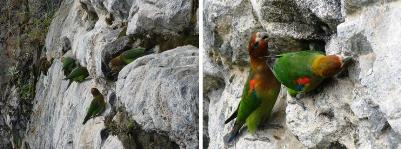
During explorations by the AZE Amphibians Project areas supported by ProAves, a salt lick was discovered being used by the Vulnerable Rusty-faced Parrot, within the Colibri del Sol bird reserve in the Western Cordillera.

This kind of feeding is extremely interesting because besides being and until now an unknown aspect about this species ecology it has been very little documented for Andean parrots. This discovery opens the door to development of novel research and conservation actions for this threatened species.

collage_colpa

Geophagia or mineral consumation is reported in many animal groups but it is particularly documented in birds and, among them, those belonging to the Psittacidae family (parrots and macaws) because of the acidic nature of fruit they consume. Several explanations have been given to this behaviour including diets’ mineral complement, toxins elimination, mechanical support for digestion, or just social interactions.

This finding, beyond becoming an interesting aspect of this Andean parrot species’ ecology, allows continue testing how important it is to conserve high mountain ecosystems in Colombia. As in this case, biological cycles and dynamics of many populations of priority species in our country depend on the stability and preservation of these ecosystems in many other areas.

If you want to support our research and conservation activities around Colombia please donate on line or write to fundacion@proaves.org

lpf


Categorías
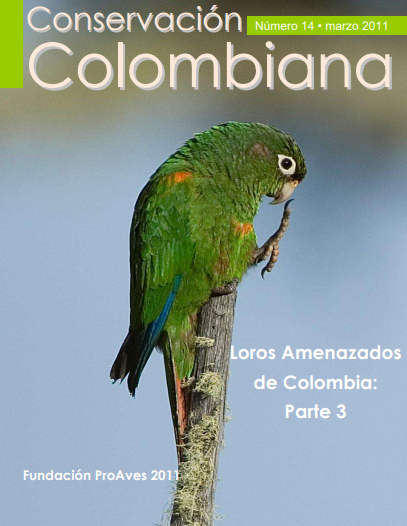
Revista Conservación Colombiana

Revista Conservación Colombiana 14

La edición Nº 14 de la Revista Conservación Colombiana es un paso muy importante en la conservación de los loros en Colombia, contiene los planes de acción y evaluaciones de conservación para 15 especies de loros amenazados, así como artículos científicos sobre la biología y ecología del Periquito de Santa Marta, el Loro Orejiamarillo y el Perico Paramuno.

Contenido:

Editorial: Nuevos aportes a la conservación de los loros amenazados de Colombia. Conservación Colombiana 13: 5-6. Descargar Editorial aquí.

Plan de acción para la conservación de los loros amenazados de Colombia 2010-2020: avances, logros y perspectivas Conservación Colombiana 13: 7-16. Descargar aquí.

Uso de hábitat del Periquito de Santa Marta (Pyrrhura viridicata) y sus variaciones espacio-temporales en la Sierra Nevada de Santa Marta. Conservación Colombiana 13: 17-27 Descargar aquí.

Caracterización del hábitat del Periquito de Santa Marta (Pyrrhura viridicata) en la Reserva Natural El Dorado. Conservación Colombiana 13: 28-37. Descargar aquí.

Tamaño poblacional y uso de hábitat del Perico Paramuno (Leptosittaca branikii) en la Reserva Natural El Mirador, Génova, Quindío. Conservación Colombiana 13: 38-47. Descargar aquí.

Aspectos de la biología reproductiva del Periquito de Santa Marta (Pyrrhura viridicata) en la Sierra Nevada de Santa Marta. Conservación Colombiana 13: 48-57 Descargar aquí.

Aspectos de la biología reproductiva del Periquito Aliamarillo (Pyrrhura calliptera) en los bosques altoandinos de La Calera, Colombia. Conservación Colombiana 13: 58-70. Descargar aquí.

Biología reproductiva del Loro Orejiamarillo (Ognorhynchus icterotis) en Antioquia y Caldas: hallazgos preliminares. Conservación Colombiana 13: 71-77. Descargar aquí.

Educación ambiental: una herramienta fundamental en la conservación de los loros amenazados de Colombia. Conservación Colombiana 13: 78-85. Descargar aquí.

Estado actual del conocimiento y conservación de los loros amenazados de Colombia. Conservación Colombiana 13: 86-151. Descargar aquí.

Respuesta al editorial de Ornitología Colombiana escrito por Cadena y Stiles sobre Grallaria fenwickorum. Conservación Colombiana 13: 152-160. Descargar aquí.

[inglés] Response to Ornitología Colombiana editorial by Cadena and Stiles concerning Grallaria fenwickorum. Conservación Colombiana 13: 161-168. Download here.

lpf RT_peq abc proaves iucn
Categorías
Noticias

Management plans

ProAves, in association with the Corporation for the Sustainable Development of Urabá (CORPOURABA), worked on the study of the current state of the Páramo del Sol and based on this, the formulation of the Páramo del Sol management plan.

This was developed in order to comply with the national conservation objectives and thus order, plan and monitor the use of the Páramo de Urrao through programs, projects and actions that guide the conservation, restoration, management and sustainable use of natural resources, guaranteeing in turn the supply of essential environmental goods and services for human well-being for a period of 10 years.

The action strategies proposed were:

  • Research strategy.
  • Reserve area management strategy.
  • Estrategia de participación comunitaria e institucional.
  • Environmental monitoring, control and surveillance strategy. 
  • Financial and management strategy.

Defined programs:

Based on the study of the current state, 9 programs and 30 projects were defined for the management of the páramo, which has already begun its implementation with the support of CORPOURABA, which has involved the Urrao community and its companies in its development.

tabla

Conservation:

Fundación ProAves is a purely conservationist non-governmental organization, which for more than 10 years has been implementing and developing conservation tools and activities, in order to mitigate the impact caused by man on the habitats of threatened species.

The conservation area of Fundación ProAves works to contribute to maintaining the quality and availability of habitat for priority bird species for conservation through the establishment and management of natural reserves by civil society, and to develop other protection figures supported by a concept of self-sustainability and community integration, influencing local, regional and national environmental protection policies.

The objectives are:

  • Establish, expand and fully manage the protected areas of the Foundation, guaranteeing the fulfillment of the function in perpetuity.
  • Promote and develop actions that guarantee self-sustainability in perpetuity of Reserves.
  • Participate and influence the formulation, management and implementation of conservation policies.

With this we have managed to conserve 30,503 hectares of different types of ecosystems under our Bird Nature Reserves, reforest and restore 1,200 hectares and establish 3,600 hectares under the figures of Payments for Environmental Services.

Categorías
Noticias

Planes de manejo de ecosistemas estratégicos

ProAves en asocio con la Corporación para el Desarrollo Sostenible del Urabá (CORPOURABA), trabajaron en la elaboración del estudio del estado actual del Páramo del Sol y con base en este, la formulación del plan de manejo del Páramo del sol.

Esto se desarrolló con el fin de dar cumplimiento a los objetivos de conservación nacional y así ordenar, planificar y monitorear el uso del Páramo de Urrao mediante programas, proyectos y acciones que orienten la conservación, restauración, manejo y usos sostenibles de los recursos naturales, garantizando a su vez la oferta de bienes y servicios ambientales esenciales para el bienestar humano esto por un periodo de 10 años.

Las estrategias de acción planteadas fueron:

  • Estrategia de investigación.
  • Estrategia de manejo de áreas de reserva.
  • Estrategia de participación comunitaria e institucional.
  • Estrategia de seguimiento ambiental, control y vigilancia.
  • Estrategia financiera y de administración.

Los programas definidos:

Con base al estudio del estado actual se definieron 9 programas y 30 proyectos para el manejo del páramo, el cual ya inició su implementación con el apoyo de CORPOURABA quien ha involucrado a la comunidad de Urrao y sus empresas en el desarrollo del mismo.

tabla

Conservación:

La Fundación ProAves es un organización no gubernamental netamente conservacionista, la cual desde hace ya más de 10 años viene implementando y desarrollando herramientas y actividades de conservación, con el fin de mitigar el impacto causado por el hombre sobre los hábitat de las especies amenazadas.

El área de conservación de la Fundación ProAves trabaja para aportar a mantener la calidad y disponibilidad de hábitat para las especies de aves prioritarias de conservación a través del establecimiento y manejo de reservas naturales de la sociedad civil, y desarrollar otras figuras de protección apoyado en un concepto de auto sostenibilidad e integración comunitaria, influenciando las políticas locales, regionales y nacionales de protección del medio ambiente.

Sus objetivos son:

  • Establecer, ampliar y manejar integralmente las áreas protegidas de la Fundación, garantizando el cumplimiento de la función a perpetuidad.
  • Implementar, evaluar y fortalecer los programas y herramientas de conservación en las reservas naturales y sus zonas de influencia.
  • Promover y desarrollar acciones que garanticen la autosostenibilidad a perpetuidad de las reservas.
  • Participar e influir en la formulación, gestión e implementación de las políticas de conservación.

Con ello hemos logrado conservar bajo nuestras Reservas Naturales de las Aves 30.503 hectáreas de distintos tipos de ecosistemas, reforestar y restaurar 1.200 hectáreas y establecer bajo figuras de Pagos por Servicios Ambientales 3.600 hectáreas.

Categorías
News

Conservation Plans

RNA_Colibr
Dusky Starfontlet Bird Reserve.

In order to guide strategies and actions for management, conservation, restoration and sustainable use of Dusky Starfrontlet Bird Reserve and its buffer zone, established a conservation plan. This plan was based on a methodology of The Nature Conservancy which guided us to analyze the most important aspects for effective planning, such as:

1. Conservation targets: potential and current use of habitat of the threatened species selected, which in our case were 16 species and the ecosystem: Páramo del sol, Quercus humboltii, Espeletia frontinoensis, Polylepis quadrijuga, Atelopus nicefori, Bolitoglossa Medemia, Centrolene geckoideum, Centrolene buckleyi , Coeligena urine, Hypopyrrhus pyrohypogaster, Diglossa gloriosissima, Hapalopsittaca amazonina, Grallaria alleni, Chlorochrysa nitidissima, Dendroica cerúlea and Tremarctos ornatus. Based on this information priority areas were identified to conserve in an area of 80,000 hectares defining a conservation corridor that will connect to the Natural Bird Reserve Colibrí del Sol with PNN Orchids.

2. Threat analysis: We worked with the program Miradi.

3. Sources of stress analysis.

4. Social and biophysical characterization.

5. Evaluation of environmental goods and services.

6. Zoning.

7. Characterization farm.

8. Planning targets.

9. Ecotourism plan. 

All information was analyzed in the same way with the tool of Geographical Information Systems (GIS).

The study area of 80,000 hectares covering the towns of Urrao, Abriaquí, Santa Fe de Antioquia and Caicedo in the department of Antioquia, and was selected as an area of high global importance for biodiversity conservation and other natural resources (EBA 2005). It offers a variety of habitats for a high diversity of fauna and flora and presents a unique scenic beauty as well as being ranked as the biggest hydrographic star of the Antioquia basin. This site has 12 species of birds have been seen for the first time in the western mountains, 28 species had extensions of range in the western mountains and three species listed by the IUCN are threatened with global extinction, on the other hand, is the Coeligena urine Hummingbird, known as Inca Frontino, which only had a registry entry by Carriker in 1951.

According to Krabbe et al 2005, the Frontino Páramo area is of particular relevance to global bird conservation and should be classified as a “key site” in this sense, which is also listed as a site AZE – CO2.

mapa_plan

Conservation Plan Páramo del Sol (Urrao, Antioquia).

An important product of this paper was to identify the area to where the conservation action of the Natural Bird Reserve Colibrí del Sol should be guided, this point was highlighted much because it is a tool that tells us how to effectively address conservation actions, which is why this plan will be a pilot plan at the time of planning and establishing private conservation areas in the country and Latin America.

With the support of:

abc


Categorías
Noticias Noticias Colibrí del Sol

Planes de conservación

RNA_Colibr
Reserva Natural de las Aves Colibrí del Sol.

Con el fin de orientar las estrategias y acciones de manejo, conservación, restauración y uso sostenible de la Reserva Natural de las Aves Colibrí del Sol y su zona de amortiguación, se estableció un plan de conservación. Dicho plan fue basado en una metodología de The Nature Conservancy la cual nos orientó a analizar los aspectos más relevantes para una efectiva planeación como lo son: 

1. Objetos de conservación: uso potencial y actual de hábitat de las especies amenazadas seleccionadas, que para nuestro caso fueron 16 especies y ecosistema: Paramo del sol, Quercus humboltii, Espeletia frontinoensis, Polylepis quadrijuga, Atelopus nicefori, Bolitoglossa medemi, Centrolene geckoideum, Centrolene buckleyi, Coeligena orina, Hypopyrrhus pyrohypogaster, Diglossa gloriosissima, Hapalopsittaca amazonina, Grallaria alleni, Chlorochrysa nitidissima, Dendroica cerúlea y Tremarctos ornatus. Con base en esta información se identificaron las zonas prioritarias a conservar en un área de 80.000 hectáreas definiendo así un corredor de conservación el cual conectará a la Reserva Natural de las Aves Colibrí del Sol con el PNN Las Orquídeas.

2. Análisis de las amenazas: se trabajó con el programa Miradi.

3. Análisis fuentes de presión.

4. Caracterización biofísica y social.

5. Evaluación de bienes y servicios ambientales.

6. Zonificación.

7. Caracterización predial.

8. Planificación objetos de conservación.

9. Plan de ecoturismo.

Toda la información fue analizada de igual manera con la herramienta de Sistemas de Información Geográfica (SIG).

El área de estudio consintió en 80.000 hectáreas que cubren los municipios de Urrao, Abriaqui, Santa Fe de Antioquia y Caicedo en el departamento de Antioquia, y se seleccionó por ser una zona de alta relevancia mundial para la conservación de la biodiversidad y otros recursos naturales (EBA 2005). Ofrece variedad de hábitats para una alta diversidad de fauna y flora y presenta una belleza escénica única, además de ser catalogada como la mayor estrella hidrográfica de Antioquia. Este lugar posee 12 especies de aves que se han visto por primera vez en la cordillera occidental, 28 especies presentaron extensiones de rango en la cordillera occidental y tres especies que están catalogadas por la IUCN con amenaza de extinción global; por otra parte, se encuentra el colibrí Coeligena orina, conocido como Inca de Frontino, el cual sólo contaba con un registro realizado por Carriker en 1951.

Según Krabbe et al 2005, concluye que el área del Páramo de Frontino es de especial relevancia para la conservación de la avifauna mundial y que debe ser catalogado como un “sitio clave” en este sentido, por lo cual también es catalogado como sitio AZE – CO2.

mapa_plan
Plan de Conservación del Páramo del Sol (Urrao, Antioquia).

Un producto importante de este documento, fue la identificación del área hacia donde se deben orientar las acciones de conservación de la Reserva Natural de las Aves Colibrí del Sol. Este punto se resaltó mucho ya que es una herramienta que nos indica como direccionar con eficacia las acciones de conservación, es por esto que este plan será un modelo piloto al momento de planificar y establecer áreas de conservación privadas en el país y en Latinoamérica.

Con el apoyo de:

abc


Categorías
News

Reciprocal Water Agreements

IMG_0722

Reciprocal Water Agreements is a strategy that meets many of the characteristics of PES. These are being developed on a medium scale between the municipalities of Roncesvalles (Tolima) with the Cucuana river basin (upper basin as a water regulator) and the urban area of Roncesvalles and El Espinal (Tolima) (lower basin as users of this water supply) .

This strategy has been developed thanks to the support of RARE Conservation, Roncesvalles Municipal Mayor’s Office, Roncesvalles Municipal Council, Roncesvalles Public Services Company ESPRON, the community of the La Yerbabuena, El Coco, San Miguel, San Marcos, Cucuanita villages , Tesoro and the USOCOELLO Irrigation District.

Location:

The Cucuana basin as a whole has 187,662 hectares (Roncesvalles, San Antonio, Rovira Guamo and Ortega). Only the upper part of the basin in Roncesvalles has more than 11,000 hectares; We are also linking the Cucuanita sub-basin, which is 8,142 hectares, the San Marcos river sub-account, which has 10,183 hectares, and the Quebrada el Arbolito micro-basin, which has 490 hectares, from which they take the water for the urban area of Roncesvalles.

Beneficiary human population:

The development of the PSA program will benefit more than 10,000 people, between owners and users of domestic consumption and irrigation in the two municipalities.

Biodiversity:

This project will contribute to the conservation of a population of yellow-eared parrots of more than 800 individuals, plus a large number of species of animals and plants that inhabit these two ecosystems (páramos and high Andean forest), which are also to some degree threat.

Objective:

The objective of this tool is to conserve the moors and forests located in the upper part of the Cucuana River as water regulators and habitat of the yellow-eared parrot, an AZE species and in danger of extinction by paying economic incentives to the owners with the support of the creation of a water fund which will be nourished by resources from the municipality and downstream users.

This tool will be developed in parallel with a social marketing strategy which will promote a change in behavior in the community that owns and uses the Cucuana basin.

P1090214

Currently it has been developed:

1. Delimitation of the work area.

2. Consensus workshops with the upper and lower basin communities.

3. Opportunity cost evaluation.

4. Meetings with the sidewalks.

5. Meetings with key stakeholders.

6. Legal study establishment of the fund.

Categorías
News

Acuerdos Recíprocos por Agua

IMG_0722

Los Acuerdos Recíprocos por Agua es una estrategia que cumple muchas de las características de los PSA. Estos se están desarrollando en mediana escala entre los municipios de Roncesvalles (Tolima) con la cuenca del río Cucuana (cuenca alta como regulador hídrico) y el casco urbano de Roncesvalles y El Espinal (Tolima) (cuenca baja como usuarios de esta oferta hídrica).

Esta estrategia se ha venido desarrollando gracias al apoyo de RARE Conservation, Alcaldía Municipal de Roncesvalles, el Concejo Municipal de Roncesvalles, Empresa de Servicios Públicos de Roncesvalles ESPRON, la comunidad de las veredas La Yerbabuena, El Coco, San Miguel, San Marcos, Cucuanita, Tesoro y el Distrito de Riego USOCOELLO.

Localización:

La cuenca del Cucuana en su totalidad tiene 187.662 hectáreas (Roncesvalles, San Antonio, Rovira Guamo y Ortega). Solo la parte alta de la cuenca en  Roncesvalles tiene más de 11.000 hectáreas; también estamos vinculando la subcuenca del Cucuanita que son 8.142 hectáreas, la subcuenta del río San Marcos que tiene 10.183 hectáreas y la microcuenca de la Quebrada el Arbolito que tiene 490 hectáreas, de la cual toman el agua para el casco urbano de Roncesvalles.

Población humana beneficiaria:

El desarrollo del programa PSA beneficiara a más de 10.000 personas, entre propietarios y usurarios de consumo domestico y de riego en los dos municipios.

Biodiversidad:

Con este proyecto se aportará a la conservación de una población de loros orejiamarillos de más de 800 individuos, más una gran cantidad de especies de animales y plantas habitantes de estos dos ecosistemas (páramos y bosque altoandino), las cuales también se encuentran bajo algún grado de amenaza.

Objetivo:

El objetivo de esta herramienta es la de conservar los páramos y bosques ubicados en la parte alta del río Cucuana como reguladores hídricos y hábitat del loro orejiamarillo, especie AZE y en peligro de extinción mediante el pago de incentivos económicos a los propietarios con el apoyo de la creación de un fondo de agua el cual será nutrido por recursos del municipio y los usuarios cuenca abajo.

Esta herramienta será desarrollada paralelamente con una estrategia de mercadotécnica social la cual propiciará un cambio de comportamiento en la comunidad propietaria y usuaria de la cuenca del Cucuana.
P1090214

Actualmente se ha desarrollado:

1. Delimitación de la zona de trabajo.

2. Talleres de consenso con las comunidades cuenca alta y baja.
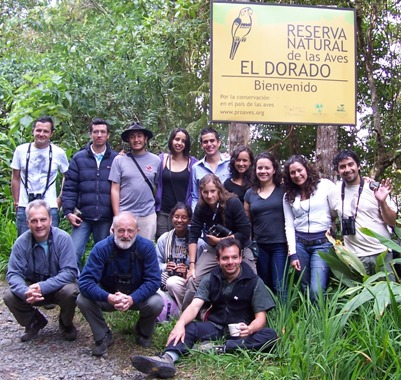
3. Evaluación del costo oportunidad.
4. Reuniones con las veredas.

5. Reuniones con los actores clave.

6. Estudio jurídico establecimiento del fondo.

Categorías
Uncategorized @en

Ecological Easements

A conservation easement is an agreement between two or more owners in which at least one of them agrees voluntarily to limit the use of part or all of their property called the servant estate in favor of any natural or legal person for conservation purposes and protection of natural resources and biodiversity.

The initial development of this strategy was in Jardín, Antioquia in 2006, establishing a figure between two private properties one belonging to the Network of Civil Society Reserves to conserve habitat and foraging area of the Yellow-eared Parrot. From its inception to date, we have established 24 Ecological Easements under this figure protecting 1,300 hectares of high Andean forest, páramo and rain forest.

The purpose of the easement is to allow private landowners to have a legal instrument to conserve and make proper management of natural resources on their land, with appropriate legal protection (contract and registration of same), through mandatory clauses to be respected by the current and future owners until the completion of the contract period.

El_capado

Conservation Easements El Capado.

To establish an easement two premises are required: a servant which is the land that suffers the limitation on the use of resources (load support is the provision of certain services for other land for conservation) and a dominant tenement which is the property receiving the benefit (conservation).

The benefits of establishing an easement are:

  • Protect the habitat and the ecosystem of a place.
  • Caring for the habitat of a species or species group.
  • Receive financial incentives.
  • Exoneration of property tax on forest area. Protect areas of environmental importance.
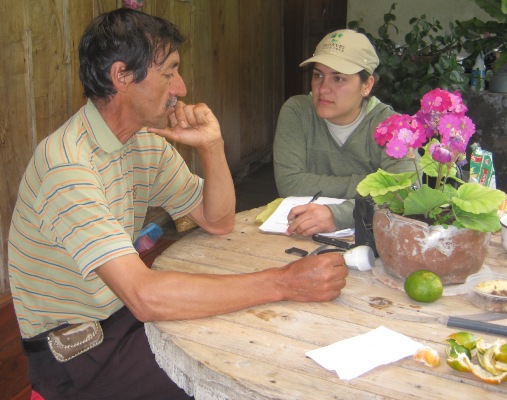
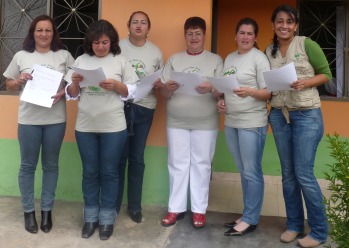
  • Improving agricultural and production processes on farms.
  • Caring for sources, edges of streams and water sources in general.
  • Conduct research, conservation and environmental education.

The advantages of conservation easements are:

  • Ecological and environmental benefits.
  • Environmental services not only to the dominant estate, but also for the community and the region.
  • Recognition of benefits provided to the dominant tenement (research, conservation and environmental education on their estate.)
  • Conservation activities on the estate (reforestation with native plants, etc.).


Related news


Inicio2

Eight New Ecological Easements
Wednesday 23 September 2009.

The ecological easement program continues to gain ground in Colombia. It is one of the conservation tools that the Foundation has been using to help threatened bird species and their habitats.


untitled-2

New permanent ecological easements
Tuesday 24 March 2009.

With the support of Fundación Loro Parque and American Bird Conservancy, ProAves worked with the local community to sign a second ecological easement of private lands beside the Yellow-eared Parrot Bird Reserve, benefiting the conservation of the parrot and its unique habitat.


servidumbres

Ecological easement program news
Tuesday 26 August 2008.

ProAves established the second ecological easements between the Yellow-eared Parrot Bird Reserve and the land La Meseta, property of Mr. Mario Peláez in Jardín, Antioquia.