
Fundación ProAves – por la conservación en el país de las aves

 |
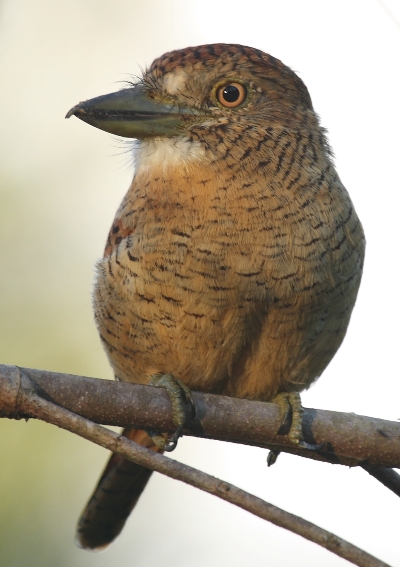
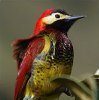
| Nystalus radiatus |
La Fundación ProAves ofrece anualmente, con la colaboración de su equipo de trabajo e instructores invitados de diferentes instituciones a nivel nacional y/o internacional, cursos de entrenamiento en técnicas de monitoreo y anillamiento de aves.
Los cursos de anillamiento son ofrecidos para grupos de 5, 10, 15 personas. Si usted, está interesado en reservar un cupo para los cursos a programar por demanda escriba un correo a cursos@proaves.org indicando su nombre completo, nombre de la entidad a la cual pertenece, lugar de procedencia y motivo por el cual está interesado en aprender sobre anillamiento.
Noticias relacionadas
 |
Últimos 4 cupos para VI curso de anillamiento
Martes 15 de marzo de 2011.
Últimos 4 cupos para participar en el VI Curso de anillamiento con énfasis en aves migratorias y amenazadas. Ampliamos el plazo para pago con descuento hasta el día viernes 18 de marzo. ¡Anímate, quedan 4 cupos!
 |
VI curso de anillamiento
Martes 8 de marzo de 2011.
Se amplía el plazo para pago con descuento. Debido al gran número de solicitudes ampliamos el plazo para pago con descuento hasta el día viernes 18 de marzo. ¡Anímate, quedan pocos cupos!. Encuentre a continuación los requisitos para acceder.
 |
VI curso de anillamiento
Martes 1 de febrero de 2011.
ProAves con el apoyo de The Wetland Trust, tiene el agrado de invitar a participar en el VI CURSO DE ANILLAMIENTO CON ÉNFASIS EN AVES MIGRATORIAS Y AMENAZADAS. Encuentre a continuación los requisitos para acceder al curso.
 |
V curso de anillamiento de aves migratorias y amenazadas
Lunes 8 de febrero de 2010.
La Fundación ProAves con el apoyo de The Wetland Trust tiene el agrado de invitar al V CURSO DE ANILLAMIENTO con el objetivo de continuar el proceso de entrenamiento en Anillamiento Científico de Aves.
|
|
Termina I Curso de Aves Migratorias
Viernes 5 de diciembre de 2008.
Con un equipo de once instructores de instituciones como el Smithsonian Migratory Bird Center y Cornell Lab of Ornithology y 25 estudiantes, se llevó a cabo el I Curso Internacional de Campo de Ecología de Aves Migratorias en la Reserva Natural de las Aves Reinita Cielo Azul, en octubre de 2008.
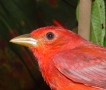 |
Curso de ecología de aves migratorias
Jueves 24 de julio de 2008.
Inscríbase ahora para el curso Ecología de Aves Migratorias Neotropicales que se llevará a cabo del 26 al 31 de octubre de 2008, organizado por Cornell Lab of Ornithology, Smithsonian Institute, American Bird Conservancy y ProAves junto con los comités técnicos de Reinita Cerúlea y Reinita Alidorada.
Éxito en taller intensivo de anillamiento
Miércoles 4 de abril de 2007.
Del 2 al 10 de marzo del 2007 ProAves organizó un taller intensivo de anillamiento en su Reserva Natural de las Aves Reinita Cielo Azul, en el departamento de Santander, dictado por el Dr. Nick Bayly de The Wetland Trust (Inglaterra).
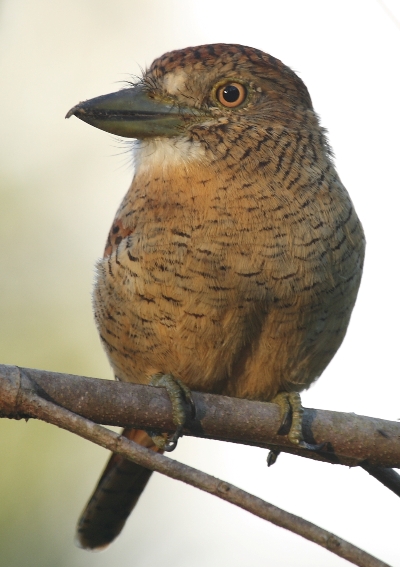 |
| Nystalus radiatus |
ProAves provides annually, with the assistance of his staff and guest instructors from different institutions at national and / or international training courses on techniques for monitoring and bird banding.
Banding courses are offered for groups of 5, 10, 15 people. If you are interested in booking a seat for courses scheduled on demand cursos@proaves.org write an email to stating your full name, name of the entity to which it belongs, place of origin and why you are interested in learn about banding.
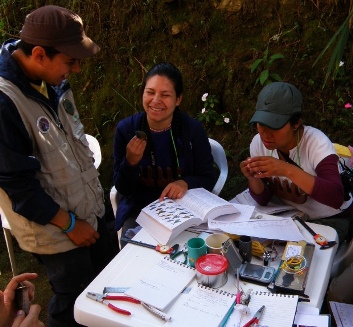
 La Fundación ProAves desde el año 2001 ha financiado y/o apoyado más de 70 tesis, pasantias y/o investigaciones cortas. Durante el desarrollo de las mismas, se han involucrado 70 estudiantes y/o investigadores de 12 universidades y nueve programas académicos. Además, los estudios del programa han cubierto 12 departamentos de Colombia y ampliado el conocimiento de 31 especies amenazadas de Colombia; 28 de aves y tres de otros taxones. Este programa, que ya llegó a su fin, enfocó sus estudios principalmente en la ecología y reproducción de especies amenazadas.
Convocatorias
ProAves ofrece a estudiantes de últimos semestres de Biología, Ecología, Ingeniería Forestal o afín, o a profesionales jóvenes con deseos de ganar experiencia en campo, becas para la realización de tesis de pregrado y/o pequeñas investigaciones. Con estas becas se busca ayudar a subsidiar los costos de transporte, alimentación y hospedaje que representan el trabajo de campo, y prestar los equipos pertinentes que estén a disposición de la Fundación. Se trata de becas pequeñas de apoyo y en ningún momento representan pago de honorarios.
Noticias relacionadas
 |
Convocatoria para tesistas y pasantes programa loros
Miércoles 3 de febrero de 2010.
ProAves abre una convocatoria para los interesados en realizar trabajos de grado, pasantías y voluntarios en el programa de Loros Amenazados en varias de las reservas de la Fundación.
La Fundación ProAves ofrece oportunidad a estudiantes y jóvenes investigadores para realizar proyectos de investigación.
La Fundación ProAves ofrece a estudiantes de últimos semestres de Biología, Ecología, Ingeniería Forestal o afín, o a profesionales jóvenes con deseos de ganar experiencia en campo, becas para la realización de tesis de pregrado y/o pequeñas investigaciones en los temas y zonas presentados a continuación. Con estas becas se busca ayudar a subsidiar los costos de transporte, alimentación y hospedaje que representan el trabajo de campo, y prestar los equipos pertinentes que estén a disposición de la Fundación. Se trata de becas pequeñas de apoyo y en ningún momento representan pago de honorarios.
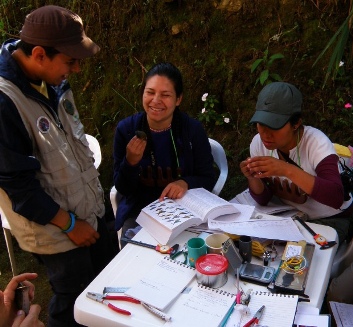
ProAves is leader in training young researchers in Colombia, with our Scholarships, Thesis Program, aimed to link biology students or young professionals, so that they make short investigations on different species and subjects.
Fundación ProAves since 2001 has supported over 70 thesis studies, and small investigations.
Since we started, about 70 students and/or researchers from 12 universities have been involved. In addition, the studies of the program have covered 12 departments within Colombia and extended the knowledge of 31 threatened species of Colombia, 28 studies on birds, and 3 other groups.
This program has focused its studies mainly in ecology and reproduction of threatened species of Colombia. Among these projects there are: identification of aspects related to foraging and reproduction of a threatened parrots, habitat selection for the Gorgeted Wood-quail and a study of the population and conservation of the Chestnut-capped Piha populations.
Related news
 |
Seeking for graduates and interns in the program of parrots
Monday 8 February 2010.
ProAves opens a call for those interested in doing work degrees, internships and volunteering in the program of threatened parrots in several of the Foundation’s reserves.
La Fundación ProAves ofrece oportunidad a estudiantes y jóvenes investigadores para realizar proyectos de investigación.
La Fundación ProAves ofrece a estudiantes de últimos semestres de Biología, Ecología, Ingeniería Forestal o afín, o a profesionales jóvenes con deseos de ganar experiencia en campo, becas para la realización de tesis de pregrado y/o pequeñas investigaciones en los temas y zonas presentados a continuación. Con estas becas se busca ayudar a subsidiar los costos de transporte, alimentación y hospedaje que representan el trabajo de campo, y prestar los equipos pertinentes que estén a disposición de la Fundación. Se trata de becas pequeñas de apoyo y en ningún momento representan pago de honorarios.


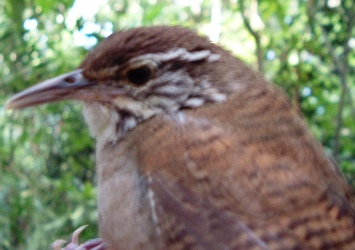
ProAves produce documentación práctica y de sensibilización sobre las aves y su conservación, dirigida tanto al público en general como especializado.
Contamos con publicaciones electrónicas y publicaciones impresas, documentación práctica que se distribuye en cursos, boletín Aleteo, folletos, reportes, libros, etc.
ProAves produce documentación práctica y de sensibilización sobre las aves y su conservación, dirigida tanto al público en general como especializado.
Contamos con publicaciones electrónicas y publicaciones impresas, documentación práctica que se distribuye en cursos, boletín Aleteo, folletos, reportes, libros, etc.
| Conozca los reportes publicados por los investigadores que trabajan en el Proyecto EBA |
Presentación de las primeras exploraciones biológicas a la Serranía de San Lucas, Antioquia y Bolivar.
 |
|
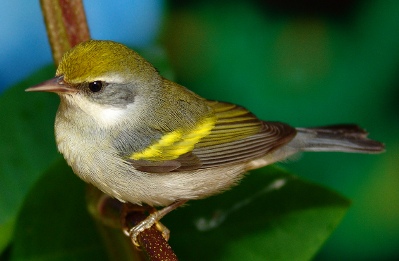
(Vermivora chrysoptera) |
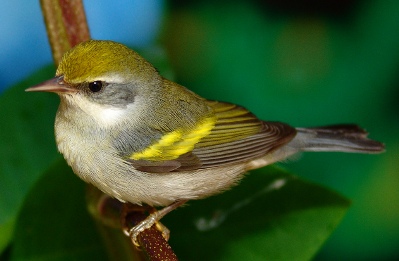
Alianza Alas Doradas is a Golden-winged Warbler research and conservation group. The Golden-winged Warbler is a migratory bird listed as Near Threatened on its non-breeding grounds.
Alianza Alas Doradas is open to any researcher or conservationist who contributes non-breeding ground information about the Golden-winged Warbler. Its goal is to conserve the species and its associated habitats by implementing recommendations and strategies for long-term protection in areas of Latin America where the bird migrates and is resident.
The group was started by members of the International Committee for Golden-winged Warbler Non-breeding Ground Research, Monitoring, and Conservation during the August 2005 Conservation Workshop held in Siren, WI. It is open to any person and/or organization interested in working cooperatively for the conservation of the species and associated species.
To join the Alianza’s listserve, send an email to listserv@listserv.uark.edu with the following text in the body of the message (not the subject line): Subscribe GWWINT-L and your name. You will be notified by email with listserve instructions when your subscription has been processed.
The Golden-winged Warbler (Vermivora chrysoptera) and the Blue-winged Warbler (V. pinus) are species of high conservation interest (Partners in Flight North American Landbird Conservation Plan, 2004). In particular, the Golden-winged Warbler has experienced more than a 50% decline in its breeding ground populations over the last 35 years (Breeding Bird Survey). The main hypotheses to explain this population decline include climate change, loss of habitat on breeding and non-breeding grounds, mortality during migration, and hybridization with the Blue-winged Warbler.
Alexander Monsalve
Subdirector de Investigación
Fundación ProAves
marteaga@proaves.org
Tom Will
Alianza Alas Doradas Co-Chair
US Fish and Wildlife Service
612.713.5362
tom_will@fws.gov
David Buehler
Working Group Chair
Reseach Co-Chair
Dept. of Forestry, Wildlife and Fisheries
University of Tennessee
865.974.8845
dbuehler@utk.edu
Rachel Vallender
Research Co-Chair
613.808.9990
r.vallender@cornell.edu
Amber Roth
Breeding Grounds Management Conservation Committee Chair
Outreach Chair
School of Forest Resources and Environmental Science
Michigan Technological University
906.487.3417
amroth@mtu.edu
Mailing List
We have developed a mailing list for all the Working Group GWWALL-L for the purpose of exchanging information relevant to the conservation of Golden-winged Warbler. The mailing list will be the main way to stay updated on the conservation actions we take, upcoming meetings, etc.
To register, send an email to listserv@listserv.uark.edu. This email address is being protected from spam bots. You need JavaScript enabled to view it This email address is being protected from spam bots. You need JavaScript enabled to view it This email address is being protected from spam bots, you need JavaScript enabled to view it and type in the message body (not the sender):
SUBSCRIBE GWWALL-L, followed by your name.
You can also subscribe to various committees by sending a message to various mailing lists:
Comité de Investigación y Monitoreo en Áreas de Reproducción:
SUBSCRIBE GWWRM-L, followed by your name.
Comité de Conservación y Manejo en Áreas de Reproducción:
SUBSCRIBE GWWCON-L, followed by your name.
Comité de Conservación en Areas no reproductivas (Alianza Alas Doradas):
SUBSCRIBE GWWINT-L, followed by your name.
After registering you will receive a confirmation email with information about how the list works, such as sending messages and how to get out of it.
Related news
 |
Why are migratory warblers in decline?
Tuesday 12 January 2010.
As many as half a million tiny Golden-winged warblers used to make the annual round trip flight from Latin America to the USA and Canada. Now, the number is down to 200.000 and an international consortium is trying to find answers.
 |
Multi-national efforts to save Golden-winged Warbler
Monday 14 December 2009.
An intensive research program was conducted in four countries by members of the Alas Doradas Alliance with the objective of determining the abundance, distribution and habitat preferences of this rare and declining Neotropical migrant during its non-breeding residence in Central America and Colombia.
 |
|
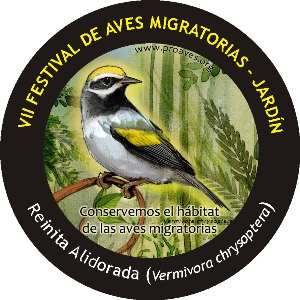
Reinita Alidorada (Vermivora chrysoptera) |
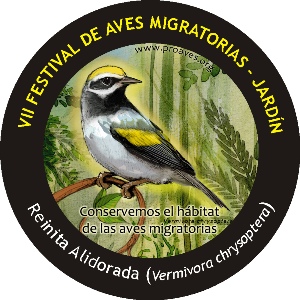
La Alianza Alas Doradas es un grupo de investigación, monitoreo y conservación de la Reinita Alidorada (Vermivora chrysoptera), en sus áreas no reproductivas.
El objetivo del grupo es desarrollar alianzas para la conservación, que beneficien a la reinita Alidorada y especies asociadas, a través de la implementación de estrategias y recomendaciones de protección a largo plazo.
Este grupo fue concebido por los miembros del Comité Internacional de Investigación, Monitoreo y Conservación de la Reinita Alidorada para las áreas no-reproductivas durante el Taller de Conservación llevado a cabo en agosto de 2005 en Siren, WI y está abierto a todas las personas y organizaciones que deseen trabajar cooperativamente por la conservación de esta especie y su hábitat.
Si desea más información acerca de la Alianza visite nuestra página web en:www.alasdoradas.org o puede contactarnos directamente en las siguientes direcciones:
Alexander Monsalve
Subdirector de Investigación
Fundación ProAves
amonsalve@proaves.org
Tom Will
Alianza Alas Doradas Co-Chair
US Fish and Wildlife Service
612.713.5362
tom_will@fws.gov
David Buehler
Working Group Chair
Reseach Co-Chair
Dept. of Forestry, Wildlife and Fisheries
University of Tennessee
865.974.8845
dbuehler@utk.edu
Rachel Vallender
Research Co-Chair
613.808.9990
r.vallender@cornell.edu
Amber Roth
Breeding Grounds Management Conservation Committee Chair
Outreach Chair
School of Forest Resources and Environmental Science
Michigan Technological University
906.487.3417
amroth@mtu.edu
 LA LISTA DE CORREO
Se ha desarrollado una lista de correo para todo el Grupo de Trabajo GWWALL-L con el propósito de intercambiar información relevante para la conservación de la Reinita Alidorada. La lista de correo será el principal medio para mantenerse actualizado acerca de las acciones de conservación que realizamos, próximos encuentros, etc.
Para inscribirse, envíe un mensaje de correo electrónico a listserv@listserv.uark.edu Esta dirección electrónica esta protegida contra spam bots. Necesita activar JavaScript para visualizarla Esta dirección electrónica esta protegida contra spam bots. Necesita activar JavaScript para visualizarla Esta dirección de correo electrónico está protegida contra los robots de spam, necesita tener Javascript activado para poder verla y escriba en el cuerpo del mensaje (no en el remitente):
SUBSCRIBE GWWALL-L, seguido de su nombre
También se puede suscribir a los diferentes comités enviando un mensaje a las diferentes listas de correo:
Comité de Investigación y Monitoreo en Áreas de Reproducción:
SUBSCRIBE GWWRM-L, seguido de su nombre
Comité de Conservación y Manejo en Áreas de Reproducción:
SUBSCRIBE GWWCON-L, seguido de su nombre
Comité de Conservación en Areas no reproductivas (Alianza Alas Doradas):
SUBSCRIBE GWWINT-L, seguido de su nombre
Después de inscribirse recibirá un email de confirmación con información acerca de como funciona la lista, como enviar mensajes y como salirse de la misma.
Noticias relacionadas
 |
¿Por qué disminuyen las Reinitas Alidoradas?
Martes 12 de enero de 2010.
Al menos medio millón de Reinitas Alidoradas solían hacer el vuelo anual de ida y vuelta desde América Latina hasta la región norte centro de EE.UU. Ahora el número bajó a 200.000; un consorcio internacional está tratando de averiguar por qué.
 |
Excelentes resultados del proyecto Reinita Alidorada
Lunes 7 de diciembre de 2009.
Se realizó, en cuatro países y por organizaciones miembros de la Alianza Alas Doradas, el muestreo de invierno de Reinita Alidorada (Vermivora chrysoptera) con el objetivo de determinar la abundancia, distribución y preferencias de hábitat de la especie.
 |
“aVerAves migratorias prioritarias”
Lunes 22 de enero de 2007.
Con el proyecto aVerAves Migratorias Prioritarias usted puede contribuir a esta iniciativa apoyada por ProAves, que recopila información sobre especies migratorias cuya población está disminuyendo.
 Concerned with the constant threat that species and their habitats face in Colombia, ProAves has developed an effective conservation strategy following three main lines:
1. Investigation
Establishment of conservation priorities in Colombia.
Increase knowledge of avifauna in Colombia, with an emphasis on threatened species.
2. Conservation
Establishment, management, and strengthening of Protected Areas focused within the regions of the Alliance for Zero Extinction in Colombia.
3. Environmental Education
Provide communities knowledge and participation skills in activities that promote the conservation of habitats for endangered bird species in Colombia.
|
Establishment:
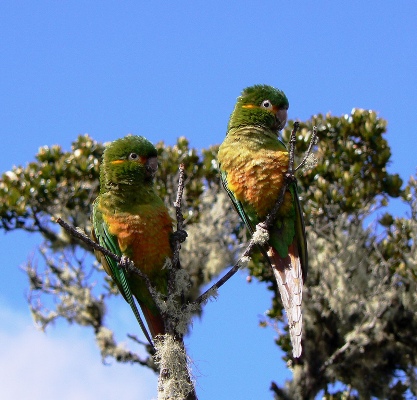
The properties that make up the reserve was acquired by the town of Génova, Quindío (Colombia), in order to comply with Act 99 of 1993 in its Article 111, within the project “Acquisition of land for protection and conservation areas supplying municipal water”. These were acquired between 2000 and 2002. ProAves is responsible for its care, loan quality since 2004, due to its ability to carry out conservation actions, research and education in the area.
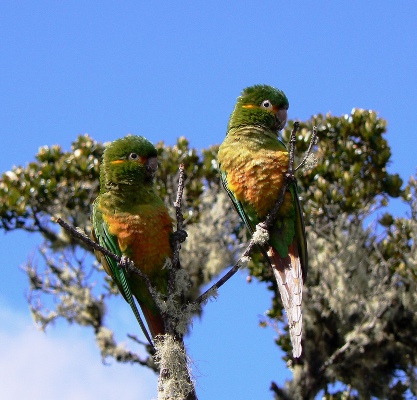
Location and Area: The reserve is located on the western flank of the Cordillera Central, in the village of Rio Gris Alto, in the municipality of Génova, Quindío, with an area of 5,028 acres and an altitude ranging between 2,900 and 3,800 meters above sea level. It is the area having a large sample of moors, besides being a place that is home to five species of parrots that are in some degree of threat. It is ranked by the Alliance for Zero Extinction as an AZE site. Biological importance: There are species in the reserve such as the Fuertes’s Parrot(Hapalopsittaca fuertesi),endemic and critically endangered, the Golden-plumed parakeet(Leptosittaca branickii), vulnerable, Rufous-fronted Parakeet(Bolborhynchus ferrugineifrons), endemic and endangered species, the Crescent-faced Antpitta( Grallaricula lineifrons), vulnerable, Bicolored Antpitta(Grallaria rufocinerea), vulnerable, the Masked Mountain Tanager (Buthraupis wetmorei), vulnerable, and the Masked Saltator(Saltator cinctus), vulnerable, among others. Climate: Presents a minimum temperature of 6 º C and 12 º C maximum, and a minimum rainfall of 1,548 mm and a maximum of 1,852 mm. Biophysical characteristics: The area has 80% of steep slopes, located in the Río Gris basin. Conservation: Ecological Restoration and Central Cordillera Project. Facilities: Accommodation for ten people, electricity and drinking water. General recommendations:
Admission and tours: Contact fundacion@proaves.org With the support of:
Related news
Threatened Parrot Corridor established-6700 has saved During 2009, ProAves, with the support of ABC, IUCN-NL and WLT, has acquired and protected a vast area of montane cloud forest in the Central Cordillera, from the eastern slope in Tolima to the western slope in Quindio department. The corridor stretches 12 miles and encompasses key foraging and breeding areas for the Critically Endangered Fuertes’s Parrot and Yellow-eared Parrot.
Protecting key habitat for Fuertes’s Parrot The Municipality of Génova (Quindío) and ProAves celebrate an agreement to continue a further five years protecting and managing the Mirador Municipality Reservewhich is important for the survival of the Critically Endangered Fuertes´s Parrot and many other endangered species.
|

|
Click on the image for more information |
||
|
|
|
|
 |
 |
|
|
El Aleteo es el boletín informativo de ProAves desarrollado con el fin de divulgar las actividades realizadas por los miembros del equipo durante el mes. Últimas ediciones Aleteo Click AQUÍ
|
 |
|
Restoration and reforestation. |
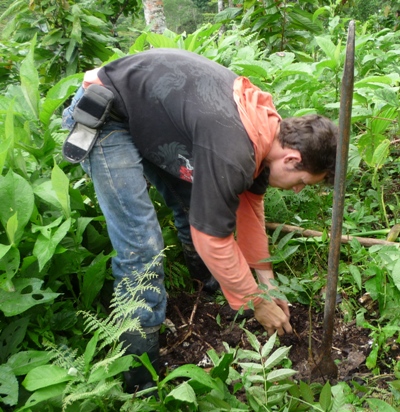
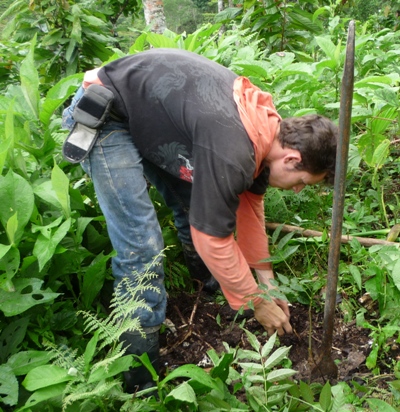
The reforestation process started with the production of seedlings in light of the need to restore and enhance forest habitat. After the establishment of the reserves, the regeneration and restoration were also favored.
This program has developed various strategies for reforestation and restoration in order to meet each objective according to the needs of the projects:
 |
|
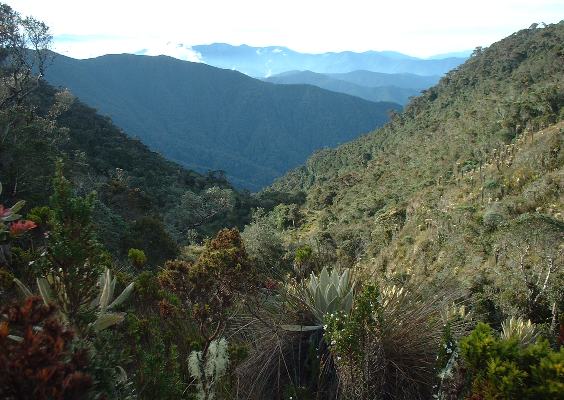
Frontino (Antioquia). |
The reforestations carried out are given a monthly maintenance monitoring and clean up of the grass and, when required, fertilizer is applied to the plants: this is done together with the owners of the lands and in the presence of a member of the group.
In addition, each reforested farm also has a coordinate which indicates its location, this is especially useful when working with reforestation for the runners.
Finally, during these 7 years with the reforestation program over 1,200 acres of pastures, margins of streams and rivers in different parts of the country have been replanted and restored, not just giving a proper management of these areas but also providing a food supply for wildlife.
Every process of reforestation that we do is based on the following methodologies:
Related news
 |
Restoring Native Habitat for Migratory Birds
Thursday 10 December 2009.
ProAves’ Habitat Restoration Program has been working on reforestation with native trees in strategic areas to promote connectivity between forest fragments and provide vital native habitat for wildlife especially migratory birds.
 |
ProAves and the municipality of Jardín join forces
Friday 31 July 2009.
Through joint management of the botanical nursery of the municipality of Jardín in Antioquia, ProAves and the local community are demonstrating that joint efforts and synergies are achievable between the non-profit and public sector, contributing to habitat conservation for the Yellow-eared Parrot.
 |
Kids restore the forest in Sierra Nevada
Friday 31 July 2009.
Around the Reserve El Dorado, a group of kids wanted to preserve the forest for their future and benefit an endemic unique parrot specie of the Sierra Nevada de Santa Marta. These activities were carried out with the leadership of ProAves.
 |
Restoration in Sierra Nevada de Santa Marta
Monday 16 February 2009.
ProAves is clearing non-native invasive pines in the Sierra Nevada de Santa Marta, around El Dorado Bird Reserve, and replacing them with thousands of native trees important for the native fauna. We urgently seek volunteers to help clear pines and reforest.
 |
| Actividades de restauración y reforestación. |
El proceso de reforestación inició junto con la producción de las plántulas en vista de la necesidad de recuperar hábitat y enriquecer los bosques. Luego del establecimiento de las reservas, también se propició la regeneración natural y la restauración.
Este programa ha desarrollado distintas estrategias de reforestación y restauración con el fin de cumplir con cada objetivo de acuerdo a las necesidades de los proyectos:
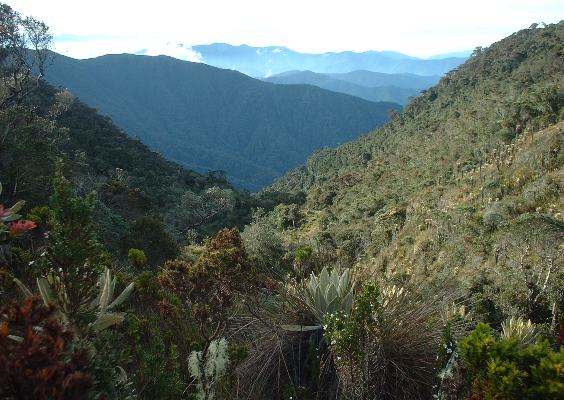 |
| Páramo de Frontino (Antioquia). |
A las reforestaciones realizadas se les hace un monitoreo y mantenimiento mensualmente con limpieza de la hierba, y cuando se requiere, se realiza una abonada a las plantas; esto se hace junto con los propietarios de las fincas y en presencia de un miembro del grupo.
Además, cada finca que se reforesta también tiene una coordenada la cual nos va indicando su ubicación; esto se hace especial cuando se trabaja con reforestaciones para los corredores.
Finalmente, durante estos 7 años de trabajo con el programa de reforestación se han reforestado y restaurado más de 1.200 hectáreas de potreros, márgenes de quebradas y ríos en diferentes zonas del país; no sólo dando un manejo adecuado a estas zonas sino también brindando oferta alimenticia para la fauna silvestre.
Todos los procesos de reforestación que realizamos, los hacemos con base en las siguientes metodologías:
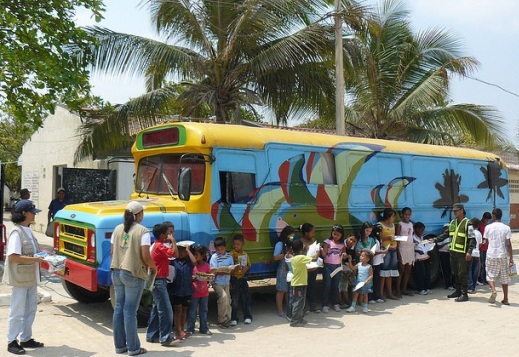
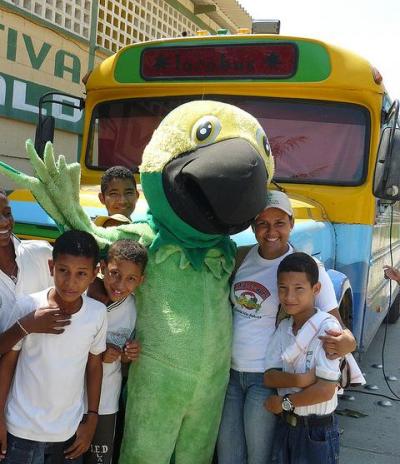
El Loro Bus es una herramienta de educación y sensibilización ambiental que desde el año 2005 hasta el 2009, recorrió todo el país desarrollando actividades lúdicas y educativas con los niños, niñas, jóvenes y adultos, llevando un mensaje de conservación y cuidado de la naturaleza a más de 70.000 personas en 145 municipios de 16 departamentos en todo el país desde su creación. Durante su recorrido visitó 2.392 instituciones educativas y ha recorrió más de 80.000 km de Colombia.
A través de charlas, talleres, juegos y videos en el interior del bus, se logró involucrar a las comunidades, en el respeto a la biodiversidad; generando en éstas un sentido de pertenencia y respeto por la naturaleza, en especial de las aves.
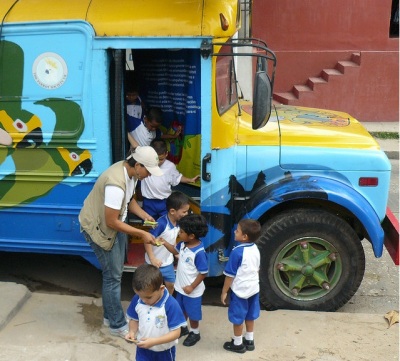
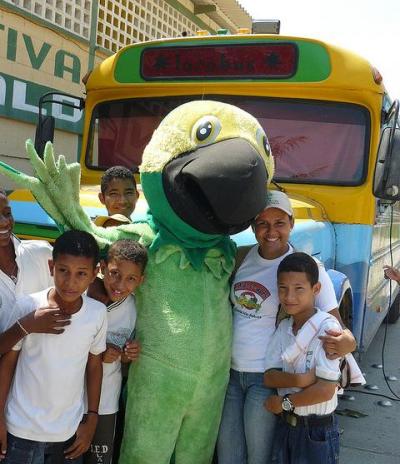
La metodología implementada en el aula móvil Loro Bus, fue pedagógica y lúdica, lo que llevó a que por medio del juego el aprendizaje fuera más sencillo. Gracias a la proyección de documentales y videos acerca de los ecosistemas, la fauna y flora silvestre de Colombia, los participantes aprendieron sobre la biodiversidad de nuestro país, acompañados de Otto Rico la mascota que viaja con el Loro Bus por todo el país.
Finalmente y como complemento a las actividades del aula móvil, se realizaron juegos con los participantes como escalera de aves migratorias, lotería de aves silvestres, domino de loros amenazados, entre otros. Al finalizar la actividad se entregó material didáctico, como cartillas de aves, miniguías, stikers, botones, afiches y camisetas.
La Fundación ProAves estableció unos itinerarios del Loro Bus, denominados Rutas Ecológicas con el objetivo de llegar a un número mayor de poblaciones en Colombia, teniendo como localidades prioritarias para la visita, los municipios y ciudades donde se encuentren especies de aves amenazadas.
El proyecto es apoyado por Disney Wildlife Conservation Fund y las rutas son: Ecológica Costera, que comprende los departamentos de Córdoba, Bolívar, Magdalena y Atlántico; Ecológica de la Biodiversidad Oriental, que recorre los departamentos de Santander, Norte de Santander y Boyacá; Ecológica Loro Orejiamarillo, que viaja por los departamentos de Antioquia, Tolima, Quindío y Caldas, y Ecológica Selvática del Sur, que comprende los departamentos del Valle del Cauca y Nariño.
Con el apoyo de:
 |
 |
 |
 |
 |
 |
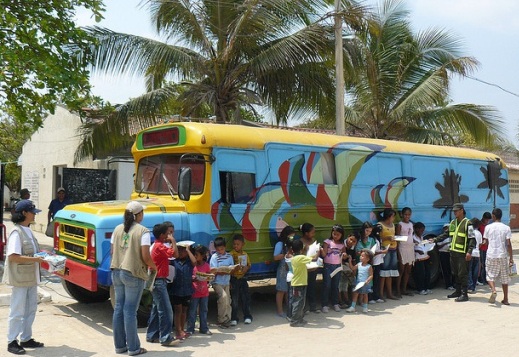
The parrot bus acts as a mobile environmental education classroom. Since 2005, Parrot Bus has been used as environmental educational tool driving all over the country developing fun activities with kids, youngsters and adults, carrying out the message of conservation and care of nature to more than 70,000 people in 145 cities of 16 provinces all over the country. Since this initiative was created, it has visited 2.392 educational institutions and it has driven more than 80,000 km of Colombia.
Trough talks, workshops, games and videos performed inside the bus, ProAves is trying to involve all visited communities, teaching them respect for biodiversity, especially to birds.
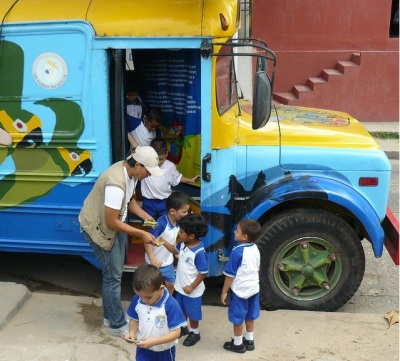
The intention of the methodology used within the Parrot Bus is to teach knowledge trough fun activities. Thanks to the projection of documentaries and videos about ecosystems, fauna and flora of Colombia, all participants can learn about it, in the company of Oto Rico, the traveling pet on board of the Parrot Bus.
Finally, and as a accompaniment to the activities carried out on board of the Parrot Bus, board games are organized within the participants, such as stairs of migratory birds (a variant of the board game snakes and stairs), wild birds lottery, endangered parrots dominó, among others. At the end of the activities, didactic material is delivered. This material is mostly composed by bird cards, mini-guides, stickers, pins, posters and t-shirts.
Ecological routes
Fundación ProAves has established several itineraries for the Parrot Bus, known as ecological routes. The objective of these routes is to reach a higher number of populations in Colombia, having as priority the visit of locations where there are more endangered species.
The project is supported by Disney Wildlife Conservation Fund and the routes are: Green Coast, which includes the departments of Córdoba, Bolívar, Magdalena and Atlantic Biodiversity Ecological Oriental, which covers the departments of Santander, Norte de Santander and Boyacá, Green-eared parrot, which travels through the departments of Antioquia, Tolima, Quindio and Caldas, and Ecological Jungle South, which includes the departments of Valle del Cauca and Nariño.
With the support of:
 |
 |
 |
 |
 |
 |
Related news
 |
Parrot Bus visits the department of Córdoba
Monday 7 December 2009.
The Mobile Environment Classroom, the “LoroBus” (Parrot Bus), visited nine municipalities in northern Colombia. Twelve educational institution assisted with two massive education activities for the general community. A total of 5,164 people participated and pledged their support for conservation.
 |
ProAves wins Energy Globe Award
Wednesday 15 April 2009.
On April 13, 2009, at the opening meeting of the EU Environmental Ministers in Prague, Czech Republic, ProAves was awarded the national prize by the Energy Globe World Awards for ProAves Parrot Bus initiative. Over 769 projects participated from 111 nations.
|
Parrot Bus visits department of Boyacá
Monday 9 March 2009.
Three new municipalities of Colombia were visited by ProAves’ Parrot Bus in February, with over 1,000 participants educated. To date the Parrot Bus has visited 148 municipalities reaching more than 73,000 children who learned about the need to protect birds and biodiversity.
Driving Conservation August 2007 – May 2008
Monday 5 May 2008.
During August 2007 – May 2008, the results of the project Driving Conservation, with the support of Disney Wildlife Conservation Fund, show how the project successfully reached 25.413 people from beginning to end.
 |
Slingshot Amnesty success
Tuesday 15 January 2008.
It is all to common place to see children carrying slingshots with the sole purpose of hunting birds. ProAves launched a campain against hunting birds across Colombia and delighted when over 330 children voluntariary handed slingshots and traps to ProAves staff.
Slingshot amnesty campaign success!
Thursday 20 September 2007.
After many trips conducted by the Parrot Bus in different regions of Colombia, ProAves have launched a new amnesty campaign to request children to hand in their slingshot and other objects use to attempt against birds.
 |
Parrot Bus is re-released in Jardín, Antioquia
Friday 24 August 2007.
Our mobile environmental classroom has been renewed with beautiful inner panels about the diverse and threatened ecosystems of Colombia and its representative fauna and flora.
 |
 |
 |
|
|
Dirección
|
Conservación |
Áreas Protegidas
|
|
 |
|||
 |
 |
 |
|
|
Investigación
|
Educación Ambiental |
Comunicaciones |
|
|
|
|||
 |
 |
 |
|
|
Jurídica |
Área administrativa |
Ecoturs |
|
|
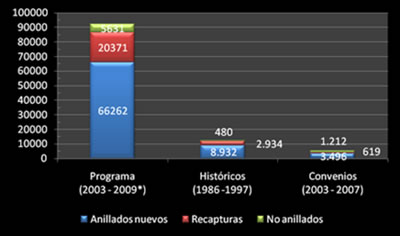
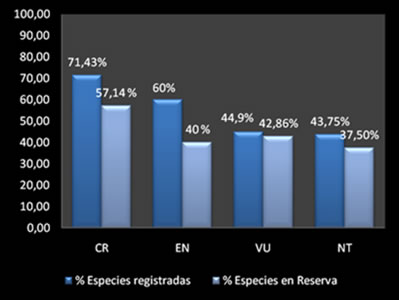
Our online database for bird monitoring and research by ProAves has recorded data on 1,163 species (61.8%) of birds in Colombia. Among these species, 107 are migratory, 78 are almost endemic and 47 are endemic. Among the 86 species of threatened birds listed by IUCN (2007), ProAves has information about, and monitors 68.3% of them. Information has been collated monthly since 2003 and the banding database has 82,061 records. Furthermore the database of observations, censuses, count points and transects has 168,780 records, distributed in 12 localities and corresponds to 240,078 individuals. 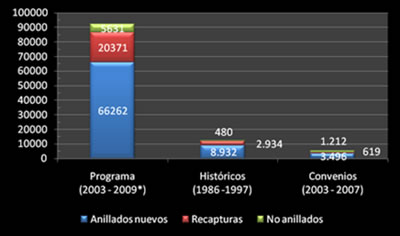
Catch sampling effort 2003-2009 and number of individuals of species recorded by category for years.
To view the results of the endangered species present in the database: https://www.proaves.org/images/stories/IMG/pdf/Tablas.pdf In some of these areas is conducted monthly monitoring, using methods of census and mist-net catches, there are places where research has been conducted short (less than a year) and to key sites where exploration has been largely obtained important information birds of conservation concern. 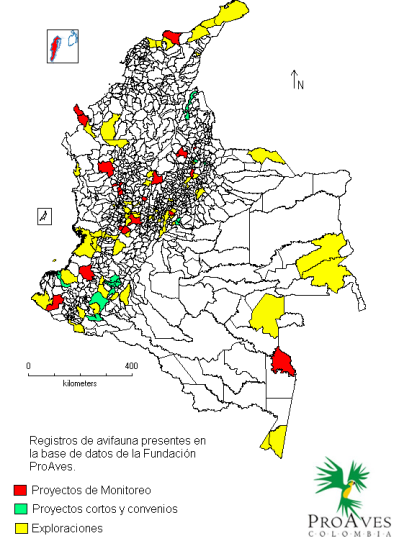
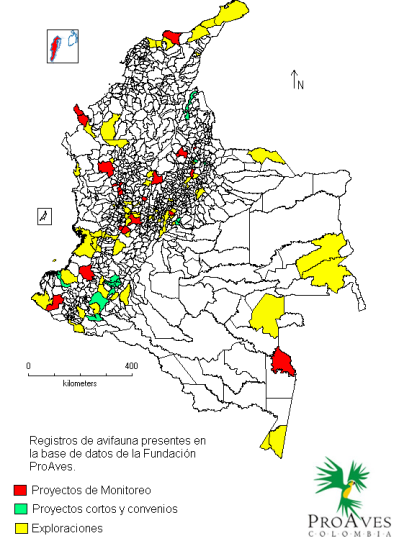
Figure 1. Map of Colombia restricted to municipal boundaries, showing where ProAves Foundation has information of birds in your database. Information contained in the database is present since 1986. ProAves Foundation invites the general public and amateur ornithologists to register and query data · Base Monitoring Program and the Migratory Bird Conservation, which is constantly updated to take into account access following recommendations: – Enter the login button “user registration”. With the support of:
|
Related news
 |
ProAves bird database exceeds 270,000 records
Monday 30 November 2009.
With seven years of targeted bird research and monitoring across a strategic network of research stations and protected areas, we have established a database of over 270,000 bird records that is assisting bird conservation activities.
ProAves ha querido dejar un legado histórico de las investigaciones realizadas en Colombia, por ello ha documentado y mantenido una base de datos con el fin de que la información registrada, sea utilizada por toda la comunidad científica en beneficio de la conservación de las aves en Colombia. Actualmente la fundación cuenta con una base de datos que alberga 270.425 registros, de los cuales 109,937 registros corresponden a capturas desglosadas de la siguiente manera: 92.264 correspondientes al programa, 12.346 registros históricos y 5.327 correspondientes a convenios y 160.488 registros de observaciones puntuales. Esta información ha sido obtenida gracias a las investigaciones realizadas mediante proyectos, convenios y exploraciones en toda Colombia.
Esfuerzo de muestreo de capturas 2003-2009 y número de individuos de especies por categorías registrados por años.
El programa ha registrado 1035 especies de aves, lo que representa el 56% de la Avifauna, 115 especies de aves han sido reportadas exclusivamente en convenios, datos históricos u otros proyectos. Para un total de 1191 que representa el 63% de la avifauna. El esfuerzo realizado para la conservación de aves en todo el territorio nacional es una gran preocupación para la Fundación ProAves quien se ha encargado de implementar el programa de monitoreo de 116 estaciones en 16 localidades de toda Colombia. Siete años de monitoreo a lo largo de las tres cordilleras de los Andes, El Macizo de la Sierra Nevada de Santa Marta, el Choco biogeográfico, las islas de San Andrés en el Caribe Colombiano y Malpelo en el Océano Pacífico como parte de una red estratégica para el conocimiento y conservación de la avifauna, trabajo que se priorizó en la medida que la fundación adquirió reservas naturales para la conservación de las aves, enfocándose en las mismas y en sus áreas de influencia. De las 88 especies amenazadas a nivel global por la UICN en 2004 encontradas en Colombia, se han registrado 50 especies que corresponden al 57% de las catalogadas como amenazadas.
Para la conservación de estas especies amenazadas la Fundación ProAves viene desarrollando algunos proyectos para la conservación de estas aves:
Para ver los resultados de las especies amenazadas presentes en la base de datos: https://www.proaves.org/images/stories/IMG/pdf/Tablas.pdf En algunas de estas áreas se realiza monitoreo mensual, utilizando métodos de censos y capturas con redes de niebla; existen lugares en donde se han realizado investigaciones cortas (menores a un año) y exploraciones a sitios claves donde se ha obtenido en gran medida información importante de aves de interés para la conservación.
Figura 1. Mapa de Colombia restringido a límites municipales, exhibiendo los lugares donde la fundación ProAves posee información de avifauna en su base de datos.
La información contenida en la base de datos esta presente desde el año 1986. La Fundación ProAves invita al público en general, ornitólogos y aficionados a inscribirse y realizar consultas en Base Datos Programa Monitoreo y Conservación Aves Migratorias, la cual se encuentra en constante actualización, para acceder tener en cuenta las siguientes recomendaciones:
Con el apoyo de:
Noticias relacionadas
Datos de avifauna superan los 270.000 registros Gracias a siete años de monitoreo y una extensa red estratégica para el conocimiento y conservación de la avifauna hemos consolidado una Base de datos de más de 270.000 registros.
Datos de avifauna supera los 260.000 registros Desde el 2003, ProAves ha recopilado información de la avifauna del país gracias a los esfuerzos de los Programas, Proyectos, Investigaciones de tesis de pregrado y convenios con investigadores.
|
 |
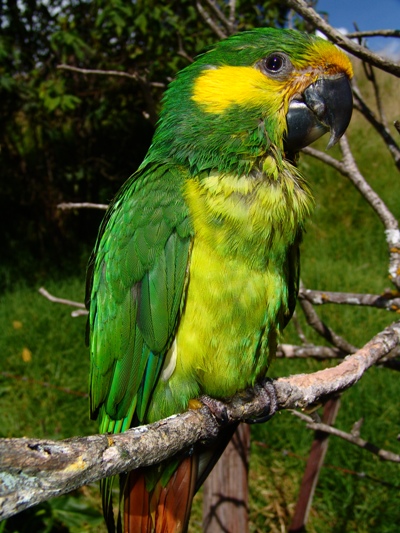 |
| Yellow-eared Parrot (Ognorhynchus icterotis) |
Establishment:
The Yellow eared Parrot Bird Reserve was established on May 6th, 2006, in order to ensure survival and to promote conservation actions targeting populations of Yellow-eared Parrot (Ognorhynchus icterotis) and Wax Palma (Ceroxylon quindiuense), national tree of Colombia and in danger of extinction, areas of Jardín, and Riosucio and Antioquia, Caldas, Colombia.
Location and Area:
It is located in the village of Ventanas, an hour’s journey from the Township of Jardín, (Antioquia) on the road that links this municipality with Riosucio, Caldas. It has an area of 465 acres and has altitudes ranging from 1,900 to 2,600m above sea level is classified by the Alliance for Zero Extinction as an AZE site. (See Map).
Biological Significance:
The most important birds for conservation are the Yellow-eared Parrot (Ognorhynchus icterotis) and the Dusky Starfrontlet (Coeligena orina), among others. The wildlife is rich and varied, with mammals such as the spectacled bear (Tremarctos ornatus) and deer. Within the characteristic vegetation of the reserve stocks of the Wax Palm (Ceroxylon quindiuense) can be found and a species of Passion Flower endemic to the area of Jardín (Passiflora jardinensis).
Weather:
Registers temperatures ranging between 4 and 24 ° C.
Physical aspects and ecosystem:
The reserve is located in a montane rain forest, of which 97% relate to areas of natural forest areas and 3% being regeneration. It has two water sources that originate at the headwaters.
Conservation:
Project Ognorhynchus, ecological restoration, Co-operation and Silvopastoral, Artificial nests program, and Wax Palm nurseries.
Environmental Education:
Campaign Reconciled with nature, parrot bus, friends of birds schools, bird friends group.
Research:
Facilities:
Capacity of accommodation for eight people.
Attractions:
Hiking and bird watching can be done on the reservation, drinking places for hummingbirds, feeders for Grallaria (Grallaria fenwickorum), parrot dormitories, Wax Palm nursery.
General Recommendations:
Admission and tours:
fundacion@proaves.org
With the support of:
|
|
 |
Related news
 |
ProAves and the Yellow-eared Parrot in the Audubon Magazine
Tuesday 3 Abril 2012.
In the latest edition of the renowned Audubon Magazine (March-April 2012), writer Susan McGrath describes her tour through Colombia, her visits to ProAves reserves, and the historic rediscovery of the Yellow-eared Parrot and its remarkable recovery after it was believed to be extinct.
 |
10 years of saving the Yellow-eared Parrot
Monday 30 November 2009.
Thanks to ten years of conservation efforts with over 180 people, ProAves is delighted to report the recovery of the Yellow-eared Parrot (Ognorhynchus icterotis) from 81 individuals in 1999 to over 1000 in 2009.
 |
Yellow-eared Parrot added to municipality shield
Tuesday 24 November 2009.
Thanks to our conservation work in Jardin, Antioquia, the Yellow-eared Parrot has been named as the municipality’s official bird. The community of Jardin have also changed their shield to add the parrot.
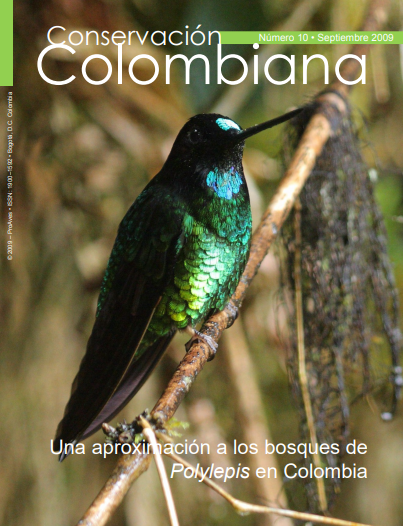
La edición Nº10 de la revista Conservación Colombiana está dedicada al estudio y conservación de los bosques de Polylepis en colombia. Estos bosques únicos altoandinos concentran muchas especies endémicas de flora y fauna que están en riesgo. en Colombia, menos del 3% de estos bosques han sobrevivido.
Encuentre aquí el archivo en formato PDF para consultar y descargar gratuitamente.
 |
Conservación Colombiana No 10 Una aproximación a los bosques de Polylepis en Colombia |
 He 10th issue of ProAves Conservación Colombiana journal is dedicated to understanding the ecology and conservation of the little-known Polylepis forests. These unique high Andean forests support many endemic flora and fauna species, which are all at great risk. Less than 3% of these forests survive today.
Find here the PDF file to view and download for free.
 |
Conservación Colombiana No. 10 Una aproximación a los bosques de Polylepis en Colombia |
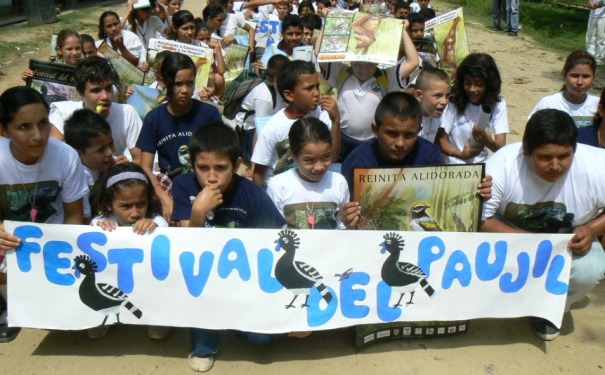
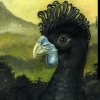
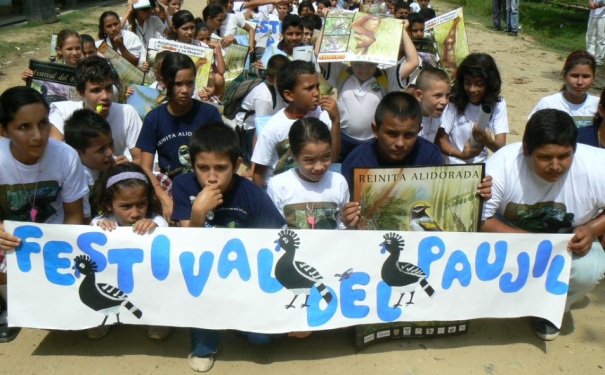
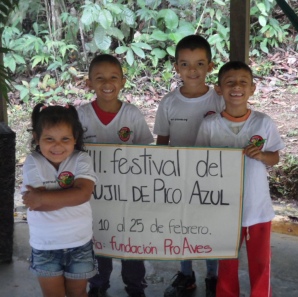
 El Paujil de Pico Azul (Crax alberti), es un ave endémica de Colombia y críticamente amenazada de extinción; por esta razón, la Fundación ProAves en el marco de la estrategia de Educación Ambiental que desarrolla en el corregimiento de Puerto Pinzón, municipio de Puerto Boyacá (Boyacá, Colombia), ha realizado con éxito desde el año 2004 el Festival del Paujil.
Este festival es un evento dinámico y educativo donde se desarrollan diferentes actividades dirigidas a la comunidad, en especial a los niños, niñas y jóvenes que se encuentran más cercanos al área de influencia de la Reserva Natural de las Aves el Paujil, lugar en el que la Fundación concentra sus esfuerzos en la conservación de esta ave.
Con el festival se busca incrementar el interés de la comunidad, en los programas de conservación llevados a cabo por la Fundación, además de generar cambios de actitud frente al Paujil de Pico Azul (Crax alberti).
 |
 |
|
Noticias relacionadas
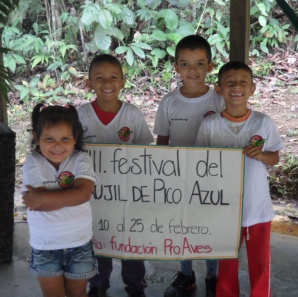 |
8o.Festival del Paujil de Pico Azul 2012
Jueves 12 de abril de 2012.
Con la participación de aproximadamente 400 personas, se realizó con éxito el 8º Festival del Paujil de Pico Azul en el corregimiento de Puerto Pinzón, Boyacá; como estrategia de educación ambiental para concienciar a las comunidades, en especial a los niños y jóvenes que se encuentran más cercanos al área de influencia de la Reserva El Paujil.
 |
Comunidad lidera VI Festival del Paujil de Pico Azul
Miércoles 1 de diciembre de 2010.
En el municipio de Puerto Boyacá, departamento de Boyacá, se llevó a cabo el VI Festival del Paujil con el objetivo de generar conocimiento y apropiación por los recursos de la región en especial por esta especie endémica de Colombia. El Festival contó con la participación de cerca de 1.200 niños y adultos.
 |
Festival del Paujil 2009 – Salvando el Paujil de Pico Azul y su bosque
Viernes 2 de octubre de 2009.
Más de 1100 personas participaron en el V festival del Paujil de Pico Azul que se realizó en septiembre en el municipio de Puerto Boyacá, corregimiento de Puerto Pinzón en las veredas La Arenosa, Quince Letras y Dos Quebradas.
 |
Conociendo y protegiendo el Paujil de Pico Azul
Lunes 7 de septiembre de 2009.
Del 1 al 25 de septiembre realizaremos el V Festival del Paujil de Pico Azul involucrando a las comunidades del área de la Reserva El Paujil con el objetivo de aumentar el conocimiento sobre esta especie en peligro crítico y su importancia para la conservación de los bosques tropicales del Magdalena.
 |
Con éxito termina el IV Festival del Paujil
Martes 16 de octubre de 2007.
Con la realización de 23 talleres de sensibilización y la participación de más de 800 personas, se llevó a cabo el IV Festival del Paujil en el departamento de Boyacá.
Inicia el III Festival del Paujil
Jueves 3 de agosto de 2006.
ProAves en el marco de la estrategia de Educación Ambiental que desarrolla en el corregimiento de Puerto Pinzón, ha realizado con éxito durante dos años consecutivos el Festival del Paujil, un evento dinámico y educativo donde se desarrollan diferentes actividades dirigidas a la población del área de influencia de la Reserva El Paujil.
 The Blue-billed Curassow is an endemic and highly endangered species in Colombia. In the frame of the Environmental Education program, ProAves develops, in Puerto Pinzón, municipality of Puerto Boyacá, department of Boyacá, Colombia, the Blue-billed Curassow Festival since 2004.
This is a dynamic and educational event where diverse activities for all the community, especially kids and youngsters living closer to the Blue-billed Curassow Natural Bird Reserve, take place, where ProAves focuses conservation efforts for this species.
The Festival intends to increase the interest of the community in the conservationist programmes carried out by ProAves, changing the way people sees and thinks about the Blue-billed Curassow.
 |
 |
|
Related news
 |
8th Blue-billed Curassow Festival 2012
Friday 13 April 2012.
With the participation of over 400 people, the 8th Blue-billed Curassow Festival was held in the town of Puerto Pinzón in Boyacá, aiming to raise awareness among communities, especially children and young people who live beside the area El Paujil Bird Reserve.
 |
Paujil Festival 2009 – Saving the Blue-billed Curassow
Friday 9 October 2009.
More than 830 people took part in the 5th Blue-billed Curassow Festival that was held in September in the town of Puerto Boyacá and villages of La Arenosa, Quince Letras and Dos Quebrados, in Boyaca and Santander Departments.
 |
4th Blue-billed Curassow Festival completed
Friday 26 October 2007.
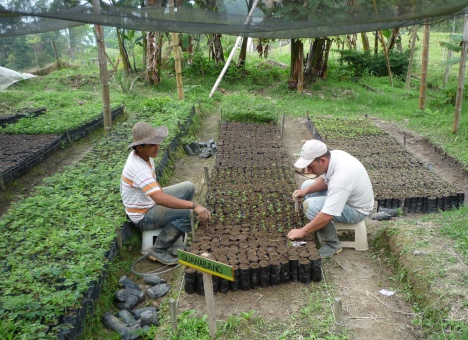
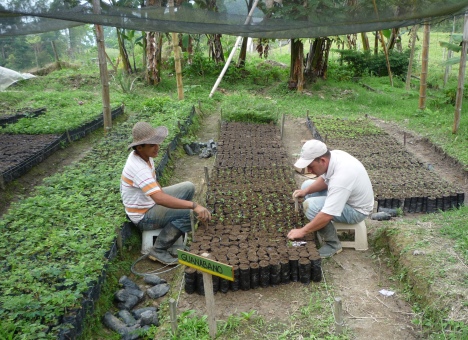
With the completion of 23 environmental workshops and the participation of over 800 people, the 4th Blue-billed Curassow Festival was conducted in the Magdalena valley.
 |
| Nurserie Cerulean Warbler Bird Reserve. |
Since 2003 ProAves Foundation has been working with the establishment of nurseries to produce native seedlings needed for the recovery of habitat for bird species in addition to providing the food supply based on information provided by research on habitat use and ecology that has been generated about the various endangered species and migratory birds.
That is why from the studies and work sites, we located 8 Temporary Nurseries producing native plants according to the ecosystems. These nurseries are located at the following locations: Santa Marta, Magdalena (rainforests and Andean forests), San Vicente de Chucuri, Santander (tropical and sub-Andean forests) and Zapatoca, Santander (dry forest); Anori (sub-Andean forests), Jardín (Andean forests) and Urrao, Antioquia (Andean forests and moors.) Roncesvalles (Andean forests and moors) and Falán, Tolima (sub-Andean forests).
It has an annual production of over 250,000 seedlings of 56 species.
|
||||||||||||||||||
|
Table with some species produced. |
The selection of seedlings is likewise based on the following characteristics as it has recently expanded the approach to reforestation.
ProAves until 2010 with the support of a large number of organizations such as the Fundación Loro Parque, NMBCA, American Bird Conservancy and CORPOURABA has managed to produce more than 680,000 seedlings, which have been used in reforestation, restoration and donations.
|
|
 |
Colombia es el país más diverso del mundo en aves, con 1871 especies, más que cualquier otro país del mundo. La Fundación ProAves mantiene y publica elListado de Aves de Colombia cada año desde el 2007, siguiendo el primer listado de aves de Colombia, publicado en el 2001. La publicación se mantiene actualizada con nuevos datos sobre la distribución y taxonomía de las especies que ocurren en Colombia, y se publica anualmente como una edición deConservación Colombiana. Lo invitamos a colaborar mandando sus registros nuevos a listado@proaves.org
Próximamente se va a establecer un Foro Nacional de Registros de Aves para Colombia con el fin de formalizar el proceso de cambiar el listado nacional.
Ver El Listado, en sus varias ediciones:
 2009: Conservación Colombiana 8
2008: Conservación Colombiana 5 (versión PDF y versión Excell)
2007: Conservación Colombiana 2 (Suplemento)
2001 (no disponible en línea)
favor comunicarse a dcaro @ proaves.org o en la sede de ProAves, Cra 20 No. 36-61, Bogotá.
Ver las revisiones más recientes:
Donegan, T.M., Salaman, P. Caro, D. 2009. Revision of the status of various bird species occurring or reported in Colombia. Conservación Colombiana 8: 80-86; 87.
Salaman, P., Bayly, N., Burridge, R., Grantham, M., Gurney, M., Quevedo, A., Urueña, L.E., Donegan, T. 2008. Sixteen bird species new for Colombia.Conservación Colombiana 5: 80-85.
Colombia es el país más diverso del mundo en aves, con 1871 especies, más que cualquier otro país del mundo. La Fundación ProAves mantiene y publica el Listado de Aves de Colombia cada año desde el 2007, siguiendo el primer listado de aves de Colombia, publicado en el 2001. La publicación se mantiene actualizada con nuevos datos sobre la distribución y taxonomía de las especies que ocurren en Colombia, y se publica anualmente como una edición de Conservación Colombiana. Lo invitamos a colaborar mandando sus registros nuevos a listado@proaves.org
Próximamente se va a establecer un Foro Nacional de Registros de Aves para Colombia con el fin de formalizar el proceso de cambiar el listado nacional.
Ver el listado, en sus varias ediciones:
2009: Conservación Colombiana 8
2008: Conservación Colombiana 5 (versión PDF y versión Excell)
2007: Conservación colombiana 2 (Suplemento)
2001 (no disponible en línea)
Favor comunicarse a ldaza@proaves.org o en la sede de ProAves, Cra 20 No. 36-61, Bogotá.
Ver las revisiones más recientes:
Donegan, T.M., Salaman, P. Caro, D. 2009. Revision of the status of various bird species occurring or reported in Colombia. Conservación Colombiana 8. 80-86; 87
Salaman, P., Bayly, N., Burridge, R., Grantham, M., Gurney, M., Quevedo, A., Urueña, L.E., Donegan, T. 2008. Sixteen bird species new for Colombia. Conservación Colombiana 5: 80-85.
|
Fundación ProAves hatched in 1998 out of the initiative of a group of dedicated Colombian conservationist interested in saving the Yellow-eared Parrot. ProAves’s mission is to protect birds and their habitats in Colombia through research, conservation actions and community outreach. ProAves is a registered non-profit organization with free membership, open to all who share our vision to prevent the extinction of threatened species and protect key sites, with the help of citizens who are proud of their natural resources and who will promote development in harmony with nature. The passion and commitment of the ProAves family thrives on our partnerships and collaboration with different individuals, groups and organizations, at local, regional and national levels, working together for conservation. Colombians have a great passion for nature and we are always encouraged to find communities eager and willing to cooperate. ProAves Foundation is a UK registered charity that supports the work of Fundación ProAves in Colombia. |
 ProAves Foundation (or ProAves UK) is the sister organization in the UK of Fundación ProAves. The main aim of ProAves Foundation is to support the work of Fundación ProAves, for example through fundraising and other initiatives.
Important work by ProAves Foundation to date has included:
 Fundraising and support for the purchase of various reserves in ProAves’ reserve network, particularly Pangan and El Dorado.
Fundraising for various ProAves research programs and expeditions (e.g. EBA project).
The establishment and operation of a ProAves Trust Fund for the costs of managing ProAves’ reserve network.
ProAves Foundation is a charitable trust registered in the UK with the Charities Commission http://www.charity-commission.gov.uk/registeredcharities/showcharity.asp?remchar=chyno=1098530 (registered no. 1098530). Important details about ProAves Foundation are included in the Charity Commission’s website in the link above.
The trustees of ProAves Foundation are: Thomas Donegan, Robert Giles, Nigel Hughes, Mark Mulligan, Claire Salaman and Paul Salaman. Various of these persons are also on the Consejo de Directores of Fundación ProAves.
ProAves Foundation has no office in the UK. Its trustees are volunteers concerned at furthering the cause of conservation in Colombia.
If you pay income tax in the UK and would like to make a donation to ProAves, we are a member of the government’s gift aid scheme.
As a UK-registered Charity we are able to claim back the tax on all donations made by UK tax payers. At present the amount we receive is 22% (i.e. 28p extra for every £1.00 you donate). A form is available online.