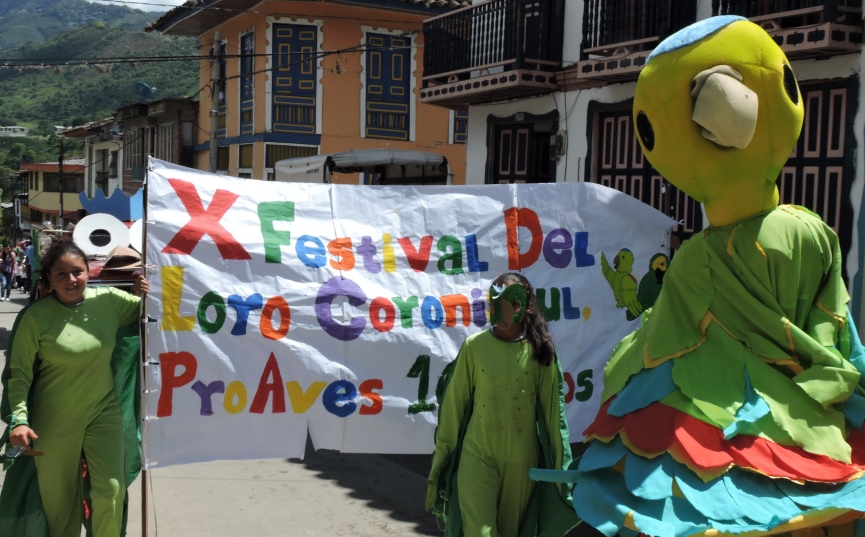
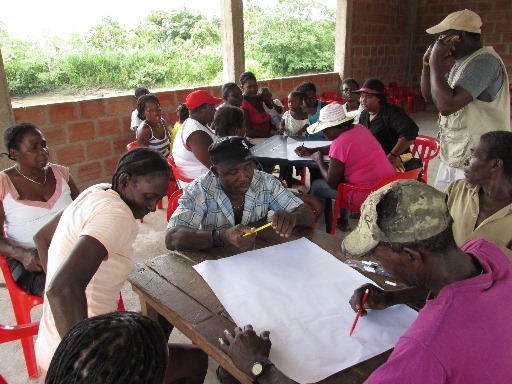
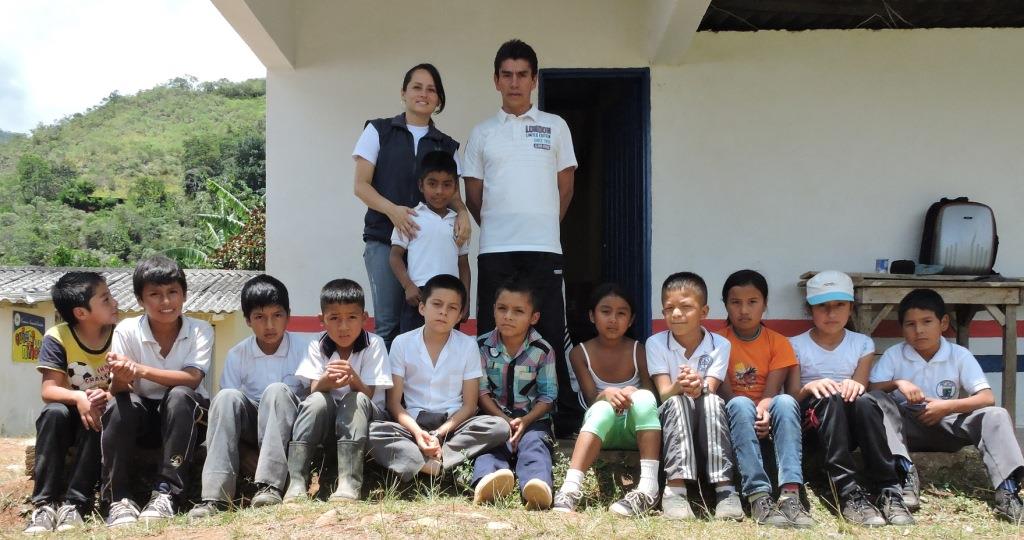
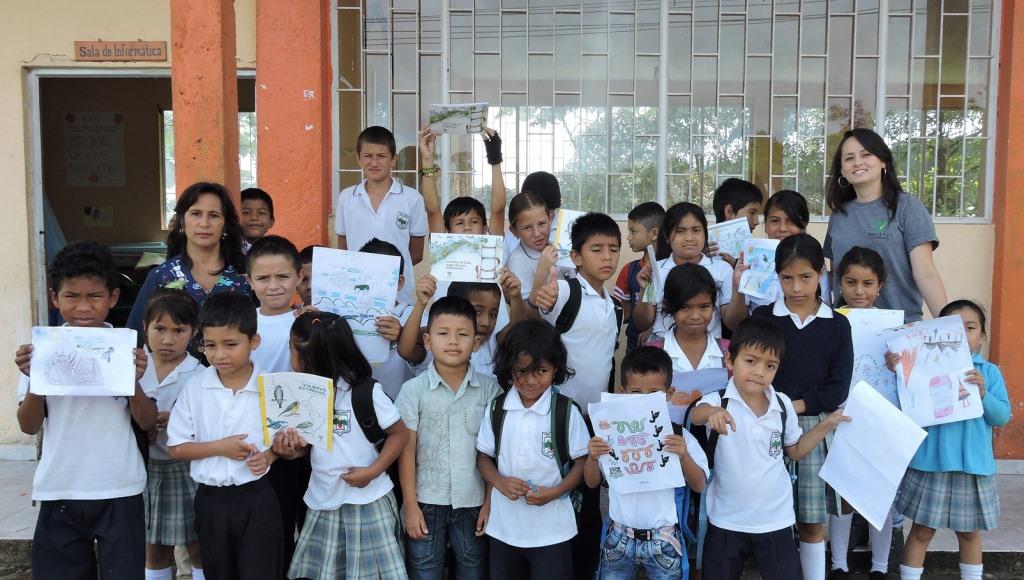
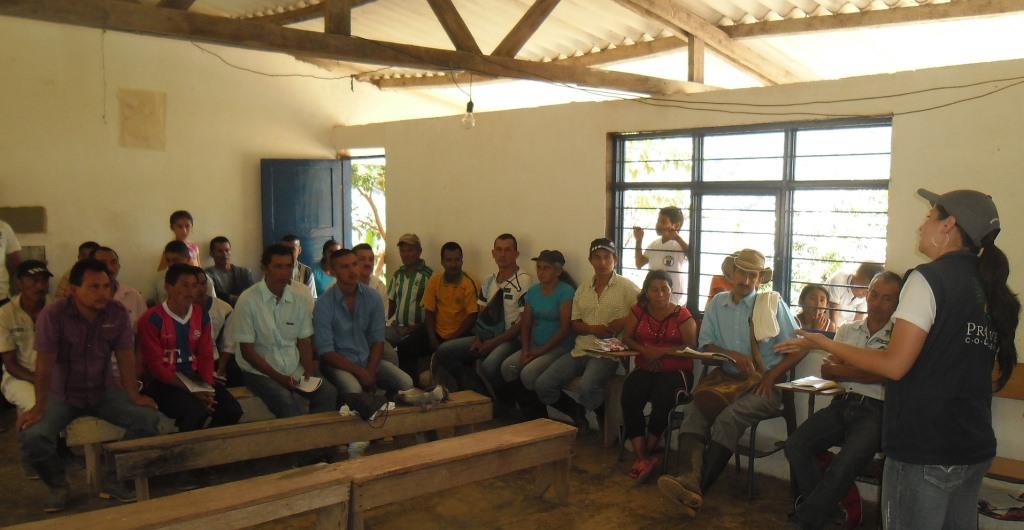
La campaña Reconcíliate con la Naturaleza es una iniciativa de la Fundación ProAves que, por más de 27 años, ha abanderado con múltiples acciones de conservación. Se trata de una estrategia de educación ambiental previa a la Semana Santa, desde la cual se continúa sensibilizando a las comunidades sobre la importancia de conservar dos especies símbolo de la biodiversidad en nuestro país: la Palma de Cera del Quindío(Ceroxylon quindiuense) y el Loro Orejiamarillo (Ognorhynchus icterotis).
Este año, la campaña se llevó a cabo en Jardín, Antioquia; Cajamarca y Roncesvalles, Tolima, donde se ejecutaron diferentes actividades con las comunidades durante el Domingo de Ramos, con el fin de concientizar a las personas de estos municipios que se caracterizan por poseer las poblaciones más numerosas del Loro Orejiamarillo.
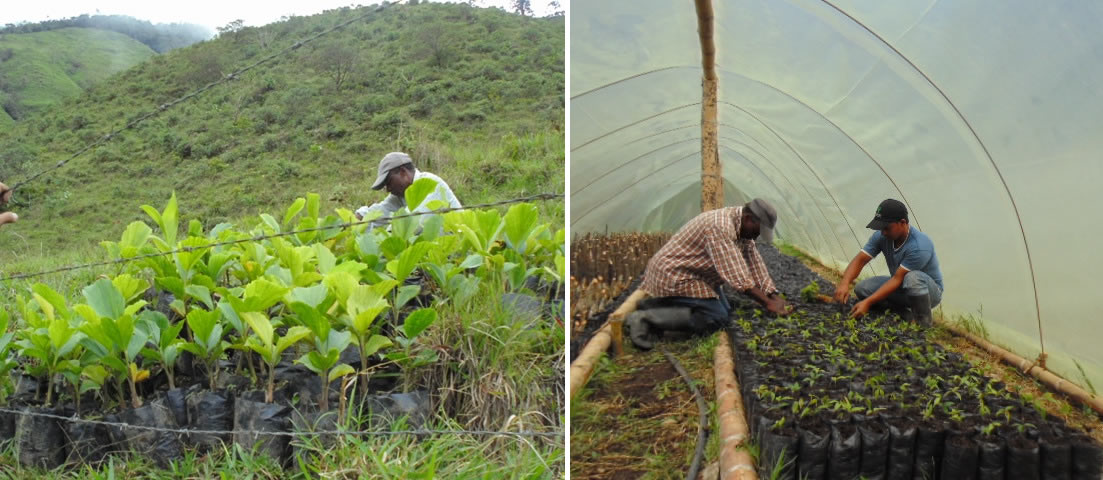
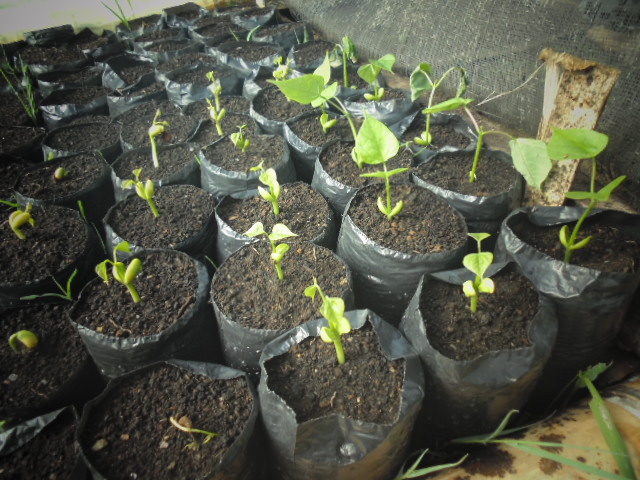
En el municipio de Jardín, Antioquia, la campaña se desarrolló a través de actividades educativas y espacios de encuentro con la comunidad, donde se destacó la importancia de proteger la Palma de Cera y su papel dentro del ecosistema. Como parte de la jornada, se entregaron plántulas de Palma de Cera para su siembra en sitios adecuados, contribuyendo a la restauración de esta especie y fortaleciendo el compromiso local con su conservación.
En los municipios de Cajamarca y Roncesvalles, en el departamento del Tolima, a través de actividades de sensibilización y la entrega de materiales de la campaña como afiches y stickers, llevamos un mensaje claro de reconciliación con la naturaleza, apostando al compromiso ambiental para proteger al Loro Orejiamarillo y la Palma de Cera.
En estos territorios, la educación ambiental fue el eje central de las jornadas. Nuestra Chiva de la Conservación hizo parte de esta experiencia, acercando a niños, jóvenes y adultos a un espacio diseñado para fortalecer el conocimiento sobre la biodiversidad y fomentar una relación más consciente con la naturaleza, a través de juegos y dinámicas que despertaron su interés y curiosidad.
A través de estas acciones, Reconcíliate con la Naturaleza reafirma su propósito de generar cambios de comportamiento que contribuyan a la protección de especies y ecosistemas. Más allá de una campaña, es una invitación a reflexionar sobre nuestras decisiones cotidianas y su impacto en el entorno natural.
Desde ProAves, reconocemos la educación ambiental como una acción clave para sembrar conciencia en niños, jóvenes y adultos, y así avanzar en la protección de especies emblemáticas de nuestra biodiversidad, como el Loro Orejiamarillo y la Palma de Cera.
The ProAves Foundation continues to strengthen scientific research in its Nature Reserves by awarding scholarships to young researchers across the country. In this call, three students carried out projects focused on the diversity and conservation of herpetofauna in three ProAves Reserves, while one young researcher developed a study on resident and migratory birds in Andean landscapes.
These scholarships make it possible to generate key knowledge to guide conservation actions while also supporting the academic growth of new generations committed to Colombia’s biodiversity.
Three young female researchers conducted their fieldwork in ProAves Foundation Reserves, contributing to a better understanding of the richness and conservation status of herpetofauna in strategic ecosystems:
Anna María Cruz: “Herpetofauna diversity in the ProAves El Paujil Reserve – Puerto Boyacá, Colombia: an approach to its conservation and protection.” Her study provides fundamental data on sensitive species in one of the most important forest remnants of the Middle Magdalena region.
Angie Camila Caicedo: “Abundance and diversity of herpetofauna associated with habitat in the ProAves Arrierito Antioqueño Reserve, Anorí, Antioquia.” Her research analyzes how different habitat types influence the presence and distribution of amphibians and reptiles in a key conservation area.
Maida Michel Gutiérrez: “Herpetofauna diversity in the ProAves Blue-billed Parrot Reserve, Central Cordillera of Colombia.” Her findings allow for a better understanding of species composition in this priority area for the Blue-billed Parrot and other associated taxa.
The three researchers presented the results of their projects at the 4th Colombian Congress of Herpetology, held in Santa Marta, Magdalena, representing ProAves and highlighting the importance of conserving critical ecosystems for amphibians and reptiles.
In the field of ornithology, the scholarship was awarded to Cristian Mateo Ospina, who is developing the project:
“Crossing the forest: contrasting responses of resident and migratory birds to edge and matrix effects in an Andean landscape in the department of Antioquia, Colombia.”
The researcher presented advances of his study at the 8th Colombian Congress of Ornithology, held in Cali.
This research contributes to understanding how birds respond to habitat fragmentation—information that is essential for planning biological corridors and management strategies in human-modified landscapes.
Other young researchers linked to ProAves projects also presented posters with progress in their research:
Issac Daniel Díaz presented a study focused on migratory birds, developed thanks to the Migratory Bird Scholarships at the ProAves El Dorado Reserve, highlighting the importance of these sites for the conservation of species that travel long distances.
Laura Catalina Guarín and David Valero shared preliminary results from their thesis on Capito hypoleucus (White-mantled Barbet), based on surveys conducted in the ProAves El Paujil Reserve, providing valuable information for the conservation of this threatened species.
These presentations demonstrate the role of ProAves Reserves as key settings for scientific research and academic training.
Through these scholarships, ProAves reaffirms its commitment to training young researchers and strengthening scientific knowledge within its Reserves. The projects developed this year provide valuable information for the conservation of priority species and ecosystems in Colombia.
We are pleased to announce the release of Volume 30(1) of our journal Conservación Colombiana, a scientific publication that, for over 25 years, has established itself as a reference space for researchers, educators, and key actors in biodiversity conservation. With a rigorous and multidisciplinary approach, the journal disseminates relevant research on wildlife and ecosystems in Colombia and other regions of Latin America, serving as a fundamental tool for the protection of our country’s natural heritage.
This new edition of Conservación Colombiana brings together ten rigorous studies focused on the conservation of emblematic and threatened species such as the Blue-billed Curassow, the Jaguar, the Giant River Otter, the Amazon River Dolphin, the Yellow-spotted River Turtle, and the Spider Monkey, among others.
The studies delve into aspects such as habitat use, behavior, health-related threats, and the relationship between wildlife and local communities. They also include assessments of the status of herpetofauna in strategic conservation areas, analyses of invasive plant species, and contributions from educommunication as a tool to strengthen environmental governance.
Several of these investigations stem from processes carried out in our ProAves Reserves El Jaguar and El Paujil, as part of the Women in Research and Science Scholarship Program.
Scientific production is key to addressing the biodiversity crisis facing Colombia and the world. Each published article represents an effort to generate solid, applicable knowledge that guides concrete actions in the field.
At Fundación ProAves, we believe that effective conservation is possible when it is based on data, evidence, and interdisciplinary work. For this reason, our journal Conservación Colombiana not only highlights high-level research but also promotes dialogue between science, conservation, and society, with the aim of protecting the natural heritage of present and future generations.
Created in 2003 to protect an important segment of the Magdalena Valley in central Colombia, El Paujíl Nature Reserve of ProAves provides essential protection to the Critically Endangered Blue-billed Curassow and many other rare species, including the Magdalena Spider Monkey, Magdalena Lowland Tapir, Spectacled Bear, and Jaguar. The ecosystems of the Magdalena Valley are incredibly diverse with astounding levels of endemism. Sadly, 98% of the region’s lowland rainforests already have been destroyed from cattle ranching and illicit coca plantations.
With support from Rainforest Trust, Fundación ProAves just completed the expansion of the reserve by 400 hectares, securing additional protection of this ecosystem for its vulnerable species.
Fortunately, the conservation efforts of ProAves and its forest guards at El Paujil Nature Reserve have permitted the recuperation of the population of the Blue-billed Curassow, which is considered one of the most endangered birds on the planet. As a result, today it is estimated that more than 1,000 mature individuals are thriving in the Magdalena Valley.
To raise awareness about the species, ProAves launched an educational outreach campaign in 2009 with local communities. Over 200 workshops were conducted, and the Blue-billed Curassow is now celebrated in an annual festival.
Colombia’s bird checklist increases to 1,934 species, the greatest of any country, documented in volume 25 of Fundación ProAves’ scientific journal Conservación Colombiana. The journal also presents other articles, including new records for the country of Pileated Finch Coryphospingus cucullatus, Belcher’s Gull Larus belcheri and new records from Providencia island, including the first detailed record for the country of Antillean Nighthawk Chordeiles gundlachii. Finally, an obituary is presented for José Pinto, a Colombian conservationist.
Content
Revision of the status of bird species occurring or reported in Colombia 2018. Conservación Colombiana 25: p. 4-47. Download here.
First record of Red-crested (Pileated) Finch Coryphospingus cucullatus for Colombia. Conservación Colombiana 25: p. 48-50. Download here.
First confirmed record of Belcher’s Gull Larus belcheri for Colombia with notes on the status of other gull species. Conservación Colombiana 25: p. 51-55. Download here.
Notes on some migratory birds rare, new or poorly known on Isla Providencia, Colombia. Conservación Colombiana 25: p. 56-63. Download here.
José Pinto (1983-2017): in memoriam. . Conservación Colombiana 25: p. 64-65. Download here.
Helmeted Curassow Bird Reserve in the municipality of San Vicente de Chucurí
During the years 2014, 2015 and 2016, the ProAves of Colombia Foundation has made significant progress in their Conservation programs by linking 21 properties with a total of 1,382 hectares approximately owned and 02 plots of 165 hectares, belonging to third parties (neighbors) outside the Foundation and committed to the Conservation of Forests in the country to National Parks of Colombia, through the National System of Protected Areas (SINAP).
Andinobates dorisswansonae in the Ranita Dorada Amphibian Reserve, Falan – Tolima. Listed as Vulnerable
In this regard, it should be made clear that these steps are important to ProAves because the continuity of natural ecological and evolutionary processes is ensured maintaining biological diversity on the properties registered as Civil Society Natural Reserves, figure in Colombia that has the purpose of contributing to knowledge, consolidation and positioning of private conservation initiatives through processes of sustainable use and management of biodiversity in perpetuity (forever); and thus, the properties linked acquire the following: “Area in which primitive conditions of flora and fauna exist, for the conservation, research and study of their natural resources.”
The specific objectives sought with linking properties of ProAves to SINAP are:
Preserve and restore the natural condition of the spaces representing the country’s ecosystems.
Preserve populations and habitats necessary for the survival of the species or group of species.
Preserve the productive capacity of natural ecosystems.
Maintain natural hedges and restore processes of restoration.
As a result of the work of recent years, they were able to link a total of 21 new properties between 2014 and 2016, for a total of approximately 1,382 hectares. In this order, the properties and number of hectares linked in the past two years are: 16 belonging to the department of Santander, 14 of the Helmeted Curassow Bird Reserve in the municipality of San Vicente de Chucurí and recently on the property Buena Vista more than 8,600 m2 were added to the area that was already linked, according to a new resolution issued by National Parks. In the last october, a new property for 47 hectares at Cerulean Warbler Bird Reserve was registered as Civil Society Natural Reserves on the property “Reinita Cerúlea”. In the Niceforo’s Wren Bird Reserve in the municipality of Zapatoca, 1 related property.
Niceforo’s Wren Bird Reserve in the municipality of Zapatoca
2 in the department of Tolima, in the Natural Amphibian Reserve Ranita Dorada in Falan; 1 in the department of Meta, Orange – Breasted Falcon Bird Reservein the city of Villavicencio; 1 in the municipality of Jardín (Antioquia), in the Yellow eared Parrot Bird Reserve; and finally, 1 in El Dorado Bird Reserve, municipality of Santa Marta in the department of Magdalena.
ProAves has also done significant work during this time with neighboring communities to our reserves and who want to link their land to be allocated to National Parks and destine them to conservation. In this sense, ProAves supports them with no particular interest other than conserving forests areas, advising and accompanying them in the proceedings before National Parks; An example of this is the support for linking two properties outside our Foundation with a total of 165 hectares, belonging to neighbors of the Dusky Starfrontlet Bird Reserve, located in a rural area of the municipality of Urrao (Antioquia) .
Finally, we thank the ProAves team supporting this work to link the SINAP protected areas (our own and others) and who manage to comply with our conservation goals, adequate coordination in the management plans (which our conservation plans match and go hand in hand with plans for National Parks), recognition and positioning within the guild of conservation and greater credibility with the public.
In the last months, ProAves has developed a new initiative to gender approach in two municipalities in the Departments of Antioquia and Meta; to train women in economic empowerment, under the strategy: Women Empowered By Conservation (MEC).
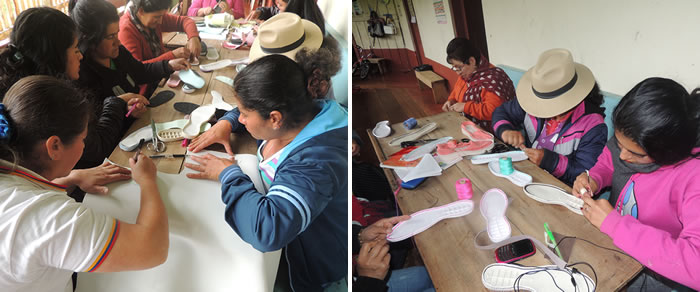
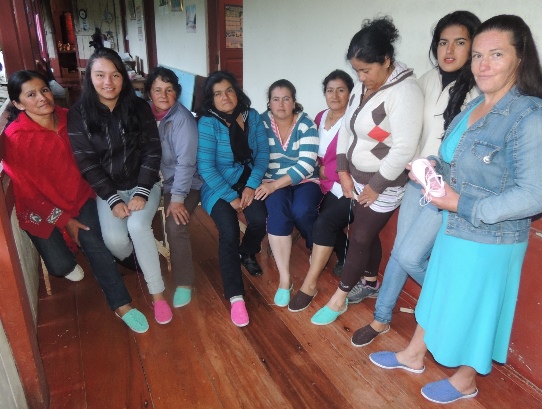
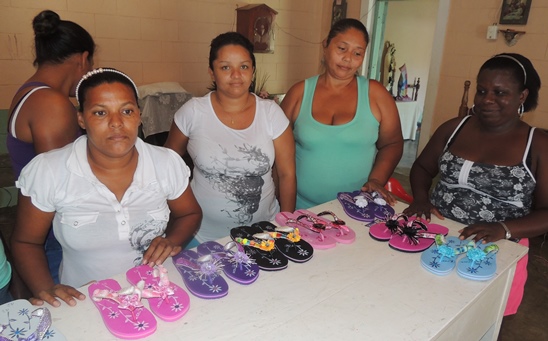
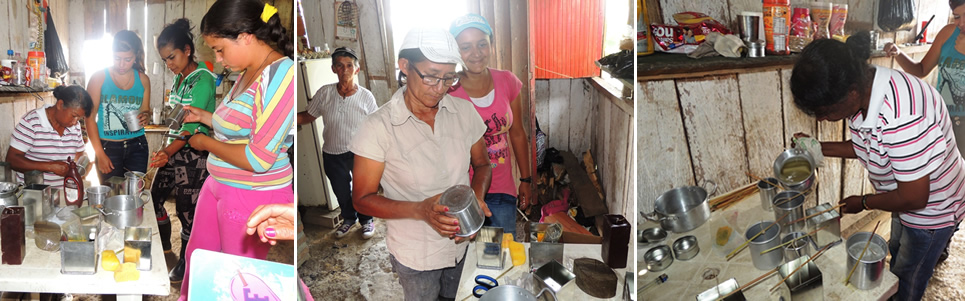
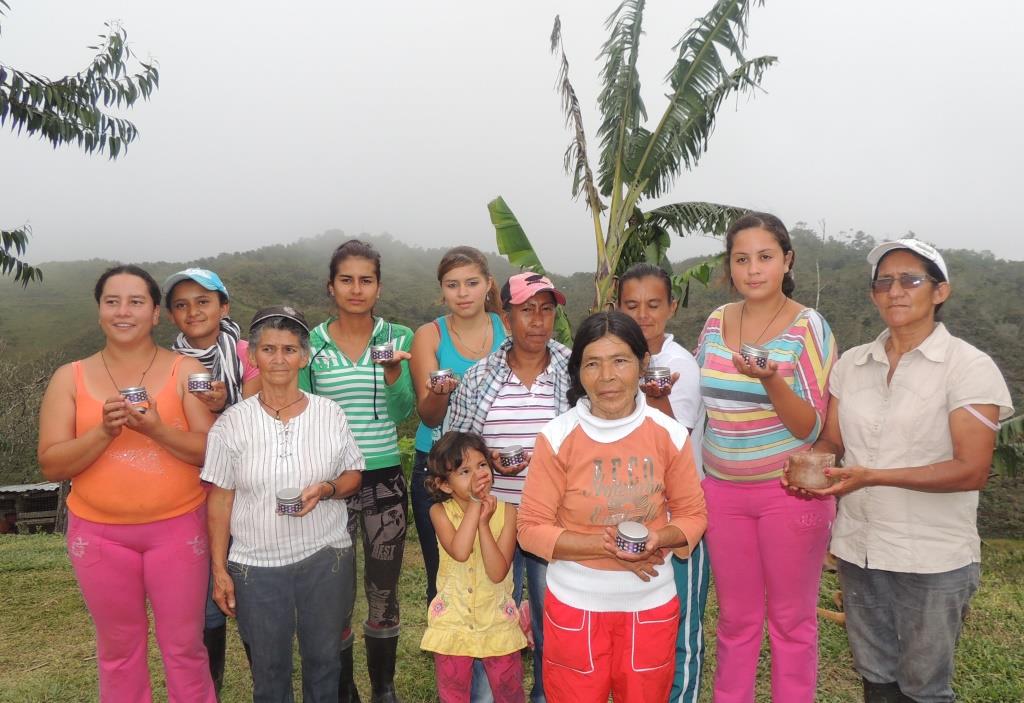
As part of the work lines of Education and Conservation of the Foundation ProAves, a series of training courses for women in the municipality of Anorí (Antioquia), living near our Natural Bird Reserve Arrierito Antioqueño, started last July. In this municipality, we managed to train a total of 35 women in the development of cloth shoes, as a strategy of empowerment and productive / participatory economic autonomy of women leaders in sustainable activities.
The women participants in these workshops have been key players in the processes of environmental education in areas close to our conservation areas and know the work done by our environmental educators to convey the message of awareness for the protection of biodiversity and participated in activities with the rest of the community, add invaluable actions to promote collective awareness towards conservation. These activities today are possible through partnerships of community participation as the Environmental Bureau of Anori, Regional Autonomous Corporation of Central Antioquia (Corantioquia), Municipal Association of Anoriseñan Women (AMMUAN) and other organizations with a presence in the municipality.
For Marcela Galeano García, legal representative of AMMUAN, these initiatives contribute to the empowerment of the women in Anorí, they are important for them in being the protagonists of their own development; thanks to the support of partnerships such as that with the Foundation ProAves since 2013, in order to provide advice and productive workshops for groups of women in rural areas of the municipality. In addition, the participants in these workshops promoted by the alliance between both NGOs, provide training in environmental education topics such as: care and conservation of the forest, solid waste management, protection of the heritage, workshops to prevent the logging of trees and proper handling of water heritage. With this training over the years, ProAves has undertaken an appropriate and interdisciplinary intervention with about 8 groups of women, especially those having to do with economic empowerment (income generation through productive units) of the anoriseñan women.
“The synergy of these workshops have allowed women to participate, share and exchange knowledge. We are very grateful to the Foundation, because they have allowed us to provide the women in rural area different alternatives to that to which they are accustomed”, concluded the representative of AMMUAN.
Given the above conditions, the ProAves Foundation with the support of the Probienestar Association of the Colombian Family (Profamilia) managed to retake, last September, a training process in the municipality of Mapiripán (Meta) with a group of 45 women, between youths and adults, belonging to Women Empowered by Conservation (MEC) and who are close to our Natural Reserve El Jaguar; on issues related to: empowerment, leadership, social participation, conflict transformation, life projects and management of sustainable projects (economic empowerment) to improve their quality of life and reduce the pressure on the Amazon ecosystem with practices common exploitation in this region such as overfishing or labor in monoculture and thus mitigate its destruction.
As a result of this process in Mapiripán, currently the implementation of the second stage of education and training in sustainable production initiatives is being worked on such as: kitchen gardens and Ecotourism to reach the goal of having consolidated groups of women leaders and organized in productive participatory activities, to improve the quality of life of their families and thus the benefits for the conservation of ecosystems in their region.
Thanks to the efforts of ProAves, Thirteen (13) Reciprocal Agreements forWater (ARAs) have been signed this year, as a strategy of Payments for Environmental Services and Socioambiental Marketing showing the commitment of the community of Jardín towards the care of their water sources; making that five hundred fifty two (552) hectares of mountainous rain forests protected.
With the support of the municipal authorities, the Public Utilities company, Engineering Total, the Cerro San Rafael Corporation and the urban municipal community of Jardín in Antioquia, 13 ARAs have been established in properties located in areas of municipal water supply which, also are of vital ecological importance to protect the high Andean forest and watershed management to ensure the quantity and quality of water in the municipality, specifically in the microbasins: Quebrada Bonita, La Herrera, Linda and La Salada, which are located in the protected area Integrated District Management (DMI) Cuchilla Jardín Natural Resources – Támesis.
The owners of the 552 hectares to be conserved over an average of 5 years, will do it hand in hand with the Cerro San Rafael Corporation (made up members of the community), Total Engineering company, representatives of the Municipal Technical Assistance Units (Umata) of the Regional Autonomous Corporation of Central Antioquia (Corantioquia) and ProAves. In turn, this process is led by Mr. Carlos José Quintero, an owner who encourages the signing of the ARAs, member of the Committee of Coffee Growers and chairman of the rural aqueduct, who voluntarily and with great commitment, is responsible for directing the delivery processes of incentives and activities for the “Pride Campaign”, which has promoted and motivated high mountain farmers for several years to keep their resources and their natural heritage, especially their water sources.
The success of the community in making the voluntary village contributions and forest owners signing ARAs contributions, is due largely to the proposed activities within the framework of this campaign which have promoted cross-cutting activities with the promotion of Reciprocal Agreements for Water with more than 5,000 people, among which stand out: workshops in educational venues, participatory reforestation with native trees, environmental programs in community media, celebration of the Week for Water and ARAs to parks, the latter to encourage people to make voluntary contributions to support the delivery of incentives to the committed owners.
Among the incentives provided by the signing of the ARAs include: reforestation with native species, delivery of wood saving stoves, fencing, environmental signage, septic tanks, delivery of native trees and seeds. In addition, the Cerro San Rafael Corporation supports properties committed to this initiative of fencing off water sources, signage to promote awareness on the properties that have signed up and are in areas surrounding protected forests to prevent hunting, the use of pesticides, among others; and to give proof of the agreement, these commitments are made to the Municipal Notarialand witnesses.
As result of years of conservation on the properties that they have signed, the owners have noticed major changes such as low frequency hunting activities, the Andean Cock-of-the-rock (Rupicola peruviana sanguinolenta) has been seen again, improved water quality in the area and the ARAs are considered a good strategy to prevent future environmental problems in the region this was stated by Mr. Julio Eduardo Vargas, one of the first owners to benefit from this initiative, “the ARAs are essential, some 40 years ago maybe these waters were very good waters, perhaps they exist still, but looking to the future in about thirty or twenty years, who knows what will happen, it takes a lot reforest”.
ProAves publishes volume Number 24 of the scientific journal Colombian Conservation October 27, 2016; a special edition dedicated to peace and the conservation of biodiversity in Colombia. It should be noted again that the list of birds of Colombia increased to 1,937 species.
For this edition the discovery of a new species of butterfly to science stands out and its name is dedicated to peace. This butterfly flies only in certain areas of the Amazon region of Colombia, Ecuador and Peru. This new species was described by an international team of experts led by Dr. Blanca Huertas (Natural History Museum, UK) in collaboration with Dr. Gerardo Lamas (National University of San Marcos, Peru), Giovanny Fagua (Pontificia Universidad Javeriana, Colombia), Dr. James Mallet (Harvard University, USA); and Shinichi Nakahara and Dr. Keith Willmott (University of Florida, USA).
The name of this butterfly, Magneuptychia pax, is dedicated to the ongoing peace process in Colombia and to all those affected by the conflict, including those forests which the species inhabits; It is probably one of the hundreds of species present in Colombia that are still unknown to science. It is described in this issue we want it to be an important message in our editorial page we want to discuss the current context of the peace process in Colombia entitled Peace and Conservation.
The Biological Education and Gender Empowerment Program applied to the Amazon Project is 6 years old and has had continuous activities with different actors in the villages of the municipalities of Mapiripán, San José del Guaviare and Inirida under the approach of two lines of work; biological Education and community work (Gender Empowerment).
In 2013, the Biological Education Program (BEP) began in Colombia with the support of the Guanacaste Conservation Area of Costa Rica, who created the program and have over 25 years of successful experience. However, since 2011 the PEB has been working in the training of children in different educational centers in the area. The program objective in Colombia is to support the conservation of the northern Amazon, which is part of the Natural Reserve El Jaguar and the Natural Bird Reserve Águila Arpía of ProAves, integrating the community with the conservation project.
As some of the results of the PEB during the 6 years of the initiative, (2011 to first quarter of 2016), we can highlight the following achievements: i) Biological Education Program in Educational Centers: to date a total of 2,334 children between 4 and 15 years old have been trained in the following departments: first, in the department of Meta, municipality of Mapiripán, the villages of: Caño Siria, Puerto Siare, Esteros Bajos, San Jose, Caño Minas, Casco Urbano, La Orqueta, Inspection Puerto Alvira, El Anzuelo, Rincon del Indio and Vereda Esteros Altos. For a total of 1,579 children trained in Meta; second, in the department of Guaviare, in the villages of: La Fuga, Puerto Nare, Caño Negro and Charras a total of 315 children have been trained and, finally, in the department of Guainía Raudal in the village of the Mapiripana, 440 children have been trained.
Likewise, the total number of schools that form a part of PEB is 17; of which 12 belong to municipality of Mapiripán in the Department of Meta, 4 the municipality of San José del Guaviare and one in the municipality of Inirida, Guainia department. As for coverage results 82 students who completed the first phase of biological education have been certified. By the end 2016, the proposed goal is certify 800 students in 3 departments.
ii) Gender Empowerment: the work is aimed at establishing the gender empowerment approach to youth and women in mitigating climate change projects to meet the challenge of effectiveness, sustainability and positive impact to each region; and for these initiatives to effectively contribute in the construction of sustainable development, measures and / or strategies that facilitated the empowerment of the communities involved and the local population, through workshops and training with productive activities that aroused interest, were considered in the environmental awareness.
In addition different component courses on sexual and reproductive rights were performed as strategy with the support of the Profamilia Organization with which it was possible to train 30 women between 12 and 35 years of the municipality of Mapiripán around issues on sexual and reproductive rights.
Finally, on the issue of empowerment, ProAves Foundation and the National Apprenticeship Service (SENA) established an alliance for work, which aims to support the activities and proposals under the Young Rural Entrepreneurs Program, guided by the SENA and promotes the realization of training activities aimed at the creation of sustainable productive units in the region. For this reason we are looking for 30 young people in the municipality of Mapiripán in Meta, with an age range between 15 and 22 years, to train in the development of productive projects and acquisition of technical and entrepreneurial skills; whose purpose is the creation of sustainable rural production units and generating income, competitiveness of the Colombian countryside, offering rural tourism services and that they can be provided with monitoring through rural technical assistance.
As a result of this process today there is a group of 12 young people who formed a production unit called “LLanokoriche” which is aimed at promoting tourism in the municipality of Mapiripán. They are supported by ProAves and are currently managing the search for resources to strengthen their work plan.
During the past year, ProAves Foundation has worked hard in implementing conservation corridors and environmental education strategies with communities to protect the wide biodiversity in the municipality of Timbiquí, Department of Cauca in Colombia.
Within the framework of the above observations, the Negro Renacer Community Council is covered by Law 70 of 1993, which establishes mechanisms for the protection of cultural identity, the rights of Afro-Colombian communities as an ethnic group through the promotion of economic and social development in order to ensure that these communities get real conditions of equality and opportunity as the rest of the Colombian population.
In this vein, the Cooperation Agreement for the declaration, constitution and the establishment of a conservation area within the collective territory of the Community Council, studied the fostering of alternatives so that within the protected area scenarios might be discovered beyond those described in a paper; initiatives such as formulating a plan for environmental management, linking families as rangers, implementation of environmental education programs, generating new agreements with training institutions such as the National Apprenticeship Service (SENA) and universities in the region are explored. At the same time, consolidate a network of stakeholders for the formulation of productive projects with institutions such as the Regional Autonomous Corporation of Cauca (CRC), the governor of Cauca, among other key players for the initiative achieved.
The signing of the described agreement was achieved late last year and is in the process of waiting for 2016 so that this initiative may be socialized with all of the community that makes up the Council; and create therefore the conservation area through the approval of the Assembly of the Renacer Negro Community Council.
Communities, organizations and environmental institutions continue in joining efforts to end the threat to the Yellow-eared Parrot and Wax Palm at Easter, to strengthen the message of conservation of these species.
“This sister (Mother Earth) cries out because of the damage that we cause her because of the irresponsible use and abuse of the goods that God has put in her. We grew up thinking we were the owners and rulers, allowed to exploit it.” With these strong words of Pope Francisco, humanity is invited to respect the “common house”; slogan that accompanied the various activities carried out hand in hand with the Episcopate and national environmental organizations in the Colombian capital and other municipalities. For the official launch of the 17th version of the campaign Reconcile with Nature, he had the support of different media for dissemination. The main event like every year, was held in the Temple in Simon Bolivar Park in Bogota, with an ecological Mass and workshops for the development of alternative branches, where we provide information material of the campaign.
As founder of the initiative it is important for ProAves to support these activities and agendas made by our team of Environmental Education in different parts of Colombia. This year, the campaign focused on seven municipalities: Génova, Roncesvalles, Cajamarca, San Vicente De Chucurí, Minca in Santa Marta, Jardin and Mapiripán; neighboring nature reserves of the Foundation. Some of them, vital to threatened species such as the Yellow-eared Parrot and the Wax Palm, are symbols of this campaign, which through various efforts have recovered their population areas; but constant support is needed from institutions and communities working together to preserve and to continue to save the biodiversity of our country.
Similarly, and in Bogota, ProAves participated actively in supporting actions and dissemination of the Campaign for the Protection of Wild Palms “Because life is sacred, Reconcile with Nature”, which were led by the Department of Environment and institutions and entities such as Bogota Metropolitan Police: Group of Environmental and Ecological Protection (GUPAE) Regional Autonomous Corporation of Cundinamarca (CAR), Diocese Urban and Vicarías Bishops of the Archdiocese of Bogota, Mesa Ecoteológica District Capital, Bogota Botanical Garden “José Celestino Mutis “Transport Terminal Bogota SA and JardinerosLtda.
In the capital, the actions focused on prevention strategies, reporting, control and surveillance of the marketing of wild flora and fauna. Unfortunately, however, and according to figures provided by the Department of Environment of Bogota in its final report of the 2016 campaign in the city a total of 122 bags of wild palm (67 more than in 2015) were recovered; Likewise and according to them, this increase was due because “this tradition is still continued by the community, making it difficult to eradicate illegal marketing because of the demand for bouquets made with foliage of wild palms, this trend will continue“, making the implementation of environmental education strategies in Bogota and its surroundings a proirity.
The activities are especially geared for Palm Sunday (March 20) some of which were highlighted: radio programs with dynamic campaigns and environmental messages, preparing pots ofrecycled plastic for planting native plants, film forums and support in the procession of Palm Sunday.
To sum up, during the day 4.200 alternative bouquets between bouquets of Amero cob, corn, Iraca and live plants grown in nurseries were delivered, each with an allusive message to environmental groups to demand the protection of fauna and flora threatened in these annual celebrations in our country such as: the Wax Palm, theWine Palm, theYellow-eared parrot, the Icotea turtle, the green iguana among others. Similarly, 1,000 posters of the campaign where the actors involved in this process of preservation (which we have led for 17 years in the country) were thanked for their support and outreach; as well as mentioned by Monsignor Alirio Lopez at a press conference on 9th March at the Bogota Ecoteological Interfaith table, at the premises of the District Department of Environment: “Let us not be complicit in the destruction of our ecosystems, let’s care about biodiversity and make a pact to preserve and respect life in the Reconcile Campaign. “
The annual Colombian checklist increased to 1,921 species, documented in the 23rd volume of Conservación Colombiana. The scientific journal also includes four other scientific papers ranging from a study on pelagic birds in the Caribbean, a checklist of Las Tángaras Bird Reserve and new biodiversity records from a rapid assessment of a tepuy in PNN Serranía de Chiribiquete.
Content
Revision of the status of bird species occurring or reported in Colombia 2015, with discussion of BirdLife International’s new taxonomy. Conservación Colombiana 23: p 3 – 48. Download here
A confirmed record of Picumnus exilis for Colombia. Conservación Colombiana 23: p 49. Download here
Caribbean Colombia: Pelagic Bird observations in 2014 and 2015. Conservación Colombiana 23: p 50 – 57 Download here
Checklist of Bird Reserves Las Tángaras, Gorrión-Andivia and Lora Carirosada in the western Andes of Colombia.. Conservación Colombiana 23: p 58 – 81. Download here
What’s the point? New biodiversity records from a rapid assessment of a tepuy in PNN Serranía de Chiribiquete during the filming of the National Geographic documentary ‘Wild Colombia’ and the feature film ‘Colombia Magia Salvaje’. Conservación Colombiana 23: p 82 – 90. Download here
ProAves participated in the meeting of the Golden Wings Alliance at the invitation of American Bird Conservancy with the major objective of developing conservation strategies for the Golden Winged Warbler (Vermivora chrysoptera) in their non-breeding areas.
The meeting took place from May 30 to June 1, 2015 in Virginia, USA and was attended by various conservation organizations from Costa Rica, Panama, Colombia and the United States.
During the three days of meetings the initial plans of activities for each country were presented defining the most important zones for conservation, in Colombia 4 major areas where conservation efforts will focus were defined:
The town of Anorí in the Chestnut – capped Piha Bird Reserve, the town of San Vicente de Chucuri where the Cerulean Warbler Bird Reserve is located, the buffer area of Los Nevados National Natural Park and the coffee region of southwestern Antioquia; locations where ProAves has developed conservation processes and works with communities and environmental education.
Likewise, the initial plan of proposed activities in each country and in each locality, these activities were proposed in response to the fulfillment of some goals that aim to minimize the threats identified by area.
These conservation processes focused on migratory species, such as those advanced by the Golden Wings Alliance not only benefit the focal species, also they reinforce processes developed locally and the biodiversity in general of Colombia.
Coming up soon, a comprehensive plan for the conservation of this species will be published.
With the aim of strengthening the conservation work being done in the Cerulean Warbler Bird Reserve, located in one of the most biodiverse areas in the country, La Serranía de los Yariguíes, ProAves has promoted inter-institutional spaces for the purpose of defining partnerships to ensure the integrity of protected areas through the prevention and reduction of environmental pressures, the support of institutions and community participation.
For this, during two days in June at the Cerulean Warbler Bird Reserve, located in San Vicente de Chucurí (Santander) was held with members of National Parks and ProAves, a meeting sought as a first step, socializing labor and effort conservation by both entities in the municipality of San Vicente de Chucurí, Santander and from this feedback, define several commitments of working together for the conservation of this important area.
On the other hand, spaces for socialization together with the community were sought to publicize the work of each entity and to seek community partnerships so that conservation work becomes a work investment for the whole community.
In the same month and under the same goal of interagency coordination, the Federación Nacional de Cafeteros summoned the coffee growers from the villages in the area of the park’s influence together with ProAves to a socialization of the Rainforest Alliance that enhanced the work of our coffee trees as a crop model of the area. This meeting brought together 53 coffee growers who knew about the work done by ProAves over five years, through its strategic line of self-sustainability, in a more environment friendly and socially equitable production.
The workshop was held in the conference hall at the headquarters of the Nature Reserve Reinita Cielo Azul, the interior of the plantation also was visited to see the type of tree cover used by ProAves.
ProAves currently has over 30 species of trees used not only as a cover for coffee production, but they are also important to conserve the habitat of the species of native and migratory birds, and visitors were able to see how their coffee crops can also become a vital tool for the conservation of our biodiversity
In recent months we found 7 artificial nests occupied by two species of parrots, the Yellow-eared parrot (Ognorhynchus icterotis) and the Rusty-faced parrot (Hapalopsittaca amazonina) in two ProAves Reserves. During this time we made visual observations, documented their reproductive behavior consolidating a database, updated and refined monthly.
The census of the population of the Yellow-eared Parrot (Ognorhynchus icterotis) took place in the Yellow-eared parrot Bird Reserve located in the municipality of Jardín, Antioquia, where, with the help of the community and the reserve’s warden, the counting of individuals, the location of nests and strategic viewpoints was performed.
Until March, the Yellow-eared parrot used four artificial nests located in the reserve and through visual observations the reproductive behavior of the species was documented. Partial results indicate that parents leave the nesting area between 6:00 and 6:30 am in direction of foraging areas; they return to the nest between 10:00 and 10:30 am, and sometimes perch in palms near the nest; it has been observed that an individual will perch on the nest, while the other sits in another palm (apparently behavior to monitor the area) then one of them enters and in about 5 minutes feeds the chicks. When their parents are not around, the chicks do not make any sounds.
During the first half of 2015, we noticed slight fluctuations of the population. For the month of January we recorded a greater presence with 220 individuals, but in subsequent months there was a slight decrease: January 180 individuals, 130 individuals in March and April 150 individuals. Some variations in the frequency of use of the main nests, correspond to the presence of reproductive events and the supply of food in remote sites from the reproductive nucleus.
The census of the population of the Rusty-faced parrot (Hapalopsittaca amazonina) were made during March, April and May we found three of the artificial nests in the Dusky Starfrontlet Bird Reserve occupied, two of the nests are located on former pastureland in the process of natural regeneration and the third in the forest very close to the other two; according to the monitoring, each nest was occupied by three chicks.
The monitoring of these species in the reserve and the installation of artificial nests are just some of the strategies being conducted by ProAves in order to avoid the extinction of the Yellow-eared Parrot and the Rusty-faced Parrot and help out with the low amount of natural nesting sites.
In April 2009, a salting for rusty-faced parrots (Hapalopsittaca amazonina) was discovered in the ProAves Dusky Starfrontlet Bird Reserve, since knowing of the species we have monitored their particular behavior.
The salting was discovered in April 2009 in the Dusky Starfrontlet Bird Reserve, located in the Municipality of Urrao (Antiquia), the salting is a wall or mineral rock formation, located between the ecotone (moor and cloud forest).
For 6 years in a row we have recorded their daily arrival and at the same time (from 7 to 7:45 am) in flocks of 40 individuals on average which come to consume the contents of the walls rich in salts and minerals, called geophagia behavior. This behavior appears to help the birds to detoxify some fruits consumed like mistletoe, Antidaphne viscoidea (Eremolepidaceae), their main source of food, but they also eat bromeliad fruits (Tillandsoideae) and acorns (Quercus humboltii).
Presumably the rock salts serve to protect against the toxins of these fruits, although there are other uses like facilitating digestion, protection against pests and pH control.
Thanks to the presence of these saltings (Saladeros), the observations made for more than 6 years and camera traps installed there we managed to record several reproductive behaviors like:
• Mutual grooming. This behavior was shown intermittently during the state of perch and basically consisted of mutual and simultaneous grooming neck, throat and beak of pairs of parrots; although it is not considered clear evidence of sexual play between the pair.
• Courtship. Apparently an individual of the couple (male) begins to make a series of moves, jumping and hovering between two or three branches adjacent to the site where the female is; she tries to follow the male walking between the branches to reach him, but the male returns to the side of the female and begins to shake his head sharply as if to strike the branch on which she is perched with his beak. Then the male brings his beak to the female’s beak and apparently makes a regurgitation.
• Intercourse. After making the apparent regurgitation to the female, the male starts the mating event, stimulating the female through touching her rump with one of his legs and trying to bring his cloaca to the female’s cloaca. This last act is repeated for about 2 minutes during which the female shifts between two adjacent branches and tries to avoid the male. After these two minutes it was possible to see intercourse between the couple three times, which were alternated with stimulation by the male’s foot on the female’s rump.
In the area we have also been able to observe other birds that have reached the salting and are consuming minerals such like the Smoky bush tyrant (Myiotheretes fumigatus), Blue and Black Tanager (Tangara vassorii) and some toucans (Aulacorhynchus spp.)
This rock wall is a site of interest and opportunity to observe the behavior and count this multicolor parrot.
After several printed editions of the List of the Birds of Colombia in Conservación Colombiana Journal; ProAves publishes online the same list, reporting 1912 bird species for Colombia, maintaining our privileged first place as the most diverse country in the world in its avifauna.
This new checklist includes the scientific names of all the species of birds occurring in Colombia, with notes on their status in the country accurate as of December 2014.
Consulting upon and updating the list of birds of Colombia is relevant to conservation, involving contributions from the scientific and ornithological communities and enthusiastic birdwatchers. It is important to have an accurate understanding of Colombia’s national avifauna in order to formulate conservation plans and save the last remaining habitats for nationally or globally threatened species.
Pumas, spectacled bears, pavas, tapirs, deers and antpittas have been captured by the camera traps installed in the ProAves Andean Parrots Birds Reserveand El Mirador property of the town of Genova. Their presence shows the biological value of protected areas and encourages us to take action to ensure their protection.
ProAves implemented the use of camera traps to record patterns of behavior and activity of the species, foraging, foraging areas, social systems and niche partition; alpha behavior, habitat use and corridors.
Apectacled bear (Tremarctos ornatus) Male
The two reserves are part of the Threatened Parrots Andean Conservation Corridor of the Cordillera Central, which is located between the towns of Roncesvalles, Tolima and Genova in Quindio.
Puma (Puma concolor) captured by camera trap, photo on the left is on the day and the photo on the right is at night.Andean Parrots Reserve.
The use of photography for the study of wildlife often has increased with research, it not only reduces the effort of fieldwork but also reduces the disturbance to wildlife monitored, unlike other methods such as use of collars, transmitters and capture traps.
Grallaria squamigera and Pava
In recent years ProAves has increased the use of camera trap research, they are installed in trees near the entrances to burrows or travel corridors of species, their use has allowed better records to be obtained on the wealth of species distributed in protected areas, obtaining images of medium and large mammals, as well as stealthy, nocturnal or difficult to observe species.
Ranger Gustavo Hernandez reviewing camera trap in the Andean Parrots R. Alex Gallego and Jose Octavio during installation of camera traps in the R. El Mirador
It is important to continue this initiative thus obtaining timely and accurate information on the natural history of the species, their distribution range in the reserve areas as well as photographs of good quality.
“Conservation Jewel” is World’s Second-Most Important Site for Threatened Birds and Amphibians
Santa Marta Parakeet – Photo: Murray Cooper
Important habitat for a rare bird, Colombia’s endangered Santa Marta Parakeet, will now be protected following the purchase of a property by ProAves, a leading Colombian conservation organization with support from American Bird Conservancy (ABC), a leading U.S. bird conservation organization.
The 148-acre tract, known as the La Cumbre property, expands theEl Dorado Reserve, which was also created by ABC and ProAves, along with Conservation International. In 2006, the reserve was created when the groups partnered to protect 1,600 acres of key parakeet habitat beyond the nearby national park. Additional land acquisitions in 2010 and 2012 enlarged the reserve to its current 2,250 acres.
El Dorado Reserve is located in Colombia’s Sierra Nevada de Santa Marta, an ancient and isolated massif in the extreme northern part of the country only a few miles from the Caribbean Sea. It is the only location on earth where this endemic species of parrot resides.
“This property is a conservation jewel,” said Dr. George Fenwick, President of ABC. “It is in an area that is ranked as the second-most important site for threatened birds and amphibians in the world. It also provides critical habitat for more than 40 neo-tropical migratory birds and holds exceptional levels of diversity and high levels of endemism for plants, amphibians, and butterflies,” he added. Santa Marta Bush-Tyrant, also an endangered species, and Santa Marta Warbler are two of the other endemic birds that occur here.
“We have been negotiating this property for about five years,” said Alonso Quevedo of ProAves, “but the effort was absolutely worth it. The property links two forested areas and will allow us to create more breeding and foraging habitat for the parakeet along the San Lorenzo ridge, an area that contains the largest known parakeet population.”
No fewer than 19 endemic bird species and more than 52 subspecies of birds are restricted to the Sierra Nevada de Santa Marta. The full range of tropical wet life-zones condensed along the northern slope of the Sierra Nevada has resulted in extraordinary diversity, with 635 bird species recorded. These mountains are a vital stopover point for declining neotropical migratory birds that breed in the United States and Canada, such as the Cerulean and Golden-winged Warblers. The presence of multiple threatened species found only at this site was recognized by the Alliance for Zero Extinction, a global initiative aimed at halting species loss.
Tragically, only 15 percent of the Sierra Nevada’s original vegetation remains unaltered following decades of colonization and agricultural expansion. Despite the national park, encroachment and deforestation continue to fragment and denude the sensitive montane forest ecosystems at the highest elevations of the massif. Compounding the issue is the fact that many of the endemic species only survive at elevations between 4,300 and 9,500 feet, where their range comprises fewer than 200 square miles. Deterioration of this habitat presents a real risk of extinction for many of these endemics.
While the 148-acre property is only partially forested, it supports an important concentration of the Ceroxylon ceriferum palms (commonly known as Andean wax palm) needed by nesting Santa Marta Parakeets. With continued support from ABC, ProAves will hire an additional forest guard to support parakeet monitoring and habitat restoration in the area where the parakeets feed and roost. ProAves has been successful bolstering the population of parakeets by installing artificial next boxes, supported by Loro Parque Foundation.
The additional forest guard will also be critical to protecting an area that has undergone increased pressure by developers. The presence of ProAves staff successfully repelled a recent incursion on the reserve to build vacation homes, resulting in legal action that will further safeguard this site.
In addition to the Santa Marta Parakeet, the area is a stronghold for several frog species: Atelopus laetissimus(Critically Endangered), Atelopus nahumae (Critically Endangered), Eleutherodactylus ruthveni (Endangered), and Eleutherodactylus insignatus (Endangered).
This project was supported by many organizations and individuals, including World Land Trust, Robert Wilson Trust, Marshall-Reynolds Foundation, Quick Response Biodiversity Fund, the Weeden Foundation, David Harrison, David and Patricia Davidson, Jeff and Connie Woodman, Jeff Peters, Ted Reissing, Nancy Weiss, and Joan Hero.
After several printed editions of the List of the Birds of Colombia in Conservación Colombiana Journal; we are publishing the List of the Birds of Colombia online and update it every year simultaneously with the publication of the update in print.
We are interested in your comments and corrections. fundacion@proaves.org
This checklist includes all species and statuses for the Colombian checklist as of December 2014. Later splits, taxonomic papers and records and descriptions are not treated but some are mentioned in the notes.
Notes on range, subspecies and Proaves reserves have been eliminated from this online version to ensure that only current information is included. This other data can take a long time to compile and verify. See Field Guide to the Birds of Colombia 2014 for maps of all subspecies in Colombia and Salaman et al. 2010 for other data.
For information on subspecies, you can also review ths list in ‘Atlas de Aves de Colombia, which contains updated information and corrections to the field guide. It should be clarified that in some cases, different taxonomic treatments have been applied, however.
The following numbers of bird species in different categories have been recorded in Colombia. With 1912 species, Colombia is the most diverse country in the world in its avifauna.
Luego de un año de creación de la Reserva Natural de las Aves Chamicero del Perijá se confirma la protección de una nueva especie de Tapaculo recientemente descrita, se trata del Tapaculo del Perijá (Scytalopus perijanus) encontrada por parte de un grupo de investigadores liderados por Jorge Avendaño y Alex Cortés.
Tapaculo del Perijá (Scytalopus perijanus)
El Tapaculo del Perijá es un pequeño pájaro con vientre negro, espalda gris y nuca de color marrón, su canto y las llamadas son claramente diferentes de las de otros Tapaculos. Su alto nivel de divergencia genética de sus parientes más cercanos sugiere que su hábitat de alta montaña lo ha aislado de sus primos por una cantidad significativa de tiempo.
La Reserva, ubicada en municipio de Manaure en el Departamento del Cesar y sobre la Serranía del Perijá, siendo esta una vecina de la sierra nevada de santa marta y la cordillera oriental, es una zona de altísima riqueza biológica dado que marca un importante tramo de la frontera entre Colombia y Venezuela.
Esta nueva área protegida presenta unos magníficos paisajes distribuidos a lo largo de todo el gradiente altitudinal que va desde los 1,500 msnm hasta casi 3,000 msnm, donde el hábitat del páramo aún intacto, aporta fuentes hídricas a los habitantes del Cesar.
La Reserva cuenta con un área aproximada de 749 hectáreas de bosques altoandinos, subpáramo y páramos donde se han registrado cerca de 400 especies de aves y 22 especies endémicas y casi endémicas como el Colibrí de Perijá (Metallura iracunda), el Chamicero del Perijá (Asthenes perijana) estas especies consideradas En Peligro de extinción, según la lista roja de la Unión Internacional Para la Conservación de la Naturaleza.
Otras especies como el Gorrión del Perijá (Arremon perijanus), el Lorito del Perijá (Pyrrhura caeruleiceps), el Tororoi rufo raza del Perijá (Grallaria rufula saltuensis), el Gorrión de Phelps (Atlapetes latinuchus nigrifrons), el Colibrí zumbador de Jourdan (Chaetocercus jourdanii) y la presencia de la nueva y recientemente especie descrita Tapaculo del Perijá (Scytalopus perijanus).
Por esta razón y por nuevas especies de aves, anfibios y plantas que se están estudiando en la Serranía del Perijá, la Fundación ProAves, ha decidido proteger a perpetuidad este pequeño remanente de hábitat en aras de lograr preservar la frágil y delicada biodiversidad en esta zona tan importante para las aves de Colombia y el Mundo.
The meeting was held at El Dorado Bird Reserve between April 2nd – 9th, 2015 and was attended by nearly 50 people, including administrative staff, educators, rangers, area directors and guests.
After an intense fight to protect the Sierra Nevada de Santa Marta, all the Fundación ProAves team met for more than a week in the beautiful facilities of the El Dorado Bird Reserve to assess and plan conservation strategies to be implemented during 2015.
Presentation of activities and achievements 2014 per Reserve
During the first two days, each area presented a report on its activities and achievements during 2014; the team then divided up into workshops by region to present and evaluate conservation issues, education and research in greater detail.
During the following days a series of workshops and training sessions specifically geared to the team of rangers were held among which were: a Photography workshop, the Rights and duties of workers, the Roll of the rangers in conservation, Camera traps and GPS.
During the meeting 3 special guests attended who gave us a series of training of the highest quality; Mireya Córdoba, professor at Javeriana University in Bogotá, who gave a workshop on botany and the importance of knowing the flora we have in our reserves.
Jairo Maldonado, an expert on snakebites, provided a complete training on poisonous and non-poisonous snakes and how to deal with an accident; also accompanied usMarta Moreno, a professional in occupational health and work accidents.
Delivery of new equipment supplied
With great commitment to their conservation team ProAves officially delivered the equipment for the entire team, mainly for rangers and staff working in the field.
Tierra de Aves Awards
During this days, ProAves paid tribute to his collaborators with the delivery of some small awards that exalt the qualities and achievements of the entire team.
“I am very grateful to all the staff of Fundación ProAves for their commitment and willingness to attend the meeting this year, first for their help to stop the backhoe loaders that were destroying our reservation and second for their time, dedication and discipline in each of the activities performed; I hope that this activity will help to strengthen us to continue successfully in the way of Conservation “. Alonso Quevedo, Executive Director Fundación ProAves of Colombia.
The Reconcile with Nature campaign achieved once more that a celebration of great religious significance could be lived in harmony with God and nature.
During the celebration of Palm Sunday, ProAves in its line of Environmental Education, celebrated the Campaign Reconcile with Nature in Bogotá and in nine towns of Colombia among which were Génova, Quindío; Cajamarca and Roncesvalles, Tolima; Anorí, Urrao & Jardín in Antioquia; Minca, Santa Marta; Algeria, Cauca and, for the first time, in Carmen de Atrato, Chocó.
In these municipalities, environmental educators together with some town and regional authorities and environmental groups, conducted various activities to promote respect for nature during Easter Week, with the aim of replacing the Wax Palm branches and other wild palms with alternative branches to prevent the destruction of these important trees which act as life support to many endangered species.
Acto Cultural. Jardín, Antioquia.
Thus, prior to this celebration taking place in the towns, activities took place to promote the protection of endangered species, especially the Wax Palm, with the participation of over 8,200 people nationwide. Ecological workshops in educational institutions, craft workshops with alternate materials to the Wax Palm, nature walks, programs and radio spots, visits to ProAves Reserves, birdwatching outings, information stands and ecological stands where crafts allusive to the Yellow-eared Parrot made by Ecological Groups were delivered, the planting native trees, cleaning streams, Cinema in the Park, cultural events, neighborhood activities, painting competitions and ecological broadcasts on community channels.
Domingo de Ramos, entrega de árboles nativos. Génova, Quindio.
In Bogotá, with the support of the Episcopal Conference, the Ecotheology Table, the District Department of the Environment, the National Police and Jardineros of Colombia among others, a religious ceremony was held in the Simon Bolivar Metropolitan Park where, with the support of some communications media, many people learned through workshops, itinerant stands and promotional material the importance of preventing the illegal trafficking of these important species.
The town of Carmen de Atrato, Chocó, the first version of the Campaign was held with talks and conversations with the community about the importance of protecting Yellow-eared Parrot’s habitat getting community participation and that the church was the main replicator in the care of nature and in harmony with God.
The campaign successfully completed on Palm Sunday with the delivery of 500 native trees to plant and delivered 1000 alternative branches and 1,500 posters for the campaign.
Although the use of bouquets Wax Palm for Palm Sunday was introduced, these were seized with the support of the National Police and the Corporations, in all the towns where the campaign was performed in some locations live plants were used that favor the protection of endangered species.
Domingo de Ramos. Cajamarca, Tolima.
The main achievement of this campaign was the participation and support of local communities who over the years have assumed a change of attitude regarding the use of the Wax Palm and other threatened palms, opting to use alternative plants or different materials that allow a celebration in harmony with God and reducing negative impacts on nature. Similarly partnerships are highlighted with various municipal, regional and national entities, to whom we extend a special thanks, as they have strengthened awareness and reach many more communities with the message of defending and protecting our environmental heritage .
A ten-year effort carried out by three conservation groups has led to the establishment of a critical six-mile-long by half-mile wide conservation corridor in Colombia that provides important winter habitat for the iconic Cerulean Warbler, a small but spectacular bird that has seen its population plummet 70 percent since 1966.
The effort was led by American Bird Conservancy (ABC), a leading U.S. bird conservation group; ProAves, one of the leading conservation groups in Colombia; and Fondo para la Acción Ambiental y la Niñez, a Colombian organization that focuses on community, youth, and environmental projects.
Nearly 3,000 acres of land were reforested to connect existing habitat, using 500,000 seedlings of 26 native species grown in nurseries established in the nearby Cerulean Warbler and Pauxi Pauxi Bird Reserves. More than 220 private landowners participated in the project by planting shade trees on their coffee and cocoa farms and cattle ranches.
“People in Colombia celebrate being the nation with the highest bird diversity in the world,” said Alonso Quevedo, Executive Director of Fundación ProAves. “It is significant that with over 1,900 avian species, communities are able to recognize and value the subset of migratory birds that arrive from North America. We are proud of our role in fostering this knowledge and pride for birds.”
The tree planting provides a “habitat bridge” between the two protected areas and targeted coffee and cocoa farms as well as planting native shade trees to promote more canopy cover. Silvopasture practices—the planting of trees in otherwise open cattle pastures—were used to benefit the health of cattle and business productivity as well as provide tree cover for birds. Eighteen conservation easements, the first in Colombia, were used to conserve remnant patches of native forest.
“We’re excited at how the establishment of ecological easements has motivated local communities within the corridor and buffer zone,” said Jason Berry, Landscape Officer for ABC. “In particular, we have seen the widespread implementation of good agricultural practices, including increased use of shade coffee and cocoa. Clearly, the natural incentives for conservation and ecological restoration, such as protection from erosion and maintaining top soil as well as improving water quality and quantity of agriculture, have been key factors.”
This initiative provides a protective corridor of habitat for a host of birds between the Yariquíes National Park, where the Cerulean Warbler Bird Reserve is located, and the Cerro de la Paz mountain, where the Pauxi Pauxi Reserve is located.
Expeditions by ProAves to document the flora and fauna of the region supported the creation of the Yariguíes National Park covering 194,810 acres in 2005. In the same year ProAves established a nearby 545-acre private Cerulean Warbler reserve, and then in 2007, founded the Pauxi Pauxi Reserve which is now 4,470 acres.
Background on Cerulean Warbler
The initiative was driven by the 70 percent decline in population of the Cerulean Warbler over about the last 50 years. The species was formerly one of the most abundant breeding warblers in the Ohio and Mississippi River Valleys. It’s now one of the most imperiled migrant songbirds in the Western Hemisphere.
Cerulean Warblers winter in the northern Andes in South America andbreed from the Great Lakes region to Georgia and west from Wisconsin to Louisiana, with particular concentrations in the Appalachians and the hardwood forest regions of Wisconsin, Iowa, Tennessee, Missouri, Arkansas, Kentucky, Ohio, Indiana, and Michigan.
Conservation work on the breeding grounds in the Midwest and Appalachia have helped the Cerulean Warbler, but as the birds lose winter habitat in Latin America, the declines have continued. The Cerulean Warbler isn’t the only bird in trouble. Declines have been noted for decades for many species of North American migratory birds that winter in Latin America, including Broad-winged Hawk, Olive-sided Flycatcher, and Upland Sandpiper.
More than 150 Bird Species Benefit
The new conservation corridor initiative protects and preserves critical habitat for more than 150 species of birds including many migrants, such as the Golden-winged Warbler, Black-and-white Warbler, Mourning Warbler, Canada Warbler, Blackburnian Warbler, Black-throated Green Warbler, American Redstart, Swainson’s Warbler, and Rose-Breasted Grosbeak. In addition, it provides habitat for the Gorgeted Woodquail and Mountain Grackle, two species found only in Colombia and considered globally endangered, among numerous other endemic and threatened species.
This project includes a component to measure biodiversity success, such as changes in the population of Cerulean Warbler and endangered resident species such as Gorgeted Wood-quail. Currently, monitoring protocols are in place for reforestation of forest cover change using satellite imagery, which will indicate how much habitat has been created. This information will feed into the next phase of nurturing the growth of trees that have been planted and planning for the tripling of the corridor in the years to come.
This overall effort has occurred thanks to many partner organizations and donors, including Amos W. Butler Audubon, Elisha Mitchell Audubon, Indiana Department of Natural Resources,Missouri Department of Conservation, Southern Wings, Fondo para la Acción Ambiental y la Niñez and others.
Bulldozers open roads damaging the Sierra Nevada de Santa Marta, Gaira River Basin (main tributary of the aqueduct of Santa Marta) and INSIDE El Dorado Bird Reserve, irreplaceable natural treasures of Colombia and the world.
On March 30, 2015, more than 50 people from ProAves and the resident community of Sierra will stop three bulldozers opening roads amid the majesty of the landscape for the illegal sale of lots for vacation homes
Damages specifically stipulated in:
Allocation of Gaira River Basin. Currently most of the South of Santa Marta corresponding to the tourism sector from El Rodadero, Gaira, and the airport is supplied by surface source of the Gaira River.
Usurpation and direct damage of a Civil Society Reserve area protected in perpetuity and linked to the National System of Protected Areas SINAP and home to one of the highest concentrations of endemic or unique species of birds in the world.
WATERSHED FOR SANTA MARTA.
The Gaira river starts at a height of 2,750 m in the Cuchilla de San Lorenzo, in an area which corresponds to a transition from subtropical wet forest and low mountain wet forests. It has a length of approximately 32.53 km from its source to its mouth in the Caribbean Sea.
Habitat fragmentation, continuity of the resident birds habitat is lost, especially of the endemic birds.
Nesting sites and food for birds and other groups were altered.
Recovery of the felled forest takes at least 30 years .
Besides the photos that are attached to the complaint, demonstrate that there was no environmental permit to advance this road, the general and technical requirements stipulated in Decree August 5, 2010. “Whereby Title VII regulates Act 99 of 1993 on environmental permits” were never met.
“These jobs within the Bird Reserve El Dorado property of ProAves, brought on by Mr. MICHAEL WEBERS, of German origin and foriegner’s identification of Mexico and member of the La Victoria Coffee Company, who argues that this land belongs to him.
The damage caused by Mr WEBER, is of great impact directly affecting all conservation processes National Parks and ProAves have done in this important area for decades.
Lets recall that in 2013, the Sierra Nevada de Santa Marta was ranked as the most important for conservation in the world and home to the recently rediscovered Blue-bearded Helmetcrest Hummingbird.
Specifically, the El Dorado Reserve has more than 300 species of birds, including some of particular importance for their unique species, but unfortunately are endangered like the Santa Marta Parakeet (Pyrrhura viridicata), the Flytrap Santa Marta (Myiotheretes pernix) and Sabrewing Santa Marta (Santamartamys rufodorsalis), additionally in 2011 and then after 113 years, the Red-crested tree rat(Santamartamys rufodorsalis) was rediscoveredhere.
For values like these the reserve is listed as a Alliance Zero ExtinctionSite (www.zeroextinction.org ) by more than 50 international organizations and an important area for bird conservation by BirdLife International (www.birdlife.org). This reserve is part of Chundúa District Biogeographic Province of Sierra Nevada de Santa Marta and an Endemic Bird Area (EBA 036). On this important site there are protected areas for more than 40 species of migratory birds like the Golden-winged Warbler (Vermivora chrysoptera)and the Cerulean Warbler (Setophaga cerulea).
We firmly believe that unless urgent action is taken to stop the destructive plans of Mr. MICHAEL WEBER the damage caused, in one of the most fragile ecosystems on the planet, can hardly be repaired.
An intense and prolonged dry season in the Sierra Nevada de Santa Marta combined with fires set by Kogi indigenous people for agricultural purposes has devastated its fragile high-elevation habitat (páramo), home to a suite of endemic plants and animals. Two conservationists Carlos Julio Rojas and Christian Vasquez who work at ProAves’ “El Dorado” nature reserve in the mountain range, carried out investigations to document the fires. On March 4th 2015, the photographed the spectacular Blue-bearded Helmetcrest – a hummingbird that was last seen in 1946 and feared quite possibly extinct. Unfortunately, the habitat of the three birds they saw is threatened by ongoing fires. A scientific article detailing the rediscovery was published today in the journal Conservación Colombiana and is available online at www.proaves.org with further photos.
Described in 1880, the charismatic Blue-bearded Helmetcrest (Oxypogon cyanolaemus) was last seen in 1946; thereafter, it disappeared. Restricted to the world’s highest coastal mountain range, the Sierra Nevada de Santa Marta (rising to over 19,000 feet), the Helmetcrest was suspected to be facing severe threats as cattle ranching by indigenous people expanded across the sensitive high-elevation slopes of the mountain range. Each dry season, more of the fragile brush and forest is burned to make way for grasslands for cattle. The fragile montane forests of the Santa Marta mountains are unique as this isolated mountain range pre-dates the Andes of South America by over 100 million years
Over the past ten years, searches for the charismatic Blue-bearded Helmetcrest failed. Last year it was pronounced “Critically Endangered” by IUCN and BirdLife International and considered perhaps to be extinct. The species is dependent on stunted forest and bushes amongst natural páramo grasslands – habitat that is highly susceptible to fires during the dry season. The situation is even more difficult because the flowering plant the Helmetcrest depends on – the Santa Marta Frailejon (Libanothamnus occultus) – is itself threatened by persistent fires and has also been declared Critically Endangered. In 2013, according to a WWF report the páramo of the Sierra Nevada was being seriously affected by extensive cattle herds belonging to indigenous communities who repeatedly burn it for pasture.
The highest elevations of Sierra Nevada de Santa Marta were declared a National Park in 1964. Fifteen years later, in 1979, the park was declared a UNESCO Biosphere Reserve. Several indigenous reserves cover the mountain range, and some 50,000 indigenous people, mainly of the ethnic groups Kogi and Arhuacos, live in the area. In 2014, the journal Science published an article that identified the Sierra Nevada de Santa Marta National Park as the world’s most important protected area for the conservation of threatened terrestrial species – rated first across over 173,000 protected areas worldwide.
During a prolonged and particularly intense dry season in February 2015, National Park staff informed local conservationists Carlos Julio Rojas and Christian Vasquez, who work for Fundación ProAves at the El Dorado Nature Reserve in the Sierra Nevada de Santa Marta, of an ongoing crisis with fires set by indigenous peoples across the park. Seeking to document the environmental impacts of this burning, Carlos and Christian used their vacation time to explore the higher elevations of the mountain range and recorded multiple fires that were destroying fragile natural habitat.
At 11 AM on March 4th 2015 during surveys of the fire, Carlos Julio Rojas who lives in the Sierra Nevada excitedly noted:
“I saw the flash of a bird screeching past me and saw it perch on a bush nearby. I managed to take a quick photo of it before it flew off. I then reviewed the photo on the camera screen and immediately recognized the strikingly patterned hummingbird as the long-lost Blue-bearded Helmetcrest – I was ecstatic!! After reports of searches by ornithologists failing to find this spectacular species, Christian and I were the first people alive to see it for real.”
Christian took up the story. “We set up camp and for the next two days watched the area to document a total of three individuals of the Helmetcrest in an area of less than 10 hectares [25 acres] with three scattered tiny patches of forest clinging to the steep hillsides and surrounded by the remains of burnt vegetation. And the area is really important as we also discovered the Critically Engendered Santa Marta Wren alongside the Helmetcrest.”
“Sadly the survival of the Blue-bearded Helmetcrest hangs by a thread,” says Carlos Julio Rojas. “The impacts of fire are everywhere with the charred remains of plants littered across the páramo. I spoke with the Arhuacos indigenous peoples, and they told me that the Kogi peoples are setting the fires and running pigs and cattle across the area. It is crucial that the fires are stopped immediately and that cattle and pigs are removed from the highest elevations to allow the fragile páramo ecosystem to recover before this unique hummingbird and its equally rare foodplant become extinct.”
A scientific article detailing the discovery was published today in the journal Conservación Colombiana and is available online at www.proaves.org.
Over one million inhabitants in the dry, arid lowlands around the Sierra Nevada depend on the filtration and provision of water from its páramo ecosystems. Further degradation of the páramo for livestock production not only endangers the survival of the Helmetcrest, but could also result in future severe droughts impacting over a million people in the region.
Hopefully, Colombian conservation entities, the National Parks authority, and the Kogi indigenous peoples can work together with Fundación ProAves to better protect the future of the Sierra Nevada de Santa Marta – the planet’s most irreplaceable mountain for both people and biodiversity.
The Local System of Protected Areas in Jardín was created thanks to the initiative presented by ProAves and the Town Council of Jardín supported by the Universidad de Antioquia to the Government of Antioquia under the Community Initiatives Competition 2014.
The creation of the Local System of Protected Areas Jardín – SILAP (for its acronym in Spanish) is a socio-environmental process focused on the conservation of biological, cultural diversity and the sustainable production of goods and ecosystem services essential for the economic, social and environmental development of the town of Jardín.
Rendición de cuentas. Casa de la Cultura Jardín, Antioquia. Septiembre 13 de 2014
In order to form the Local Committee on Protected Areas and to inform the community of the importance of the creation of the municipal SILAP, various educational, environmental and socialization workshops have been carried out since August 2014, in addition to community meetings and technical visits, TV and radio programs for the conservation of the environmental heritage of the town where more than 2.900 people have been involved and have participated in the different activities carried out under this initiative.
Programas radiales y actividades con las Escuelas Amigas de las Aves
The town of Jardín has around 14.500 inhabitants who will benefit in the short, medium and long term by the consolidation of information from protected areas at the municipal level and possible areas of reserves that might be founded in the future, which is summarized in protecting the ecological and cultural heritage of the town.
The creation and strengthening of SILAP helps in the identification and definition of conservation targets of the town and the strategies to retain and attract public awareness of the importance and role of conservation of protected areas.
Encuentro Comunitario con Juntas de Acción Comunal y Talleres Escuelas amigas de las Aves
This initiative benefits the 14.500 inhabitants of the town of Jardín strengthening the organization and management capacity, with the protection of environmental services and environmental heritage with emphasis on the forests and water.
The Helmeted Curassow Bird Reserve and part of the Yellow-eared Parrot and the Orange – Breasted Falcon Reserve are now registered as Civil Society Reserves, 1378 acres are now part of the National System of Protected Areas SINAP.
The newest and most important link is made in The Helmeted Curassow Bird Reserve, located in the municipalities of San Vicente de Chucurí and Betulia, Santander, with the new linkage of 11 properties totaling nearly 1037 acres, the reserve is part, as a whole, of the National System of Protected Areas.
The Helmeted Curassow Bird Reserve was established in 2007 with support from the conservation organization American Bird Conservancy and with the aim of conserving the habitat of the Helmeted curassow(Pauxi pauxi) and other endemic species of importance to the area. The Helmeted curassow is a bird of rain forest and cloud forest, classified as vulnerable to extinction and endemic to Colombia and Venezuela. In Colombia it is only found in the Perijá and Eastern Cordillera.
Linking the reserve to the SINAP is particularly important because of the enormous biodiversity existing in the area, among the largest birds in the reserve are Helmeted curassow (Pauxi pauxi) in a vulnerable state, Chestnut-bellied hummingbird (Amazilia castaneiventris), Critically Endangered Blue-billed curassow (Crax alberti), critically endangered, Saffron-headed parrot (Pionopsitta pyrilia) in vulnerable state, the White-mantled barbet (Capito hypoleucus), endangered, the Sooty ant tanager (Habia gutturalis), vulnerable, and migratory bird Cerulean warbler ( Setophaga Cerulean) vulnerable, among others.
Also the reserve forests have a high diversity of mammals, among which are the Spectacled Bear (Tremarctos ornatus) among others.
Pauxi Pauxi, Cerro de la Paz, Santander.
Recently two properties have also been linked to the System; the first is the Yellow-eared Parrot Reserve where 316 acres were linked and the second estate of 24 acres in the Orange – Breasted Falcon Reserve, for a total of 1378 acres.
In this way these properties now become part of the Nature Reserves of the Civil Society which is a figure of private conservation in Colombia and its purpose is to contribute to knowledge, consolidation and positioning of private conservation initiatives, through sustainable use processes and management of biodiversity in perpetuity.
Bebederos Reserva Pauxi Pauxi
As explained by the Fundación Horizonte Verde and Resnatur in their paper, The Nature Reserves of the Orinoco node in its role as biodiversity conservation, Reserves from the Civil Society ecological perspective seek the protection of the ecosystems, genetic diversity, water sources and area of influence, with the goal of augmenting habitat for threatened and endemic species of flora and fauna, increasing the representativeness of threatened ecosystems and diversity of seed as a contribution to food security for present and future generations.
During four days in December last year, were carried out counts of one of the most endangered parrot in Colombia, the Santa Marta Parakeet. It was conducted at two places in the Natural Bird Reserve El Dorado, places where the species is abundant and there is a healthy habitat for their development.
From 6 to 9 December at the Natural Bird Reserve El Dorado, located in the Sierra Nevada De Santa Marta the counts of the Santa Marta Parakeet (Pyrrhura viridicata) took placeat two points, La Cumbre and La Laguna, in these places both auditory as well as visual records were obtained of a group of 12 individuals.
In the upper part of the place known as La Cumbre they were recorded consuming fruits of an endemic shrub, The Santa Marta Salvia (Salvia Libanensis), this plant, which was fruiting, is consumed abundantly by these parrots and is very common in the area. Individuals were found on the road, inside the forest and among the palm vegetation.
Another important observation was recorded in the forest of two natural nests in Palmas de Ramo (Ceroxylon ceriferum).The vegetation surrounding the nests exhibits a heterogeneous composition, with the presence of patches of primary forest and some open areas of secondary vegetation in the presence of the same palm, the palm dominates everywhere the presence of this parakeet.
Also, species such as the Colombian pine (Podocarpus Oleifolius), Croton(Croton Sp), Sapium Stylare and bromeliads rooted in the substrate like (Tillandsia Tovarensis) account for much of the habitat of parakeet. The herbaceous vegetation is represented by Chusquea aff. tuberculosis, cedrillo (Brunelia Integrifolia) and niguito (Miconia Theaezans).
These monitoring activities and observations are of vital importance in the conservation processes developed in the reserves of ProAves because they provide information on changes in population size and help identify the causes of its decline, just as information is obtained from the routes they take and thus define their areas of interest and management.
The amount of data generated forms the basis for making decisions about the future and conservation of the parakeet and the conservation of forests in the Reserve. The results we have achieved have been population sizes, nesting seasons, plants they consume, nesting habitat and above all we have identified that the Natural Bird Reserve E Dorado provides the ideal habitat for this parakeet threatened with extinction.
The jaguar, the Tanagers and the Fuertes parrot already have their own festival. In 2014 we first celebrated the Jaguar Festival in Mapiripan, Meta; the Tangaras Festival in El Carmen de Atrato, Choco and the Fuertes’s Parrot Festival in Cajamarca, Tolima; regions in which ProAves have protected areas for these species.
These and over 120 bird species in Colombia are in some category of threat and its the communities that can gestate actions for preservation, which is why for over 10 years, ProAves has been promoting their massive participation in the realization of Threatened Parrots festivals in Colombia, Migratory Birds, El Paujil and Birds of the Caribbean, added together these 3 new events were attended by about 700 people in 2014.
The Festivals that ProAves holds are major events that revolve around the conservation of endemic species or those with some degree of threat in a particular place. For the town of Mapiripan in the Meta department, the first Jaguar Festival became the first environmental event that was set up with the newly formed environmental committee and with local leaders, showing the interest in these communities of participating in initiatives to help reduce pressure on the Amazonian ecosystems that are home not only the Jaguar (Panthera onca) but other threatened mammals such as the Pink Dolphin (Inia geoffrensis), Red Deer (Mazama americana), Tapir (Tapirus terrestris) and Churuco (Lagothrix lagotrica). The Jaguar represents the importance of conservation of these umbrella species, in this case for the regulation of populations they hunt, their habitat disappears dramatically, forcing them to seek prey in livestock areas, dying at the hand of humans. The festival teaches to protect, to get to know its natural history promoting from biological knowledge their protection and cultural roots.
These cultural performances, held at festivals, are the epicenter of the ultimate expression of commitment and ownership of the territory. Strengthening the knowledge, community work and values; where the community shows that even though they are in areas of high social conflict can have a vision of culture, art and tradition hand in hand with conservation activities:c
Summary
I Jaguar Festival:
Festival del Jaguar. Mapiripan, Meta.
Biological Education Workshops
Parades through the main streets, accompanied by the party band
Folk dances, Plays, Dance, Song, Musical.
Festival de las Tangaras. Carmen de Atrato, Chocó. Salida de campo
1 Las Tanagers Festival:
Support the celebration of Peasant Day
Development of crafts for understanding the Tanagers
Community Meeting in Las Tanagers Nature Reserve
Field trips: birdwatching, ecology and ecological balance
Festival de loro coroniazul. En Cajamarca, Tolima
I Fuertes Parrot Festival
Troupes parade through the main streets
Protocol acts for submission of the Fuertes parrot as the representative species of the town
Cultural activities
We thank the mayors, community leaders, corporations, committed teachers, educational centers, parents, local merchants, for their support in the celebration of these events.
Colombia, Australia, China, Ecuador, Indonesia, Malaysia, Mexico and the United States. These countries have a third of the global diversity of birds, mammals and amphibians, which partly explains why most of the losses are so concentrated. However, other megadiverse countries like Brazil, India and Madagascar performed better in preserving their diversity.
Research published in the journal PLoS ONE, conducted by scientists from the Centre for Ecology Fonctionnelle et Evolutive (CEFE), the International Union for Conservation of Nature (IUCN) and BirdLife International, evaluates, for the first time, the fulfillment of nations with their responsibilities in the conservation of global diversity.
Supporting the results published recently by ProAves in State of Birds of Colombia, our diverse country has contributed negatively to the trends of biodiversity worldwide for birds, mammals and amphibians. In fact, along with Australia, China, Ecuador, Indonesia, Malaysia, Mexico and the US we are responsible for more than half of the overall deterioration in the condition of vertebrate species.
The study also reveals that, contrary to expectations, countries with better economies are no more effective than others, with the US and Australia in the list, the GDP does not explain its effectiveness in reducing biodiversity loss, instead success seems to result from the implementation of appropriate policies.
Very few countries, mostly island nations such as the Cook Isles, Fiji, Mauritius, The Seychelles and Tonga, have made significant improvements. Likewise Brazil, India, Peru and Madagascar have done a better job proportionally in fulfilling their commitments to prevent biodiversity loss.
“One of the keys to success that these five countries have had is to implement consistent conservation actions over several decades. The conservation rarely achieves success through short-term projects, but require a long-term approach, something that donors should take note of”. Explained co-author Simon Stuart to the English magazine Birdwatch.
Spatially explicit trends in the global conservation status of vertebrates. Mapped as the variation across space in the weighted change in Red List status per year, across three types of spatial units: hexagons (equal-area, ~23,322 km2), ecoregions (large biogeographic units). and countries (grouped according to sovereignty; e.g. New Caledonia within France). Magenta corresponds to spatial units that have made a net negative contribution to the global vertebrate conservation status as measured through the Red List Index, green to units that made a net positive contribution; grey regions (Antarctica) have no species. In (C), the island nations of Tonga, Cook Islands, Seychelles, Mauritius and Fiji (all with positive weighted change in the Red List status per year) are indicated by a dashed circle.
The study also revealed that the main threats to biodiversity differ substantially between zones. These results are visibly similar to those published in The State of the Birds of Colombia, for agriculture, unsustainable logging and invasive species are the main drivers of biodiversity loss in Colombia, including the Chytrid fungus, an invasive species that is the main cause of the decline of amphibians in tropical Andes and Central America.
Thanks to hundreds of researchers a new publication highlights the serious problems facing birds in Colombia – establishing a barometer for the state of the environment in this, the richest country for birds on earth. For the first time, “The State of the Birds of Colombia” evaluates the status and priorities for the conservation of Colombian birds. Unfortunately the situation of birds in Colombia is deteriorating rapidly in recent decades, and as “canaries in the coal mine” birds provide an important warning about threats to our water, air, natural resources in Colombia is shown.
Birds are critical indicators of the overall health of our environment. Like the canaries in the coal mine, they provide an early warning system about threats to our water, air, natural resources, climate and much more. The ProAves team brought together decades of data from the IUCN Red List along with information to identify the trends of our most threatened bird populations – and to highlight species, sites and habitats at greatest risk.
Posted by ProAves, who focuses on concrete conservation actions throughout Colombia, is undoubtedly one of the most important documents published in Colombia recently is published consultation provides important data regarding the current situation of our species threatened bird species in Colombia, this work is primarily an alert to all and an effective tool for making conservation decisions.
In Colombia have been advanced reviews by species of Colombian avifauna thanks to the red books of several international and national institutions, However this new publication outlines a benchmark for identifying priorities in management ecosystems and protected areas where endangered bird species in Colombia are concentrated.
This report establishes an annual baseline by which to monitor birds across Colombia in order to efficiently and effectively direct conservation actions by government agencies, non-governmental organizations, and local communities across Colombia.
The document is divided into four sections, the first: The State of birds in Colombia where is summarized the current situation of Colombian birds according to IUCN Red List and Birdlife International. The second section identifies and describes the main threats that are detrimental to the populations of Colombian birds.
The third section presents an analysis of lost and threatened species in different geographic regions of Colombia. Finally the report concludes with Actions and perspectives on major conservation actions undertaken in the last 10 years in the country.
Excerpts from The State of The Birds in Colombia 2014 include:
Colombiais the countrywith the greatest wealthof birds with1903species, unfortunatelyjust over 6% (122 species) are threatened withextinction.
About 40% of birds underthreat categoriesare endemic toColombia.
For various reasons, humans are the causeof mostthreatsfacingbirdsinColombia.
The Andean region isone of the areasof greatest environmentalcriticalityinColombia
Conservation actionsmust be based onscientific knowledgeof high quality.
The NationalSystem of ProtectedAreas (SINAP) protects most speciesunder the lowest threat category (Vulnerable) whilst ProAves network of private reserves protects most species under higher threat categories (Endangered and Critically Endangered) .
The report highlights the ten most endangered birds in Colombia. All are Critically Endangered with a high probability of going extinct within ten years. Five of the ten species are dependent on the fragile páramo ecosystem that provide vital year-round water resources for millions of Colombians living in the Andes.
The gravest situation occurs in the highest elevations of the Sierra Nevada de Santa Marta, within the Sierra Nevada National Park, where uncontrolled burning and cattle grazing has extensively damaged this sensitive paramo ecosystem and threatens the survival of three Critically Endangered species.
1) Blue-bearded Helmetcrest (Oxypogon cyanolaemus) – Sierra Nevada de Santa Marta
2) Sinu Parakeet (Pyrrhura subandina) – Cordoba
3) Santa Marta Sabrewing (Campylopterus phainopeplus) – Sierra Nevada de Santa Marta
4) Antioquia Brush-finch (Atlapetes blancae) – Antioquia center
5) Gorgeted Puffleg (Eriocnemis isabellae) – Algeria, Cauca
6) Perija Thistletail (Asthenes perijana) – Serrania del Perija
7) Santa Marta Wren (Troglodytes monticola) – Sierra Nevada de Santa Marta
8) Chestnut-capped Piha (Lipaugus weberi) – Northeastern Antioquia
9) Colorful Puffleg (Eriocnemis mirabilis) – Munchique, Cauca
10) Urrao Antpitta (Grallaria fenwickorum) – northwestern Antioquia. ProAves wishes to acknowledge the contributions of hundreds of employees and volunteers who generously donated their time and expertise to ProAves’ research programs across Colombia for over 15 years and the many professionals working for various government agencies (including 15 regional corporations) and non-governmental organizations in Colombia and the world who helped create, enhance and analyze the data taken as a base to produce this first barometer for Colombia.
Since February 2014 nursery and reforestation activities have been developed in the Tangaras Bird Reserve, a nursery of 200m2 and an annual production of 15,000 seedlings of 12 different species, it is expected that 2014 will finish with 46 acres reforested.
After almost a year since the establishment of the nursery, located in the area known as “La Sánchez”, it was possible to produce more than 15.000 seedlings in the nursery and have material available to reforest 46 acres distributed between the Reserve and the farms adjacent to the protected area.
Las Tangaras Bird Reserve, which is located in the municipality of Carmen Atrato (Chocó), was created in 2009 in order to protect the habitat of two species of endemic birds, the Gold-ringed tanager (Bangsia aureocincta)and theBlack-and-gold tanager (Bangsia Melanochlamys); there are nearly 9.900 acres that protect the Rio Atrato basin (the most important River on the Chocó), which serves as a vital economic resource for tens of thousands of people living in the surrounding rural communities.
The long process of producing seedlings started in February 2014 with the sowing of the seeds, transplanting, fertilizing, watering and weeding; now a variety of native species are produced in the nursery.
In addition seeds and seedlings of seed trees identified by the field technician, Elver Andres Ledesma, responsible for directing these activities, are collected. The goal is to produce 15.000 seedlings in the nursery and have materials available to give to the community reforestation initiatives on farms in the area.
In December 2014 46 acres of reforested old pastures are expected to be completed; these areas are located in the vicinity of the Sanchez river and minor tributaries, this month planting was begun and the trees that have been sown have a minimum height of 25 cm, with good root development, good leaf development, free from pests and proper hardiness.
ProAves participates in the Anorí Municipal Environmental Bureau, a process led by Corantioquia, where different activities are socialized, debated and coordinated, in partnership with the community and in the Environment’s benefit.
The Municipal Environmental Bureaus are an interaction scenario, inclusive and participatory; where the confluence of the communities around environmental management is sought, creating proposals to solve the environmental problems of the territory.
In 2006 ProAves established the Chestnut-capped Piha Bird Reserve, located in the municipality of Anorí, Antioquia and created to conserve the habitat of the Critically endangered species chestnut-capped piha(Lipaugus weberi) as well as protecting the biodiversity associated with its habitat.
In the Anorí Environmental Bureau participate, among others, the Environmental Management Unit (UGAM) ProAves, teachers from the Anorí Education Institute, Anorí Miners Association, City Council, Planning and Public Works, the Catholic Church, Timber Association, the Parents Association of the Anorí Education Institute, the Fire Department and the Association of Merchantsamong others interested in environmental conservation in the municipality.
The Bureau meets monthly to socialize, discuss and coordinate various activities for the benefit of the environment, it is a function of the Bureau also to perform control actions and monitor possible effects or environmental damage to the municipality and remit the respective complaints to the Regional Autonomous Corporation of Central Antioquia, CORANTIOQUIA.
Among the many activities of the Anorí Environmental Bureau and the ProAves Foundation supports, the Environmental and Biological Education Workshops are highlighted with different groups of population, this teaching strategy involves developing different concepts and themes, birding outings, hiking, observing the flora and fauna, waking up observation skills, the sense of belonging, critical thinking and awareness among participants, fundamental tools for creating conservation spirits.
ProAves also accompanies the group process created by the Environmental Bureau, Guardians of Nature, a first group of 15 children between 11 and 14 years, and a second group of 17 children between 8 and 10 years, who were trained by CORANTIOQUIA and who now continue to work hand in hand with the Environmental Bureau.
Recorrido ecológico
Felipe Metaute, president of the Environmental Bureau and leader of the Guardians of Nature group and argues that the Guardians seek to strengthen the “environmental wave” raised by the Bureau as replicator actors of conscientious families on the wealth of the water and landscape of the Anorí municipality. Emphasis is on the individual relationship – nature to create a bond of respect for all living things, from the most common plants, to the animals as agents participating in the process. The Guardians of Nature are another arm in this network of people in love with the area, who are present and participate in the most biodiverse process of Anorí
Marcela Arboleda says, I have been on the Bureau for three years and finally an era of exciting and enriching activities for the community has been reached, the group that currently makes it up is committed with the topic we seek to be more proactive than critics without ignoring that we are an overseer entity of projects and problems that relate to the environment, but we have focused on educational campaigns to empower the citizen in their environment and create a sense of belonging in the municipality’s children teaching them the value of the resource that we have, that they might feel they are the owners of their space and enabling them to be spokespersons for environmental programs for future generations.
ProAves has been a key supporter in carrying out these activities with the Chestnut-capped Piha Bird Reserve, various activities of Education Biological have been carried out in the reserve, with the support of the protected area staff.
8 Threatened Parrots Festivals, Migratory Birds & the Jaguar join the community in activities that promote and make visible the ongoing efforts to protect endangered species in Colombia.
About 5.000 people will show the world their commitment to save many species from extinction through the Threatened Parrots, Migratory Birds and Jaguar festivals.
San Vicente de Chucurí, Santander
During these activities, which began on Oct. 31 and will go on until November 20 countless ecological workshops, territory recognition outings, social mapping, birding walks, bioliteracy, regional and national stands, characterization of wildlife, cultural events and workshops on sustainable economic alternatives, which rise from the towns and the need to strengthen actions that promote the responsible use of the environment.
ProAves Foundation, during its 15 years of research and conservation, has managed to link communities in the protection of approximately 80% of endemic and threatened bird species of Colombia, through environmental education actions like the Threatened Parrots, Migratory Birds and the First Jaguar Festival in Colombia in 8 municipalities of the country.
Minca, Santa Marta.
To the Migratory Birds and Threatened Parrots festivals, conducted in the municipalities of Jardín (Antioquia), Genova (Quindío), Cajamarca and Roncesvalles (Tolima), Minca (Santa Marta) and San Vicente de Chucuri (Santander), has been add this year the first Las Tangaras Festival in El Carmen de Atrato, Chocó and the first Jaguar Festival in Mapiripan, Meta.
With different events ranging from parades through the main streets of the towns to artistic and cultural exhibitions, dances and concerts, where the community participates in a massive carnival of life, the importance of promoting knowledge of the ecology of the species and the urgency for the conservation of their habitats is shown.
Génova, Quindío
One of the most significant results in recent years is the institutionalization in the municipalities of some of these species and their parties through municipal agreements; the 2014 project for the institutionalization of the Migratory Bird Festival in the town of San Vicente de Chucuri and The Santa Marta parakeet Festival was presented in the village of Minca, Santa Marta.
We hope that these Festivals continue to motivate many more people and institutions to join in our mission and prevent the extinction of bird species in Colombia.
ProAves is conducting a series of workshops in handmade shoes, sandals and candles, with the objective of providing economic alternatives for families in rural communities adjacent to some reservations.
During the first workshop, held in April in the town of Roncesvalles, Tolima, buffer zone of the Loro Coroniazul Bird Reserve, 10 rural women were taught on how to make shoes in crochet, these women are mostly without paid work or dedicated to housework. They live in farmhouses adjacent to the reserve, their main activity is milking and manufacturing cheese, but none gets paid for their work.
During the workshops, participants were encouraged to market the products they made and have had excellent results, some distributed their products locally, they also have sold them in other villages or towns and have even participated in craft fairs.
The second workshop was held in August in the municipality of San Vicente de Chucuri, in the village of El Centro, area of influence of the Reinita Cielo Azul Bird Reserve. This workshop was based on the development of craft boots made from artesian yarn and wool.
In the municipality of Anorí, Antioquia department, area of influence of the Arrierito Antioqueño Bird Reserve two workshops were performed, the first included the participation of women in the villages of Roble Arriba and Villa Fátima, where basic principles were experienced making handmade candles: transforming paraffin, giving color and scent, different shapes and textures.
And the second workshop, held in the village of Charcón, 10 women were trained in the decoration of sandals, the workshop lasted 6 hours where each of the participants received the necessary material to make 2 pairs of sandals.
During the last years major approaches have been achieved with the community in the areas of influence of the ProAves reserves located in the departments of Nariño and Cauca.
Since their creation in the El Pangan (Nariño), Zamarrito del pinche (Cauca) and Rana Terribilis (Cauca) reserves, the environmental education processes attempt to strengthen partnerships with the community and encourage in children and young people a conservation culture.
The areas where these reserves in particular are located are of special concern because of a difficult history of public policy, travel and, above all, pressure on one of the most vulnerable and important ecosystems in the world, the biogeographic Chocó which, in Colombia, comprises a great variety of ecosystems, has high levels of endemism and high species richness.
San Miguel del Río, Timbiquí, Cauca.
These factors have drastically changed the environment to the point that their own cultural activities such as fishing, food crops, and use of coconut, peach and Naidis palms among others, are replaced by other non-sustainable practices with the ecosystems to survive.
With social cartography as main tools ProAves conducted a series of workshops with the community of San Miguel del rio, located in the municipality of Timbiquí, Cauca, in order to identify the way the community perceives its environment and how they would like to see it in the future; with proposals arising directly from key community leaders, it is hoped to provide solutions and, with the information collected, promote concrete actions to mitigate the pressures of their natural heritage.
San Miguel del Río Community, Timbiquí, Cauca.
Likewise, there have been ecological workshops and field trips with the student community of Junin village, Nariño and the village of El Naranjal in the municipality of La Argelia, Cauca, these approaches were focused on publicizing the flagship species of the reserves and the importance of habitat conservation.
Students of El Naranjal School, in the town of La Argelia, Cauca.
In the case of area influence of Zamarrito Reserve in Argelia, the community has high expectations for the environmental education work that is being started, they assert they require urgently to appropriate and commit themselves to their environment and this can only be achieved by implementing a long-term environmental process and biological education.
Students of School of Junín, Nariño.
In the town itself approaches are going ahead with community villages of el Naranjal, Las Palmas, El Diviso and El Diamante. The commitment is to build a process in which the needs, problems and threats to the environmental education process are really meaningful and address real problems in the area.
Socializing with the community of the villages El Naranjal, Las Palmas, el Diamante y El Diviso
During several field trips to the El Pangan Bird Reserve and other locations in the western cordillera of Colombia researchers made an important discovery of a new plant species endemic to Colombia
The discovery was published in the Phytotaxa Magazine by researchers Diana Gamba, Frank Almeda and Marcela Alvear, members of the project: Miconieae Planetary Biodiversity Inventory. It is a new plant species associated to the Melastomatacea family. “The new Miconia indicolviolacea has purple to dark blue flowers and azure fruits which are of ecological importance for hummingbirds and flycatchers that consume their flowers and fruits”
A. Habitat. B. Inflorescence. C and D. infructescences.
Apparently, this group of plants, which currently has 985 different species, many of which are endemic or unique, further studies must be done and perhaps new discoveries may come to light in the near future.
Such findings highlight the importance of protected areas in perpetuity. The Natural Bird Reserve El Pangan was created in 2002 thanks to the interest of ProAves in preserving the still pristine forests of the south in the foothills of Nariño Pacific.
Cataloged as an Alliance for Zero Extinction (AZE) site www.zeroextinction.org, the reserve has more than 20.600 acres of directly and in perpetuity protected conservation, where there have been bioliteracy processes with the surrounding community and the nearby villages, including Junín, San Francisco de Cuchirrabo, Mirador de Tajadas, El Gualte and El Gavilán.
El Pangan Bird Reserve is home to approximately 360 birds species, among which are 21 endangered, 2 endangered, 13 Near Threatened , 4 vulnerable and 49 endemic (EBA-041 Stattersfield et al. 1998). As for the Herpetofauna (amphibians and reptiles) we have an approximate record of 21 species of amphibians divided into 6 families and 17 species of Reptiles, distributed in 7 families. As for mammals there are approximately 36 species logged distributed in 21 families, of which 10 are globally threatened. It also has a variety of Lepidoptera (butterflies), 91 species in 68 genera, 6 families and 14 subfamilies, of which 28 species are endemic, 20 species are rare or very rare and 66 common species.
SKU: Diana Gamba, Frank Almeda & Marcela Alvear. 2014 indicoviolacea Miconia (Melastomataceae: Miconieae): a new species from the Colombian western flanks of the Cordillera Occidental. Phytotaxa 177 (3): 171-176.

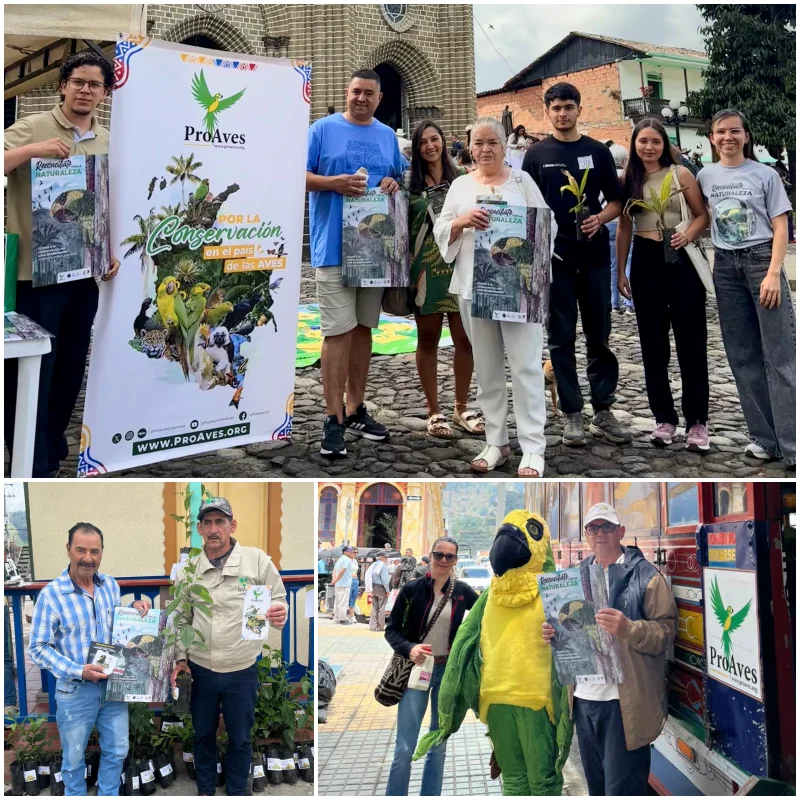
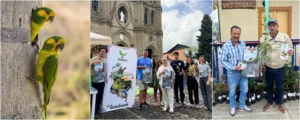
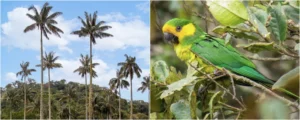
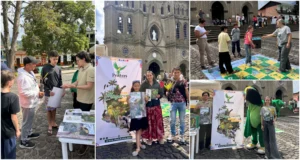
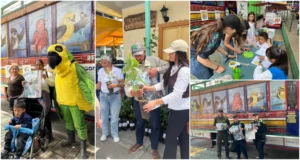 A través de estas acciones, Reconcíliate con la Naturaleza reafirma su propósito de generar cambios de comportamiento que contribuyan a la protección de especies y ecosistemas. Más allá de una campaña, es una invitación a reflexionar sobre nuestras decisiones cotidianas y su impacto en el entorno natural.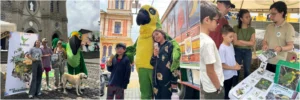
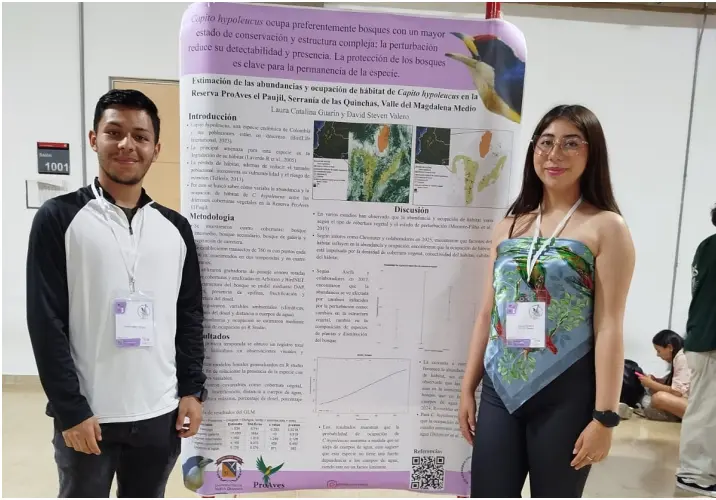
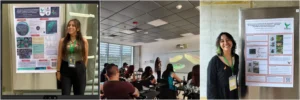
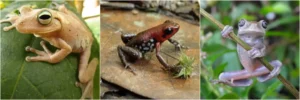
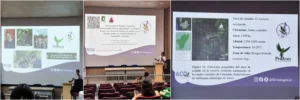
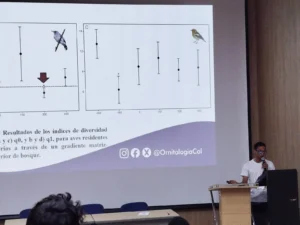
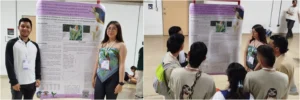

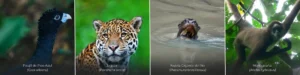
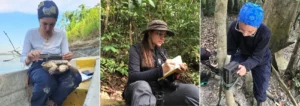
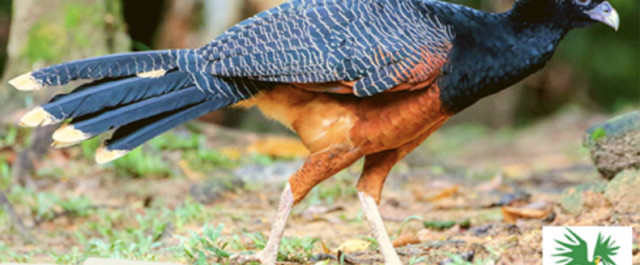
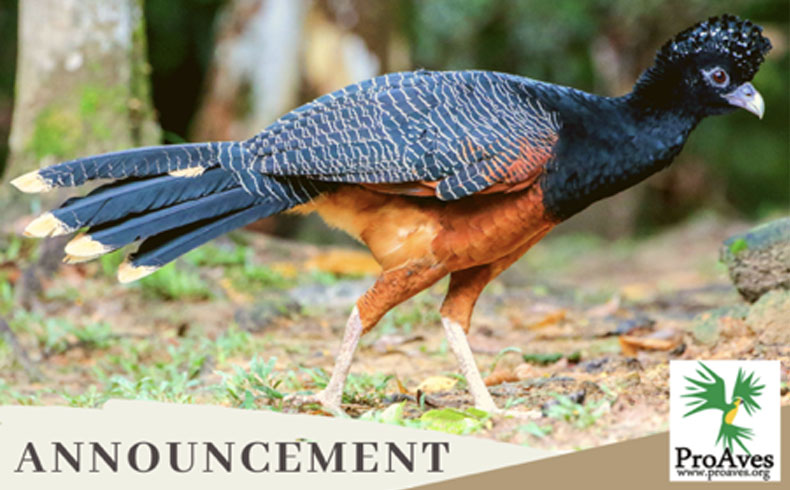
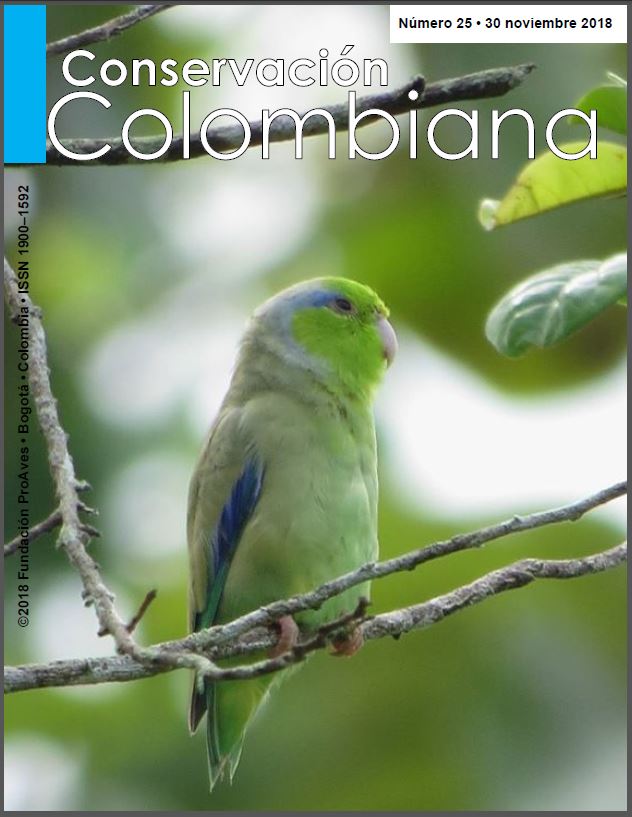
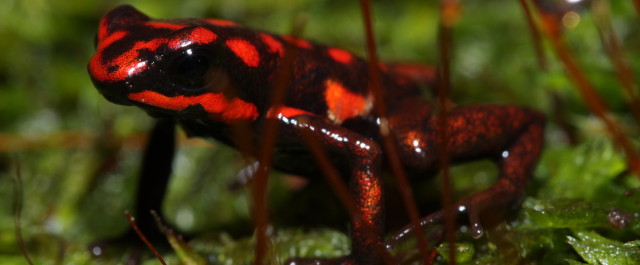
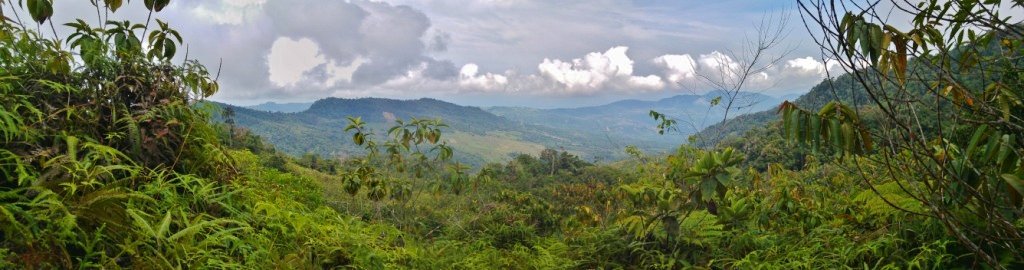
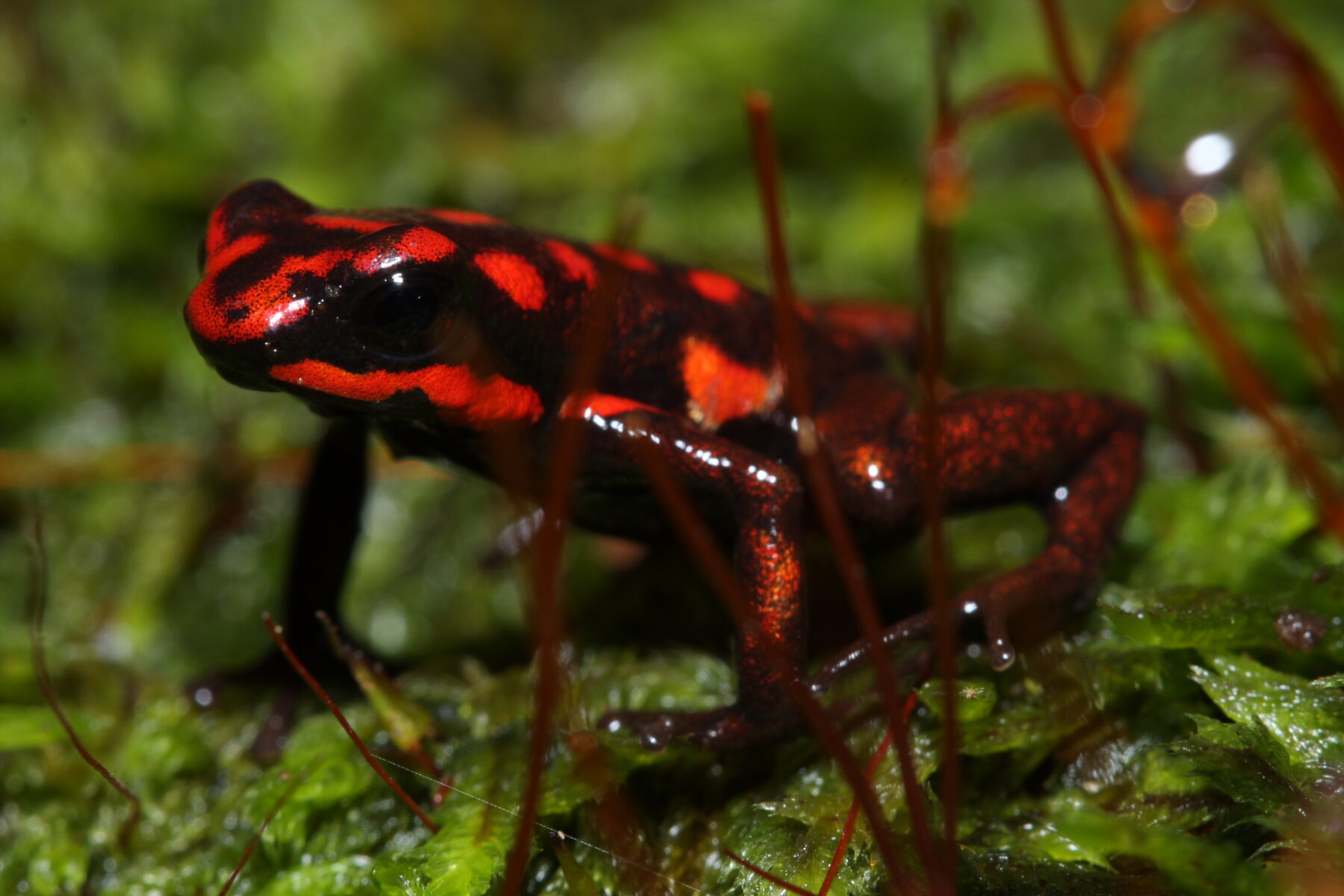
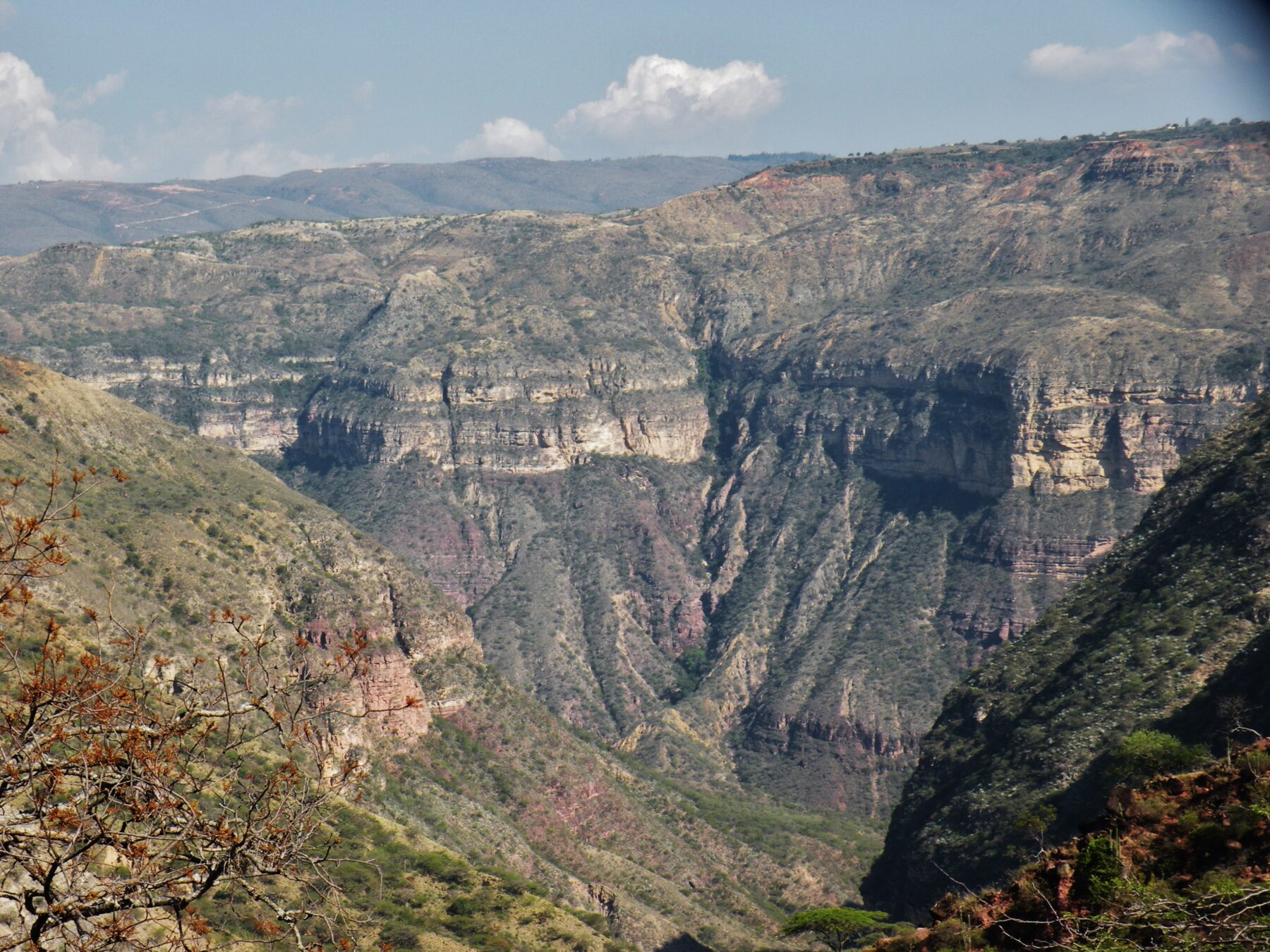

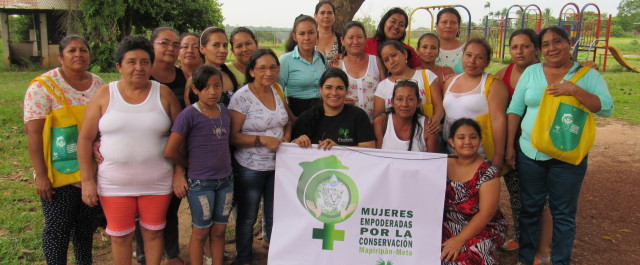
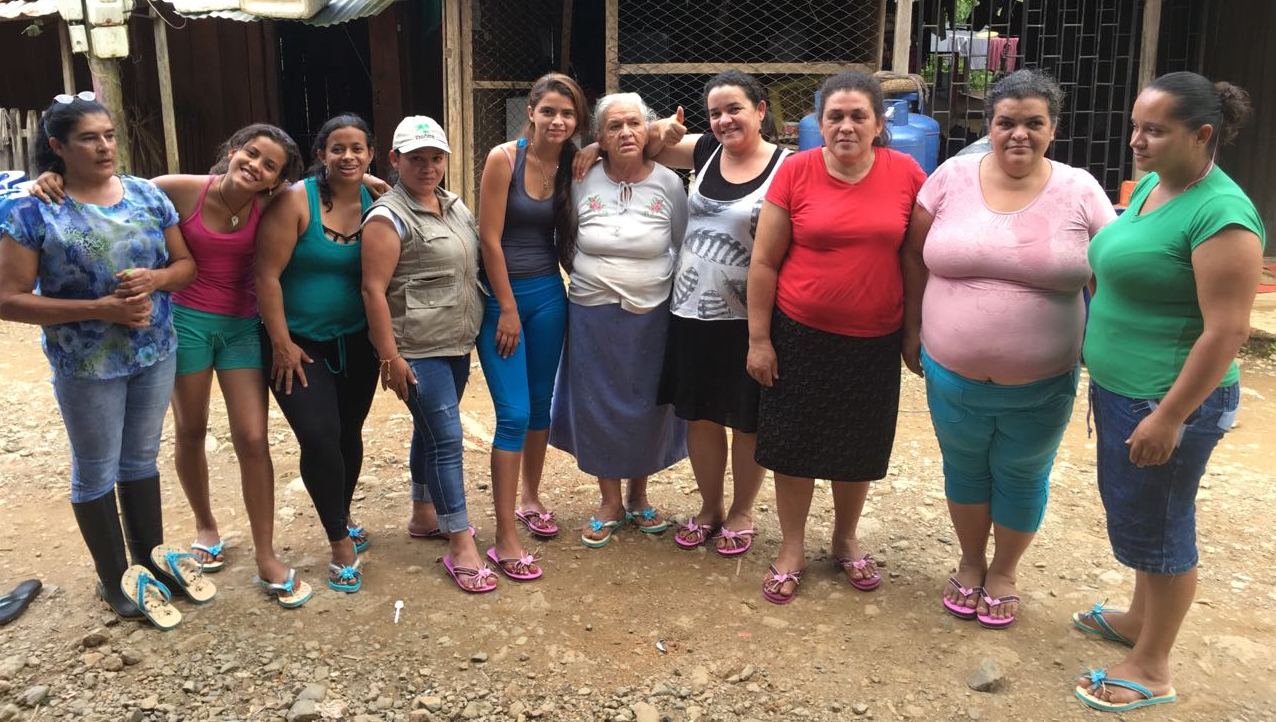
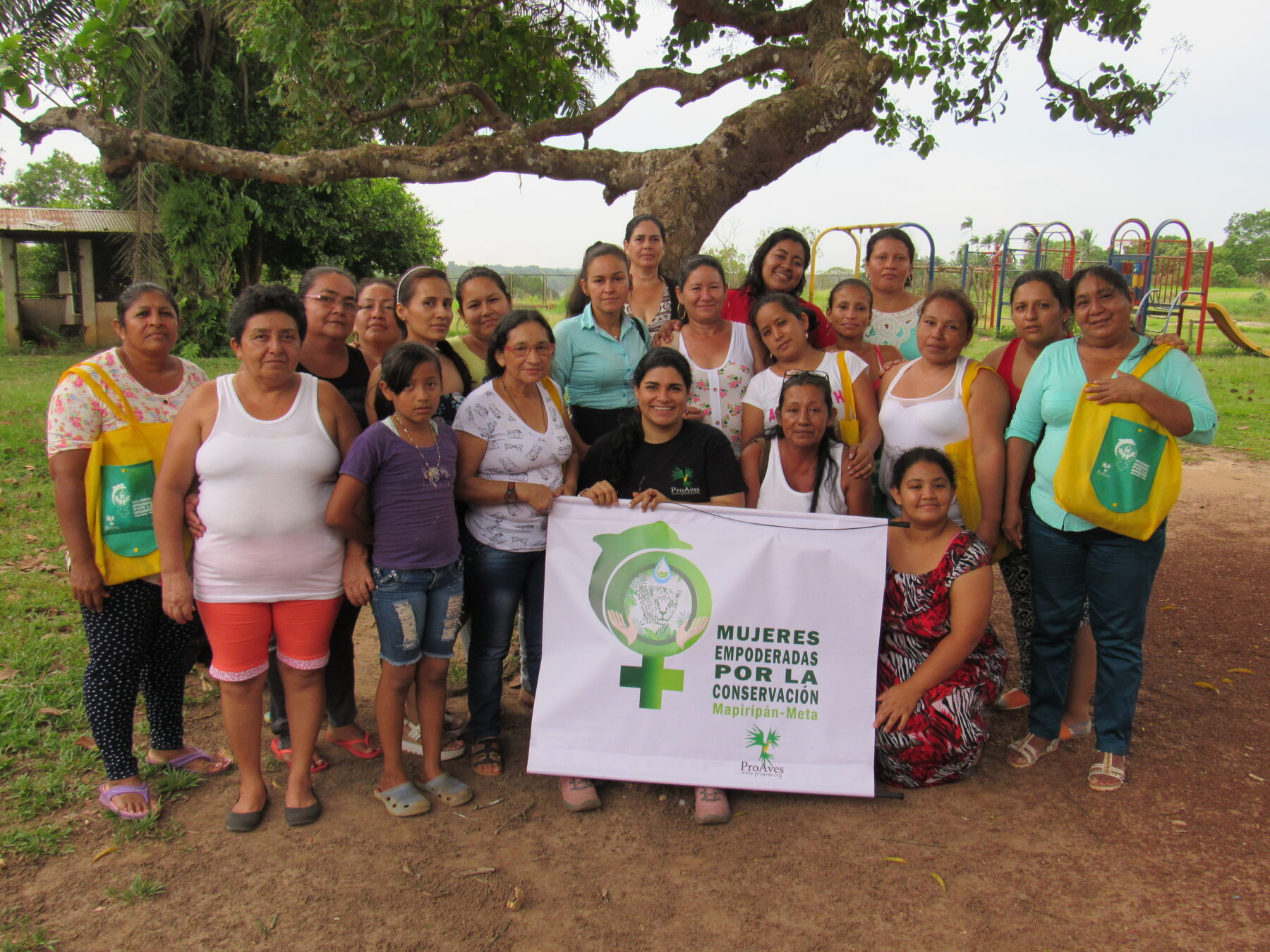
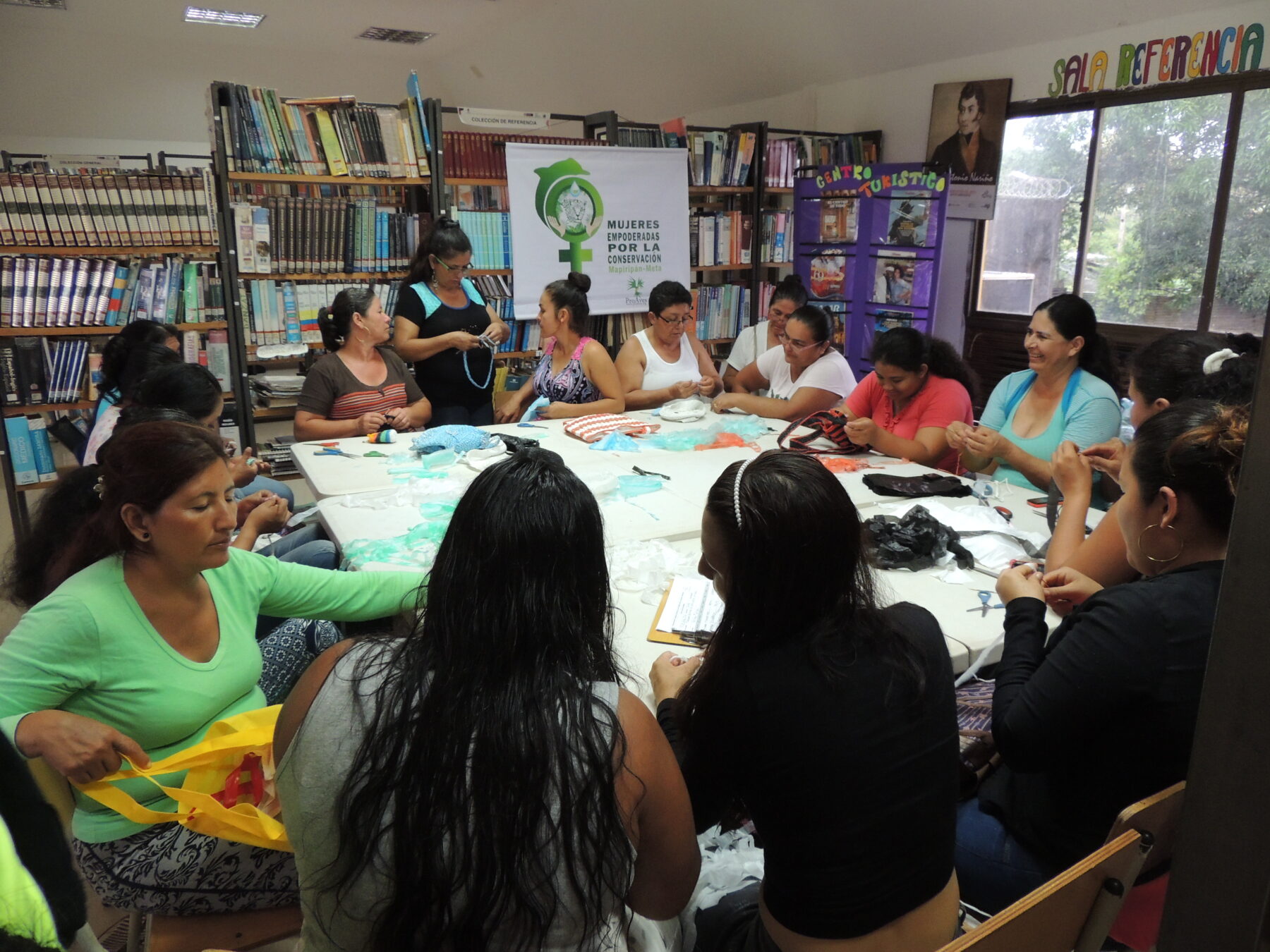
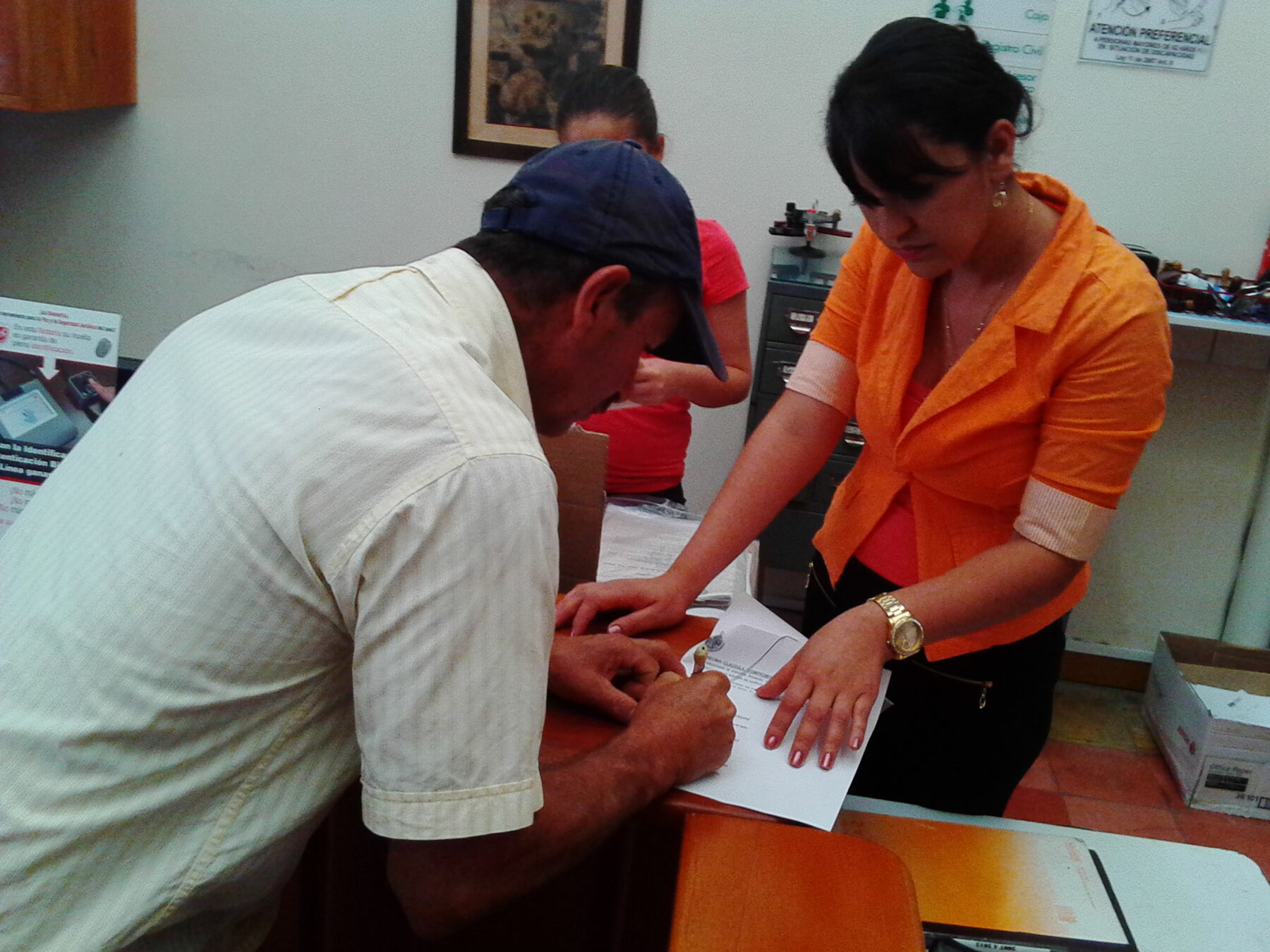

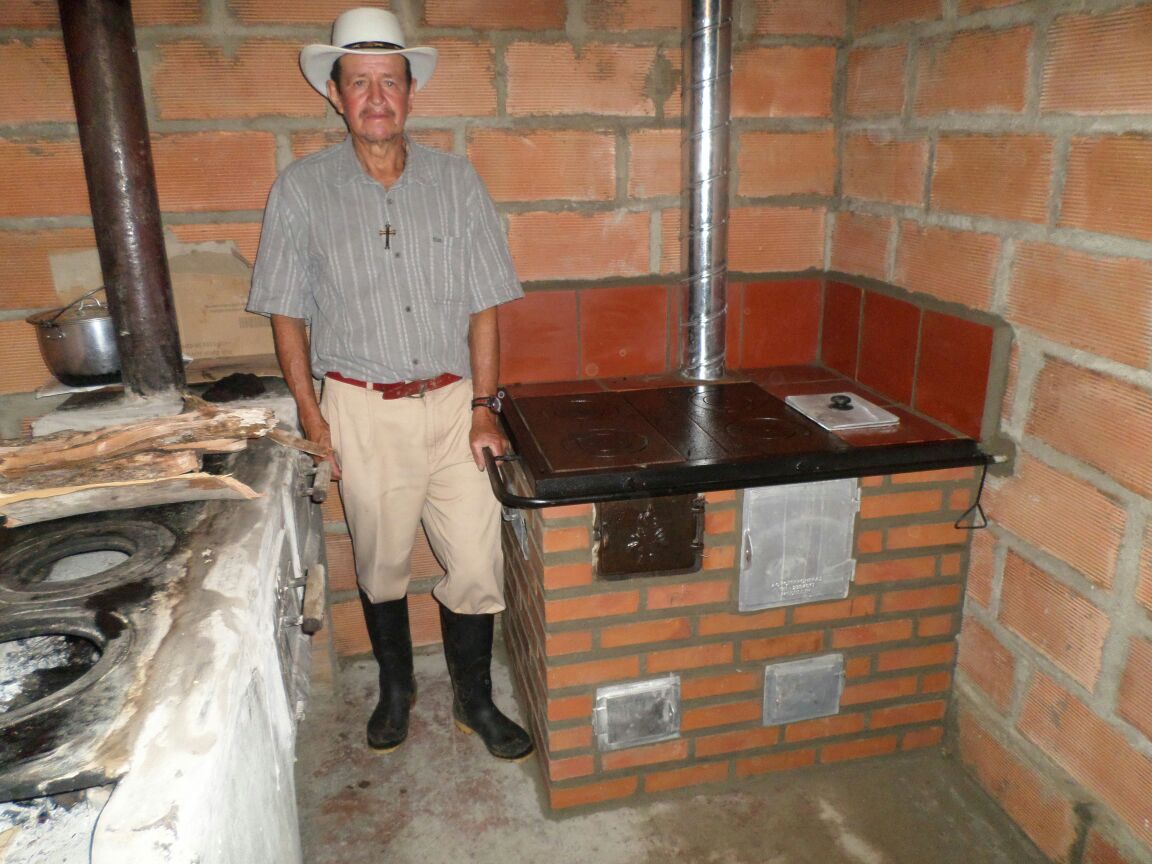



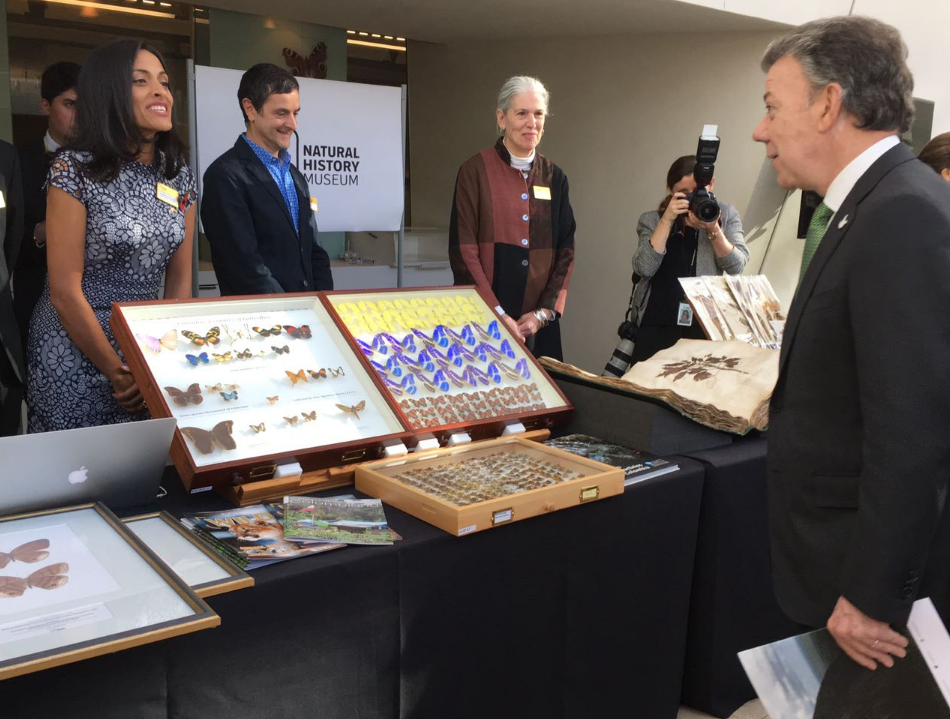
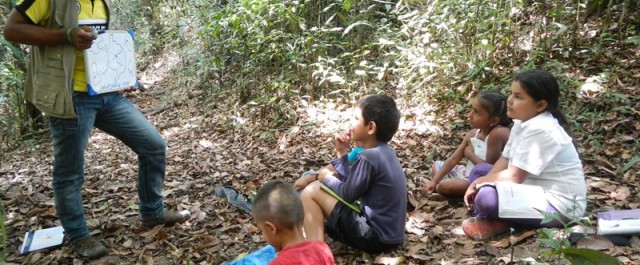
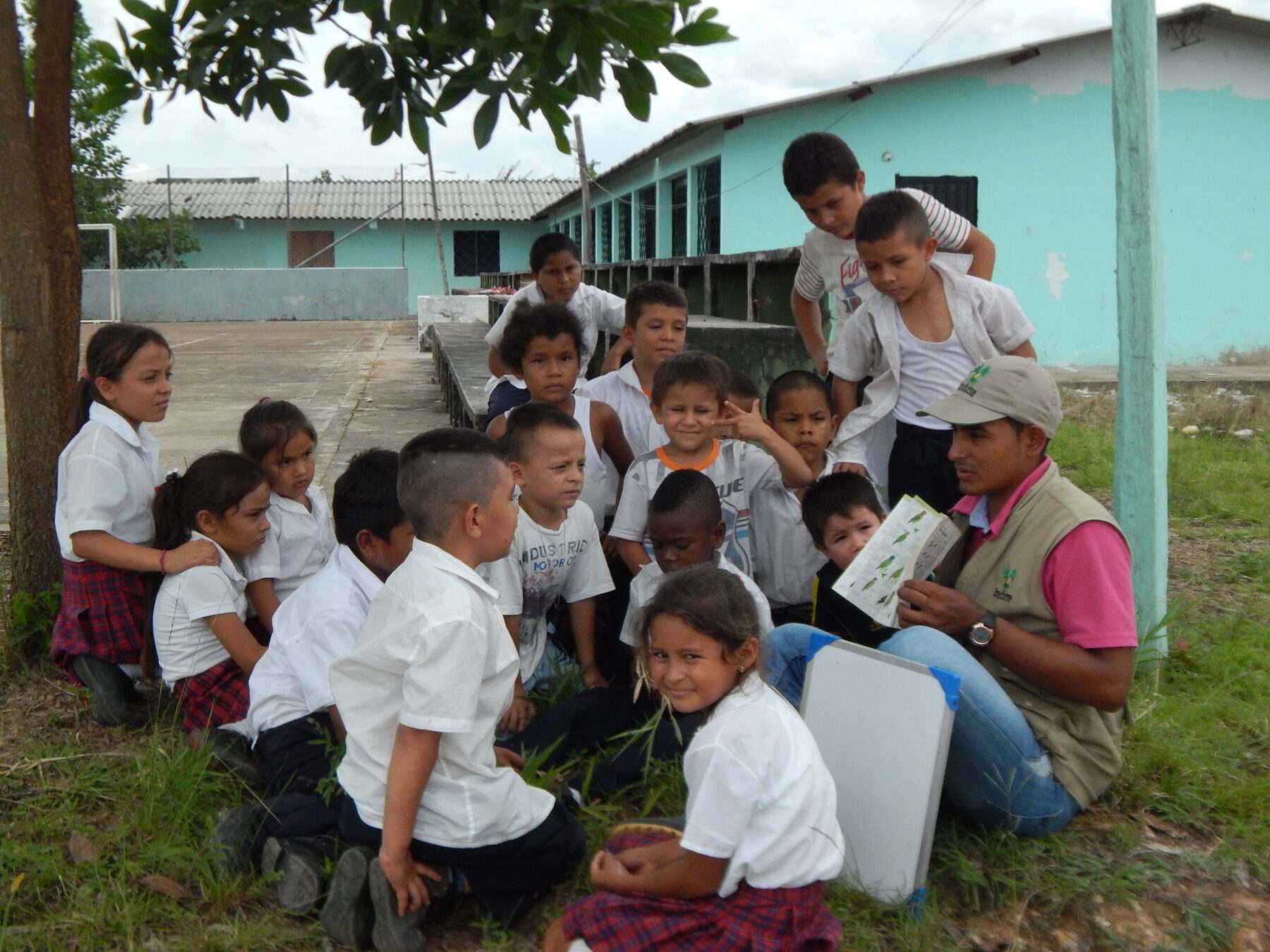
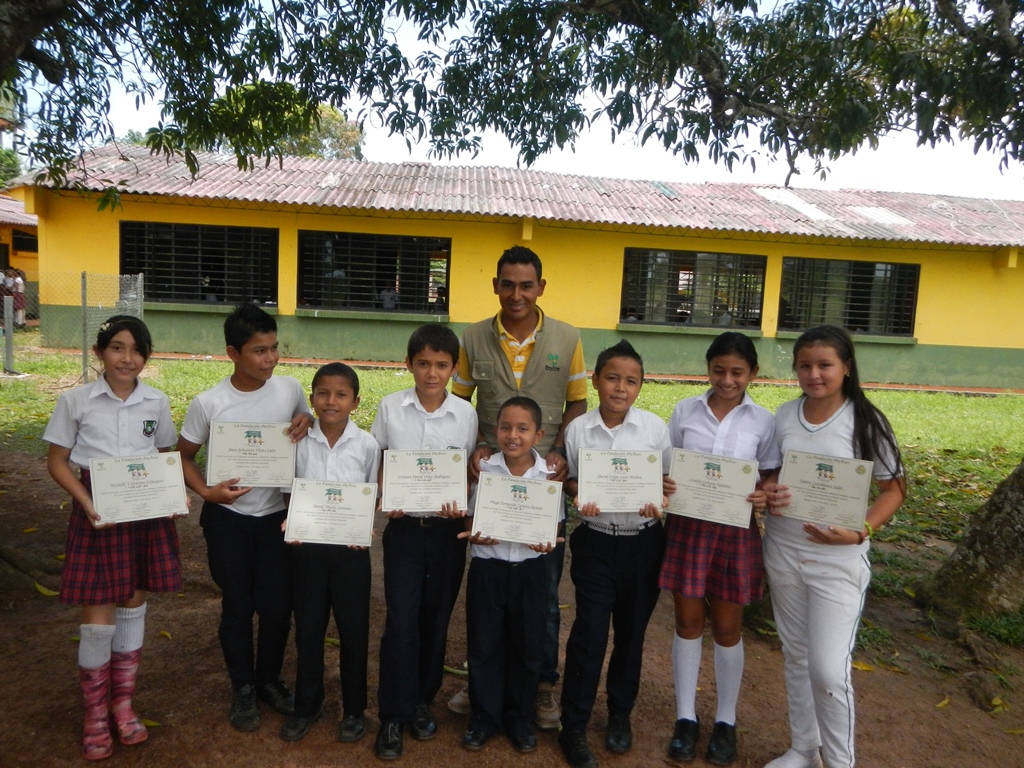


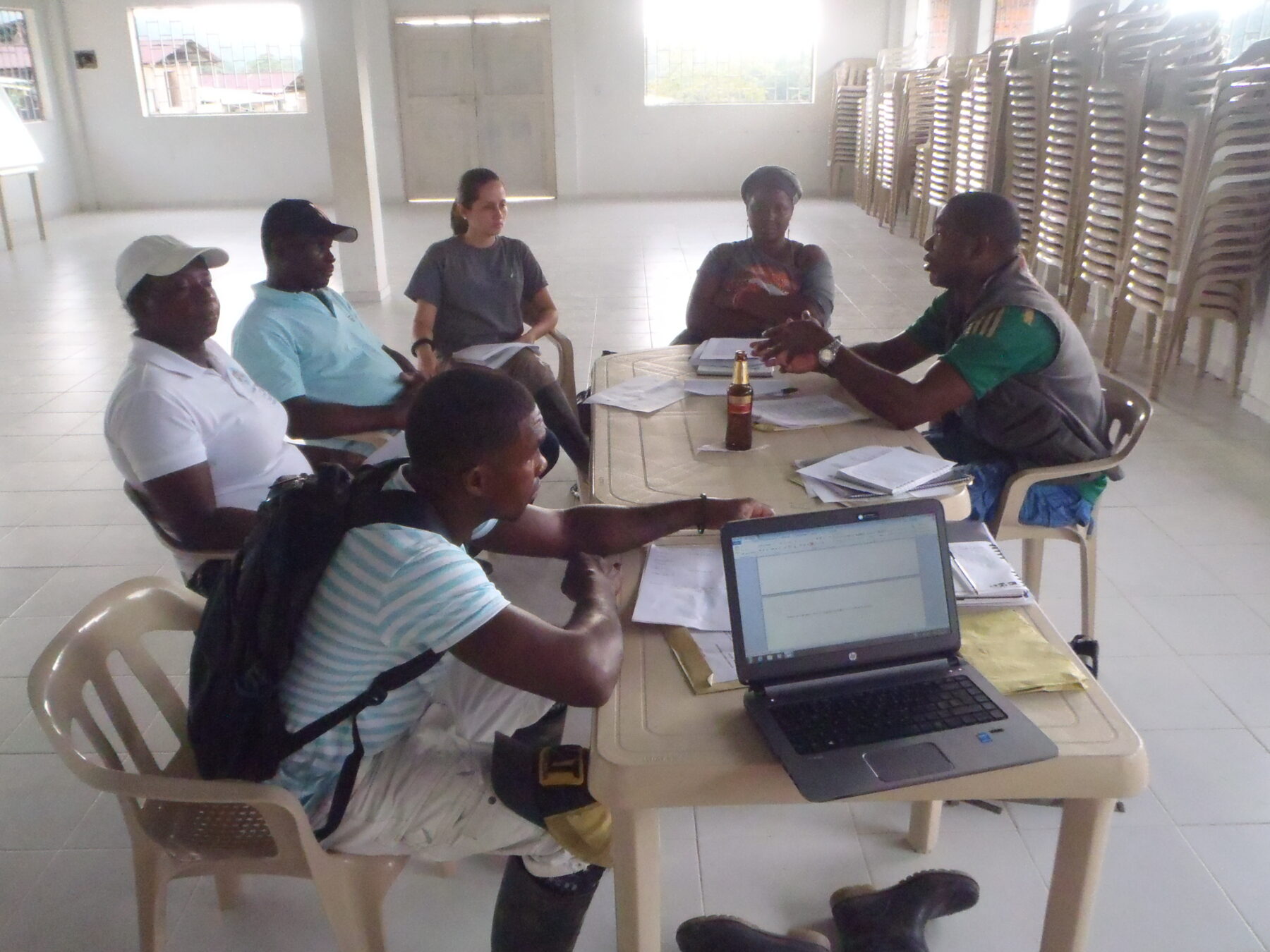 nd environmental education strategies with communities to protect the wide biodiversity in the municipality of Timbiquí, Department of Cauca in Colombia.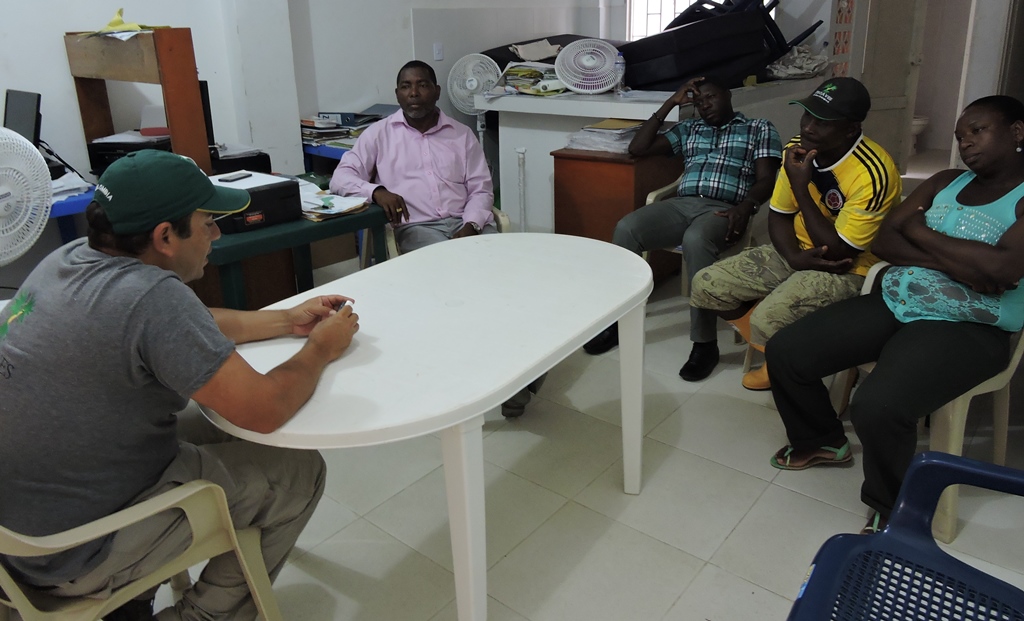

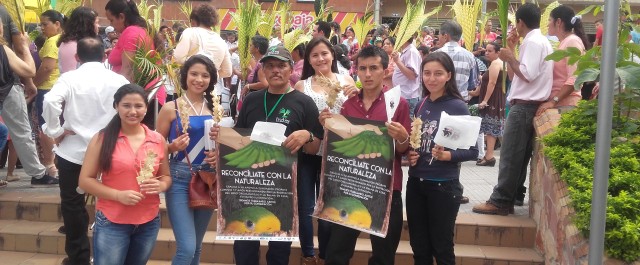

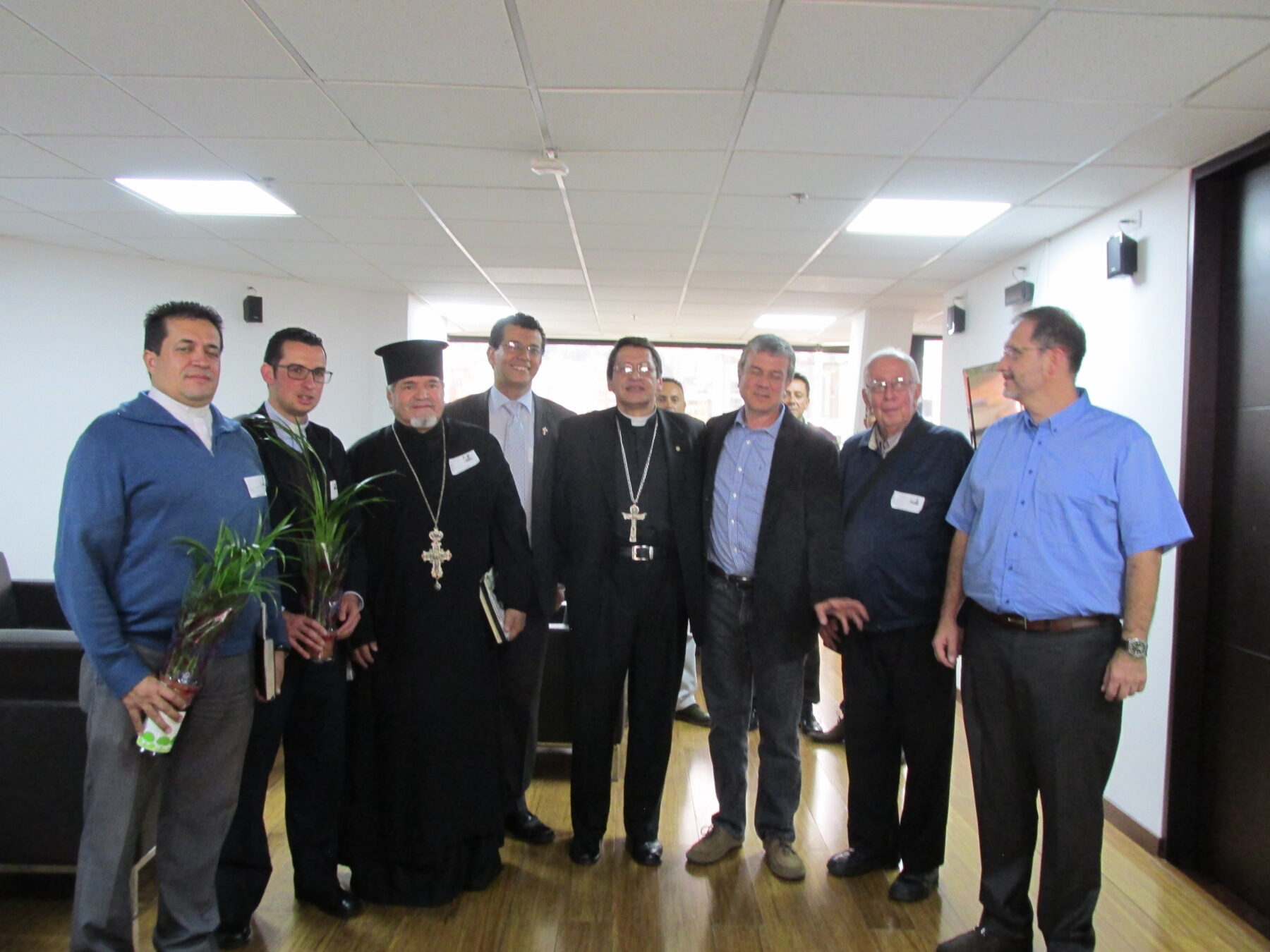
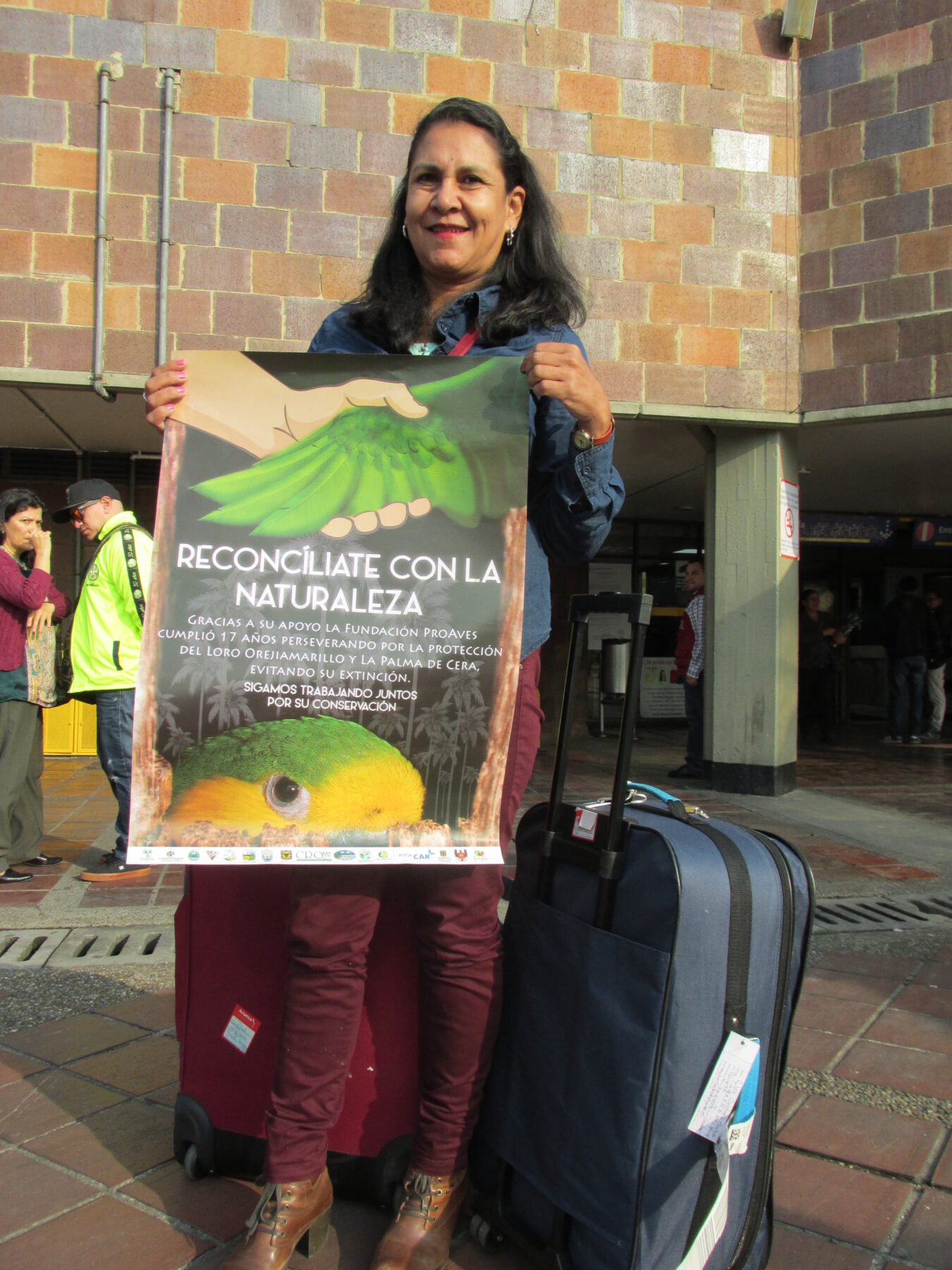
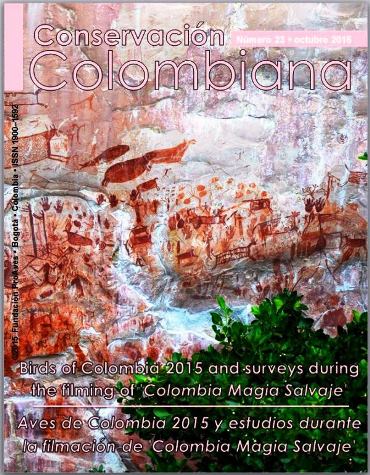
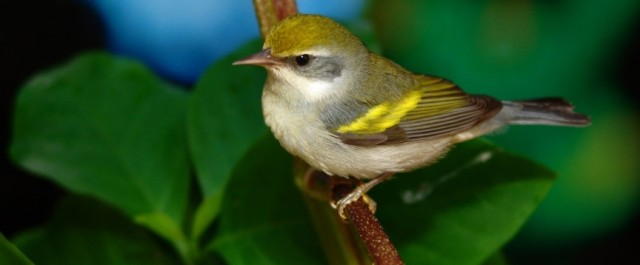
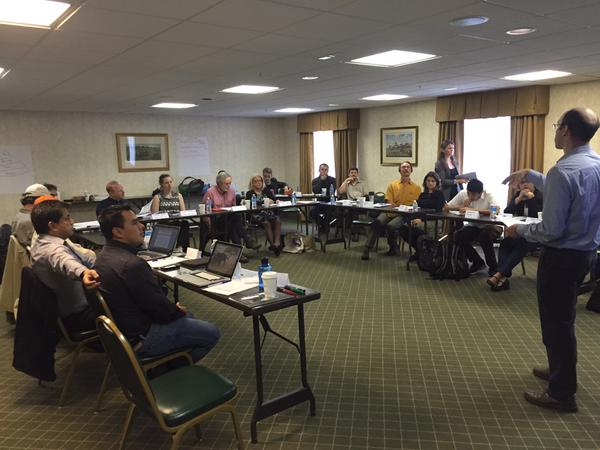
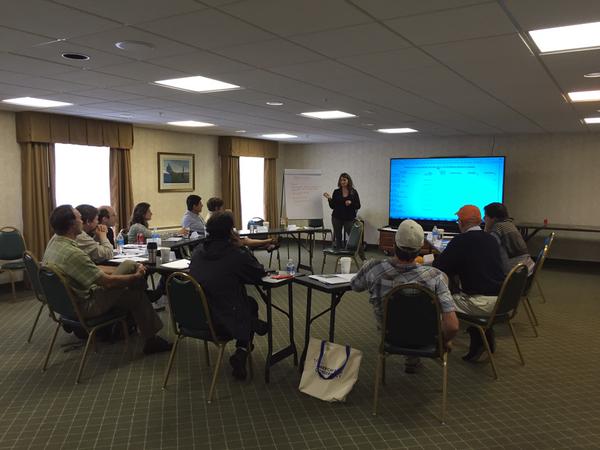

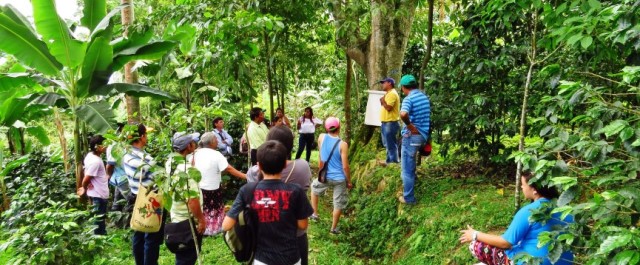
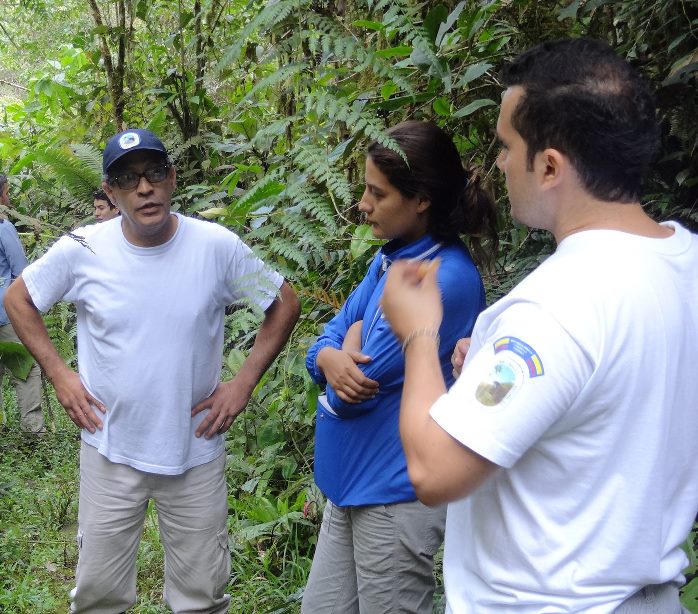
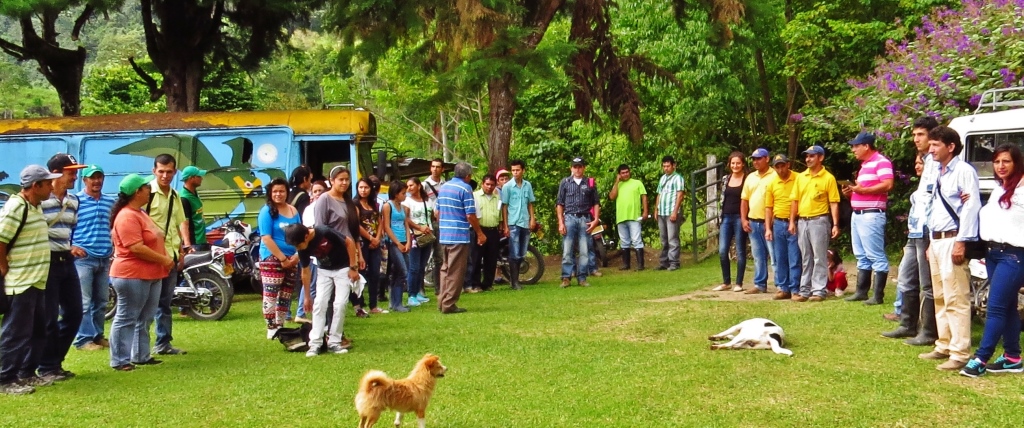



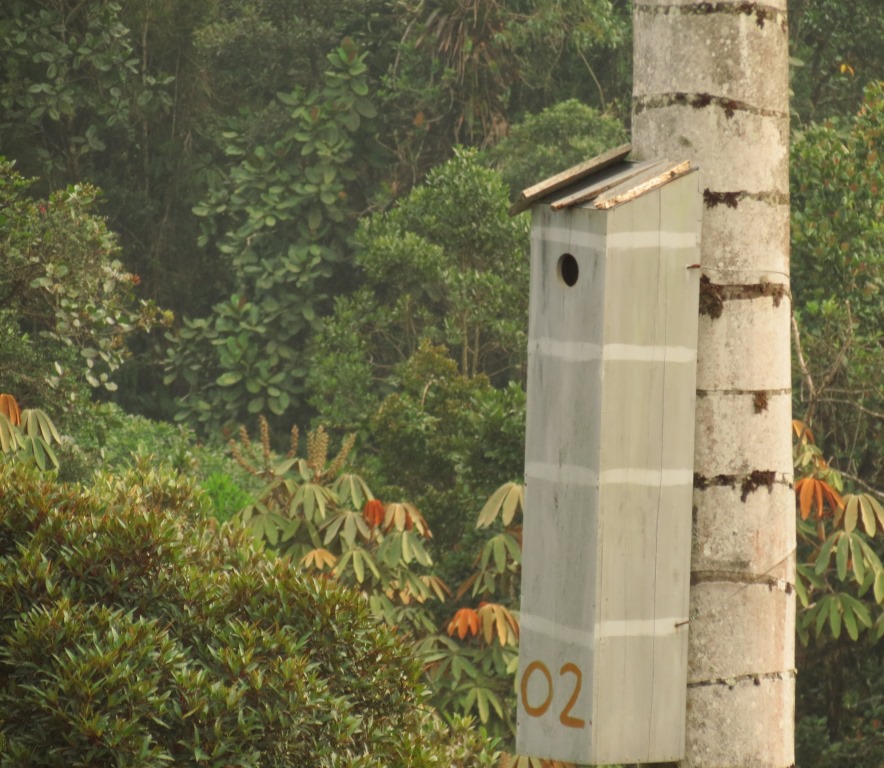
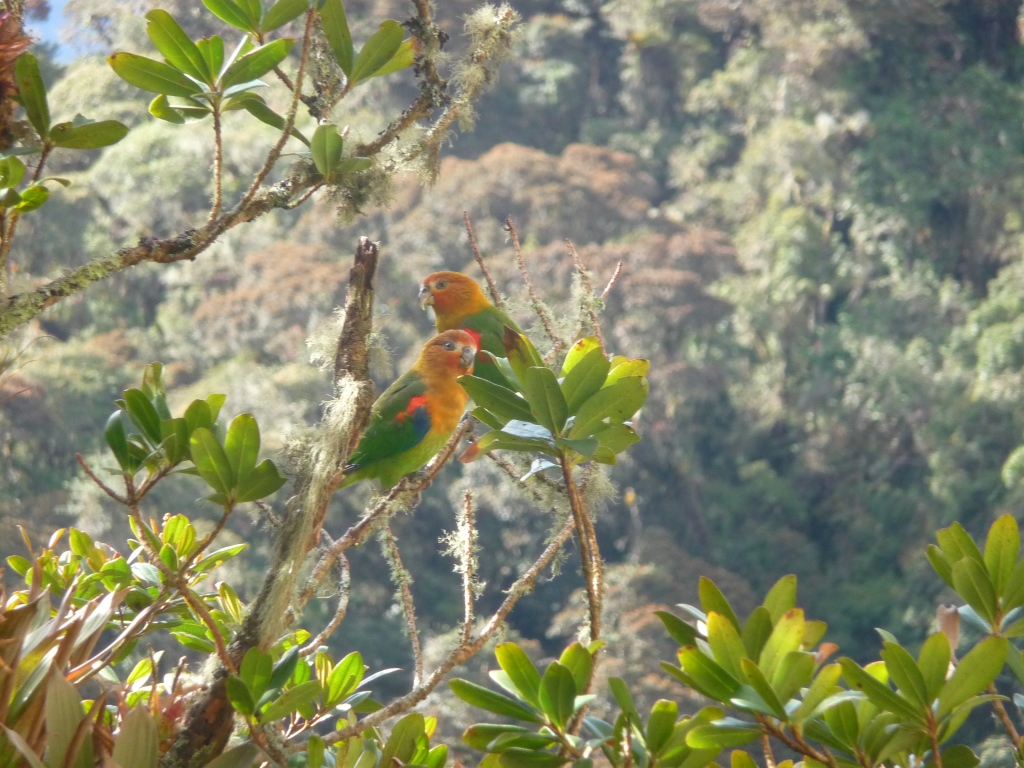

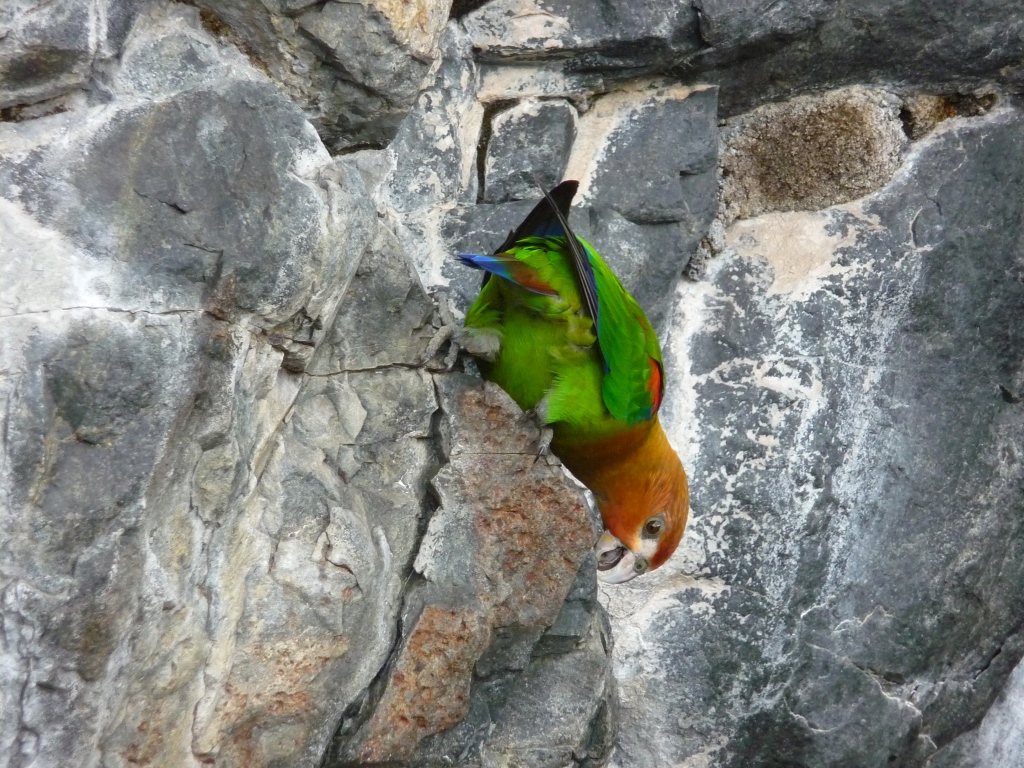
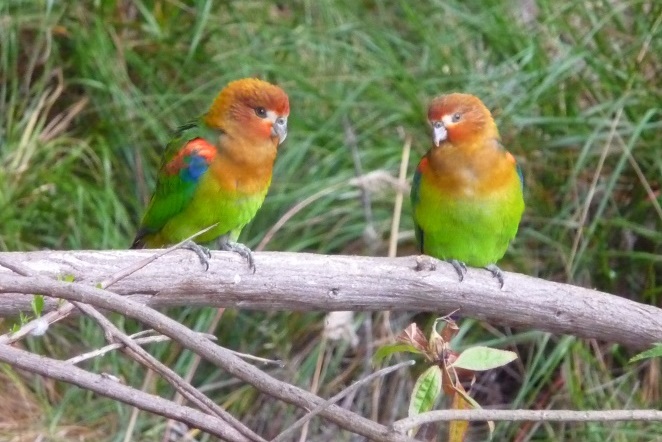
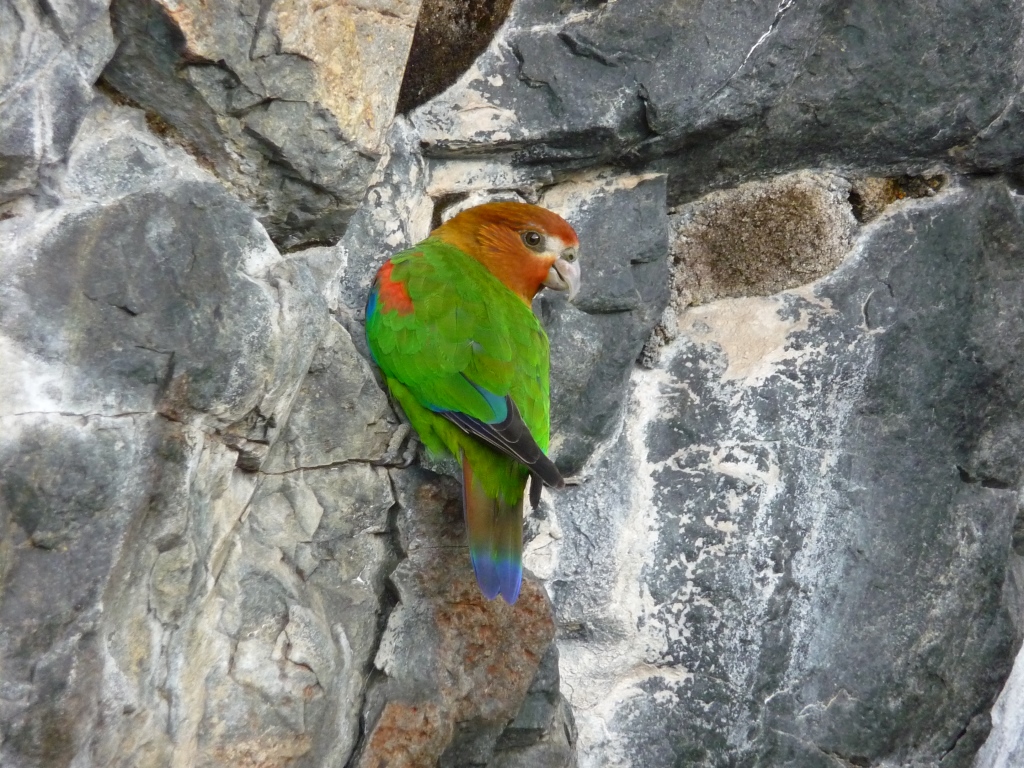
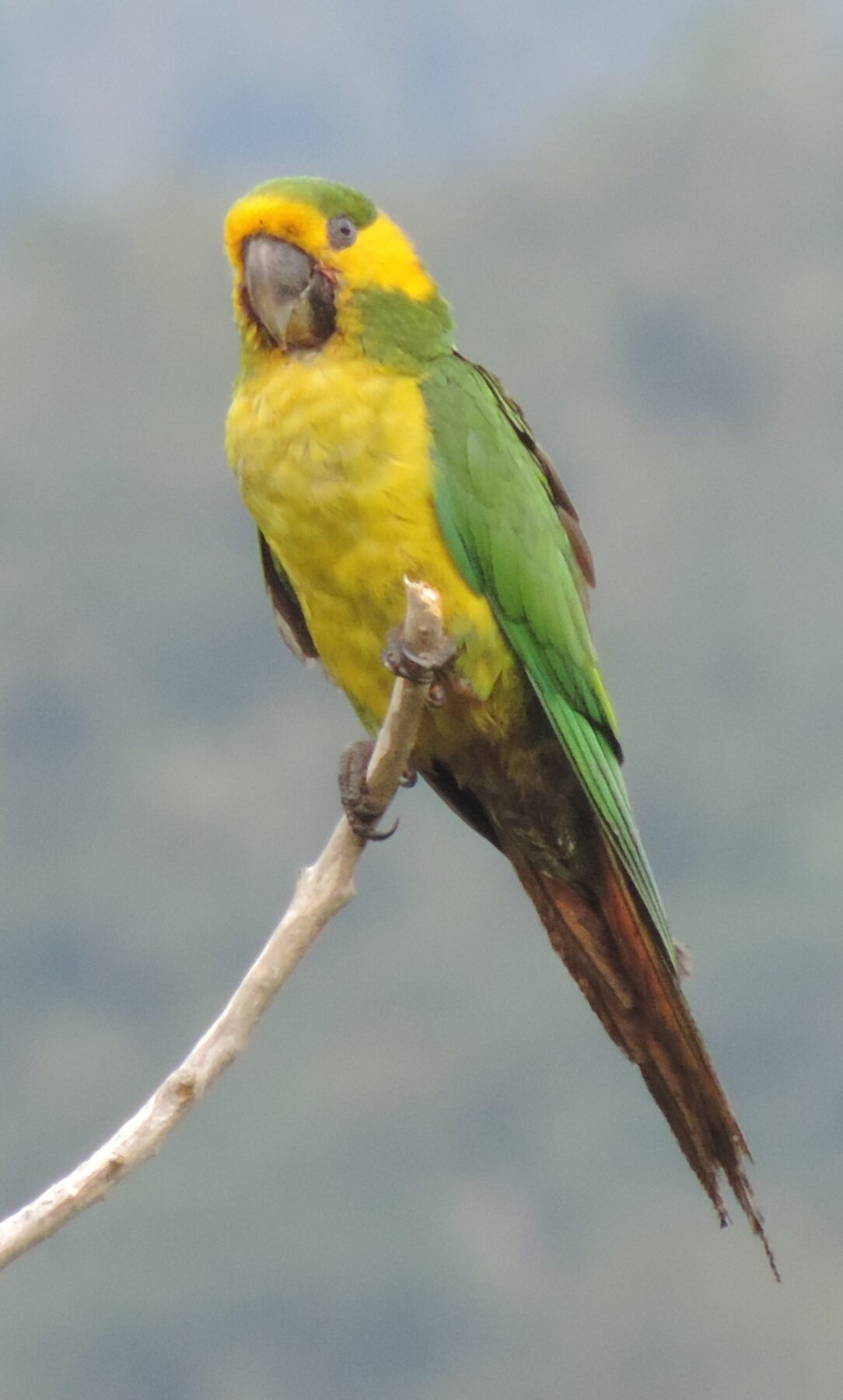
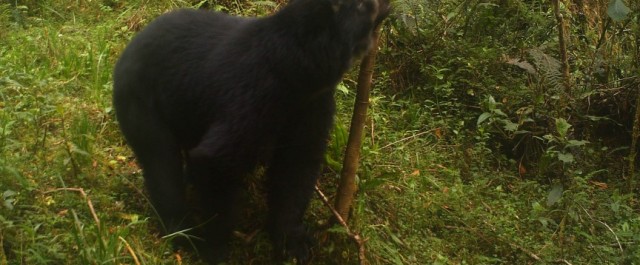
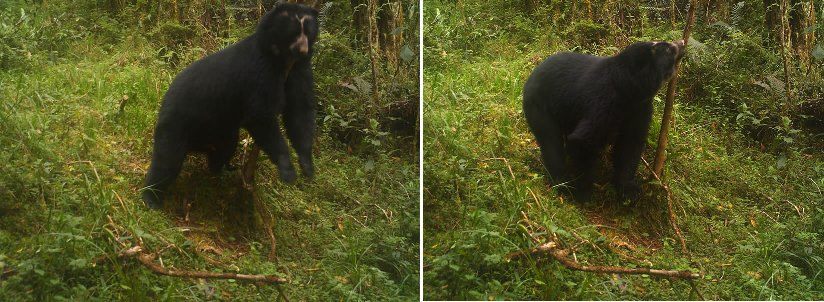
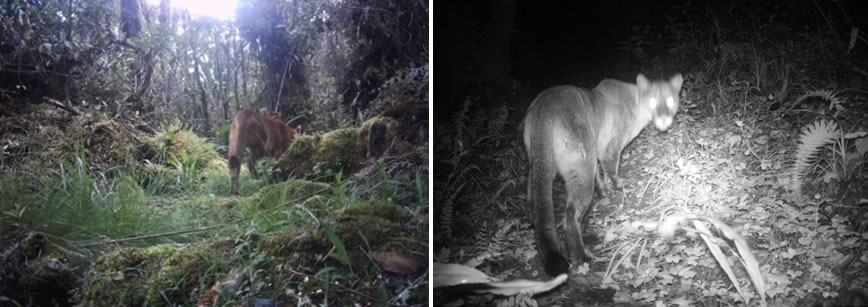
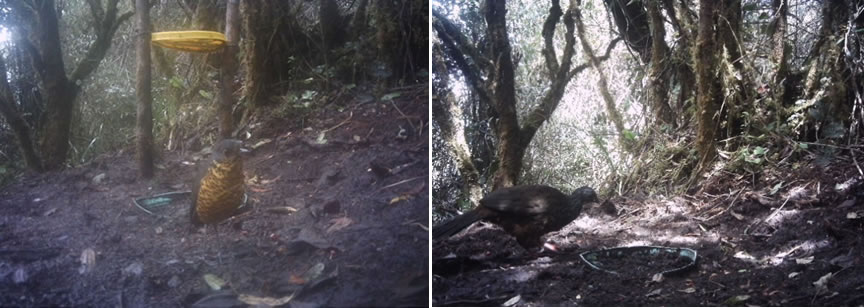
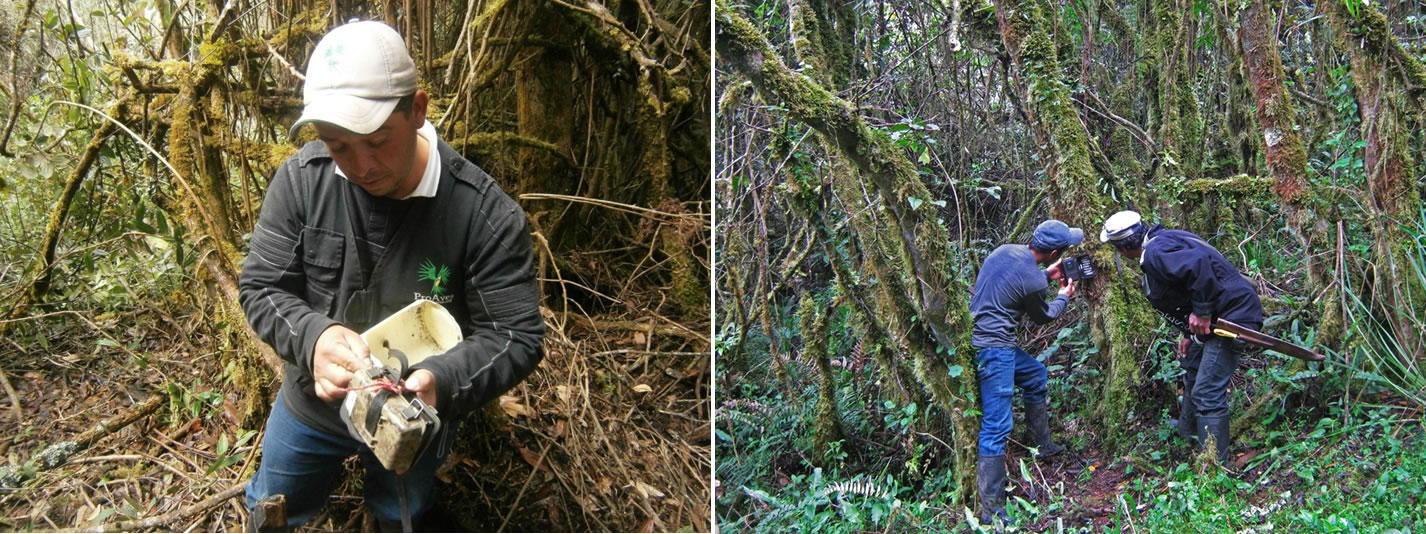
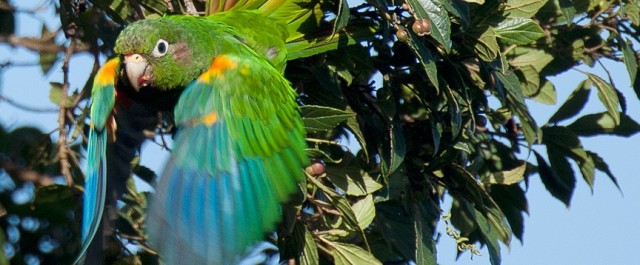
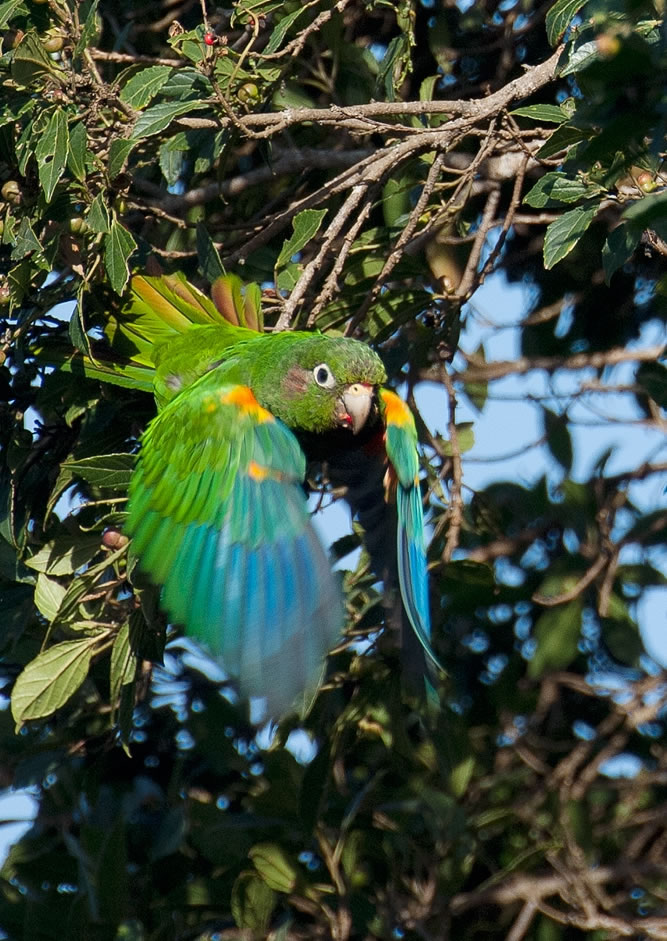


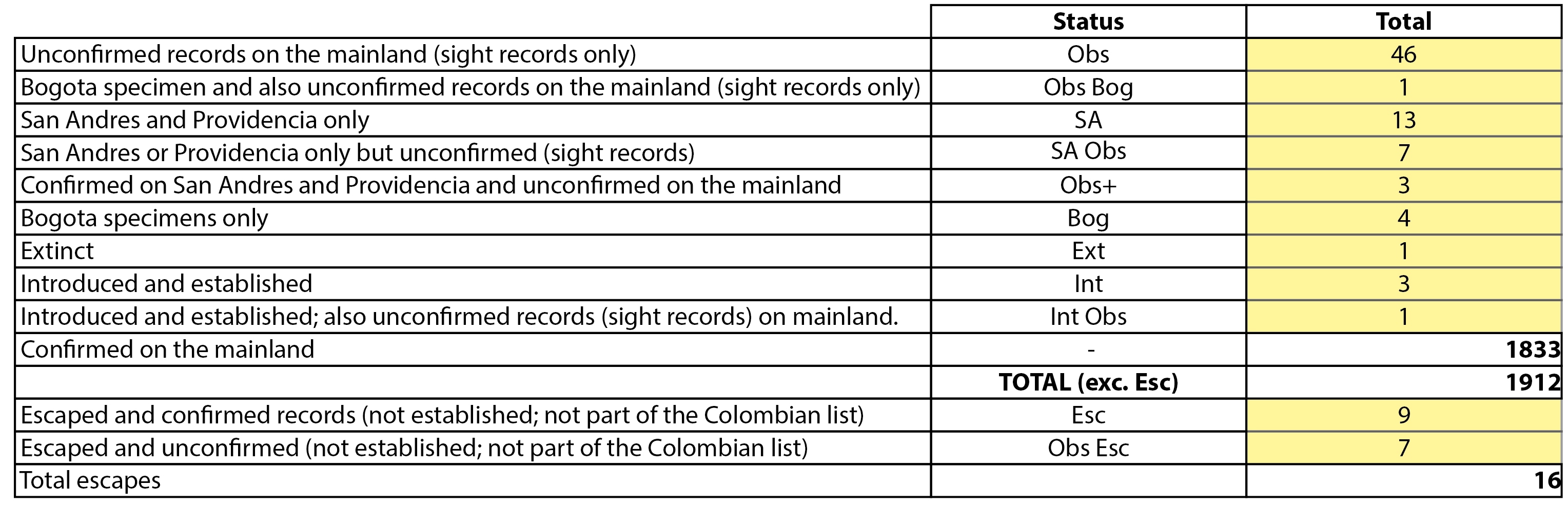
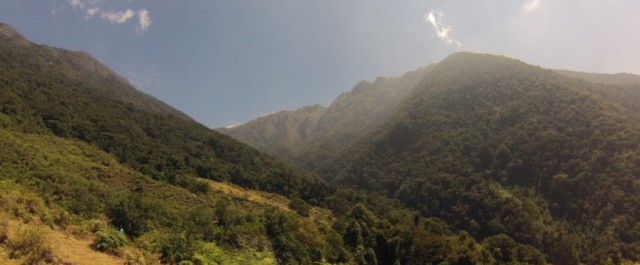
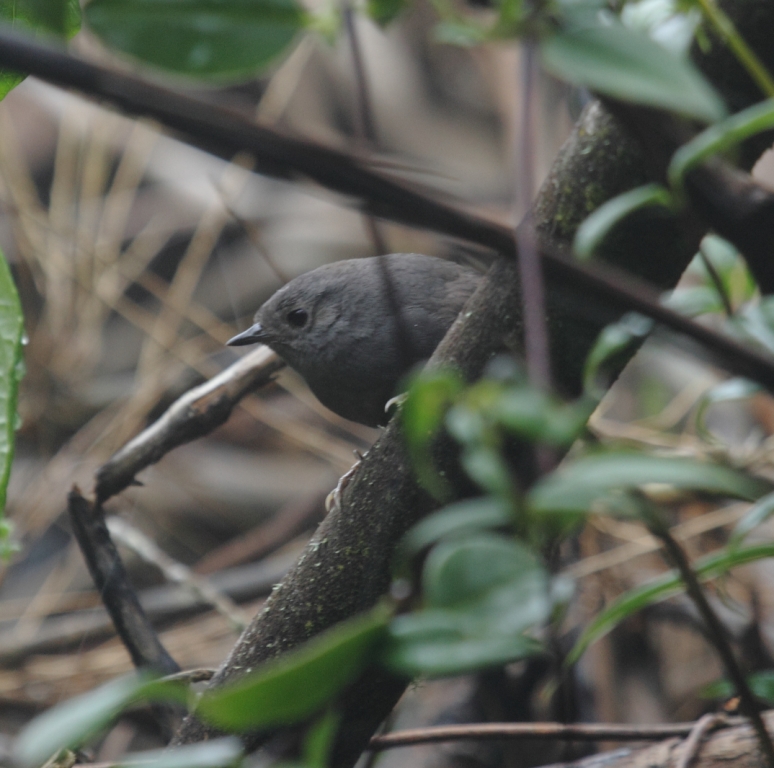
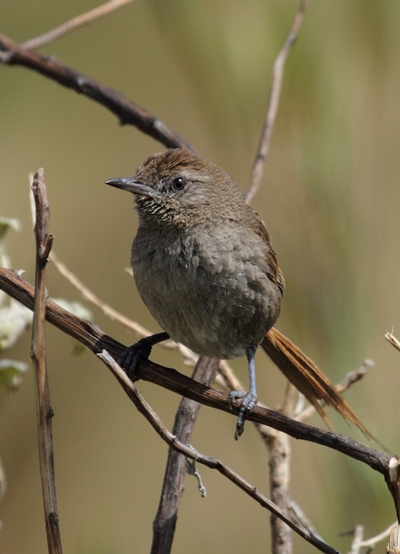
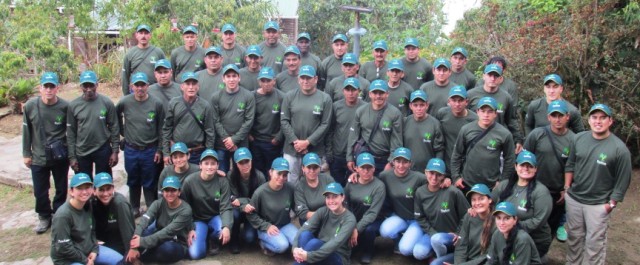
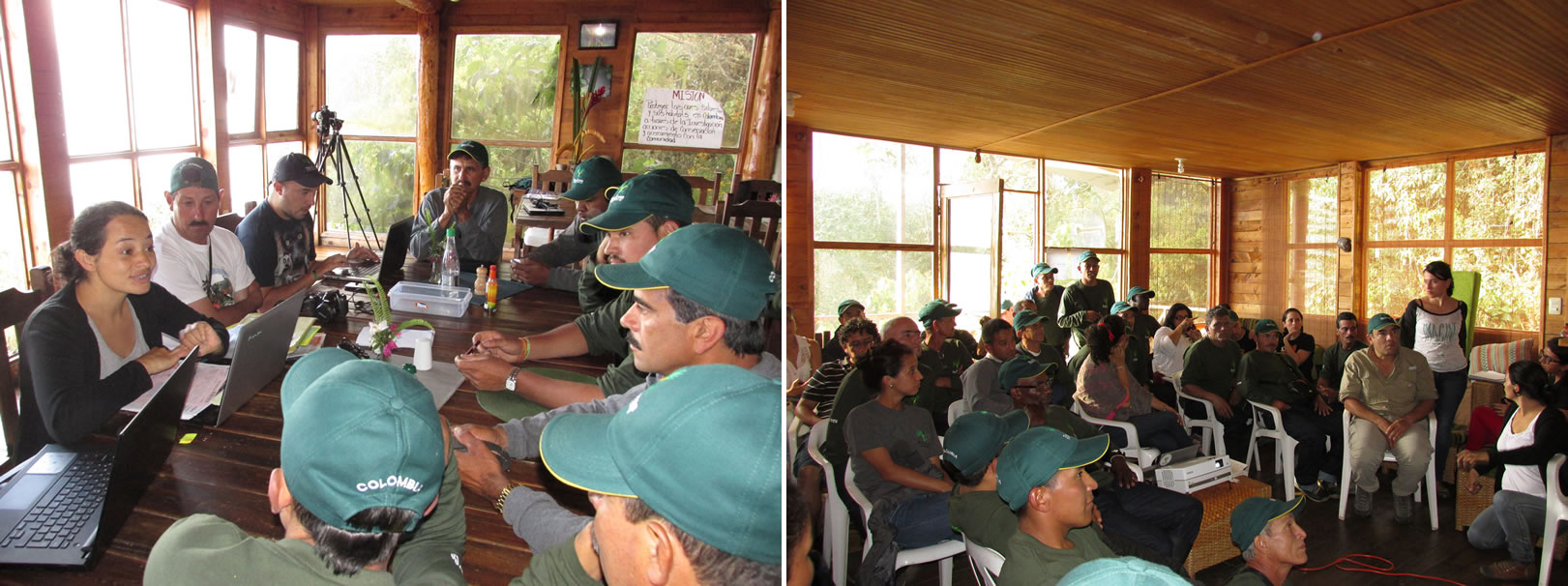
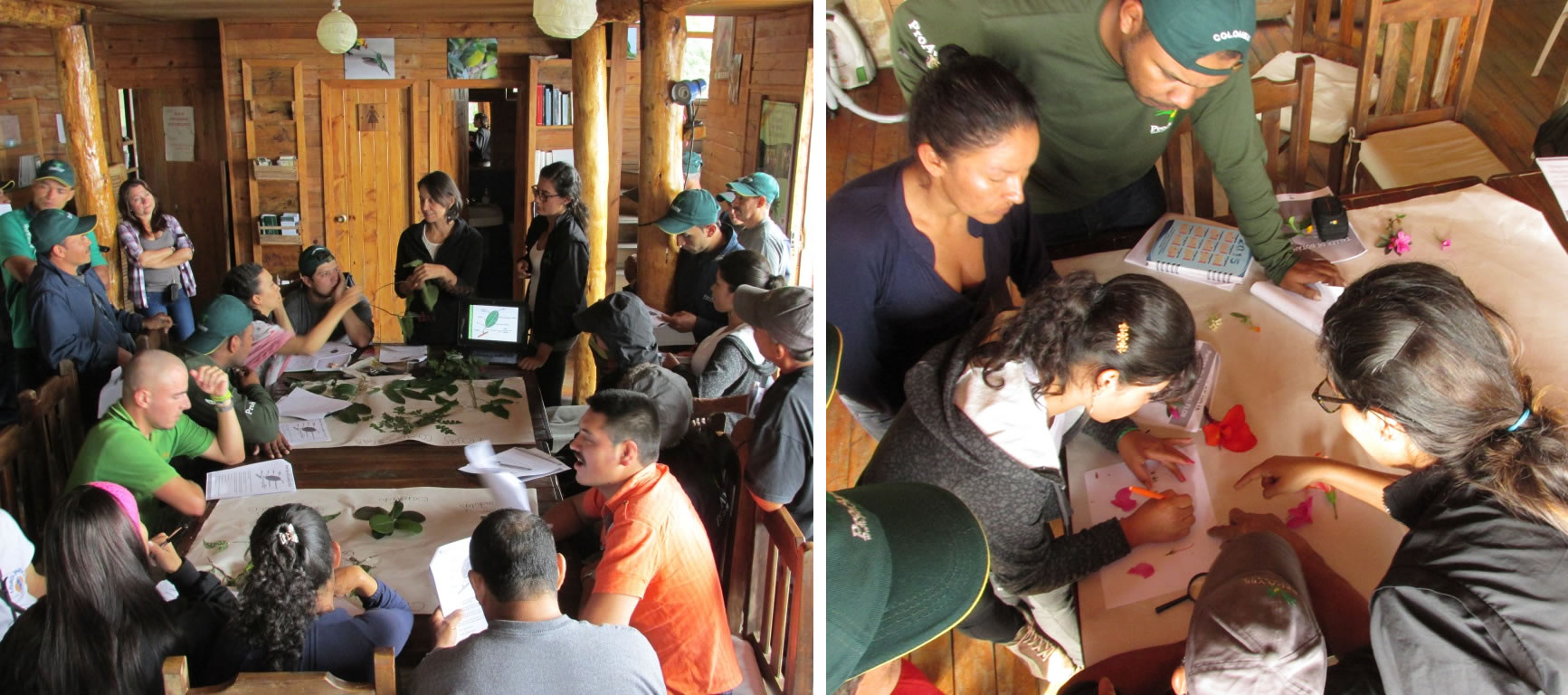
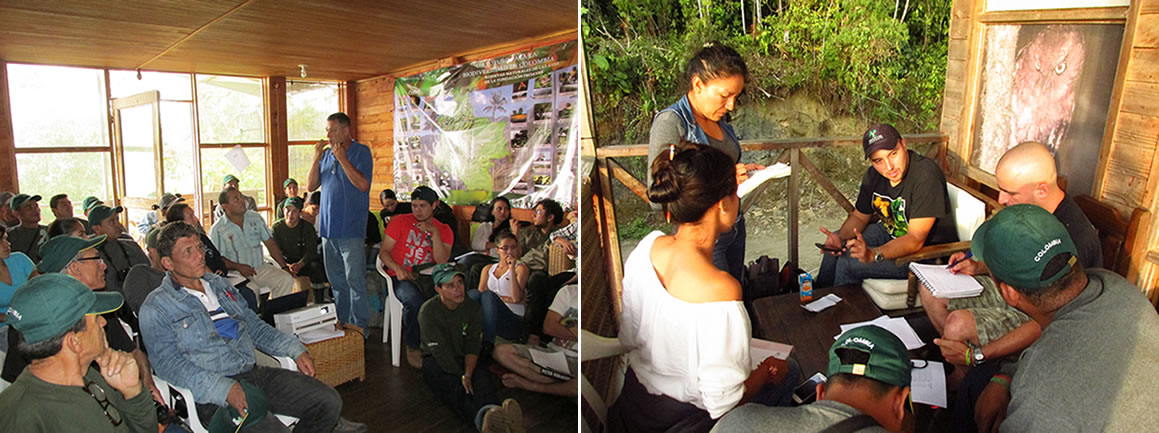
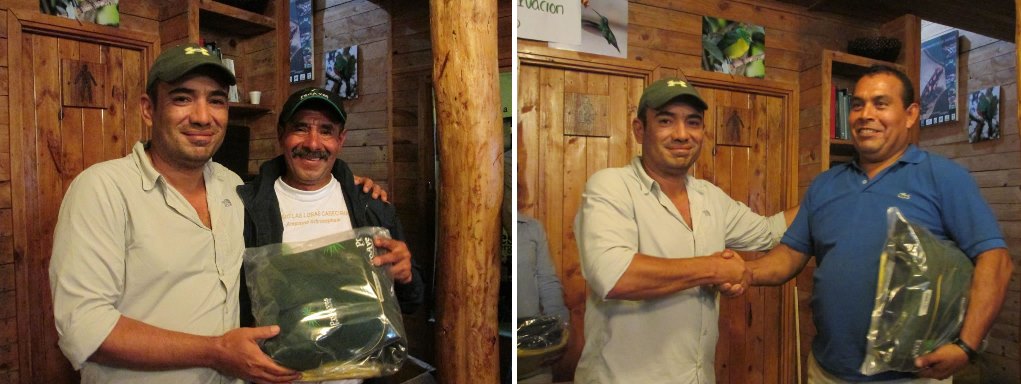

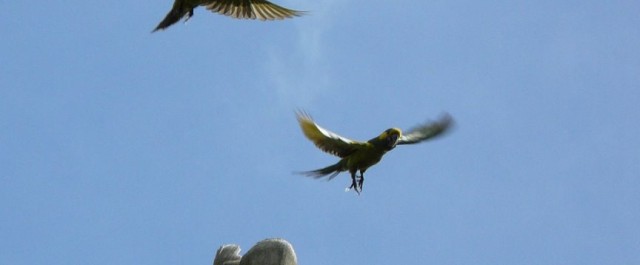
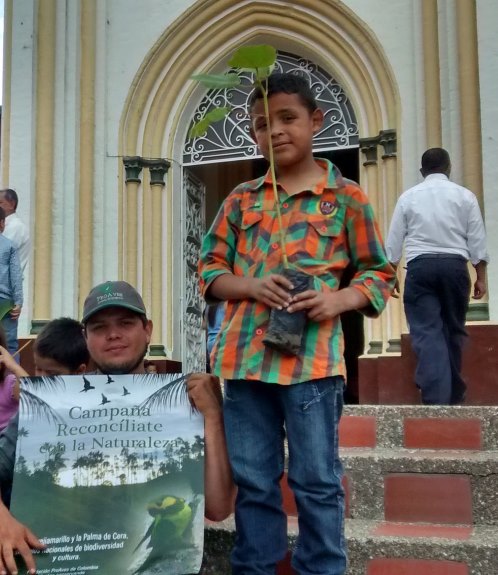
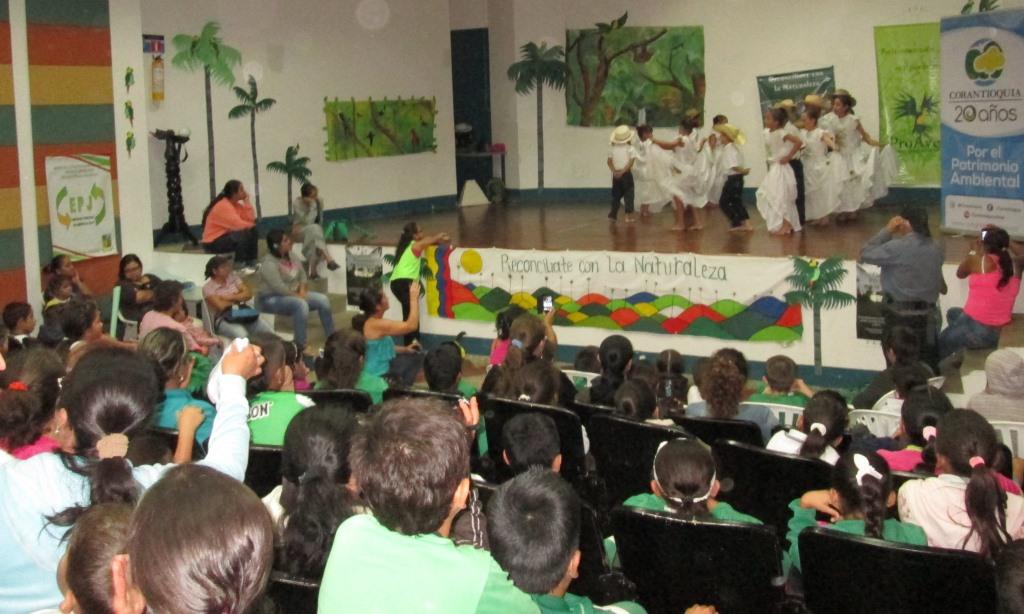
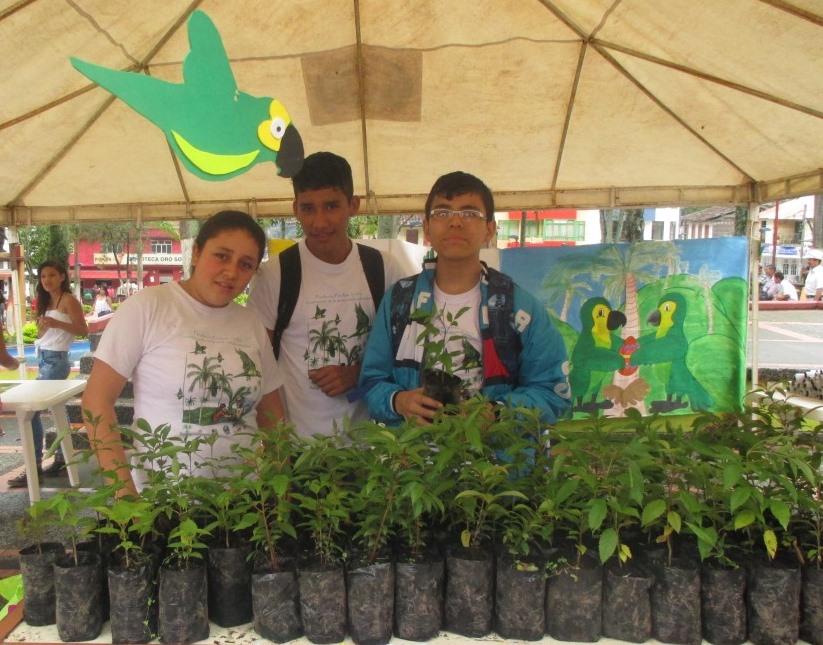
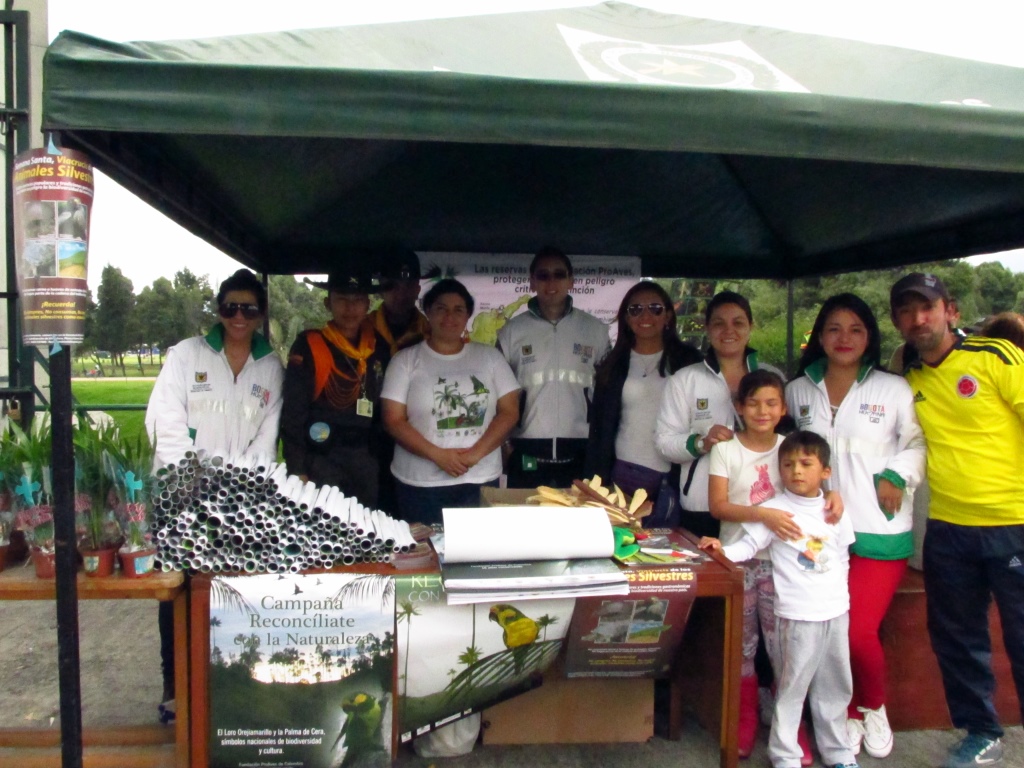
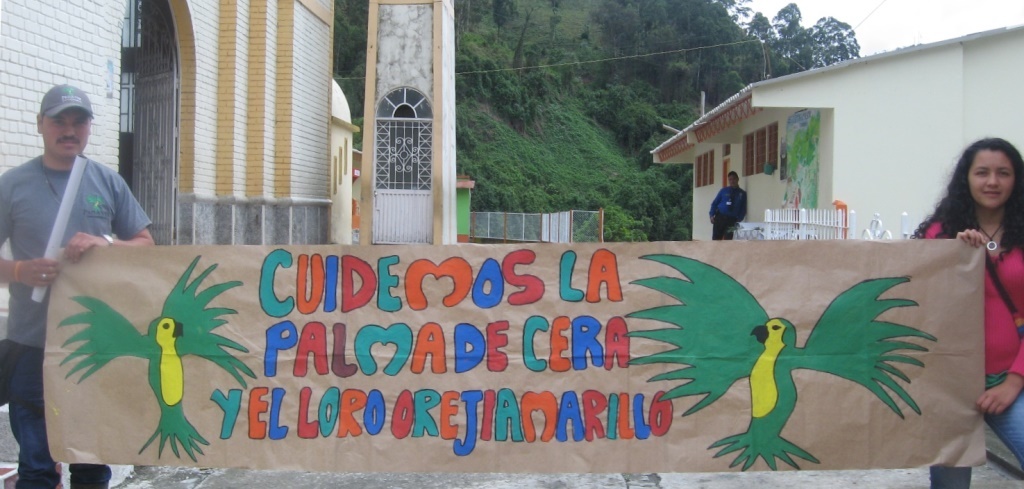
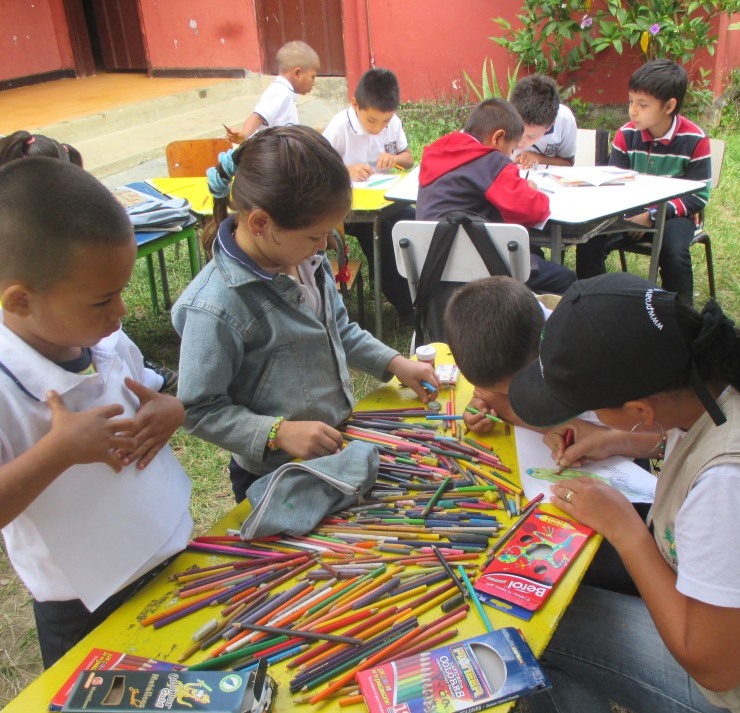
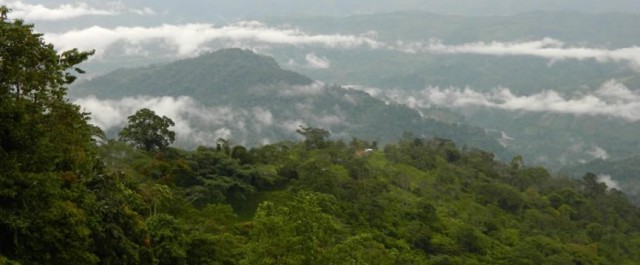
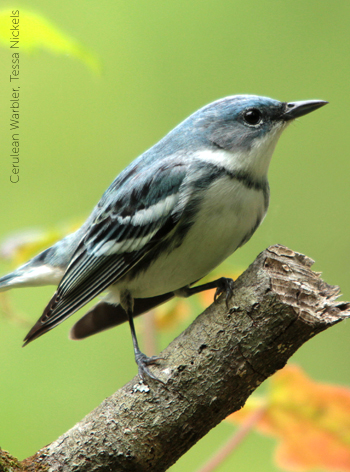
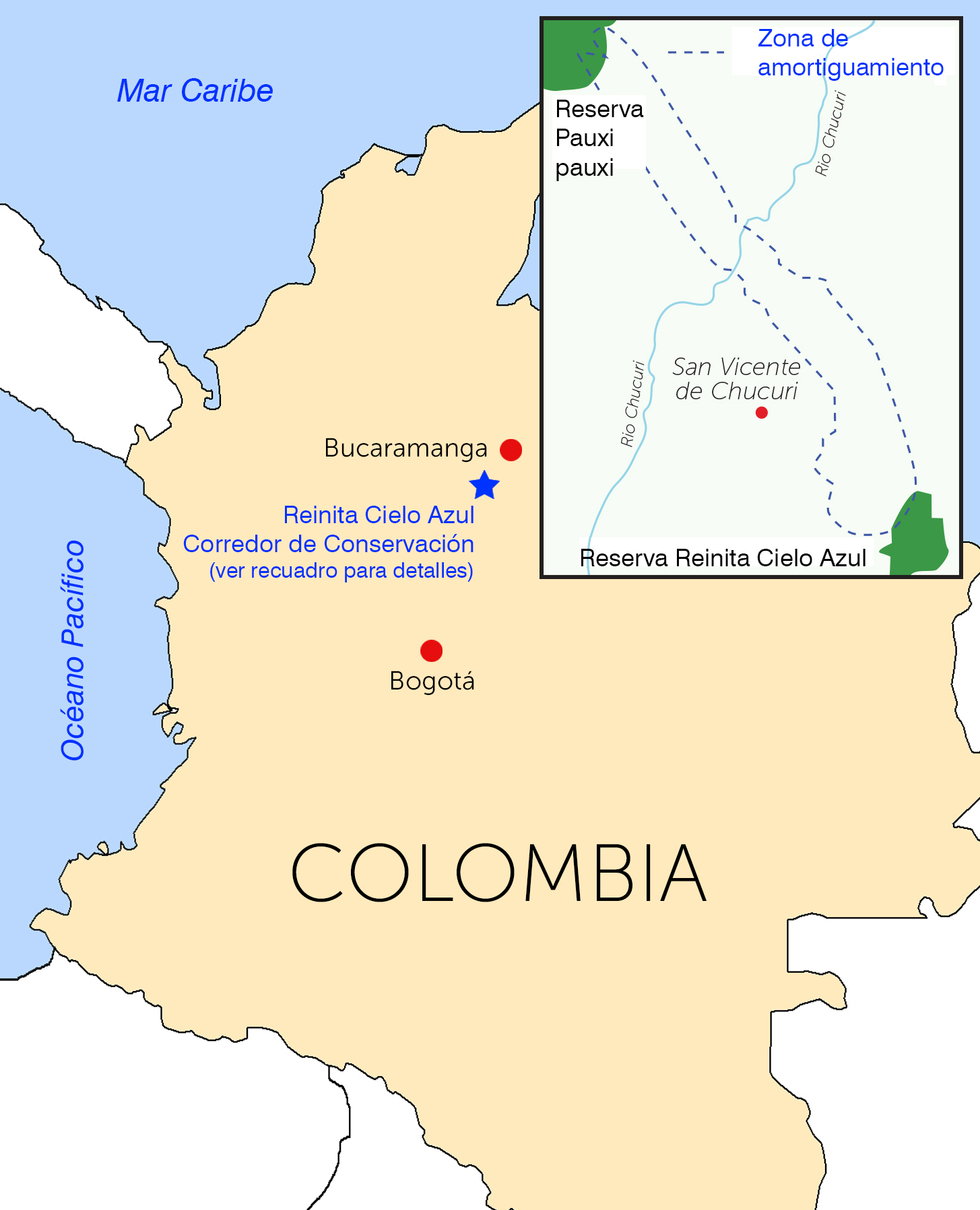
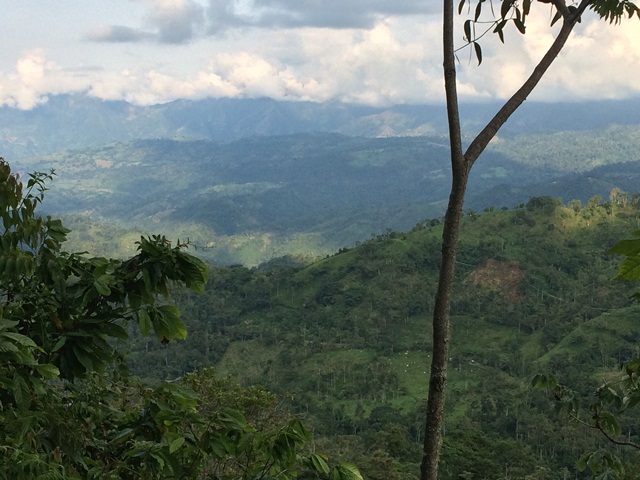
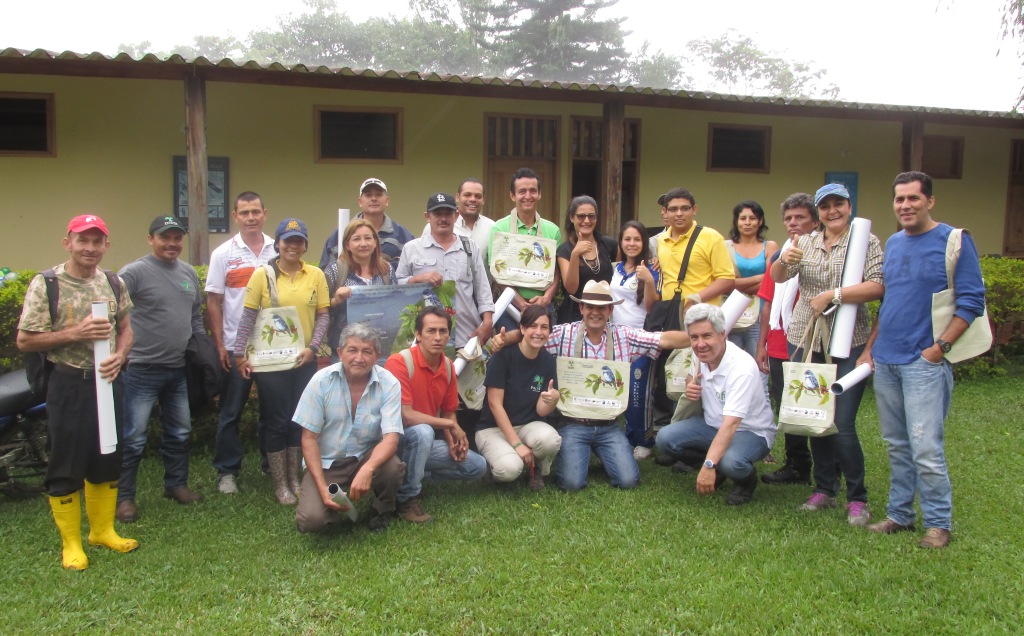

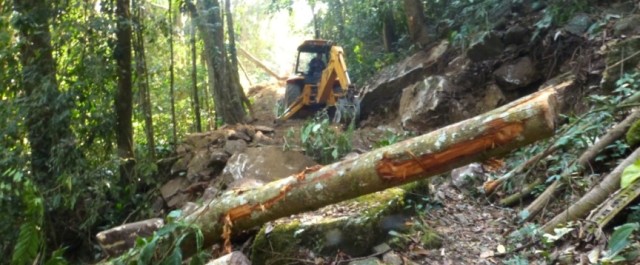
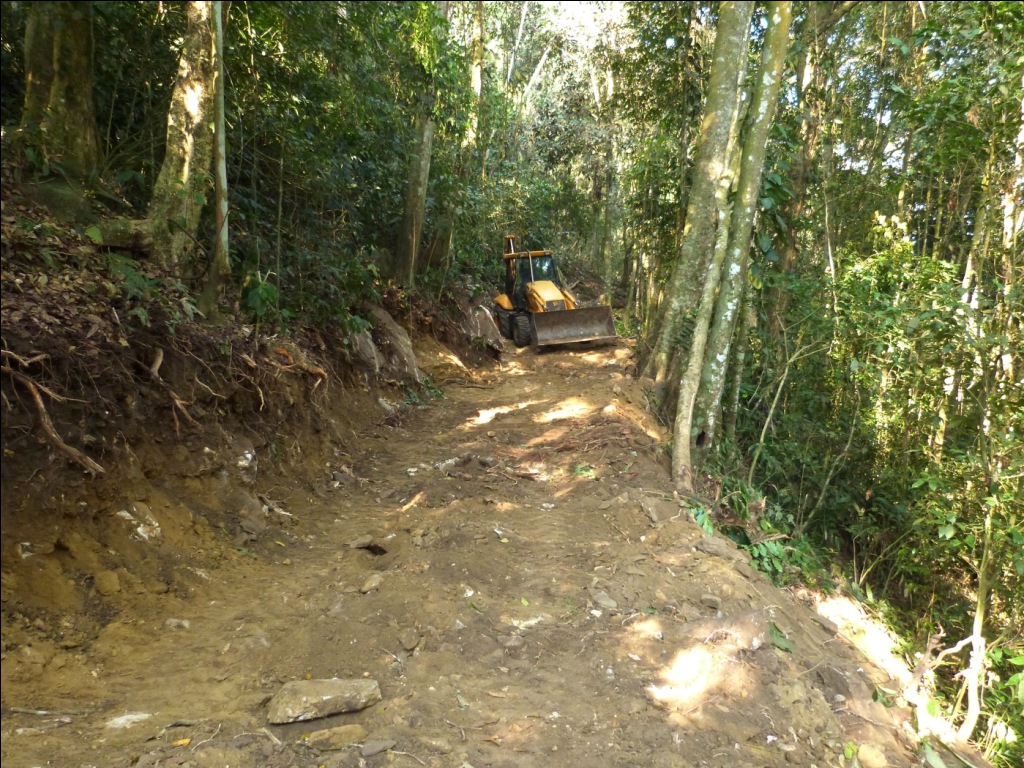
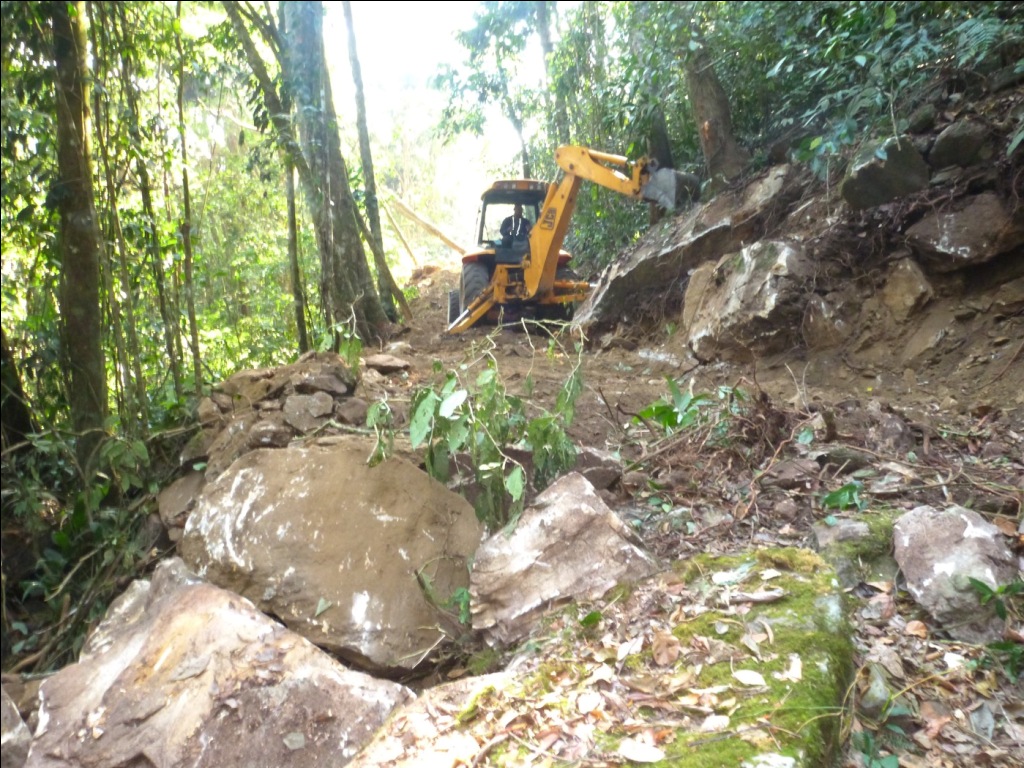
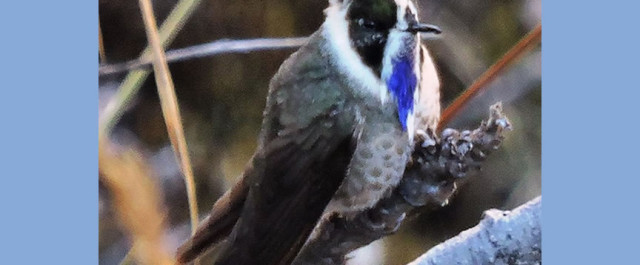
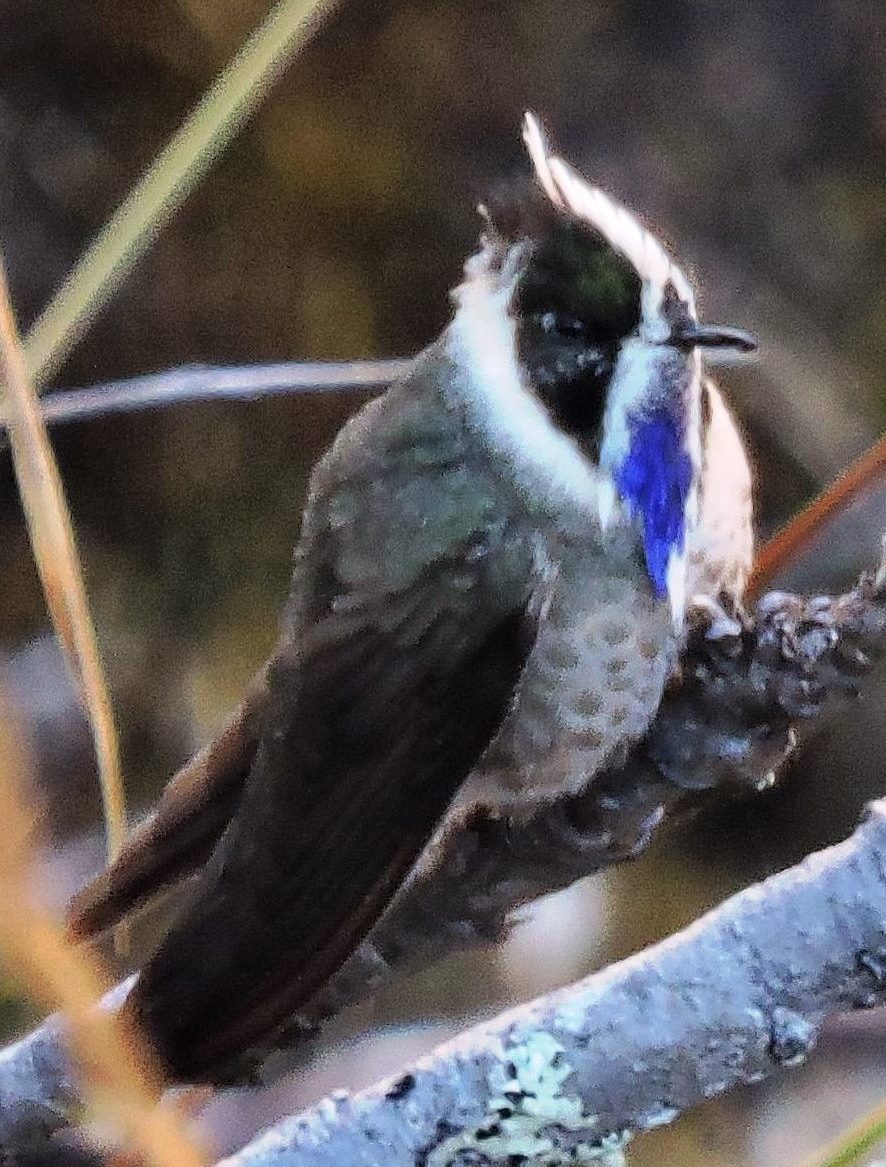
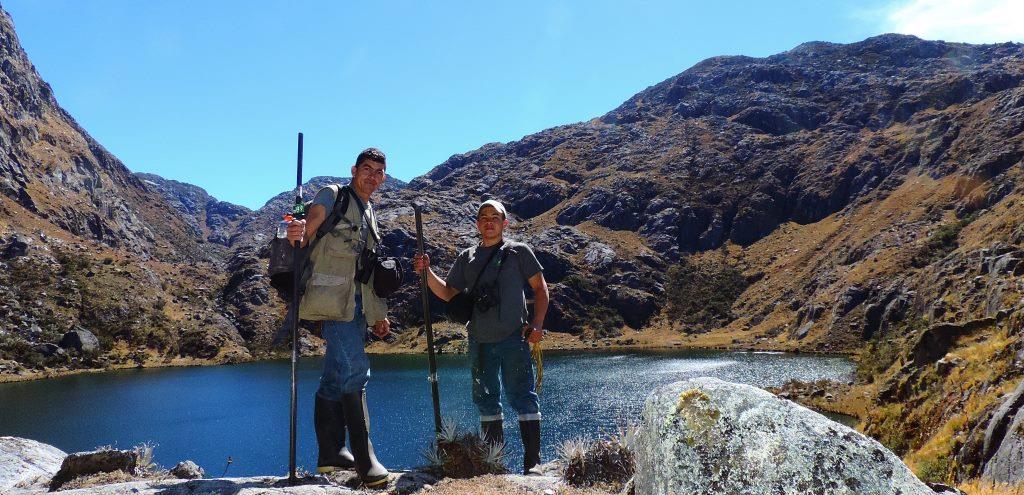
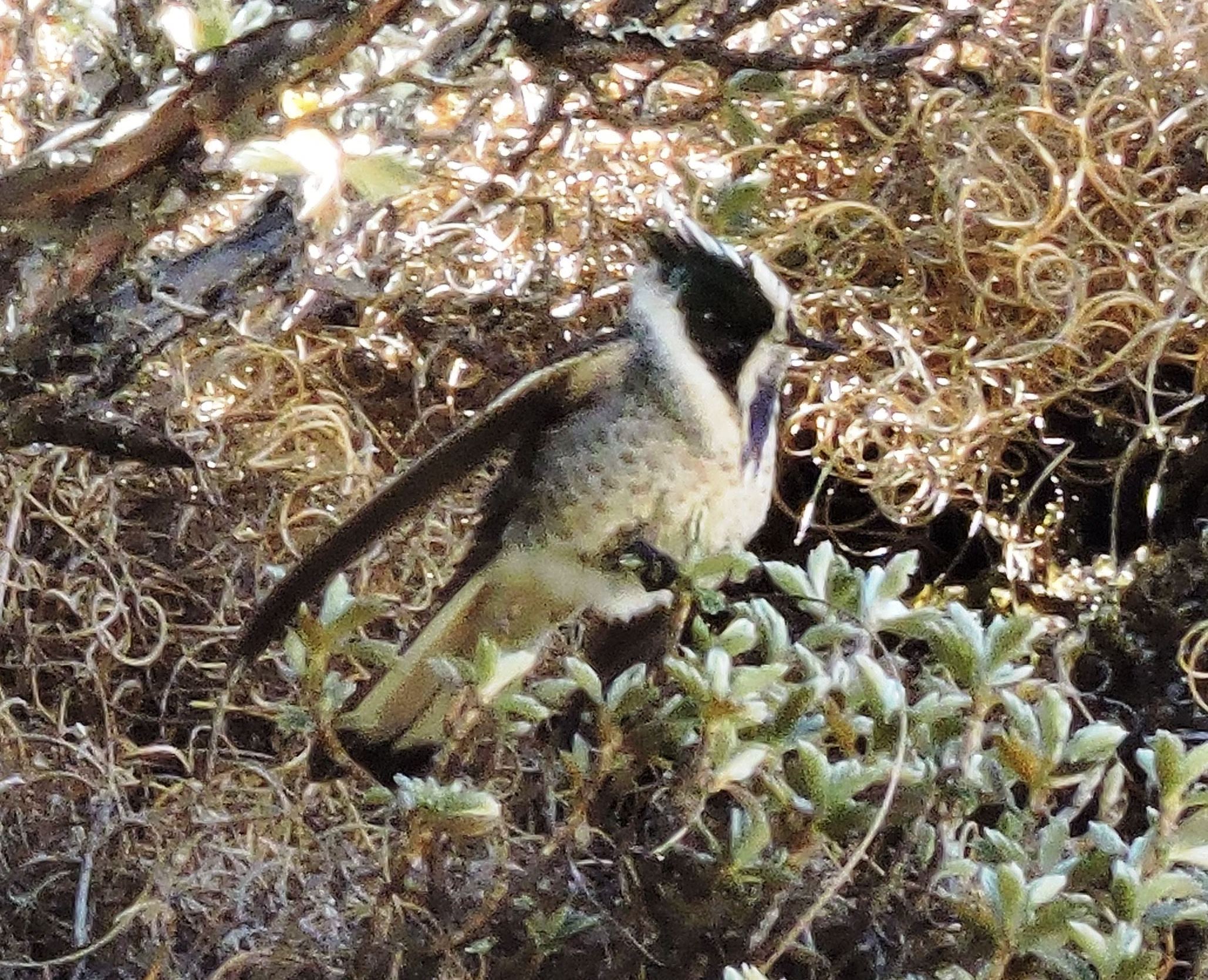
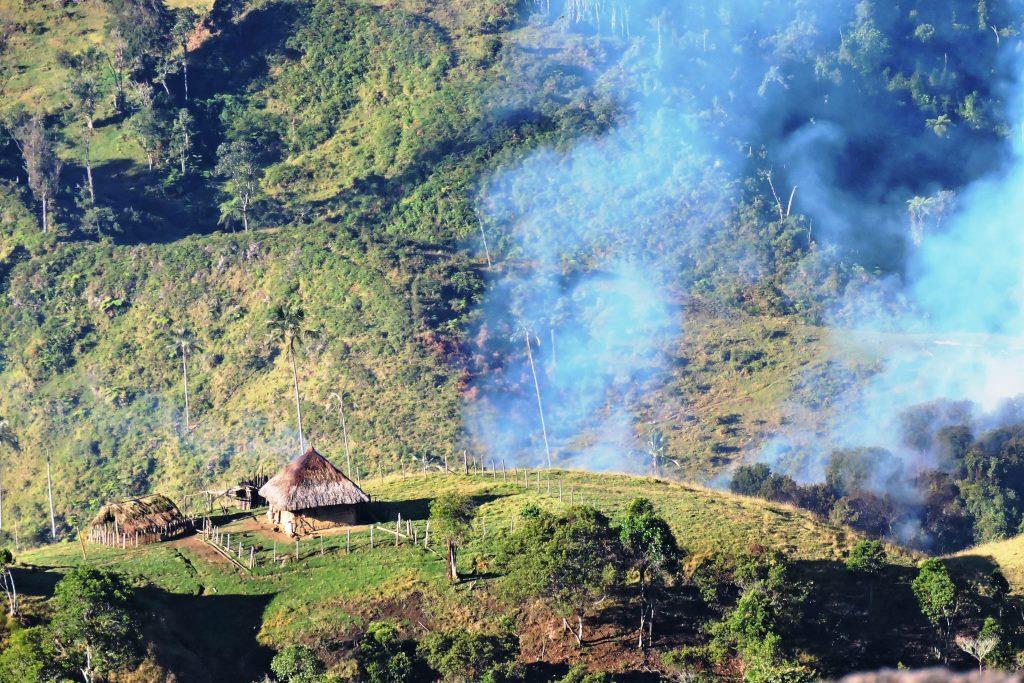
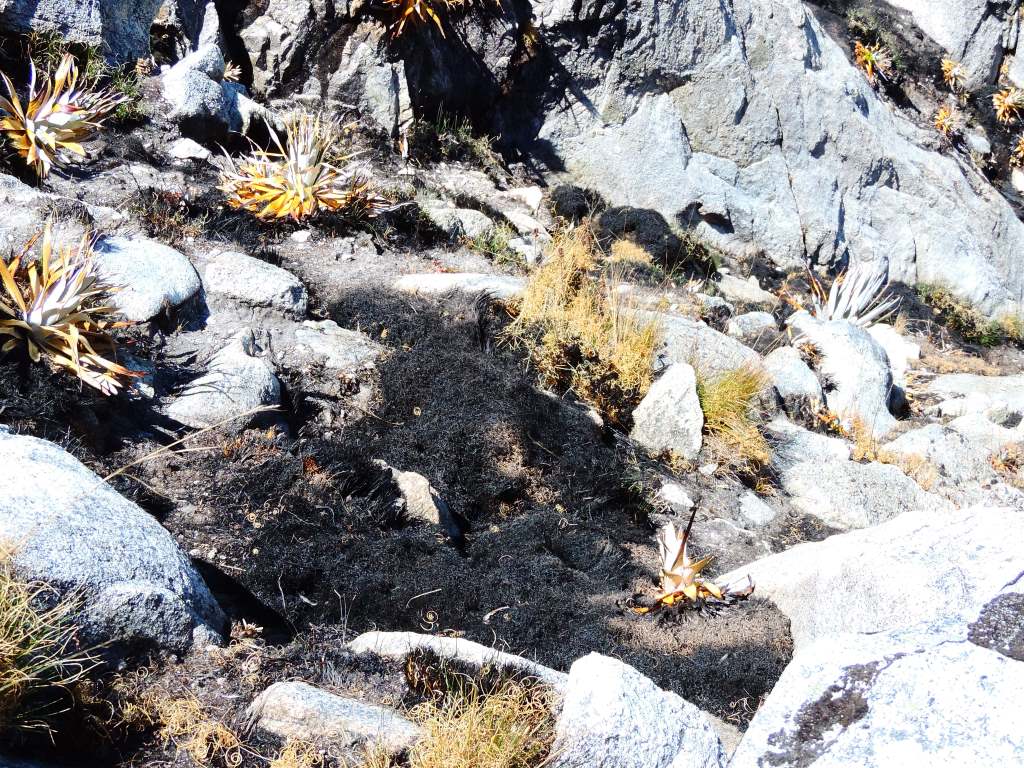
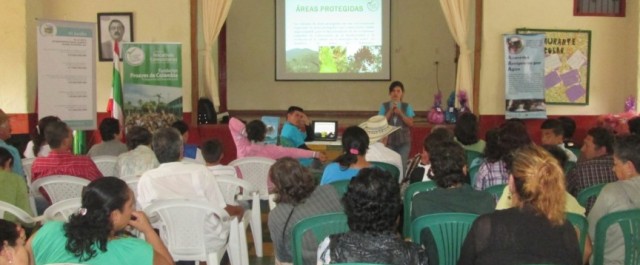
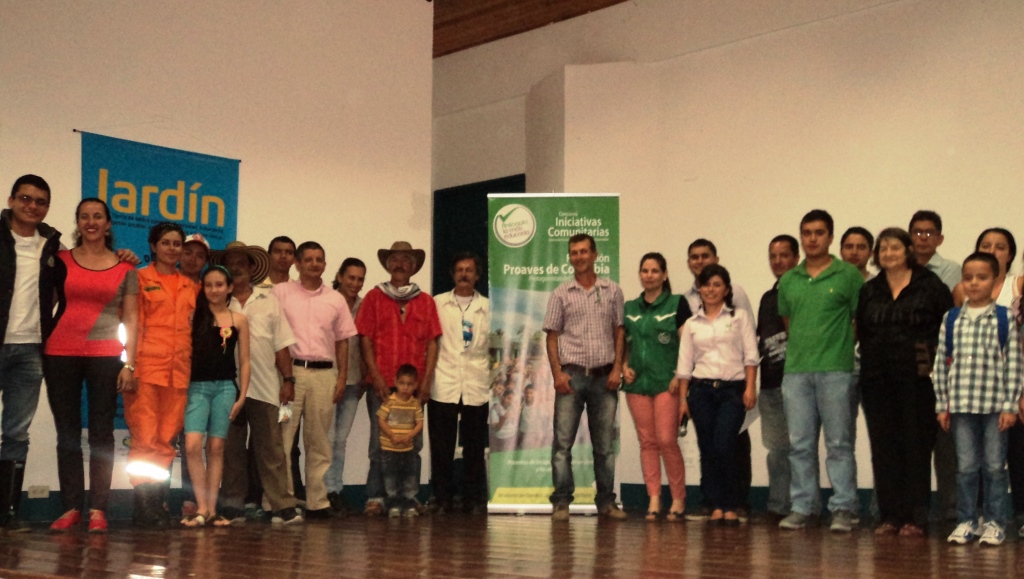
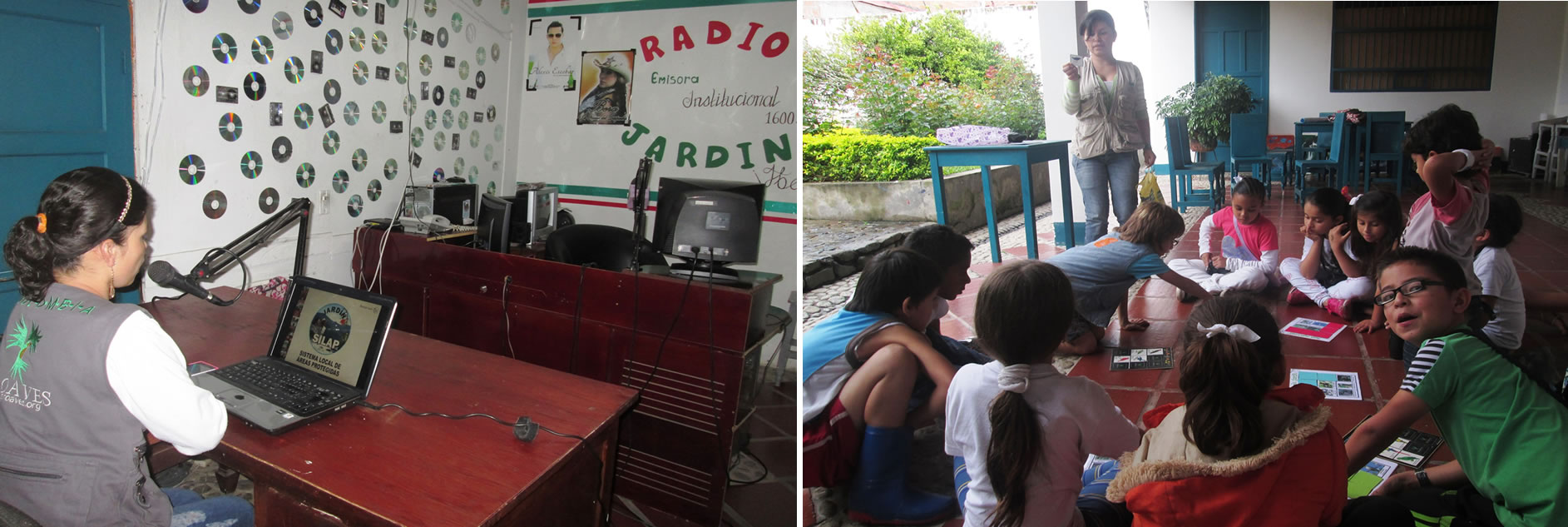
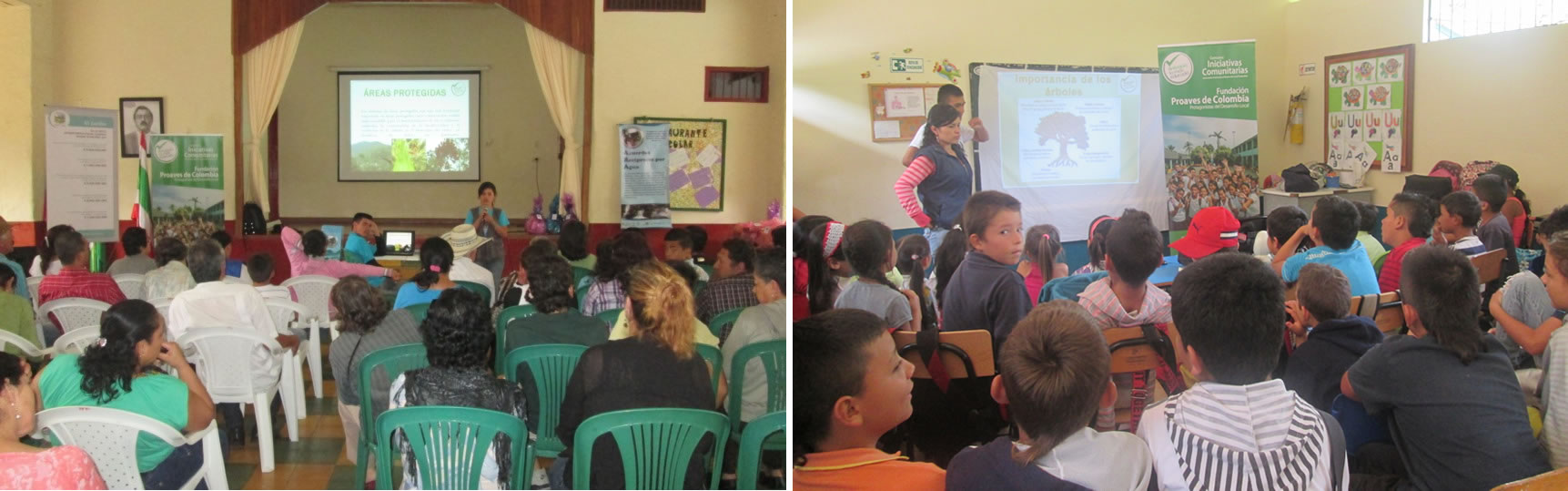
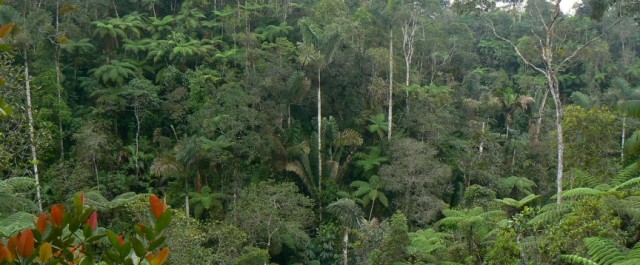
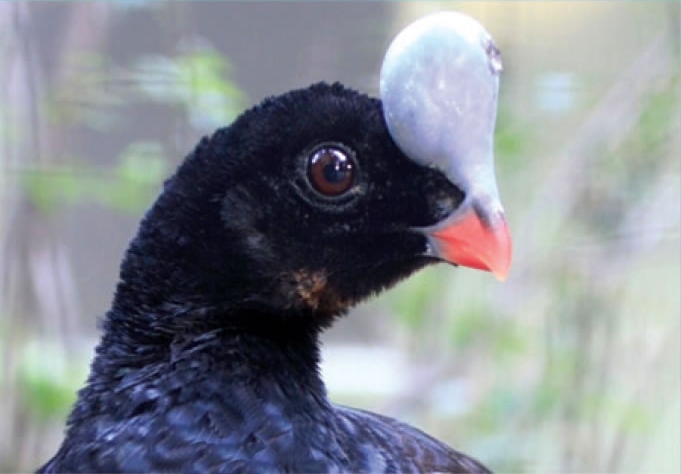
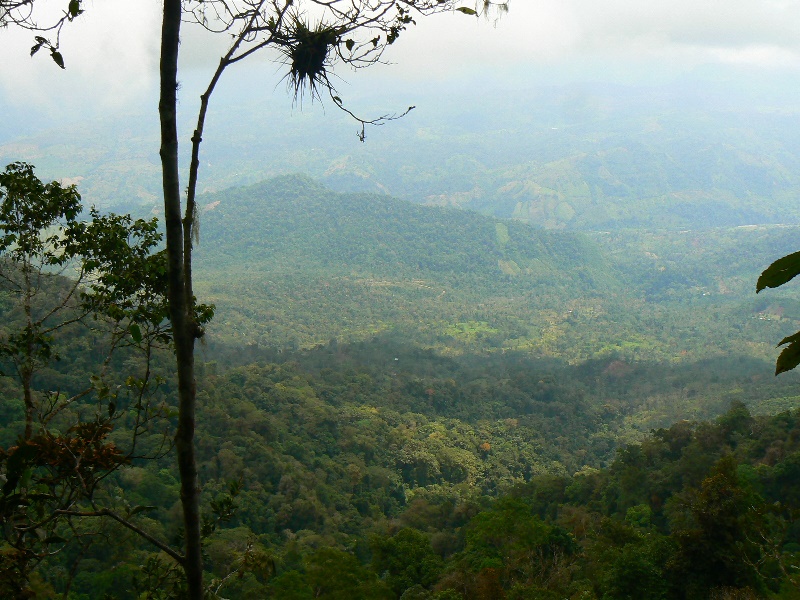

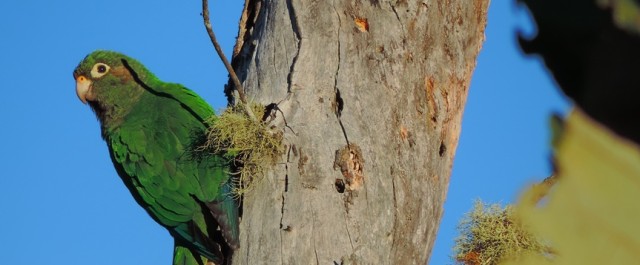
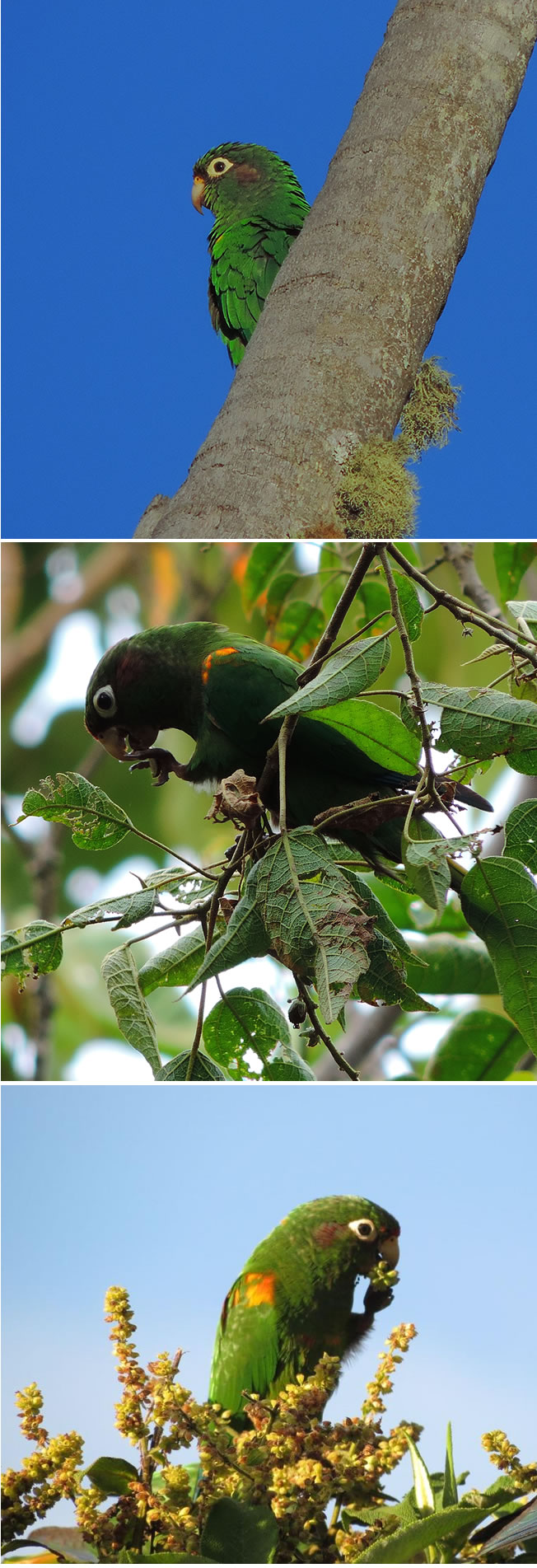

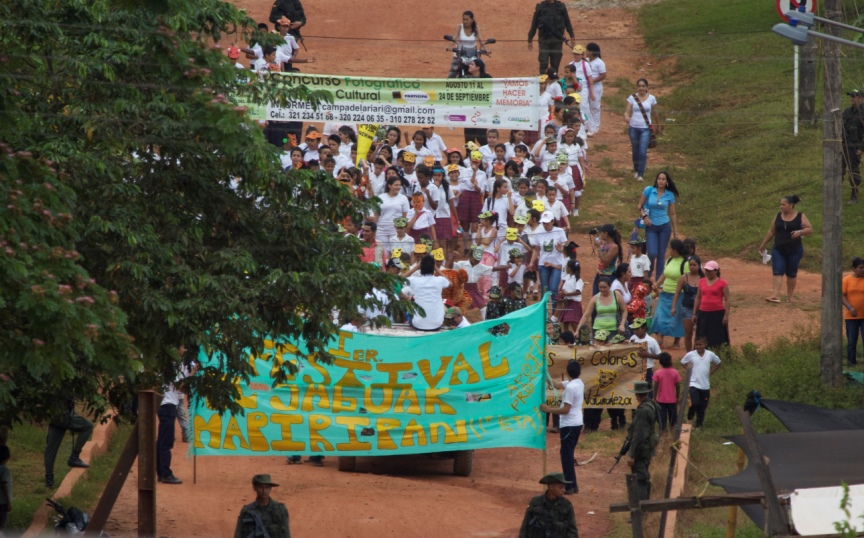
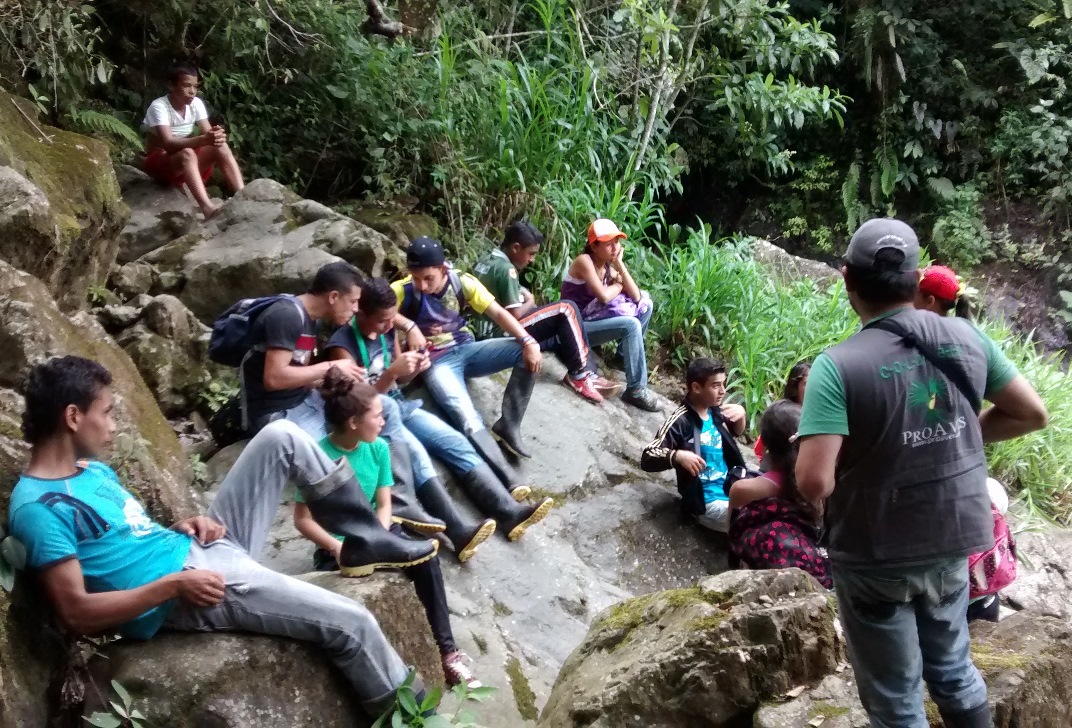
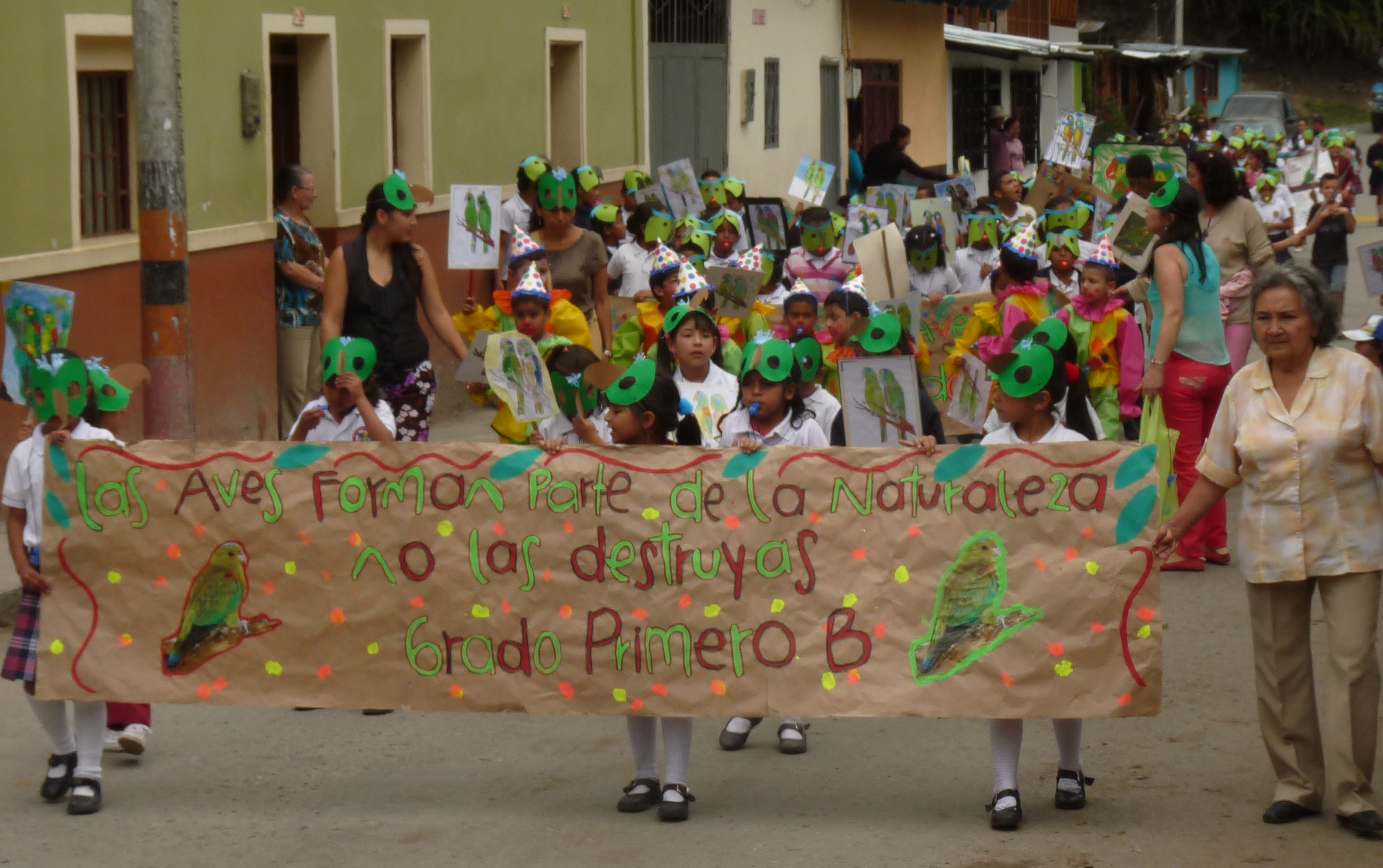

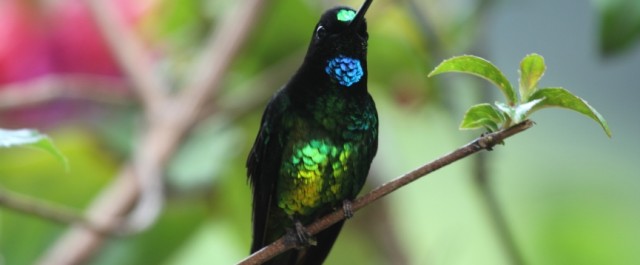
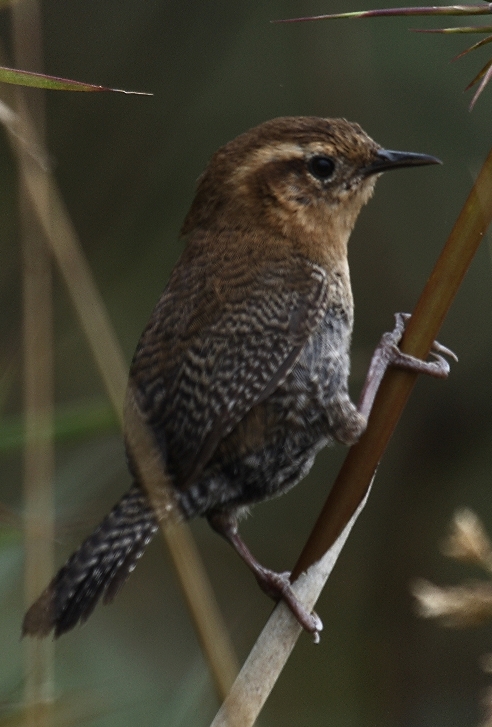
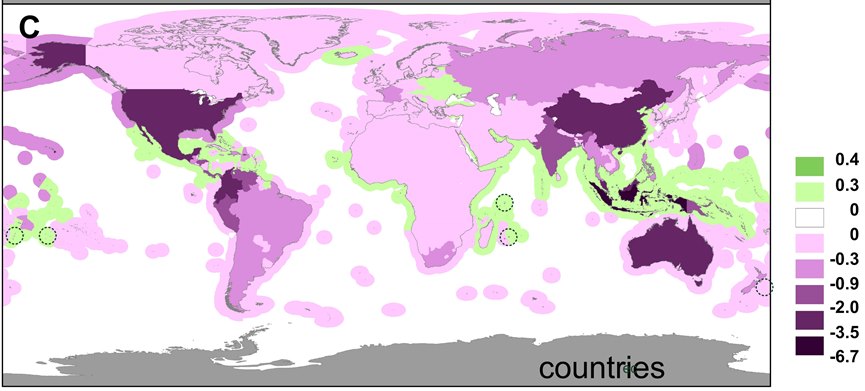
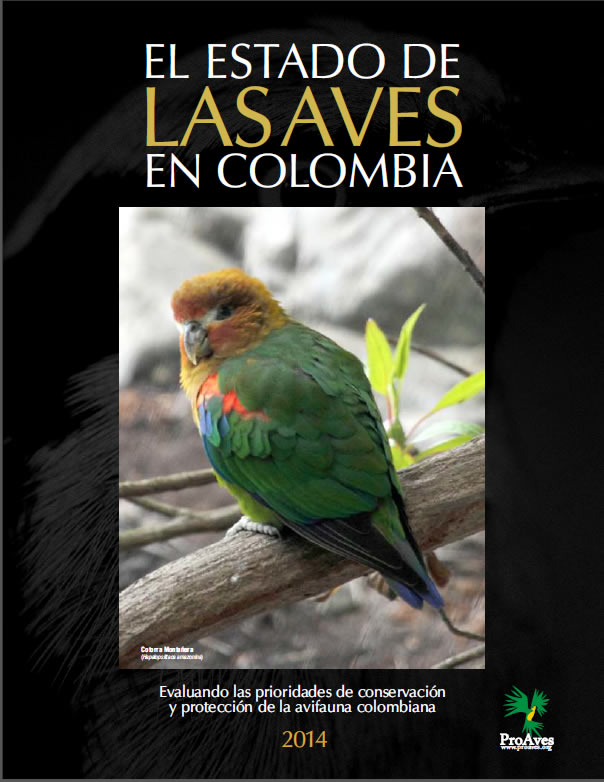
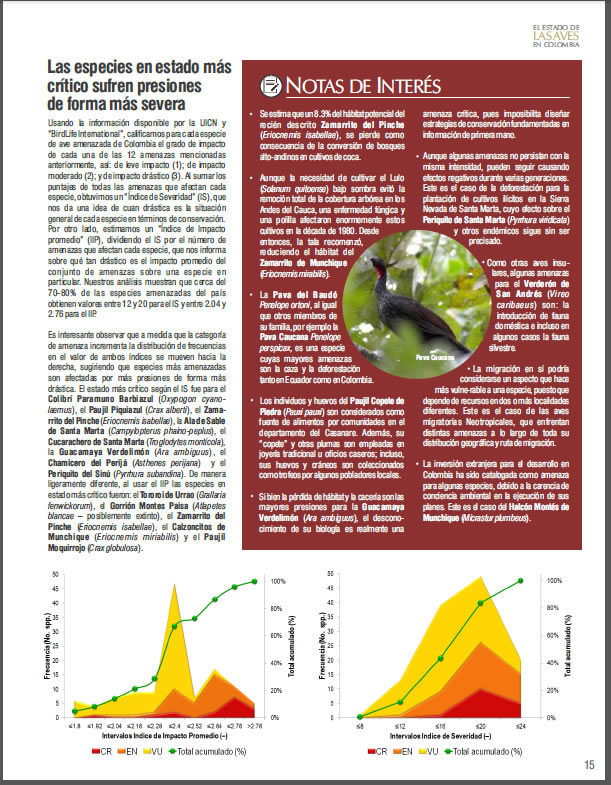
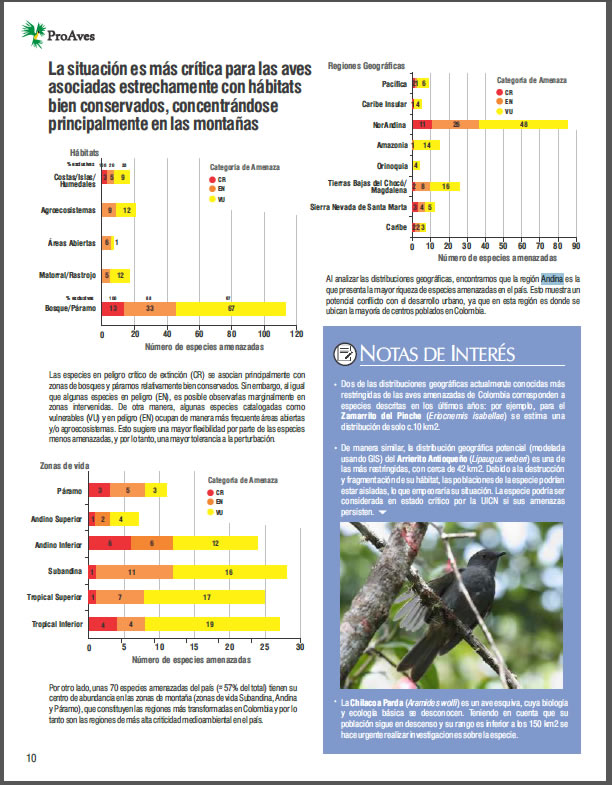 This report establishes an annual baseline by which to monitor birds across Colombia in order to efficiently and effectively direct conservation actions by government agencies, non-governmental organizations, and local communities across Colombia.
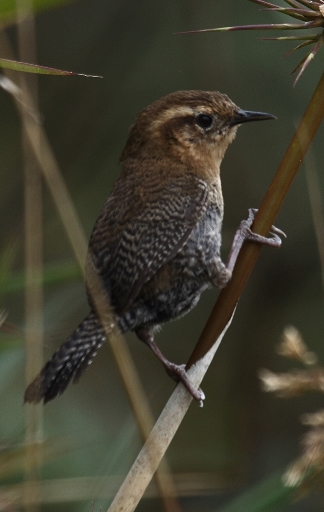 The gravest situation occurs in the highest elevations of the Sierra Nevada de Santa Marta, within the Sierra Nevada National Park, where uncontrolled burning and cattle grazing has extensively damaged this sensitive paramo ecosystem and threatens the survival of three Critically Endangered species.
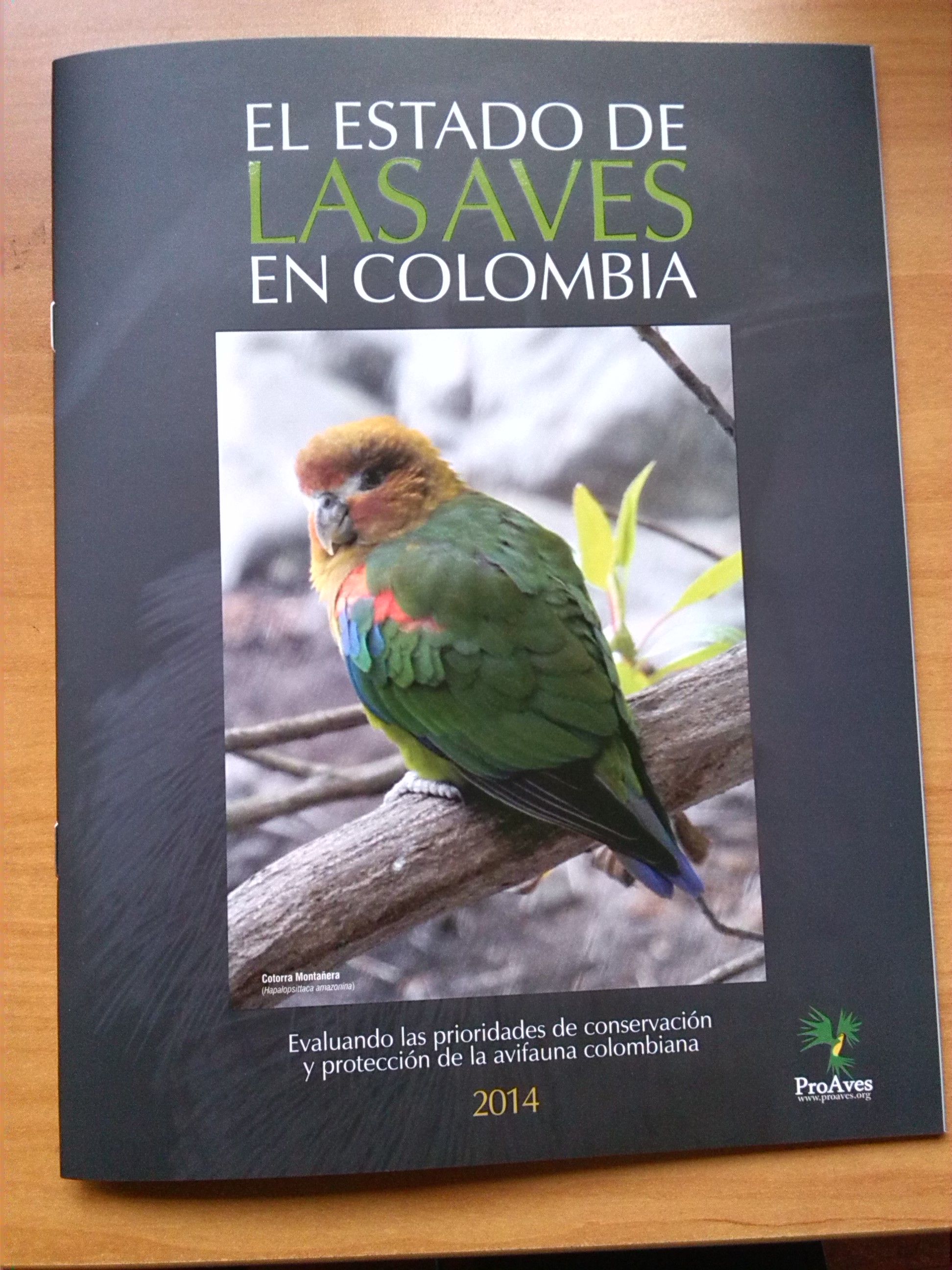 ProAves wishes to acknowledge the contributions of hundreds of employees and volunteers who generously donated their time and expertise to ProAves’ research programs across Colombia for over 15 years and the many professionals working for various government agencies (including 15 regional corporations) and non-governmental organizations in Colombia and the world who helped create, enhance and analyze the data taken as a base to produce this first barometer for Colombia.