Fundación ProAves – por la conservación en el país de las aves

Categories
Conservacion Investigación News Noticias Arrierito Antioqueño Noticias Reservas Proaves @en Uncategorized

Farewell to a Forest Elder: The Fall of a Magnolia coronata in the Arrierito Antioqueño ProAves Reserve

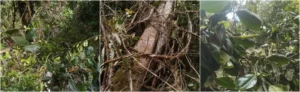
In the Arrierito Antioqueño ProAves Reserve, located in Anorí (Antioquia), one of the most emblematic and ancient trees of the forest has fallen. It was a Magnolia coronata, known locally as the “Crowned Almanegra,” regarded by the inhabitants and caretakers of the territory as a true elder of the forest — for its majestic size and the many years it had stood rooted in these mountains.

The fallen Magnolia coronata in the Arrierito Antioqueño Reserve — a symbol of life and memory in the forests of Anorí.

The forest ranger Alexander Arango reported the fall of the tree. According to his account, the heavy rains of recent weeks, combined with the natural aging of this giant, likely contributed to its collapse. Though the loss of such a specimen brings sadness, its legacy lives on in the ecosystem it helped sustain for decades.
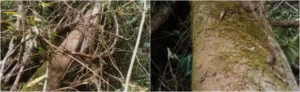
The roots of the forest elder: silent witnesses to decades of life and balance.

This Magnolia coronata is an endemic species, listed as Critically Endangered (CR) by the IUCN (2025). It grows in the Andean forests of the Antioquia department, between 1,800 and 2,500 meters above sea level. Its flowers and seeds play a vital role in pollination and seed dispersal, while providing shelter and food to birds, insects, and other forest dwellers.
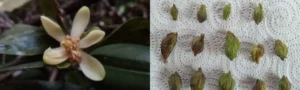
The flowers and seeds of Magnolia coronata are essential for pollination and the spread of life across the Andean forests.

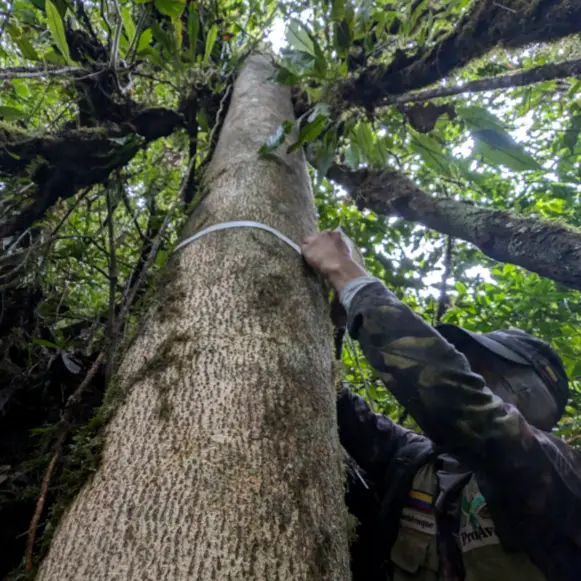
This “Crowned Almanegra” was a monumental tree, rising above the forest canopy. It measured approximately 32 meters in height and 50 centimeters in diameter at chest level, growing beside a natural spring within the humid forest of the Reserve.

The ranger noted in his field notebook:

“…the Antioquia Brush-Finch (Lipaugus weberi) came to feed on one of its fruits,”
illustrating how this tree was an active part of the local landscape and its web of life.

As Ana María Rueda, coordinator of the Magnolia Project at ProAves, explains:


“Although the fall of this elder moves us deeply, it also opens the way for life: the light now reaching the understory will allow young Magnolia coronata saplings and other native species to grow — reminding us that in the forest, nothing is lost, everything transforms.”

This event is not just the farewell to a single tree, but a reaffirmation of the importance of conserving and restoring Andean forests — home to unique and threatened species.

According to specialist Dr. Marcela Serna (IUCN, 2025),

“The population of Magnolia coronata has declined by more than 80% due to habitat fragmentation. Remaining subpopulations are small and isolated, composed mainly of mature individuals.”

At the Arrierito Antioqueño ProAves Reserve, monitoring and reforestation efforts will continue, honoring the memory of this forest elder by protecting the new generations of magnolias sprouting beneath its fallen canopy.
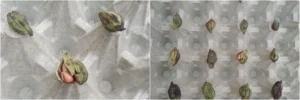
New magnolia seedlings emerge where the elder once stood — life always finds its way.

The images captured from the site show the magnitude of the fallen tree and the life that still thrives around it — a reminder that nature always finds ways to renew itself.

Imagen 1
Categories
Uncategorized

Becas en investigacion de Aves Migratorias


Categories
Uncategorized

¡Ayúdanos a proteger el hábitat del jaguar!

¡Ayúdanos a proteger el hábitat del jaguar!

La Amazonía Colombiana y la región del Orinoco han estado en un estado de sequía excepcional, impulsada por las bajas precipitaciones y temperaturas altas durante todo el año. Solo en Colombia se ha enfrentado una crisis ambiental severa con 21 incendios forestales en todo el país. Los grandes incendios forestales consumen los hábitats principales del jaguar. Además, también resultan en el desplazamiento, la disminución de sus presas, la deshidratación del hábitat, la disminución de la defensa territorial y una menor fertilidad, entre otros impactos que pueden afectar la abundancia de las poblaciones después de un incendio.
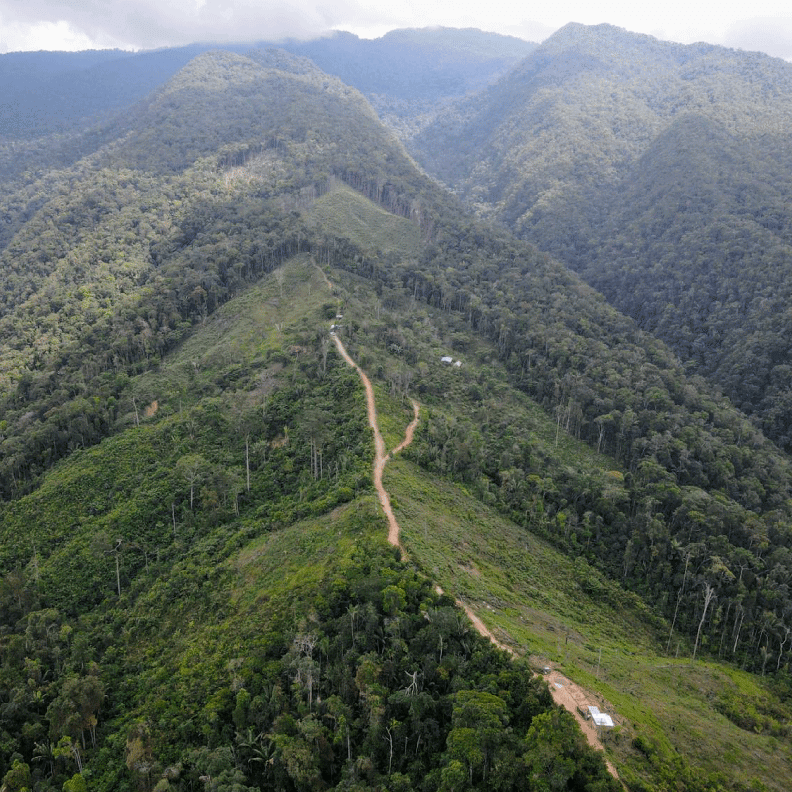
Las cuencas del Meta y Guaviare (donde también se encuentran nuestras Reservas El Jaguar y Águila Arpía) muestran un aumento en el número de incendios. Especialmente con los niveles bajos de los ríos durante la temporada seca, que normalmente sucede de junio a noviembre. Será esencial tener una buena preparación antes de que comience la temporada seca para prevenir los incendios y apagarlos antes de que se salgan de control.

Buscamos recaudar USD$10,000, y nuestro generoso patrocinador, Conservation Allies, se ha comprometido a igualar hasta USD$5,000.

Estamos buscando recaudar fondos para salvaguardar el hábitat clave del jaguar y prevenir la pérdida de hábitat debido a incendios. Con su ayuda, podemos hacer lo siguiente:

Su apoyo nos ayudará con el financiamiento para: Las siguientes herramientas deben ser revisadas antes de que comience la temporada seca para que tengamos una respuesta y movilización efectiva para prevenir que los incendios se desaten.

  • Sistemas de alerta temprana/predictivos (monitoreo climático y meteorológico).
  • Mecanismos de alerta comunitaria (sistema de clasificación de peligro de incendio o FDR y medios de notificación pública).
  • Infraestructura de detección y respuesta (evaluación de necesidades de recursos para detección y supresión).
  • Sistemas de comunicación.
  • Planes de movilización y coordinación.
  • Disparadores y niveles de respuesta (detección de incendios, recursos de supresión y comunicación).
  • Personal competente en control de incendios (sistemas y herramientas de capacitación en manejo de incendios).
Categories
Uncategorized

ProAves El Dorado Reserve: An Extraordinary Site for Orchid Research

Colombia, well known as the number one country for birds, also boasts the richest diversity of orchids in the world. This wealth of fauna and flora presents unique challenges for ProAves’ Nature Reserves, as well as an incredible research opportunity. 


ProAves El Dorado Reserve, located in the Sierra Nevada de Santa Marta, is striving to deepen our understanding of biodiversity by advancing research that focuses on cataloging the vast wealth of orchids that are found in this territory.

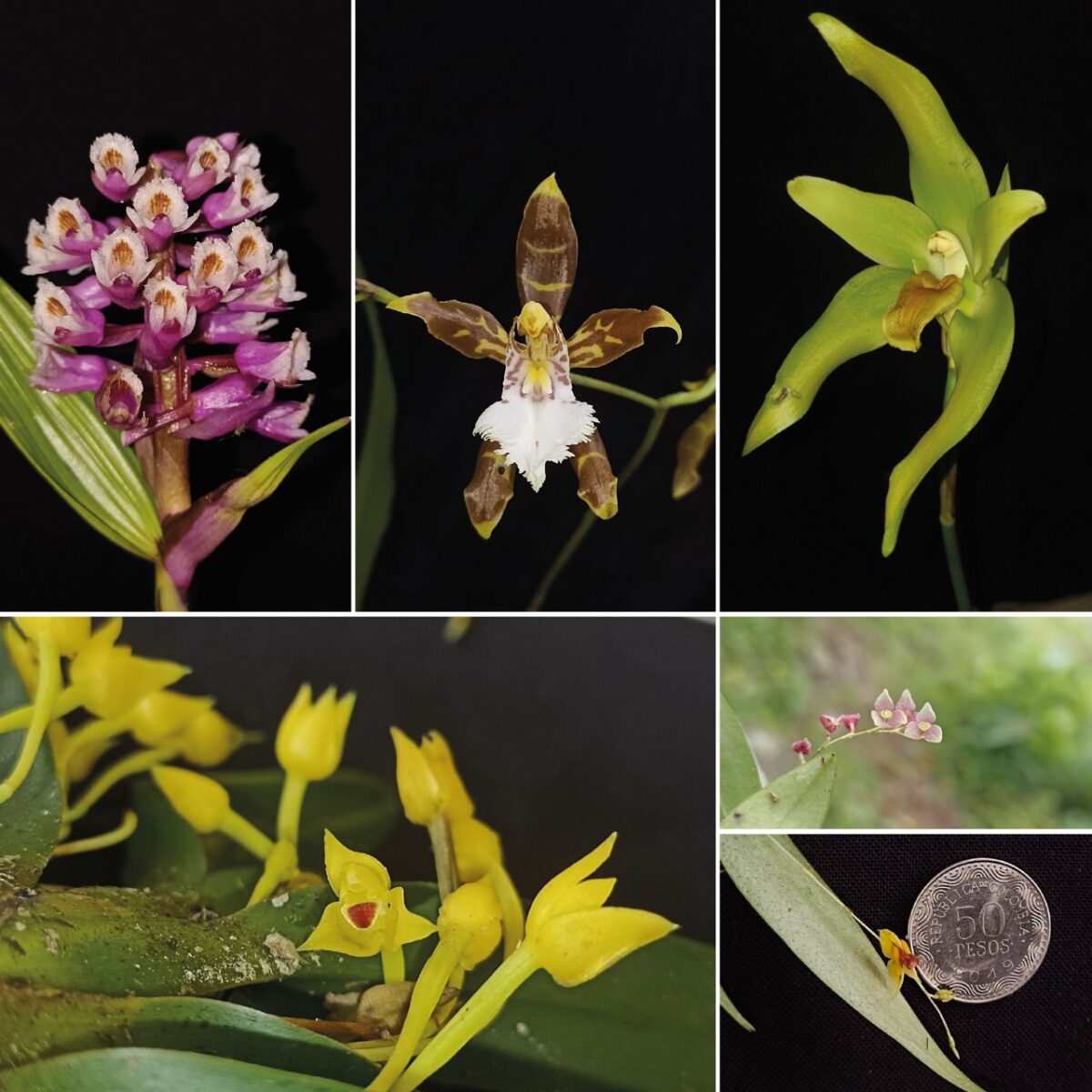
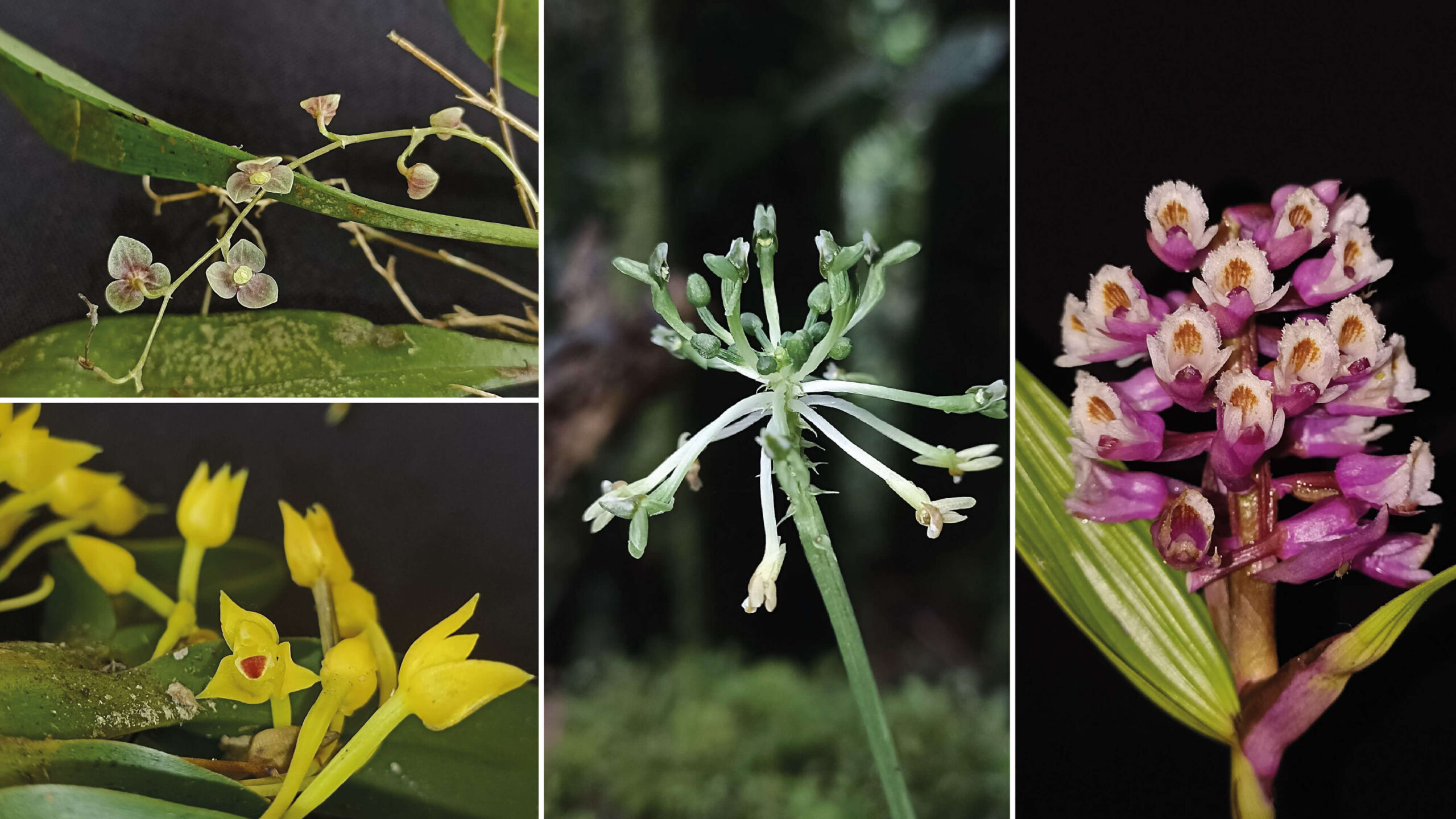
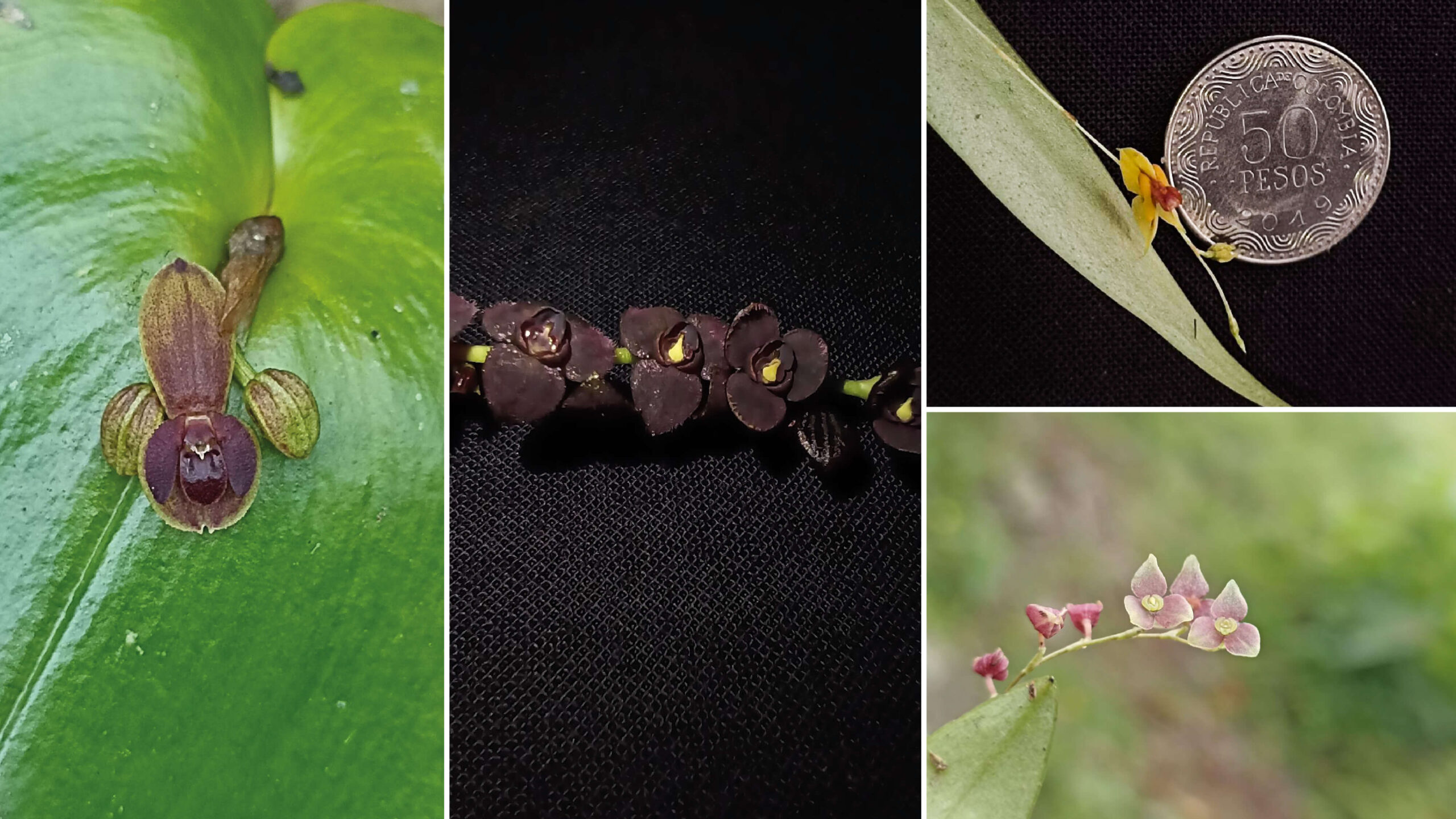
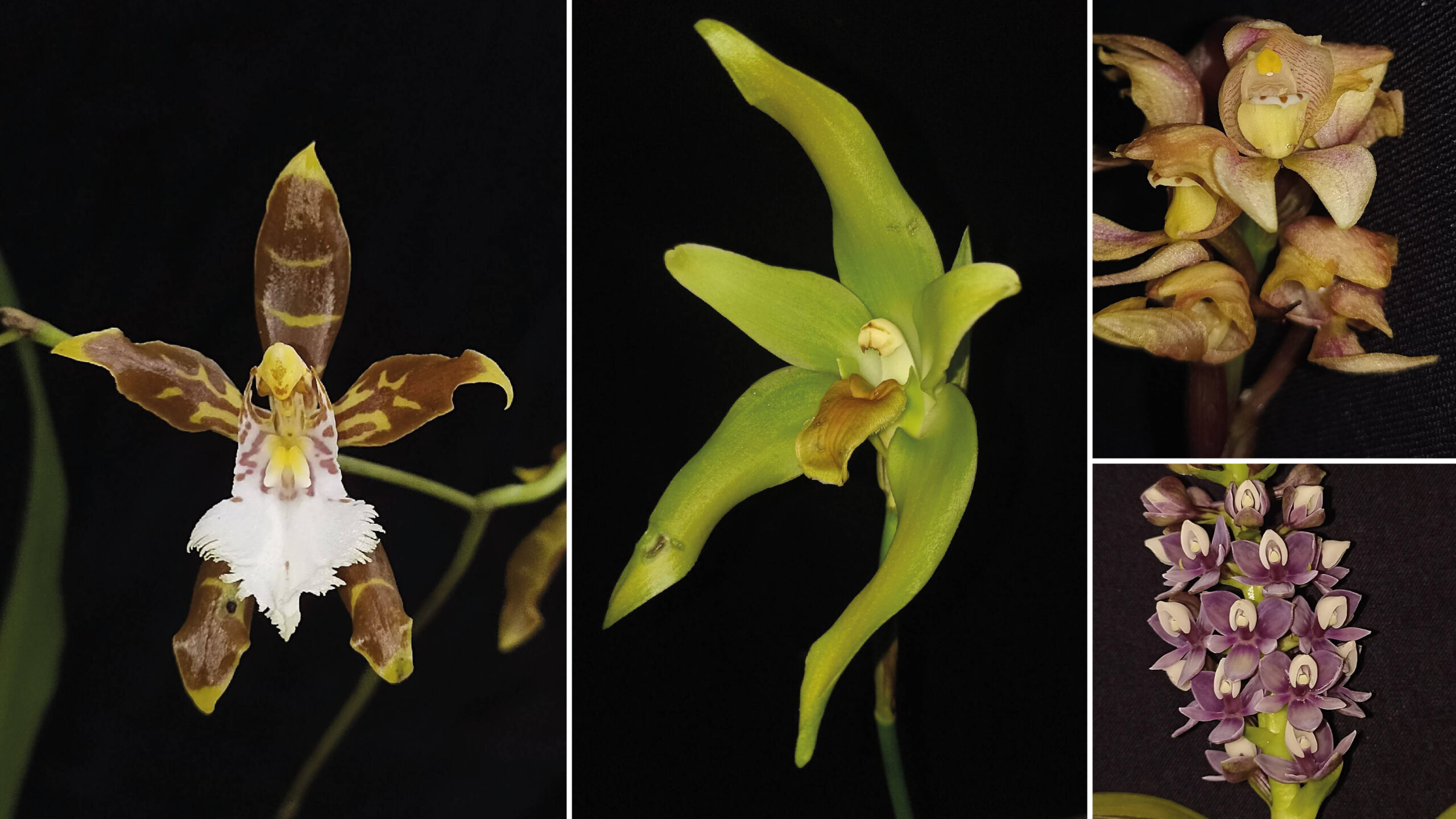
This research project, conducted by Miguel Ángel Gómez Riaño, a student of the National University of Colombia, is being carried out at an altitude ranging from 1700 to 2900 meters above sea level (masl) and has so far recorded 70 species distributed in 30 genera of the Orchidaceae family, a high richness considering that the sampling percentage of the area is low.


This research exercise is being carried out on four trails of the Reserve, where the preliminary results highlight the diversity of species in this area and a large number of species such as Pleurothallis, Stelis and Lepanthes, which correspond to the most diverse genera of orchids in Colombia. These comprise epiphytic orchids characterized by their small size, with flowers that can measure less than 1 cm.

Among the results are the registration of species such as Oncidium nevadense, endemic to the Sierra Nevada de Santa Marta, as well as Epidendum mucroceras, known only in the departments of Magdalena and Cesar.


This research has inspired the ongoing creation of a Guide of Orchids from the Sierra Nevada de Santa Marta, which will show the wealth that the ProAves El Dorado Reserve has, while supporting Colombia’s position as the number one place for orchid biodiversity in the world.

Support our research and conservation mission by clicking here.

Categories
Uncategorized

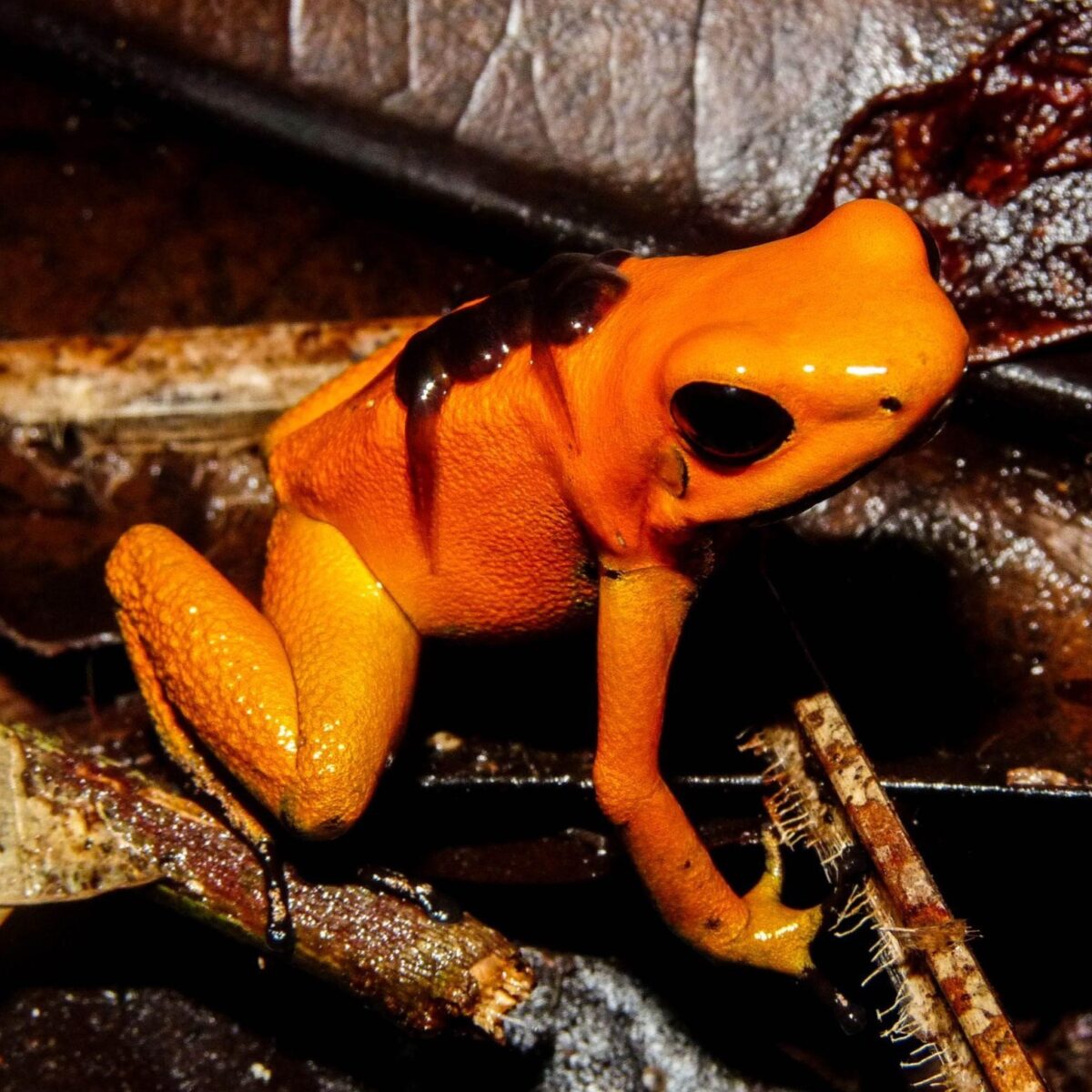
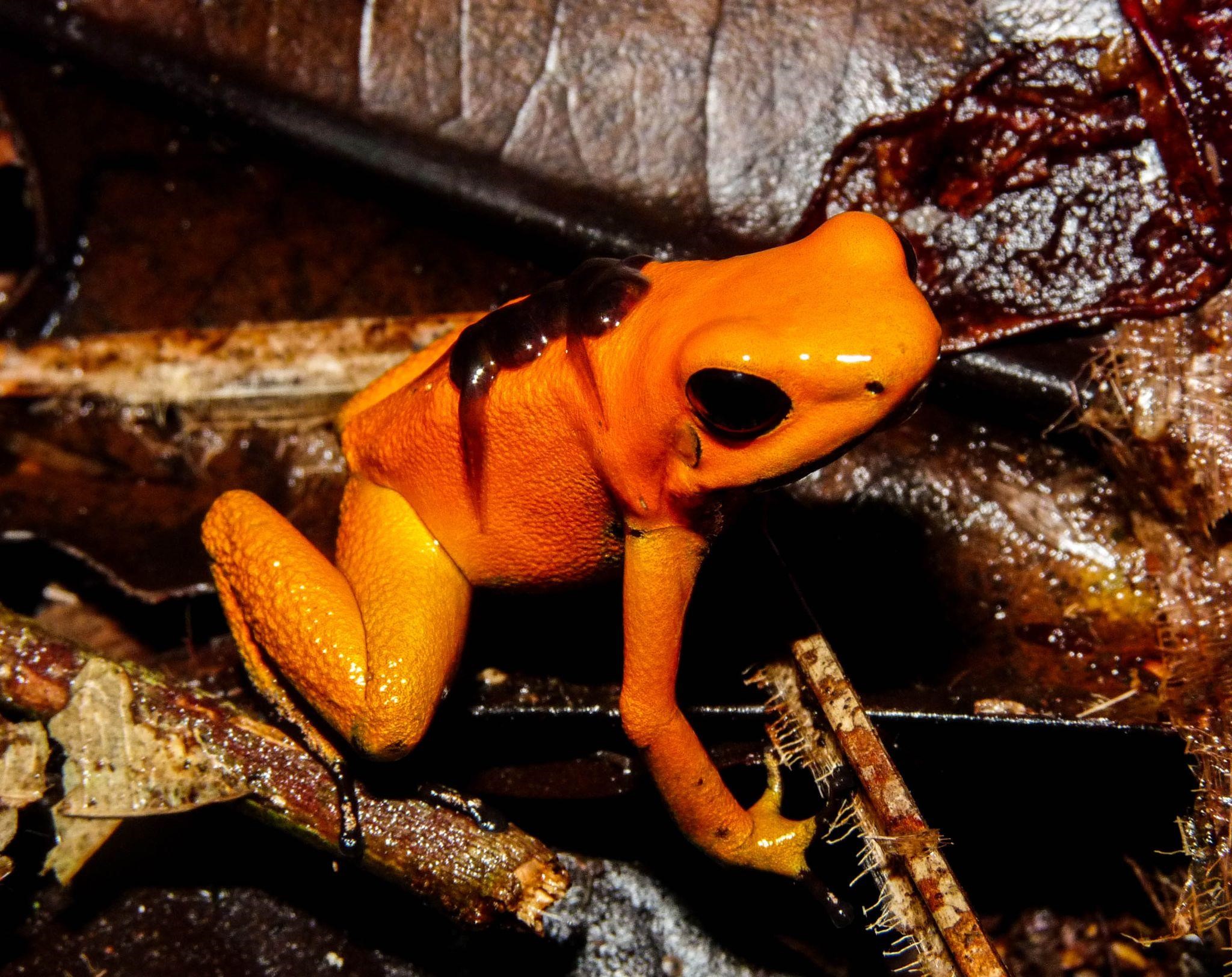
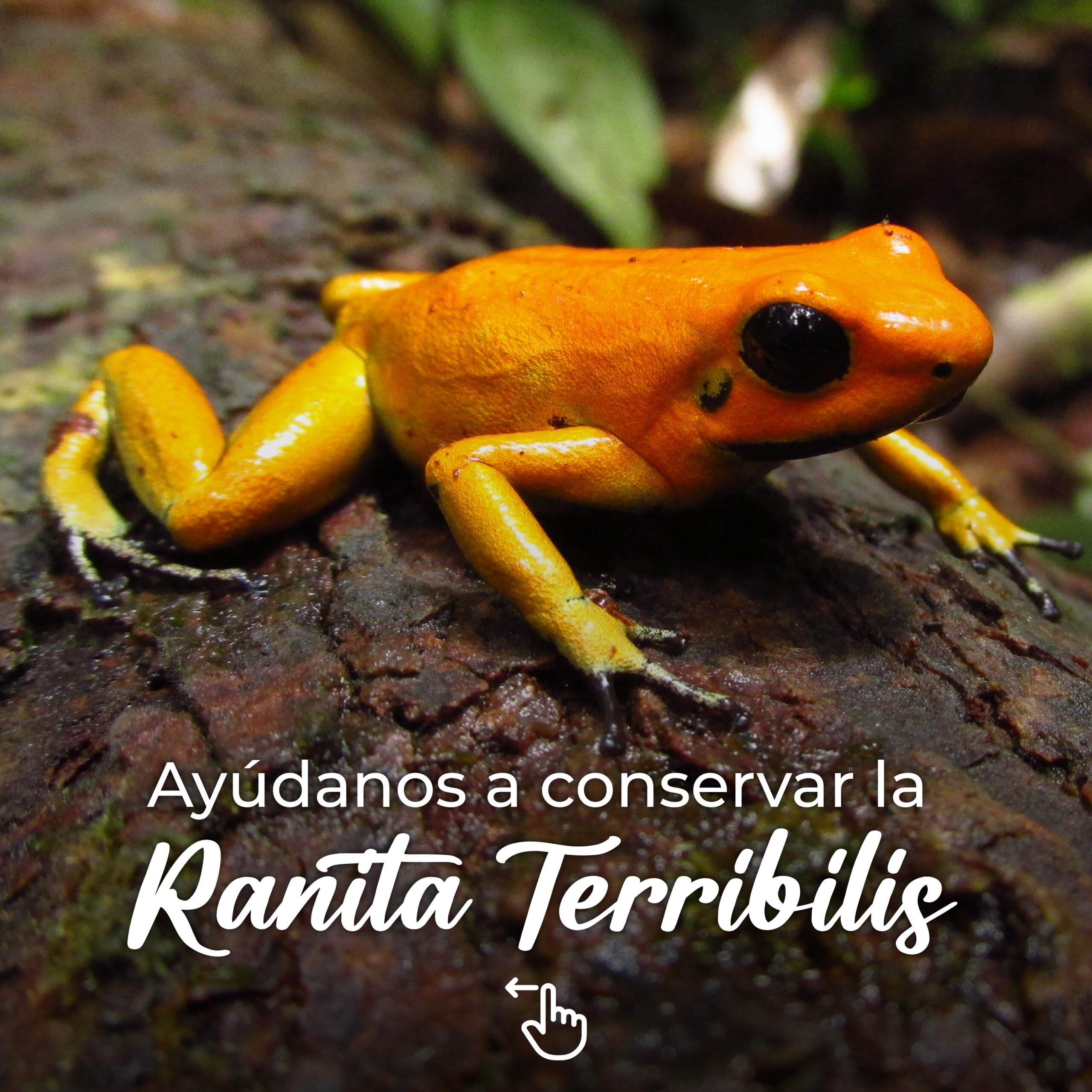
ProAves and World Land Trust spearhead a new campaign to protect the Golden dart frog, the most poisonous amphibian on the planet

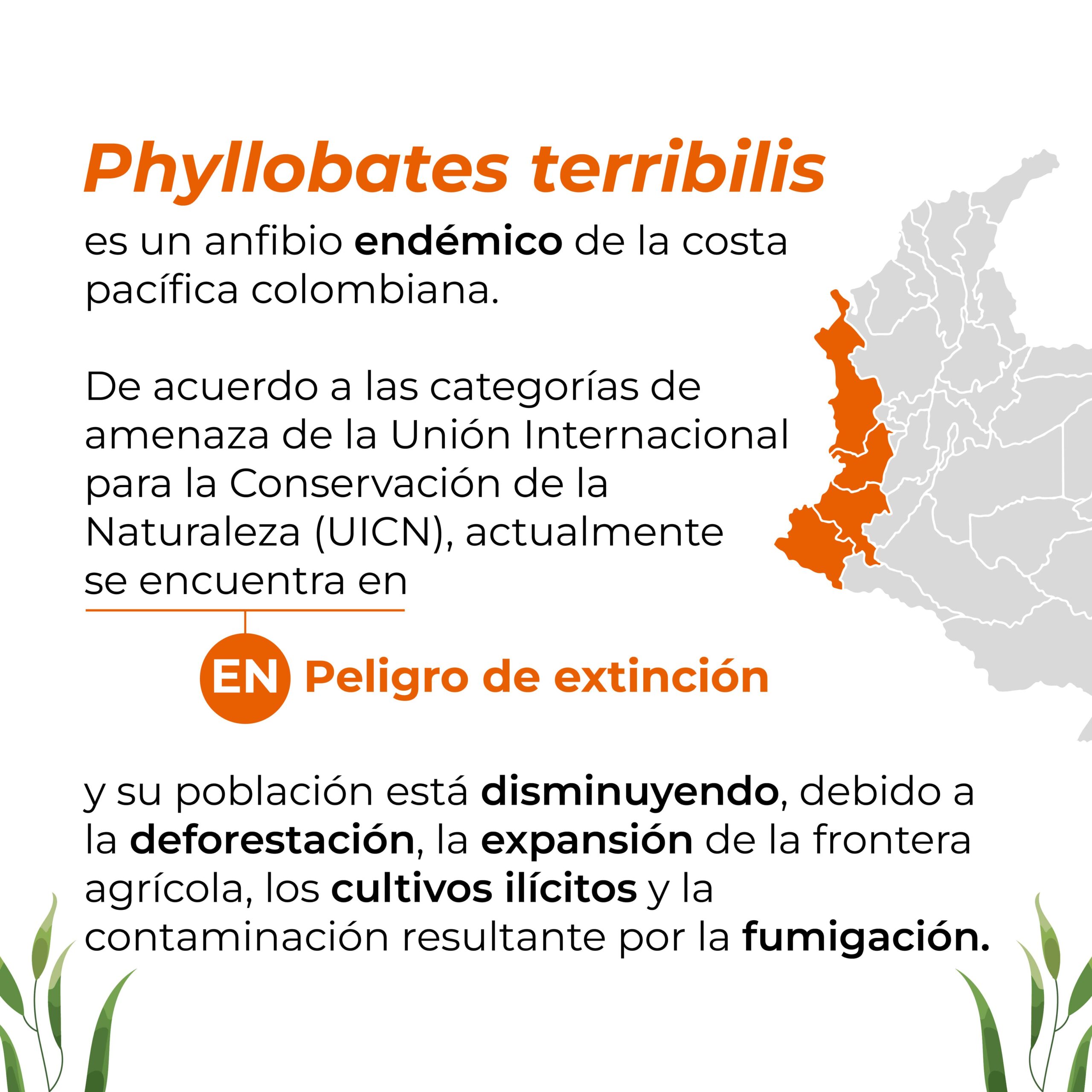
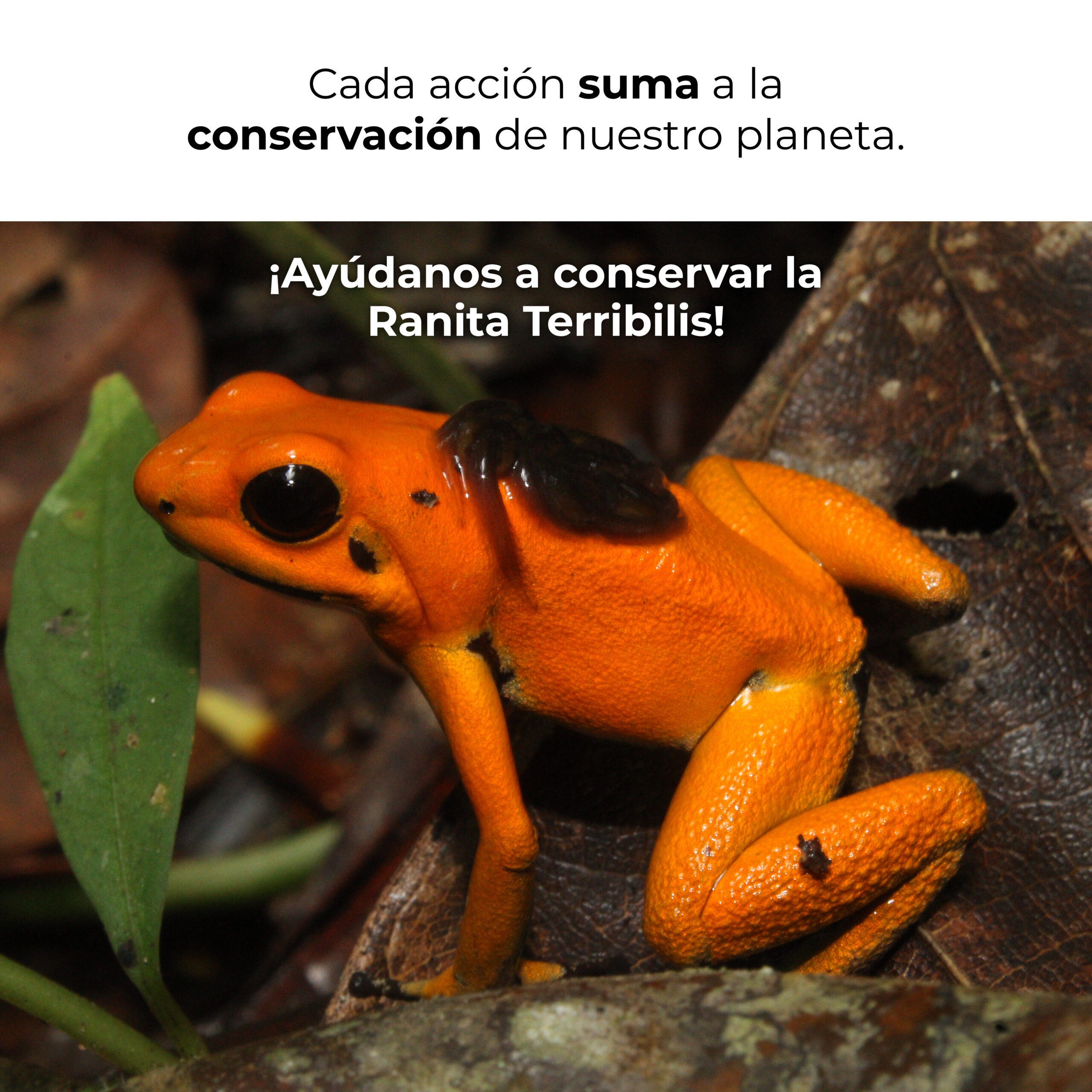
The Golden dart frog (Phyllobates terribilis) is an endemic amphibian of the Colombian Pacific coast, and is considered the most poisonous vertebrate on earth. ProAves and the World Land Trust have partnered to protect this incredible species through launching new environmental education and awareness campaigns in communities living  around our Ranita Terribilis Reserve, located in the municipality of Timbiquí, Cauca.

The Golden poison dart frog is Endangered with extinction (EN) according to the IUCN Red List, and its populations are continuing to decline due to deforestation, slash-and-burn agriculture, illicit crops, and pollution of its habitat.

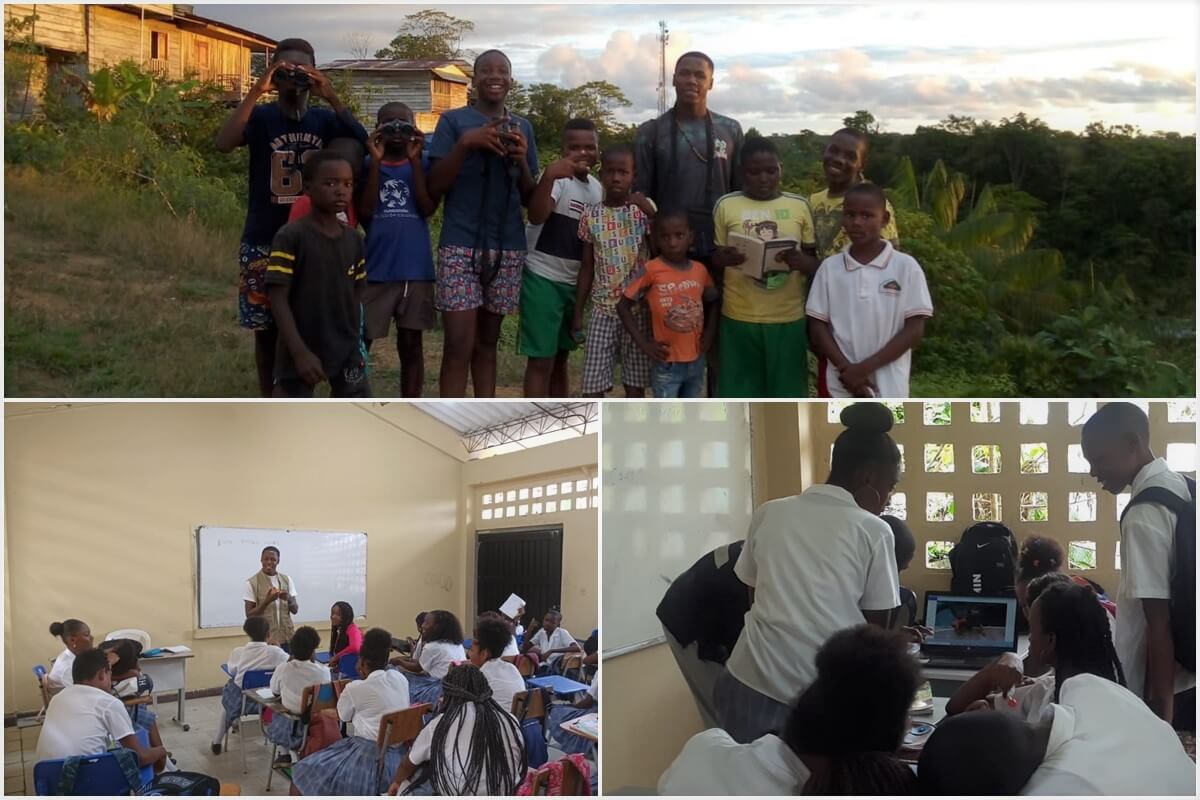
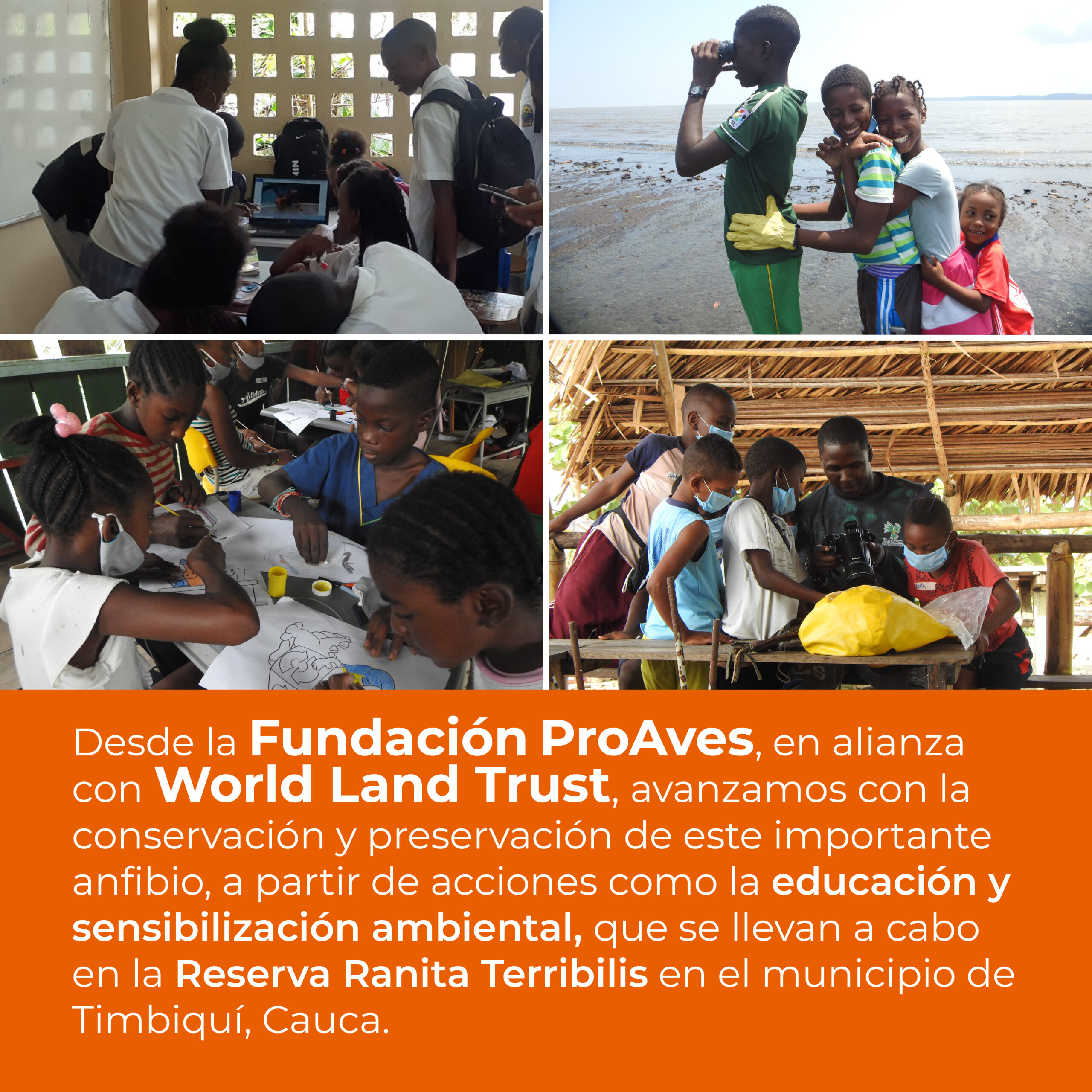
The ProAves ranger team has been visiting local schools and communities surrounding Reserva ProAves Ranita Terribilis, to educate the local population about Phyllobates terribilis, and promote conservation practices to protect this small amphibian at the community level. 

Learn more about the Golden poison dart frog:

ProAves and the World Land Trust (WLT) are committed to the conservation of the Golden poison dart frog and other amphibian species threatened with extinction.

Together we can make a difference for the conservation of our planet!

Thanks to support from:

Categories
Uncategorized

Achieving Regional Park Status: New Partnerships Protect the Chocó’s Cloud Forest Ecosystems

Juan Lázaro Toro (Director of Conservation Strategies, ProAves); Neiver Obando Mosquera (Deputy Director of Protected Areas, CODECHOCO); Vanessa Paredes Zúñiga ( Director of CORPOURABÁ); Arnold Alexander Rincón López (Director of CODECHOCÓ); Sara Inés Lara (Women for Conservation & ProAves Executive Director); Paloma Carrillo (Director of Operations, ProAves); Alexander Monsalve (Director of Protected Areas, ProAves).

We are excited to announce that Las Tangaras ProAves Reserve will be officially recognized as a Colombian Regional Park! With the mission of protecting Colombia’s key ecosystems and biodiversity, ProAves and CODECHOCÓ signed the Cooperation Agreement 001 of 2020 – officially joining forces for the generation of knowledge, conservation, and sustainable use of ecosystems in Chocó Cloud Forest region.


In addition to this new government-protected status, the reserve will also expand its area by 3,500 hectares (8,649 acres).  This represents an incredible conservation achievement for cloud forests in Western Andean Mountains, containing a high diversity of endemic amphibians, birds, and plants, which are currently threatened by agricultural development and deforestation.  Our new federal status will make Las Tangaras Reserve part of the National System of Protected Areas of Colombia (SINAP), and provide us with additional resources to uphold their strict conservation requirements. 

This new expansion will protect Choco’s cloud forests, as well as the headwaters of several tributary streams of the Atrato River. ProAves and Women for Conservation have been supporting community conservation initiatives in communities around the reserve since its creation in 2009. As sister organizations, ProAves manages habitat protection and facilitated this new federal park status, while Women for Conservation partners with local women to promote grass-roots community conservation initiatives. 


The alliances we have formed with local leaders have allowed us to have incredible community support and involvement, which has solidified our status as a leading authority for protecting endangered and endemic wildlife in the region. Community support with identifying and registering wildlife in the region has been key to our conservation success, and has given us the comprehensive data we needed to receive this federal park status. 

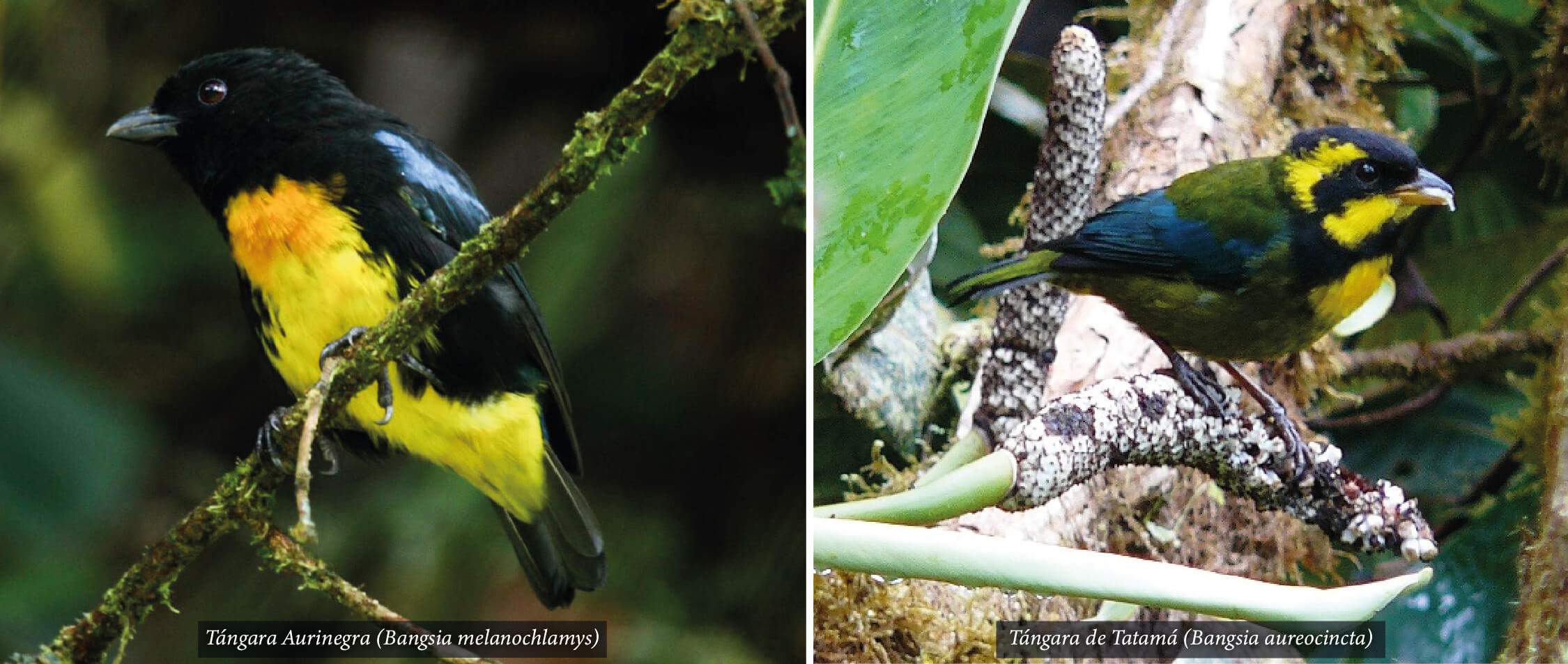
The Tangaras Reserve was established by ProAves in 2009 to protect two endemic bird species in danger of extinction: the Gold-ringed Tanager (Bangsia aureocincta) and the Black-and-gold Tanager (Bangsia melanochlamys), both categorized as Vulnerable according to the IUCN Red List.  It is also home to 28 vertebrate species of conservation interest, 20 of which are endemic to Colombia, and 10 of which are under some category of threat, including some at risk of extinction as is the case of the Spectacled bear (Tremarctos ornatus).


This process of federal recognition and expansion will be financed by the American Bird Conservancy (ABC) through the Conserve Birds Fund, Territory of Life Fund, the Bezos Earth Fund, and the Latin American Reserve Stewardship Initiative Fund (LARSI), in collaboration with the March Conservation Fund (MCF).


While Las Tangaras is our first ProAves Reserve to receive federal park status, we are in the process of organizing these protections for two more reserves for critically endangered wildlife. We look forward to sharing more successes with you as we continue to realize our dream of protecting endangered species in the Choco cloud forest Region and across Colombia. 

Thank you for supporting our work!

Categories
Uncategorized

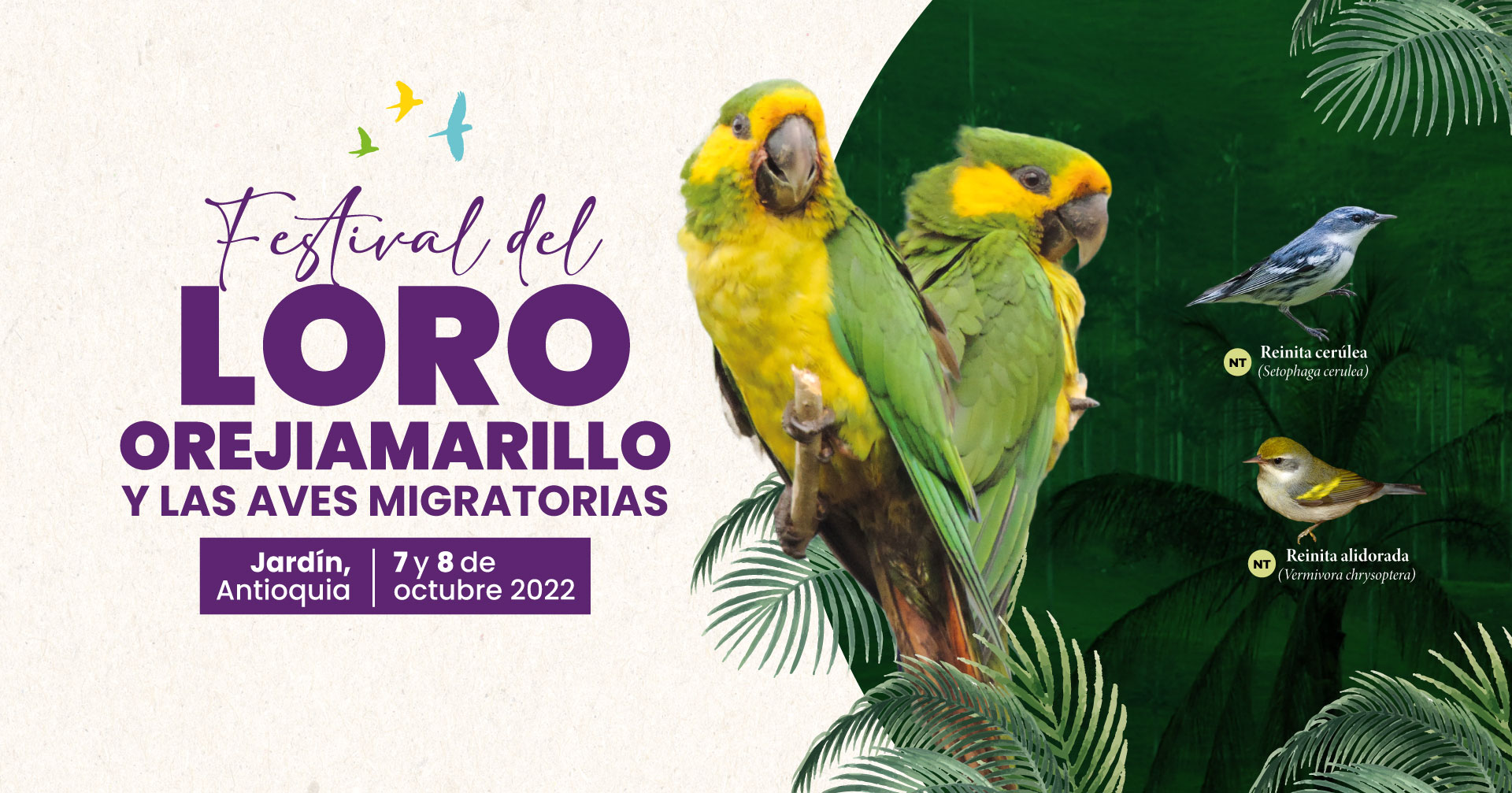
Jardín, Antioquia será el escenario del Festival del Loro Orejiamarillo y las Aves Migratorias 2022

El próximo viernes 7 y sábado 8 de octubre del presente año,  se llevará a cabo en el municipio de Jardín, Antioquia, el Festival del Loro Orejiamarillo y las Aves Migratorias, un espacio para conocer más sobre estas especies que embellecen nuestro territorio.


Este Festival, que es posible gracias a la alianza entre Jardín Exotics, U.S. Fish & Wildlife Service, la Administración Municipal de Jardín, Mujeres por la Conservación y la Fundación ProAves, contará con jornadas académicas encaminadas en la sensibilización sobre las aves migratorias y el loro orejiamarillo (Ognorhynchus icterotis), jornadas lúdicas y una jornada de avistamiento de aves que tendrá como escenario la Reserva ProAves Loro Orejiamarillo que se encuentra ubicada en dicho municipio.

¡Únete a la conservación!

Conoce la programación completa, aquí:

Con el apoyo de:

Categories
Uncategorized

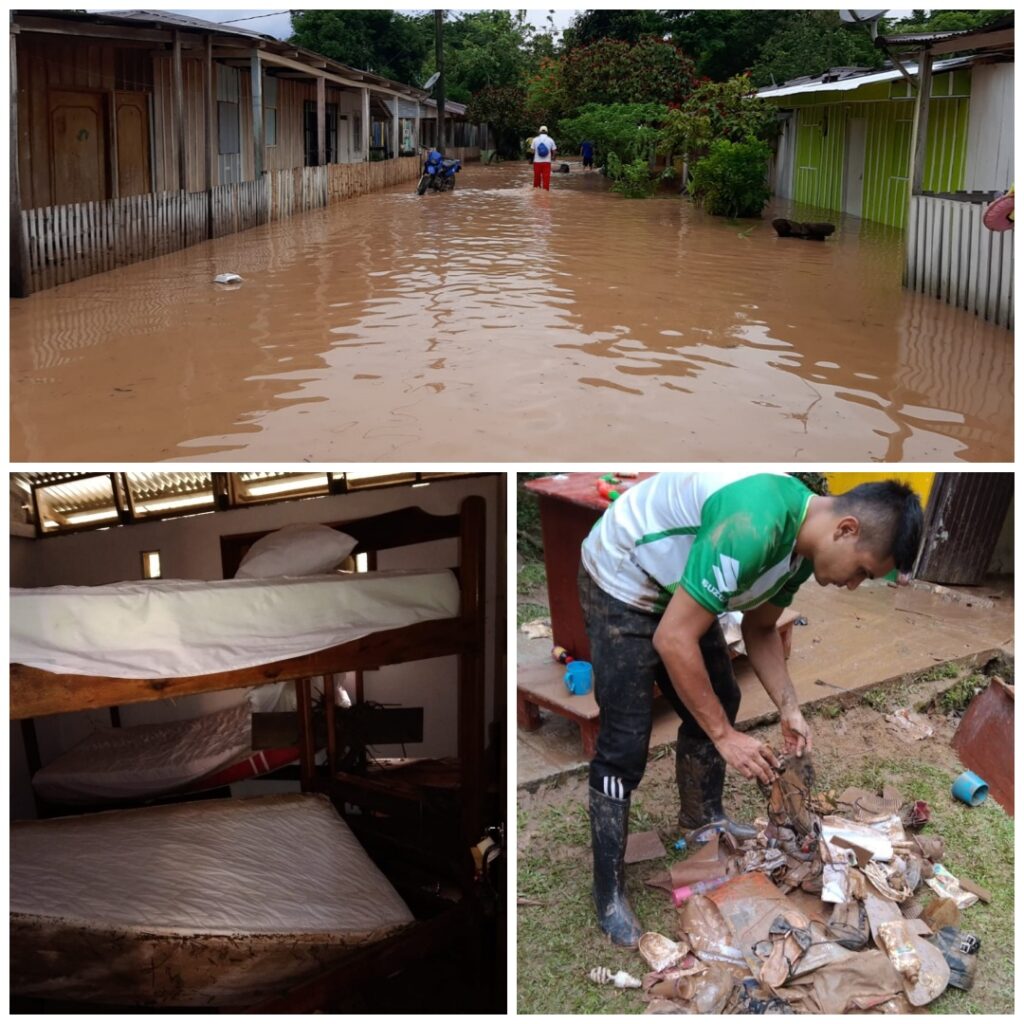
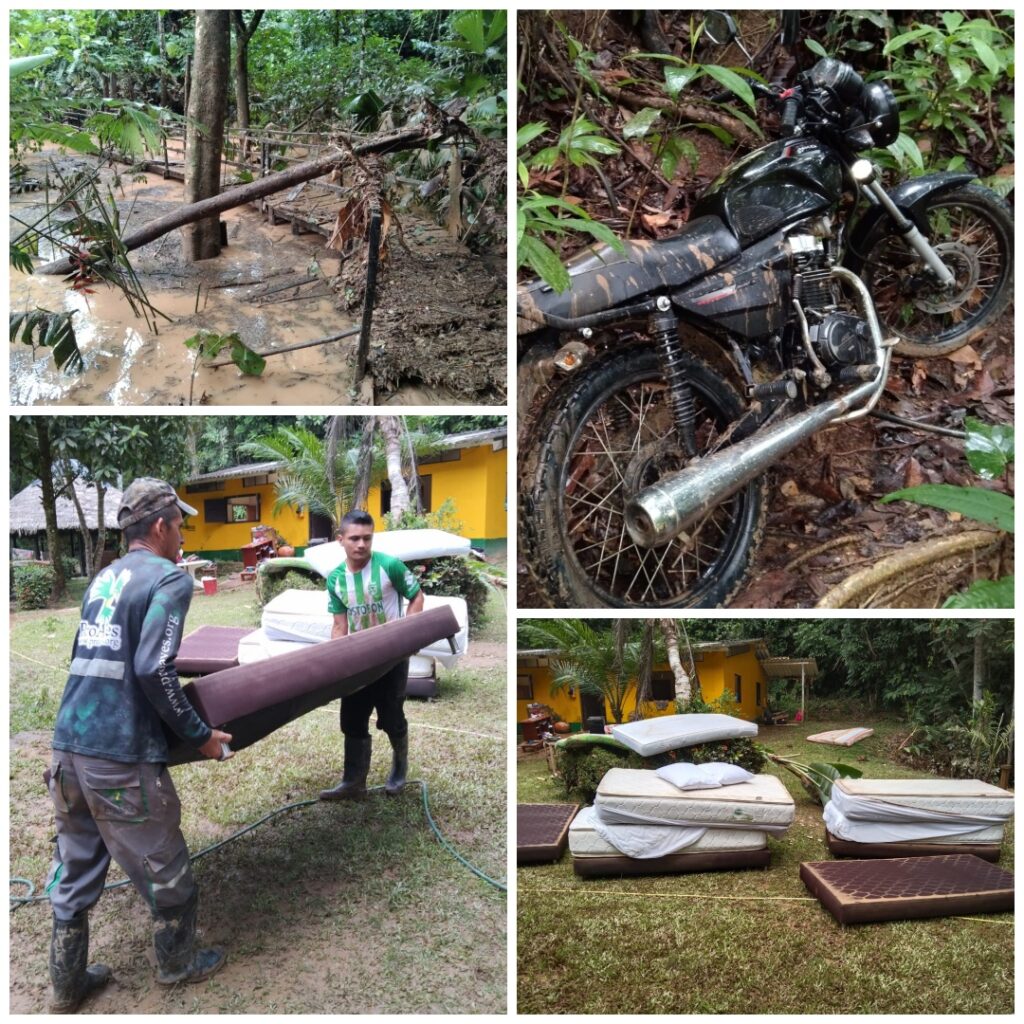
#SOSReservaProAvesElPaujil

Categories
Uncategorized

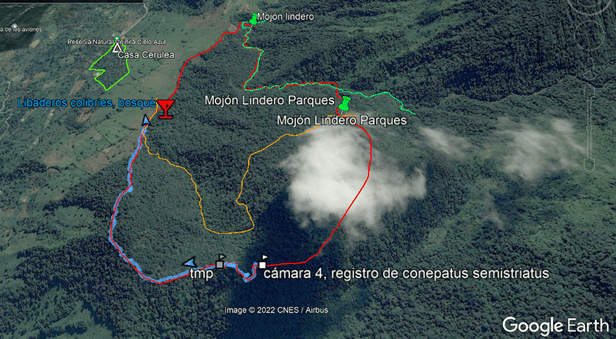
Primer registro de Conepatus semistriatus en Reserva ProAves

Uncategorized

Por primera vez se registró en la Reserva ProAves Reinita Cielo Azul, localizada en San Vicente de Chucurí, departamento de Santander, a Conepatus semistriatus, especie de mamífero carnívoro de la familia de las mofetas (Mephitidae) .
Polígono Reserva ProAves Reinita Cielo Azul

La Reserva Natural, ubicada en la Serranía de los Yariguíes, departamento de Santander, alberga una diversidad ecológica excepcional. En este refugio de conservación habitan una gran diversidad de especies de flora y fauna silvestre.

El primer registro fotográfico de Conepatus semistriatus, o más conocido como Zorrillo de Espalda Blanca, es un gran indicador del estado de los ecosistemas del área protegida. Este hallazgo se realizó en el transecto de cámaras trampas localizadas de la Reserva Natural en un rango altitudinal que oscila entre 1.900 y 2.000 m.s.n.m, es el primero a esta altura para la especie a lo largo de su distribución. 

Este registro representa una adición importante a la fauna de la Reserva ProAves Reinita Cielo Azul, lo cual muestra la importancia de conservación y de la integralidad ecológica de estas áreas. Lastimosamente, es una de las zonas más afectadas por la cacería ilegal y ampliación de la frontera agropecuaria, por lo que en ProAves seguimos concientizando a las comunidades locales a través de programas de educación ambiental sobre la importancia de cuidar la biodiversidad.

La presencia de esta increíble especie dentro de la Reserva Natural reafirma nuestro compromiso en la protección y conservación a perpetuidad de este majestuoso ecosistema y sus maravillosas especies.

Categories
Uncategorized

Salvando la selva tropical de su inminente destrucción

Uncategorized

Adherimos 74 hectáreas de ecosistemas estratégicos a la Reserva ProAves Pauxi Pauxi que estaban en peligro de destrucción, gracias al apoyo de nuestra fundación aliada, Mujeres por la Conservación.

Las selvas tropicales son los pulmones de la Tierra, por lo que detener su deforestación es una parte esencial de la lucha contra el cambio climático y los desastres ambientales. Es por eso que la expansión de la Reserva Natural Pauxi Pauxi, ubicada en la Cordillera Oriental de los Andes colombianos, en el departamento de Santander, es una gran victoria para la protección de la biodiversidad y el bienestar de la tierra.

Gracias al generoso apoyo de nuestros donantes, ProAves sigue conservando ecosistemas únicos que, desafortunadamente, han experimentado un crecimiento exponencial de la deforestación ilegal en los últimos años. Al proteger esta selva tropical, estamos previniendo conflictos violentos con madereros y ganaderos ilegales que de otro modo podrían haber invadido la reserva en las próximas décadas.

Protección de especies en peligro crítico

La Reserva ProAves Pauxi Pauxi, ubicada en la Cordillera Oriental de los Andes colombianos, en el departamento de Santander, alberga una biodiversidad increíble. Allí habitan alrededor de 309 especies de aves, 10 de las cuales son endémicas de Colombia y 6 están en peligro crítico de extinción. Además, una gran cantidad de mamíferos también dependen de este desierto único, incluido el Oso de anteojos (Tremarctos ornatus), ocelotes, monos, ardillas, armadillos, tamandúas (osos hormigueros), venados y zorros. 


A pesar del inmenso valor de biodiversidad de esta área protegida, la deforestación ha aumentado rápidamente en los últimos años. Usando Global Forest Watch, descubrimos que, desde 2001 hasta el 2019, hubo una disminución del 12% en la cubierta forestal de 110 hectáreas contiguas a la Reserva ProAves.

¡Juntos por la Conservación!

Somos conscientes de que este esfuerzo de expansión de la Reserva Natural debe ir acompañado de talleres y capacitaciones de educación ambiental con las comunidades, quienes son las directamente beneficiadas de la conservación de estos predios. Por ese motivo en ProAves, junto con Mujeres por la Conservación, trabajamos de la mano con las comunidades que habitan en las zonas de amortiguamiento de las áreas protegidas para que aprendan más sobre conservación, medios de vida sostenibles y planificación familiar. Este año esperamos aumentar nuestro impacto exponencialmente para empoderar a más niños, jóvenes y mujeres, para que sean guardianes de la biodiversidad de Colombia.

Salvando Especies de la Extinción…… ¡Trabajando juntos nada puede detenernos!

Estamos increíblemente agradecidos por la generosidad de Women for Conservation  (Mujeres por la Conservación), ustedes hacen posible que este sueño de conservar nuestra gran riqueza biológica del país sea una realidad. 

Compartir
Categories
Uncategorized

Convocatoria profesional en biología, ornitología y/o taxonomía con énfasis en redacción

Fundación dedicada a la conservación de ecosistemas y especies en riesgo, busca profesional en biología, ornitología y/o taxonomía que apoye el área de comunicaciones escribiendo artículos y noticias de interés para la Fundación ProAves. Indispensable tener experiencia en redacción y excelente ortografía.

Indispensable contar con experiencia relacionada con las responsabilidades y funciones del cargo. Deseable tener interés por los temas medioambientales y la conservación.

Es necesario habilidades para comunicación asertiva, solución a problemas y para la resolución pacífica de conflictos. 

  • ¡En la familia ProAves seguimos creciendo! Haz parte de un equipo comprometido con la conservación de las aves silvestres. Si estás interesado(a) y cumples con el perfil, envíanos tu hoja de vida a pstella@proaves.org
Categories
Uncategorized

Profesional en Sistemas de Información Geográfica (SIG)

Buscamos profesional en geografía, biología, forestal o carreras afines.

Responsabilidades:

  • Apoyar el trabajo de análisis espacial de las Reservas Naturales de la Fundación ProAves,

  • Capacitar al equipo de subdirectores y guardabosques sobre Sistema de Información Geográfica (SIG),

  • Crear y gestionar información cartográfica de múltiples fuentes y resoluciones en SIG para brindar soporte a los proyectos implementados en las zonas de amortiguamiento de las Reservas Naturales de la Fundación ProAves,

  • Generar información espacial y adecuar la información existente para crear herramientas de planificación y monitoreo de las Reservas Naturales de la Fundación ProAves,

  • Elaborar protocolos para el manejo y generación de la información espacial de las Reservas Naturales de la Fundación ProAves, y

  • Validar y corregir la información geográfica de las actividades realizadas en las Reservas Naturales de la Fundación ProAves: monitoreo de fauna y flora, patrullaje de senderos y linderos, entre otras.

  • Los interesados deberán enviar sus solicitudes con su hoja de vida al correo electrónico: info@proaves.org

Categories
Uncategorized

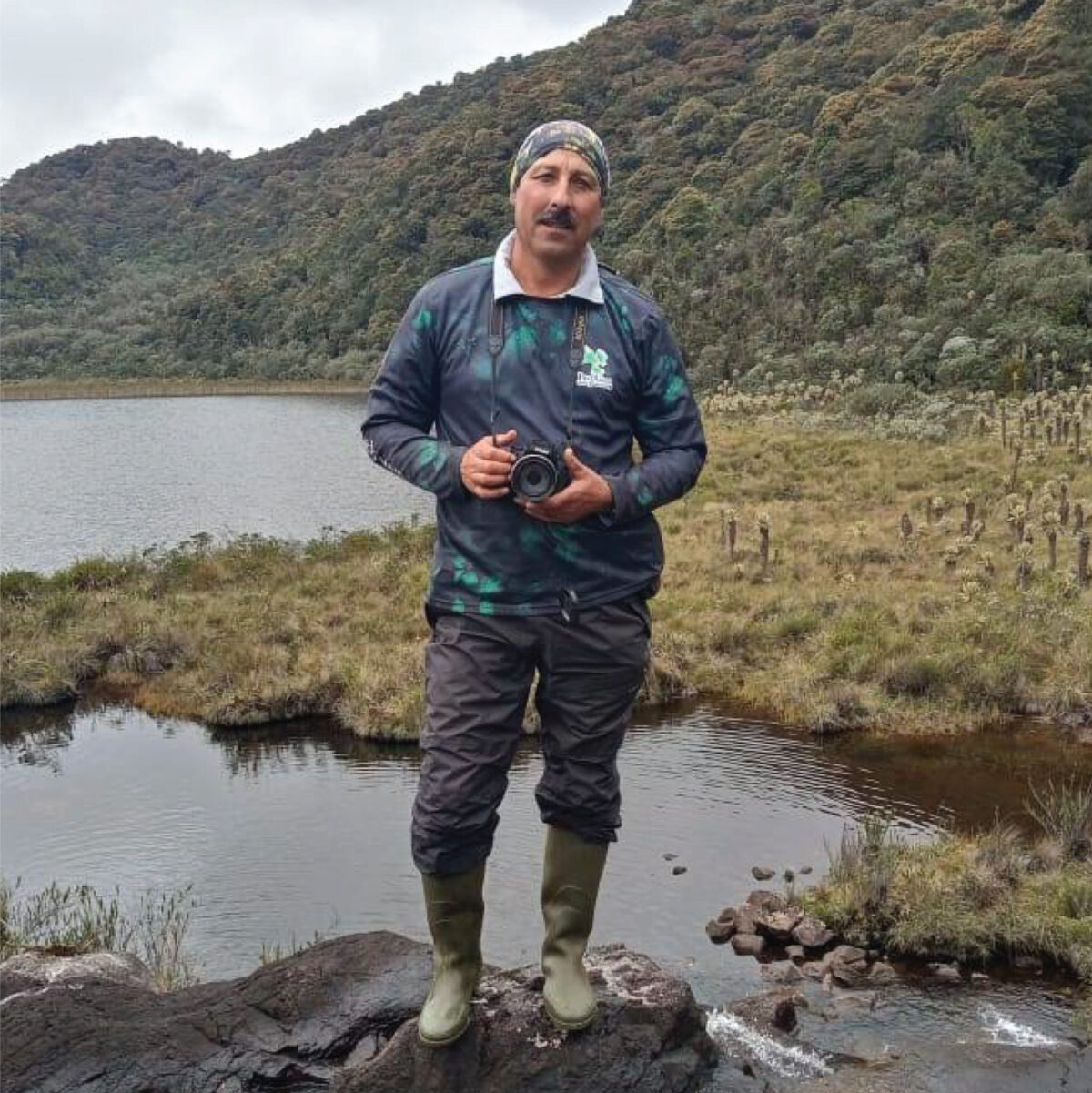
Urgencia ambiental: Guardabosques de ProAves está desaparecido

Gonzalo Cardona Molina, Coordinador de la Reserva ProAves Loros Andinos y guardián del Loro orejiamarillo, fue reportado como desaparecido desde el pasado 8 de enero. La última vez que se le vio fue en la vereda La Unión, en el departamento del Valle del Cauca, en el camino que conduce de Barragán hacia Roncesvalles. Hasta el momento la Fundación no ha recibido ninguna noticia de él. 

ProAves hace un llamado urgente a las autoridades pertinentes para que lo ubiquen sano y salvo, asimismo, insta a toda la comunidad y organizaciones de la región a que notifiquen cualquier información que se tenga de su paradero.

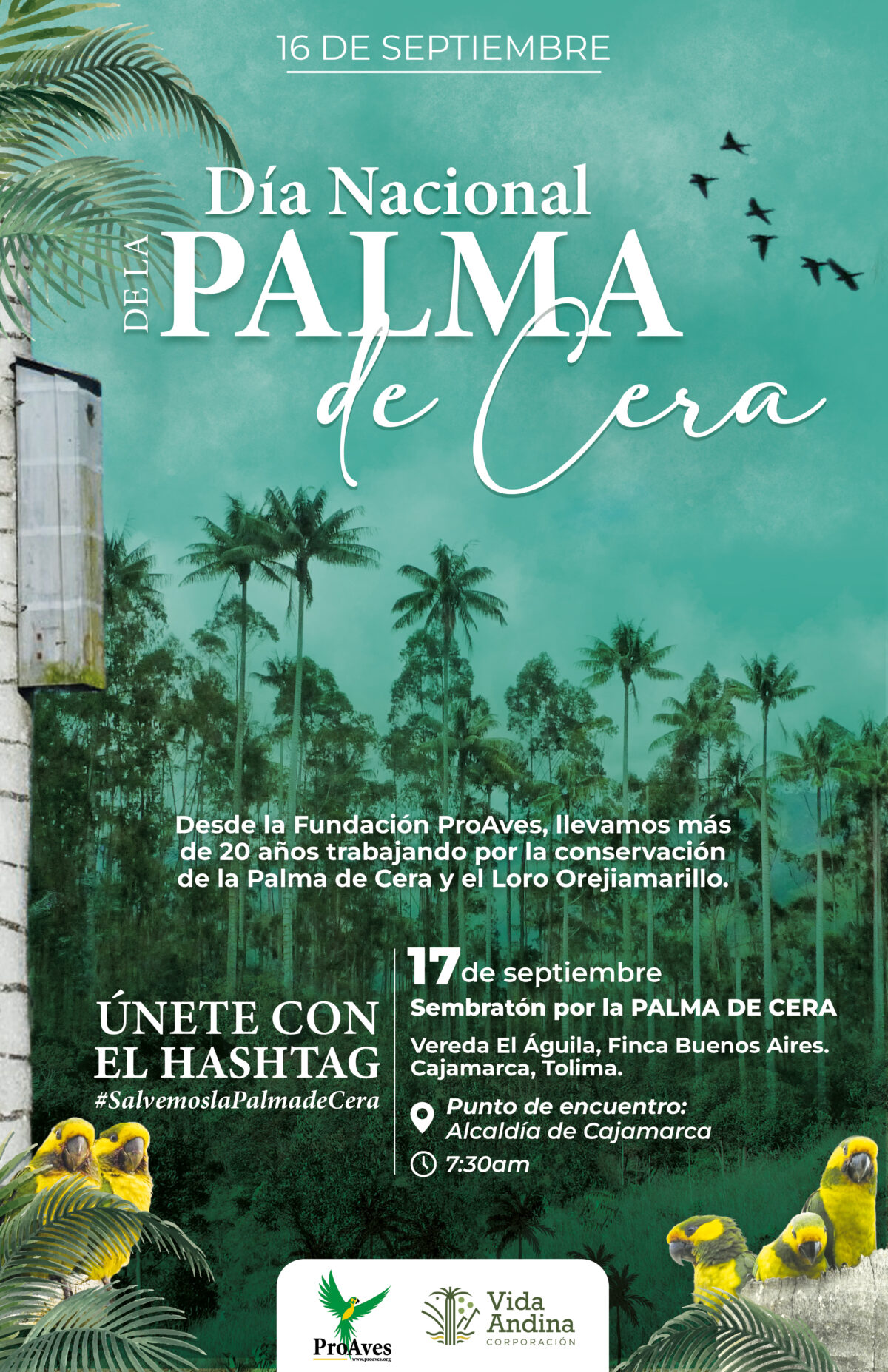
Gonzalo ha estado vinculado con ProAves desde 1998. Desde hace 23 años cuando ProAves llegó a Roncesvalles, departamento de Tolima, lugar de donde es oriundo Gonzalo, con el sueño de salvar al Loro Orejiamarillo (Ognorhynchus icterotis) de su extinción en Colombia, él comenzó a trabajar por la conservación de la biodiversidad de su municipio, labor que ha cumplido con gran vitalidad y rigor hasta la fecha.

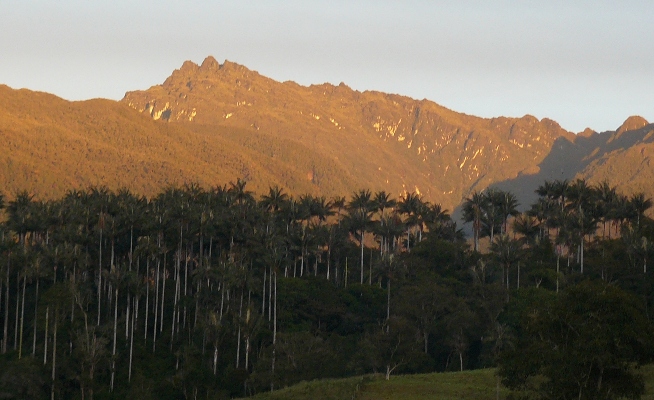
El actual Coordinador de la Reserva ProAves Loros Andinos, ubicada en la vereda La Yerbabuena en Roncesvalles, ha centrado sus intereses y sus esfuerzos en proteger al Loro Orejiamarillo, por lo que se enorgullece en decir que es “una de las personas que más conocimiento tiene de esta especie en Colombia”; además, es un experto en la regeneración de la Palma de cera (Ceroxylon quindiuense), árbol nacional.

Durante más de dos décadas, él ha apoyado a ProAves en expediciones, censos y monitoreos que han aportado a la historia natural del Loro Orejiamarillo y de otros loros andinos. Igualmente, ha acompañado con su sello de alegría y espontaneidad durante todo este tiempo a los visitantes del páramo de La Yerbabuena, lugar donde la Fundación ejerce fuertes labores de conservación a través de su área protegida. Gonzalo siempre nos ha inculcado su amor incondicional por la naturaleza y nos ha enseñado que “uno tiene que amar el medio ambiente, esas cosas las va llevando uno en el corazón”. 

Categories
Informe Anual Uncategorized

Reporte anual de la gestión de la Fundación ProAves 2011

El 2011 fue un año de muchos logros en favor de la conservación; inició con una noticia extraordinaria: el redescubrimiento del Toro de Santa Marta, después de 113 años de estar desaparecido, el cual fue observado en la Reserva Natural de Aves El Dorado, Reserva que en este mismo año logramos ampliar y así ampliar el rango para la protección de esta especie. 

Conoce aquí todo nuestro informe anual 2011. 

Categories
Noticias Uncategorized Uncategorized @en

Andean Parrots Corridor

Actividades_Gonzalo_005
Reserva ProAves Loros Andinos

This corridor was designed and established since 2004 after having established the El Mirador Municipal Reserve as a loan, in order to give it adequate management and thus annotate efforts for the conservation of the Coroniazul Parrot (Hapalopsittaca fuertei) in the municipality of Génova, Quindío.

There they have worked with the community, developing conservation tables in order to involve the inhabitants close to the reserve so that they understand the importance of not taking their livestock to the reserve; A high mountain nursery was also established with which reforestation has been carried out, recovering the pastures that existed on the reserve’s properties. All this work has been carried out thanks to the support of the Loro Parque Fundación, the Alcaldía de Génova and the Corporación Autónoma del Quindío (CRQ).

The corridor extends towards the municipality of Roncesvalles in the department of Tolima, passing from the western slope of the central mountain range to the eastern one, characterized by the páramo ecosystem down to 2,800 meters; finding the high Andean forest and the characteristic wax palm (Ceroxilum quindiuense) where the populations of the Yellow-eared Parrot (Ognorhynchus icterotis) nest. Although this sector has been working since 1999, only the union of the corridor with the Loros Andinos ProAves Reserva was completed until 2010.


Objectives:

The Andean Parrot Corridor was established in order to connect two work areas of great importance for the conservation of 5 species of threatened parrots for Colombia: Hapalopsittaca fuertei (Loro Coroniazul), Hapalopsittaca Amazonina (Loro Multicolor), Bolborhynchus ferrugineifrons (Periquito Cadillero), Leptosittaca braniki (Yellow-eared Parrot) and Ogorhynchus icterotis (Yellow-eared Parrot).

After the support and effort of several previously mentioned institutions, two Natural Reserves were established: the Loro Coroniazul ProAves Reserve continues to the El Mirador Municipal Reserve in Génova (Quindío) and the Loros Andinos ProAves Reserve located in Roncesvalles (Tolima).

 
P1100695
Corredor de Conservación Reserva ProAves Loros Andinos

With the support of:

Corpoquindio
Categories
Noticias Uncategorized Uncategorized @en

El Pangán Corridor

Reserva_El_Pangan

This corridor had its beginnings with the establishment of the El Pangán ProAves Reserve in 2005 with the support of BirdLife International and Conservation International, in the Fund for the Strategic Ecosystems Alliance program. However, the maintenance and expansion process continues thanks to the great support of Rainforest Concern.

This initiative arose to offer sustainable alternatives (training, support and management) and environmental awareness to the neighboring communities of the reserve, as a strategy to link the community to the appropriation and care of the natural resources of the area.

This place has been considered one of the most biodiverse areas in Colombia, since 21 threatened bird species and 48 endemic bird species with restricted distributions have been registered in the area of ​​Endemic Birds of Chocó (EBA 041-Stattersfield et al. 1998) . No other protected area of ​​comparable size within this EBA is home to populations of so many species of birds with restricted distribution; which makes it one of the highest priority ecosystems for conservation.

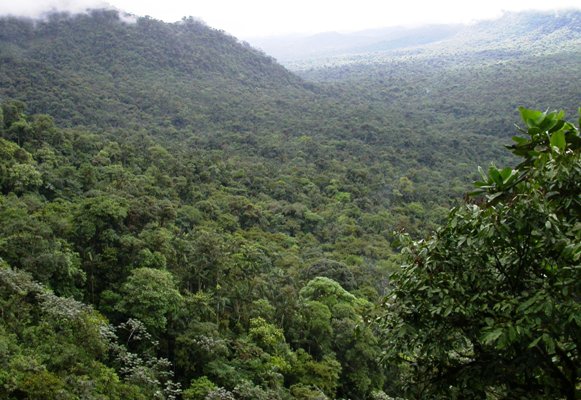
The El Pangán Corridor is located on the Pacific slope of the Andes in the department of Nariño, Colombia, at 01 ° 21’N, 78 ° 04’W; 10 km north of the Junín district, Barbacoas municipality; at an altitude of between 550 to 1,900 masl and 1,900, represented by lowlands and tropical humid forests. Holdridge (1967) classifies this area into two life zones: tropical rain forest (bp-T) at an altitude between 550 and 1,100 meters above sea level and pre-montane rain forest (bp-PM) at an altitude between 1,100 and 1,700 meters above sea level.

Objective:

The main objective was to establish a biological corridor between the El Pangán ProAves Reserve and the Camawari and Unipa indigenous reserves. Thus protecting 15,000 ha of tropical rain forest between an altitude strip of 1,300 m (600-1,900) as a representative forest ecosystem that conserves biodiversity and ensures in particular the survival of a good number of endemic species and globally threatened species.

Conservation actions are currently being carried out in the area thanks to the constant management that has been given to the El Pangán ProAves Reserve. This is the oldest corridor that Fundación ProAves has established and managed, as it takes 6 years of hard work and positioning.

Ro_amb_RNA_Pangan

With the support of:

birdlife
rainforest