Fundación ProAves – por la conservación en el país de las aves

Categorías
News

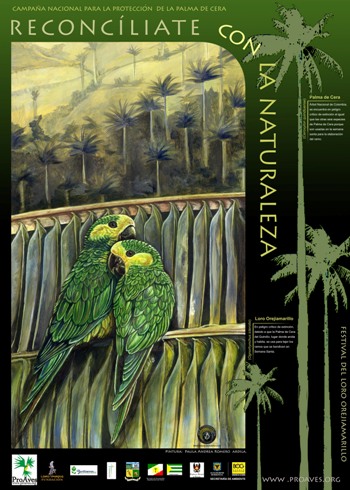
Reconcile with Nature

FINAL_Afiche_Reconciliate

 Paula Romero y Fernando Laverde

Fundación Arte y Conservación. Campaign 2010

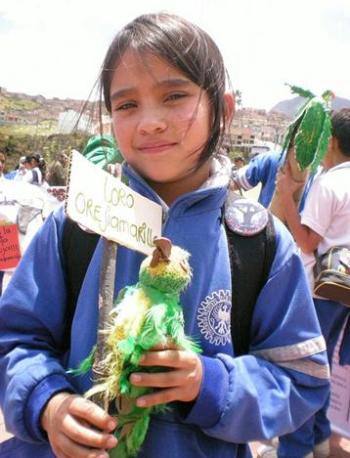
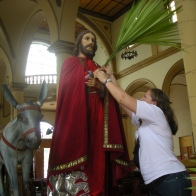
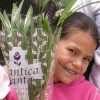
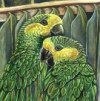
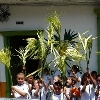
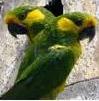
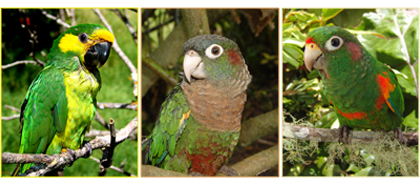
The Critically Endangered Wax Palm is cut down to adorn churches and processions on Palm Sunday. Sadly, the palm takes centuries to mature and is the sole habitat for the Yellow-eared Parrot.The second phase of the campaign, now Reconcile with Nature begun in 2003, Conservación Internacional Colombia and later the Episcopal Conference and the Environment Ministry joined conservation efforts that have being carried our since 1998 by ProAves with the support of the Fundación Loro Parque in the municipality of Jardin, Antioquia.

Since the year 2000, when ProAves highlighted the plight of the Yellow-eared Parrot and Colombia’s national tree, the Quindío Wax Palm, the campaign Reconcile with Nature, initially Wax Palm and Yellow-eared Parrot campaign, has been growing in strengthen thanks to the many partners, particularly the Catholic Church, Conservación Internacional-Colombia and the Ministry of the Environment.

This campaign has being carried out since its creation uninterruptedly in a national level.

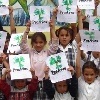
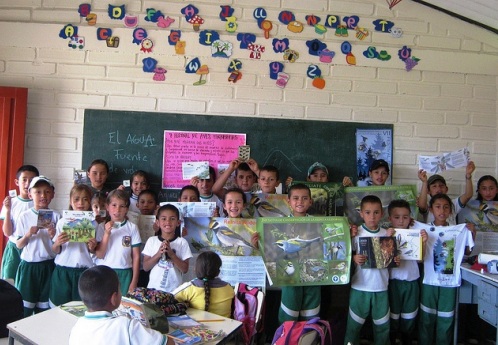
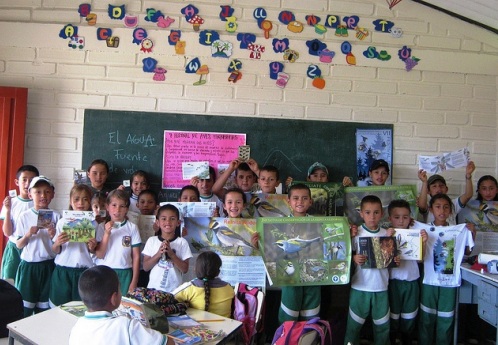
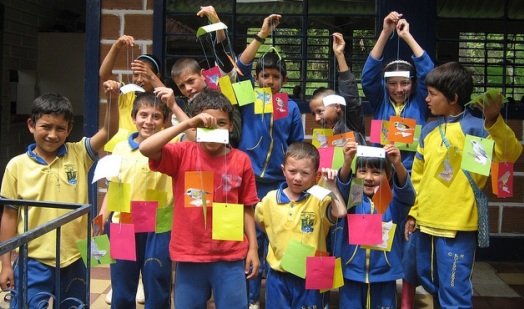
The activities implemented via this campaign, are designed to create conscience and to educate diverse sectors of the community. Taking advantage of didactic methodologies, the campaign aims to give a sense of ownership over the National Colombian symbol, the Wax Palm tree, and last habitat of the Yellow-eared parrot, both highly endangered species.

As a result, diverse changes in the near-by populations to these endangered species have been achieved:

- Change of attitude towards the traditional use of the Wax Palm tree during the Holly Week, when other species such as the Iraca Palm or other plants are being used instead.

- National and International recognition has been achieved over the campaign and its aims to take care of these two endangered species.

- In the municipality of Roncesvalles, in the department of Tolima, the Yellow-eared Parrot and the Wax Palm tree Festival has been institutionalized as a cultural celebration.

This campaign is carried out through out the country with governmental and non-governmental entities, diverse local, national and international communications means, in addition to diverse international institutions, such as American Bird Conservancy, Loro Parque Foundation and Disney Wildlife Conservation Fund, among others.

With the support of:

abc conservacioninternacionalcolombia lpf disney


Related news


Reconciliate_inicio

Reconcile with nature 2012 success
Thursday 29 March 2012.

Last month the 11th annual “Reconcile with nature” campaign was launched across Colombia. After 11 years, our message about conservation and respecting nature, especially the wax palm, is still going strong! Importantly, the Endangered Wax Palm is no longer used in Palm Sunday processions, ensuring that the habitat of the Yellow-eared Parrot will survive.


inicio3-3

Nature conservation celebrated on Palm Sunday in colombia
Wednesday 14 April 2010.

From 24-26th March, the 9th annual Reconcile with Nature Campaign was held across Colombia. The results were excellent with no Endangered Quindio Wax Palm fronds used on Palm Sunday, especially in key areas for the Yellow-eared Parrot and wax palm in Tolima, Antioquia, and Quindio departments. We are grateful to the Catholic Church and many institutions for their support.


inicio2-8

Reconcile with Nature Campaign 2010
Wednesday 17 March 2010.

“Your future depends on what you do in the present” this is the slogan of the 9th campaign of “Reconcile with Nature”. On March 24th 2010, we will official launch the campaign at Entre Nubes Ecological Park.


Inicio_palm

Palm Sunday without wax palms!
Wednesday 15 Abril 2009.

After 8 years of ProAves leading the campaign to protect the Wax Palm during Palm Sunday in the Colombian Andes where the Yellow-eared Parrot occurs, we can give the good news: NO wax palms were used during this past Palm Sunday!


palma-2

Yellow-eared Parrot and Wax Palm parade
Wednesday 15 April 2009.

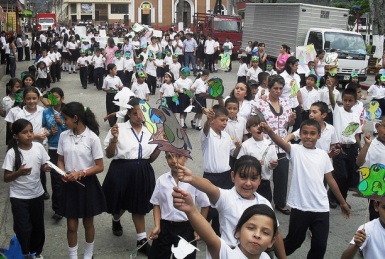
On March 17, 2009 the streets of Jardin, Antioquia were filled with the colours and images of the Yellow-eared Parrot and Wax Palm, to celebrate the beginning of the 8th Palm Sunday campaign and rejoice the campaigns origins that started in Jardín in 2002.


campana

2009 Wax Palm Campaign begins!
Monday 9 March 2009.

With more than 500 people, Fundación ProAves and its partners launched the 8th “Reconcile with Nature” campaign on 7 March, 2009, in the municipality of San Francisco, Cundinamarca, Colombia, to generate awareness for the protection of the Quindío Wax Palm and Yellow-eared Parrot.


Categorías
News

Campaigns

Fundación ProAves develops diverse campaigns throughout the country in benefit of conservation of bird species and their habitats.

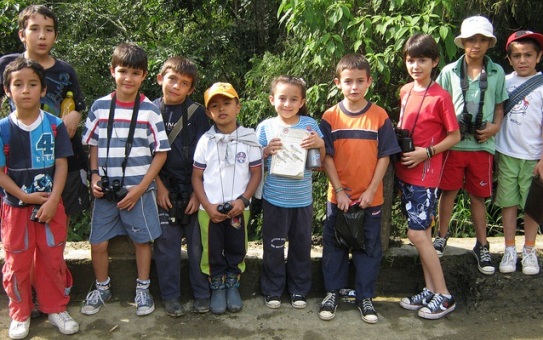
With the help of environmental educators, ecological groups, young researchers and friends of the bird’s schools, the organization of workshops, parades, site-seeing trips and public events, aim to reach the general public.

The same way, using radio and TV shows in regional, local and national broadcast, we are letting the general public know about the importance of taking care of the environment, all within the framework of the activities planned for the campaign.

These events are dynamic and educational and are developed in different regions of the country, depending on the species and its habitat.


Reconciliate_con_la_naturaleza

Reconcile with Nature

With this campaign, since 2001, we are aiming to take care of the species of Wax Palm and Yellow-eared Parrot, both critically endangered.


 Cauchera_Mompox

Submit your slingshot

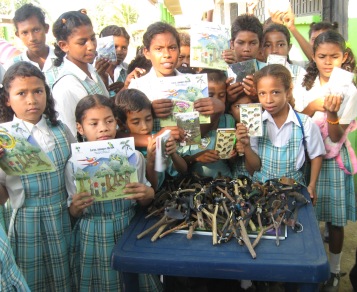
This other campaign intends to make kids and youngsters understand the importance of taking care of birds, disposing the use of slingshots and stop attempting against the life of the birds living in the same areas as them.

Categorías
News

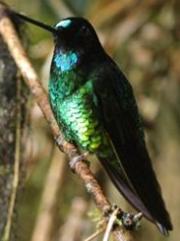
Dusky Starfrontlet Bird Reserve


Coeligena_orina
(Coeligena orina)


Establishment:

In order to protect the habitat of the Dusky Starfrontlet (Coeligena orina) and conserve a sample of one of the moorland ecosystems in the best state of preservation in Colombia, ProAves established the Dusky Starfrontlet Bird Reserve on 6th October 2005.

Location and Area:

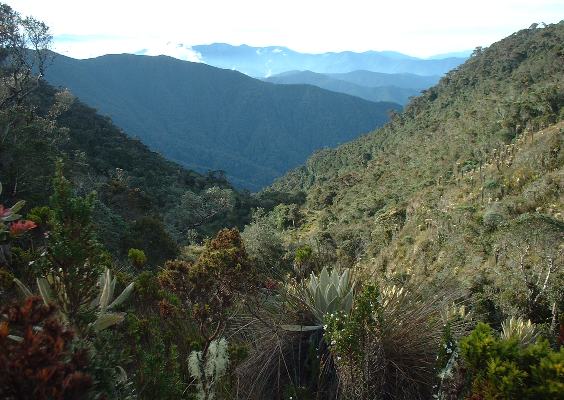
It is located in the village of El Chuscal, on the axis of the Cordillera Occidental, at a distance of 17 km north of the town of Urrao, Antioquia, and has an area of 1.801 acres of high Andean forest and moorland, which comprises a large portion of the watershed of the creek Santa Barbara, one of the main tributaries of Urrao. It is located between 2,800m and 4,060m above sea level. (See map).

Biological Significance:


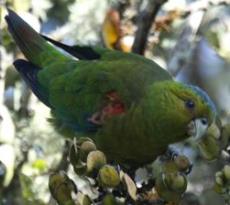
Some species of birds found in the reserve are the Dusky Starfrontlet (Coligena orina), critically endangered, Rusty-faced Parrot (Hapalopsittaca amazonina), the Chestnut-bellied Flowerpiercer (Diglossa gloriosissima), The Moustached Antpitta (Grallaria alleni), in a vulnerable state, and Golden-crowned Tanager (Iridosornis rufivertex).

Recently, at the reserve, was discovered a new species of Grallaria, known as Urrao Antpitta (Grallaria fenwickorum). Moreover, the site is recognized as an area of labor and training or Spectacled Bear (Tremarctos ornatos), which holds the vulnerable category.

Climate:

The climate is bimodal, with rainfall ranging between 2,500m and 3,000 mm and a minimum temperature of between 2 and 18 º C.


Biophysical Features:

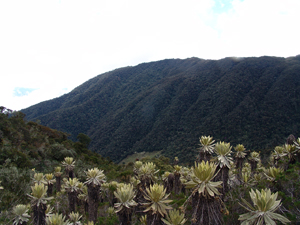
The reserve is composed of oaks (Quercus humboltii) in good condition and mixed forest epiphytes. Above 3,500 m., the moorland presents associations, including the endemic Frailejón  de Frontino (Espeletia frontinoensis) and chaparrales dominated by associations of (Polylepis quadrijuga). Its terrain is predominantly mountainous, with about 70% of the area with steep slopes, 20% hills and 10% flat. The soils have Andic, high porosity, medium textured, moderately well-structured and highly acidic properties.

As for flora, for the area 450 species belonging to 247 genera included in 136 families of fanerogamas and Cryptogamas have been reported. Among them was found a new species of Asteraceae, which was described by Cuatrecasas as Espeletia frontinoensis.


Conservation:

Ecological easements y Restoration, reforestation programs of the Páramo del Sol, páramo conservation plan of the Páramo del sol and Artificial nests program.

Research: 


Monitoring Migratory Bird, evaluation of the Dusky Starfrontlet population status, monitoring the Rusty-faced Parrot (Hapalopsittaca Amazonina).


Education:

Bird friendly Schools and Parrot Bus.


Facilities:

Capacity of accommodation for ten people; electricity and potable water.


Tourist Attractions:

Belleza paisajística, avistamiento de aves amenazadas, Eco ruta del Sol, mirador Páramo del Sol y sendero Rusty faced, bebederos para colibríes y comederos para Grallaria – Tororoide urrao (Grallaria fenwickorum).

General recommendations:


  •  Being a wilderness area Pantanal boots it is nescessary to bring jackets, gloves, sunscreen, waterproof sleeping.
  • Respect the natural values of the reserve, plants, and animals.
  • The collection of biological material is not allowed.
  • Follow the instructions of the reserve staff and travel on established trails.

Admission and tours:

Contact:  visit@conservation.co  or visit:  Colibrí del Sol Ecolodge

abc

Related news


fuego_paramo

Fire destroys 253 has of the Páramo del Sol
Tuesday 9 March 2010.

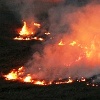
The fire originated in the Páramo del Sol, Urrao municipality, Antioquia department, in early february destroyed 253 has of wasteland vital for water regulation of the department. The consequences of forest fires are many and their environmental impact is incalculable.


Categorías
News

Andean Parrots Birds Reserve

Bolborhynchus_ferrugineifrons
(Bolborhynchus ferrugineifrons)

Establishment: 

The Andean Parrots Birds Reserve was established on 21st April 2009 with the aim of protecting the habitat of five endangered species of parrots among we have the Yellow-eared Parrot (Ognorhynchus Icterotis) (CR), the Fuertes’s Parrot (Hapalopsittaca fuertesi) (CR) and Rufous-fronted Parakeet (Bolborhynchus ferrugineifrons) (VU), and also preserve the Golden-plumed Parakeet (Leptosittaca branickii) (VU) and the Rusty-faced Parrot (Hapalopsitaca amazonina) (VU) and 10.063072 ha of conservation Andean forest and moorland in the town of Roncesvalles Tolima. 

Location and Area:

The Reserve is part of the Central Cordillera Conservation Corridor of Threatened Andean Parrots, which is located between the towns of Roncesvalles, Tolima and Genova in the department of Quindío; the Fuertes’s Parrot Bird Reserve consists of 657 hectares, El Mirador of 2,035 hectares and Loros Andinos of 4,072 hectares giving us a total of more than 6,700 hectares of Andean forest, high Andean plateau and moorland protected by the corridor.  (See Map).

With the establishment of the corridor the protection of forests that were previously highly threatened by human activities such as cutting trees for wood, extraction of wood for domestic use, construction and development of coal, growing potatoes and livestock is ensured.

Biological Significance:

The reserve is home to 5 endangered species of parrots including 3 endemic to Colombia: the Yellow-eared Parrot (Ognorhynchus Icterotis) (CR), Fuertes’s Parrot (Hapalopsittaca fuertesi) (CR) and Rufous-fronted Parakeet (Bolborhynchus ferrugineifrons) (VU), and so preserve the Golden-plumed Parakeet (Leptosittaca branickii) (VU) and the Rusty-faced Parrot (Hapalopsitacca amazonina) (VU).

Additionally, we found populations of large mammals as the spectacled bear, mountain tapir and deer.

Climate:

The area has a climate with bimodal rainfall between 2,500 and 3,200 mm of rain, temperatures range between 9 and 16 ° C

Biophysical characteristics:

the reserve includes a large sample of Andean forest and moorland. Similarly, the area where the reserve is located has the source of a great number of bodies of water of vital importance for the development of communities in the municipality of Roncesvalles, specifically the source of the rivers Cucuanita and Cucuana from which the aqueduct takes water for the town of Roncesvalles favoring the community in this regard.

Research:

Project Ognorhynchus.

The project has been carried out since 1998 in the town of Roncesvalles and seeks to protect the population of Yellow-eared Parrot present in this municipity through conservation activities and the restoration of its natural habitat, environmental education activities and research.

Conservation:

Silvopastoral Project, Ecological Easements, Environmental Restoration and artificial nests program.

Educaction:

Parrot Bus and Bird Friendly Schools.

Facilities:

Accommodation for 4 people.

Attractions:

watching threatened and endemic bird species, landscaping, trail to moorland lakes, hummingbird fountains, Grallaria feeder – Tororoi de urrao (Grallaria fenwickorum).

General recommendations:

  • Respect the natural values of the reserve, the plants and animals.
  • The collection of biological material is forbidden.
  • Follow the instructions of the reserve staff and travel on established trails.
  • Camping on the reserve is not allowed
  • Coats for the cold, Pantanal boots and waterproofs must be worn.
  • Desinfectar calzado con hipoclorito o clorox para prevenir la dispersión del hongo quitridio (una de las principales causas de muerte de anfibios en el mundo).

Income and visits:

 fundacion@proaves.org

With the support of:

abc iucn lpf
worldlandtrust roncesvalles

Roncesvalles (Tolima)

genova

Génova (Quindío)

   
?
Categorías
News

Ornithology courses

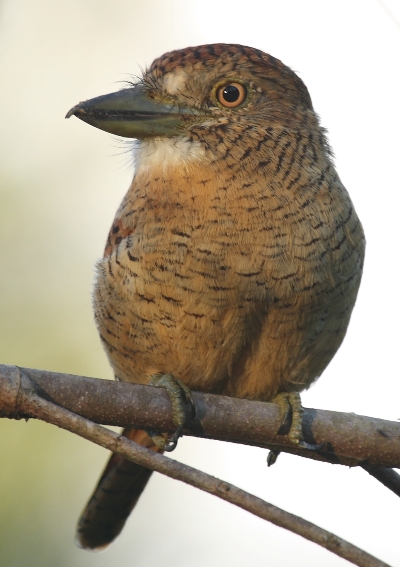
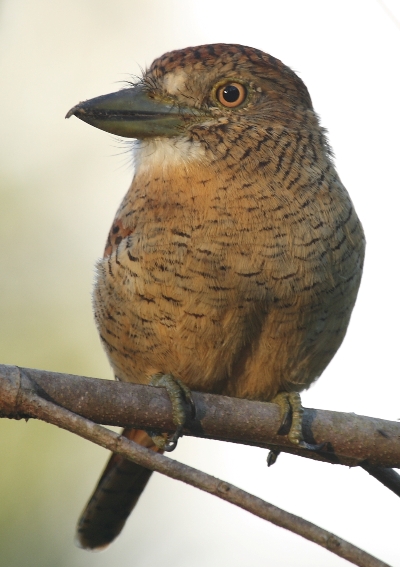
Nystalus_radiatus
Nystalus radiatus

ProAves provides annually, with the assistance of his staff and guest instructors from different institutions at national and / or international training courses on techniques for monitoring and bird banding.

Banding courses are offered for groups of 5, 10, 15 people. If you are interested in booking a seat for courses scheduled on demand cursos@proaves.org write an email to stating your full name, name of the entity to which it belongs, place of origin and why you are interested in learn about banding.

Categorías
News

Thesis Studies

becas_y_tesis

ProAves is leader in training young researchers in Colombia, with our Scholarships, Thesis Program, aimed to link biology students or young professionals, so that they make short investigations on different species and subjects.

Fundación ProAves since 2001 has supported over 70 thesis studies, and small investigations.

Since we started, about 70 students and/or researchers from 12 universities have been involved. In addition, the studies of the program have covered 12 departments within Colombia and extended the knowledge of 31 threatened species of Colombia, 28 studies on birds, and 3 other groups.

This program has focused its studies mainly in ecology and reproduction of threatened species of Colombia. Among these projects there are: identification of aspects related to foraging and reproduction of a threatened parrots, habitat selection for the Gorgeted Wood-quail and a study of the population and conservation of the Chestnut-capped Piha populations.


Related news


inicio_Tesistas

Seeking for graduates and interns in the program of parrots
Monday 8 February 2010.

ProAves opens a call for those interested in doing work degrees, internships and volunteering in the program of threatened parrots in several of the Foundation’s reserves.


Categorías
News

Convocatorias

La Fundación ProAves ofrece oportunidad a estudiantes y jóvenes investigadores para realizar proyectos de investigación.

La Fundación ProAves ofrece a estudiantes de últimos semestres de Biología, Ecología, Ingeniería Forestal o afín, o a profesionales jóvenes con deseos de ganar experiencia en campo, becas para la realización de tesis de pregrado y/o pequeñas investigaciones en los temas y zonas presentados a continuación. Con estas becas se busca ayudar a subsidiar los costos de transporte, alimentación y hospedaje que representan el trabajo de campo, y prestar los equipos pertinentes que estén a disposición de la Fundación. Se trata de becas pequeñas de apoyo y en ningún momento representan pago de honorarios.

Categorías
News Noticias Cucarachero de Chicamocha Proaves @en Uncategorized

Niceforo’s Wren Bird Reserve

Historia:

La Reserva ProAves Cucarachero de Chicamocha fue creada en el año de 2009 con el apoyo de World Land TrustAmerican Bird Conservancy  y la Corporación Autónoma Regional de Santander, basándose en la urgencia de conservar uno de los ecosistemas más amenazados de Colombia y del mundo, el bosque seco tropical, hábitat de un gran número de especies animales y vegetales únicas de este particular ecosistema. Cuenta con dos especies de aves endémicas y amenazadas del Cañón del Chicamocha, el Cucarachero de Nicéforo (Triophyllus nicefori) y el Colibrí Vientricastaño (Amazilia castaneiventris), dos especies y tres subespecies de aves endémicas y una especie de cactus amenazado.

Ubicación y Área:

La Reserva se encuentra ubicada a en el Municipio de Zapatoca, a 60 Km de Bucaramanga, departamento de Santander, vía Chocoa-Girón. Comprende una extensión de 1.246 hectáreas, en un rango altitudinal entre los 310 y los 1.410 m.s.n.m. Esta reserva cuenta con fragmentos de bosque bien conservados a pesar del sobrepastoreo de cabras. (Ver mapa). 

Importancia biológica:

Una de las características más importantes tanto de la fauna como de la flora de la Reserva, es la presencia de dos especies endémicas y en peligro crítico de extinción como: Thryothorus nicefori y Amazilia castaneiventris. También se encuentran especies endémicas como: Ortalis colombiana, Myarchus apicalis y algunas subespecies endémicas como: Momotus momota olivaresii, Arremon schlegeli canidorsum y Campilorhynchus bicolor. Asimismo, se encuentran especies de plantas amenazadas como Zamia encephalartoidesand y Cavanillesia chicamocha.  

Clima:

Tiene una precipitación bimodal, con periodos de lluvias de abril a junio y de septiembre a octubre, y con periodos secos de julio a agosto y de noviembre a marzo. La humedad se encuentra entre 65% y 70% y la temperatura entre 20ºC y 26º.

Características biofísicas:

La Reserva se ubica sobre la cuenca del río Sogamoso, y muy cerca de la confluencia de los ríos Suárez y Chicamocha, que lo forman. Los suelos son secos, rocosos, de baja fertilidad y altamente erosionados. Estas características semiáridas son el resultado de diferentes factores geológicos, climáticos y antropogénicos.

Proyecto Chicamocha:

El Proyecto Chicamocha es una iniciativa que surge en el 2004, por un grupo de estudiantes de la Universidad de Los Andes y de la Universidad Distrital, para prevenir de la extinción dos especies de aves en peligro crítico y endémicas del Cañón del Chicamocha: Triophyllus nicefori y Amazilia castaneiventris.

Gracias a los hallazgos que estos investigadores obtuvieron con sus estudios en el cañón del Chicamocha y debido a la recomendación que ellos hicieron para que se compraran las tierras que actualmente constituyen el área protegida, se logró crear la Reserva Natural Cucarachero de Nicéforo, la cual contiene una buena representación de los ecosistemas tropicales secos interandinos sobre la cordillera oriental.

Atractivos turísticos:

Observación de la belleza paisajística; se visualiza el cañón del Chicamocha, se puede visitar el río Sogamoso y en época de lluvias se pueden tomar baños en el río. Se puede hacer senderismo y observación de avifauna.

Recomendaciones generales:

  • Respetar los valores naturales de la reserva, las plantas y los animales.
  • No se permite la colecta de material biológico.
  • Seguir las indicaciones del personal de la reserva y circular por los senderos establecidos.
  • Dentro de la reserva no está permitido el camping.
  • Se debe llevar bloquedor, cantimplora, botas y repelente.
  • Desinfectar calzado con hipoclorito o clorox para prevenir la dispersión del hongo quitridio (una de las principales causas de muerte de anfibios en el mundo).

Visítanos:

Escriba a info@proaves.org

Con el apoyo de:

worldlandtrust
Categorías
News

Publicaciones

ProAves produce documentación práctica y de sensibilización sobre las aves y su conservación, dirigida tanto al público en general como especializado.


Contamos con publicaciones electrónicas y publicaciones impresas, documentación práctica que se distribuye en cursos, boletín Aleteo, folletos, reportes, libros, etc.

Categorías
News

Golden-winged Warbler

Vermivora

(Vermivora chrysoptera)

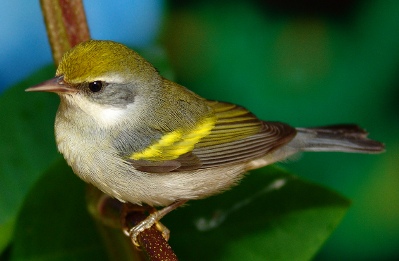
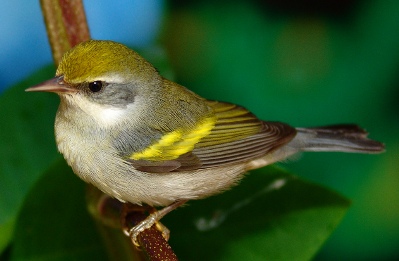
Alianza Alas Doradas is a Golden-winged Warbler research and conservation group. The Golden-winged Warbler is a migratory bird listed as Near Threatened on its non-breeding grounds.

Alianza Alas Doradas is open to any researcher or conservationist who contributes non-breeding ground information about the Golden-winged Warbler. Its goal is to conserve the species and its associated habitats by implementing recommendations and strategies for long-term protection in areas of Latin America where the bird migrates and is resident.

The group was started by members of the International Committee for Golden-winged Warbler Non-breeding Ground Research, Monitoring, and Conservation during the August 2005 Conservation Workshop held in Siren, WI. It is open to any person and/or organization interested in working cooperatively for the conservation of the species and associated species.

To join the Alianza’s listserve, send an email to listserv@listserv.uark.edu with the following text in the body of the message (not the subject line): Subscribe GWWINT-L and your name. You will be notified by email with listserve instructions when your subscription has been processed.

The Golden-winged Warbler (Vermivora chrysoptera) and the Blue-winged Warbler (V. pinus) are species of high conservation interest (Partners in Flight North American Landbird Conservation Plan, 2004). In particular, the Golden-winged Warbler has experienced more than a 50% decline in its breeding ground populations over the last 35 years (Breeding Bird Survey). The main hypotheses to explain this population decline include climate change, loss of habitat on breeding and non-breeding grounds, mortality during migration, and hybridization with the Blue-winged Warbler.

Alexander Monsalve
Subdirector de Investigación 
Fundación ProAves 
marteaga@proaves.org

Tom Will
Alianza Alas Doradas Co-Chair 
US Fish and Wildlife Service 
612.713.5362 
tom_will@fws.gov

David Buehler
Working Group Chair 
Reseach Co-Chair 
Dept. of Forestry, Wildlife and Fisheries 
University of Tennessee 
865.974.8845 
dbuehler@utk.edu

 Rachel Vallender
Research Co-Chair 
613.808.9990 
r.vallender@cornell.edu

Amber Roth
Breeding Grounds Management Conservation Committee Chair 
Outreach Chair 
School of Forest Resources and Environmental Science 
Michigan Technological University 
906.487.3417 
amroth@mtu.edu

boton_alidorada

Mailing List

We have developed a mailing list for all the Working Group GWWALL-L for the purpose of exchanging information relevant to the conservation of Golden-winged Warbler. The mailing list will be the main way to stay updated on the conservation actions we take, upcoming meetings, etc.

To register, send an email to listserv@listserv.uark.edu. This email address is being protected from spam bots. You need JavaScript enabled to view it This email address is being protected from spam bots. You need JavaScript enabled to view it This email address is being protected from spam bots, you need JavaScript enabled to view it and type in the message body (not the sender):

SUBSCRIBE GWWALL-L, followed by your name.

You can also subscribe to various committees by sending a message to various mailing lists:

Comité de Investigación y Monitoreo en Áreas de Reproducción:
SUBSCRIBE GWWRM-L, followed by your name.

Comité de Conservación y Manejo en Áreas de Reproducción:
SUBSCRIBE GWWCON-L, followed by your name.

Comité de Conservación en Areas no reproductivas (Alianza Alas Doradas):
SUBSCRIBE GWWINT-L, followed by your name.

After registering you will receive a confirmation email with information about how the list works, such as sending messages and how to get out of it.


Related news


inicio-18

Why are migratory warblers in decline?
Tuesday 12 January 2010.

As many as half a million tiny Golden-winged warblers used to make the annual round trip flight from Latin America to the USA and Canada. Now, the number is down to 200.000 and an international consortium is trying to find answers.


Foto

Multi-national efforts to save Golden-winged Warbler
Monday 14 December 2009.

An intensive research program was conducted in four countries by members of the Alas Doradas Alliance with the objective of determining the abundance, distribution and habitat preferences of this rare and declining Neotropical migrant during its non-breeding residence in Central America and Colombia.


Categorías
News

Municipal Reserve El Mirador

Establishment: 

Leptosittaca_branickii
Golden-Plumed Parrakeet (Leptosittaca branickii)
mirador

The properties that make up the reserve was acquired by the town of Génova, Quindío (Colombia), in order to comply with Act 99 of 1993 in its Article 111, within the project “Acquisition of land for protection and conservation areas supplying municipal water”. These were acquired between 2000 and 2002. ProAves is responsible for its care, loan quality since 2004, due to its ability to carry out conservation actions, research and education in the area.


Location and Area:

The reserve is located on the western flank of the Cordillera Central, in the village of Rio Gris Alto, in the municipality of Génova, Quindío, with an area of 5,028 acres and an altitude ranging between 2,900 and 3,800 meters above sea level. It is the area having a large sample of moors, besides being a place that is home to five species of parrots that are in some degree of threat. It is ranked by the Alliance for Zero Extinction as an AZE site.

Biological importance: 

There are species in the reserve such as the Fuertes’s Parrot(Hapalopsittaca fuertesi),endemic and critically endangered, the Golden-plumed parakeet(Leptosittaca branickii), vulnerable, Rufous-fronted Parakeet(Bolborhynchus ferrugineifrons), endemic and endangered species, the Crescent-faced Antpitta( Grallaricula lineifrons), vulnerable, Bicolored Antpitta(Grallaria rufocinerea), vulnerable, the Masked Mountain Tanager (Buthraupis wetmorei), vulnerable, and the Masked Saltator(Saltator cinctus), vulnerable, among others.

Climate:  

Presents a minimum temperature of 6 º C and 12 º C maximum, and a minimum rainfall of 1,548 mm and a maximum of 1,852 mm.

Biophysical characteristics: 

The area has 80% of steep slopes, located in the Río Gris basin.

Conservation:

Ecological Restoration and Central Cordillera Project.

Facilities: 

Accommodation for ten people, electricity and drinking water.

General recommendations:   

  •  Respect the natural values of the reserve, plants, and animals.
  • No collection of biological material.
  • Follow the instructions of the reserve staff and travel on established trails.
  • Only visitors who have booked in advance will be admitted.
  • You must bring equipment for cold weather boots, sunscreen and Pantanal boots.
  • You must bring bedding and personal hygiene implements.
  • Report any health problems or allergies.
  • Disinfect shoes with bleach or clorox to prevent the spread of chytrid fungus (one of the leading causes of death of amphibians in the world).

Admission and tours: 

Contact fundacion@proaves.org

With the support of:

lpf 2 GÉNOVA PNG
Génova (Quindío)


Related news


inicioP

Threatened Parrot Corridor established-6700 has saved
Saturday 26 December 2009.

During 2009, ProAves, with the support of ABC, IUCN-NL and WLT, has acquired and protected a vast area of montane cloud forest in the Central Cordillera, from the eastern slope in Tolima to the western slope in Quindio department. The corridor stretches 12 miles and encompasses key foraging and breeding areas for the Critically Endangered Fuertes’s Parrot and Yellow-eared Parrot.


Hapalopsittaca_fuertesi-2

Protecting key habitat for Fuertes’s Parrot
Thursday 30 April 2009 .

The Municipality of Génova (Quindío) and ProAves celebrate an agreement to continue a further five years protecting and managing the Mirador Municipality Reservewhich is important for the survival of the Critically Endangered Fuertes´s Parrot  and many other endangered species.


?
Categorías
News

Restoration and Reforestation

Restauracin

Restoration and reforestation.

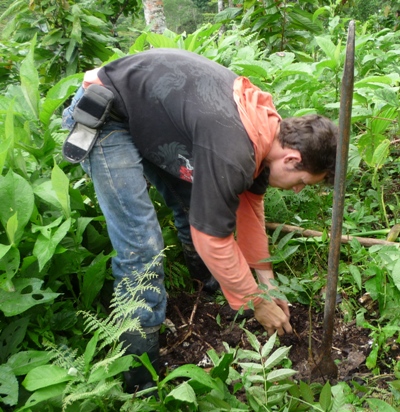
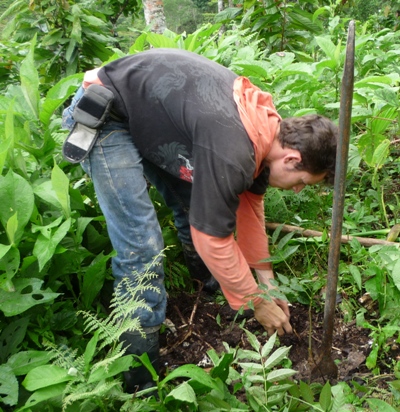
The reforestation process started with the production of seedlings in light of the need to restore and enhance forest habitat. After the establishment of the reserves, the regeneration and restoration were also favored.

This program has developed various strategies for reforestation and restoration in order to meet each objective according to the needs of the projects:

  • Reforestation under shade for coffee and cacao.
  • Reforestation establishing Silvopastoral systems.
  • Reforestation of hedges.
  • Reforestation at spring sources.
  • Reforestation of the margins of rivers and streams.
  • Restoration of the old pastures on the reserves.
  • Natural regeneration in pastures of the reserves.
  • Donations to the community and recovery of micro basins.
  • Donation of trees to comply with the commitments in the easements.


Paramo_de_Frontino

Frontino (Antioquia).

The reforestations carried out are given a monthly maintenance monitoring and clean up of the grass and, when required, fertilizer is applied to the plants: this is done together with the owners of the lands and in the presence of a member of the group.

In addition, each reforested farm also has a coordinate which indicates its location, this is especially useful when working with reforestation for the runners.

Finally, during these 7 years with the reforestation program over 1,200 acres of pastures, margins of streams and rivers in different parts of the country have been replanted and restored, not just giving a proper management of these areas but also providing a food supply for wildlife.

Every process of reforestation that we do is based on the following methodologies:

  • They are done ??especially in the rainy season.
  • Stalls maintaining promising trees.
  • Elaboration of the holes.
  • Density of planting, 200 trees as shade.
  • Seeding density 3×3 in recovery of pastures.
  • Diversification of plants according to the ecosystem properties.
  • Trees are not isolated when working as shade or within the reserves but they are established in Silvopastoral systems.
  • Organic fertilizer is given when planting as required.


Related news


inicio

Restoring Native Habitat for Migratory Birds
Thursday 10 December 2009.

ProAves’ Habitat Restoration Program has been working on reforestation with native trees in strategic areas to promote connectivity between forest fragments and provide vital native habitat for wildlife especially migratory birds.


reforestation

ProAves and the municipality of Jardín join forces
Friday 31 July 2009.

Through joint management of the botanical nursery of the municipality of Jardín in Antioquia, ProAves and the local community are demonstrating that joint efforts and synergies are achievable between the non-profit and public sector, contributing to habitat conservation for the Yellow-eared Parrot.


Inicio_Ninos_Dorado

Kids restore the forest in Sierra Nevada
Friday 31 July 2009.

Around the Reserve El Dorado, a group of kids wanted to preserve the forest for their future and benefit an endemic unique parrot specie of the Sierra Nevada de Santa Marta. These activities were carried out with the leadership of ProAves.


Reforestacion

Restoration in Sierra Nevada de Santa Marta
Monday 16 February 2009.

ProAves is clearing non-native invasive pines in the Sierra Nevada de Santa Marta, around El Dorado Bird Reserve, and replacing them with thousands of native trees important for the native fauna. We urgently seek volunteers to help clear pines and reforest.

Categorías
News

Parrot Bus


Loro1

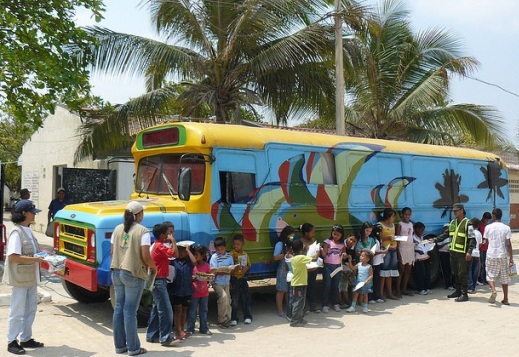
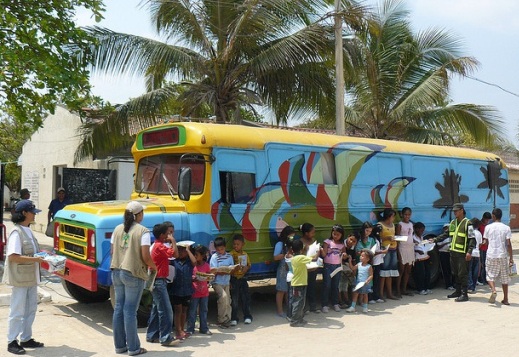
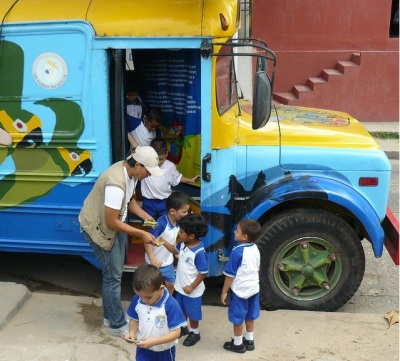
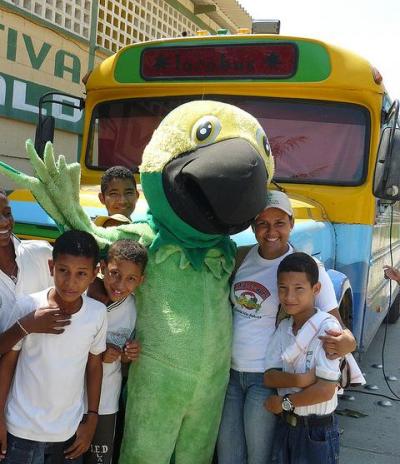
 The parrot bus acts as a mobile environmental education classroom. Since 2005, Parrot Bus has been used as environmental educational tool driving all over the country developing fun activities with kids, youngsters and adults, carrying out the message of conservation and care of nature to more than 70,000 people in 145 cities of 16 provinces all over the country. Since this initiative was created, it has visited 2.392 educational institutions and it has driven more than 80,000 km of Colombia.

Trough talks, workshops, games and videos performed inside the bus, ProAves is trying to involve all visited communities, teaching them respect for biodiversity, especially to birds.

Loro_2

The intention of the methodology used within the Parrot Bus is to teach knowledge trough fun activities. Thanks to the projection of documentaries and videos about ecosystems, fauna and flora of Colombia, all participants can learn about it, in the company of Oto Rico, the traveling pet on board of the Parrot Bus.

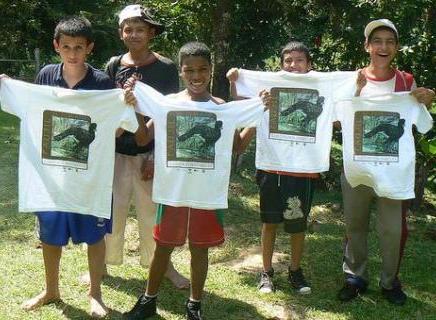
Finally, and as a accompaniment to the activities carried out on board of the Parrot Bus, board games are organized within the participants, such as stairs of migratory birds (a variant of the board game snakes and stairs), wild birds lottery, endangered parrots dominó, among others. At the end of the activities, didactic material is delivered. This material is mostly composed by bird cards, mini-guides, stickers, pins, posters and t-shirts.

Loro_bus_1

Ecological routes

Fundación ProAves has established several itineraries for the Parrot Bus, known as ecological routes. The objective of these routes is to reach a higher number of populations in Colombia, having as priority the visit of locations where there are more endangered species.

The project is supported by Disney Wildlife Conservation Fund and the routes are: Green Coast, which includes the departments of Córdoba, Bolívar, Magdalena and Atlantic Biodiversity Ecological Oriental, which covers the departments of Santander, Norte de Santander and Boyacá, Green-eared parrot, which travels through the departments of Antioquia, Tolima, Quindio and Caldas, and Ecological Jungle South, which includes the departments of Valle del Cauca and Nariño.


With the support of:

abc conservacioninternacionalcolombia lpf disney
entrega_tu_cauchera parrotsociety


Related news


inicio2-7

Parrot Bus visits the department of Córdoba
Monday 7 December 2009.

The Mobile Environment Classroom, the “LoroBus” (Parrot Bus), visited nine municipalities in northern Colombia. Twelve educational institution assisted with two massive education activities for the general community. A total of 5,164 people participated and pledged their support for conservation.


Copia_de_otra_loro_bus

ProAves wins Energy Globe Award
Wednesday 15 April 2009.

On April 13, 2009, at the opening meeting of the EU Environmental Ministers in Prague, Czech Republic, ProAves was awarded the national prize by the Energy Globe World Awards for ProAves Parrot Bus initiative. Over 769 projects participated from 111 nations.


Copia_de_otra_loro_bus

Parrot Bus visits department of Boyacá
Monday 9 March 2009.

Three new municipalities of Colombia were visited by ProAves’ Parrot Bus in February, with over 1,000 participants educated. To date the Parrot Bus has visited 148 municipalities reaching more than 73,000 children who learned about the need to protect birds and biodiversity.


Driving Conservation August 2007 – May 2008
Monday 5 May 2008.

During August 2007 – May 2008, the results of the project Driving Conservation, with the support of Disney Wildlife Conservation Fund, show how the project successfully reached 25.413 people from beginning to end.


Copia_de_loro_bus_en_Bogota_23_de_abril_de_2008_018-2

Slingshot Amnesty success
Tuesday 15 January 2008.

It is all to common place to see children carrying slingshots with the sole purpose of hunting birds. ProAves launched a campain against hunting birds across Colombia and delighted when over 330 children voluntariary handed slingshots and traps to ProAves staff.


 Slingshot amnesty campaign success!
Thursday 20 September 2007.

After many trips conducted by the Parrot Bus in different regions of Colombia, ProAves have launched a new amnesty campaign to request children to hand in their slingshot and other objects use to attempt against birds.


Loro_bus_para_inicio

Parrot Bus is re-released in Jardín, Antioquia
Friday 24 August 2007.

Our mobile environmental classroom has been renewed with beautiful inner panels about the diverse and threatened ecosystems of Colombia and its representative fauna and flora.


Categorías
News

Data Base

Our online database for bird monitoring and research by ProAves has recorded data on 1,163 species (61.8%) of birds in Colombia. Among these species, 107 are migratory, 78 are almost endemic and 47 are endemic.

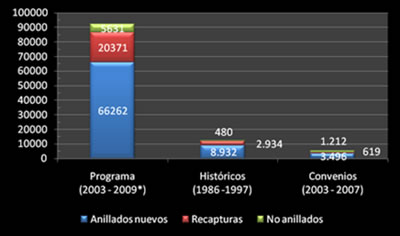
Among the 86 species of threatened birds listed by IUCN (2007), ProAves has information about, and monitors 68.3% of them. Information has been collated monthly since 2003 and the banding database has 82,061 records. Furthermore the database of observations, censuses, count points and transects has 168,780 records, distributed in 12 localities and corresponds to 240,078 individuals.

Esfuerzo de muestreo de capturas 2003-2009 y número de individuos de especies por categorías registrados por años.

Catch sampling effort 2003-2009 and number of individuals of species recorded by category for years.

To view the results of the endangered species present in the database: https://www.proaves.org/images/stories/IMG/pdf/Tablas.pdf

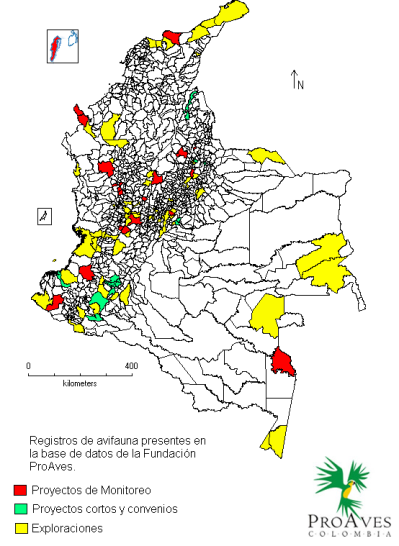
In some of these areas is conducted monthly monitoring, using methods of census and mist-net catches, there are places where research has been conducted short (less than a year) and to key sites where exploration has been largely obtained important information birds of conservation concern.


Figure 1. Map of Colombia restricted to municipal boundaries, showing where ProAves Foundation has information of birds in your database.

Information contained in the database is present since 1986.

ProAves Foundation invites the general public and amateur ornithologists to register and query data · Base Monitoring Program and the Migratory Bird Conservation, which is constantly updated to take into account access following recommendations:

– Enter the login button “user registration”.
– By return mail you will receive an information document which must be filled out.
– Evaluate and approve your request.
– By return mail will be sent confirmation ID and password. AND A CHECK!

With the support of:

golden alianza abc
cornell nationalfish proaves


Related news


inicio-16

ProAves bird database exceeds 270,000 records
Monday 30 November 2009.

With seven years of targeted bird research and monitoring across a strategic network of research stations and protected areas, we have established a database of over 270,000 bird records that is assisting bird conservation activities.

Categorías
News

Blue-billed Curassow Festival

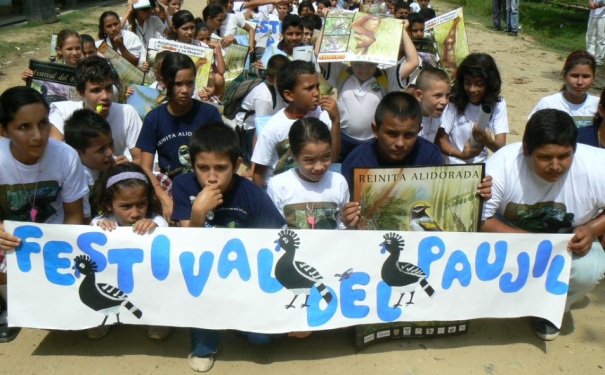
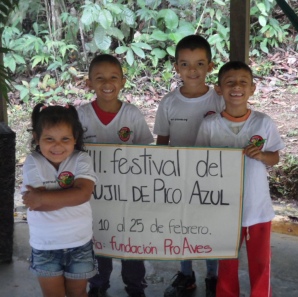
fest._paujilThe Blue-billed Curassow is an endemic and highly endangered species in Colombia. In the frame of the Environmental Education program, ProAves develops, in Puerto Pinzón, municipality of Puerto Boyacá, department of Boyacá, Colombia, the Blue-billed Curassow Festival since 2004.

This is a dynamic and educational event where diverse activities for all the community, especially kids and youngsters living closer to the Blue-billed Curassow Natural Bird Reserve, take place, where ProAves focuses conservation efforts for this species.

The Festival intends to increase the interest of the community in the conservationist programmes carried out by ProAves, changing the way people sees and thinks about the Blue-billed Curassow.

bp global abc


Related news


Inicio_festival_paujil

8th Blue-billed Curassow Festival 2012
Friday 13 April 2012.

With the participation of over 400 people, the 8th Blue-billed Curassow Festival was held in the town of Puerto Pinzón in Boyacá, aiming to raise awareness among communities, especially children and young people who live beside the area El Paujil Bird Reserve.


inicio3-2

Paujil Festival 2009 – Saving the Blue-billed Curassow
Friday 9 October 2009.

More than 830 people took part in the 5th Blue-billed Curassow Festival that was held in September in the town of Puerto Boyacá and villages of La Arenosa, Quince Letras and Dos Quebrados, in Boyaca and Santander Departments.


Inicio_Paujiles-2

4th Blue-billed Curassow Festival completed
Friday 26 October 2007.

With the completion of 23 environmental workshops and the participation of over 800 people, the 4th Blue-billed Curassow Festival was conducted in the Magdalena valley.

Categorías
News

Listado de Aves de Colombia

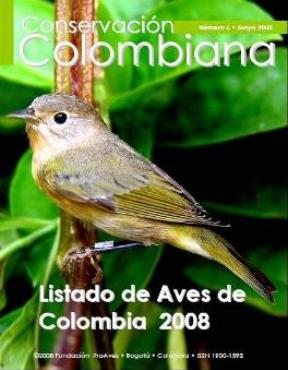
Colombia es el país más diverso del mundo en aves, con 1871 especies, más que cualquier otro país del mundo. La Fundación ProAves mantiene y publica elListado de Aves de Colombia cada año desde el 2007, siguiendo el primer listado de aves de Colombia, publicado en el 2001. La publicación se mantiene actualizada con nuevos datos sobre la distribución y taxonomía de las especies que ocurren en Colombia, y se publica anualmente como una edición deConservación Colombiana. Lo invitamos a colaborar mandando sus registros nuevos a listado@proaves.org

Próximamente se va a establecer un Foro Nacional de Registros de Aves para Colombia con el fin de formalizar el proceso de cambiar el listado nacional.

Ver El Listado, en sus varias ediciones:

- 2009: Conservación Colombiana 8

- 2008: Conservación Colombiana 5 (versión PDF y versión Excell)

- 2007: Conservación Colombiana 2 (Suplemento)

- 2001 (no disponible en línea)

favor comunicarse a dcaro @ proaves.org o en la sede de ProAves, Cra 20 No. 36-61, Bogotá.

Ver las revisiones más recientes:

Donegan, T.M., Salaman, P. Caro, D. 2009. Revision of the status of various bird species occurring or reported in Colombia. Conservación Colombiana 8: 80-86; 87.

Salaman, P., Bayly, N., Burridge, R., Grantham, M., Gurney, M., Quevedo, A., Urueña, L.E., Donegan, T. 2008. Sixteen bird species new for Colombia.Conservación Colombiana 5: 80-85.

Categorías
News

Threatened Parrots Festival

Fest.loro.ame.1Threatened Parrots Festival is a massive event that takes place in the second half of each year to invite the community to help protect the habitat of species that are endangered species like the Yellow-eared Parrot, bird its dependence on the habitat and food has been strongly affected almost taking it to extinction. Like this there are other species that are going through the same situation as in the case of Loro Coroniazul.


Fest.Loro.ame.2

ProAves has been promoting for over 6 years this campaign to raise awareness and educate the public against the environmental impacts that are generating the different types of ecosystems.


Related news


Inicio_festivales_

Celebrating the birds of Colombia
Wednesday 30 November 2011.

With the objective of creating community interest in the protection of the Yellow-eared Parrot and migratory birds in Colombia, the 8th Migratory Birds Festival and the 3rd Yellow-eared Parrot Festival were celebrated in Antioquia and the 7th Fuertes’s Parrot Festival in Quindío.


VII_Festival_Loro

VII Fuertes’s Parrot Festival 2011
Friday 30 September 2011.

A celebration will take place celebrating the Fuertes’s Parrot (Hapalopsittaca fuertesi) becoming the official environmental symbol for the Municipality of Génova in Quindío. This beautiful and Critically Endangered parrot is now the flagship for the community Festival on Oct 4.


InicioLoro

Yellow-eared parrot & Wax Palm Festival news
Wednesday 26 August 2009.

Incredible costumes, folk music, colors, and banners, filled the streets as processions of local conservationists in towns across Tolima, Quindío and Antioquia to proclaim the 4th Festival of the Yellow-eared parrot and the Wax Palm thanks to Fundación Loro Parque.

Categorías
News

Pyrrhura viridicata

Edit_Pyrrhura_viridicata-Santa_Marta-11-X-2005_23_

The parrot Pyrrhura viridicata in Sierra Nevada is an endemic species inhabiting the mountains of the Sierra Nevada de Santa Marta.It was listed by IUCN in 2006 as an endangered species mainly due to the deterioration and destruction of its habitat.

Oliveros Chambers, HA 2005. Populational and ecological assessment of Santa Marta Parrot Pyrrhura viridicatain the area of San Lorenzo, Sierra Nevada de Santa Marta, Colombia. Resume.

Olaciregui Pineda, CA 2006. Monitoring the use of artificial nests by the parrot Pyrrhura viridicata in “El Dorado” Bird Reserve and buffer zone of San Lorenzo, Sierra Nevada de Santa Marta. Resumen.

{youtube}-BKEjlBPMMg|300|250|1{/youtube}

Categorías
News

Mamíferos amenazados

Gracias a un número de diferentes proyectos realizados por tesistas e investigadores, localizamos en el 2006 una población importante del mono Choibo (Ateles hybridus) en la reserva El Paujil. Este mono está clasificado como En Peligro y solo se conoce que sobreviva en la reserva y sus alrededores.

Gracias al Premio de Conservación de BP, el esfuerzo de investigación comenzó en 2004 con la tesis de un estudiante, y a diciembre de 2006 estaban otras cuatro tesis en proceso, a nivel de graduado y postgraduado.

Categorías
News

Grupo Ecológico

Última actualización : Miércoles 17 de mayo de 2006

GRUPO ECOLÓGICO AMIGOS DE LAS AVES

1. ¿Quienes somos?

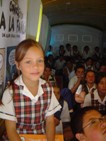
Somos grupos ecológicos creados y apoyados por la Fundación ProAves e integrados por niños, niñas y jóvenes entre los 6 y 17 años de edad de diferentes regiones del país, en especial donde la fundación desarrolla sus acciones. Dedicamos nuestro tiempo libre a apoyar y desarrollar iniciativas para la conservación de la naturaleza y en especial de las aves y sus habitats.

Queremos asumir un compromiso desde niños con el cuidado y protección del medio ambiente que nos permita vivir en armonía con la naturaleza y contribuir a la conservación de los recursos naturales.

2. Nuestra misión

Liderar y desarrollar acciones para el conocimiento y conservación de las aves silvestres y los recursos naturales en las diferentes regiones del país a través del desarrollo de iniciativas locales que promueven la adopción de criterios y prácticas para su conservación.

3. Con nuestras acciones buscamos…

- Crear una conciencia ecológica en los miembros de los grupos que contribuya a la protección y conservación de los recursos naturales en las diferentes regiones del país.

- Desarrollar en la comunidad infantil la capacidad de analizar su entorno ambiental, de tal forma que les permita elaborar sus propios proyectos de acuerdo a sus necesidades de conservación.

- Promover el conocimiento y conservación de las especies de aves amenazadas en las diferentes regiones del país.

- Contribuir a la formación de carácter y liderazgo de los miembros del los grupos fomentando los valores de colaboración, disciplina, respeto y responsabilidad.

- Crear fuertes lazos de hermandad entre los miembros de los diferentes grupos “Amigos de las Aves”.

- Brindar un espacio para el aprovechamiento del tiempo libre.

- Ayudar a que la comunidad y los visitantes conozcan las especies que se encuentran en las diferentes áreas donde la Fundación desarrolla sus proyectos y la importancia de estas.

4. Nuestras actividades:

- Participación en eventos ambientales (Festivales, Campañas, Actividades masivas).

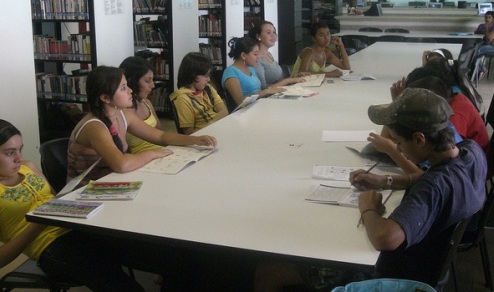
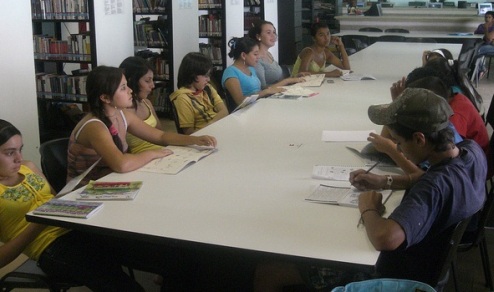
- Desarrollo de actividades para el buen uso del tiempo libre (Cine Club, Centros de Documentación).

- Programas al Aire Libre. (salidas de observación de aves, reforestación y jornadas complementarias).

- Charlas sobre temas ecológicos de relevancia.

- Observar especies silvestres en sus hábitat naturales.

- Formación de líderes y guías ambientales.

- Participación en las políticas ambientales locales.(PRAES, mesas municipales ambientales).

- Apoyo en las actividades de las líneas de trabajo de la fundación Investigación, conservación y educación ambiental.

5. ¿Como puedes hacer parte de los Grupos Amigos de las Aves?

Es muy fácil, debes llenar el FORMATO DE INSCRIPCION DEL GRUPO ECOLÓGICO AMIGOS DE LAS AVES, con tus datos completos. Una vez se formalice tu inscripción tendrás a vuelta de correo el carnet que te acredita como miembro activo del “Grupo Amigos de las Aves” de tu Región.

Actualmente el programa cuenta con más de 200 niños(as) y jóvenes reunidos en grupos locales “Amigos de las Aves” de los municipios de Jardín-Antioquia, Génova-Quindío, Roncesvalles-Tolima.

Categorías
News

Young Researchers

jovenes

A group of young investigators arose in 2007 in the regions of Antioquia and Quindío, spurred by the need to train and shape youth as future conservationists, particularly for wild birds.

Our youth learn about birds, and engage in their study and conservation. They are involved in environmental education, investigation, and conservation activities directed by the Foundation.

4

The groups are integrated from students in the 11th and 12th grades. Some, after participating for an extended period with the ecological group ¨friends of birds,¨ come to influence this group and others who come because of their interest in the subject.

ProAves Foundation has two groups of Young Investigators, one in the municipality of Jardín in the department of Antioquia, created in 2007 and consisting of 8 youths, and the other in the municipality of Génova in the department of Quindío, created in 2008 and consisting of 12 young people and Roncesvalles, Tolima has 11 youth.

Categorías
News

Hapalopsittaca amazonina

amazonina

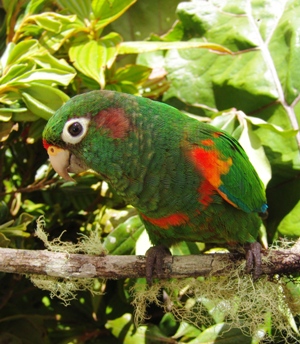
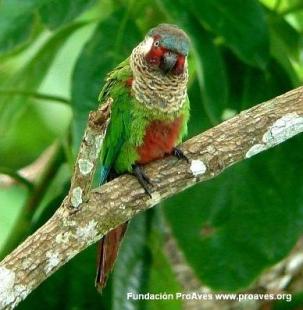
Rusty-faced Parrot (Hapalopsittaca amazonina velezi) is categorized as an endangered species in the international scope and as vulnerable in the Colombian national scope. The reason for this classification is the small population size and the loss and fragmentation of its habitat caused by the expansion of the feed-crops extensions in the Andean forest.

Some of the studies conducted so far regarding the situation of this species are:

Mayorquín, LA 2004. Identification of issues related to the foraging and reproduction of the endangered subspecies of parrot Hapalopsittaca amazonina velezi in an area of the eastern flank of the Central Ridge. Resume.

Categorías
News

Adopt a nest box

If you want to help to avoid the extinction of three species of parrots in Colombia you can do it through the program Adopt a nest box, by sponsoring the construction and installation of an artificial nest and its monitoring and maintenance during a year.

This program is the result from seven years of research carried out by Fundacion ProAves with the threatened parrots of Colombia, during which we discovered that logging of mature trees for timber in the Andes of Colombia has removed many of the natural nest cavities that are so vital for parrots to nest each year.

So, with the help of Loro Parque Fundación, American Bird Conservancy and International Conure Association, we launched a nest box program in 2003. We were immediately astounded that sometimes within just hours of installing boxes, pairs started nesting in them, showing just how desperate the birds were for somewhere to nest! Importantly, pairs nesting in our boxes were far more successfully at raising all their chicks to fledging than the few pairs nesting in natural cavities.

To make your donation for US$85 or £45, you can click here, complete a simple form and select which species you wish to help save: Santa Marta Parakeet (Endangered), Fuertes’s Parrot (Critically Endangered), or Yellow-eared Parrot (Critically Endangered).

(Ognorhynchus icterotis), (Pyrrhura calliptera) and (Pyrrhura viridicata).
Categorías
News

Bird Friendly Schools

Escuelas_1

With the Programme Bird Friendly Schools, Fundación ProAves aims to link the educational institutions with conservation, research and environmental education processes being carried out, in order to generate educational projects that will allow the reach and understanding, use and care of biodiversity knowledge with a special emphasis in birds.

Environmental instructors of ProAves perform a close follow up with the institutions through training, creation of groups, organization of workshops, all with topics related to sustainability and the environment.

Escuelas_2

All schools undergo a process, in which they demonstrate the sustainability of the project, and that it has been included in the educational programme; in this way, ProAves commits its work together to the one of the educational institutions in this process.

For the year 2011 with 80 educational institutions in 7 departments.


Categorías
News

List of children birds Friends Groups


GRUPO AMIGOS DE LAS AVES
MUNICIPIO
NIÑOS
GÉNOVA, QUINDÍO
  • Díaz Clavijo., Maria Camila
  • García., Tania Maria
  • Garzón., Johanna
  • González Romero., Sebastián
  • Osorno Nieto., Laydy Tatiana
  • Vargas Aya., Maria Fernanda
  • Acosta López., Jhon Faber
  • Alzate Quintero., Andres Felipe
  • Alzate Quintero., Duvan Andres
  • Arenas Marín., Andrés Mauricio
  • Bedoya Carvajal., Santiago
  • Beloza Torres., Diego Alexander
  • Caseres Roy., Jorge Mario
  • Castaño Pineda., Ana Milena
  • Duque Arboleda., Karen Melissa
  • Durángo Gimenez., Jhon Edison
  • Franco Coy. ,Daniela
  • García López., Jeison Fabián
  • González García., José Alejandro
  • González., Santiago Serna
  • Guevara García., Esteban
  • Guevara Henao., Anyella Tatiana
  • Henao Hernandez., Daniela
  • Hernández Guegue., Yudi Alexandra
  • Hernández., Sara Manuela
  • Hurtado Medina., Yizeth
  • Marin Alvarez., Juan José
  • Martínez A., David Esteban
  • Martínez Manrique., Erika Natalia
  • Mina García., Luisa Fernanda
  • Mina., Jhon Alejandro
  • Morales Ducuara., Angie Liseth
  • Morales Torres., Johan Javier
  • Morillo Rodriguez.,Byeiney Andres
  • Osorio Piñeros., Diego Alejandro
  • Parra Cagua., Jakeline
  • Patiño Marín., David Esteban
  • Peralta Cardona., Carlos Esteban
  • Puerta., Oscar Camilo
  • Pulgarin., Oscar Danilo
  • Quiroga Peña., Ana
  • Quiroga., Maria Camila
  • Ramírez Botache., Ana Maria
  • Ramirez., Maria Alejandra
  • Ramos López., Natalia
  • Rivera Salinas., Laura Daniela
  • Rodríguez Coy., David Sebastian
  • Rodríguez Coy., Victor Alfonso
  • Roman Toro., Karina Alejandra
  • Rosero García., Ana Maria
  • Sanchez Moscoso., Cristian Camilo
  • Serna González., Santiago
  • Serna Ospina., Dayanna
  • Suárez Garzón., Johan Sebastian
  • Suárez Noreña., Yuri Tatiana
  • Torres Serna., Paola
  • Trejos Suárez., Deisy Geraldine
  • Vaquero Agudelo., Jhon Edwin
  • Vaquero Betancourt., Dora Alicia
  • Vaquiro Betancour., Maria Angélica
  • Vasquez Vasquez., Frallilet
  • Veloza Torres., Diego Alexander
  • Villada., Manuela
GRUPO AMIGOS DE LAS AVES
MUNICIPIO
NIÑOS
JARDÍN, ANTIOQUIA
  • Arbelaez., Gabriel
  • Carmona Gómez., Sara Cristina
  • Carmona., Diego Alejandro
  • Carvajal., Daniel Moreno
  • Gómez Carvajal., Mariana
  • Lotero Pineda., Vanesa
  • Moreno Arenas., Lina Paola
  • Ramirez Rendón., Daniel
  • Alvarez Bedoya., Mariana
  • Arenas Arenas., Gabriel Fernando
  • Arenas Arenas., Gabriel Jaime
  • Bartolo Zapata., Maria Clara
  • Bartolo., Maria Clara
  • Bedoya Rios., Andrés Felipe
  • Bedoya Rios., Azucena
  • Cano Marín., Maria Jimena
  • Cárdenas Agudelo., Salomón
  • Cardona Méndez., Andrea
  • Cardona Mendez., Laura Isabel
  • Cardona Méndez., Luis Carlos
  • Carmona., Diego Alejandro
  • Carmona., Sara Cristina
  • Carvajal., Daniel Moreno
  • Colorado Giraldo., Mateo
  • Cristina Carmona., Sara
  • Cuadrado Muñoz., Natalia Andrea
  • Díaz Taborda., Zurima Andrea
  • Díaz Yarce., Rolando Andrés
  • Giraldo., Adriana
  • Giraldo., Mateo Colorado
  • Gómez Noreña., Yessica
  • Guerrero Méndez., Sara
  • Guisao Montoya., Wendy Vanesa
  • Gutierrez., Sandra
  • Herrera Muñoz., Maria José
  • Jaramillo Hernández., Maria Camila
  • Jaramillo Hernández., Mateo
  • Jaramillo Marulanda., Ximena
  • Lotero Pineda., Vanesa
  • Marín Lotero., Verónica
  • Marín Marín., Isabel Cristina
  • Marín Quiroz., Yessica
  • Marín Uribe., Valentina
  • Monroy Giraldo., José Alexander
  • Monroy Giraldo., Mery Ann
  • Montoya Giraldo., Ximena
  • Montoya., Isabel Cristina
  • Montoya., Katherine
  • Morales Cardona., Didier Alejandro
  • Morales Cardona., Nini Johana
  • Moreno Carvajal., Daniel
  • Muñoz Cuadrado., Natalia Andrea
  • Muñoz., Lia Natalia
  • Paez., Sonia
  • Peña Pinto., Lida
  • Pérez Posada., Luis Carlos
  • Pérez Posada., Santiago
  • Pineda Lopez., Diana
  • Posada., Maria Ines
  • Puerta Jaramillo., Jorge Hernan
  • Puerta Montoya., Alejandra
  • Ramírez Rendón., Daniel
  • Rendón., José Daniel
  • Rendon., Maria Daniela
  • Restrepo Bedoya., Leidy Marian
  • Restrepo López., Maria Camila
  • Restrepo Sánchez., Maria Clara
  • Sánchez Moreno., Manuela
  • Suárez Cardona., Maria Fernanda
  • Uribe Ruíz., Luisa Fernanda
  • Vargas Mejía., Ligia Maria
  • Vergara Cardona., Paula Andrea
  • Zapata Morales., Meili Jea
  • Zapata Morales., Steveth
GRUPO AMIGOS DE LAS AVES
MUNICIPIO
NIÑOS
RONCESVALLES, TOLIMA
  • Cruz Pineda., Edwin Rodrigo
  • Cupitre Osorio., Edier Senén
  • Olaya Bermudez., Carmen Rosa
  • Paez Guerra., Oscar Eduardo
  • Rodríguez., Abrahan Castiblanco
  • Rojas., Yuri Natalia
  • Aguilar Rojas., Lizdeiby
  • Allate Barajas., Vivian Lorena
  • Amaya Fonseca., Fredy Alexander
  • Arias Bentacourth., David Elkin
  • Arias Betancourth., Edwin
  • Aristizabal Cardona., Johan Esteban
  • Barragán Bermudez., Diego Fernado
  • Barragan Paez., Fernado
  • Barragán Sanabria., Ruben Darío
  • Barragán Torres., Dayhana Michell
  • Bentacourth., Erika Lorena
  • Bermudez Herrera., Cielo Maria
  • Betacourth., Erika Lorena
  • Betancourt Ospina., Carlos Mario
  • Blanco., Luis Felipe
  • Bolivar Castiblanco., Jennifer Paola
  • Bonilla Devia., Juan Pablo
  • Briñez Herrera., Andrea Yurany
  • Buendia Sánchez., Paula Andrea
  • Campos Andrade., Maria Paula
  • Campos., Nataly
  • Cancino., Paula
  • Cardona Salamanca., Edna Bibiana
  • Casallas Rojas., Juan Carlos
  • Castelblanco Rojas., Edwin Augusto
  • Castiblanco Rodríguez., Abraham
  • Castro Bermudez., Jessica Tatiana
  • Celeita Benitez., Luz Adriana
  • Cruz Pineda., Edwin Rodrigo
  • Cruz Prada., Frandy David
  • Cruz Rojas., Laura Maria
  • Cupitre Osorio., Edier Senén
  • Cupitre Osorio., Yennifer Andrea
  • Chala Suarez., Diana Yackeline
  • Devia Muñoz., Jhony Leónardo
  • Devia Ortíz., Camila Andrea
  • Duarte., Kelly
  • Enciso López., Laura Jimena
  • Fonseca., Felipe Alexander
  • Galindo Sandoval., Alejandra Isabel
  • Galindo Sandoval., Hugo Fernando
  • Galindo., Julian Camilo
  • Gallo., Angie
  • Garavito Marín., Sebastian
  • Garavito Zambrano., Maria Isabel
  • Gómez Murcia., Ruben Darío
  • González Vargas., Duvan Mauricio
  • Grajales Gutiérrez., Edison Eduardo
  • Granobles Villa., Jaime Alexander
  • Granobles., Luisa Maria
  • Gutiérrez Moya., Daniela
  • Gutiérrez Ospina., Marisol
  • Gutiérrez Rios., Gilber Stid
  • Gutiérrez Vanegas., Daniela Alejandra
  • Hernández Devia., Adriana Marcela
  • Hernández García., Jamir Adrian
  • Hernández López., Juan Carlos
  • Herrera Rodríguez., Leidy Alejandra
  • Laguna Cruz., Nebelly
  • Lindo., Luna Paola
  • Londoño., Sergio Luis Lucas
  • López Ortíz., Andrea Katerine
  • López Rojas., Yuri Alexandra
  • Lucas Londoño., Sergio Luis
  • Marin., Raul Alberto
  • Martinez., Raul
  • Matajudios Guayara., Yeisson Leónel
  • Méndez Patiño., Jhon Jeiver
  • Miguel Angel., Rojas Herrera
  • Montaño Hernández., Carlos Mario
  • Montealegre Quiroga., Diana Pilar
  • Montealegre Sánchez., José Luis
  • Montoya Osorio., Carlos Hernando
  • Morales Ducuara., Angie Liseth
  • Morales Enciso., Carlos Andrés
  • Morales Enciso., Gloria Alejandra
  • Morales., Jose
  • Moreno Marín., Edwin Labrencio
  • Moreno Perdomo., Angie
  • Mosquera Palomino., Daniel Aleider
  • Mosquera Palomino., Edward Andrés
  • Murillo Zamora., Oriana Soledad
  • Neira Bentacourth., Maria Isabel
  • Neira Betancourth., Solangi Yaneth
  • Obando Osorio., Gratiniano
  • Ocampo., Jeimy
  • Olarte., Andres Felipe
  • Olaya Bermudez., Carmen Rosa
  • Olaya., Andrés Leónardo
  • Olaya., Juan Andres
  • Ordoñez Forero., Carlos Andrés
  • Orozco Cordero., Jairo
  • Orozco Oviedo., Jairo David
  • Orozco Oviedo., Lilian Katalina
  • Ortega., Diego Andres
  • Osorio Romero., Laura Vanessa
  • Ospina Pérez., Jeimy Yulieth
  • Ospina., Angela
  • Otalora Marín., Victor Manuel
  • Ovando Osorio., Gratiniano
  • Páez Guerra., Oscar Eduardo
  • Paola Andrea Reyes Rivas
  • Patricia Reina Rojas
  • Peña Aguirre., Daniel Alberto
  • Perdomo Amaya., Olver Andrés
  • Perdomo Rojas., Carlos Alfredo
  • Perez., Esteban
  • Perez., Laura Camila
  • Pineda Patiño., Yenifer Daniela
  • Quiceno Balero., Mary Luz
  • Quijano Sosa., Yuri Alexandra
  • Ramírez Triana., Ingrid Lorena
  • Reina Rojas., Patricia
  • Restrepo Alboleda., Jhon Fredy
  • Restrepo Arboleda., Oscar Fabián
  • Reyes Rivas., Paola Andrea
  • Rios Quiñones., Leidy Johana
  • Rivas Ávilez., Laura Silvana
  • Rivas López., Ana Maria
  • Rodríguez Latorre., Luis Arturo
  • Rodríguez Olaya., Jose Adalber
  • Rodríguez Ortíz., Julian Andrés
  • Rodríguez Peralta., José Luis
  • Rodríguez., Lina Alejandra
  • Rojas Herrera., Miguel Angel
  • Romero Garavito., Sergio Alberto
  • Ruben Dario Gomez Murcia
  • Sánchez Piñerez., Leidy Marcela
  • Santafe., Carlos
  • Sergio Alberto Romero Garavito
  • Sierra Pineda., Angélica María
  • Solano Charry., Oscar Fabián
  • Suarez., Andrea Bibiana
  • Torres., Daniel Armando
  • Trujillo Enciso., Jessica
  • Uribe Quintero., Miralba
  • Uribe Quintero., Yeimi Judi
  • Vélez Caicedo., Edna Yamile
  • Villa Morales., Yenny Carolina
  • Yenny Carolina Villa Morales
  • Yuri Alexandra Lopez Rojas
  • Yuri Alexandra Quijano Sosa
Categorías
News

Military Macaw

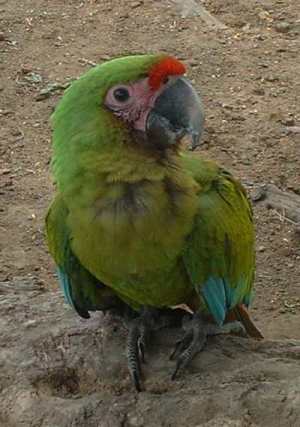
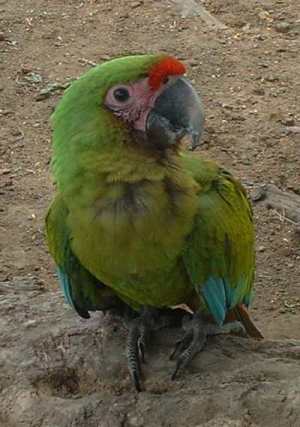
41.Ara_militaris.Sabanalarga.AQG._18The Military Macaw (Ara militaris) is a species that has been ranked as vulnerable both globally and nationally due to the destruction of its habitat, the hunting pressure that this species is suffering and the plundering of its nests. This species currently presents a very restricted distribution around different forest areas within the country

Some of the studies conducted so far regarding the situation of this species are:

Sierra, AM 2005. Evaluation of the status of the population, distribution and ecological requirements of a colony of dark-green Macaw Ara militaris in occidental medium Antioqueño. Resume

Categorías
News

Precios

enturas como éstas son únicas en el mundo. La Fundación ProAves a través de su programa de Ecovoluntariado te da un inolvidable experiencia práctica, donde aprenderás sobre uno de los más espectaculares ecosistemas y sus especies en el planeta. Nuestro único programa de voluntariado apoya la conservación de algunos de los más preciosos hábitats naturales y animales en Colombia, así que cuando tú haces el trabajo de conservación con la Fundación ProAves sabes que realmente estás marcando una diferencia para el medio ambiente.

Incríbete en línea ya, haciendo clic aquí

RESERVA NATURAL DE LAS AVES EL DORADO
LOCACION Corregimiento de Minca, perteneciente al municipio de Santa Marta, departamento del Magdalena.
PROGRAMA PARA ECOVOLUNTARIOS
  • Apoyo a acciones de conservación
  • Programa nidos artificiales
  • Ecoturismo una ventana hacia el desarrollo sostenible
  • Programa educación ambiental
  • Programa mujeres por la conservación
COSTO MENSUAL Nacionales: 1,200,000 pesos Extranjeros: USD 825
OFERTA ESPECIAL!!! Nacionales: 775.000 Pesos Extranjeros : USD 590
DURACIÓN Mínimo 1 mes. Durante todo el año con excepción del mes de diciembre.
HORAS DE TRABAJO 40 horas semanales, fines de semanas libres.
ACOMODACIÓN Cuartos compartidas en cabañas ecológicas
ALIMENTACIÓN Tres comidas balanceadas diarias
TRANSPORTE No incluye transporte hasta la reserva
ENTRENAMIENTO Orientación y acompañamiento en la reserva
SOPORTE Seguimiento preselección, durante el tiempo como ecovoluntario y post-voluntario
NO INCLUYE Tiquetes aéreos, visas o documentos personales, certificado médico, actividades extras, transporte local.

RESERVA NATURAL DE LAS AVES EL PAUJIL
LOCACION Ubicada en la jurisdicción de Puerto Pinzón, entre los municipios de Puerto Boyacá y Cimitarra, en los departamentos de Boyacá y Santander, respectivamente.
PROGRAMA PARA ECOVOLUNTARIOS
  • Apoyo a acciones de conservación
  • Programa Monitoreo de Aves
  • Ecoturismo una ventana hacia el desarrollo sostenible
  • Programa educación ambiental
  • Programa mujeres por la conservación
COSTO MENSUAL Nacionales: 1,125.000 pesos Extranjeros: USD 720
OFERTA ESPECIAL!!! Nacionales: 750.000 pesos Extranjeros: USD 520
DURACIÓN Mínimo 1 mes. Durante todo el año con excepción del mes de diciembre.
HORAS DE TRABAJO 40 horas semanales, fines de semanas libres.
ACOMODACIÓN Cuartos compartidas en cabañas ecológicas
ALIMENTACIÓN Tres comidas balanceadas diarias
TRANSPORTE incluye transporte desde el pueblo más cercano hasta la reserva
ENTRENAMIENTO Orientación y acompañamiento en la reserva
SOPORTE Seguimiento preselección, durante el tiempo como ecovoluntario y post-voluntario
NO INCLUYE Tiquetes aéreos, visas o documentos personales, certificado médico, actividades extras, transporte local.

RESERVA NATURAL DE LAS AVES REINITA CIELO AZUL
LOCACION Ubicada en el municipio de San Vicente de Chucurí, departamento de Santander, junto a la serranía de los Yariguíes.
PROGRAMA PARA ECOVOLUNTARIOS
  • Apoyo a acciones de conservación
  • Programa café amigo de las aves
  • Ecoturismo una ventana hacia el desarrollo sostenible
  • Programa educación ambiental
  • Programa mujeres por la conservación
COSTO MENSUAL Nacionales: 1.170.000 pesos Extranjeros: USD 795
OFERTA ESPECIAL!!! Nacionales: 780.000 pesos Extranjeros: USD 550
DURACIÓN Mínimo 1 mes. Durante todo el año con excepción del mes de diciembre.
HORAS DE TRABAJO 40 horas semanales, fines de semanas libres.
ACOMODACIÓN Cuartos compartidas en cabañas ecológicas
ALIMENTACIÓN Tres comidas balanceadas diarias
TRANSPORTE No incluye transporte hasta la reserva
ENTRENAMIENTO Orientación y acompañamiento en la reserva
SOPORTE Seguimiento preselección, durante el tiempo como ecovoluntario y post-voluntario
NO INCLUYE Tiquetes aéreos, visas o documentos personales, certificado médico, actividades extras, transporte local.

Más información en Ecovoluntarios o con comunicarse con Gloria Castillo al correo electrónico gcastillo @ proaves.org

Categorías
News

Monitoring Stations

With the support of a large number of organizations and the ongoing work of our researchers and their assistants, ProAves Foundation successfully established in 2003, a strategic network of 27 monitoring stations in the long run in nine critical areas for migratory birds. In the stations are engaged in constant monitoring and bird banding until 2008. For the year 2011 is running the monitoring station in San Andres Island.

1. San Andrés Island, Archipiélago monitoring station

2. El Dorado Bird Reserve monitoring station

3. Southwestern Antioquia monitoring station

4. Cerulean Warbler Bird Reserve monitoring station

5. Reserve El Pangan monitoring station

6. Mosiro Itájura Caparú, Vaupés Biological Station

7. El Mirador Bird Reserve monitoring station

8. Darién, Chocó monitoring station

9. Chestnut – capped Piha Bird Reserve monitoring station


conservacioninternacionalcolombia fpaa abc


Categorías
News

RNA Arrierito Antioqueño

RNA Arrierito Antioqueño

El Programa de Monitoreo y conservación de Aves Migratorias, realiza un monitoreo constante desde septiembre de 2007 en la zona de la Reserva Natural de las Aves Arrierito Antioqueño, localizada en el municipio de Anorí, al nordeste del departamento de Antioquia, sobre las estribaciones de la Cordillera Central. En el área se encuentran tres quebradas principales: El Castillo y El Oso (en El Castillo) y la Soledad (en El Oasis)

DESCRIPCIÓN GEOGRAFICA Y HABITAT

Las Henicorhinas. Se localiza en el predio de El Castillo y constituye un área de bosque húmedo premontano con árboles de hasta 30 metros y vegetación de interior de bosque y de borde de quebrada. Las familias de plantas más representativas son melastomataceas (Miconia spp) clusiaceaes (Clusia spp, Tovomita sp), araceas (Anthurium spp, Philodendron spp), piperaceas (Piper spp) y bromeliáceas.

El Arrierito. Se ubica en el predio de El Oasis, al cual se llega por la carretera principal después de 40 minutos de caminata. En límites del predio se encuentran áreas de bosque premontano muy bien conservado así como algo de vegetación secundaria. El área de monitoreo incluye principalmente bosque premontano y vegetación secundaria. Actualmente los monitoreos se realizan principalmente sobre uno de los linderos, por el fácil acceso. El arbolado estácompuesto principalmente por clusiaceas (Clusia spp, Tovomita sp), Schefllera sp, lauraceas y algunas palmas como la tagua (Dyctiocarium) hasta de 15 metros de altura. En el sotobosque dominan Anthurium spp.

El Oso. Esta estación se ubicó próxima a la Quebrada El Oso y a la carretera principal. Próxima a la quebrada se encuentra tanto vegetación nativa como un sector de una plantación exótica.

Categorías
News

Educational resources

The activities carried out through out the country, allow ProAves to collect first hand information that contributes to the generation of scientific knowledge in Colombia. We intend to use this knowledge and expertise transforming it into editorial products used in workshops, talks and environmental education activities.

As a result, ProAves has great quality products, such as cards, bookmarks, stickers, posters and games.

cartilla


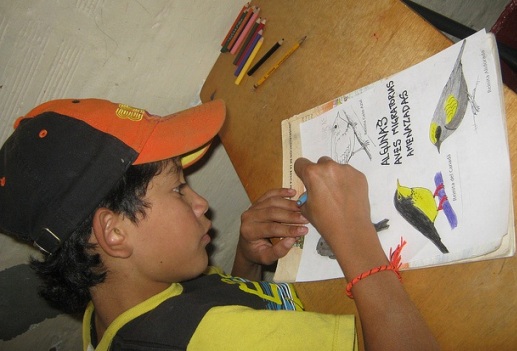
Workbooks: these are educational materials used to transmit knowledge to kids, youngsters and adults in Colombia. They are design to teach diverse topics related to the environment, especially endangered bird species in Colombia.


Posters: these are graphic pieces used as visual tool for the general public over diverse educational and enjoyable topics and activities.

Camisetas

Stickers and bookmarks: these are also graphic pieces used in the activities of environmental education as a complement to different topics seeing Turing the educational activities.

Games are didactic tools that complement the learning process of the participants. These games are:

Birds’ Bingo: this game includes 5 boards, each one divided in migratory birds, endemic birds, aquatic birds, endangered parrots and macaws subject to illegal traffic. How is it played: groups of six people are formed, one of them being selected as leader, whom will be in charge of the game. Each participant picks a board and the leader begins the game by mentioning a bird name, picking out a coin and delivering it the other members of the group. Whoever fills in the board first will be the winner. The difficulty of this game is that participants must learn the names of the birds contained in their board.

escalera

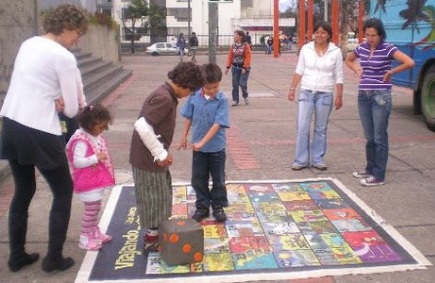
Migratory Birds’ staircase: this game is a complement to the activities of environmental education; the board has a “staircase” of 36 blocks. In order to advance, participants must toss a dice. Each block of the staircase contains a question that participants must answer correctly in order to keep advancing. The Staircase has information over the migration of the birds, the dangers implied in migration, some migratory species and all the effects that migration means to them.

Domino of endangered parrots: this domino game has no numbers; instead there are images of endangered species in Colombia. Participants must choose which specie will open the game and it ends when one of the participants ends laying out all the seven pieces given at the beginning.

Categorías
News

Preguntas frecuentes

· ¿De qué manera puedo ayudar a la conservación, siendo Ecovoluntario?

Como voluntario tú puedes apoyar los proyectos aportando tu trabajo y un poco de dinero, dependiendo de la duración de tu estancia, tu experiencia y estudios, depende el trabajo a realizar y el aporte en dinero que debas hacer.

· ¿En qué fechas puedo participar?

Algunos proyectos ofrecen fechas específicas de participación, pero en la mayoría de ellos tú puedes aplicar durante todo el año con excepción del mes de diciembre.

- ¿Qué tipo de condiciones existen para poder participar?

Para poder participar como Ecovoluntario necesitas: 
- Ser mayor de 18 años 
- Estar en buena condición física 
- En caso de no ser hispano parlante tener la capacidad de sostener conversaciones en español. 
- Estar disponible para ser Ecovoluntario por un mínimo de un mes. 
- Ser flexible frente a estilos de vida, privacidad, comida local, clima, compañeros de trabajo y las actividades de cada proyecto. 
- Estar en constante comunicación con el coordinador/a del programa. 
- Cumplir con todos los requerimientos del proyecto.

· Quiero saber más sobre los precios

Los precios indicados para cada reserva mencionados en la página web deben ser pagados por cada persona mensualmente, estos no incluyen vuelos aéreos, transporte local, y actividades extras. Estos precios están destinados para contribuir con los gastos de los proyectos de conservación, tu estadía, alimentación en la reserva y la posibilidad de mantener el programa en el tiempo, permitiendo que otros participantes también se involucren.

Los precios para cada reserva, permiten que el programa se mantenga apoyando todo tipo de proyectos de conservación desarrollados por ProAves en el país. En la medida que tú apoyes los programas por medio de tu trabajo y dinero, seguirás contribuyendo a la conservación, en el país de las aves.

· Y ¿cómo debo hacer el pago?

Después de haber completado y enviado tu formulario a través de la página webwww.proaves.org, recibirás respuesta del coordinador del programa informándote sobre la viabilidad de tu posición en el tiempo que indicaste. A partir de este momento debes hacer un adelanto (Nacionales $300.000 e internacionales USD 200), esto permitirá continuar con el proceso. En el momento que el coordinador tenga la confirmación, recibirás una llamada que te indicará cual es el proceso a seguir, dónde podrán especificar el tiempo en el que estarás y se te enviará toda la información que necesitas para seguir con el proceso.

Una vez todo el proceso requerido es finalizado, se te avisará oportunamente para que puedas realizar la consignación faltante. Esto deberá hacerse con 15 días de antelación al viaje. Una vez esto sea confirmado el coordinador te contactará para concretar los últimos detalles.

Es importante saber que el primer deposito no será reembolsado una vez el proceso ha comenzado.

· ¿Y si deseo retirarme?

Los participantes pueden desligarse del programa voluntariamente siempre y cuando presenten por escrito al coordinador del programa las razones justificadas de su retiro con quince (15) días de anterioridad. El primer depósito no será reembolsado.

· ¿Qué debo saber acerca del certificado y seguro medico?

Los Ecovoluntarios deberán tener su propio seguro medico y presentar los papeles que certifiquen su vinculación a algún plan de salud en el país de origen, además del estado de salud en que se encuentra.

· ¿Qué tipo de recomendaciones debo tener en cuenta acerca de mi salud antes del viaje?

Para algunos casos es recomendable vacunarse contra la fiebre amarilla. Antes de que viajes es de gran importancia que averigües cuales son los puntos de salud más cercanos que te pueden atender en caso de emergencia.

· ¿Necesito visa y pasaporte?

Para participar de los proyectos con ProAves, es necesario que tengas al día tus documentos como pasaporte o visas en el caso de que sean necesarios. Dependiendo de tu país de origen existen diferentes requisitos que debes cumplir con antelación a tu viaje, la información puedes encontrarla en la embajada colombiana de tu país de residencia.

El coordinador del programa solicitará una copia de tus documentos que certifique que todos estén al día. Ten en cuenta que la obtención de estos documentos es tu responsabilidad, por tanto tenerlos a tiempo será tu compromiso.

· ¿Debo tener estudios universitos para poder participar?

No es un requisito poseer un título universitario para ser aceptado como Ecovoluntario. Sin embargo para algunas posiciones se necesita tener un perfil o experiencia más especifica. (Ver descripción de trabajo para voluntarios-link-). Los posibles voluntarios deberán tener interés por la investigación, la conservación de la biodiversidad, el trabajo comunitario y sobre todo por la naturaleza.

· ¿Qué necesito llevar conmigo durante mi viaje?

Cuando tú participas como Ecovoluntario en alguno de los programas de ProAves, no necesitas llevar ningún tipo de equipo contigo a menos que sea acordado por las partes. Una vez llegues al lugar donde estarás, te serán dados los elementos necesarips para poder realizar tus actividades. Sin embargo considera traer algunas materiales, como libros, objetos personales, esfero, botas de campo, entre otros, que encontraras muy útiles durante tu estadía.

Sin embargo se cuidadoso con tus pertenencias ya que ProAves no se responsabiliza por perdida o robo dentro y fuera de las instalaciones de las reservas.

· ¿Cuál será mi hospedaje durante mi tiempo como Ecovoluntario?

Cada reserva posee excelentes cabañas ecológicas donde compartirás habitación con otros investigadores y voluntarios que se encuentren en ese momento. En la mayoría de los casos encontrarás que estarás compartiendo la cocina, los baños y otros lugares de las cabañas con otros voluntarios o miembros del grupo de ProAves.

Para más información consulta las locaciones acá.

· ¿Debo pagar algo aparte por mi alimentación?

Todas tus comidas están incluidas dentro del precio que debes pagar, en cualquiera de la reserva a la que apliques. Nos aseguramos que todas ellas sean nutritivas y balanceadas. Es importante que si presentas alguna alergia o cuidado especial frente a esto, no dudes en avisarle al coordinador del programa para poder acomodarlo a tus necesidades.

Otro tipo de comidas especiales o fuera de las ya proporcionadas no están incluidas en el precio.

· ¿El precio que estoy pagando incluye algún plan turístico?

Nuestro programa de Ecovoluntarios no ofrece ningún servicio orientado al turismo del área. Las actividades relacionadas con tu programa de conservación están primero. Considera tu participación como un privilegio donde estas siendo parte del mejoramiento de nuestro futuro y nuestro planeta.

En todas nuestras reservas encontraras muchos lugares para explorar, con amplios espacios para la observación de fauna y flora. El conocerlos y explorarlos dependerá de tu actitud emprendedora y deseosa de conocimiento.

· ¿A quién debo acudir si tengo alguna queja?

En caso que no te sientas feliz con los servicios dados, puedes hablar con el administrador de la reserva para encontrar alguna solución. Si no fue posible llegar a un acuerdo puedes reportar este problema al coordinador del programa y tratar de llegar a una solución. Si esto no es posible y decides renunciar al programa, estando de nuevo en casa después de dejar la reserva, puedes enviar un reporte a ProAves comentando sobre tu queja y los motivos del mismo.

Es importante que sepas que el programa de Ecovoluntarios provee opciones de alta calidad y atención a tus quejas, lo que quiere decir que serán atendidas de manera rápida y eficaz, por lo que esperamos que no sea necesario llegar hasta esas instancias y tú puedas disfrutar de una estadía satisfactoria como voluntario en las reservas de la Fundación ProAves.

· ¿ProAves organiza mi vuelo, impuestos, u otros arreglos para llegar a la reserva?

No, ProAves no se hace responsable por tus vuelos o demás necesidades relacionadas con tu transporte a la reserva. Aunque si se hará cargo de entregarte toda la información necesaria para que sepas cómo puedes llegar a cada una de las reservas.

· ¿Qué pasa con las investigaciones realizadas en las reservas?

Salvo autorización escrita otorgada por el Director Ejecutivo, los voluntarios no podrán utilizar la información obtenida con las investigaciones y actividades adelantadas por ProAves. La Fundación tiene la autoría de toda la información recopilada, de los resultados de las investigaciones y de las acciones de educación y conservación adelantadas como parte de sus proyectos. Los datos no podrán ser publicados sin la previa autorización y citación de la Fundación.

· Existe algún compromiso legal establecido entre el Ecovoluntario y la Fundación ProAves?

Sí, existe el compromiso/renuncia que es un documento legal que expone los compromisos asumidos por las partes (ProAves y el voluntario) en cuanto a las actividades a desarrollar en la reserva por el voluntario y el seguimiento y acompañamiento por la Fundación ProAves durante su estadía. Este compromiso se establece de mutuo acuerdo, determinando las reglas de participación relacionadas al programa de Ecovoluntarios.

· ¿Habrá seguimiento de mi proceso durante mi tiempo como Ecovoluntario?

Mensualmente los voluntarios deben elaborar un informe de trabajo haciendo uso de los formatos establecidos por la Fundación, el cual debe ser enviado al coordinador del programa, en los días pactados por el mismo. Igualmente deben reunirse con su supervisor para informarle sobre las actividades realizadas durante el mes y expresar los comentarios, sugerencias, inquietudes o ideas que hayan surgido. Al terminar su voluntariado, deberá entregar un informe final de actividades realizadas.


· ¿Puedo aportar al mejoramiento del programa?

Al finalizar tu voluntariado, deberás entregar como retroalimentación una evaluación del programa, del supervisor, del sitio de trabajo y una autoevaluación, que se empleará para mejorar las posibles falencias del programa. En los informes mensuales también se puede anexar cualquier comentario, sugerencia, inquietud o idea que haya surgido durante el voluntariado.

Los supervisores entregaran una evaluación del desempeño de los voluntarios en su informe mensual al coordinador del programa y le darán al voluntario la retroalimentación pertinente.

El coordinador del programa recibirá y leerá atentamente las evaluaciones, expresará los comentarios necesarios a las personas pertinentes y tratará de mejorar las posibles deficiencias que presente el programa.

· ¿Recibiré algún pago por mi tiempo como Ecovoluntario?

No existe remuneración alguna para las personas que trabajan como voluntarios de la Fundación.

· ¿Cómo obtengo más información sobre Ecovoluntarios?

Gran parte de la información que necesitas está en la página web de ProAVeswww.proaves.org. Para conocer más acerca de cada proyecto puedes marcar sobre cada uno y se desplegará información acerca del objetivo, las actividades que debes hacer, duración, locación, acomodación, comidas, precios, etc.

Incríbete en línea ya, haciendo clic aquí

Más información en Ecovoluntarios o con comunicarse con Gloria Castillo al correo electrónico gcastillo @ proaves.org
Categorías
News

Locaciones

Las reservas naturales de las aves de la Fundación ProAves fueron creadas con el fin de proteger las diferentes especies de aves y sus hábitats con algún grado de amenaza, ya que estos se encuentran ubicados en puntos estratégicos tales como relictos de bosque pluvial, húmedo, muy húmedo y húmedo montano del Chocó Biogeográfico, donde no sólo están presentes gran cantidad de aves endémicas, sino también mamíferos, anfibios y reptiles, así como gran cantidad de flora que aún no ha sido estudiada.

Los lugares escogidos por ProAves para conformar sus reservas corresponden a zonas identificados y determinados por la Alianza para la Cero Extinción AZE, como lugares estratégicos para la conservación de la biodiversidad.

Las reservas de la Fundación ProAves en las que están programadas las actividades de voluntariado son: La reserva Natural de las Aves El Dorado ubicada en la Sierra Nevada de Santa Marta, en el departamento del Magdalena, la Reserva Natural de las Aves Reinita Cielo Azul localizada en San Vicente de Chucurí, departamento de Santander y la Reserva Natural de las Aves El Paujil en Puerto Boyacá, en el departamento de Boyacá, todas de gran importancia y valor para la conservación de Colombia y el Mundo.

Incríbete en línea ya, haciendo clic aquí

El Dorado

La Reserva Natural de las Aves El Dorado fue creada en el año 2006, con el fin de proteger una de las zonas más frágiles e importantes del ecosistema de bosque alto andino en Colombia, caracterizado por el alto número de especies endémicas de aves y de anfibios que se encuentran amenazados de extinción. La reserva se encuentra en uno de los principales reductos boscosos de la Sierra Nevada de Santa Marta, hábitat del Periquito de Santa Marta (Pyrrhura viridicata), especie catalogada como en peligro de extinción.

Ubicación

La reserva se encuentra ubicada en el departamento del Magdalena, municipio de Santa Marta, corregimiento de Minca, en plena Sierra Nevada de Santa Marta. En un rango altitudinal entre los 900 y los 2600 m.s.n.m. presentando un clima bimodal con temperaturas promedio de 18ºC.

Alojamiento

La acomodación para el programa de ecovoluntarios cuenta con dormitorios y baños compartidos, duchas con calentador de agua a gas y sistema de electricidad. El ecovoluntario podrá disfrutar de una exclusiva vista hacia el mar Caribe y la Ciénaga Grande del Magdalena.

Alimentación

Las tres comidas saludables y balanceadas son provistas diariamente.

Inicio

Reinita Cielo Azul

La Reserva Natural de las Aves Reinita Cielo Azul fue creada en el mes de julio del año 2005, con el fin de conservar una muestra del hábitat para el ave migratoria Reinita Cerulea (Dendroica cerulea), siendo la primera reserva suramericana que se crea con este objetivo. La reserva está ubicada en el bosque húmedo tropical y registra una temperatura entre los 16 y los 28 ºC.

Ubicación

La reserva se encuentra ubicada sobre la vertiente occidental de la Cordillera Oriental colombiana en el departamento de Santander, municipio de San Vicente de Chucurí, junto a la serranía de los Yariguíes. La distancia de la reserva al centro poblado más cercano es de 7 kilómetros. Su rango altitudinal está entre los 1345 hasta los 2000 m.s.n.m.

Alojamiento

La acomodación para el programa de ecovoluntarios cuenta con dormitorios y baños compartidos, duchas con calentador de agua a gas y sistema de electricidad. Cuenta con una gran red de senderos que proporcionan una excelente vista a todo tipo de escenarios naturales de gran valor ecológico y a la observación de flora y fauna propia del área.

Alimentación

Las tres comidas saludables y balanceadas son provistas diariamente. 
Inicio

El Paujil

La Reserva Natural de las Aves El Paujil fue creada en noviembre de 2003, con el fin de conservar al Paujil de Pico Azul (Crax alberti) y su hábitat, el Bosque húmedo tropical. La reserva está conformada por bosques primarios y secundarios poco intervenidos, potreros y plantaciones, en ella se pueden observar 360 especies de aves de las cuales varias son endémicas y críticamente amenazadas.

Ubicación

La reserva se encuentra ubicada en la Serranía de las Quinchas, en los departamentos de Boyacá y Santander entre los municipios de Puerto Boyacá y Cimitarra, Colombia, cuenta con una temperatura anual de 27.8° C. y está localizada entre los 190 y 750 m.s.n.m.

Alojamiento

La acomodación para el programa de ecovoluntarios cuenta con dormitorios y baños compartidos, duchas con calentador de agua a gas y sistema de electricidad. Cuenta con una extensa red de senderos que conducen a través del bosque.

Alimentación

Las tres comidas saludables y balanceadas son provistas diariamente.

Inicio

Más información en Ecovoluntarios o con comunicarse con Gloria Castillo al correo electrónico gcastillo @ proaves.org

Categorías
News

Posiciones

La Fundación ProAves y Ecoturs ofrecen en su programa de ecovoluntarios cuatro posiciones a las que el voluntario puede aplicar, teniendo en cuenta las diferentes habilidades, destrezas y experiencias que posee cada persona.

Las posiciones ofrecidas son:

Apoyo a acciones de conservación: Llevará a cabo la recuperación y producción de especies nativas de plántulas, para apoyar en el proceso de reforestación que desarrolla la Fundación.Inscríbete ya, haciendo clic aquí


Monitoreo de aves: El voluntario anillará y llevará a cabo técnicas de captura para la investigación de especies de aves. Para este cargo es necesario certificar experiencia en estas prácticas. Inscríbete ya, haciendo clic aquí


Nidos artificiales: Construirá, instalará y monitoreará nidos artificiales que propician espacios para la reproducción de algunas especies de aves que se encuentran en las reservas. Inscríbete ya, haciendo clic aquí


Café amigo de las aves: Apoyará el proceso productivo del café, incluyendo recolección, mantenimiento y supervisión de calidad. Inscríbete ya, haciendo clic aquí

Más información en Ecovoluntarios o comunicarse con Gloria Castillo al correo electrónico gcastillo @ proaves.org
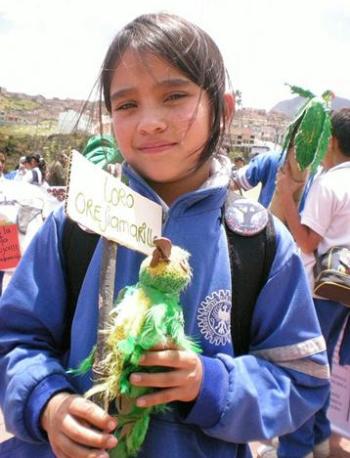
Categorías
News

Officially: Colombia has the most bird species on earth

The checklist to the birds of Colombia 2008” just published by Fundación ProAves on line in its journal Conservación Colombiana reveals that Colombia has officially recorded 1,870 species, against official reports from Peru and Brazil, of 1,817 and 1,767 species respectively. After over ten years of compilation, fieldwork and detailed revisions by the authors, the report reveals that incredibly Colombia hosts almost one fifth of all birds known on earth, in an area eight times smaller than the USA.

CC_listado_2008

A surge of interest in birds within Colombia followed the publication of “The field guide to the birds of Colombia” in 1986. The guide’s authors, Steven Hilty and William Brown, educated and enthused a new generation of birders and ornithologists in Colombia, who in turn have greatly expanded the country’s knowledge. Since the guide was published a further 172 species have been documented, including 22 species of bird new for science listed in the new checklist. In the same publication as the checklist, ProAves researchers document 16 bird species previously known from other countries but not recorded in Colombia. These were mostly from remote regions on the frontier with Ecuador and San Andres Island.
Worryingly, a total of 161 bird species in Colombia are at imminent risk of extinction, including 70% of the 73 endemic bird species restricted to the country, while two bird species have already gone extinct. Fundación ProAves has been working towards the protection of these species, including establishing 12 bird reserves as refuges for the most critically endangered species in recent years. However, threats have been mounting and bird populations have been plummeting, particularly the clearing of lowland tropical forest for conversion to African oil palm plantations for ethanol production (biofuels), and from the conversion of traditional shade coffee plantations , that provide excellent habitat for North American migrants, to coffee varieties that require no canopy shade.
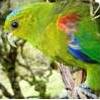
Interestingly, significant improvements in the security situation in large parts of Colombia in recent years have led to a new phenomenon – birding tours by foreigners desperate to see Colombia’s stunning bird diversity. For almost three decades, Colombia has been extremely difficult to visit; so many birders in North America and Europe are now seizing the chance, such as through the Colombian company Ecoturs which specializes in birding tours in Colombia. With a sharp increase in avitourism and the continuing increase of Colombian birders, it is predicted that the Colombian bird list will continue to grow and highlight the region as key area for bird conservation.

Categorías
News

Perija Parakeet roost site discovered

Sunday 21 December 2008.

The enigmatic and little known Perijá Parakeet (Pyrrhura caeruleiceps) has a highly restricted range of subtropical forest along the Colombian and Venezuelan border. As part of Project Pyrrhura supported by Loro Parque Fundación, ProAves has been working to study a small population surviving in ahighly fragmented forest area near the town of Ocaña, department of Norte de Santander.

cotorrita_del_perija_con_rotulo
Cotorrita del Perijá (Pyrrhura caeruleiceps).

Recently, ProAves researchers Johana Andrea Borras and Luis Eduardo Urueña discovered the roost site of a group of six individuals of the Perija Parakeet, located in an Avocado tree (Persea americana) approximately 12 meters high with three cavities. Observations include social activities, such as grooming between individuals and consumption of fruits, such as Ochorma sp. Researchers also managed to locate the six individuals feeding range, which covers 247 acres.

ProAves is aiming to determine the current population status and habitat characteristics for this species among other aspects of its natural history. Forest loss and fragmentation are the main threats facing the Perijá Parakeet, but the species is also trapped and held in cages as pets. ProAves has undertaken environmental education activities in the area to prevent further trapping and caging wild birds.

With the support of:

lpf
Categorías
News

Periquito de Santa Marta reutiliza nidos artificiales


Por segunda vez se ha registrado la utilización de nidos artificiales por parte del Periquito de Santa Marta {(Pyrrhura viridicata)}, en la {{[Reserva Natural de las Aves El Dorado->https://proaves.org/rubrique.php?id_rubrique=182]}} y su zona amortiguadora, en la Sierra Nevada de Santa Marta.

El año pasado también se había observado el uso de estos nidos por este periquito, endémico de la Sierra Nevada y amenazado de extinción, con la salida exitosa de cinco juveniles en octubre. Posteriormente, en diciembre se registraron nuevamente comportamientos reproductivos, marcándose así el inicio de la temporada reproductiva para el 2007.

Este año, desde febrero el equipo de ProAves que lleva a cabo el proyecto, encabezado por el tesista Cristian Olaciregui, de la Universidad del Atlántico, continuó observando estos comportamientos, que incluyen inspecciones a los nidos y luego cópulas, con alternancia de parejas. A la fecha se ha registrado la ocupación de dos nidos, uno como dormitorio y otro con postura de huevos.

Por medio de un continuo monitoreo durante la temporada reproductiva, se espera seguir ampliando la información sobre el éxito reproductivo de esta especie y contribuir así a su conservación.

También se observaron cópulas de la especie con alternancia de parejas en un área de anidación natural, y el uso de Palmas de Ramo {(Ceroxylum ceriferum)} como dormitorios.

El apoyo de {{[Loro Parque Fundación->http://www.loroparque-fundacion.org/Index_Esp.htm]}} y {{[American Bird Conservancy->http://www.abcbirds.org/]}} ha sido fundamental para el desarrollo del {{[Programa Nidos Artificiales->https://www.proaves.org/rubrique.php?id_rubrique=85]}} de ProAves, que ha resultado exitoso en la recuperación de las especies de loros amenazados de Colombia.

También se ha contado en la Sierra Nevada de Santa Marta con el apoyo de la comunidad local, que ha facilitado información sobre la presencia de la especie, involucrándose con su conservación.
Categorías
News

Orange-breasted Falcon Bird Reserve launched

Wednesday 15 October 2008.

ProAves established the new Orange-breasted Falcon Bird Reserve in the foothills of the Llanos thanks to the support of World Land Trust-US and Robert Giles. Located just 15 minutes from the city of Villavicencio, the capital of the department of Meta, the new reserve overlooks the vast Llanos plain.

collage_halcon_reserva

Thanks to explorations by ProAves with the support of NMBCA- USFWS, the importance of protecting the humid forested foothills of the Eastern Andes beside the Llanos grasslands was highlighted. This area is crucial wintering and passage habitat for Neotropical migrants, such as Swainson’s Thrushes that follow the north-south border of the Andes that precipitously rise from the flat grasslands of the Llanos. The reserve has recorded 240 bird species, but most important for the Orange-breasted Falcon that is distributed across Colombia, but very little known and considered near-threatened.

The new reserve is also extremely important for rare and endangered mammals, such as the Giant Anteater (Myrmecophaga tridactyla) and the Ornate Titi monkey (Callicebus ornatus), which is endemic to Colombia.

The foothills of the Andes beside the Llanos are now largely fragmented as pressure from cattle ranches in the lowlands have pushed up into the cooler climes of the Andes. While only patches remain, the new reserve protects part of one of the most important surviving fragments and extremely important for the city of Villavicencio with over 360,000 inhabitants.

With the support of:

robert worldlandtrust
Categorías
News

Nueva subespecie de Tororoi Enano

Se ha descubierta otra nueva subespecie de ave para la ciencia junto a la Reserva Natural Reinita Cielo Azul, que ha recibido el nombre de {Grallaricula nana hallsi}. Fue descubierta y descrita durante exploraciones en la Serranía de los Yariguíes por ProAves.


Se ha descubierta otra nueva subespecie de ave para la ciencia en la Serranía de los Yariguíes, cerca de la {{[Reserva Natural de las Aves Reinita Cielo Azul->https://www.proaves.org/rubrique.php?id_rubrique=78]}}. Se trata de una subespecie del Tororoi Enano que ha recibido el nombre científico de {Grallaricula nana hallsi}. La nueva subespecie fue descubierta y descrita durante exploraciones biológicas realizadas en dicha serranía por ProAves. La descripción fue publicada a finales de septiembre de 2008 en la revista científica {Bulletin of the British Ornithologists Club}.

El Tororoi Enano es un ave pequeña y de color naranja, de patas largas, que se encuentra en bosques de niebla en los Andes colombianos. La población de los Yariguíes se diferencia de otras por su canto y el color de su plumaje. Siguiendo varias descripciones de aves y mariposas, esta población del Tororoi Enano es el cuarto nuevo taxón en ser descrito después de las recientes exploraciones de la Serranía de los Yariguíes. No se habían realizado exploraciones anteriores en esta cordillera de 100 kilómetros de extensión debido a la dificultad de acceso. Además de dichos descubrimientos, las expediciones encontraron las poblaciones más viables de algunas especies de aves en peligro crítico de extinción. Como resultado de las investigaciones de ProAves, 78.837 hectáreas de la Serranía de las Yariguíes fueron declaradas como Parque Nacional Natural en el 2005 y ProAves estableció su reserva natural Reinita Cielo Azul, de 545 hectáreas, adyacente al parque.
La descripción incluye una revisión sustancial de la taxonomía del Tororoi Enano en Suramérica. Además de la descripción de {Grallaricula nana hallsi}, se describió otra subespecie nueva para la ciencia, {Grallaricula nana nanitaea, }que había permanecido sin estudiar en Venezuela, y se reveló la presencia de tres especies distintas dentro del grupo.

“Este y otros descubrimientos realizados en nuestras expediciones demuestran que la Serranía de los Yariguíes es un centro de endemismo anteriormente desconocido”, indicó Thomas Donegan, investigador de ProAves, quien descubrió la nueva subespecie. “Es importante conservar los hábitats de la región para proteger poblaciones únicas en el mundo como ésta”.

{Grallaricula nana hallsi} fue descubierta durante la expedición de “Proyecto EBA” por ProAves. Esta iniciativa y el Proyecto YARÉ, en donde se realizaron investigaciones adicionales, fueron apoyadas por Royal Geographical Society, el Programa de Conservación de BP (BirdLife International, Conservation International, Flora Fauna International y Wildlife Conservation Society), el Duque de Edimburgo, el Fondo para la Acción Ambiental, Conservación Internacional Colombia (Becas Iniciativa de Especies Amenazadas Jorge Ignacio ” El Mono “Hernández-Camacho), Percy Sladen Memorial Fund, Tropical Andean Butterfly Diversity Project, Game Conservancy Trust, World Pheasant Association, Corporación Autónoma Regional de Santander, alcaldías de San Vicente de Chucurí, Galán y El Carmen, Universidad Industrial de Santander, Universidad de Caldas, Universidad del Tolima y Gobernación de Santander. Otros participantes fueron los biólogos y estudiantes Blanca Huertas, Jorge Avendaño, Elkin Briceño, John Jairo Arias, Cristóbal Ríos, Laura Rosado, Diana Villanueva, Diana Montealegre, Clare Turner y Martin Donegan, y el guía local José Pinto.