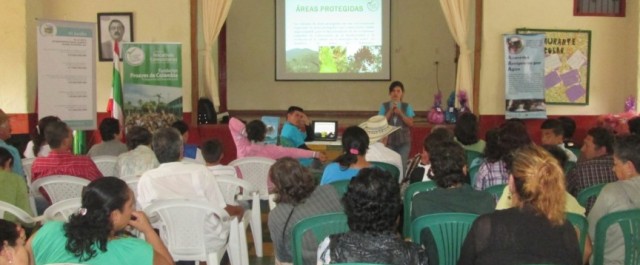
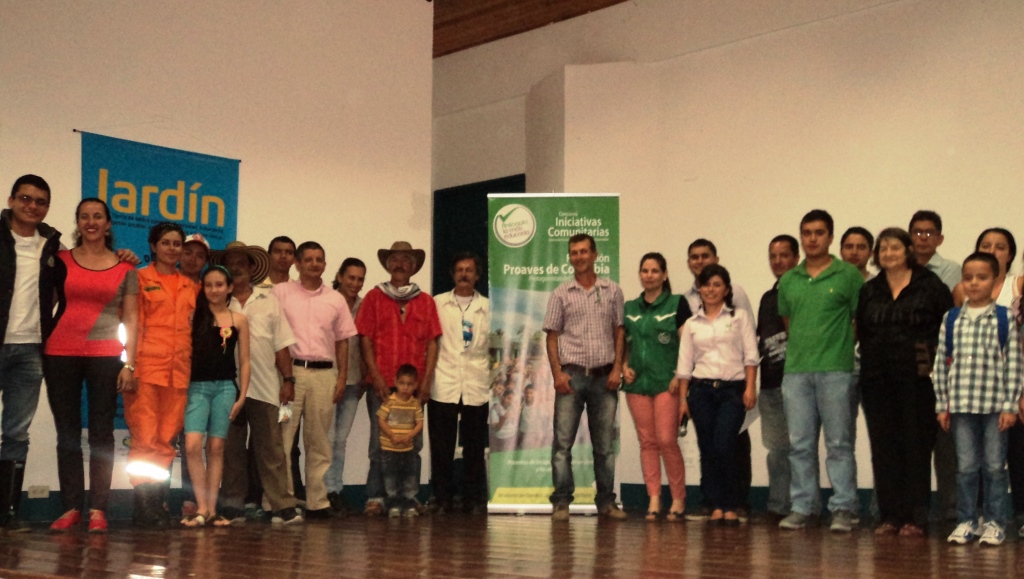
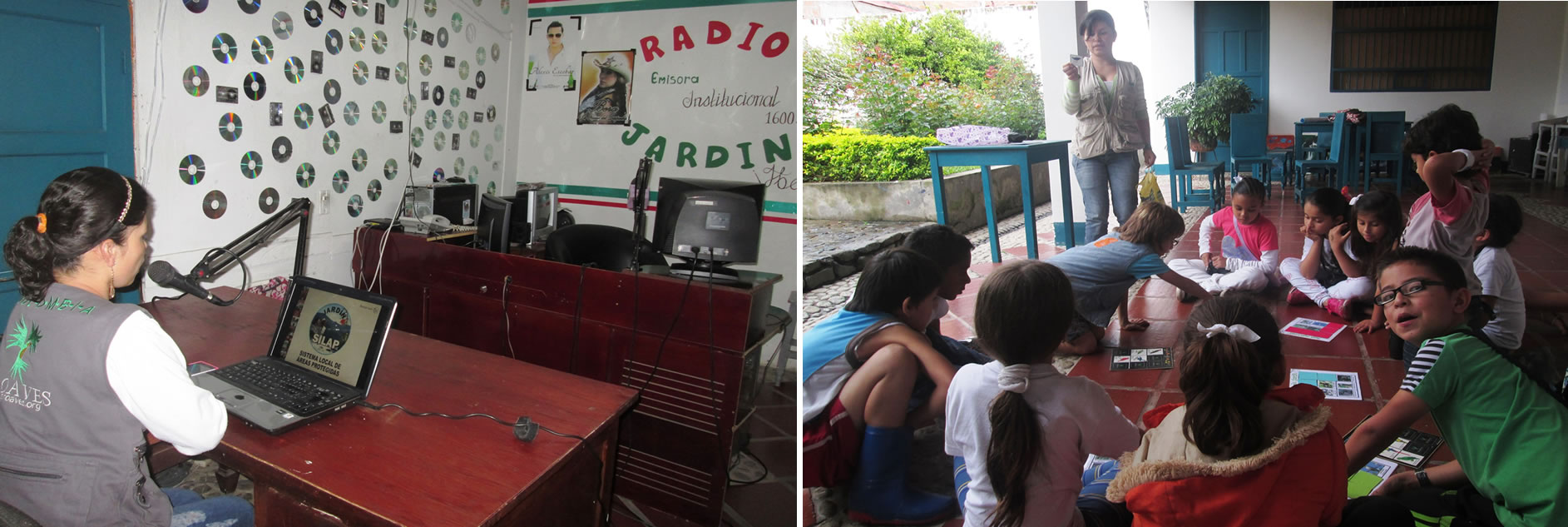
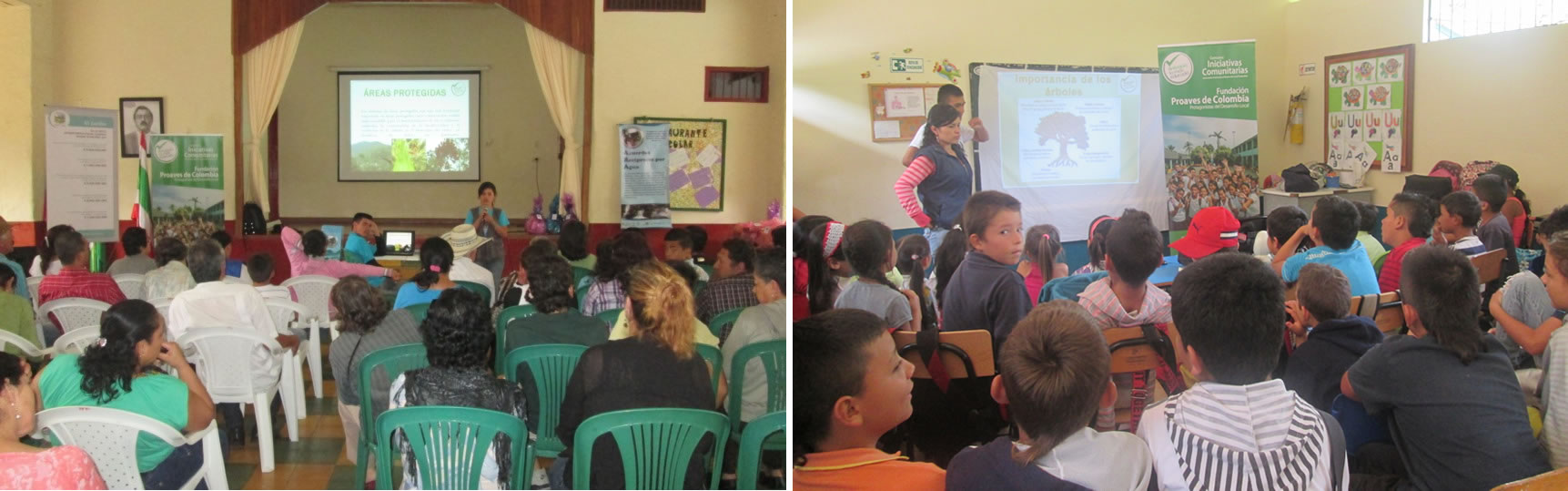
Con el propósito de fortalecer el trabajo de conservación que se realiza en la Reserva Reinita Cielo Azul ubicada en una de las áreas de mayor biodiversidad en el país, La Serranía de los Yariguíes, la Fundación ProAves ha promovido espacios interinstitucionales con el propósito de definir alianzas para garantizar la integridad de las Áreas Protegidas a través de la prevención y reducción de presiones ambientales, del apoyo de instituciones y la participación comunitaria.
Para lo anterior, durante dos días en el mes de junio, en la Reserva Natural de las Aves Reinita Cielo Azul, ubicada en San Vicente de Chucurí (Santander) se celebró junto con miembros de Parques Nacionales y la Fundación ProAves, una reunión que buscaba en primera medida, socializar el trabajo y esfuerzo de conservación realizado por ambas entidades en el municipio de San Vicente de Chucurí, Santander y a partir de esta retroalimentación, definir varios compromisos de trabajo en conjunto dirigidos a la conservación de esta importante área.
Por otro lado, se buscarán espacios para la socialización en conjunto con la comunidad para dar a conocer los trabajos de cada entidad y buscar alianzas comunitarias para que la labor de conservación se convierta en una labor participada.
En el mismo mes y bajo el mismo objetivo de articulación interinstitucional, la Federación Nacional de Cafeteros convocó a los cafeteros de las veredas del área de influencia del parque para realizar en conjunto con la Fundación ProAves una socialización del sello Rainforest Alliance que realzó la labor de nuestros cafetales como cultivo modelo de la zona. Esta reunión convocó a 53 cafeteras y cafeteros que conocieron el trabajo que durante 5 años ha realizado la Fundación, a través de su línea estratégica de autosostenibilidad, bajo una producción más amigable con el medio ambiente y socialmente equitativa.
El taller se realizó en el salón de conferencias de la sede de la Reserva Natural de las Aves Reinita Cielo Azul, y alternamente se visitó el interior del cafetal para conocer el tipo de coberturas arbóreas usadas por la fundación.
La Fundación ProAves actualmente tiene más de 30 especies de árboles usados no solamente como cobertura para la producción de café, sino también resultan ser importantes para conservar el hábitat de las especies de aves tanto nativas como migratorias, fue así como los visitantes lograron ver cómo sus cultivos de café pueden también convertirse en una herramienta vital para la conservación de nuestra biodiversidad.
La Fundación ProAves participó en la reunión de la Alianza Alas Doradas gracias a la invitación y patrocinio de American Bird Conservancy con el objetivo principal de formular estrategias de conservación para la renita alidorada (Vermivora chrysoptera) en sus áreas no reproductivas.
La reunión se llevó a cabo del 30 de mayo al 1 de junio de 2015 en, Virginia, EE.UU y contó con la participación de diferentes organizaciones de conservación de Costa Rica, Panamá, Colombia y Estados Unidos.
Durante los 3 días de reunión se adelantó el plan inicial de actividades para cada país definiendo las localidades más importantes para su conservación, para Colombia se delimitaron 4 zonas importantes donde se enfocarán los esfuerzos de conservación:
El municipio de Anori en la Reserva Natural de las Aves Arrierito Antiqueño de ProAves, San Vicente de Chucuri municipio donde está ubicada la Reserva Natural de las Aves Reinita Cielo Azul, el área de amortiguación del Parque Nacional Natural los Nevados y la zona cafetera del suroeste antioqueño; localidades en donde la Fundación ProAves adelanta procesos de conservación, así como trabajo con comunidades y educación ambiental.
Igualmente se planteó el plan inicial de actividades en cada país y en cada localidad, estas actividades fueron propuestas en respuesta al cumplimiento de algunas metas que pretenden minimizar las amenazas identificadas por zona.
Estos procesos de conservación enfocados en una especie migratoria como los adelantados por la Alianza Alas Doradas no solo benefician a la especie focal, también refuerzan los procesos adelantados localmente y a la biodiversidad en general de Colombia.
Próximamente será publicado el Plan completo para la conservación de esta especie.
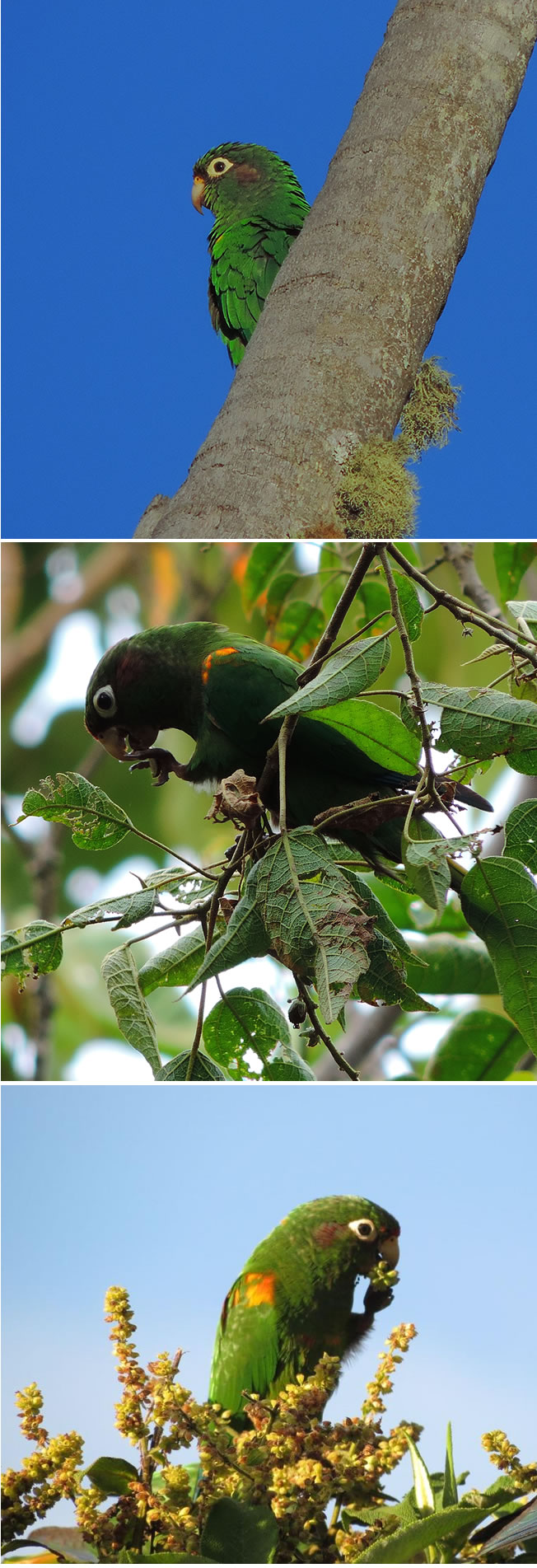
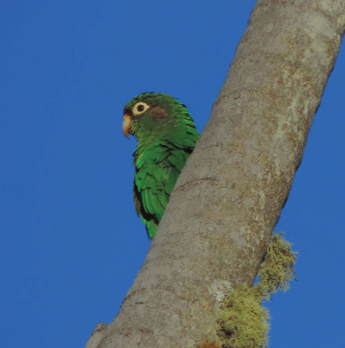
In April 2009, a salting for rusty-faced parrots (Hapalopsittaca amazonina) was discovered in the ProAves Dusky Starfrontlet Bird Reserve, since knowing of the species we have monitored their particular behavior.
The salting was discovered in April 2009 in the Dusky Starfrontlet Bird Reserve, located in the Municipality of Urrao (Antiquia), the salting is a wall or mineral rock formation, located between the ecotone (moor and cloud forest).
For 6 years in a row we have recorded their daily arrival and at the same time (from 7 to 7:45 am) in flocks of 40 individuals on average which come to consume the contents of the walls rich in salts and minerals, called geophagia behavior. This behavior appears to help the birds to detoxify some fruits consumed like mistletoe, Antidaphne viscoidea (Eremolepidaceae), their main source of food, but they also eat bromeliad fruits (Tillandsoideae) and acorns (Quercus humboltii).
Presumably the rock salts serve to protect against the toxins of these fruits, although there are other uses like facilitating digestion, protection against pests and pH control.
Thanks to the presence of these saltings (Saladeros), the observations made for more than 6 years and camera traps installed there we managed to record several reproductive behaviors like:
• Mutual grooming. This behavior was shown intermittently during the state of perch and basically consisted of mutual and simultaneous grooming neck, throat and beak of pairs of parrots; although it is not considered clear evidence of sexual play between the pair.
• Courtship. Apparently an individual of the couple (male) begins to make a series of moves, jumping and hovering between two or three branches adjacent to the site where the female is; she tries to follow the male walking between the branches to reach him, but the male returns to the side of the female and begins to shake his head sharply as if to strike the branch on which she is perched with his beak. Then the male brings his beak to the female’s beak and apparently makes a regurgitation.
• Intercourse. After making the apparent regurgitation to the female, the male starts the mating event, stimulating the female through touching her rump with one of his legs and trying to bring his cloaca to the female’s cloaca. This last act is repeated for about 2 minutes during which the female shifts between two adjacent branches and tries to avoid the male. After these two minutes it was possible to see intercourse between the couple three times, which were alternated with stimulation by the male’s foot on the female’s rump.
In the area we have also been able to observe other birds that have reached the salting and are consuming minerals such like the Smoky bush tyrant (Myiotheretes fumigatus), Blue and Black Tanager (Tangara vassorii) and some toucans (Aulacorhynchus spp.)
This rock wall is a site of interest and opportunity to observe the behavior and count this multicolor parrot.
En abril de 2009 se descubrió el saladero para los loros multicolor (Hapalopsittaca amazonina) en la Reserva Colibrí del Solde ProAves, desde entonces hemos monitoreado la especie conociendo su particular comportamiento.
El saladero se descubrió en abril de 2009 en la Reserva Natural de las Aves Colibrí del Sol, ubicada en el Municipio de Urrao (Antiquia), el saladero es una pared o formación rocosa con minerales, ubicada entre el ecotono (páramo y bosque de niebla).
Durante 6 años consecutivos hemos registrado su arribo diario y a la misma hora (desde las 7 hasta las 7:45 am) en bandadas de 40 individuos en promedio, vienen a consumir el contenido de sus paredes ricas en sales y minerales, comportamiento llamado geofagia; este comportamiento, al parecer, ayuda al ave a desintoxicarse de algunos frutos que consume como el muérdago Antidaphne viscoidea (Eremolepidaceae) su principal fuente de alimento, aunque también ingieren frutos de bromelias (Tillandsoideae)y bellotas de roble (Quercus humboltii).
Presuntamente las sales de la roca le sirven para protegerse de las toxinas de estos frutos, aunque hay otras utilidades como facilitar la digestión, la protección contra parásitos y reguladores del ph.
Gracias a la presencia de estas colpas (Saladeros), a las observaciones realizadas por más de 6 años y a las cámaras trampa allí instaladas hemos logrado registrar varios comportamientos de reproducción como:
• Acicalamiento mutuo. Este evento se evidenció de manera intermitente durante el estado de percha y básicamente consistió en el acicalamiento mutuo y simultaneo de la nuca, cuello, pico y garganta de la pareja de loros; aunque no se considera una evidencia clara de reproducción entre la pareja
• Cortejo. Al parecer un individuo de la pareja (macho) comienza a realizar una serie de movimientos, saltando y revoloteando entre dos o tres ramas adyacentes al sitio en donde se encuentra la hembra; ella intenta seguir al macho caminando entre las ramas para alcanzarlo, pero el macho regresa al lado de la hembra y comienza a sacudir su cabeza bruscamente como si intentara golpear con su pico a la rama sobre la cual esta posado. Luego, el macho procede a acercar su pico al pico de la hembra y al parecer realiza una regurgitación.
• Copula. Después de realizar la aparente regurgitación a la hembra, el macho inicia el evento de copula, estimulando a la hembra a través de caricias en la rabadilla con una de sus patas e intentando acercar su cloaca a la cloaca de la hembra. Este último acto se repite por alrededor de 2 minutos durante los cuales la hembra se desplaza entre dos ramas adyacentes como tratando de evitar al macho. Luego de estos 2 minutos fue posible observar la copula de la pareja en tres ocasiones, las cuales estuvieron alternadas con estimulaciones por parte de la pata del macho sobre la rabadilla de la hembra.
En la zona también se han observado otras aves que han llegado al saladero y están consumiendo minerales como el Atrapamoscas Tiznado (Myiotheretes fumigatus), la Tangara Azul y Negra (Tangara vassori) y algunas Tucanetas (Aulacorhynchus spp).
Esta pared rocosa en un sitio de interés y oportunidad para observar el comportamiento y conteo de este lorito multicolor.
After several printed editions of the List of the Birds of Colombia in Conservación Colombiana Journal; ProAves publishes online the same list, reporting 1912 bird species for Colombia, maintaining our privileged first place as the most diverse country in the world in its avifauna.
This new checklist includes the scientific names of all the species of birds occurring in Colombia, with notes on their status in the country accurate as of December 2014.
Consulting upon and updating the list of birds of Colombia is relevant to conservation, involving contributions from the scientific and ornithological communities and enthusiastic birdwatchers. It is important to have an accurate understanding of Colombia’s national avifauna in order to formulate conservation plans and save the last remaining habitats for nationally or globally threatened species.
Después de varias ediciones impresas del Listado de las Aves de Colombia en la Revista Conservación Colombiana; la Fundación ProAves publica el mismo listado en línea, reportando 1912 especies de aves para Colombia, manteniendo nuestro privilegiado primer puesto como el país más diverso del mundo en su avifauna.
Esta nueva lista incluye los nombres científicos de todas las especies de aves que ocurren en Colombia, con notas sobre su estado en el país y actualizada hasta diciembre de 2014.
Consultar y actualizar la lista de las aves de Colombia es uno de los pasos en la consolidación de diferentes estrategias de conservación que involucran tanto a la comunidad científica u ornitológica como a los entusiastas observadores de aves que aportando sus listas (censos, notas de anidación o hábitat) posibilitan tener y actualizar información ecológica importante para formular planes de conservación y salvar los últimos remanentes de hábitat para etas especies.
El estudio de la diversidad de aves de nuestro País se convierte en una obligación y responsabilidad científica que involucra también a las comunidades rurales y urbanas en lo que llamamos “ciencia ciudadana” donde todos aportamos con nuestras listas de aves al conocimiento de la diversidad y riqueza de especies de un área determinada, resaltando sus especies migratorias, amenazadas y endémicas (exclusivas) y el hábitat del cual dependen.
Pumas, spectacled bears, pavas, tapirs, deers and antpittas have been captured by the camera traps installed in the ProAves Andean Parrots Birds Reserveand El Mirador property of the town of Genova. Their presence shows the biological value of protected areas and encourages us to take action to ensure their protection.
ProAves implemented the use of camera traps to record patterns of behavior and activity of the species, foraging, foraging areas, social systems and niche partition; alpha behavior, habitat use and corridors.
Apectacled bear (Tremarctos ornatus) Male
The two reserves are part of the Threatened Parrots Andean Conservation Corridor of the Cordillera Central, which is located between the towns of Roncesvalles, Tolima and Genova in Quindio.
Puma (Puma concolor) captured by camera trap, photo on the left is on the day and the photo on the right is at night.Andean Parrots Reserve.
The use of photography for the study of wildlife often has increased with research, it not only reduces the effort of fieldwork but also reduces the disturbance to wildlife monitored, unlike other methods such as use of collars, transmitters and capture traps.
Grallaria squamigera and Pava
In recent years ProAves has increased the use of camera trap research, they are installed in trees near the entrances to burrows or travel corridors of species, their use has allowed better records to be obtained on the wealth of species distributed in protected areas, obtaining images of medium and large mammals, as well as stealthy, nocturnal or difficult to observe species.
Ranger Gustavo Hernandez reviewing camera trap in the Andean Parrots R. Alex Gallego and Jose Octavio during installation of camera traps in the R. El Mirador
It is important to continue this initiative thus obtaining timely and accurate information on the natural history of the species, their distribution range in the reserve areas as well as photographs of good quality.
Pumas, osos de anteojos, pavas, dantas, venados y tororois han sido captados por las cámaras trampa instaladas en las Reservas Loros Andinos de ProAves y El Mirador reserva propiedad del Municipio de Génova. Su presencia muestra el valor biológico de las áreas protegidas e incentiva a tomar acciones que garanticen su protección.
La Fundación ProAves implementó el uso de las cámaras trampa para registrar patrones de comportamiento y actividad de las especies, forrajeo, áreas del forrajeo, sistemas sociales y partición de nicho; comportamiento alfa, uso de hábitat y corredores.
Oso de anteojos (Tremarctos ornatus) Macho
Las dos reservas hacen parte del Corredor de conservación Loros Andinos Amenazados de la Cordillera Central, el cual se encuentra ubicado entre los Municipios de Roncesvalles, Tolima y Génova, en el departamento del Quindío.
Puma (Puma concolor) captado por cámara trampa, foto de la izquierda de día y de la derecha de noche. Reserva Loros Andinos.
El uso de la fotografía para el estudio de la fauna silvestre se ha incrementado a menudo con las investigaciones, no solo disminuye el esfuerzo de trabajo de campo sino que también reduce la perturbación a la fauna silvestre monitoreada, a diferencia de otros métodos utilizados como el uso de collares, transmisores y trampas de captura.
Grallaria squamigera y Pava
En los últimos años la fundación ProAves ha incrementado el uso de las cámaras trampa para investigación, éstas se instalan en arboles cercanos a las entradas a madrigueras, o corredores de paso de las especies, su uso ha permitido que se obtengan mayores registros de la riqueza de especies que se distribuyen en las áreas protegidas, obteniendo imágenes de mamíferos medianos y grandes, al igual que especies sigilosas, nocturnas o difíciles de observar.
Guardabosques Gustavo Hernández revisando cámara trampa en la R. Loros Andinos y los Guardabosques Alex Gallego y José Octavio durante la instalación de una cámaras trampa en la R. El Mirador
Es importante continuar con esta iniciativa de esta forma obtenemos información actualizada y veraz sobre la historia natural de las especies, su rango de distribución en las zonas de reserva además de fotografías de buena calidad.
“Conservation Jewel” is World’s Second-Most Important Site for Threatened Birds and Amphibians
Santa Marta Parakeet – Photo: Murray Cooper
Important habitat for a rare bird, Colombia’s endangered Santa Marta Parakeet, will now be protected following the purchase of a property by ProAves, a leading Colombian conservation organization with support from American Bird Conservancy (ABC), a leading U.S. bird conservation organization.
The 148-acre tract, known as the La Cumbre property, expands theEl Dorado Reserve, which was also created by ABC and ProAves, along with Conservation International. In 2006, the reserve was created when the groups partnered to protect 1,600 acres of key parakeet habitat beyond the nearby national park. Additional land acquisitions in 2010 and 2012 enlarged the reserve to its current 2,250 acres.
El Dorado Reserve is located in Colombia’s Sierra Nevada de Santa Marta, an ancient and isolated massif in the extreme northern part of the country only a few miles from the Caribbean Sea. It is the only location on earth where this endemic species of parrot resides.
“This property is a conservation jewel,” said Dr. George Fenwick, President of ABC. “It is in an area that is ranked as the second-most important site for threatened birds and amphibians in the world. It also provides critical habitat for more than 40 neo-tropical migratory birds and holds exceptional levels of diversity and high levels of endemism for plants, amphibians, and butterflies,” he added. Santa Marta Bush-Tyrant, also an endangered species, and Santa Marta Warbler are two of the other endemic birds that occur here.
“We have been negotiating this property for about five years,” said Alonso Quevedo of ProAves, “but the effort was absolutely worth it. The property links two forested areas and will allow us to create more breeding and foraging habitat for the parakeet along the San Lorenzo ridge, an area that contains the largest known parakeet population.”
No fewer than 19 endemic bird species and more than 52 subspecies of birds are restricted to the Sierra Nevada de Santa Marta. The full range of tropical wet life-zones condensed along the northern slope of the Sierra Nevada has resulted in extraordinary diversity, with 635 bird species recorded. These mountains are a vital stopover point for declining neotropical migratory birds that breed in the United States and Canada, such as the Cerulean and Golden-winged Warblers. The presence of multiple threatened species found only at this site was recognized by the Alliance for Zero Extinction, a global initiative aimed at halting species loss.
Tragically, only 15 percent of the Sierra Nevada’s original vegetation remains unaltered following decades of colonization and agricultural expansion. Despite the national park, encroachment and deforestation continue to fragment and denude the sensitive montane forest ecosystems at the highest elevations of the massif. Compounding the issue is the fact that many of the endemic species only survive at elevations between 4,300 and 9,500 feet, where their range comprises fewer than 200 square miles. Deterioration of this habitat presents a real risk of extinction for many of these endemics.
While the 148-acre property is only partially forested, it supports an important concentration of the Ceroxylon ceriferum palms (commonly known as Andean wax palm) needed by nesting Santa Marta Parakeets. With continued support from ABC, ProAves will hire an additional forest guard to support parakeet monitoring and habitat restoration in the area where the parakeets feed and roost. ProAves has been successful bolstering the population of parakeets by installing artificial next boxes, supported by Loro Parque Foundation.
The additional forest guard will also be critical to protecting an area that has undergone increased pressure by developers. The presence of ProAves staff successfully repelled a recent incursion on the reserve to build vacation homes, resulting in legal action that will further safeguard this site.
In addition to the Santa Marta Parakeet, the area is a stronghold for several frog species: Atelopus laetissimus(Critically Endangered), Atelopus nahumae (Critically Endangered), Eleutherodactylus ruthveni (Endangered), and Eleutherodactylus insignatus (Endangered).
This project was supported by many organizations and individuals, including World Land Trust, Robert Wilson Trust, Marshall-Reynolds Foundation, Quick Response Biodiversity Fund, the Weeden Foundation, David Harrison, David and Patricia Davidson, Jeff and Connie Woodman, Jeff Peters, Ted Reissing, Nancy Weiss, and Joan Hero.
La Sierra Nevada de Santa Marta “joya de la conservación” es el segundo lugar más importante del mundo para la conservación de las aves y los anfibios
Periquito de Santa Marta – Foto: Murray Cooper
Se trata de una nueva propiedad adquirida por la fundación ProAves de Colombia con el apoyo de American Bird Conservancy (ABC), organización de conservación líder en los Estados Unidos. Esta es un área clave para la protección de una de las aves más amenazadas del mundo, el endémico Periquito de Santa Marta.
Son 59 hectáreas de un predio conocido como La Cumbre que expande la Reserva Natural de las Aves El Dorado, creada en año 2006 con el apoyo de ABC y Conservación Internacional basándose en la urgencia de conservar 647 hectáreas de uno de los sitios más frágiles e importantes de Colombia, la Sierra Nevada de Santa Marta. La adquisición de tierras adicionales en el 2010 y 2012 han ampliado la reserva de sus actuales 1.024 hectáreas.
La Reserva El Dorado se encuentra en Colombia, en la Sierra Nevada de Santa Marta, un macizo antiguo y aislado en el extremo norte del país a pocos kilómetros del mar Caribe y el único lugar en la tierra donde habita ésta especie endémica de loro.
“Hemos estado negociando esta propiedad durante unos cinco años y el esfuerzo, absolutamente, valió la pena. La propiedad une dos zonas boscosas y nos permitirá crear más hábitat de cría y alimentación para el periquito a lo largo de la cuchilla de San Lorenzo, un área que contiene la mayor población conocida de la especie”, dijo Alonso Quevedo Director Ejecutivo de ProAves.
“Esta Reserva es una joya de la conservación. Está en una zona clasificada como el segundo lugar más importante para las aves y anfibios amenazados en el mundo. También proporciona un hábitat crítico para más de cuarenta aves migratorias neotropicales y mantiene niveles excepcionales de diversidad de endemismos de plantas, anfibios y mariposas “, dijo el Dr. George Fenwick, Presidente de ABC.
Al menos 19 especies de aves endémicas y más de 52 subespecies de aves están restringidas a la Sierra Nevada de Santa Marta. La gama completa de zonas de vida tropicales y húmedas condensadas a lo largo de la vertiente norte de la Sierra Nevada ha dado lugar a una diversidad extraordinaria con 635 especies de aves registradas. Estas montañas son un punto de parada vital para las aves migratorias neotropicales que se reproducen en los Estados Unidos y Canadá, como la Reinita Alidorada. La Alianza para la Cero Extinción, reconoció la Reserva como un sitio AZE por la presencia de múltiples especies amenazadas que sólo se encuentran en este lugar.
Sólo el 15% de la vegetación original de la Sierra Nevada permanece inalterada después de décadas de colonización y de expansión agrícola. A pesar del Parque Nacional Natural Sierra Nevada de Santa Marta, la invasión y la deforestación continúan fragmento y despojando los ecosistemas forestales montanos sensibles en las elevaciones del macizo. Para agravar el problema, muchas de las especies endémicas sobreviven sólo entre los 1300 y 2600 m.s.n.m. donde su distribución comprende menos de 500 kilómetros cuadrados, lo que significa que el deterioro de su hábitat presenta un riesgo real de extinción para muchas de estas especies endémicas.
Las 59 hectáreas de la nueva área que se adicionan, están cubiertas solo parcialmente de bosques y contienen una importante concentración de palma Ceroxylon ceriferum, sitio de anidación del periquito de Santa Marta y hábitat del Atrapamoscas de Santa Marta (Myiotheretes perix) y del Arañero de Santa Marta (Myiothlypis basileuterus).
Con el apoyo continuo de ABC, ProAves contratará a un guardabosques adicional para apoyar el monitoreo del Periquito de Santa Marta y la restauración del hábitat en el área a través de la reforestación con la palma. Así mismo con el apoyo de Loro Parque Fundación y el programa de Nidos Artificiales, venimos trabajando en el aumento de la población del loro. El guardabosque adicional también será fundamental para la vigilancia de esta área y evitar la reciente incursión de construcciones de casas vacacionales en la zona.
Además del Periquito de Santa Marta, la zona también es un bastión de especies de ranas como la Atelopus laetissimus (CR), Atelopus Nahumae (CR), Eleutherodactylus ruthveni (ES), y Eleutherodactylus insignatus (ES).
Este proyecto fue apoyado por varias organizaciones, incluyendo World Land Trust, Robert Wilson Trust, la Fundación Marshall-Reynolds, Quick Response Biodiversity Fund y la Fundación Weeden.
After several printed editions of the List of the Birds of Colombia in Conservación Colombiana Journal; we are publishing the List of the Birds of Colombia online and update it every year simultaneously with the publication of the update in print.
We are interested in your comments and corrections. fundacion@proaves.org
This checklist includes all species and statuses for the Colombian checklist as of December 2014. Later splits, taxonomic papers and records and descriptions are not treated but some are mentioned in the notes.
Notes on range, subspecies and Proaves reserves have been eliminated from this online version to ensure that only current information is included. This other data can take a long time to compile and verify. See Field Guide to the Birds of Colombia 2014 for maps of all subspecies in Colombia and Salaman et al. 2010 for other data.
For information on subspecies, you can also review ths list in ‘Atlas de Aves de Colombia, which contains updated information and corrections to the field guide. It should be clarified that in some cases, different taxonomic treatments have been applied, however.
The following numbers of bird species in different categories have been recorded in Colombia. With 1912 species, Colombia is the most diverse country in the world in its avifauna.
Después de varias ediciones impresas del Listado de las Aves de Colombia en la Revista Conservación Colombiana; hemos decidido publicar el Listado de las Aves de Colombia en línea y actualizarlo cada años simultáneamente con la publicación de la actualización en su versión impresa.
Nos interesan mucho todos sus comentarios y correcciones. fundacion@proaves.org
Esta lista incluye los nombres científicos de todas las especies de aves que ocurren en Colombia, con notas sobre su estado en el país, actualizada hasta diciembre de 2014. Las tratamientos taxonómicos y registros posteriores no están incluidos, pero algunos son mencionados en las notas.
Notas sobre la distribución, las subespecies y presencia de especies en las reservas de ProAves se han eliminado de esta versión en línea para asegurarse de que sólo está incluía información actualizada; además, porque recopilar y verificar estos datos pueden tomar mucho tiempo. Ver Guía de las Aves de Colombia 2014 para los mapas de todas las especies y subespecies en Colombia y el listado impreso Salaman et al. 2010 para otros datos.
Para más información de subespecies se puede visitar la lista publicada por ‘Atlas de Aves de Colombia, que tiene información actualizada y correcciones al libro. Es preciso aclarar que en varios apartes se siguen taxonomías diferentes.
Las siguientes cifras son las especies de aves en Colombia. Con 1912 especies, Colombia sigue como el país más diverso del mundo en su avifauna.
Luego de un año de creación de la Reserva Natural de las Aves Chamicero del Perijá se confirma la protección de una nueva especie de Tapaculo recientemente descrita, se trata del Tapaculo del Perijá (Scytalopus perijanus) encontrada por parte de un grupo de investigadores liderados por Jorge Avendaño y Alex Cortés.
Tapaculo del Perijá (Scytalopus perijanus)
El Tapaculo del Perijá es un pequeño pájaro con vientre negro, espalda gris y nuca de color marrón, su canto y las llamadas son claramente diferentes de las de otros Tapaculos. Su alto nivel de divergencia genética de sus parientes más cercanos sugiere que su hábitat de alta montaña lo ha aislado de sus primos por una cantidad significativa de tiempo.
La Reserva, ubicada en municipio de Manaure en el Departamento del Cesar y sobre la Serranía del Perijá, siendo esta una vecina de la sierra nevada de santa marta y la cordillera oriental, es una zona de altísima riqueza biológica dado que marca un importante tramo de la frontera entre Colombia y Venezuela.
Esta nueva área protegida presenta unos magníficos paisajes distribuidos a lo largo de todo el gradiente altitudinal que va desde los 1,500 msnm hasta casi 3,000 msnm, donde el hábitat del páramo aún intacto, aporta fuentes hídricas a los habitantes del Cesar.
La Reserva cuenta con un área aproximada de 749 hectáreas de bosques altoandinos, subpáramo y páramos donde se han registrado cerca de 400 especies de aves y 22 especies endémicas y casi endémicas como el Colibrí de Perijá (Metallura iracunda), el Chamicero del Perijá (Asthenes perijana) estas especies consideradas En Peligro de extinción, según la lista roja de la Unión Internacional Para la Conservación de la Naturaleza.
Otras especies como el Gorrión del Perijá (Arremon perijanus), el Lorito del Perijá (Pyrrhura caeruleiceps), el Tororoi rufo raza del Perijá (Grallaria rufula saltuensis), el Gorrión de Phelps (Atlapetes latinuchus nigrifrons), el Colibrí zumbador de Jourdan (Chaetocercus jourdanii) y la presencia de la nueva y recientemente especie descrita Tapaculo del Perijá (Scytalopus perijanus).
Por esta razón y por nuevas especies de aves, anfibios y plantas que se están estudiando en la Serranía del Perijá, la Fundación ProAves, ha decidido proteger a perpetuidad este pequeño remanente de hábitat en aras de lograr preservar la frágil y delicada biodiversidad en esta zona tan importante para las aves de Colombia y el Mundo.
Luego de un año de creación de la Reserva Natural de las Aves Chamicero del Perijá se confirma la protección de una nueva especie de Tapaculo recientemente descrita, se trata del Tapaculo del Perijá (Scytalopus perijanus) encontrada por parte de un grupo de investigadores liderados por Jorge Avendaño y Alex Cortés.
Tapaculo del Perijá (Scytalopus perijanus)
El Tapaculo del Perijá es un pequeño pájaro con vientre negro, espalda gris y nuca de color marrón, su canto y las llamadas son claramente diferentes de las de otros Tapaculos. Su alto nivel de divergencia genética de sus parientes más cercanos sugiere que su hábitat de alta montaña lo ha aislado de sus primos por una cantidad significativa de tiempo.
La Reserva, ubicada en municipio de Manaure en el Departamento del Cesar y sobre la Serranía del Perijá, siendo esta una vecina de la sierra nevada de santa marta y la cordillera oriental, es una zona de altísima riqueza biológica dado que marca un importante tramo de la frontera entre Colombia y Venezuela.
Esta nueva área protegida presenta unos magníficos paisajes distribuidos a lo largo de todo el gradiente altitudinal que va desde los 1,500 msnm hasta casi 3,000 msnm, donde el hábitat del páramo aún intacto, aporta fuentes hídricas a los habitantes del Cesar.
La Reserva cuenta con un área aproximada de 749 hectáreas de bosques altoandinos, subpáramo y páramos donde se han registrado cerca de 400 especies de aves y 22 especies endémicas y casi endémicas como el Colibrí de Perijá (Metallura iracunda), el Chamicero del Perijá (Asthenes perijana) estas especies consideradas En Peligro de extinción, según la lista roja de la Unión Internacional Para la Conservación de la Naturaleza.
Otras especies como el Gorrión del Perijá (Arremon perijanus), el Lorito del Perijá (Pyrrhura caeruleiceps), el Tororoi rufo raza del Perijá (Grallaria rufula saltuensis), el Gorrión de Phelps (Atlapetes latinuchus nigrifrons), el Colibrí zumbador de Jourdan (Chaetocercus jourdanii) y la presencia de la nueva y recientemente especie descrita Tapaculo del Perijá (Scytalopus perijanus).
Por esta razón y por nuevas especies de aves, anfibios y plantas que se están estudiando en la Serranía del Perijá, la Fundación ProAves, ha decidido proteger a perpetuidad este pequeño remanente de hábitat en aras de lograr preservar la frágil y delicada biodiversidad en esta zona tan importante para las aves de Colombia y el Mundo.
The meeting was held at El Dorado Bird Reserve between April 2nd – 9th, 2015 and was attended by nearly 50 people, including administrative staff, educators, rangers, area directors and guests.
After an intense fight to protect the Sierra Nevada de Santa Marta, all the Fundación ProAves team met for more than a week in the beautiful facilities of the El Dorado Bird Reserve to assess and plan conservation strategies to be implemented during 2015.
Presentation of activities and achievements 2014 per Reserve
During the first two days, each area presented a report on its activities and achievements during 2014; the team then divided up into workshops by region to present and evaluate conservation issues, education and research in greater detail.
During the following days a series of workshops and training sessions specifically geared to the team of rangers were held among which were: a Photography workshop, the Rights and duties of workers, the Roll of the rangers in conservation, Camera traps and GPS.
During the meeting 3 special guests attended who gave us a series of training of the highest quality; Mireya Córdoba, professor at Javeriana University in Bogotá, who gave a workshop on botany and the importance of knowing the flora we have in our reserves.
Jairo Maldonado, an expert on snakebites, provided a complete training on poisonous and non-poisonous snakes and how to deal with an accident; also accompanied usMarta Moreno, a professional in occupational health and work accidents.
Delivery of new equipment supplied
With great commitment to their conservation team ProAves officially delivered the equipment for the entire team, mainly for rangers and staff working in the field.
Tierra de Aves Awards
During this days, ProAves paid tribute to his collaborators with the delivery of some small awards that exalt the qualities and achievements of the entire team.
“I am very grateful to all the staff of Fundación ProAves for their commitment and willingness to attend the meeting this year, first for their help to stop the backhoe loaders that were destroying our reservation and second for their time, dedication and discipline in each of the activities performed; I hope that this activity will help to strengthen us to continue successfully in the way of Conservation “. Alonso Quevedo, Executive Director Fundación ProAves of Colombia.
La reunión se llevó a cabo en la Reserva Natural de las Aves El Dorado entre el 2 y el 9 de abril del 2015 y contó con la asistencia de casi 50 personas entre personal administrativo, educadores, guardabosques, directores de área e invitados.
Luego de una intensa lucha por proteger la Sierra Nevada de Santa Marta, todo el equipo de la Fundación ProAves se reunió durante más de una semana en las hermosas instalaciones de la Reserva Natural de las Aves EL Dorado para evaluar y planear las estrategias de conservación que ser realizarán durante el 2015.
Presentación de actividades y logros 2014 por reserva.
Durante los primeros dos días, cada área expuso un informe de actividades y logros realizados durante el 2014; luego, el equipo se dividió por mesas de trabajo por regionales para presentar y evaluar los temas de conservación, educación e investigación con más detalle.
Durante los días siguiente se realizaron una serie de talleres y capacitaciones dirigidas especialmente al equipo de guardabosques entre ellos: taller de fotografía, socialización del Reglamento Interno de la Fundación ProAves, Roll del guardabosque en la conservación, Cómo enfrentar situaciones del diario vivir en las reservas y con la comunidad, Manejo de cámaras trampa y GPS.
Durante el encuentro contamos con la participación de 3 invitados especiales quienes nos brindaron una serie de capacitaciones de la más alta calidad, por una parte la profesora Mireya Córdoba de la Universidad Javeriana de Bogotá dictó un taller sobre botánica y la importancia de conocer las especies de flora que tenemos en las reservas.
También nos acompañó Jairo Maldonado, experto en accidentes ofídicos, quien brindó una capacitación completa sobre serpientes venenosas y no venenosas y cómo actuar ante un accidente y Marta Moreno profesional en salud ocupacional y accidentes de trabajo.
Entrega de dotación nueva al equipo
Con gran compromiso hacia su equipo conservacionista, la Fundación ProAves realizó la entrega oficial de la dotación para todo el equipo de trabajo, principalmente para guardabosques y personal que labora en el campo.
Noche de Gala, Premios Tierra de Aves
Durante esta jornada, ProAves rindió un homenaje a sus colaboradores con la entrega de unos pequeños reconocimientos que exaltaron las cualidades y logros de cada uno, tanto del equipo en campo como del administrativo. Para más fotos visita Flickr
“Estoy muy agradecido con todo el equipo de trabajo de la Fundación ProAves por su compromiso y disposición para asistir al encuentro de este año, primero por su ayuda para detener las actividades que estaban destruyendo nuestra reserva y segundo por su tiempo, dedicación y disciplina durante el encuentro; espero que esta actividad nos ayude a fortalecernos y sigamos con éxito en el camino de la Conservación”. Alonso Quevedo Gil, Director Ejecutivo Fundación ProAves de Colombia.
The Chamicero del Perijá Bird Reserve was created on January 28, 2014, in order to preserve one of the most fragile and important sites of Colombia, the Serranía del Perijá, habitat for a large number of animal species
and unique plants.
Chamicero del Perijá (Asthenes Perijana)
Location and Area:
The Reserve is located in the villages of El Cinco and Altos de Perijá, in the municipality of Manaure, department of Cesar, approximately 36 miles from the city of Valledupar. The Reserve has an area of approximately 1850ac. of high andean forests, subparamo and paramo.
Biological importance:
The area has a high number of endemic species of fauna and flora which are threatened with extinction; also conserved forests benefit from the species of birds endemic to the upper and middle sections of the Perijá: Perijá metaltail (Metallura iracunda), The Perija Thistletail (Asthenes perijana), Perijá brush finch (Arremon perijanus) Black-fronted Nunbird Monasa (Atlapetes nigrifrons) and Tapaculo Perijá (Scytalopus sp) a new species recently discovered.
Hydrography
The western sector of the reserve is located on the river basin Manaure which is vital to the town of Manaure, Cesar; many water bodies are third and fourth grade Manaure River tributaries and a few others are vital for aqueducts in the sector of Cinco and El Venado.
Climate:
The area has an average temperature of 59°F and a distribution of rains bimodal climate with four seasons; the total annual rainfall is 1247 mm and close to the multi-year monthly average is 104 mm; periods of increased rainfall occur between April and June and September to November, October is the month with the highest rainfall (163 mm). Dry periods are December to March and June to August, January is the driest month (32 mm)
Ecosystem:
The reserve protects subtropical forests (mist) of the Andean and
sub-Andean zones, subpáramos (2600-2900 m) and páramos (3000-3500 m).
The sub-Andean forests are mainly between 1700-2300 m elevation and
Andean about 2,300 m.
Vegetation:
The reserve is made up of forests in different successional stages in the High Andean and sub-Andean bands. In the high Andean (2800-3000 m) band in sites with higher degree of conservation forests dominated by high Hesperomeles ferruginea (association Ilici sessiliflorae – Hesperomeletum ferruginae) have become established with a lower tree layer elements with heights between 12 and 25 m) dominate coverage and values Importance Values Index (IVI) for Prumnopytis montana, Clusia multiflora, Ternstroemia meridionalis, Podocarpus oleifolius, Weinmannia pinnata and Hesperomeles ferruginea.
In areas where human intervention is well advanced, scrubby forests dominated by Weinmannia pinnata, Podocarpus oleifolius andBrunellia integrifolia, are stunted elements. In the open páramo vegetation in the northern part of the mountains, the Páramo El Avión (between 3100 and 3400 m) scrub vegetation dominated by páramo bambooand a species of chite are established. Associations including the alliance are: Espeletio perijaensis-Chusqueetum tesse- llatae (chuscal-frailejonal); Arcytophyllo nitidae-Calamagrostietum Intermediae (scrub-grassland) and Geranio holosericeae – Plantaginetum sericeae (meadows). COLOMBIA DIVERSIDAD BIÓTICA V La alta montaña de la Serranía de Perijá. J.O. RANGEL-CH. 2007
Biodiversity:
The Reserve has some important values at the level of both faunal and floral biodiversity. According to studies by the National University in the area 177 vascular plant species have been recorded representing 46% of all species in the mountains of Perijá. In terms of wildlife 4 species of amphibians, 130 species of birds, 23 species of mammals (flying and non-flying) and 54 species of butterflies have been recorded.
Gorrión Montes de Perijá (Atlapetes nigrifrons)
Important species for conservation:
Among the species of flora and fauna of importance for its threatened
status and endemism found 5 species of birds: the Perijá metaltail (Metallura iracunda), The Perijá Thistletail (Asthenes Perijana), Perijá Brush-finch (Atlapetes nigrifrons) and Tapaculo Perijá (Scytalopus sp) a recently discovered new species. And 32 species of flora of interest to the area, 19 endemic and near-endemic restricted to the Colombian side and 13 that are shared with Venezuela were recorded.
Conservation:
Eradication of exotic species, ecological restoration.
Research:
Monitoring of threatened and endemic species.
Facilities:
There is accommodation for 10 people, in modern and comfortable cabins with electricity, running water and cell phone signal.s.
Tourist attractions:
Observation of scenic beauty; the snowy peaks of the Sierra Nevada de Santa Marta, the blonde savannah and imposing hill scenery is displayed; you can hike and do bird watching.
General recommendations:
* Respect the natural values of the reserve, plants and animals.
* The collection of biological materials is not allowed.
* Follow directions the reserve staff and travel on established trails.
* Within the reserve camping is not allowed.
* Must bring coats for the cold, Pantanal and waterproof boots.
La Reserva Natural de las Aves Chamicero del Perijá fue creada el 28 de Enero de 2014, con el objetivo de conservar uno de los sitios más frágiles e importantes de Colombia, la Serranía del Perijá , hábitat de un gran número de especies animales y vegetales únicas.
Ubicación y Área:
La reserva natural de las aves se encuentra ubicada en las veredas El Cinco y Altos de Perijá en el municipio de Manaure, departamento del Cesar a aproximadamente 58Km de la ciudad de Valledupar. La Reserva cuenta con un área aproximada de 749 ha de bosques altoantinos, subparamo y paramos.
Importancia biológica:
El área cuenta con un alto número de especies endémicas de fauna y flora amenazadas de extinción; además, los bosques conservados benefician a las especies de aves endémicas de la parte alta y media de la Serranía del Perijá: el Colibrí del Perijá (Metallura Iracunda), El Chamicero del Perijá (Asthenes Perijana), Gorrión Montes de Phelps (Arremon Perijanus), Gorrión Montes de Perijá (Atlapetes nigrifrons) y el Tapaculo del Perijá (Scytalopus sp) una nueva especie descubierta recientemente.
Hidrografía:
El sector occidental de la Reserva se encuentra ubicado sobre la cuenca del río Manaure el cual es de vital importancia para el municipio de Manaure, Cesar; numerosos cuerpos de agua de tercer y cuarto grado son tributarios del río Manaure y otros cuantos son de vital importancia para acueductos veredales en el sector del Cinco y El Venado.
Clima:
La zona presenta una temperatura promedio de 15°C y un régimen de distribución de lluvias de tipo bimodal-tetraestacional; la precipitación total anual está cercana a 1247 mm y el promedio mensual multianual es 104 mm; los períodos de mayor pluviosidad se presentan entre abril y junio y de septiembre a noviembre, octubre es el mes con mayor precipitación (163 mm). Los períodos secos van de diciembre hasta marzo y de junio hasta agosto, enero es el mes más seco (32 mm)
Ecosistema:
La reserva protege bosques subtropicales (de niebla) de las franjas subandina y andina, subparamos (2600-2900) y paramos (3000-3500 m). Los bosques subandinos se encuentran principalmente entre los 1700-2.300 m de elevación y los andinos sobre los 2.300 m.
Vegetación:
La reserva está constituida por bosques en diferentes estados sucesionales en las franjas sub andinas y altoandinas. En la franja altoandina (2800-3000 m) en sitios con mayor grado de conservación, se establecen los bosques altos dominados por Hesperomeles ferruginea (asociación Ilici sessiliflorae – Hesperomeletum ferruginae) con un estrato arbóreo inferior (elementos con alturas entre 12 y 25 m) dominado en cobertura y en valores de Índice de Valores de Importancia (IVI) por Prumnopytis montana, Clusia multiflora, Ternstroemia meridionalis, Podocarpus oleifolius, Weinmannia pinnata y Hesperomeles ferruginea.
En zonas donde la intervención antrópica ha avanzado bastante, se establecen los bosques dominados por Weinmannia pinnata, Podocarpus oleifolius y Brunellia integrifolia, con elementos achaparrados. En la vegetación abierta del páramo, en la parte norte de la serranía, en el Páramo El Avión (entre 3100 y 3400 m) se establece la vegetación de chuscales-matorrales dominados por el bambú de páramo y una especie de chite. Las asociaciones que incluye la alianza son: Espeletio perijaensis-Chusqueetum tesse- llatae (chuscal-frailejonal); Arcytophyllo nitidae-Calamagrostietum intermediae (matorral-pajonal) y Geranio holosericeae – Plantaginetum sericeae (prados). COLOMBIA DIVERSIDAD BIÓTICA V La alta montaña de la Serranía de Perijá. J.O. RANGEL-CH. 2007
Biodiversidad:
La reserva cuenta con unos importantes valores a nivel de biodiversidad tanto faunística como florística. Según estudios realizados por la Universidad Nacional, en el sector se han registrado 177 especies de plantas vasculares lo cual representa el 46 % de las especies en toda la serranía del Perijá. A nivel de fauna se han registrado 4 especies de anfibios, 130 especies de aves, 23 especies de mamíferos (voladores y no voladores) y 54 especies de mariposas.
Gorrión Montes de Perijá (Atlapetes nigrifrons)
Especies importantes para la conservación:
Entre las especies de fauna y flora de importancia por su estado de amenaza o endemismo encontramos 5 especies de aves: el Colibrí del Perijá (Metallura Iracunda), El Chamicero del Perijá (Asthenes Perijana), Gorrión Montes de Phelps (Arremon Perijanus), Gorrión Montes de Perijá (Atlapetes nigrifrons) y el Tapaculo del Perijá (Scytalopus sp) una nueva especie descubierta recientemente. A nivel florístico se registran 32 especies de interés para el área, 19 especies endémicas y restringidas a la vertiente colombiana y 13 casi endémicas que se comparten con Venezuela.
Conservación:
Erradicación de especies exóticas, Restauración ecológica.
Investigación:
Monitoreo de especies amenazadas y endémicas.
Instalaciones:
Cuenta con capacidad de alojamiento para 10 personas, en modernas y cómodas cabañas. Tiene Restaurante, luz eléctrica, agua potable y entra señal de celular.
Atractivos turísticos:
Observación de la belleza paisajística; se visualizan los picos nevados de la sierra nevada de santa marta, la sabana rubia y el imponente cerro pintado; se puede hacer senderismo y observación de avifauna.
Recomendaciones generales:
Respetar los valores naturales de la reserva, las plantas y los animales.
No se permite la colecta de material biológico.
Seguir las indicaciones del personal de la reserva y circular por los senderos establecidos.
Dentro de la reserva no está permitido el camping.
Se debe llevar abrigos para el frío, botas pantaneras e impermeable.
The Reconcile with Nature campaign achieved once more that a celebration of great religious significance could be lived in harmony with God and nature.
During the celebration of Palm Sunday, ProAves in its line of Environmental Education, celebrated the Campaign Reconcile with Nature in Bogotá and in nine towns of Colombia among which were Génova, Quindío; Cajamarca and Roncesvalles, Tolima; Anorí, Urrao & Jardín in Antioquia; Minca, Santa Marta; Algeria, Cauca and, for the first time, in Carmen de Atrato, Chocó.
In these municipalities, environmental educators together with some town and regional authorities and environmental groups, conducted various activities to promote respect for nature during Easter Week, with the aim of replacing the Wax Palm branches and other wild palms with alternative branches to prevent the destruction of these important trees which act as life support to many endangered species.
Acto Cultural. Jardín, Antioquia.
Thus, prior to this celebration taking place in the towns, activities took place to promote the protection of endangered species, especially the Wax Palm, with the participation of over 8,200 people nationwide. Ecological workshops in educational institutions, craft workshops with alternate materials to the Wax Palm, nature walks, programs and radio spots, visits to ProAves Reserves, birdwatching outings, information stands and ecological stands where crafts allusive to the Yellow-eared Parrot made by Ecological Groups were delivered, the planting native trees, cleaning streams, Cinema in the Park, cultural events, neighborhood activities, painting competitions and ecological broadcasts on community channels.
Domingo de Ramos, entrega de árboles nativos. Génova, Quindio.
In Bogotá, with the support of the Episcopal Conference, the Ecotheology Table, the District Department of the Environment, the National Police and Jardineros of Colombia among others, a religious ceremony was held in the Simon Bolivar Metropolitan Park where, with the support of some communications media, many people learned through workshops, itinerant stands and promotional material the importance of preventing the illegal trafficking of these important species.
The town of Carmen de Atrato, Chocó, the first version of the Campaign was held with talks and conversations with the community about the importance of protecting Yellow-eared Parrot’s habitat getting community participation and that the church was the main replicator in the care of nature and in harmony with God.
The campaign successfully completed on Palm Sunday with the delivery of 500 native trees to plant and delivered 1000 alternative branches and 1,500 posters for the campaign.
Although the use of bouquets Wax Palm for Palm Sunday was introduced, these were seized with the support of the National Police and the Corporations, in all the towns where the campaign was performed in some locations live plants were used that favor the protection of endangered species.
Domingo de Ramos. Cajamarca, Tolima.
The main achievement of this campaign was the participation and support of local communities who over the years have assumed a change of attitude regarding the use of the Wax Palm and other threatened palms, opting to use alternative plants or different materials that allow a celebration in harmony with God and reducing negative impacts on nature. Similarly partnerships are highlighted with various municipal, regional and national entities, to whom we extend a special thanks, as they have strengthened awareness and reach many more communities with the message of defending and protecting our environmental heritage .
La campaña Reconcíliate con la Naturaleza de la Fundación ProAves con el apoyo de otras entidades como Alcaldías municipales, Corporaciones autónomas, entidades públicas y privadas, Instituciones Educativas y comunidad en general, logra una vez más que se viva una celebración de gran importancia religiosa en armonía con Dios y la naturaleza.
En la celebración del Domingo de Ramos, La Fundación ProAves en su línea de Educación ambiental festejó la Campaña Reconcíliate con la Naturaleza en la Ciudad de Bogotá y en nueve municipios de Colombia: Génova, Quindío; Cajamarca y Roncesvalles, Tolima; Anorí, Urrao y Jardín en Antioquia; Minca, corregimiento de Santa Marta; por primera vez en el Carmen de Atrato, Chocó y Argelia, Cauca
En estos municipios los educadores ambientales en conjunto con algunas entidades municipales y regionales y los grupos ecológicos, realizaron diferentes actividades para promover el respeto por la naturaleza durante la semana mayor, con el objetivo de reemplazar los ramos de palma de cera y otras palmas silvestres, por ramos alternativos que eviten la destrucción de estos importantes árboles como sostén de vida de muchas especies amenazadas.
Acto Cultural. Jardín, Antioquia.
De esta manera, previa a la celebración mayor, en los municipios se realizaron actividades que promovieron la protección de las especies amenazadas especialmente de la Palma de Cera tales como: talleres ecológicos en Instituciones educativas, talleres de artesanías con materiales alternos a la Palma de Cera, caminatas ecológicas, programas y cuñas radiales, visitas a las Reservas de ProAves, salidas de observación de aves, stands informativos y stands ecológicos en donde se entregaron manualidades alusivas al Loro Orejiamarillo realizadas por los Grupos Ecológicos, siembra de árboles nativos, limpieza de quebradas, Cine al Parque, actos culturales, tomas barriales, concursos de pintura y notas ecológicas en canales comunitarios, contando con la participación de más de 8200 personas a nivel nacional.
Domingo de Ramos, entrega de árboles nativos. Génova, Quindio.
En el municipio de Carmen de Atrato, Chocó se celebró la primera versión de la Campaña con charlas y conversatorios con la comunidad en torno a la importancia de proteger el hábitat del Loro Orejiamarillo logrando que la comunidad participara y que la iglesia fuera el principal replicador del cuidado de la naturaleza y su armonía con Dios.
En Bogotá, con el acompañamiento de la Conferencia Episcopal, la Mesa Ecoteológica, la Secretaria Distrital del Ambiente, la Policía Nacional y Jardineros de Colombia entre otras instituciones, se realizó una ceremonia religiosa en el Parque Metropolitano Simón Bolívar donde, con el apoyo de algunos medios de comunicación, muchas personas conocieron a través de talleres, stands itinerantes y material divulgativo la importancia de evitar el tráfico ilegal de estas importantes especies.
La campaña finalizó exitosamente el Domingo de Ramos con la entrega de 500 árboles nativos para sembrar y le entrega de 1000 ramos alternativos y 1500 afiches de la Campaña en toda Colombia.
Aunque en algunas localidades se presentó el uso de ramos de Palma de Cera durante el Domingo de Ramos, los cuales fueron decomisados con el apoyo de la Policía Nacional y las Corporaciones, en todos los municipios donde se realizó la campaña se resaltó el uso plantas vivas que favorecen la protección de las especies amenazadas.
Domingo de Ramos. Cajamarca, Tolima.
El logro principal de esta campaña fue la participación y apoyo de las comunidades locales quienes a lo largo de los años han asumido una actitud de cambio respecto al uso de la Palma de Cera y otras palmas amenazadas, optando por usar plantas alternativas o diferentes materiales que permiten una celebración en armonía con Dios y reduciendo los impactos negativos sobre la naturaleza.
Actividades artísticas. Cajamarca, Tolima.
De igual forma se resaltan las alianzas con las diferentes entidades municipales, regionales y nacionales, a quienes extendemos un agradecimiento especial, puesto que han permitido fortalecer las acciones de sensibilización y llegar a muchas más comunidades con el mensaje de defensa y protección de nuestro patrimonio ambiental.
A ten-year effort carried out by three conservation groups has led to the establishment of a critical six-mile-long by half-mile wide conservation corridor in Colombia that provides important winter habitat for the iconic Cerulean Warbler, a small but spectacular bird that has seen its population plummet 70 percent since 1966.
The effort was led by American Bird Conservancy (ABC), a leading U.S. bird conservation group; ProAves, one of the leading conservation groups in Colombia; and Fondo para la Acción Ambiental y la Niñez, a Colombian organization that focuses on community, youth, and environmental projects.
Nearly 3,000 acres of land were reforested to connect existing habitat, using 500,000 seedlings of 26 native species grown in nurseries established in the nearby Cerulean Warbler and Pauxi Pauxi Bird Reserves. More than 220 private landowners participated in the project by planting shade trees on their coffee and cocoa farms and cattle ranches.
“People in Colombia celebrate being the nation with the highest bird diversity in the world,” said Alonso Quevedo, Executive Director of Fundación ProAves. “It is significant that with over 1,900 avian species, communities are able to recognize and value the subset of migratory birds that arrive from North America. We are proud of our role in fostering this knowledge and pride for birds.”
The tree planting provides a “habitat bridge” between the two protected areas and targeted coffee and cocoa farms as well as planting native shade trees to promote more canopy cover. Silvopasture practices—the planting of trees in otherwise open cattle pastures—were used to benefit the health of cattle and business productivity as well as provide tree cover for birds. Eighteen conservation easements, the first in Colombia, were used to conserve remnant patches of native forest.
“We’re excited at how the establishment of ecological easements has motivated local communities within the corridor and buffer zone,” said Jason Berry, Landscape Officer for ABC. “In particular, we have seen the widespread implementation of good agricultural practices, including increased use of shade coffee and cocoa. Clearly, the natural incentives for conservation and ecological restoration, such as protection from erosion and maintaining top soil as well as improving water quality and quantity of agriculture, have been key factors.”
This initiative provides a protective corridor of habitat for a host of birds between the Yariquíes National Park, where the Cerulean Warbler Bird Reserve is located, and the Cerro de la Paz mountain, where the Pauxi Pauxi Reserve is located.
Expeditions by ProAves to document the flora and fauna of the region supported the creation of the Yariguíes National Park covering 194,810 acres in 2005. In the same year ProAves established a nearby 545-acre private Cerulean Warbler reserve, and then in 2007, founded the Pauxi Pauxi Reserve which is now 4,470 acres.
Background on Cerulean Warbler
The initiative was driven by the 70 percent decline in population of the Cerulean Warbler over about the last 50 years. The species was formerly one of the most abundant breeding warblers in the Ohio and Mississippi River Valleys. It’s now one of the most imperiled migrant songbirds in the Western Hemisphere.
Cerulean Warblers winter in the northern Andes in South America andbreed from the Great Lakes region to Georgia and west from Wisconsin to Louisiana, with particular concentrations in the Appalachians and the hardwood forest regions of Wisconsin, Iowa, Tennessee, Missouri, Arkansas, Kentucky, Ohio, Indiana, and Michigan.
Conservation work on the breeding grounds in the Midwest and Appalachia have helped the Cerulean Warbler, but as the birds lose winter habitat in Latin America, the declines have continued. The Cerulean Warbler isn’t the only bird in trouble. Declines have been noted for decades for many species of North American migratory birds that winter in Latin America, including Broad-winged Hawk, Olive-sided Flycatcher, and Upland Sandpiper.
More than 150 Bird Species Benefit
The new conservation corridor initiative protects and preserves critical habitat for more than 150 species of birds including many migrants, such as the Golden-winged Warbler, Black-and-white Warbler, Mourning Warbler, Canada Warbler, Blackburnian Warbler, Black-throated Green Warbler, American Redstart, Swainson’s Warbler, and Rose-Breasted Grosbeak. In addition, it provides habitat for the Gorgeted Woodquail and Mountain Grackle, two species found only in Colombia and considered globally endangered, among numerous other endemic and threatened species.
This project includes a component to measure biodiversity success, such as changes in the population of Cerulean Warbler and endangered resident species such as Gorgeted Wood-quail. Currently, monitoring protocols are in place for reforestation of forest cover change using satellite imagery, which will indicate how much habitat has been created. This information will feed into the next phase of nurturing the growth of trees that have been planted and planning for the tripling of the corridor in the years to come.
This overall effort has occurred thanks to many partner organizations and donors, including Amos W. Butler Audubon, Elisha Mitchell Audubon, Indiana Department of Natural Resources,Missouri Department of Conservation, Southern Wings, Fondo para la Acción Ambiental y la Niñez and others.
Luego de 10 años de trabajo ininterrumpido, el corredor de Conservación Reinita Cielo Azul brinda 613 hectáreas reforestadas de conectividad entre dos reservas de ProAves, protegiendo más de 150 especies de aves en el departamento de Santander incluyendo la Reinita Cielo Azul, un pequeña pero espectacular ave migratoria cuya población se ha desplomado un 70% desde 1966.
Hace 10 años se inició el compromiso para establecer el Corredor de Conservación Reinita Cielo Azul, el cual hoy comunica la Serranía de los Yariguíes (Reserva Reinita Cielo Azul) con el Cerro de la Paz (Reserva Pauxi pauxi). Con el apoyo inicial de la organización conservacionista American Bird Conservancy y luego del Fondo Para la Acción Ambiental y la Niñez, el corredor conserva y restaura los ecosistemas críticos de la Serranía de los Yariguíes y su zona de amortiguación, en el municipio de San Vicente de Chucurí, departamento de Santander.
Durante estos 10 años se reforestaron 613 hectáreas, de las cuales, 461 corresponden a 18 servidumbres ecológicas protegidas bajo esta figura por un promedio de 10 años. Las Servidumbres ecológicas motivan a la comunidad ubicada dentro del corredor y la zona de amortiguación, para que implemente buenas prácticas productivas por medio de incentivos para la conservación y restauración ecológica.
Esta iniciativa ofrece protección a una gran variedad de aves que habitan entre el Parque Nacional Natural Serranía de los Yariquíes, donde se encuentra la Reserva Reinita Cielo Azul, y el Cerro de la Paz, donde está ubicada la Reserva Pauxi Pauxi.
Se reforestó más del 90% del área propuesta para reforestar del corredor (de los 10km de largo x 1km ancho se reforestó el 62% del total del corredor), estos excelentes resultados se lograron con la siembra de más de 140.000 plántulas de 26 especies nativas, producidas en dos viveros establecidos en las Reservas Naturales de las Aves Reinita Cielo Azul y Pauxi pauxi.
“Colombia celebra ser la nación con la diversidad de aves más alta del mundo. Es significativo que, con más de 1.900 especies de aves, las comunidades locales son capaces de reconocer y valorar el grupo de las aves migratorias que llegan de América del Norte. Estamos orgullosos de nuestro papel en la promoción de este conocimiento y orgullo por las aves “, dijo Alonso Quevedo, Director Ejecutivo de la Fundación ProAves.
Esta iniciativa fue impulsada por la enorme disminución de la población de la Reinita Cielo Azul (Setophaga cerulea) que era una de las especies migratorias más abundantes en los Estados Unidos, y ahora es una de las aves migratorias más amenazadas del hemisferio occidental. Esta pequeña ave pasa el invierno en el norte de los Andes en Colombia y Venezuela, inicia su viaje migratorio en octubre y está en el trópico hasta abril.
“Es emocionante cómo el establecimiento de servidumbres ecológicas ha servido para motivar a las comunidades locales dentro de la zona del corredor y de amortiguamiento. En particular, hemos visto la aplicación generalizada de las buenas prácticas de producción, incluyendo un mayor uso de café y caco de sombra. Claramente, los incentivos naturales para la conservación y restauración ecológica, como la protección contra la erosión y el mantenimiento de los suelos, así como la calidad y cantidad del agua para la agricultura han sido factores clave “, dijo Jason Berry, Landscape Officer de ABC
El área que cubre el corredor es considerada de gran importancia teniendo en cuenta la enorme presa hidroeléctrica en el río Sogamoso, que ha inundado 6.770 hectáreas de bosque en los municipios de Zapatoca, Girón, San Vicente de Chucurí, Lebrija, Betulia y Los Santos. El proceso de construcción incluyó la reubicación de las familias cuesta arriba, lo que trajo mayor presión sobre la zona, igualmente la fauna también busca refugio cuesta arriba, por lo que el hábitat protegido por el corredor es aún más importante.
De la mano con la comunidad
Para este proyecto se capacitaron más de 3000 personas por medio de diversas actividades comunitarias y material divulgativo entregados durante talleres y charlas, cuyo objetivo primordial era concienciar a la comunidad en acciones de conservación, viveros, reforestación, identificación de aves y uso sostenible de los recursos naturales.
Con estas actividades se logró la apropiación del proyecto por parte de la comunidad y de algunas organizaciones locales, en donde se evidencia la responsabilidad ambiental y social que ha tomado la comunidad frente a la importancia de la conectividad de los bosques, mediante la implementación de herramientas de manejo del paisaje como cultivos de café y cacao con sombrío y cercas vivas; generando así, un hábitat indicado para las especies de fauna y flora de la zona, sin desmejorar la calidad y la cantidad de la producción agraria.
Este proyecto incluye un componente para avaluar diferentes indicadores tales como los cambios en la población de la Reinita y de las especies residentes en peligro de extinción y del cambio de la cubierta forestal utilizando imágenes de satélite, que indicarán la cantidad de suelo que se ha regenerado. Esta información se incorporará a la siguiente fase para planificar la expansión continua del corredor.
Reunión de cierre del proyecto en la Reserva Reinita Cielo Azul, San Vicente de Chucurí, Santander, con miembros de la comunidad, del Fondo Para la Acción Ambiental y la Niñez y ProAves.
Para finalizar, queremos extender nuestros sinceros agradecimientos a las diferentes personas que participaron en la producción de las plantas en los viveros, a los que trabajaron en campo entregando los árboles y a las personas que nos ayudaron a reforestar y monitorear cada uno de los predios trabajados, así mismo a los propietarios que creyeron en el proyecto y en el trabajo de la Fundación ProAves y decidieron unirse firmando una servidumbre ecológica dentro de su predio.
De igual manera, hacemos extensivo nuestros agradecimientos a todas aquellas personas que participaron de manera activa permitiéndonos entrar a sus hogares intercambiando ideas y conocimiento durante estos 10 años, así pues, esperamos poder continuar con nuestra labor de conservación con el apoyo de todos los miembros de las comunidades influenciadas por el corredor.
Bulldozers open roads damaging the Sierra Nevada de Santa Marta, Gaira River Basin (main tributary of the aqueduct of Santa Marta) and INSIDE El Dorado Bird Reserve, irreplaceable natural treasures of Colombia and the world.
On March 30, 2015, more than 50 people from ProAves and the resident community of Sierra will stop three bulldozers opening roads amid the majesty of the landscape for the illegal sale of lots for vacation homes
Damages specifically stipulated in:
Allocation of Gaira River Basin. Currently most of the South of Santa Marta corresponding to the tourism sector from El Rodadero, Gaira, and the airport is supplied by surface source of the Gaira River.
Usurpation and direct damage of a Civil Society Reserve area protected in perpetuity and linked to the National System of Protected Areas SINAP and home to one of the highest concentrations of endemic or unique species of birds in the world.
WATERSHED FOR SANTA MARTA.
The Gaira river starts at a height of 2,750 m in the Cuchilla de San Lorenzo, in an area which corresponds to a transition from subtropical wet forest and low mountain wet forests. It has a length of approximately 32.53 km from its source to its mouth in the Caribbean Sea.
Habitat fragmentation, continuity of the resident birds habitat is lost, especially of the endemic birds.
Nesting sites and food for birds and other groups were altered.
Recovery of the felled forest takes at least 30 years .
Besides the photos that are attached to the complaint, demonstrate that there was no environmental permit to advance this road, the general and technical requirements stipulated in Decree August 5, 2010. “Whereby Title VII regulates Act 99 of 1993 on environmental permits” were never met.
“These jobs within the Bird Reserve El Dorado property of ProAves, brought on by Mr. MICHAEL WEBERS, of German origin and foriegner’s identification of Mexico and member of the La Victoria Coffee Company, who argues that this land belongs to him.
The damage caused by Mr WEBER, is of great impact directly affecting all conservation processes National Parks and ProAves have done in this important area for decades.
Lets recall that in 2013, the Sierra Nevada de Santa Marta was ranked as the most important for conservation in the world and home to the recently rediscovered Blue-bearded Helmetcrest Hummingbird.
Specifically, the El Dorado Reserve has more than 300 species of birds, including some of particular importance for their unique species, but unfortunately are endangered like the Santa Marta Parakeet (Pyrrhura viridicata), the Flytrap Santa Marta (Myiotheretes pernix) and Sabrewing Santa Marta (Santamartamys rufodorsalis), additionally in 2011 and then after 113 years, the Red-crested tree rat(Santamartamys rufodorsalis) was rediscoveredhere.
For values like these the reserve is listed as a Alliance Zero ExtinctionSite (www.zeroextinction.org ) by more than 50 international organizations and an important area for bird conservation by BirdLife International (www.birdlife.org). This reserve is part of Chundúa District Biogeographic Province of Sierra Nevada de Santa Marta and an Endemic Bird Area (EBA 036). On this important site there are protected areas for more than 40 species of migratory birds like the Golden-winged Warbler (Vermivora chrysoptera)and the Cerulean Warbler (Setophaga cerulea).
We firmly believe that unless urgent action is taken to stop the destructive plans of Mr. MICHAEL WEBER the damage caused, in one of the most fragile ecosystems on the planet, can hardly be repaired.
Máquinas excavadoras abren carreteras dañando la Sierra Nevada de Santa Marta, cuenca del río Gaira (afluente principal del acueducto de Santa Marta) y DENTRO de la Reserva Natural de las Aves El Dorado, tesoros naturales irremplazables de Colombia y el mundo.
Hoy 31 de marzo de 2015, más de 50 personas de la fundación ProAves y de la comunidad residente de la Sierra detendrán las tres máquinas excavadoras que abren carreteras en medio de la majestuosidad de sus paisajes para la venta ilegal de lotes para casas vacacionales.
Los daños se estipulan específicamente en:
Afectación de la cuenca del río Gaira. Actualmente la mayor parte de la zona Sur de Santa Marta que corresponde al sector turístico que va desde El Rodadero, Gaira, y el aeropuerto se abastece por la fuente superficial del río Gaira.
Usurpación y daño directo de una Reserva de la Sociedad Civil, área protegida a perpetuidad y vinculada al Sistema Nacional de Áreas Protegidas SINAP y hogar de una de las mayores concentraciones de especies de aves endémicas o únicas del mundo.
CUENCA HIDROGRÁFICA PARA SANTA MARTA.
El río Gaira nace a una altura de 2.750 m.s.n.m. en la Cuchilla de San Lorenzo, en una zona que corresponde a una transición de bosques muy húmedos subtropical y bosques muy húmedos montañosos bajos. Tiene una longitud de 32.53 Km aproximadamente desde su nacimiento hasta su desembocadura en el Mar Caribe.
Fragmentación del hábitat, se pierde la continuidad del hábitat de las aves residentes y en especial las aves endémicas.
Se alteraron los sitios de anidación y alimentación de aves y otros grupos.
Recuperar el bosque derribado tomará al menos 30 años.
Además, las fotos que se anexan a la denuncia, demuestran que no hubo un permiso ambiental para adelantar esta carretera, nunca se cumplieron las generalidades y requisitos técnicos que estipula el Decreto 05 de agosto de 2010. “Por el cual se reglamenta el Título VII de la Ley 99 de 1993 sobre permisos ambientales”.
Estos trabajos dentro de la Reserva de las Aves el Dorado propiedad de la fundación ProAves, se adelantan por el señor MICHAEL WEBERS, de origen Alemán y cédula de extranjería de México y miembro de la sociedad Compañía Cafetera La Victoria, quien argumenta que este predio le pertenece. El daño causado por el señor WEBER, es de un gran impacto afectando directamente todos los procesos de conservación que Parques Nacionales y la Fundación ProAves vienen adelantando en esta importante zona por décadas. Recordemos que en el año 2013, la Sierra Nevada de Santa Marta fue catalogada como el lugar más importante para la conservación en el mundo y hogar del recientemente redescubierto Colibrí Barbudito Azul.
Específicamente, la Reserva El Dorado cuenta con más de 300 especies de aves, entre ellas algunas de particular importancia por sus especies únicas, pero que desafortundamente se encuentran en peligro de extinción como el Periquito de Santa Marta (Pyrrhura viridicata), el Atrapamoscas de Santa Marta (Myiotheretes pernix) y el Ala de Sable de Santa Marta (Campylopterus phainopeplus), adicionalmente en el 2011 y luego de luego de 113 años, fue redescubierto el Ratón Arbóreo de Santa Marta (Santamartamys rufodorsalis) en este lugar.
Por valores como éstos la reserva esta catalogada como un Sitio Alianza Cero Extinción (www.zeroextinction.org) por más de 50 entidades internacionales y un Área importante para la conservación de las aves por BirdLife International (www.birdlife.org). Esta Reserva hace parte del Distrito Chundúa de la Provincia Biogeográfica de la Sierra Nevada de Santa Marta y de un Área de Endemismo de Aves (EBA 036). En este sitio también se protegen áreas importantes para más de 40 especies de aves migratorias como la reinita alidorada (Vermivora chrysoptera) y la Reinita cerúlea (Setophaga cerulea).
Creemos firmemente que si no se toman medidas urgentes para detener los planes destructores del señor MICHAEL WEBER el daño causado, en uno de los ecosistemas más frágiles del planeta, difícilmente podrán ser reparados.
An intense and prolonged dry season in the Sierra Nevada de Santa Marta combined with fires set by Kogi indigenous people for agricultural purposes has devastated its fragile high-elevation habitat (páramo), home to a suite of endemic plants and animals. Two conservationists Carlos Julio Rojas and Christian Vasquez who work at ProAves’ “El Dorado” nature reserve in the mountain range, carried out investigations to document the fires. On March 4th 2015, the photographed the spectacular Blue-bearded Helmetcrest – a hummingbird that was last seen in 1946 and feared quite possibly extinct. Unfortunately, the habitat of the three birds they saw is threatened by ongoing fires. A scientific article detailing the rediscovery was published today in the journal Conservación Colombiana and is available online at www.proaves.org with further photos.
Described in 1880, the charismatic Blue-bearded Helmetcrest (Oxypogon cyanolaemus) was last seen in 1946; thereafter, it disappeared. Restricted to the world’s highest coastal mountain range, the Sierra Nevada de Santa Marta (rising to over 19,000 feet), the Helmetcrest was suspected to be facing severe threats as cattle ranching by indigenous people expanded across the sensitive high-elevation slopes of the mountain range. Each dry season, more of the fragile brush and forest is burned to make way for grasslands for cattle. The fragile montane forests of the Santa Marta mountains are unique as this isolated mountain range pre-dates the Andes of South America by over 100 million years
Over the past ten years, searches for the charismatic Blue-bearded Helmetcrest failed. Last year it was pronounced “Critically Endangered” by IUCN and BirdLife International and considered perhaps to be extinct. The species is dependent on stunted forest and bushes amongst natural páramo grasslands – habitat that is highly susceptible to fires during the dry season. The situation is even more difficult because the flowering plant the Helmetcrest depends on – the Santa Marta Frailejon (Libanothamnus occultus) – is itself threatened by persistent fires and has also been declared Critically Endangered. In 2013, according to a WWF report the páramo of the Sierra Nevada was being seriously affected by extensive cattle herds belonging to indigenous communities who repeatedly burn it for pasture.
The highest elevations of Sierra Nevada de Santa Marta were declared a National Park in 1964. Fifteen years later, in 1979, the park was declared a UNESCO Biosphere Reserve. Several indigenous reserves cover the mountain range, and some 50,000 indigenous people, mainly of the ethnic groups Kogi and Arhuacos, live in the area. In 2014, the journal Science published an article that identified the Sierra Nevada de Santa Marta National Park as the world’s most important protected area for the conservation of threatened terrestrial species – rated first across over 173,000 protected areas worldwide.
During a prolonged and particularly intense dry season in February 2015, National Park staff informed local conservationists Carlos Julio Rojas and Christian Vasquez, who work for Fundación ProAves at the El Dorado Nature Reserve in the Sierra Nevada de Santa Marta, of an ongoing crisis with fires set by indigenous peoples across the park. Seeking to document the environmental impacts of this burning, Carlos and Christian used their vacation time to explore the higher elevations of the mountain range and recorded multiple fires that were destroying fragile natural habitat.
At 11 AM on March 4th 2015 during surveys of the fire, Carlos Julio Rojas who lives in the Sierra Nevada excitedly noted:
“I saw the flash of a bird screeching past me and saw it perch on a bush nearby. I managed to take a quick photo of it before it flew off. I then reviewed the photo on the camera screen and immediately recognized the strikingly patterned hummingbird as the long-lost Blue-bearded Helmetcrest – I was ecstatic!! After reports of searches by ornithologists failing to find this spectacular species, Christian and I were the first people alive to see it for real.”
Christian took up the story. “We set up camp and for the next two days watched the area to document a total of three individuals of the Helmetcrest in an area of less than 10 hectares [25 acres] with three scattered tiny patches of forest clinging to the steep hillsides and surrounded by the remains of burnt vegetation. And the area is really important as we also discovered the Critically Engendered Santa Marta Wren alongside the Helmetcrest.”
“Sadly the survival of the Blue-bearded Helmetcrest hangs by a thread,” says Carlos Julio Rojas. “The impacts of fire are everywhere with the charred remains of plants littered across the páramo. I spoke with the Arhuacos indigenous peoples, and they told me that the Kogi peoples are setting the fires and running pigs and cattle across the area. It is crucial that the fires are stopped immediately and that cattle and pigs are removed from the highest elevations to allow the fragile páramo ecosystem to recover before this unique hummingbird and its equally rare foodplant become extinct.”
A scientific article detailing the discovery was published today in the journal Conservación Colombiana and is available online at www.proaves.org.
Over one million inhabitants in the dry, arid lowlands around the Sierra Nevada depend on the filtration and provision of water from its páramo ecosystems. Further degradation of the páramo for livestock production not only endangers the survival of the Helmetcrest, but could also result in future severe droughts impacting over a million people in the region.
Hopefully, Colombian conservation entities, the National Parks authority, and the Kogi indigenous peoples can work together with Fundación ProAves to better protect the future of the Sierra Nevada de Santa Marta – the planet’s most irreplaceable mountain for both people and biodiversity.
Una intensa y prolongada temporada seca en la Sierra Nevada de Santa Marta en Colombia, sumada a una serie de incendios provocados para fines agrícolas, ha devastado gran parte del frágil hábitat de la zona.
El pasado 4 de marzo, los conservacionistas y observadores de aves Carlos Julio Rojas y Christian Vásquez, quienes trabajan en la Reserva Natural de Aves El Dorado de la Fundación ProAves, realizaban una investigación para documentar lo relacionado a los incendios cuando fotografiaron al espectacular colibrí Barbudito Azul.
Esta especie fue vista por última vez en 1946; por desgracia, el hábitat de los 3 individuos que fueron observados se encuentra seriamente amenazado por los incendios en la zona. La especie había sido considerada posiblemente extinta por algunas autoridades científicas, debido a la ausencia de registros en otras investigaciones. Un artículo científico detallando el redescubrimiento de esta especie, fue publicado hoy en la revista Conservación Colombiana y se encuentra disponible en línea: www.proaves.org.
Descrito en 1880, el carismático colibrí Barbudito Azul (Oxypogon cyanolaemus) fue visto por última vez en 1946. Restringido a la mayor cordillera cercana a la costa en el mundo, la Sierra Nevada de Santa Marta (con más de 19.000 pies de altura), el poco conocido colibrí paramuno actualmente está enfrentando graves amenazas, la cría de ganado por los pueblos indígenas en estas áreas de gran altitud en la Sierra Nevada está aumentando. En cada estación seca, este frágil ecosistema y el bosque que lo habita se quema para dar paso a los pastizales nuevos para el ganado vacuno. Por desgracia, los frágiles bosques montanos son exclusivos de esta aislada cordillera, esta formación geológica es mucho más antigua que los Andes de América del Sur en más de 100 millones de años y alberga muchas especies que mundialmente, únicamente se encuentran allí.
Búsquedas anteriores, en los últimos diez años no lograron ubicar la especie. Es catalogada como “En peligro crítico” por la UICN y BirdLife International. La especie es dependiente de los bosques y arbustos raquíticos entre los pastizales naturales del páramo de la Sierra Nevada de Santa Marta. El hábitat de esta especie se considera como altamente susceptible a los incendios durante la estación seca. La situación se agrava aún más ya que el Frailejón de Santa Marta (Libanothamnus occultus) – también declarado en peligro crítico – de la cual depende la subsistencia en gran parte de este colibrí, también se encuentra amenazado por los persistentes incendios. En el 2013, el WWF (World Wide Fund for Nature) informó que el páramo de la Sierra Nevada de Santa Marta está siendo seriamente afectado por extensos rebaños de ganado pertenecientes a las comunidades indígenas las cuales lo queman repetidamente para pastizales.
Las elevaciones más altas de la Sierra Nevada de Santa Marta fueron declaradas Parque Natural Nacional en 1964; 15 años más tarde (1979), el parque fue declarado reserva de la Biosfera por la UNESCO. Varias reservas indígenas viven en la cordillera, con aproximadamente 50 mil personas, principalmente de los grupos étnicos Kogi y Arhuacos. En el 2014 la revista Science publicó un artículo que identifica el Parque Nacional Natural Sierra Nevada de Santa Marta como el área protegido más importante del mundo para la conservación de las especies terrestres (evaluado a través de más de 173.000 áreas protegidas en todo el mundo).
Durante una estación seca prolongada y particularmente intensa durante este primer trimestre del año, personal del Parque Nacional Natural informó a los conservacionistas locales Carlos Julio Rojas y Cristian Vásquez, quienes trabajan para la Fundación ProAves en la Reserva Natural El Dorado en la Sierra Nevada de Santa Marta, de una gran cantidad de incendios causados por los pueblos indígenas dentro del parque. Motivados por documentar los impactos ambientales de los mismos, utilizaron su tiempo de vacaciones para explorar las zonas más elevadas de la cordillera y registraron múltiples incendios que estaban destruyendo el hábitat natural del Colibrí.
A las 11 de la mañana del 04 de marzo de 2015 durante el reconocimiento de los incendios, Carlos Julio Rojas, quien vive en la Sierra Nevada señaló con emoción:
“Vi el destello de aves chillando delante de mí y vi posarse en un arbusto cercano. Me las arreglé para tomar una foto rápida de la misma antes de que saliera volando. Entonces revisé la foto en la pantalla de la cámara y de inmediato reconocí el colibrí sorprendentemente parecido al Barbudito Azul, Yo estaba muy emocionado!! Después de los informes sobre las búsquedas por ornitólogos y que no encontraron esta espectacular especie, Christian y yo fuimos los primeros en verlo vivo. “
“Instalamos el campamento para los siguientes dos días pudimos avistar un total de tres individuos del perdido Barbudito Azul en un área de menos de 10 hectáreas con tres pequeñas manchas de bosque dispersas y aferradas a las laderas empinadas pero rodeado por restos de vegetación quemada”. Christian Vásquez declaró: “definitivamente la zona es muy importante; allá también descubrimos el Cucarachero de Santa Marta, una especie también críticamente amenazada. “
“Lamentablemente la supervivencia del Barbudito Azul depende de un hilo”, afirmó Carlos Julio Rojas. “Los impactos del fuego están por todas partes, hay residuos de plantas carbonizadas y esparcidas en todo el páramo. Hablé con algunos indígenas Arhuacos, y señalaron que los pueblos Kogi están produciendo los incendios así como instaurando levante de cerdos y ganado vacuno en toda la zona. Es importante que los incendios se detengan de inmediato y que el ganado y los cerdos sean retirados de las partes más altas de la Sierra Nevada para así permitir que este frágil ecosistema de páramos pueda recuperarse y así evitar que este único colibrí se extinga”.
Más de un millón de habitantes en las tierras bajas áridas y secas alrededor de la Sierra Nevada dependen del agua proporcionada por los ecosistemas de páramo. Una mayor degradación del páramo para la producción ganadera no sólo pone en peligro la supervivencia de los páramos y de este colibrí, sino también podría dar lugar a futuras sequías severas.
Se espera que las entidades colombianas de conservación, la autoridad de Parques Nacionales Naturales y los pueblos indígenas Kogi puedan trabajar juntos con la Fundación ProAves para proteger la Sierra Nevada de Santa Marta, la montaña más importante del planeta tanto para la gente como para la biodiversidad.
ProAves publica la edición Nº 22 de su Revista científica Conservación Colombiana, esta edición incluye el redescubrimiento del espectacular el colibrí Barbudito Azul (Oxypogon cyanolaemus) durante una expedición a la Sierra Nevada de Santa Marta. Descrito en 1880, el colibrí Barbudito Azul fue visto por última vez en 1946. Restringido a la mayor cordillera cercana a la costa en el mundo, la Sierra Nevada de Santa Marta (con más de 19.000 pies de altura), el poco conocido colibrí paramuno actualmente está enfrentando graves amenazas como la cría de ganado por los pueblos indígenas.
Fundación ProAves has published selected papers from the 22th volume of its scientific journal Conservación Colombiana. This edition includes a scientific paper about the Blue-bearded Helmetcrest (Oxypogon cyanolaemus) rediscovered during surveys of forest fires in the Sierra Nevada de Santa Marta in Colombia. Described in 1880, the charismatic Blue-bearded Helmetcrest (Oxypogon cyanolaemus) was last seen in 1946; thereafter, it disappeared. Restricted to the world’s highest coastal mountain range, the Sierra Nevada de Santa Marta (rising to over 19,000 feet), the Helmetcrest was suspected to be facing severe threats as cattle ranching by indigenous people expand across the sensitive high-elevation slopes of the mountain range.
The Local System of Protected Areas in Jardín was created thanks to the initiative presented by ProAves and the Town Council of Jardín supported by the Universidad de Antioquia to the Government of Antioquia under the Community Initiatives Competition 2014.
The creation of the Local System of Protected Areas Jardín – SILAP (for its acronym in Spanish) is a socio-environmental process focused on the conservation of biological, cultural diversity and the sustainable production of goods and ecosystem services essential for the economic, social and environmental development of the town of Jardín.
Rendición de cuentas. Casa de la Cultura Jardín, Antioquia. Septiembre 13 de 2014
In order to form the Local Committee on Protected Areas and to inform the community of the importance of the creation of the municipal SILAP, various educational, environmental and socialization workshops have been carried out since August 2014, in addition to community meetings and technical visits, TV and radio programs for the conservation of the environmental heritage of the town where more than 2.900 people have been involved and have participated in the different activities carried out under this initiative.
Programas radiales y actividades con las Escuelas Amigas de las Aves
The town of Jardín has around 14.500 inhabitants who will benefit in the short, medium and long term by the consolidation of information from protected areas at the municipal level and possible areas of reserves that might be founded in the future, which is summarized in protecting the ecological and cultural heritage of the town.
The creation and strengthening of SILAP helps in the identification and definition of conservation targets of the town and the strategies to retain and attract public awareness of the importance and role of conservation of protected areas.
Encuentro Comunitario con Juntas de Acción Comunal y Talleres Escuelas amigas de las Aves
This initiative benefits the 14.500 inhabitants of the town of Jardín strengthening the organization and management capacity, with the protection of environmental services and environmental heritage with emphasis on the forests and water.
The Helmeted Curassow Bird Reserve and part of the Yellow-eared Parrot and the Orange – Breasted Falcon Reserve are now registered as Civil Society Reserves, 1378 acres are now part of the National System of Protected Areas SINAP.
The newest and most important link is made in The Helmeted Curassow Bird Reserve, located in the municipalities of San Vicente de Chucurí and Betulia, Santander, with the new linkage of 11 properties totaling nearly 1037 acres, the reserve is part, as a whole, of the National System of Protected Areas.
The Helmeted Curassow Bird Reserve was established in 2007 with support from the conservation organization American Bird Conservancy and with the aim of conserving the habitat of the Helmeted curassow(Pauxi pauxi) and other endemic species of importance to the area. The Helmeted curassow is a bird of rain forest and cloud forest, classified as vulnerable to extinction and endemic to Colombia and Venezuela. In Colombia it is only found in the Perijá and Eastern Cordillera.
Linking the reserve to the SINAP is particularly important because of the enormous biodiversity existing in the area, among the largest birds in the reserve are Helmeted curassow (Pauxi pauxi) in a vulnerable state, Chestnut-bellied hummingbird (Amazilia castaneiventris), Critically Endangered Blue-billed curassow (Crax alberti), critically endangered, Saffron-headed parrot (Pionopsitta pyrilia) in vulnerable state, the White-mantled barbet (Capito hypoleucus), endangered, the Sooty ant tanager (Habia gutturalis), vulnerable, and migratory bird Cerulean warbler ( Setophaga Cerulean) vulnerable, among others.
Also the reserve forests have a high diversity of mammals, among which are the Spectacled Bear (Tremarctos ornatus) among others.
Pauxi Pauxi, Cerro de la Paz, Santander.
Recently two properties have also been linked to the System; the first is the Yellow-eared Parrot Reserve where 316 acres were linked and the second estate of 24 acres in the Orange – Breasted Falcon Reserve, for a total of 1378 acres.
In this way these properties now become part of the Nature Reserves of the Civil Society which is a figure of private conservation in Colombia and its purpose is to contribute to knowledge, consolidation and positioning of private conservation initiatives, through sustainable use processes and management of biodiversity in perpetuity.
Bebederos Reserva Pauxi Pauxi
As explained by the Fundación Horizonte Verde and Resnatur in their paper, The Nature Reserves of the Orinoco node in its role as biodiversity conservation, Reserves from the Civil Society ecological perspective seek the protection of the ecosystems, genetic diversity, water sources and area of influence, with the goal of augmenting habitat for threatened and endemic species of flora and fauna, increasing the representativeness of threatened ecosystems and diversity of seed as a contribution to food security for present and future generations.
During four days in December last year, were carried out counts of one of the most endangered parrot in Colombia, the Santa Marta Parakeet. It was conducted at two places in the Natural Bird Reserve El Dorado, places where the species is abundant and there is a healthy habitat for their development.
From 6 to 9 December at the Natural Bird Reserve El Dorado, located in the Sierra Nevada De Santa Marta the counts of the Santa Marta Parakeet (Pyrrhura viridicata) took placeat two points, La Cumbre and La Laguna, in these places both auditory as well as visual records were obtained of a group of 12 individuals.
In the upper part of the place known as La Cumbre they were recorded consuming fruits of an endemic shrub, The Santa Marta Salvia (Salvia Libanensis), this plant, which was fruiting, is consumed abundantly by these parrots and is very common in the area. Individuals were found on the road, inside the forest and among the palm vegetation.
Another important observation was recorded in the forest of two natural nests in Palmas de Ramo (Ceroxylon ceriferum).The vegetation surrounding the nests exhibits a heterogeneous composition, with the presence of patches of primary forest and some open areas of secondary vegetation in the presence of the same palm, the palm dominates everywhere the presence of this parakeet.
Also, species such as the Colombian pine (Podocarpus Oleifolius), Croton(Croton Sp), Sapium Stylare and bromeliads rooted in the substrate like (Tillandsia Tovarensis) account for much of the habitat of parakeet. The herbaceous vegetation is represented by Chusquea aff. tuberculosis, cedrillo (Brunelia Integrifolia) and niguito (Miconia Theaezans).
These monitoring activities and observations are of vital importance in the conservation processes developed in the reserves of ProAves because they provide information on changes in population size and help identify the causes of its decline, just as information is obtained from the routes they take and thus define their areas of interest and management.
The amount of data generated forms the basis for making decisions about the future and conservation of the parakeet and the conservation of forests in the Reserve. The results we have achieved have been population sizes, nesting seasons, plants they consume, nesting habitat and above all we have identified that the Natural Bird Reserve E Dorado provides the ideal habitat for this parakeet threatened with extinction.
La Reserva Natural de las Aves Pauxi Pauxi y parte de las Reservas Loro Orejiamarillo y Halcón Colorado están ahora registradas como Reservas de la Sociedad Civil, son 558 hectáreas que ahora hacen parte del Sistema Nacional de Áreas Protegidas SINAP.
La vinculación más reciente e importante se hace en la Reserva Natural de las Aves Pauxi Pauxi, ubicada en los municipios de Betulia y San Vicente de Chucurí, Santander, con la nueva vinculación de 11 predios que suman casi 420 hectáreas, la reserva forma parte, en su totalidad, al Sistema Nacional de Áreas Protegidas.
La Reserva Pauxi Pauxi, fue establecida en el 2007 con el apoyo de la organización conservacionista American Bird Conservacy y con el objetivo de conservar el hábitat del Paujil Copete de Piedra (Pauxi pauxi) y de otras especies endémicas de importancia para la zona. El Paujil Copete de Piedra es un ave de bosque húmedo y bosque nublado, clasificada como vulnerable de extinción y endémica de Colombia y Venezuela. En Colombia sólo se encuentra en la Serranía del Perijá y en la Cordillera Oriental.
La vinculación de esta reserva al SINAP es particularmente importante por la enorme biodiversidad existente en la zona, entre las aves más importantes de la reserva se encuentran el Paujil Copete de Piedra (Pauxi pauxi) en estado vulnerable, la Amazilia Buchicastaña (Amazilia castaneiventris), en peligro crítico, el Paujil de Pico Azul (Crax alberti), en peligro crítico, la Cotorra Cariamarilla (Pionopsitta pyrilia), en estado vulnerable, el Torito Dorsiblanco (Capito hypoleucus), en peligro, el Habia Ceniza (Habia gutturalis), vulnerable, y el ave migratoria Reinita Cerúlea (Setophaga cerulea) vulnerable, entre otras.
Asimismo los bosques de la reserva presentan una alta diversidad de mamíferos, entre los que se encuentran el Oso de Anteojos (Tremarctos ornatus) entre otros.
Pauxi Pauxi, Cerro de la Paz, Santander.
Recientemente también fueron vinculados al Sistema dos predios, el primero en la Reserva Loro Orejiamarillodonde fueron vinculadas 128 hectáreas y el segundo predio de 10 Ha en laReserva Halcón Colorado, para un total de 558 hectáreas.
De esta forma ahora estos predios entran a formar parte de las Reservas Naturales de la Sociedad Civil que es una figura de conservación privada en Colombia y su propósito es el de contribuir al conocimiento, consolidación y posicionamiento de las iniciativas de conservación privada, a través de procesos de uso y manejo sostenible de la biodiversidad a perpetuidad.
Bebederos Reserva Pauxi Pauxi
Como lo explica la Fundación Verde Horizonte y Resnatur en su documento, Las Reservas naturales del nodo Orinoquia en su rol de conservación de la biodiversidad, Las Reservas de las Sociedad Civil desde la perspectiva ecológica procuran la protección de los ecosistemas presentes, su diversidad genética, fuentes hídricas y área de influencia, con el objetivo de potencializar los hábitats para especies amenazadas y endémicas de flora y fauna, aumentando la representatividad de los ecosistemas amenazados y la diversidad de semilla como aporte a la seguridad alimentaria de presentes y futuras generaciones.
Agradecemos a todo el equipo de trabajo de la Fundación ProAves de la Región Nororiental por su apoyo.
Durante 4 días en el mes de diciembre del año anterior, se adelantaron conteos de una de las especies de loro más amenazadas de Colombia, el Periquito de Santa Marta, los conteos se realizaron en dos puntos de la Reserva Natural de las Aves El Dorado, puntos donde la especie encuentra un hábitat abundante y saludable para su desarrollo.
Del 6 al 9 de diciembre en la Reserva Natural de las Aves El Dorado, ubicada en la Sierra Nevada De Santa Marta, se adelantaron conteos de la especie Periquito de Santa Marta (Pyrrhura viridicata) en dos puntos, La Cumbre y La Laguna, en estos lugares se obtuvieron registros tanto auditivos como visuales de un grupo de 12 individuos.
En la parte alta del lugar conocido como La Cumbre fueron registrados consumiendo frutos de un arbusto endémico, la Salvia de Santa Marta (Salvia libanensis), esta especie vegetal que estaba en fructificación es muy consumida por estos loritos y es muy común en el área. Los individuos se encontraron sobre el camino, en el interior del bosque y en la vegetación de palma.
Otro observación importante fue el registro, al interior del bosque, de dos nidos naturales en Palmas de Ramo (Ceroxylon ceriferum); la vegetación aledaña a los nidos exhibe una composición heterogénea, con presencia de parches de bosque primario y algunas zonas abiertas de vegetación secundaria con presencia de la misma palma, esta palma predomina en todos los sitios de presencia del periquito.
Así mismo, especies como el pino colombiano (Podocarpus oleifolius), el sangregrado (Croton sp), el lechero (Sapium styrale) y las bromelias arraigadas al sustrato como (Tillandsia tovarensis) representan gran parte del hábitat del periquito y la vegetación herbácea está representada por chusque (Chusquea aff. tuberculosa), cedrillo (Brunelia integrifolia) y niguito (Miconia theaezans).
Estas actividades de monitoreo y observación son de vital importancia en los procesos de conservación adelantados en las reservas de ProAves ya que aportan información sobre las variaciones del tamaño poblacional y ayudan a identificar las causas de su declinación, igualmente se obtiene información de las rutas que realizan y de esta forma definir sus áreas de interés y manejo.
Esta cantidad de datos que se generan sirven de base para la toma de decisiones relacionadas con el futuro y conservación del periquito y la conservación de los bosques de la Reserva. Los resultados que hemos logrado han sido tamaños poblacionales, épocas de anidación, especies vegetales de consumo, hábitat de anidación y sobre todo hemos identificado que la Reserva Natural de las Aves E Dorado, aporta el hábitat idóneo para este periquito amenazado de extinción.
El Sistema Local de Áreas Protegidas (SILAP) en Jardín se creó gracias a la iniciativa presentada por ProAves y la Alcaldía Municipal de Jardín con el apoyo de la Gobernación de Antioquia en el marco del Concurso de Iniciativas Comunitarias 2014 y la Universidad de Antioquia, con la novena convocatoria para la presentación de proyectos de extensión en las regiones, aprobada por la vicerrectoría de extensión y la dirección de regionalización de la Universidad.
La creación del Sistema Local de Áreas Protegidas de Jardín (SILAP) es un proceso socio ambiental enfocado a la conservación de la diversidad biológica, cultural y a la producción sostenible de bienes y servicios ecosistémicos indispensables para el desarrollo económico, social y ambiental del municipio de Jardín.
Rendición de cuentas. Casa de la Cultura Jardín, Antioquia. Septiembre 13 de 2014
Con el objetivo de conformar el Comité Local de Áreas Protegidas y dar a conocer a la comunidad la importancia de la creación del SILAP municipal, desde el mes de agosto de 2014 se vienen realizado diferentes talleres educativos, ambientales y de socialización, además de encuentros comunitarios y visitas técnicas, programas de televisión y radiales en pro de la conservación del patrimonio ambiental del municipio donde más de 2.900 personas hansido vinculadas y han participado enlas diferentes actividades realizadas en el marco de esta iniciativa.
Programas radiales y actividades con las Escuelas Amigas de las Aves
El municipio de Jardín tiene alrededor de 14.500 habitantes quienes se verán beneficiados a corto, mediano y largo plazo con la consolidación de la información de las áreas protegidas a nivel municipal y de las posibles áreas de reserva que se podrían constituir en el futuro, que se resume en la protección del patrimonio ecológico y cultural del municipio.
La creación y fortalecimiento del SILAP ayuda a la identificación y definición de los objetos de conservación del municipio y de las estrategias para conservarlos y a generar conciencia pública sobre la importancia y el papel de la conservación de las áreas protegidas.
Encuentro Comunitario con Juntas de Acción Comunal y Talleres Escuelas amigas de las Aves
Esta iniciativa beneficia a los 14.500 habitantes del municipio de Jardín con el fortalecimiento de la organización y la capacidad de gestión, con la protección de los servicios ambientales y del patrimonio ambiental con énfasis en los bosques y el agua.
Bird watching excursions and nature conservation In a pioneering initiative in Colombia, ProAves provide bird watching excursions and nature observation of high quality and safety, 100% of the contributions are destined to support our Reserves. With the support of many donors, ProAves has established a spectacular network of 26 nature reserves that protect a little over 95.000 acres all conserved in perpetuity; also our reserves protect 60% of threatened birds in Colombia, over 1000 species of birds, numerous amphibians, mammals and other threatened species. Visits to the Reserve: contact the ProAves main office in Bogota at Carrera 20 No. 36 61, Bogotá, Colombia. Tels. (571) 340-3229 – 3403261. visit@conservation.co or conservation.co

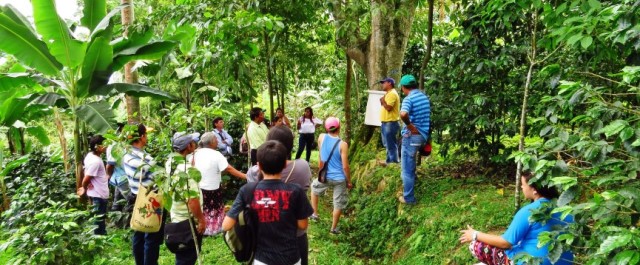
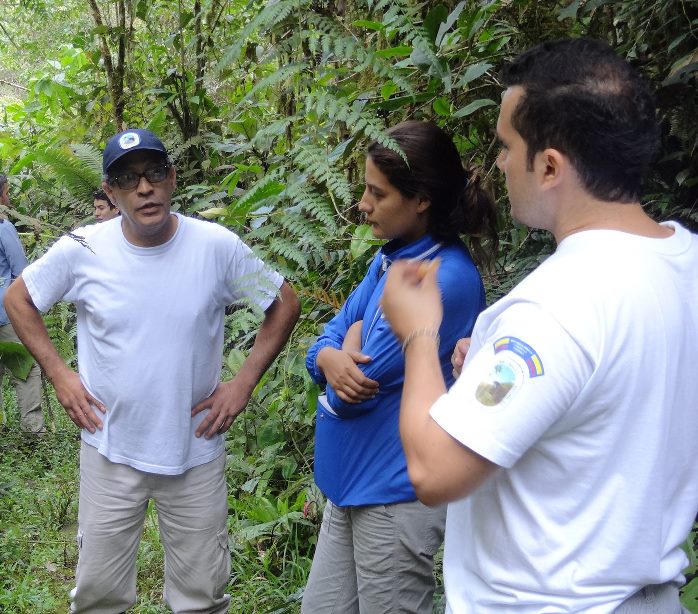 Para lo anterior, durante dos días en el mes de junio, en la Reserva Natural de las Aves Reinita Cielo Azul, ubicada en San Vicente de Chucurí (Santander) se celebró junto con miembros de Parques Nacionales y la Fundación ProAves, una reunión que buscaba en primera medida, socializar el trabajo y esfuerzo de conservación realizado por ambas entidades en el municipio de San Vicente de Chucurí, Santander y a partir de esta retroalimentación, definir varios compromisos de trabajo en conjunto dirigidos a la conservación de esta importante área.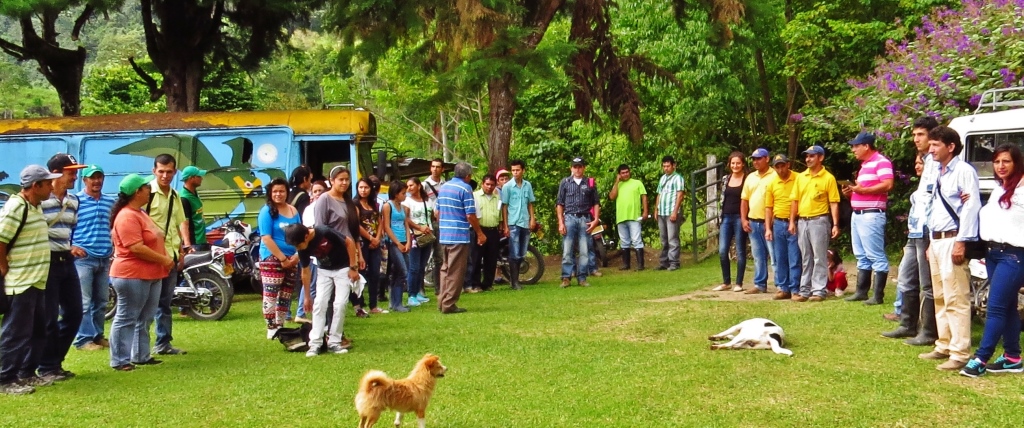

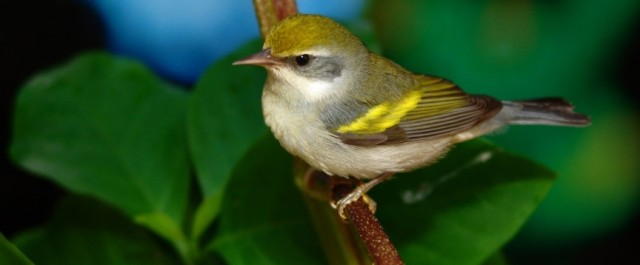

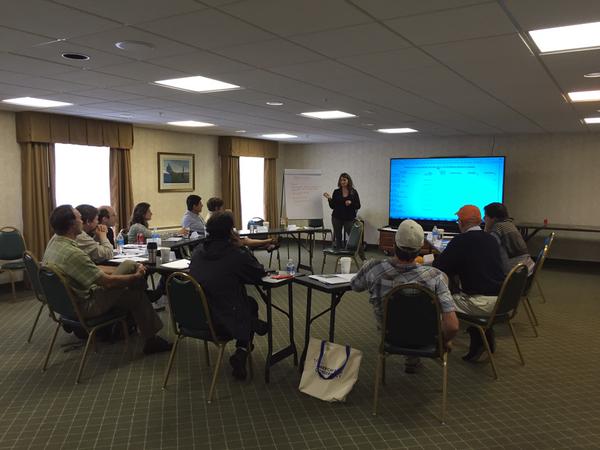

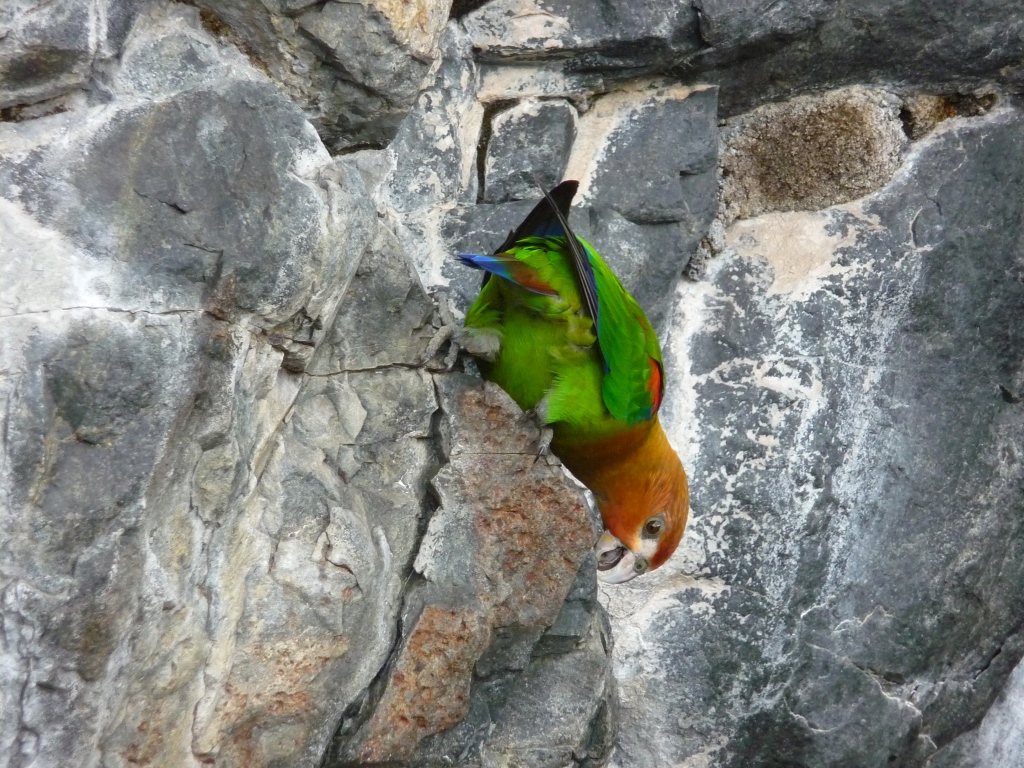
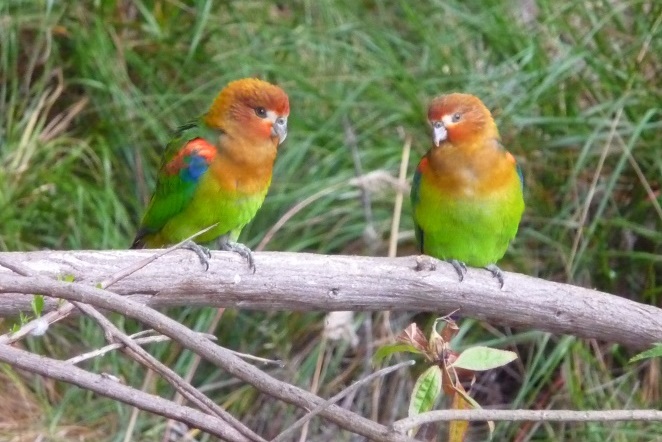
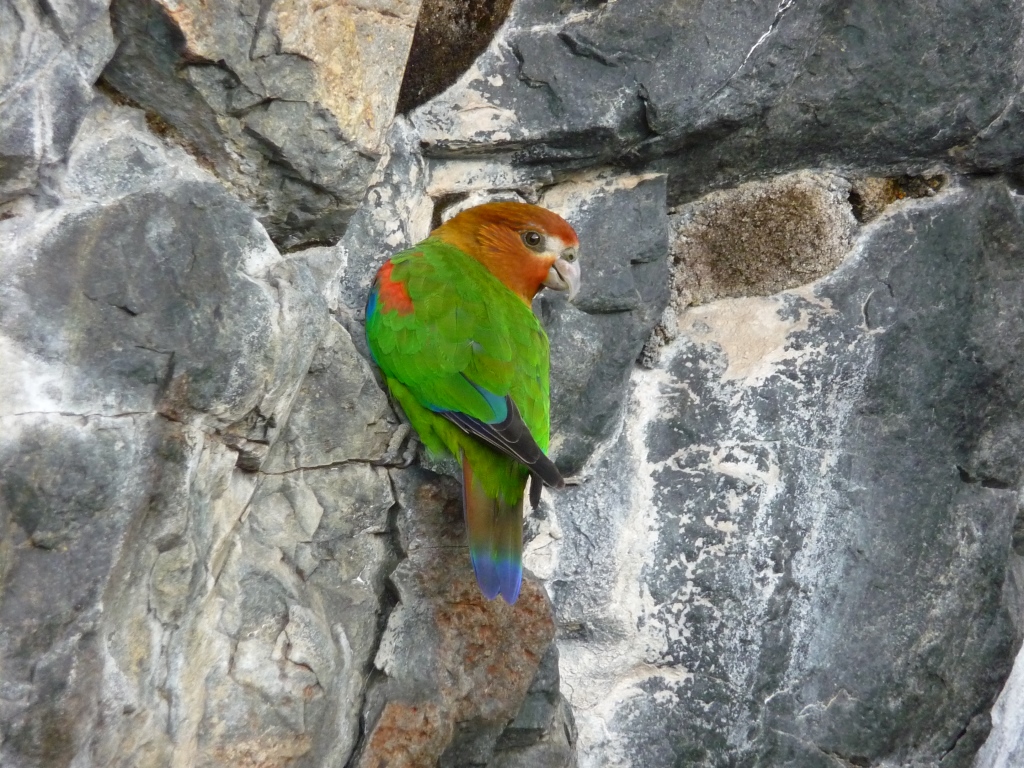
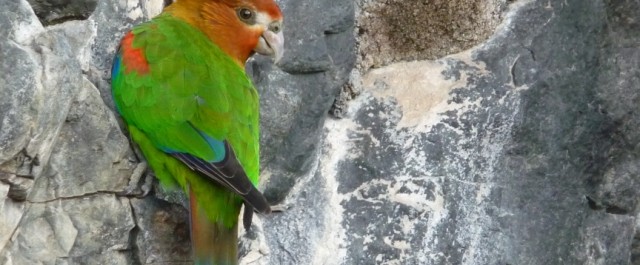
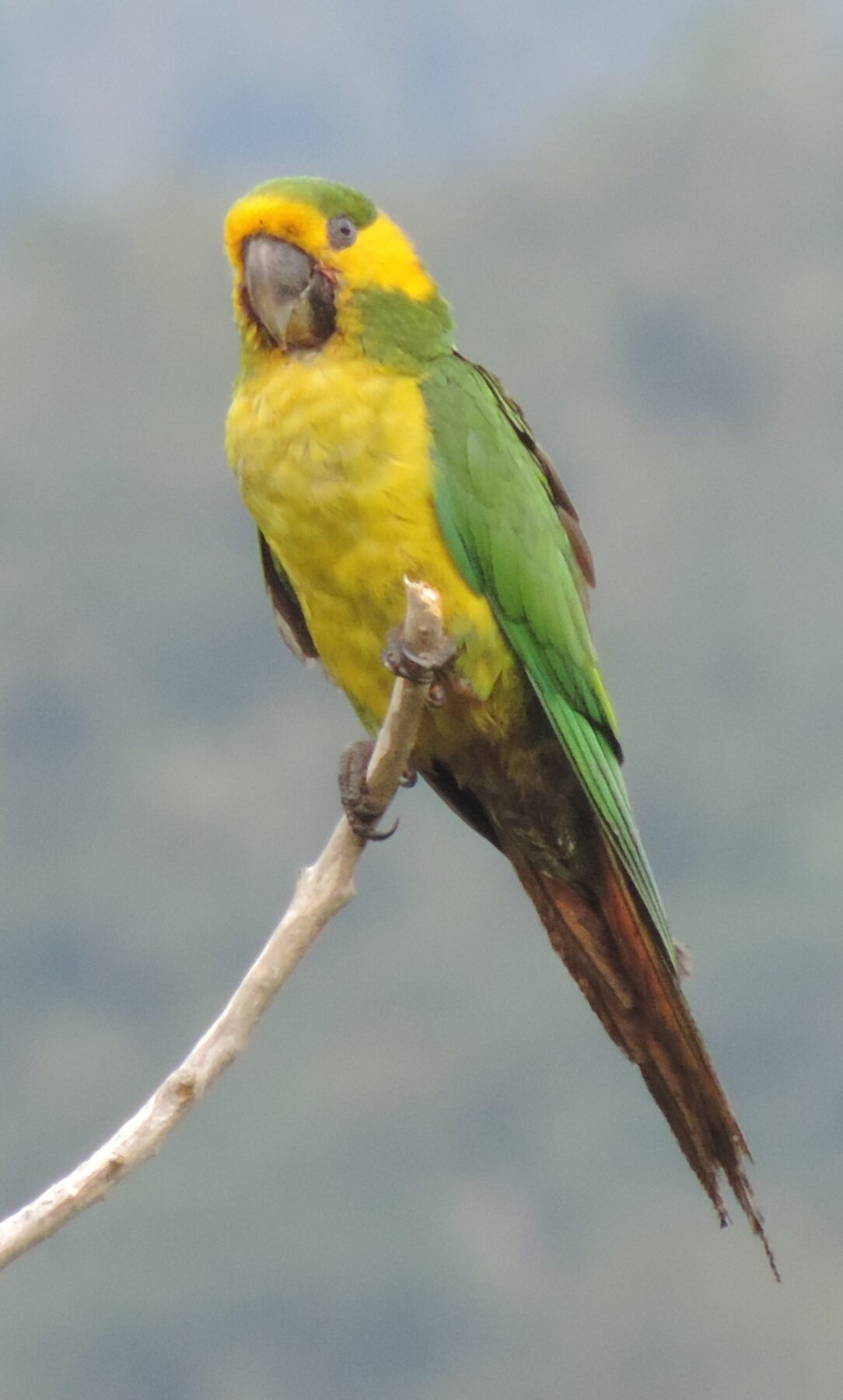
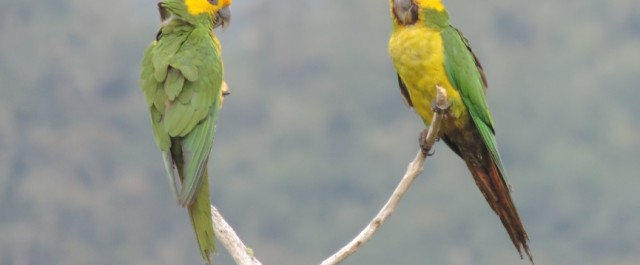
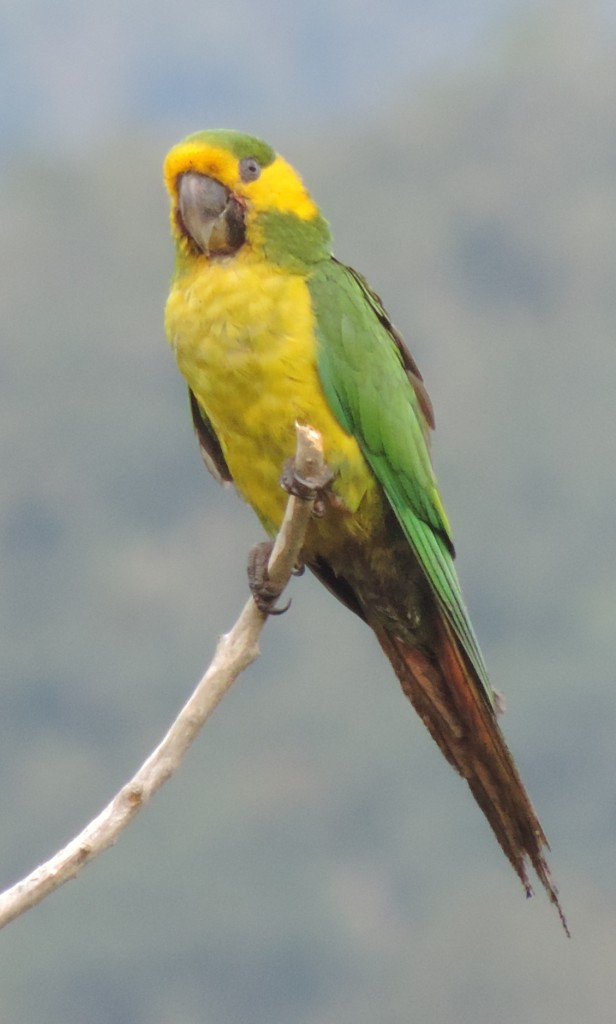
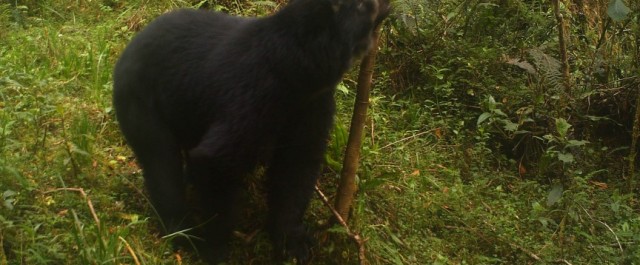
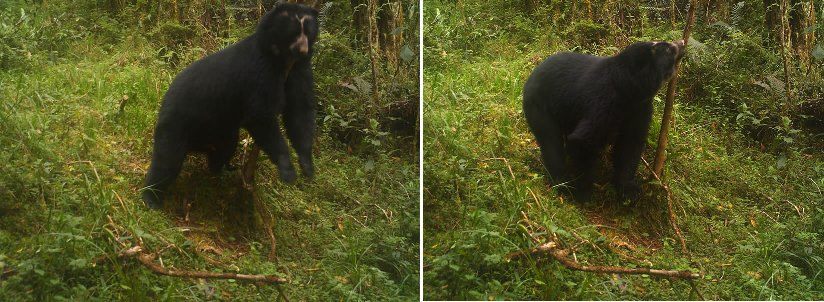
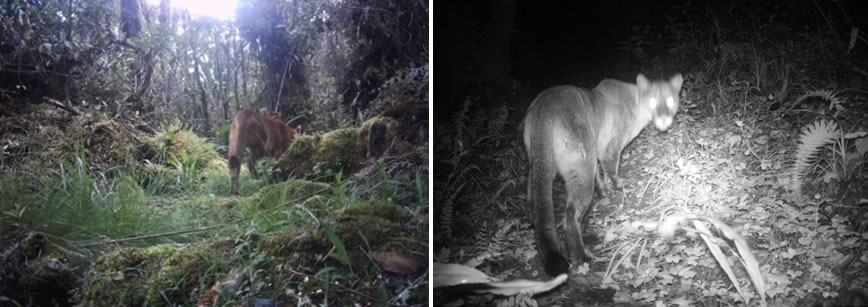
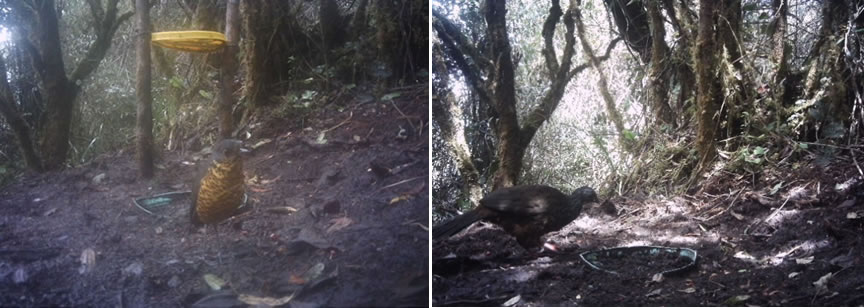
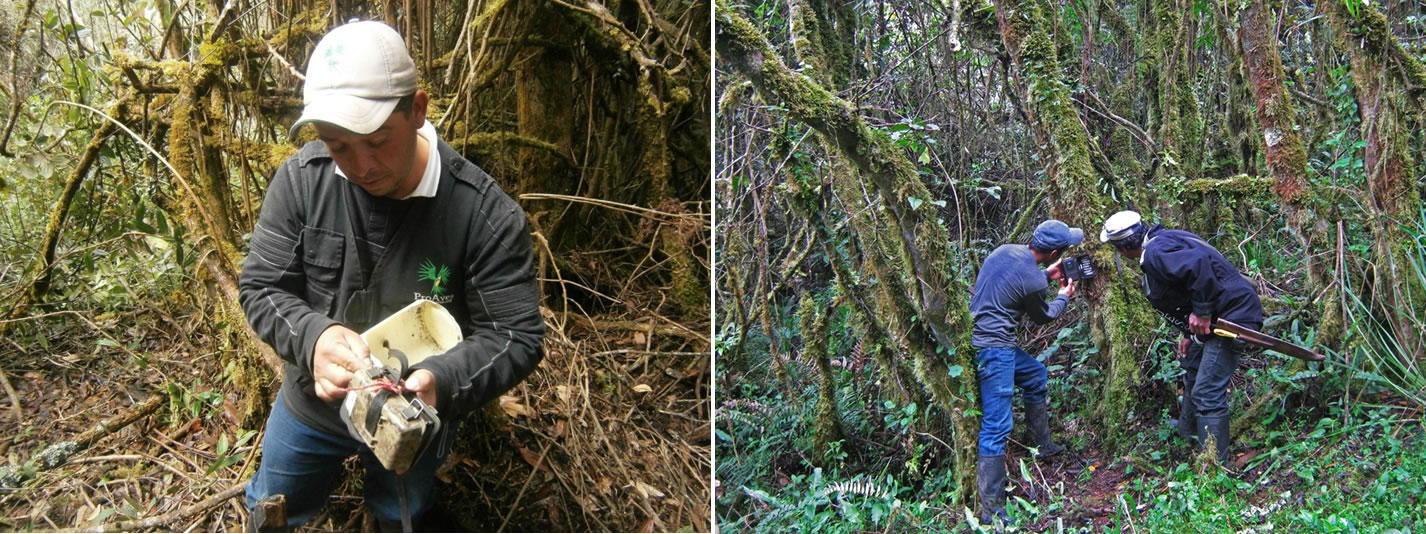
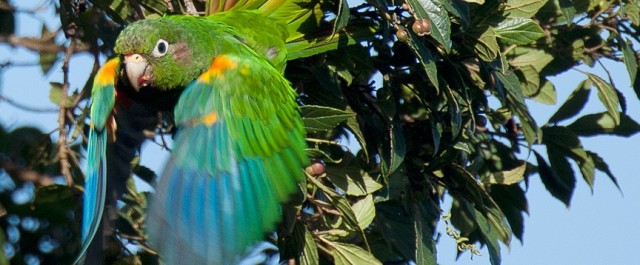
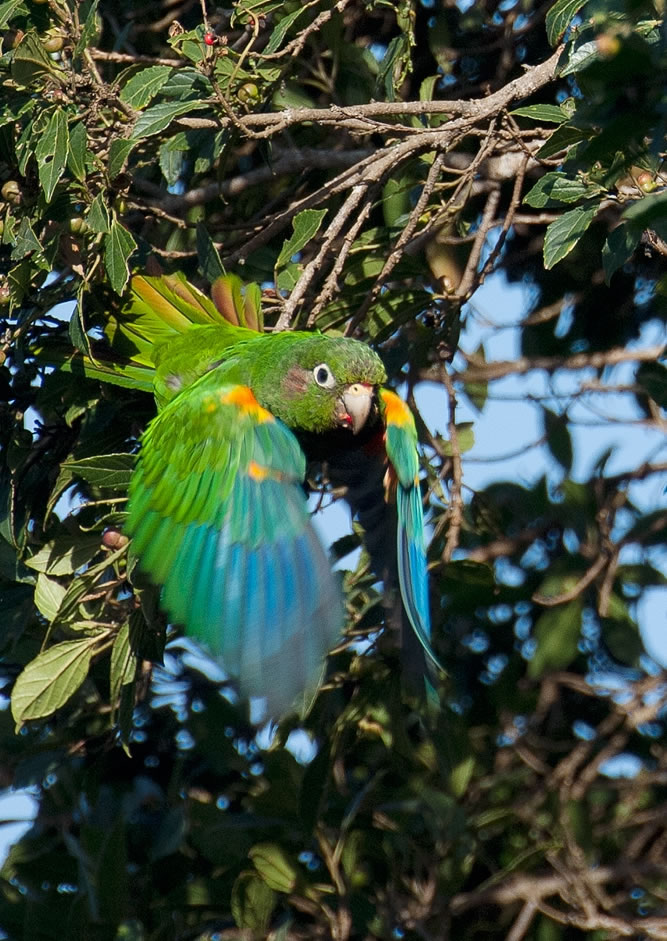


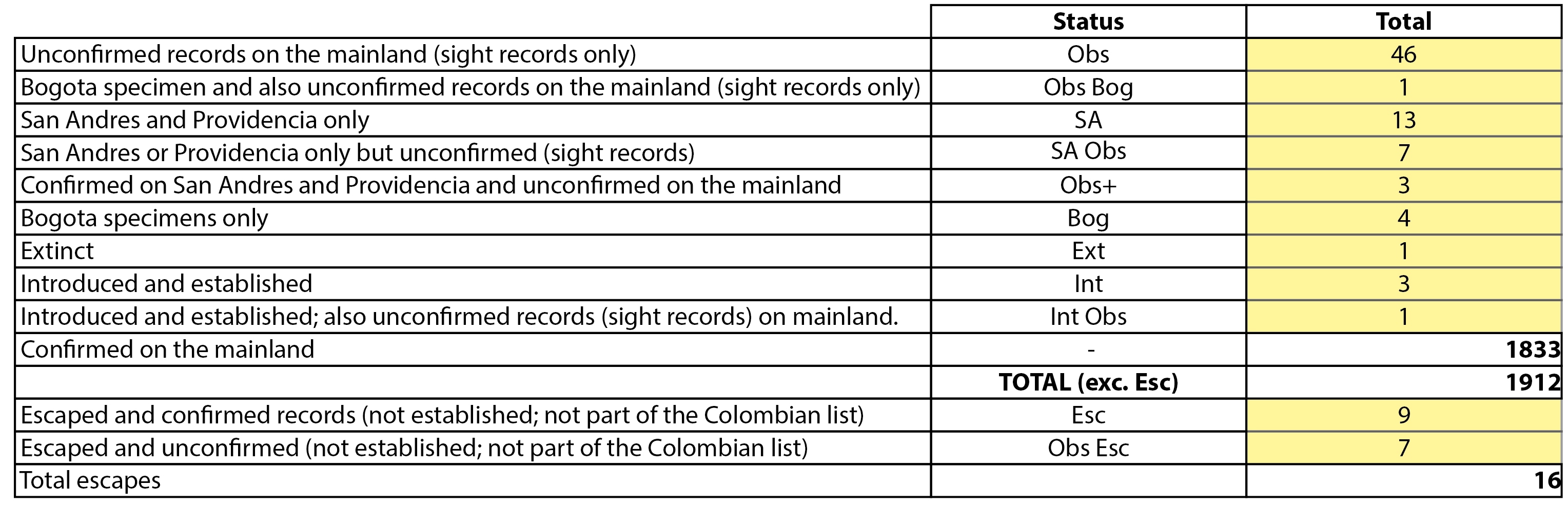
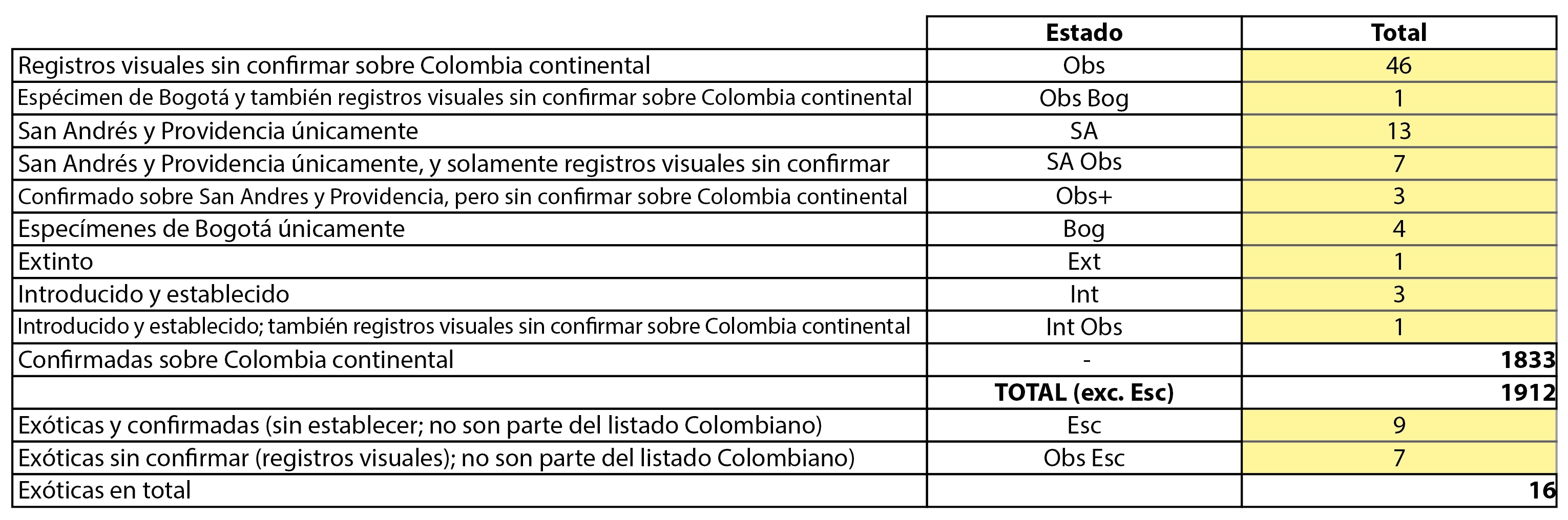
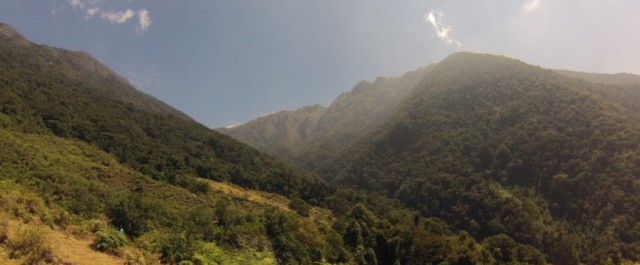
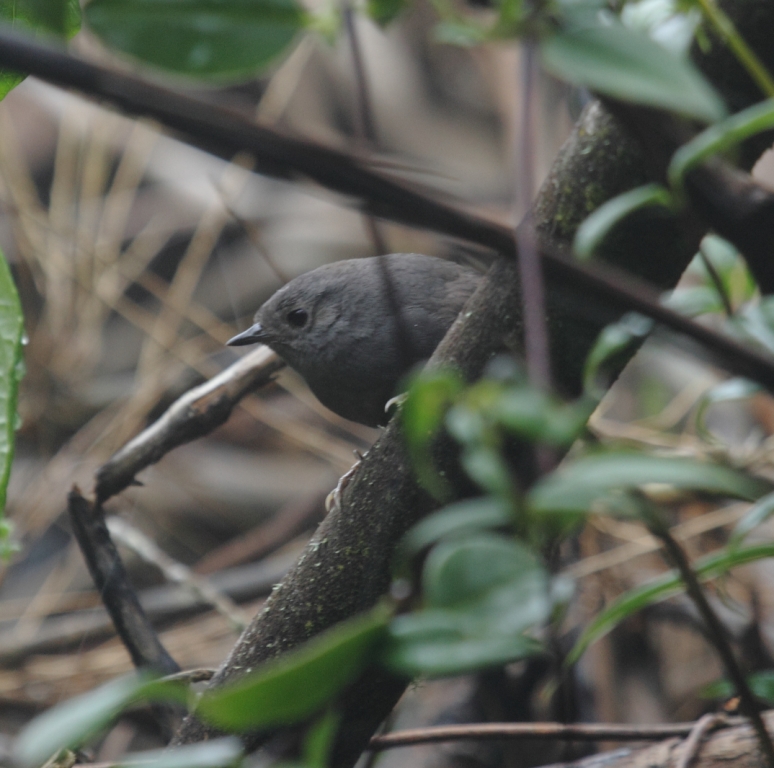
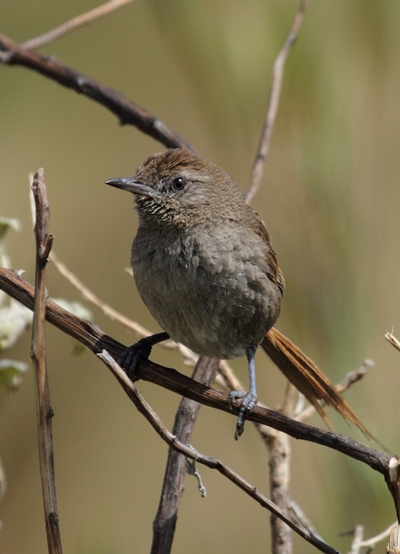
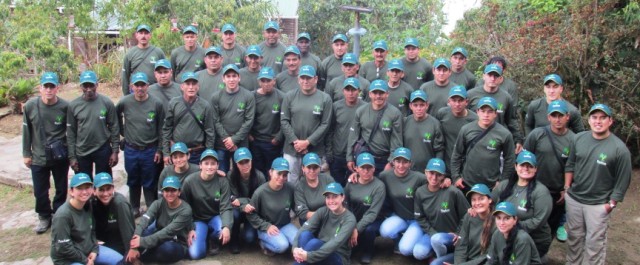
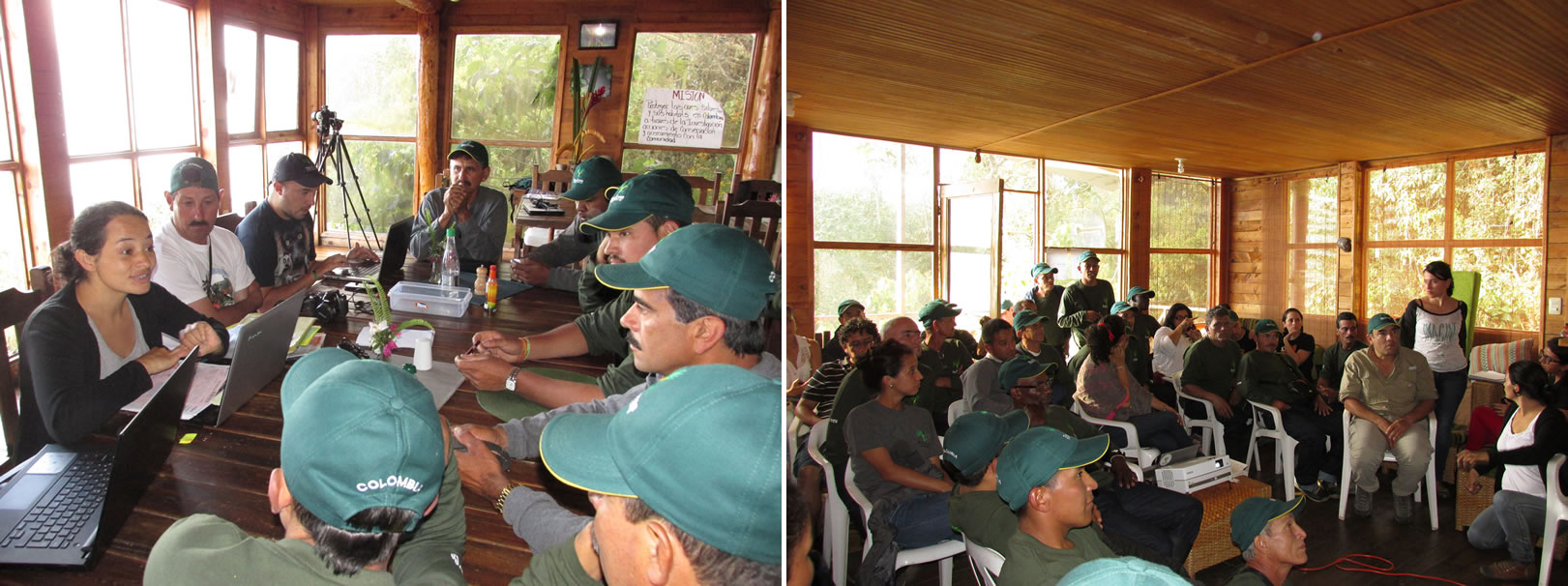
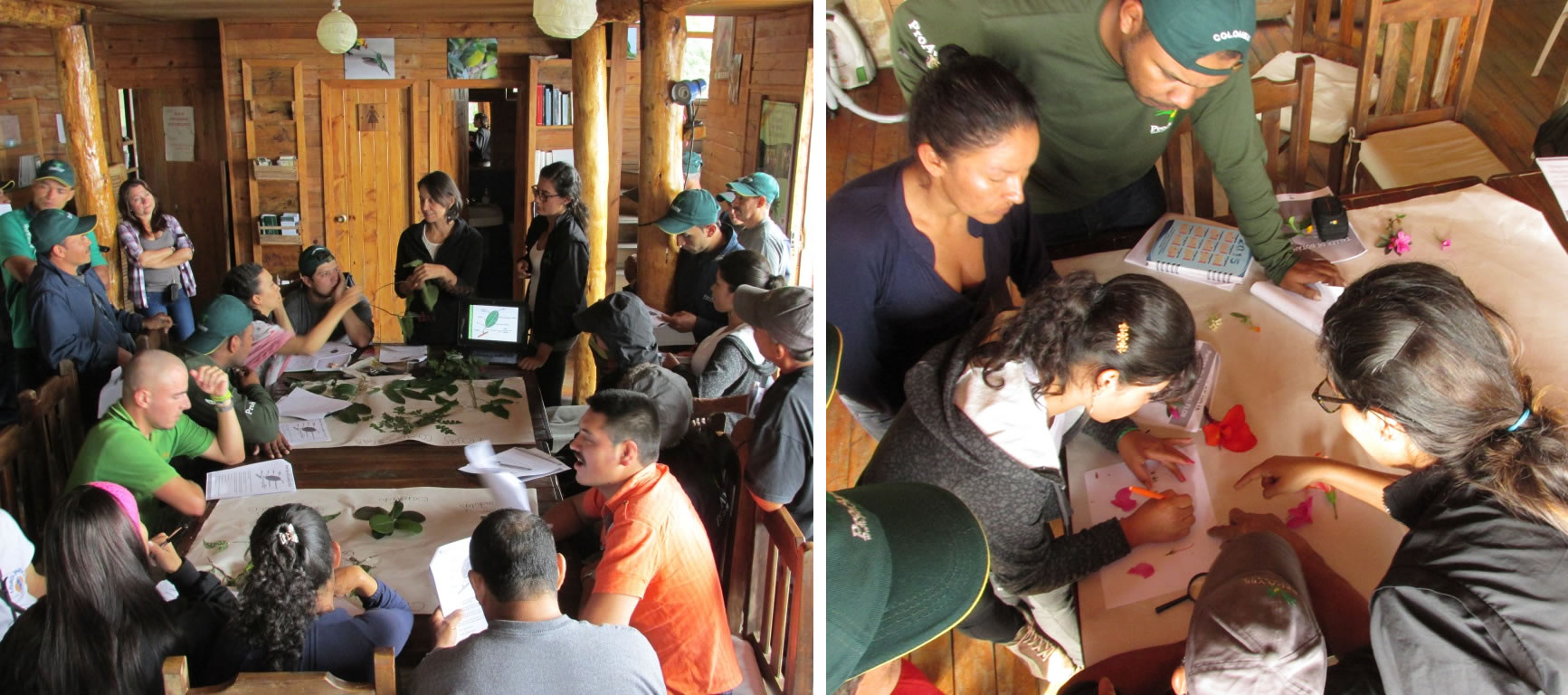
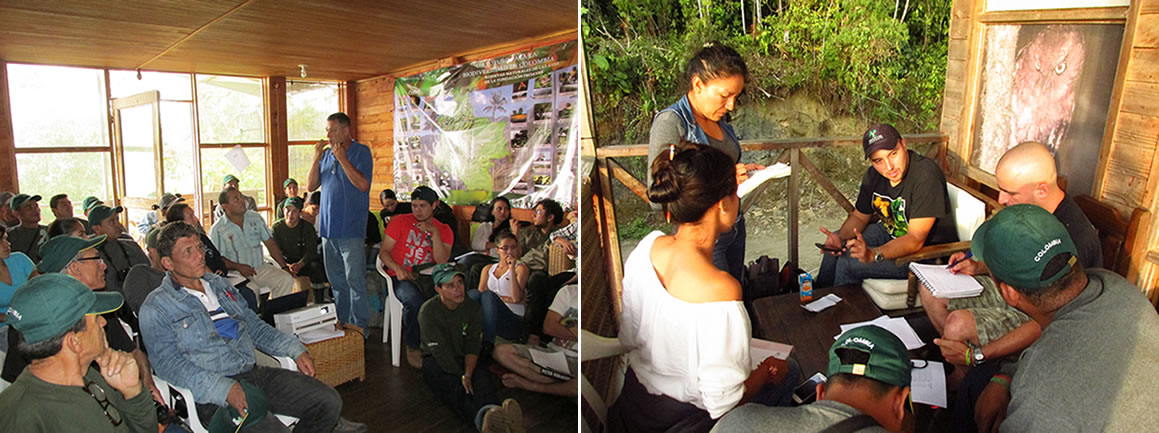
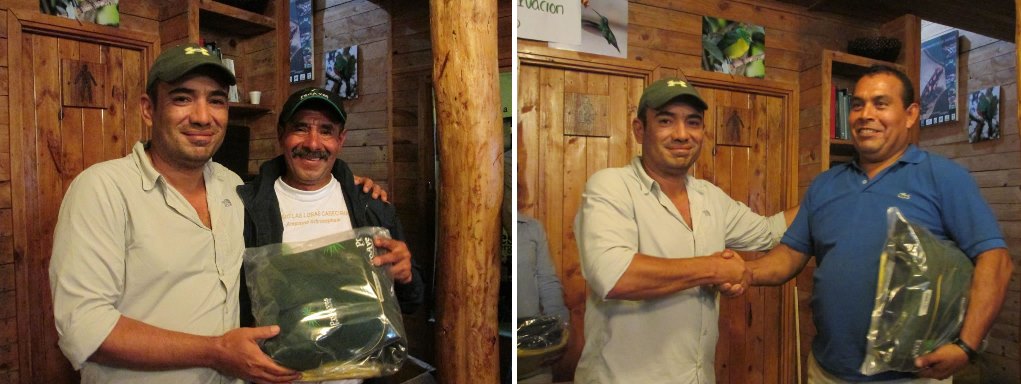



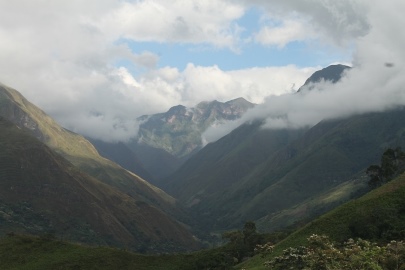
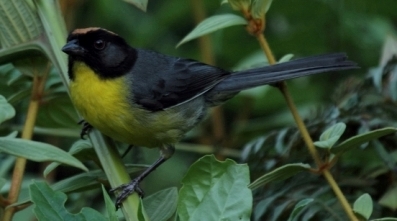


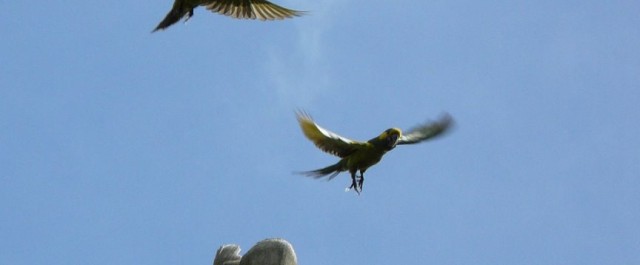
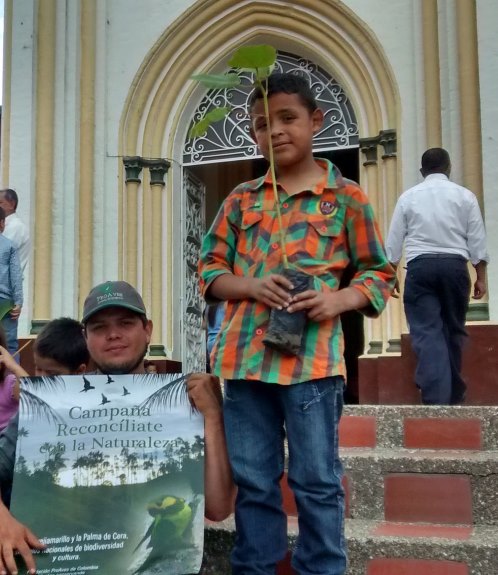
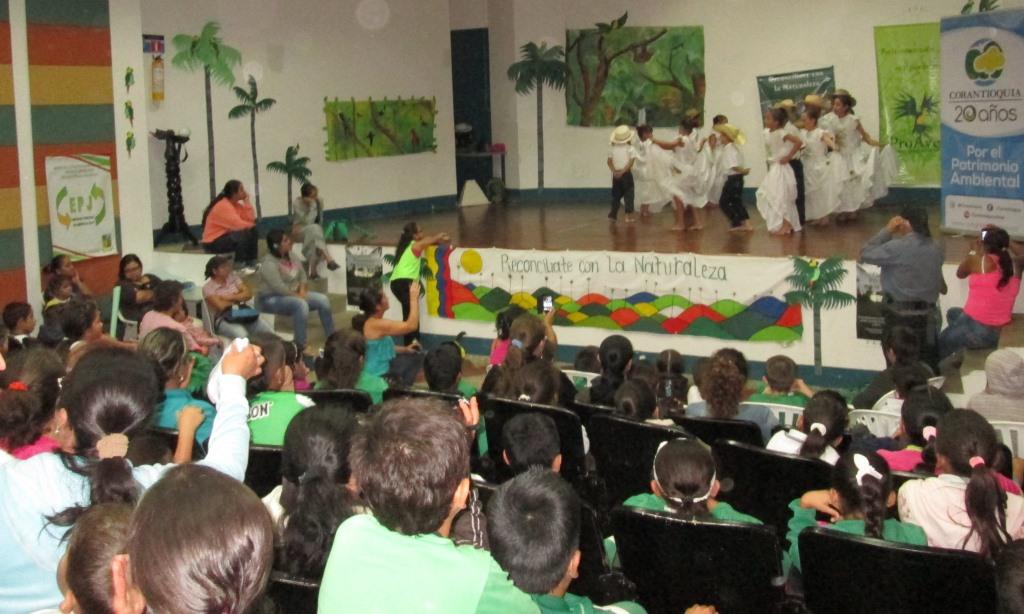
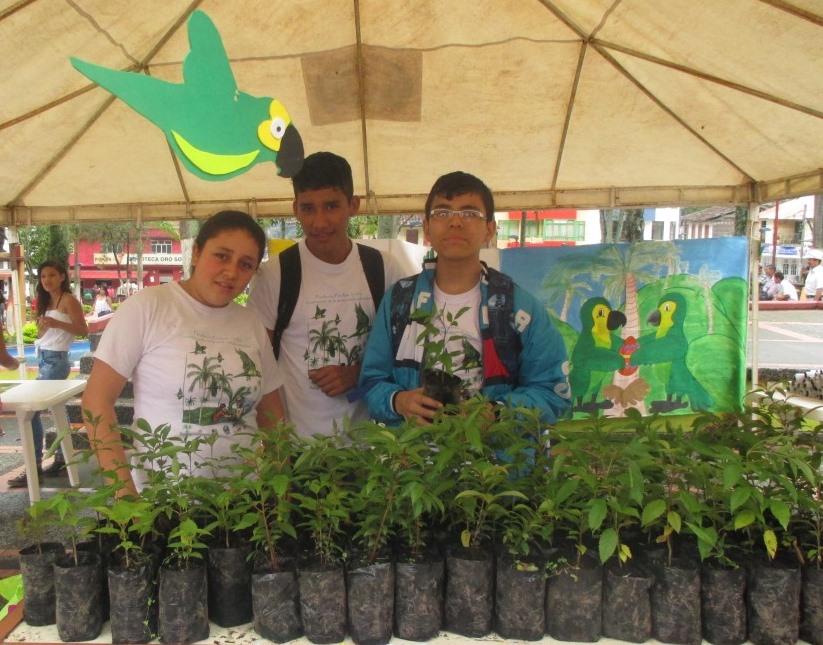
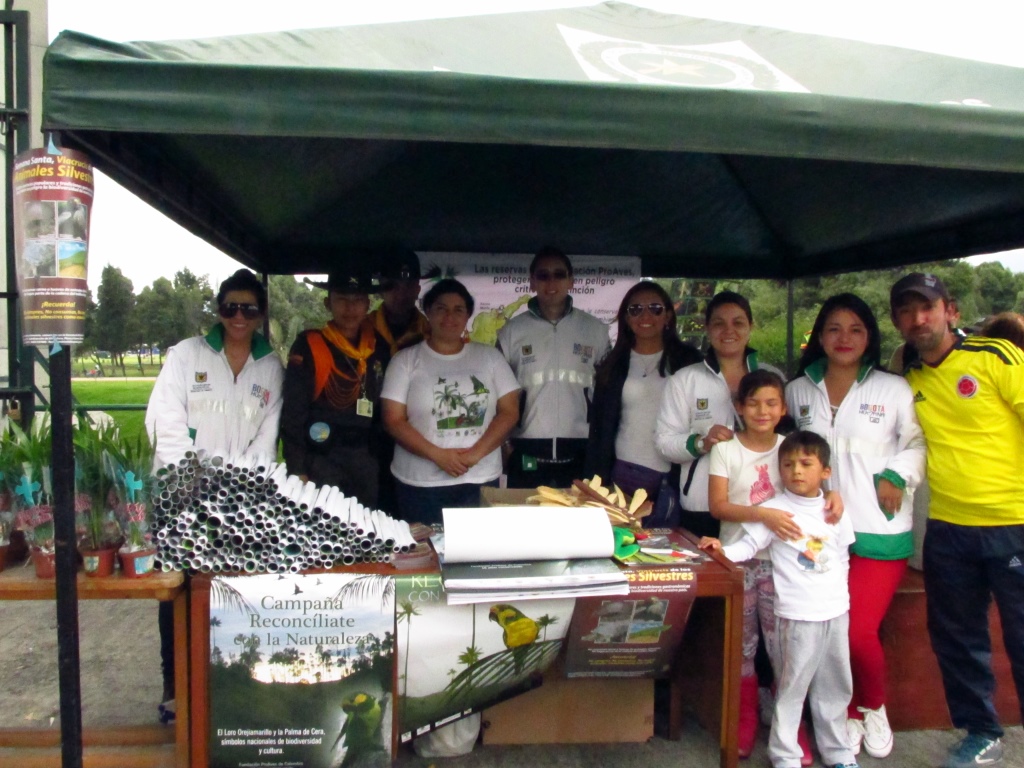
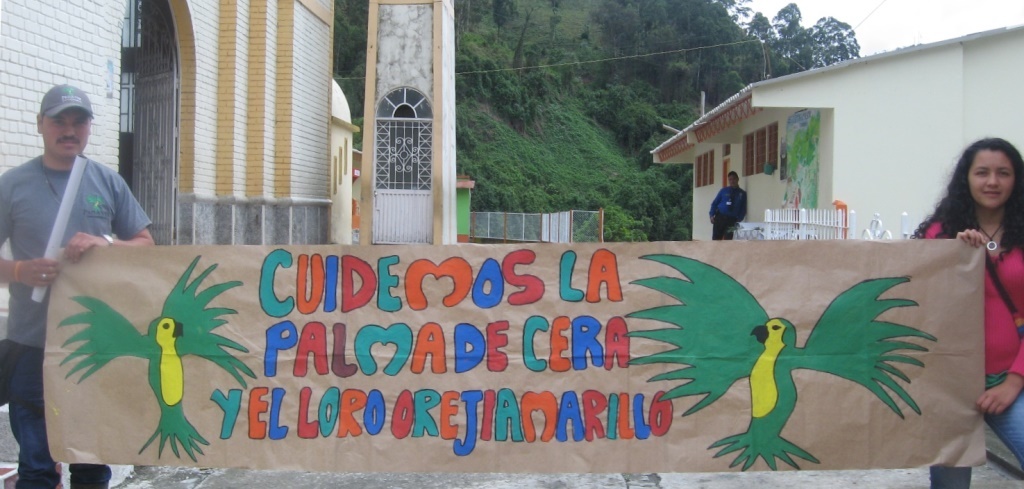
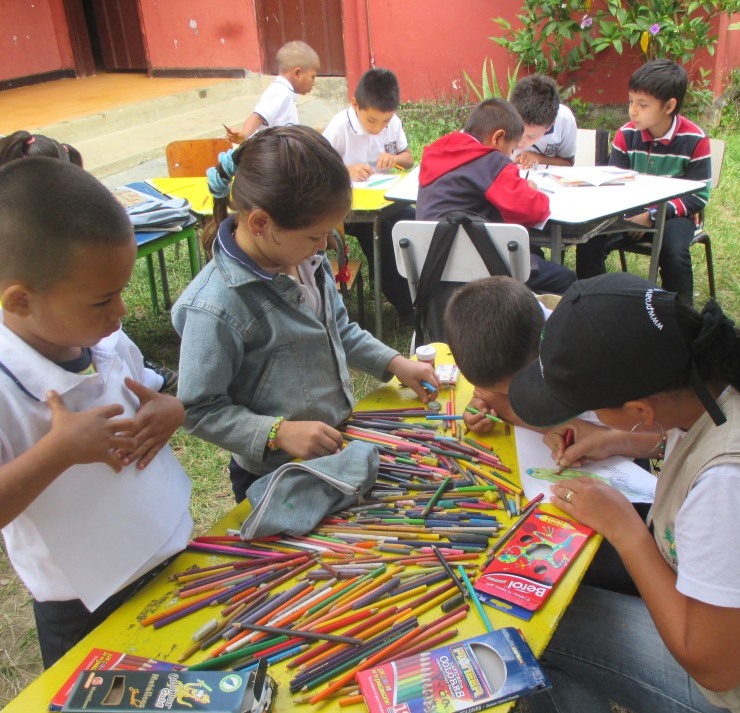
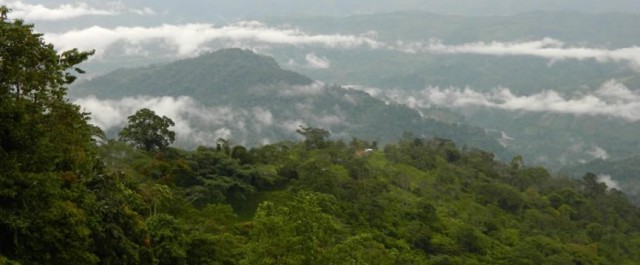
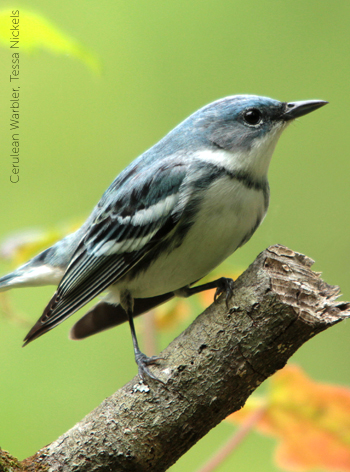
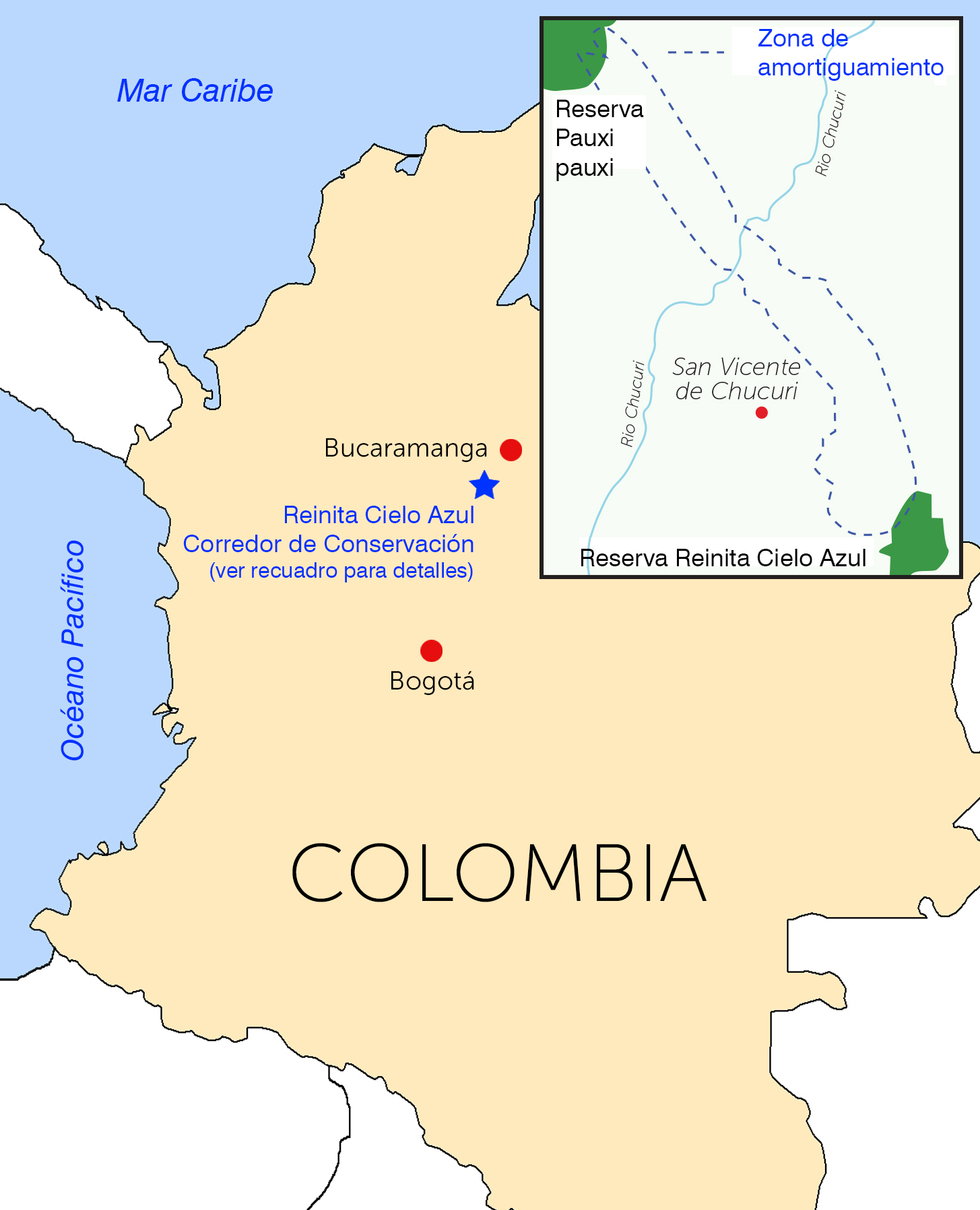
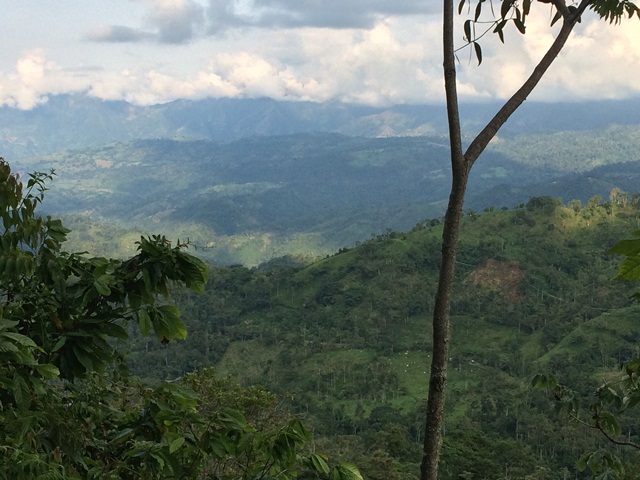
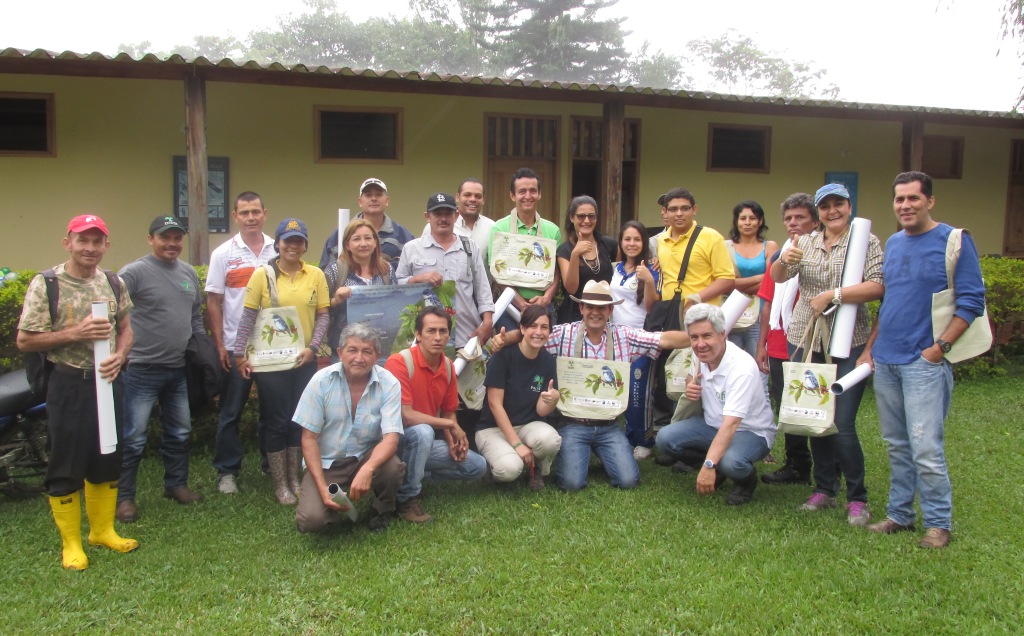

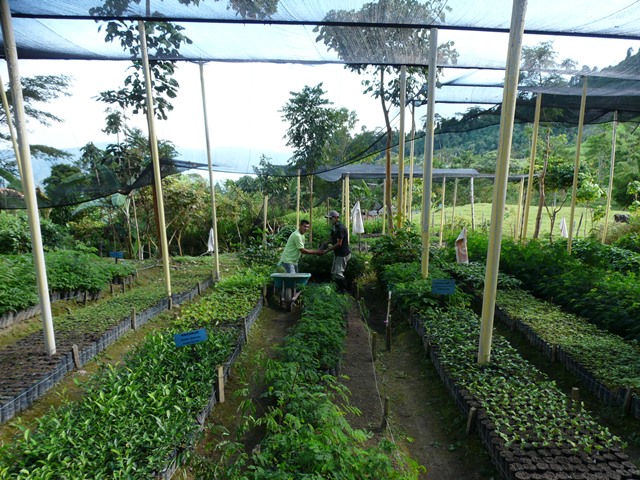
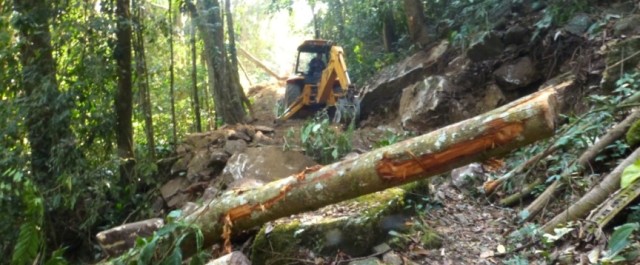
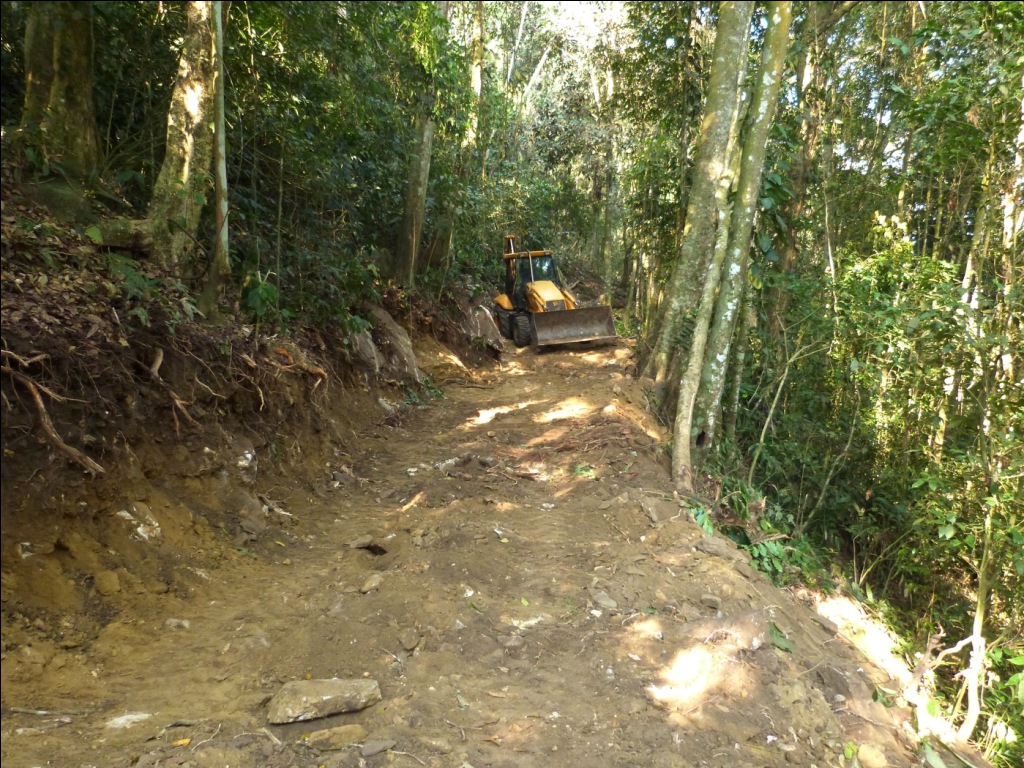
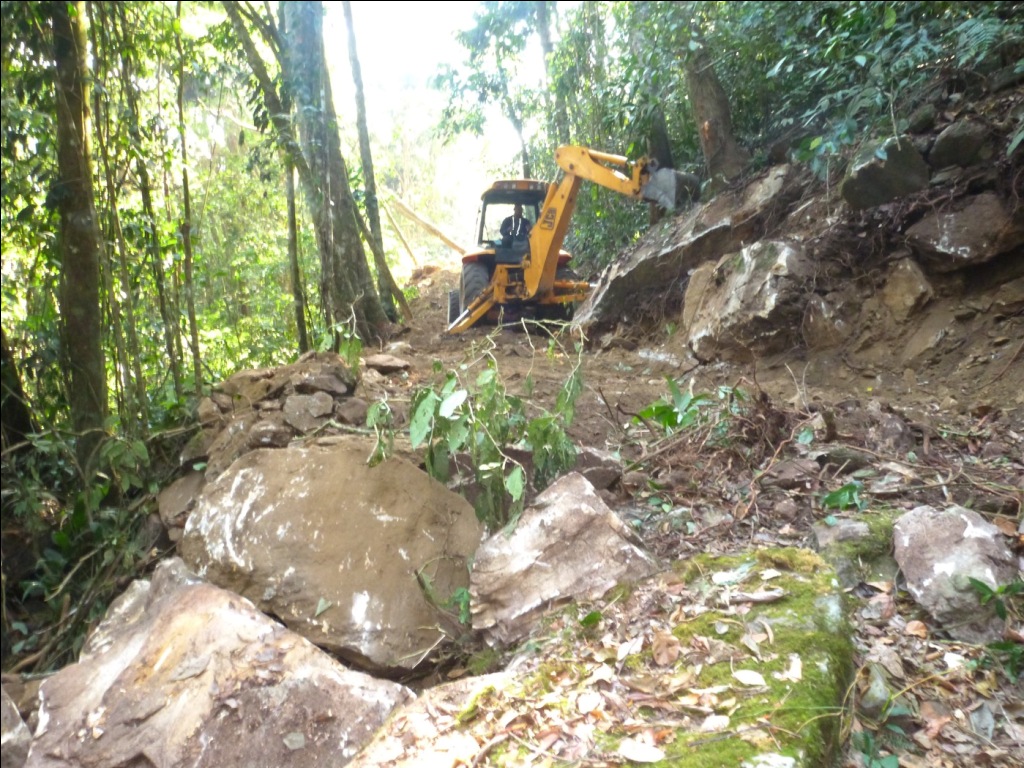
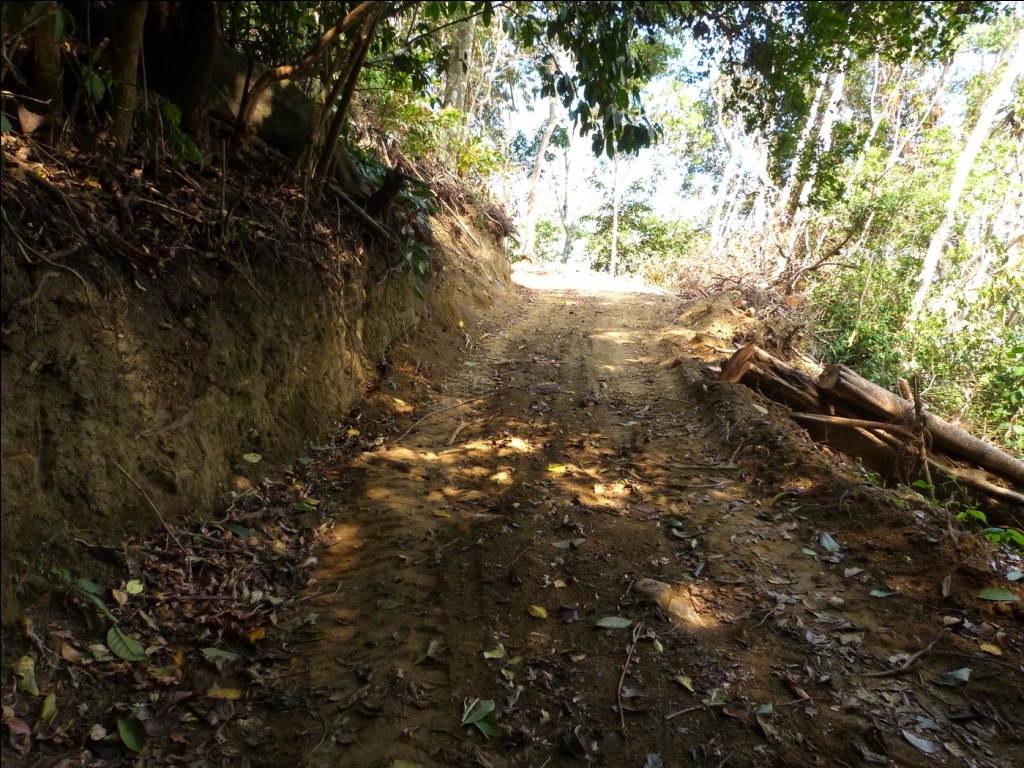
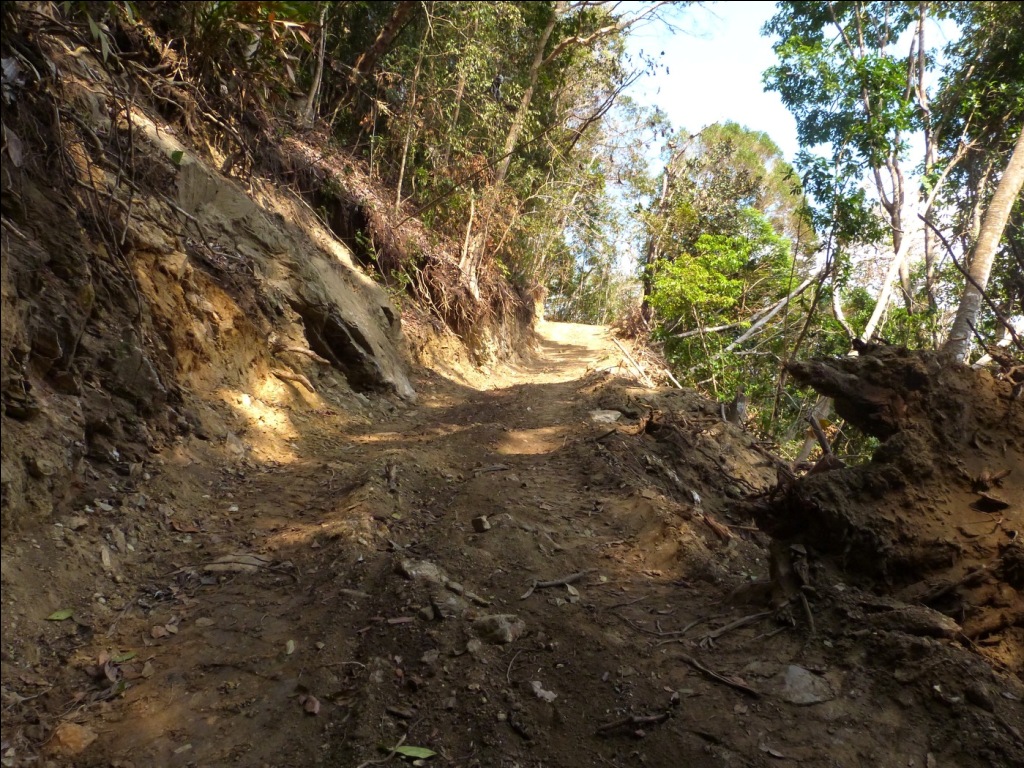
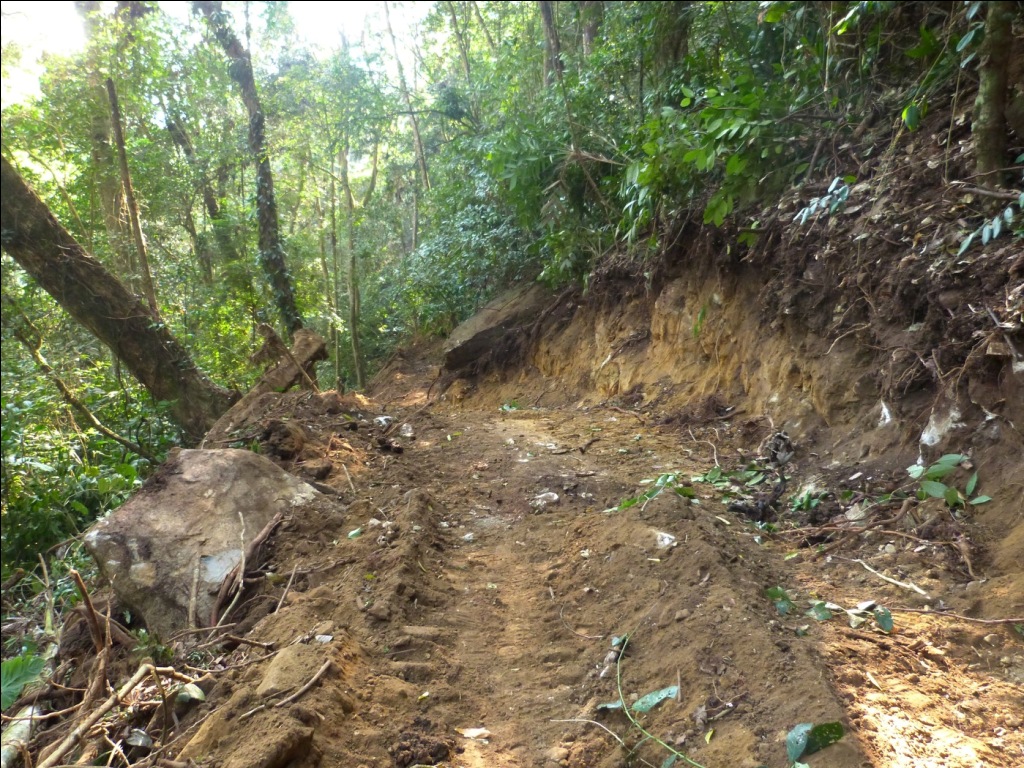
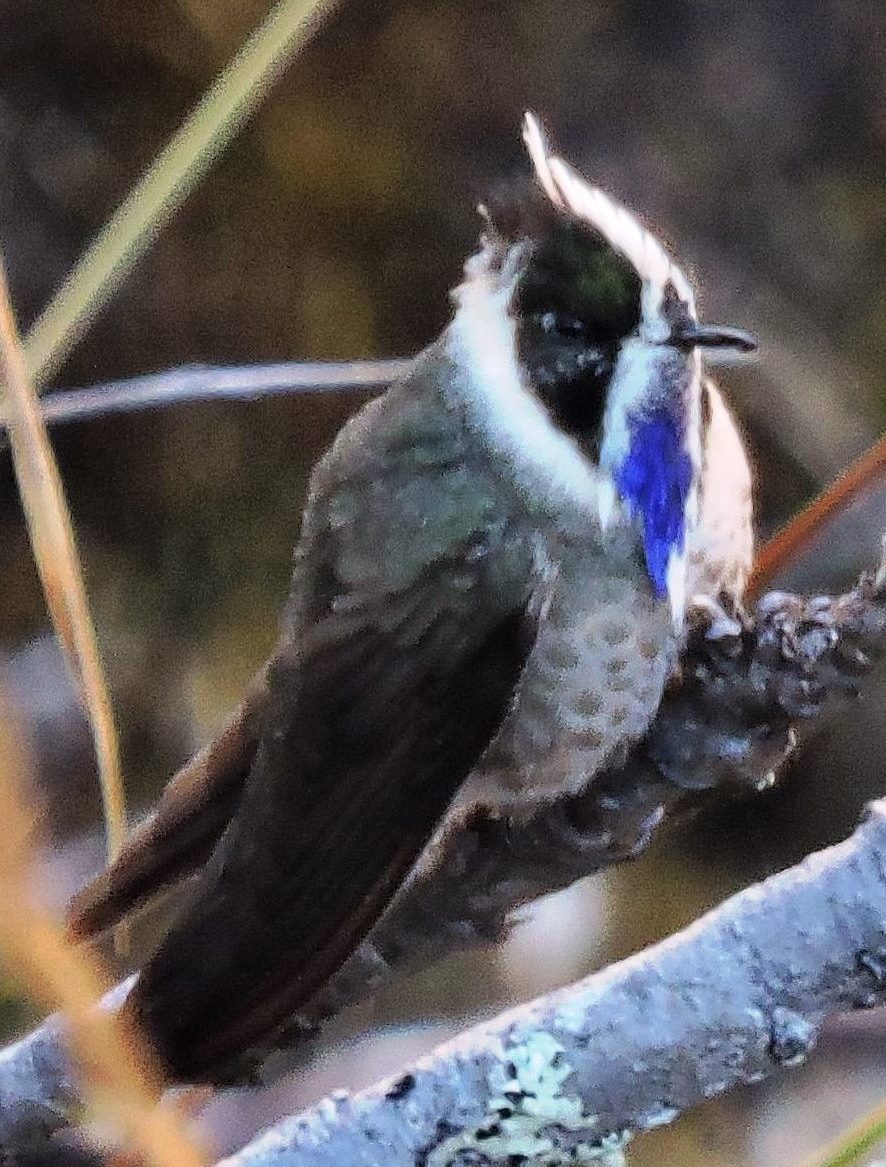
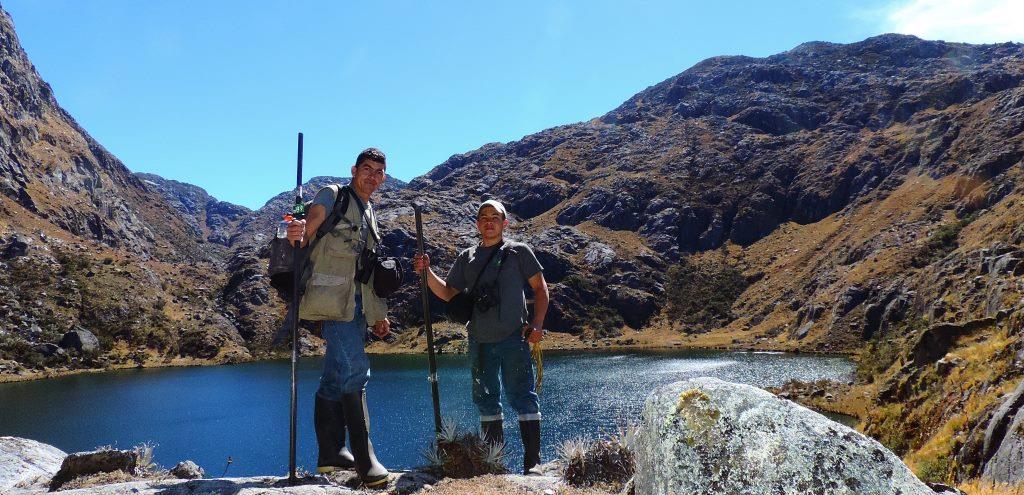
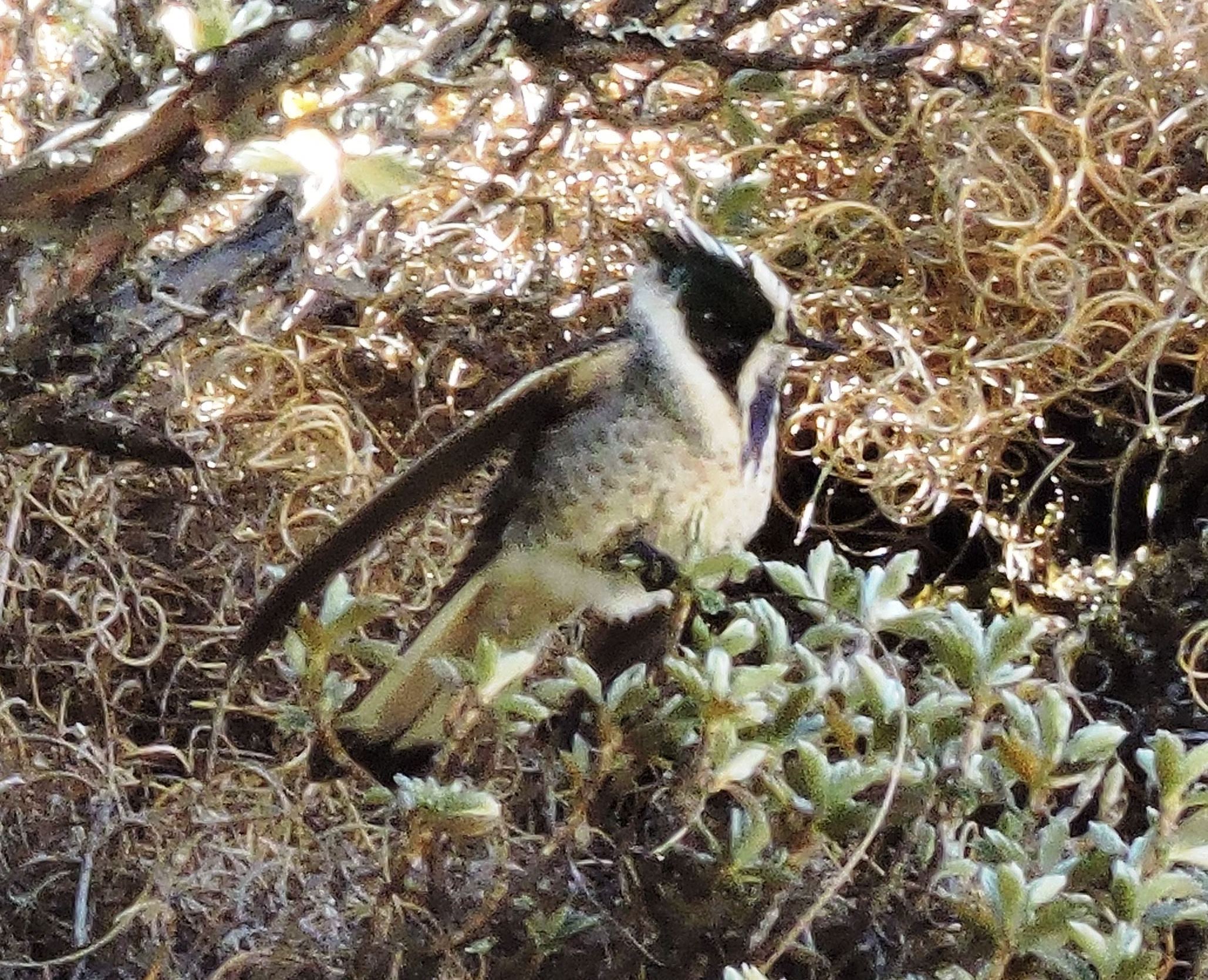
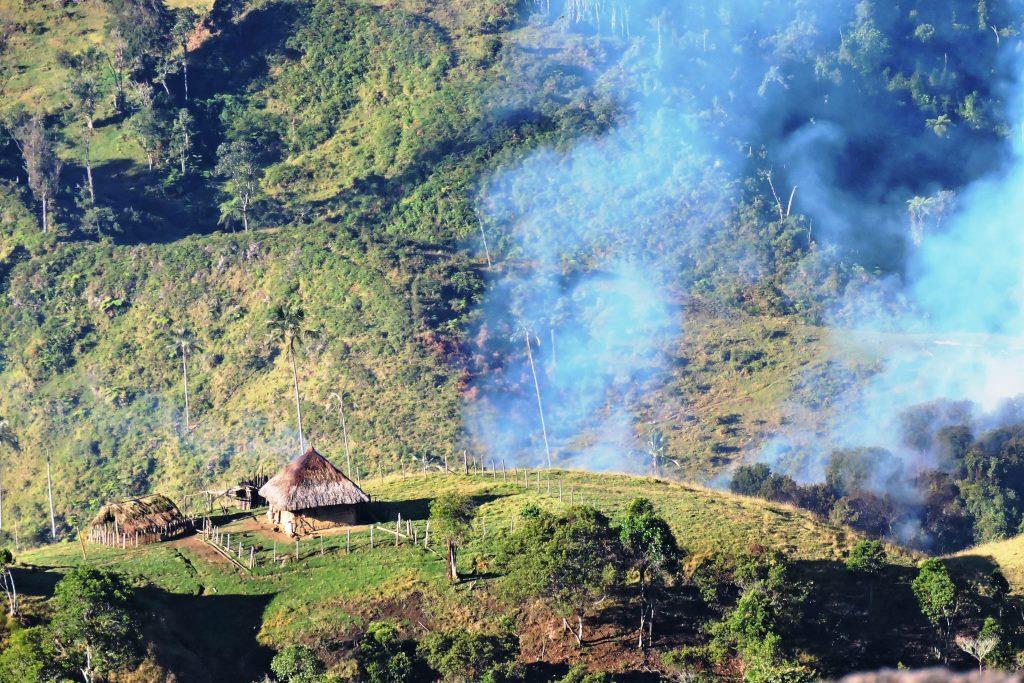
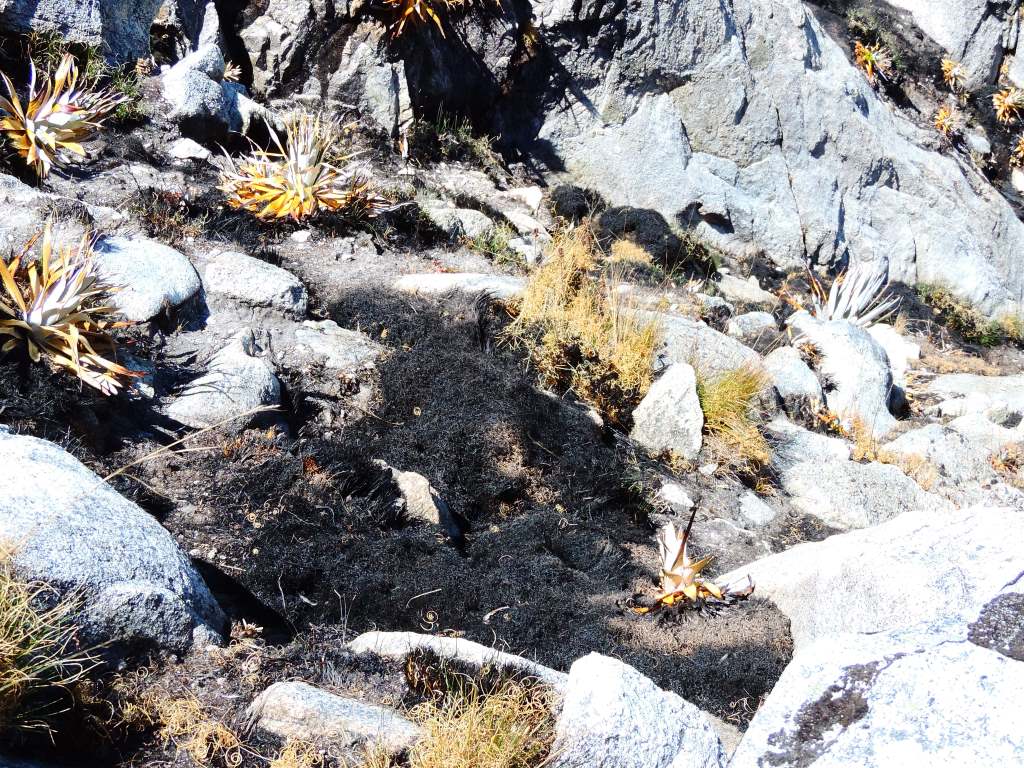
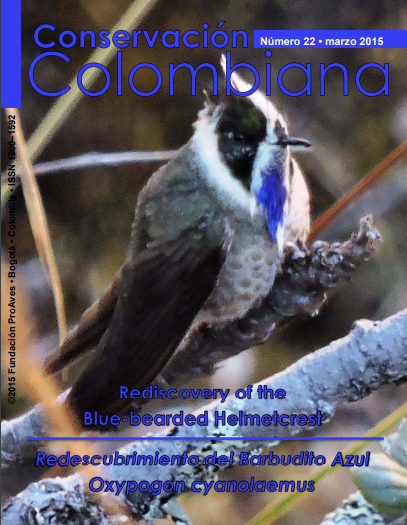
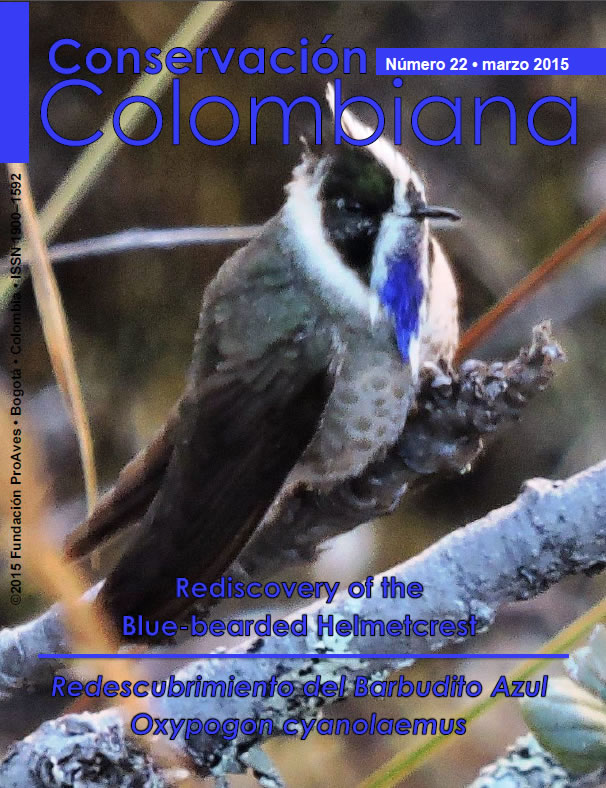 Fundación ProAves has published selected papers from the 22th volume of its scientific journal Conservación Colombiana. This edition includes a scientific paper about the Blue-bearded Helmetcrest (Oxypogon cyanolaemus) rediscovered during surveys of forest fires in the Sierra Nevada de Santa Marta in Colombia. Described in 1880, the charismatic Blue-bearded Helmetcrest (Oxypogon cyanolaemus) was last seen in 1946; thereafter, it disappeared. Restricted to the world’s highest coastal mountain range, the Sierra Nevada de Santa Marta (rising to over 19,000 feet), the Helmetcrest was suspected to be facing severe threats as cattle ranching by indigenous people expand across the sensitive high-elevation slopes of the mountain range.