Fundación ProAves – por la conservación en el país de las aves

Categories
Articles News News Proaves @en

ProAves El Jaguar Reserve marks 13 years and adds new biodiversity records in the Orinoquía

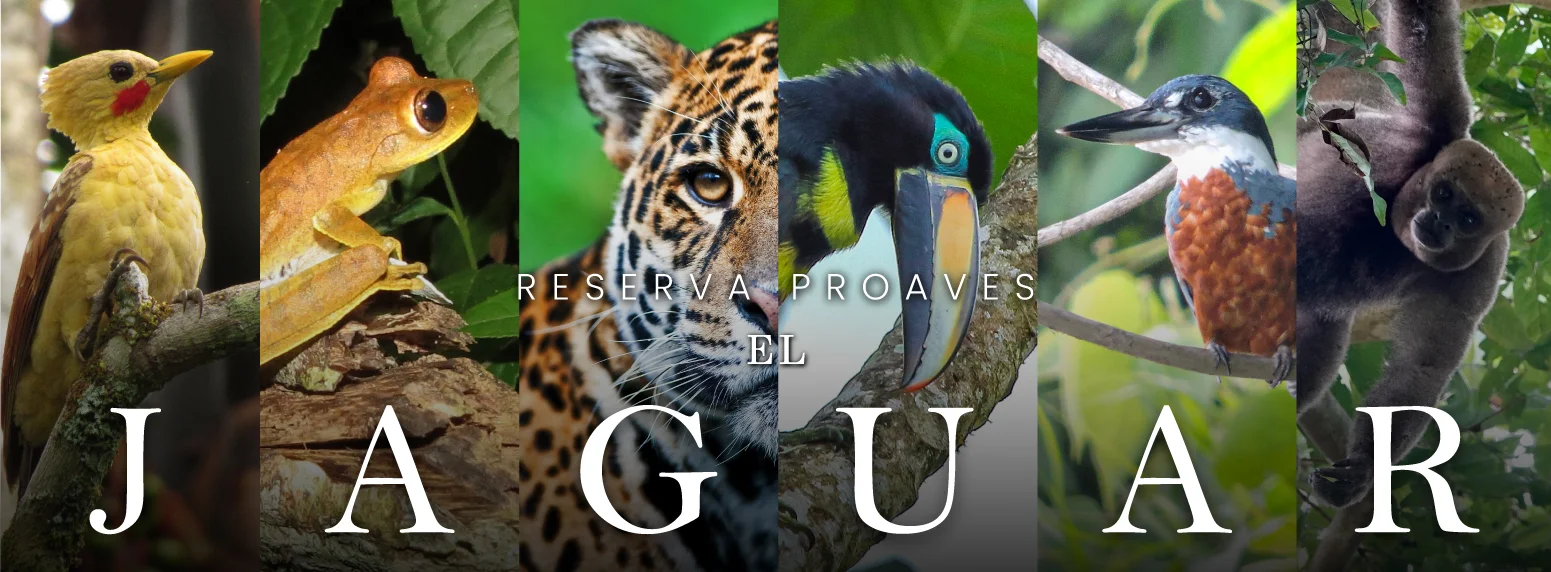
The ProAves El Jaguar Reserve, located in Mapiripán (Meta), marks 13 years of continuous work in the conservation of biodiversity in Colombia’s Orinoquía region. For more than a decade, this protected area has established itself as a stronghold for the protection of strategic ecosystems, safeguarding forests and savannas that serve as a refuge for numerous species of fauna and flora, many of them threatened or little studied.
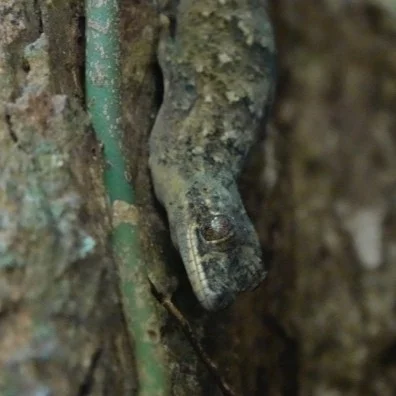
Thanks to these sustained efforts, the Reserve continues to generate valuable biodiversity records that demonstrate the good conservation status of its ecosystems. One of the most recent is that of Thecadactylus rapicauda, known as the “turnip-tailed gecko,” a species that stands out both for its characteristics and its ecological importance.
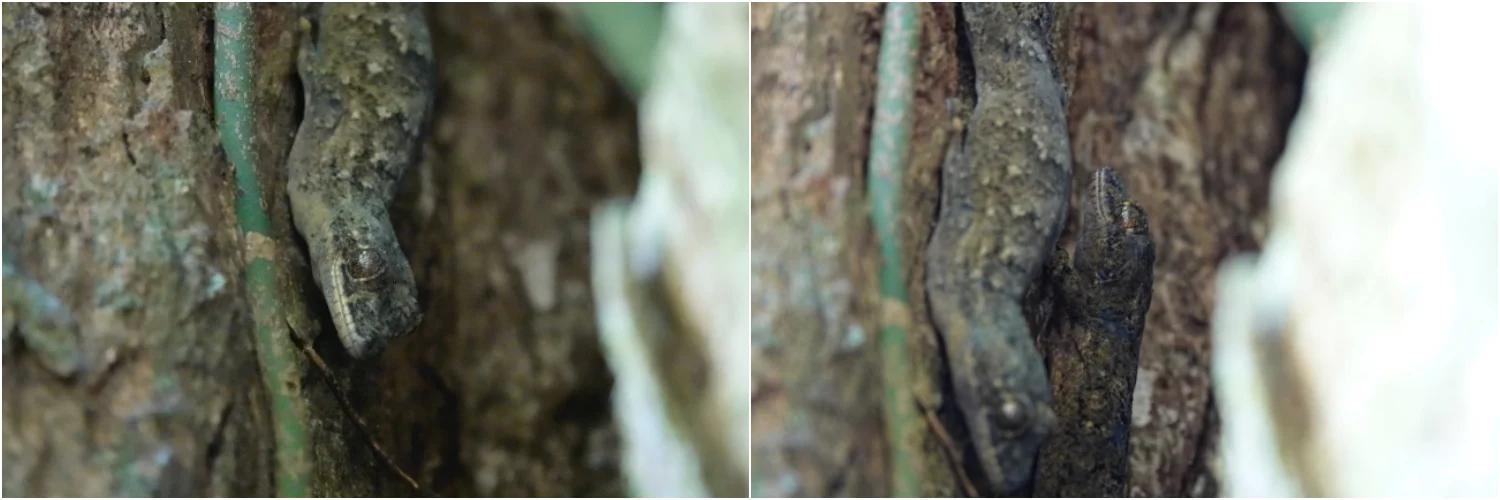
? Record by Luis Gabriel Mosquera

This small lizard belongs to the gecko family (Phyllodactylidae). It is characterized as an arboreal and scaly species, with toe pads that facilitate climbing. Its diet is mainly based on invertebrates, although it occasionally consumes fruits, small mammals, and reptiles. 

Thecadactylus rapicauda is an oviparous species that inhabits tropical forests (both humid and dry) and savannas, with a wide distribution across the Americas; it is also one of the largest geckos on the continent.

Its common name comes from its most distinctive feature: a thick, cone-shaped tail that noticeably widens. This appendage is vital for its survival, as it can be detached to distract predators or vigorously waved as a warning signal. The record of Thecadactylus rapicauda in the ProAves El Jaguar Reserve not only expands knowledge about the species’ distribution, but also serves as an indicator of ecosystem health. Findings like this reaffirm the importance of strengthening conservation efforts in strategic territories, where each recorded species reflects the balance and natural richness that still persist.

Imagen proaves
Categories
Articles

Payments for Environmental Services (PSA)

In the world all ecosystems provide a wide range of services to humanity, from the oxygen generated by forests, through streams of clean water, productive soils to carbon sequestration. Individuals, businesses and society, depend on these services to survive, besides being their inputs.

However many of these services are currently undervalued or have no financial value and that is why, forest owners do not pay attention because the forest does not generate profits but losses, they pay taxes on land that is not ” productive”.

Pagos
Payments for Environmental Services (PSA)

Alluding to this, since 2006 the ProAves has generated knowledge in the community about the value of their resources and about their importance to their quality of life and the economy itself, knowing that this conservation strategy is not designed to reduce poverty but to provide economic incentives to promote more sustainable and efficient use of environmental services and the ecosystems that generate them.

servidumbre
Easement (Jardín, Antioquia)

Currently 8 RAW Reciprocal Agreements for Water have been signed which protect 2,650 hectares of moor and forest habitat of the Yellow-eared Parrot. These were signed for an average of 15 years of commitment under the provision of incentives as inputs to the farms.

The Foundation has developed the following PSA:

1. The Conservation Easement Program. Developed in the towns of Jardín (Antioquia), San Vicente de Chucurí (Santander) and Roncesvalles (Tolima).

2. Reciprocal Agreements for Water (ARAs). Developed in Roncesvalles and El Espinal (Tolima).