
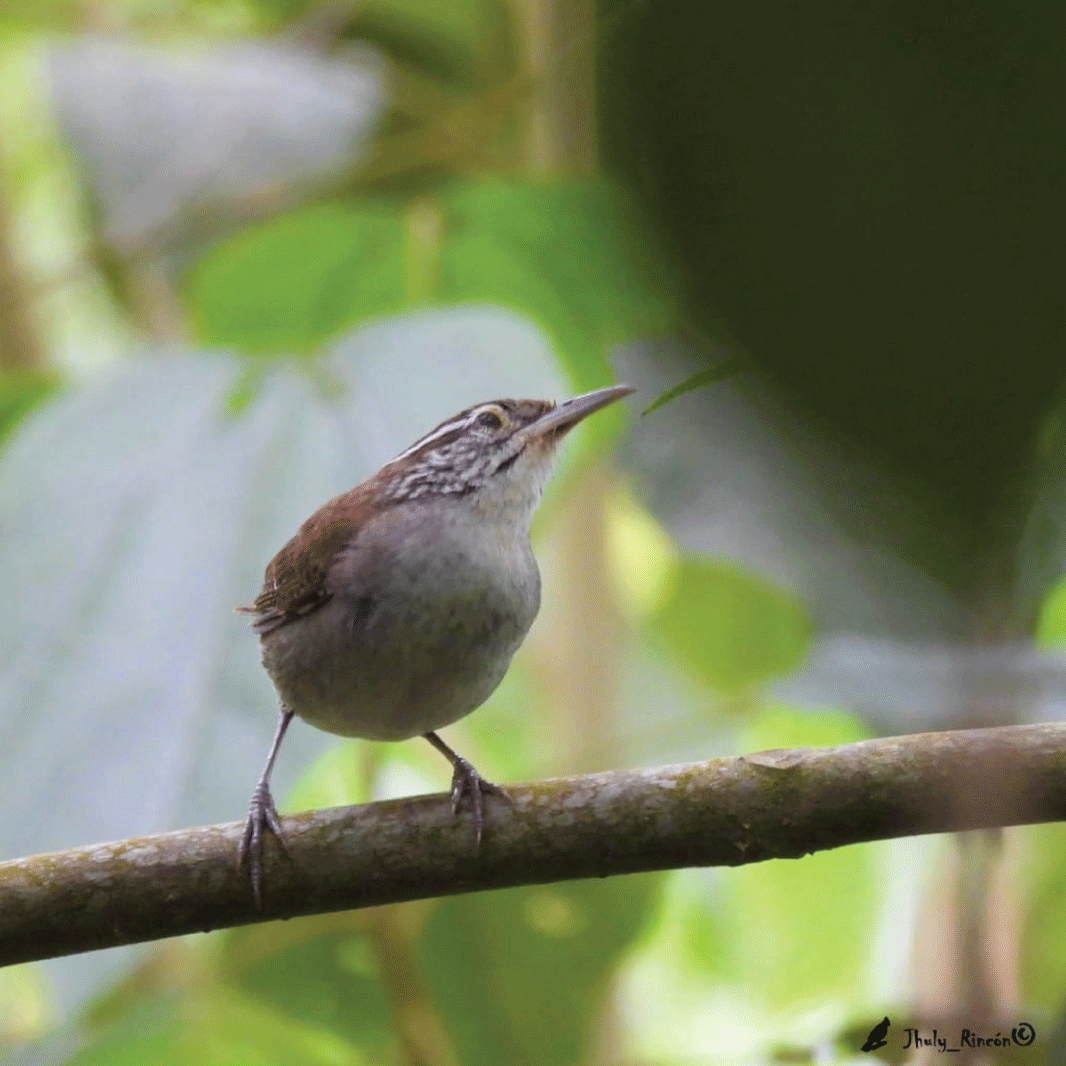
El Cucarachero de Nicéforo, Cucarachero de Chicamocha o Cucarachero de Nicéforo (Thryophilus nicefori) es una especie endémica de Colombia y fue descubierta en la década de 1940 y descrita en 1946 por Rodolphe Meyer de Schauensee -autor de “Birds of the Republic of Colombia”-, en la cuenca del río Fonce, en inmediaciones de San Gil, al occidente de la cordillera Oriental en el departamento de Santander. Desde el 2003 se han descubierto poblaciones dispersas en las cuencas de los ríos Chicamocha, Suárez y Sogamoso, en los departamentos de Boyacá y Santander. En este último lugar, se han confirmado poblaciones en los bosques subandinos del municipio de Floridablanca y alrededores de la ciudad de Bucaramanga, que se creía que correspondían a Thryophilus rufalbus. Posiblemente existan más poblaciones en la vertiente occidental de la cordillera oriental en los departamentos de Santander, Cesar y Norte de Santander.
Sus amenazas
Todas las poblaciones conocidas de la especie enfrentan una progresiva pérdida de hábitat causada por la transformación de los bosques en tierras de cultivo, la presión de la ganadería caprina, los incendios forestales y el desecamiento de las quebradas y los ríos. Estas actividades han generado una masiva destrucción de la vegetación y han impedido su regeneración, por lo que Thryophilus nicefori actualmente se encuentra catalogado como En Peligro Crítico (CR) según la Lista Roja de la UICN.
En cercanías de viviendas están expuestos a la depredación por animales domésticos, por ejemplo, los gatos. En el municipio de San Gil, donde la especie fue descrita y en donde se reportaron siete parejas en 2004, varias han desaparecido como resultado de la expansión del casco urbano. La pérdida de territorios y parejas también se ha detectado en las veredas Butaregua y Macaregua debido a la expansión de los cultivos de tabaco y potreros para la ganadería. (UICN, 2022)
La Fundación ProAves, consciente de la grave condición de la especie, contribuye con la conservación de este valioso “Cucarachero flautista de Chicamocha” protegiendo su hábitat en 2 de sus Reservas Naturales: Reinita Cielo Azul, en San Vicente de Chucurí, y Cucarachero de Chicamocha, en Zapatoca, ambas en el departamento de Santander.

Su hábitat
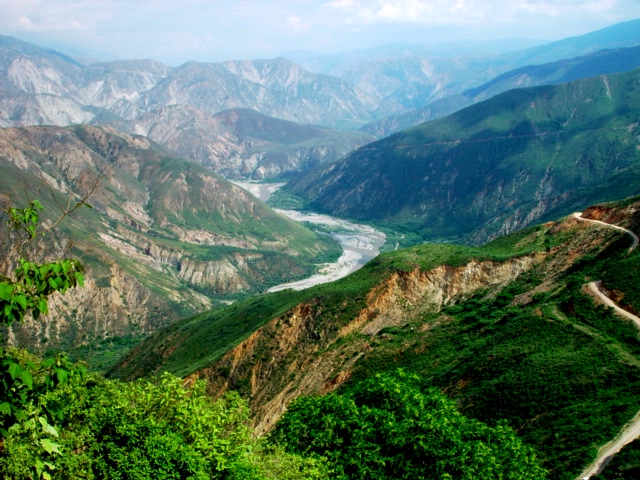
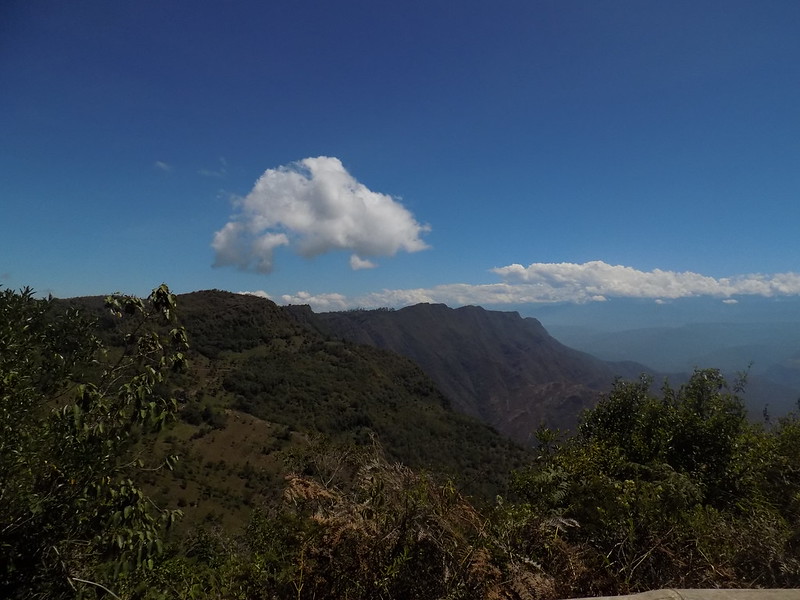
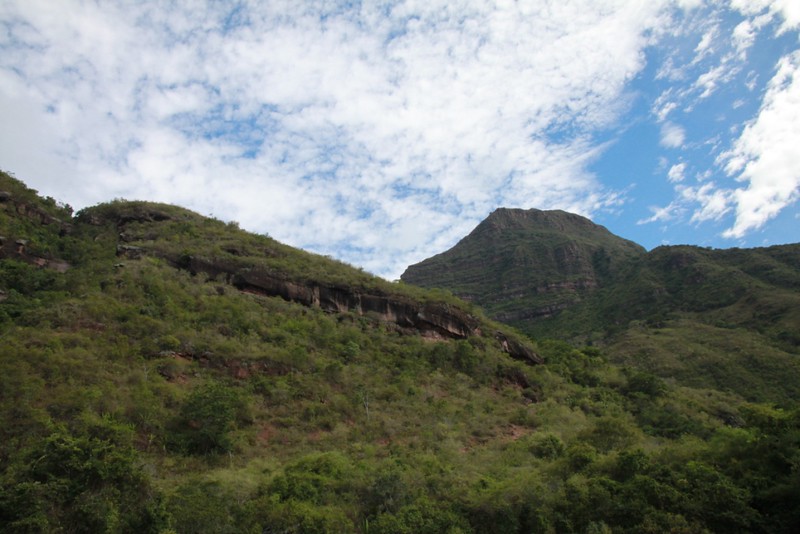
El Cucarachero de Chicamocha habita en sotobosques densos enmarañados de fragmentos de bosque a lo largo de ríos y quebradas entre 1.100 y 2.100 metros. Las características más importantes de su hábitat son la presencia de hojarasca, de la cual depende para buscar artrópodos que sirven de alimento y la presencia de un dosel que mantenga la humedad del sotobosque. Además, se observa en bosques de galería con predominancia de árboles perennifolios de gran porte tales como Caracolíes (Anacardium excelsum), Higuerones (Ficus spp.), Yátagos (Trichanthera gigantea), Cucharos (Myrsine floridana), Guaques (Clusia sp.), Balsos (Ochroma piramidale), Guamos (Inga spectabilis, Inga vera ), Pomarrosos (Syzygium jambos), Guacimos (Guazuma ulmifolia), y Lomos de Caiman (Platypodium elegans).
En el sotobosque, se ha observado a Thryophilus nicefori en plántulas y arbustos como Sangregaos (Croton sp.), Cordoncillos (Piper aduncum) y Arrayanes blancos (Eugenia victoriana). Otras plantas comunes son el Bore (Xanthosoma sagittifolium) y la Anacuma (Carludovica palmata). También habita en bosques subxerofíticos con árboles caducifolios como Pata de vaca (Bauhinia variegata), Guácimos (Guazuma ulmifolia), Cedros (Cedrela ordorata) y Carate (Bursera simaruba), y árboles perennifolios como Gallinero (Pithecellobium unguis-cati), Uña de gato (Zanthoxylum fagara), Tachuelo (Fagara rhoifolia) y Castañeto (Thevetia peruviana). En este tipo de bosque se ha registrado durante la época lluviosa una gran abundancia de hierbas anuales de la familia Verbenaceae (e.g. Bouchea sp., Lantana sp.) y especies como Commelina erecta y Peperomia pellucida. Algunas epífitas encontradas tanto en bosques de galería como en bosques subxerofíticos, incluyen las bromelias Tillandsia flexuosa, T. juncea y T. recurvada. Entre las enredaderas más abundantes están Smilax cumanenses, Serjania sp. y Aristolochia maxima. Finalmente, el cucarachero ha sido observado en cultivos de café con sombrío y cacao cerca de quebradas. (UICN, 2022)
El Cucarachero de Nicéforo es una especie monógama. Las parejas defienden territorios de 1 a 4 hectáreas, a lo largo de quebradas y ríos, y se ha calculado un individuo por cada dos hectáreas de hábitat. Son difíciles de observar, pero pueden ser identificados fácilmente por sus cantos, que evocan el sonido de una flauta. Ocupan el estrato bajo del bosque entre el suelo y 7 m de altura. Con frecuencia usan perchas altas para cantar y las actividades de forrajeo tienen lugar sobre la hojarasca, donde los individuos invierten el 60% del tiempo en la búsqueda de artrópodos. La época reproductiva varía entre julio y octubre, y anida cerca de avisperos, posiblemente como una estrategia antidepredatoria.
Debido a la fragmentación de su hábitat, tiene una distribución discontinua. Aunque puede subsistir en paisajes considerablemente transformados, su sobrevivencia depende de la permanencia y conectividad de relictos de bosque a lo largo de cursos de agua. (UICN, 2022)
- Meyer de Schauensee, R. 1946. A new species of wren from Colombia. Notulae Naturae, 182.
- Meyer de Schauensee, R. (1948). The birds of the Republic of Colombia: Their Distribution, and Keys for their Identification. Caldasia, 5(22), 251-379. Recuperado a partir de https://revistas.unal.edu.co/index.php/cal/article/view/32833
- IUCN 2022. The IUCN Red List of Threatened Species. Version 2022-1. <https://www.iucnredlist.org>
Agradecemos a Neotropical Migratory Bird Conservation Act (NMBCA), World Land Trust (WLT), American Bird Conservancy (ABC), Fondo Acción por su apoyo en la protección y conservación de las especies más amenazadas en Colombia.