Fundación ProAves – por la conservación en el país de las aves

Categories
Aves migratorias Conservacion Investigación News Noticias Arrierito Antioqueño Noticias Reinita Cielo Azul Noticias Reservas

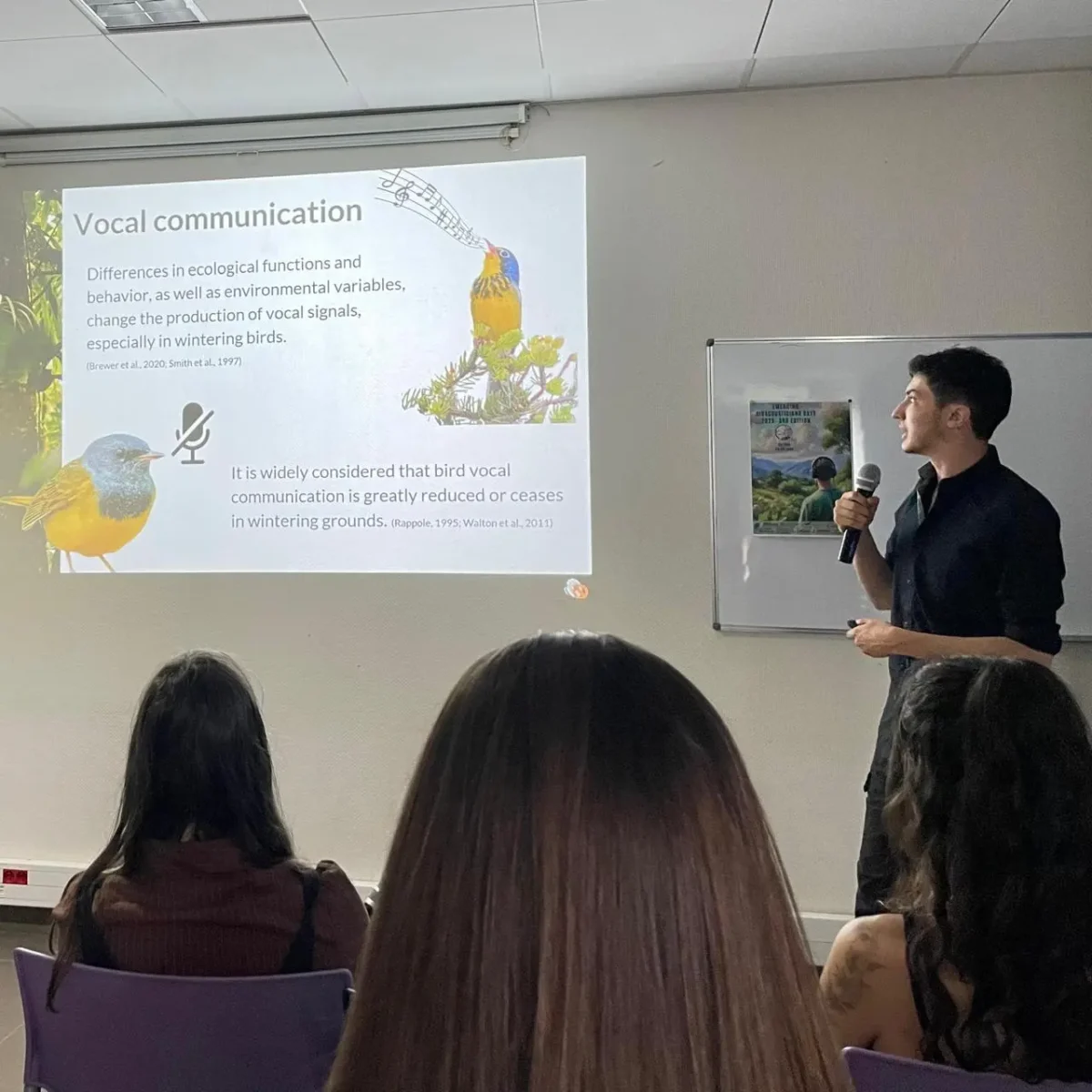
Research from our Migratory Birds Scholarship Program was presented at an international bioacoustics conference in France.

Thanks to the Migratory Bird Scholarship Program awarded by Fundación ProAves, researcher Diego Mejía presented his scientific work at the third edition of the international JJBA conference (Journées Jeunes BioAcousticiens), held from June 23 to 26, 2025, in Vernon, France. His presentation reached an audience of over 60 bioacoustics and biology experts from various European countries,

This project was made possible through the support of Fundación ProAves, which fosters scientific advancement among young Colombians through its scholarship program—providing real opportunities for a new generation of researchers to contribute to biodiversity knowledge and conservation.

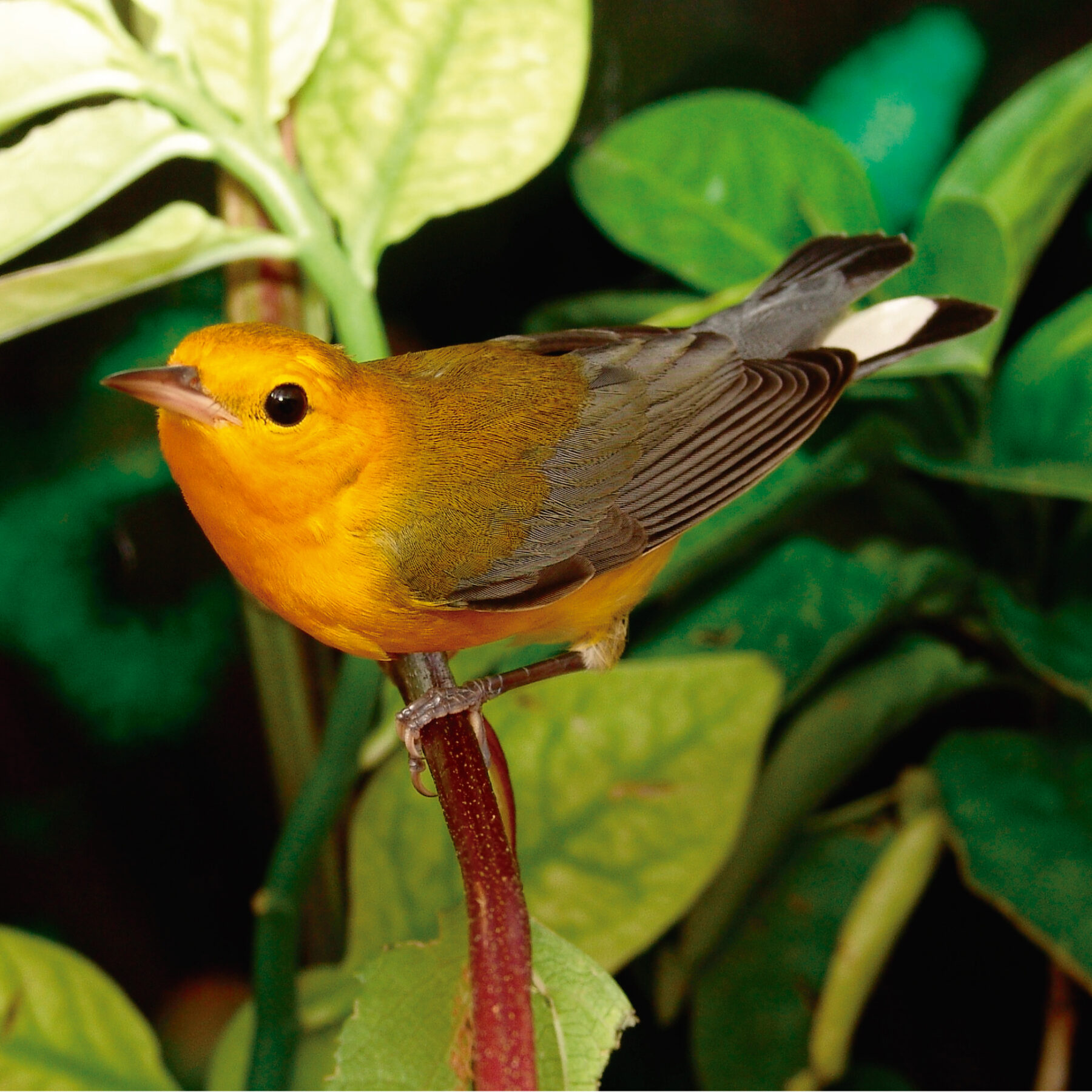
The research focused on identifying components of vocal behavior in two migratory bird species: the Golden-winged Warbler (Vermivora chrysoptera) and the Cerulean Warbler (Setophaga cerulea) during their stay in wintering areas in Colombia, specifically within the ProAves Arrierito Antioqueño and Reinita Cielo Azul reserves.

The goal was to understand how the ecological and developmental functions of their vocalizations vary in contrast to their breeding grounds in North America.

Mejía emphasized the importance of conducting research in tropical regions. His message was clear: “If studies focus only on temperate regions like Europe or the United States, we are seeing only half of the ecological story of migratory birds. In this sense, conducting research in megadiverse countries like Colombia is essential to understanding their full life cycles.”

The scholarship developed by Diego was one of twelve awarded by ProAves in the second half of 2024, and it represents not only a scientific achievement but also a powerful example of how academic support initiatives are paving the way for conservation and research in Colombia to gain international recognition and voice.

Imagen 1
Categories
Conservacion Investigación News Noticias Águila Harpía Noticias Arrierito Antioqueño Noticias Chamicero de Perijá Noticias El Dorado Noticias El Jaguar Noticias El Mirador Noticias El Pangán Noticias El Paujil Noticias Giles Fuertesi Noticias Gorrión de Andivia Noticias Halcón Colorado Noticias Hormiguero de Torcoroma Noticias Las Tángaras Noticias Lora Carirosada Noticias Loro Coroniazul Noticias Mirabilis Swarovki Noticias Pauxi Pauxi Noticias Ranita Dorada Noticias Ranita Terribilis Noticias Reinita Cielo Azul Noticias Tití Cabeciblanco Noticias Zamarrito del Pinche

ProAves Reserves: Key Refuges for Colombia’s Most Threatened Primates

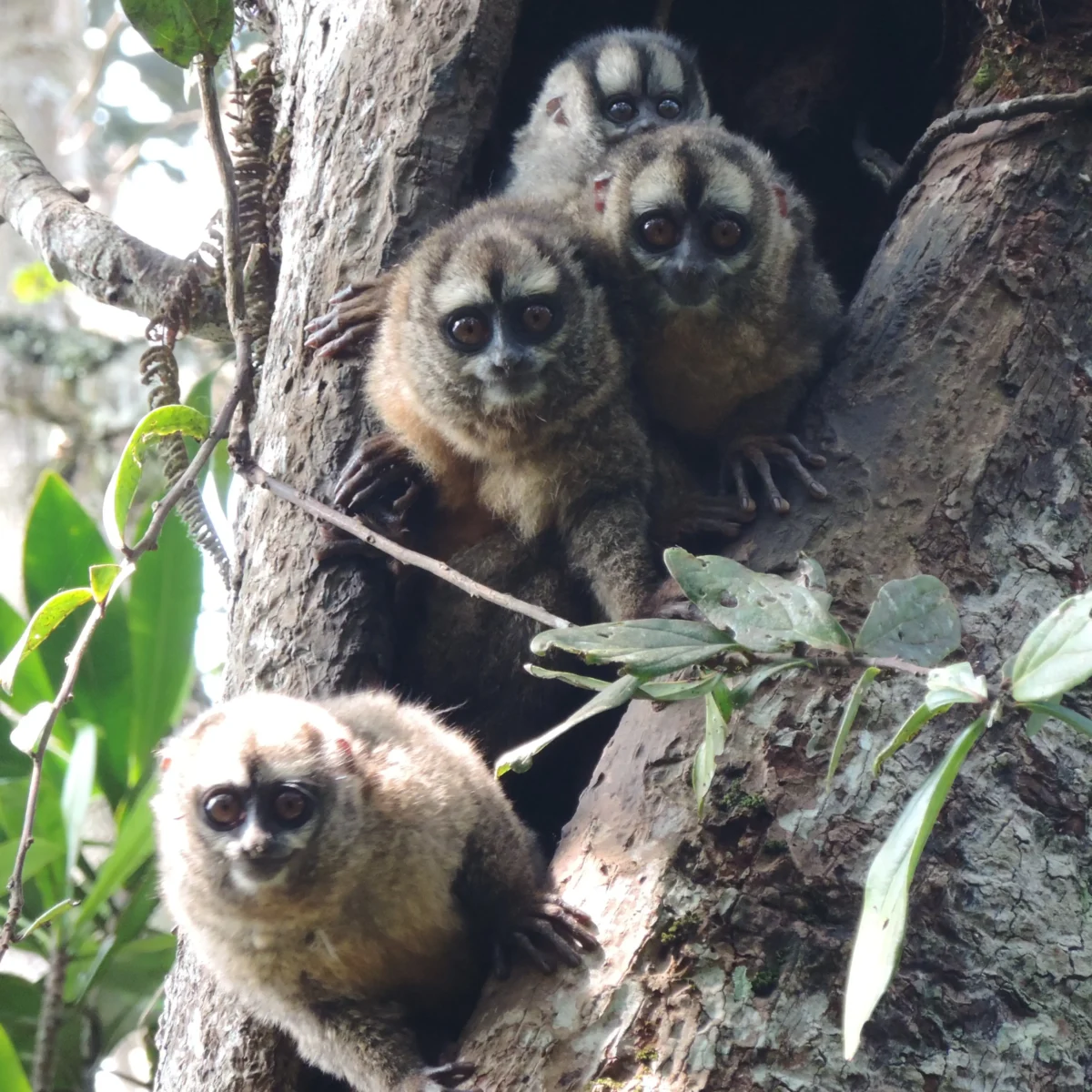
Colombia is home to 43 primate species, making it the country with the third highest primate diversity in Latin America, after Brazil and Peru. This figure is particularly significant considering that South America hosts 177 primate species, many of which are endemic and highly threatened—positioning Colombia as a key player in regional conservation efforts.

These charismatic mammals play a crucial role in maintaining ecosystem health: they disperse seeds, aid in forest regeneration, and act as indicators of environmental balance. 

According to the Red List of the International Union for Conservation of Nature (IUCN), Colombia has 3 primate species classified as Critically Endangered (CR), 5 as Endangered (EN), and 15 as Vulnerable (VU). 

Among the most threatened are the Caquetá Titi (Plecturocebus caquetensis), the Cotton-top Tamarin (Saguinus oedipus), and the Brown Spider Monkey (Ateles hybridus), whose populations have drastically declined due to habitat loss and fragmentation, agricultural expansion, and the illegal wildlife trade. This situation calls for urgent action to strengthen conservation and ecosystem restoration strategies in the areas these species inhabit.

At Fundación ProAves, we actively work across our 27 Nature Reserves, protecting strategic habitats for these at-risk species:

These mammals inhabit tropical forests that, thanks to continuous conservation, restoration, and education efforts, remain vital refuges for their survival.

To protect them, we implement actions such as:


Icono bosque

Habitat conservation and restoration to ensure safe areas where primates can thrive free from threats.


Icono libro

Environmental education programs with local communities to discourage the keeping of primates as pets and reduce hunting.


Icono mono

Scientific research to better understand their ecology, behavior, and population status.

Our commitment to primate conservation is a pledge to preserve ecosystem balance and ensure a healthy future for the generations to come. We will continue to strengthen our efforts through joint work with local communities, environmental authorities, and strategic allies—promoting a comprehensive conservation model that values and respects the natural wealth of our territories.

Learn more about these charismatic mammals at:

Imagen 1
Categories
News Noticias Reinita Cielo Azul

ProAves held the I National Course on Amphibian Study Techniques at the Reinita Cielo Azul Reserve.

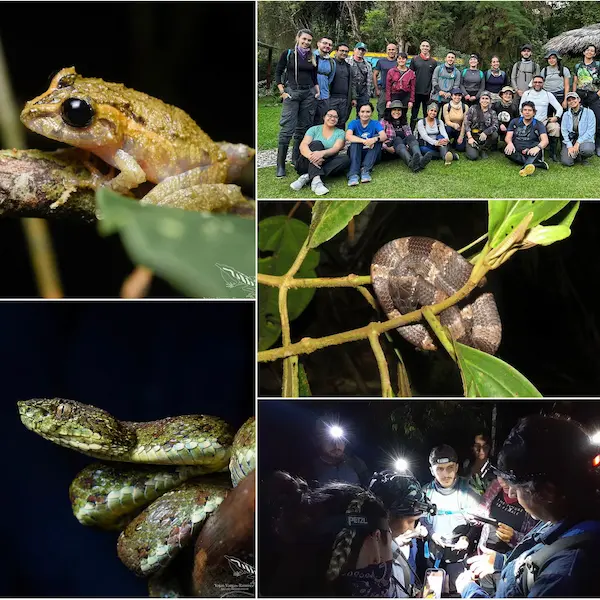
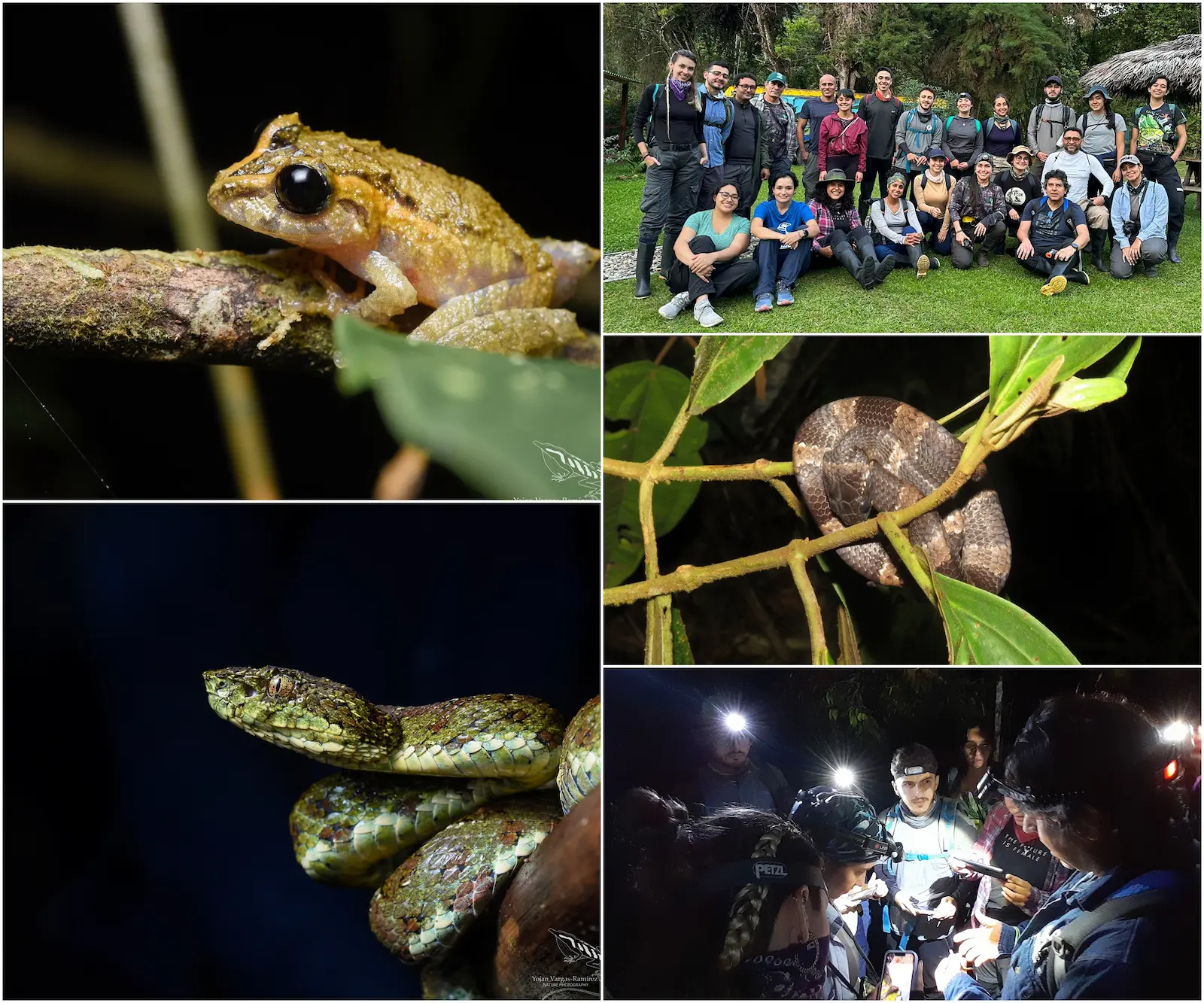
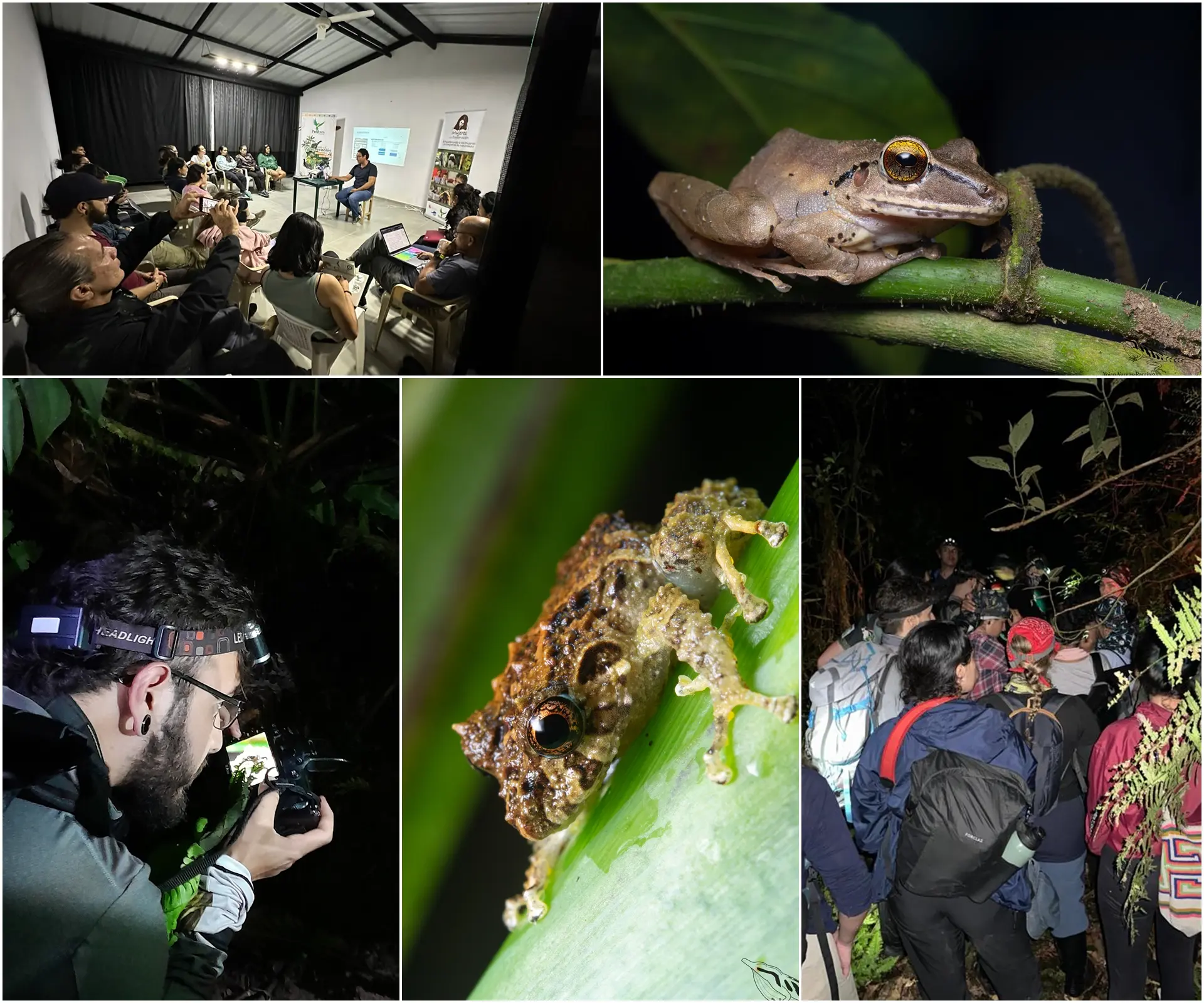
To promote knowledge building and the study of amphibians in our country, ProAves, with the support of The Mohamed bin Zayed Species Conservation Fund, held the I National Course on Amphibian Study Techniques in Colombia, October 12-16 at the ProAves Reinita Cielo Azul Reserve, located in the municipality of San Vicente de Chucurí, department of Santander.

For several years, ProAves has been promoting the development of projects involving this kind of species, given their biological relevance, and in an effort to stop the numerical decline that has led to the disappearance of several of them. In this sense, and to contribute to the gathering of information that allows appropriate decision-making processes for the preservation of amphibians, this pertinent course was held with the participation of 15 undergraduate students representing 12 universities from all over the country who are pursuing their bachelor’s degrees in biology and environmental engineering.

The course addressed species distribution models, taxonomy and diversity, data analysis, sampling techniques, and bioacoustics. These subjects had the guidance of researchers and expert professors, including Ph.D. Wilmar Bolívar and Ph.D. Oscar Murillo, from the Universidad del Valle; Ph.D. Juan Manuel Daza from the University of Antioquia; Magister Eliana Barona Cortés from the Alexander von Humboldt Biological Resources Research Institute and Ph.D. María Juliana Bedoya Durán of the Corporation for Environmental Management BIODIVERSA. In addition, the Research Director of ProAves Colombia, Alex Cortés, and the Deputy Director of the Central Region, Jhoana Castro, also attended the sessions.

This knowledge exchange provided the participants with the possibility of putting into practice the learnings of the course. Teamwork sessions were held to develop work field projects to collect data, analyze them, and present results.

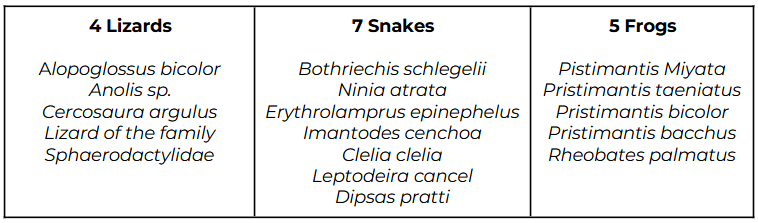
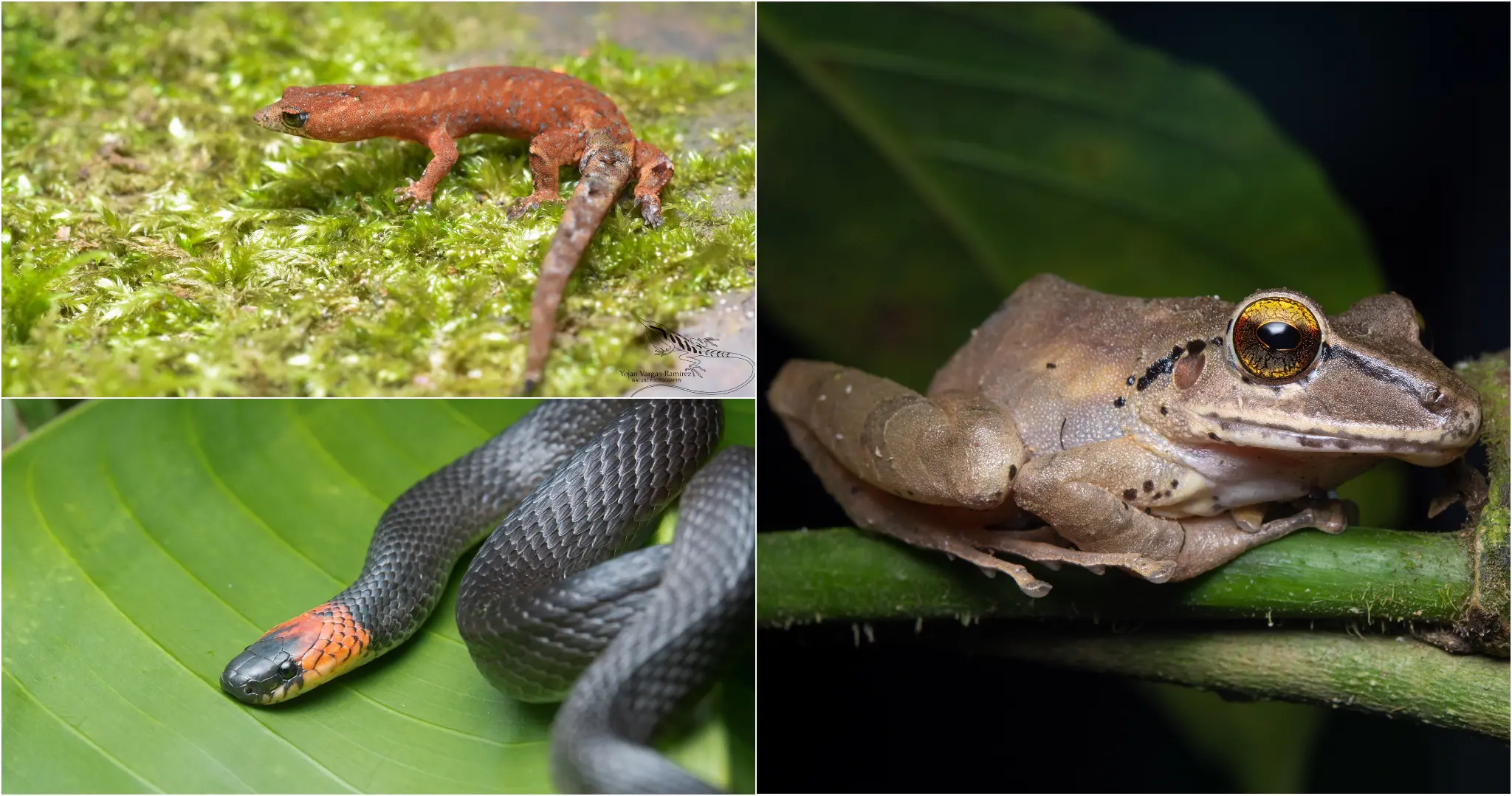
As a result of this exercise, 16 species of herpets, including lizards, snakes, and frogs, were registered within the Reinita Cielo Azul – ProAves Reserve.

“Personally, what I liked the most about this Course was having the possibility to share with people with the same passion for amphibians and anuros. Also, I feel that learning and having different tools can be applied in many contexts for amphibian monitoring, and studying this group has been very valuable, especially the learning and the tools the professors have given us.”

Natalia Mejía, Universidad del Valle

ProAves will continue promoting initiatives and spaces, such as the I National Course on Amphibian Study Techniques, to contribute to science, the exchange of knowledge, and the preservation of wildlife.

Categories
News Noticias Reinita Cielo Azul

Cerulean Warbler Coffee for sale

 This is premium coffee produced within the plantations of the Cerulean Warbler Bird Reserve and is certified by Rainforest Alliance, in the category of “Specialty Coffee.”

These coffee plantations constitute the habitat of the Cerulean Warbler (Dendroica cerulea), during their winter migration from North America to the montane forests in the center of Colombia.

[slickr-flickr search=”sets” set=”72157628487462609″ items=”20″ type=”gallery”]

The Cerulean Warbler Coffee is grown under the shade of native trees (reforestation with native species) with approximately 150 trees per lot, providing the soil with nutrients and moisture for growing coffee. We avoid the use of agrochemicals, allowing the beans to ripen slowly, increasing the content of sugars and proteins that result in a better quality bean with excellent aroma, flavor, acidity, and body.

The coffee we consume daily has a significant effect on forests around the world, by supporting Cerulean Warbler Coffee, consumers are contributing to the conservation of these ecosystems and the preservation of not only the Cerulean Warbler but other great birds like the Boreal Pewee (Contopus cooperi) and the Canada Warbler (Wilsonia Canadensis) which are also migratory and utilize this same habitat. 

Support bird conservation by purchasing some quality Colombian coffee!!!!

Sales:

Contact EcoTurs headquarters at Carrera 20 No. 36 – 61, Bogotá, Colombia, telephone (57) (1) 287-6592, info@ecoturs.org

Video Shade Coffee and the Birds

{youtube}L9zVJWZaHKc|425|344|1{/youtube}

Categories
Conservacion News Noticias Reinita Cielo Azul Noticias Reservas Proaves @en

Two decades of conservation in our ProAves Reinita Cielo Azul Reserve

Twenty years ago, in the municipality of San Vicente de Chucurí, our dream began: to dedicate a protected area to the conservation of one of the migratory birds that visits our country every year — the Cerulean Warbler (Setophaga cerulea). This vision came to life in 2005 with the creation of the first nature reserve in South America focused on the conservation of a migratory bird, highlighting the importance of preserving strategic corridors that ensure the safe passage of these extreme travelers through the tropical forests of the Americas.

The ProAves Reinita Cielo Azul Reserve is located within the Serranía de los Yariguíes National Natural Park, a jewel of Colombian biodiversity that protects one of the best-preserved montane ecosystems in the country. Its strategic location strengthens ecological connectivity between protected areas and emphasizes the value of initiatives that contribute to the conservation of high mountain landscapes.

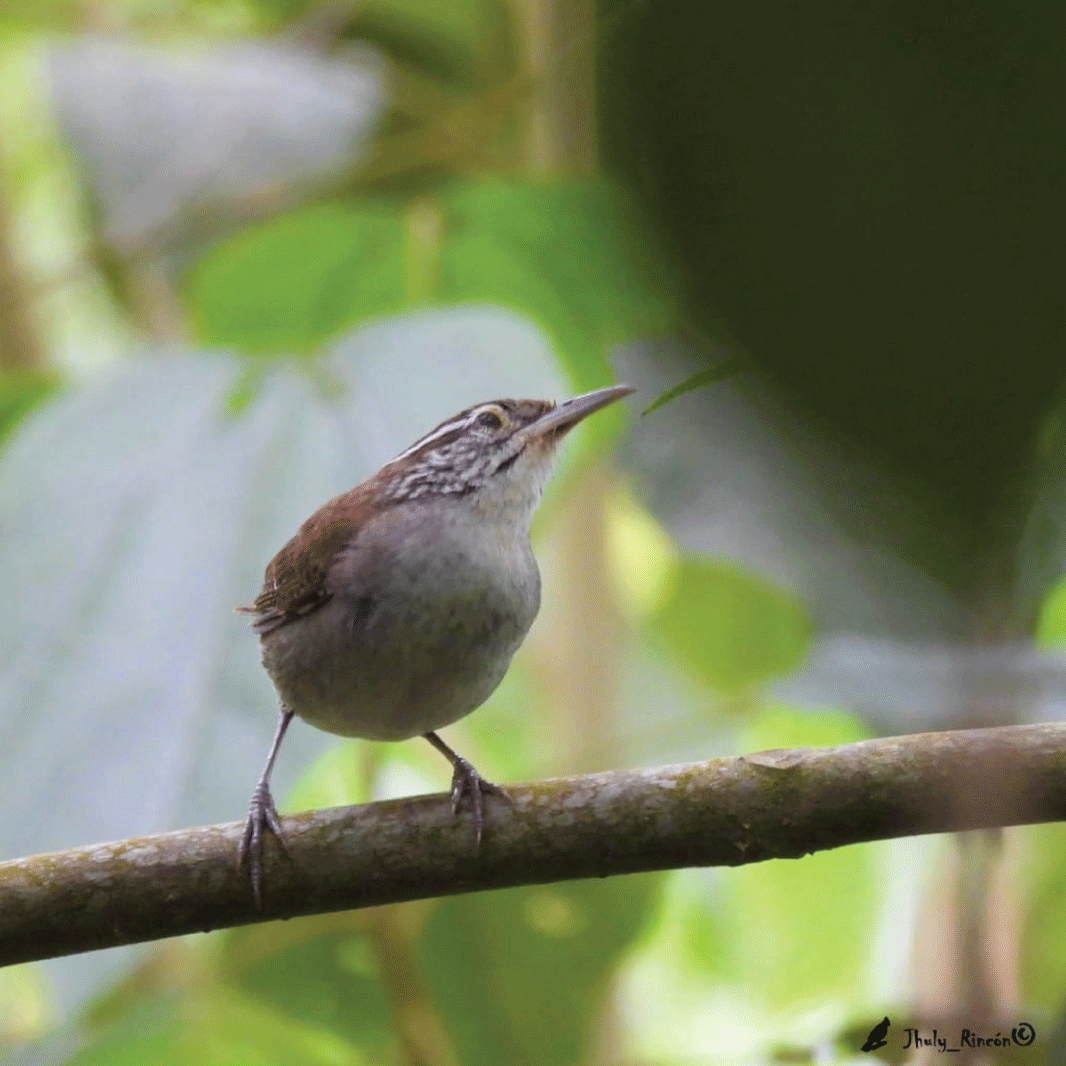
Over the past two decades, our reserve has become a vital protected area for the preservation of unique ecosystems and endemic species. Notable birds include the Chestnut-bellied Hummingbird (Amazilia castaneiventris), Niceforo’s Wren (Thryophilus nicefori), Black Inca (Coeligena prunellei), White-mantled Barbet (Capito hypoleucus), Parker’s Antbird (Cercomacroides parkeri), Upper Magdalena Tapaculo (Scytalopus rodriguezi), Mountain Grackle (Macroagelaius subalaris), Recurve-billed Bushbird (Clytoctantes alixii), and the Chestnut-naped Antpitta (Grallaria nuchalis).

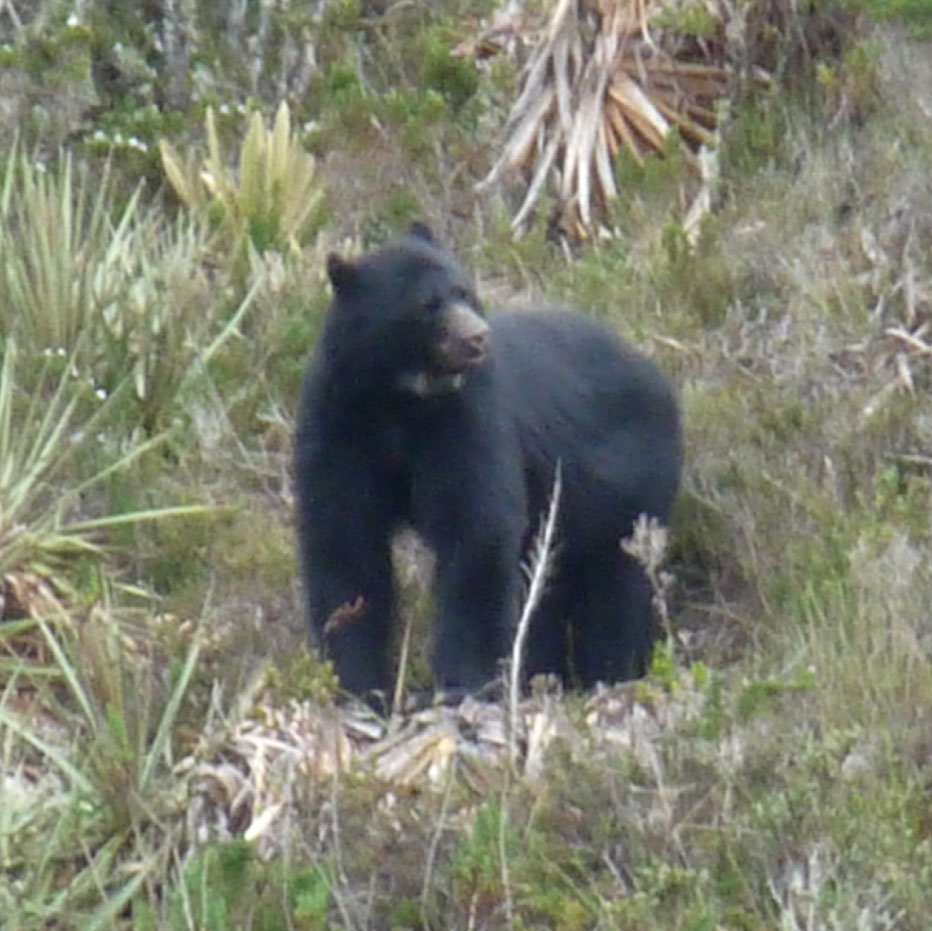
The biological richness of our reserve also includes emblematic fauna such as the Virolin Poison Frog (Myniobates virolinensis) and key mammals like the Spectacled Bear (Tremarctos ornatus) and Puma (Puma concolor).

In addition, the reserve has served as the epicenter for important academic and scientific gatherings, including the National Amphibian Course, which brought together students from multiple Colombian universities. These initiatives strengthen knowledge and help train a new generation of conservationists committed to protecting biodiversity.

These have been twenty years of continuous work, reflecting our deep commitment to conserving Colombia’s biodiversity and safeguarding the migratory corridors that connect our country with the rest of the American continent.

From the ProAves Reinita Cielo Azul Reserve, we continue working to protect these remarkable travelers and reaffirm the importance of preserving unique ecosystems for future generations.

Learn more about our reserve here

Imagen 1
Categories
Conservacion Educación ambiental Investigación News Noticias Arrierito Antioqueño Noticias Colibrí del Sol Noticias El Paujil Noticias Las Tángaras Noticias Loro Coroniazul Noticias Loro Orejiamarillo Noticias Pauxi Pauxi Noticias Reinita Cielo Azul Noticias Reservas Noticias Tití Cabeciblanco Proaves @en Women for Conservation (Mujeres por la Conservación)

This Arbor Day, We Reaffirm Our Commitment to Magnolia Conservation

Every April 29th, Colombia commemorates Arbor Day, a moment to reflect on the vital role forests play in our ecological, cultural, and climatic well-being. Forests are not only the lungs of the planet but also guardians of biodiversity and our collective local heritage. Yet, according to the Humboldt Institute, 45% of Colombia’s endemic trees and shrubs are currently at risk of extinction. Protecting them is no longer optional, it’s essential for safeguarding biodiversity and ensuring the resilience of future generations.

At Fundación ProAves, we mark this day by celebrating the tireless efforts of our forest rangers, who work daily to protect one of Colombia’s most threatened plant groups: the Magnolias. Our country is home to 42 Magnolia species, many of which are endemic and critically endangered. Their survival depends on continued conservation, restoration and awareness.

Through our Magnolia Project, in collaboration with Fondation Franklinia and Women for Conservation, we work on the identification, monitoring and restoration of these species in our Nature Reserves with the goal of ensuring their survival in their natural habitat.

Through this project, we implement a range of strategies to protect these “souls of the forest”, including monitoring sessions, identification of individual trees, seed collection, nursery propagation, planting in strategic restoration zones and environmental education activities with local communities. Each action brings us closer to securing a future where Magnolias continue to thrive in Colombia’s forests.

From a research perspective, this work has been crucial in highlighting both the remarkable richness of Magnolia species and the serious threats they face in Colombia. Ongoing restoration and reforestation efforts have not only helped regenerate key habitats but also led to the documentation of several Magnolia species across different regions. These efforts have generated valuable data on their distribution and conservation status within our network of Nature Reserves, information that is essential for guiding future protection strategies.

Discover the Magnolias recorded in our Reserves:

In addition to Magnolias, our Nature Reserves shelter many other threatened tree species, which we protect every day with unwavering commitment and care. At Fundación ProAves, we remain steadfast in our mission to ensure the comprehensive conservation of Colombia’s forests, recognising that every single tree is a vital thread in the web of life. 

This Arbor Day, we renew our commitment to biodiversity and redouble our efforts to defend the forest ecosystems that sustain thousands of species and the future of our planet.

With the support of:

Imagen 1
Imagen 2
Imagen 3
Categories
Conservacion Investigación News Noticias Arrierito Antioqueño Noticias Colibrí del Sol Noticias El Paujil Noticias Las Tángaras Noticias Loro Orejiamarillo Noticias Pauxi Pauxi Noticias Reinita Cielo Azul Noticias Reservas Proaves @en Women for Conservation (Mujeres por la Conservación)

The Magnolia Project Advances in ProAves Reserves: Taking Action for the Conservation of These Species

In an effort to protect Colombia’s biological diversity, ProAves and Fondation Franklinia are making progress in the identification, monitoring, and restoration of 16 magnolia species across 13 of our Natural Reserves. This work not only contributes to scientific knowledge but also strengthens conservation strategies for these unique and threatened trees.

Magnolias belong to the Magnoliaceae family, a primitive group of trees and shrubs with over 350 species distributed across Asia and the Americas. Colombia is home to 42 recorded species, making it the most magnolia-diverse country in the Neotropics. Of these, 36 species are endemic and urgently require protection measures.

Monitoring Progress and Key Findings

To date, our team of rangers and botanists has identified different magnolia species in reserves located in the Antioquia-Chocó and Santander-Boyacá regions.

In the ProAves Reserves Arrierito Antioqueño, Las Tángaras, Colibrí del Sol, and Loro Orejiamarillo, 165 magnolia trees have been documented, including new records expanding the known distribution of species such as M. coronata, M. chocoensis, M. espinalii, and M. lenticellata. Additionally, it has been confirmed that these areas host the largest recorded populations of M. coronata and M. urraoensis, a valuable contribution to their conservation.

In the El Paujil and Pauxi Pauxi reserves, magnolias of great ecological importance have also been identified. In El Paujil, six individuals of M. cespedesii were recorded, some in a reproductive state, along with other high-value species such as Dacryodes colombiana (EN) and Brownea santanderensis (CR). Meanwhile, in Pauxi Pauxi, one individual of M. resupinatifolia was recorded, alongside several threatened species, highlighting the importance of preserving these habitats.

Training and Restoration: Planting Hope

As part of this project, rangers have received training in species identification, seed management, and nursery practices, achieving:

  • Collection of 107 fruits containing 251 seeds
  • Monitoring of 20 developing fruits
  • Rescue of 13 seedlings, with 8 actively growing
  • Germination of 214 individuals of M. urraoensis, 16 of M. lenticellata, and 19 of M. espinalii

In Pauxi Pauxi, pilot plantations with endangered species have been carried out, marking an initial step in restoring these ecosystems.

Additionally, progress is being made in the development of six nurseries, managed by Women for Conservation, a key partner organization, to facilitate magnolia reproduction.

Seeds of Hope for Magnolia Conservation

Magnolias in the ProAves Reserves are currently in a reproductive phase, with maturing fruits requiring constant monitoring to ensure the production of viable seeds and their natural regeneration. These efforts reflect ProAves’ commitment to conserving endangered species and protecting the forests that sustain wildlife.

With each rescued seed, each monitored tree, and each trained ranger, we continue to plant hope for magnolias and Colombia’s biodiversity.

Thanks to the support of:

Imagen 1
Imagen 2
Categories
Conservacion Investigación News Noticias Arrierito Antioqueño Noticias El Dorado Noticias El Paujil Noticias Las Tángaras Noticias Loro Coroniazul Noticias Loro Orejiamarillo Noticias Pauxi Pauxi Noticias Ranita Dorada Noticias Reinita Cielo Azul Proaves @en

These Are the People Who Will Contribute to the Conservation of Migratory Birds Through Research in Our Country

At ProAves, we have concluded the selection process for our call for applications: Migratory Bird Research Scholarships, where we selected 12 researchers to conduct studies focused on the conservation of these extreme travelers, which are protected in our Natural Reserves.
The objective of these scholarships is to promote the knowledge and study of migratory birds, species that amaze us with their behaviors as they embark on epic journeys to protect themselves from the cold and find food.
Thanks to these scholarships, scientific research will be promoted, helping to identify the threats these species face during their journeys and behaviors. Through collaboration and a commitment to science, we aim to ensure that migratory birds continue to be a vital part of our biodiversity and, consequently, of the Natural Reserves we protect.

Here are the selected researchers, the titles of their projects, and the reserves where their research will be applied:

Cristian Mateo Ospina Montoya
Research project: Comparison of the Response of Resident and Migratory Birds to the Edge Effect in an Andean Landscape in the Department of Antioquia, Colombia
ProAves Reserve: Arrierito Antioqueño
University: University of Quindío – Biology

Juan Camilo Úsuga Fuentes
Research project: Study of the Occupation of Migratory Birds in the ProAves Arrierito Antioqueño Reserve located in the rural area of Anorí, Antioquia
ProAves Reserve: Arrierito Antioqueño
University: University of Antioquia – Coastal Zone Ecology

Ider Humberto Diaz Rivas
Research project: Migratory Avifauna in a Landscape Mosaic of the Coffee Belt of the Colombian Andes, Municipality of Génova-Quindío
ProAves Reserve: Loro Coroniazul
University: University of the Amazon – Biology

Jessica Esmeralda Lozano Romero
Research project: Interaction Between Migratory and Resident Birds in Different Vegetation Coverages in the ProAves Reinita Cielo Azul Reserve, Municipality of San Vicente de Chucurí, Santander
ProAves Reserve: Reinita Cielo Azul
University: Pedagogical and Technological University of Colombia (UPTC) – Environmental Management Specialist

Diego Mejía Tovar
Research project: Vocal Behavior of Setophaga cerulea and Vermivora chrysoptera in Wintering Areas of the ProAves Reinita Cerúlea and Pauxi Pauxi Reserves, Located in the Rural Area of San Vicente de Chucurí, Santander
ProAves Reserve: Reinita Cerúlea, Pauxi Pauxi
University: University of Rosario – Biology

Jhonatan Arias Martínez
Research project: Ecological Segregation Dynamics in Migratory Birds of the Parulidae Group (warblers) in the ProAves Las Tangaras Reserve, Located in the Municipality of El Carmen de Atrato, Chocó
ProAves Reserve: Las Tángaras
University: Francisco de Paula Santander University – Environmental Engineering

Laura Catalina Guarín Oviedo

David Steven Valero Vargas
Research project: Contrast in Habitat Occupation Between Resident and Migratory Birds in an Altitudinal Gradient: Diversity, Abundance, and Temporal Variation in the El Dorado Reserve, Municipality of Santa Marta, Magdalena
ProAves Reserve: El Dorado
University: Military University Nueva Granada – Applied Biology

Isaac Daniel Diaz Rivera 

Laura Vanessa Rodríguez Figueroa
Research project: Approaches to the Foraging Ecology of Setophaga swainsoni, WJ 1827 in the ProAves El Dorado Reserve
ProAves Reserve: El Dorado
University: University of the Atlantic – Biology

Yuly Milena Rincón Gómez
Research project: Analysis of a Migratory Species Assembly in the Various Covers in the Ranita Dorada Reserve in the Municipality of Falan, Tolima
ProAves Reserve: Ranita Dorada
Independent Researcher – Tourist Guide Technologist, Agroecology Student

Ángela Gutiérrez Suárez 

Juan Esteban Albán Laverde
Research project: Evaluating the Importance of Spatial Segregation Between Nearctic Migratory Birds and Resident Birds Through the Comparison of Habitat Use Patterns and Vertical Strata
ProAves Reserve: Loro Orejiamarillo
University: University of Valle – Biology

Romario Andrés Barona Muñoz

Leandro Rodríguez Peña
Research project: Evaluating the Importance of Temporal Segregation Between Nearctic Migratory Birds and Resident Birds Through the Comparison of Habitat Use Patterns and Vertical Strata
ProAves Reserve: Loro Orejiamarillo
University: University of Valle – Biology

Juanita Angarita Ricaurte

Paula Tatiana Alméciga Camargo

Daniel Rincón
Research project: Habitat Use and Selection of Migratory Bird Species in the El Paujil Reserve, Puerto Boyacá, Colombia
ProAves Reserve: El Paujil
University: Francisco José de Caldas District University – Bachelor in Biology

We are excited to announce that the 12 selected researchers will begin working on projects that will contribute to understanding and conserving these birds, which are essential to the health of ecosystems and conservation strategies in our protected areas.
We thank all those interested and passionate about birds, and we invite you to stay tuned for updates on the progress of these investigations, which will contribute to the preservation of these extreme travelers and their habitats.


Categories
Articles Conservacion Investigación News Noticias Reinita Cielo Azul Proaves @en

Important Fern Record in the Department of Santander

Colombia has a record of 1,450 native fern species, of which 110 are endemic, representing a remarkable 15% of the global diversity. In this context, a group of biologists conducted an important expedition in the ProAves Reinita Cielo Azul Reserve and the Serranía de los Yariguíes to explore the richness of these plants in this region.

Ferns are vascular plants that do not produce flowers or seeds; they reproduce through spores. Despite their ecological importance, they have been little collected and studied, leaving much still to be researched regarding their biodiversity and potential.

During 11 days of fieldwork, the team collected 407 specimens, distributed across 27 families and 151 different species. Among the most notable findings, the following was identified:


Pterozonium brevifrons
A specimen from the Pterozonium brevifrons, ugenus, a particularly significant finding as it represents the first record of this species in the department of Santander. Furthermore, it is a rare species in the country, previously only known from collections in the department of Caquetá.

This study not only expands scientific knowledge about the fern biodiversity in Colombia, but it also emphasizes the importance of conserving unique ecosystems like those in the ProAves Reinita Cielo Azul Reserve and the Serranía de los Yariguíes.
The obtained records demonstrate that these areas are essential for the preservation of species that, in many cases, are endemic or have very limited distributions.

The expedition reinforces ProAves’ and its allies’ commitment to scientific research, highlighting research as an essential pillar for biodiversity conservation in Colombia.

Categories
Aves migratorias News Noticias Reinita Cielo Azul

ProAves Celebrates the arrival of the Extreme Travelers

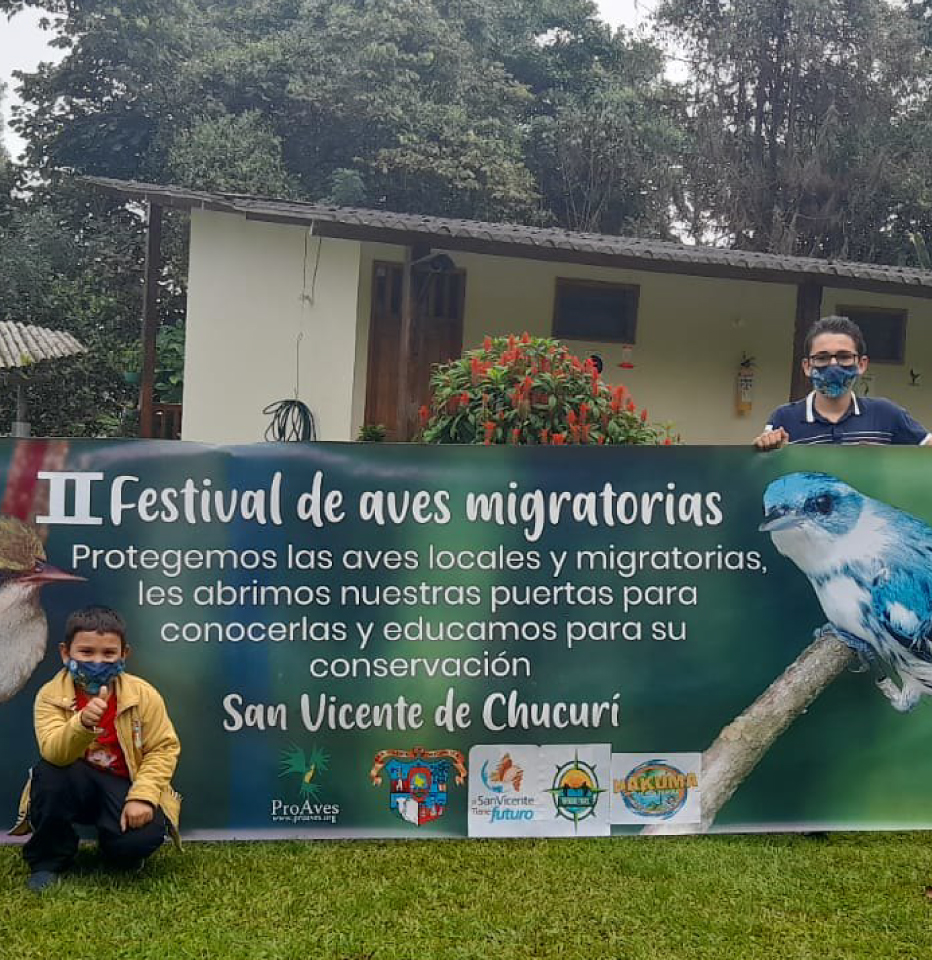
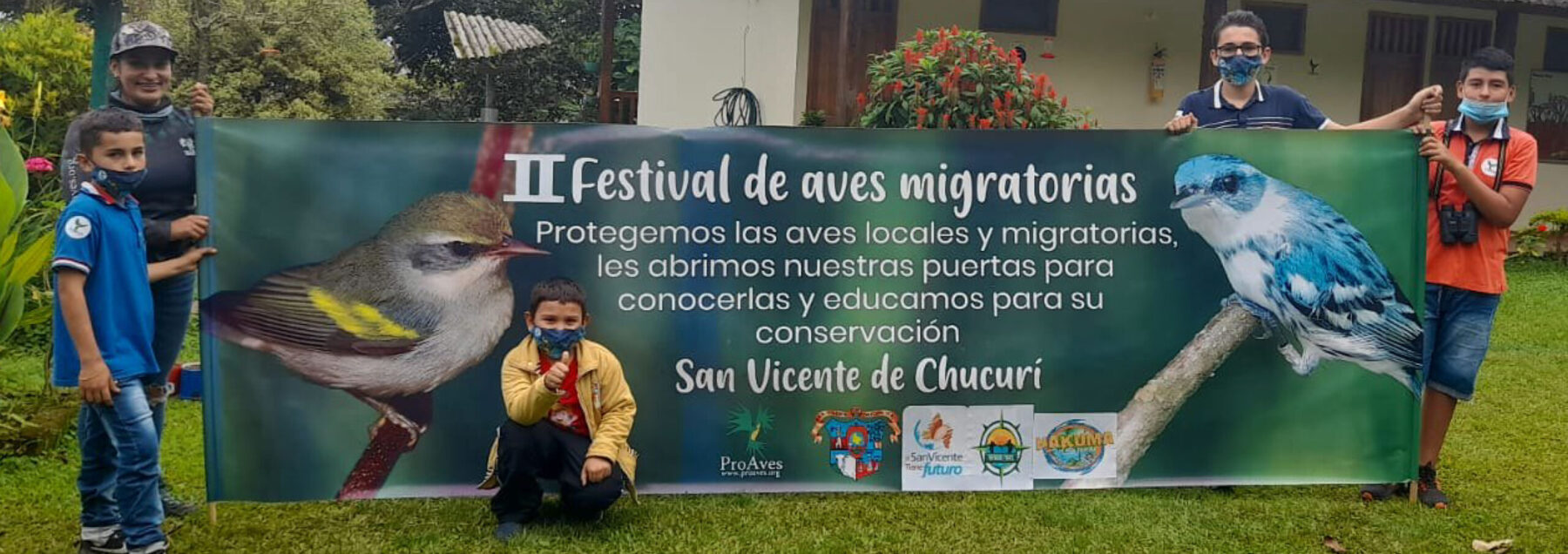
We held the second annual Migratory Bird Festival in San Vicente de Chucurí, department of Santander, with numerous activities such as workshops, talks, ecological walks, and observation outings.

WARM WELCOME TO MIGRATORY BIRDS!

In order for the community to learn more about Migratory Birds and what actions to implement to protect them, academic, cultural, and recreational activities were developed and aimed at raising awareness of the importance and threats of these feathered travelers. In addition, Likewise, the main birds that arrive in Colombia and how we can contribute to their protection were announced.

The closing of the festival, which took place on October 9, coincided with the celebration of the second-largest birding day of the year, October Big Day, for which several people, including children, adolescents, and adults, visited the Reinita Cielo Azul ProAves Reserve and registered 100 species of birds between endemic and migratory, which were registered in the eBird platform.

Through these environmental education initiatives, inclusive processes emerge, where the community recognizes, participates, and appropriates each of the strategies that promote the conservation of this particular biological group.

PROAVES RESERVES, A SAFE DESTINATION FOR MIGRATORY BIRDS

The Natural Reserves of the Fundación ProAves form a safe haven for extreme international feathered travelers. Every year hundreds of bird species visit us in search of food and warm territories during their non-breeding season. They are essential for ecosystems and their conservation. For this reason, ProAves has carrying out the Migratory Birds program for more than 15 years, with the aim of evaluating the status of species and collecting valuable information regarding changes and trends in their populations.

The program seeks to build a strategic network for bird monitoring, understand and effectively conserve these species and their habitats in Colombia, as well as increase the national capacity to carry out studies and conservation actions. In addition, the program seeks to grow awareness about migratory birds and their habitats.  

This event was made possible thanks to the support and collaboration of people and institutions that are committed to the conservation of our country’s biodiversity. Thanks to all those involved!

usfish
Categories
News Noticias Águila Harpía Noticias Arrierito Antioqueño Noticias Chamicero de Perijá Noticias Colibrí del Sol Noticias Cucarachero de Chicamocha Noticias El Dorado Noticias El Jaguar Noticias El Mirador Noticias El Pangán Noticias El Paujil Noticias El Tapir Noticias Giles Fuertesi Noticias Gorrión de Andivia Noticias Halcón Colorado Noticias Hormiguero de Torcoroma Noticias Las Tángaras Noticias Lora Carirosada Noticias Loro Coroniazul Noticias Loro Orejiamarillo Noticias Loros Andinos Noticias Mirabilis Swarovki Noticias Pauxi Pauxi Noticias Ranita Dorada Noticias Ranita Terribilis Noticias Reinita Cielo Azul Noticias Tití Cabeciblanco Noticias Zamarrito del Pinche

Great Bird Count in ProAves Reserves

ProAves participated in the October Big Day and added a total of 81 eBird lists– with 3,578 individuals and 588 distinct species of birds across 12 of their reserves.

This puts the Foundation’s Nature Reserves among the top tier of the eBird listings in Colombia: The reserve “El Jaguar” came in first place at the national level with a total of 150 species, the “El Pangán” reserve ranked fourth place with 113 species and the “Arrierito Antioqueño” reserve came in eighth place with 106 registered species.

OCTOBER BIG DAY, EVERY BIRD COUNTS

With 253 countries participating in the October Big Day (OBD), Colombia ranked first in the number of species registered worldwide on the eBird platform. The country topped the list in bird watching with 1,343 published bird species. Second and third place belongs to Peru and Ecuador, with 1,222 and 1,098 recorded species, respectively.

Colombia, known as the world’s premier hotspot for avian biodiversity, came together again and demonstrated its love for birds on the October Big Day. This citizen science initiative, organized by the Cornell Laboratory of Ornithology, mobilized thousands of Colombians, accumulating an incredible sum of 3,476 eBird checklists across the country. In comparison, birders from the United States submitted over 33,000 checklists, summing only 631 total species (less than half that Colombia). This is a testament to the immense biodiversity of Colombia.

The largest bird count in the world was held on a very special date, coinciding with World Migratory Bird Day and the arrival of thousands of avian migrants, coming to spend the winter months feeding in the ecological haven that is Colombia.

We thank all the people and institutions that support the conservation of birds, especially:

usfish
Categories
News Noticias Loro Orejiamarillo Noticias Pauxi Pauxi Noticias Reinita Cielo Azul

Committed to the Conservation of the Andean Bear

The Fundación ProAves has teamed up with the Alexander Von Humboldt Institute to collect biological samples of the Andean Bear (Tremarctos ornatus) in the Foundation’s Nature Reserves, with the aim of obtaining results that help protect the species and its natural habitat.

The Loro Orejiamarillo Reserve ProAves Reserve, located on the Western Andes Mountain Range (Municipality of Jardín, Department of Antioquia) has a largely untouched native vegetation cover, consisting of dense Andean and high Andean forests. This conservation area is part of the group of Natural Reserves of the Fundación ProAves, including Reinita Cielo Azul and Pauxi Pauxi, where activities have been carried out to collect non-invasive samples (feces) of the Andean Bear. These samples have been collected by a dedicated team of scientists belonging to Alexander von Humboldt Institute of Biological Resources Research.

It is well known that Tremarctos ornatus is one of the most charismatic species in Colombia and is listed as an umbrella species. An umbrella species is a species whose directed conservation efforts often indirectly benefit the conservation of other species, due to its large habitat needs or other requirements.  The Andean Bear is also an endemic species of South America and is distributed in all three mountain ranges of the Andes.

Currently, the Andean Bear is categorized as Vulnerable (VU) according to IUCN (2021), due to the destruction, degradation and fragmentation of Andean habitats that so often suffer from different anthropogenic activities (agriculture, livestock, hunting, etc.). These human activities have had direct impacts on populations of the Andean Bear.

It is expected that the collection of samples of fresh excrement in the Natural Reserves of the ProAves Foundation (and other protected areas) will allow bolster the analysis and inclusion of data to the genomic study of Andean Bear populations in the country. This study hopes to strengthen the current aims of the “Strategy for the Conservation of the Andean Bear in the National Parks of Colombia”.

Thanks to the collection these samples, and the constant monitoring of camera traps by the Foundation’s rangers, valuable information has been discovered relating to the bear’s ecology, behavior, life history, threats, state of conservation, and more. Again, as an umbrella species, this research has not only benefited the Andean Bear, but also the great diversity of species that inhabit these protected areas.

Categories
News Noticias Cucarachero de Chicamocha Noticias Reinita Cielo Azul

Protecting the habitat of Niceforo’s Wren

Thryophilus nicefori is an endemic species of Colombia that was discovered in the 1940s and described by Rodolphe Meyer de Schaeunsee (author of “Birds of the Republic of Colombia”) in 1946. It was first discovered in the Fonce river basin, in the vicinity of San Gil, to the west of the Eastern Andes Range in the department of Santander. Since 2003, scattered populations have been discovered in the basins of the Chicamocha, Suárez, and Sogamoso rivers, in the departments of Boyacá and Santander. In Santander, populations have been confirmed in the sub-Andean forests of the municipality of Floridablanca and the surrounding areas of the city of Bucaramanga, which were believed to correspond to Thryophilus rufalbus. More populations are believed to exist on the western slope of the eastern Andes range in the departments of Santander, Cesar, and Norte de Santander.

Current Threats

All known populations of the species face a progressive loss of habitat caused by the transformation of forests into farmland, the pressure of goat farming, forest fires, and the drying of streams and rivers. These activities have generated massive destruction of vegetation and have prevented its regeneration, which is why Thryophilus nicefori is currently listed as Critically Endangered (CR) according to the IUCN Red List.

In residential areas, they are exposed to predation by domestic animals, such as cats. In the municipality of San Gil, where the species was first described and where seven pairs were reported in 2004, several have disappeared as a result of the urban expansion. The loss of territories and pairs has also been detected in the Butaregua and Macaregua villages due to the expansion of tobacco crops and pastures for livestock.

The Fundación ProAves, aware of the serious condition of the species, contribute to the conservation of Niceforo’s Wren by protecting its habitat in 2 of its Nature Reserves: Reinita Cielo Azul, in San Vicente de Chucurí, and Cucarachero de Chicamocha, in Zapatoca, both in the department of Santander.

Their habitat

The Niceforo’s wren inhabits dense understory tangled with forest fragments along rivers and streams between 1,100 and 2,100 meters. The most important characteristics of its habitat are the presence of leaf litter, on which it depends to look for arthropods that serve as food, and the presence of a canopy that maintains the humidity of the understory. In addition, it is observed in gallery forests with a predominance of large evergreen trees such as Anacardium excelsum, Ficus spp., Trichanthera gigantea, Myrsine floridana, Clusia sp., Ochroma pyramidale, Inga spectabilis, Inga vera, Syzygium jambos, Guazuma ulmifolia, and Platypodium elegans.

In the understory, Thryophilus nicefori has been observed in seedlings and shrubs as Croton sp., Piper aduncum and Eugenia victoriana. Other common plants are Xanthosoma sagittifolium and Carludovica palmata. It also inhabits subxerophytic forests with deciduous trees such as Bauhinia variegata, Guazuma ulmifolia, Cedrela ordorata and Bursera simarubaand evergreen trees such as Pithecellobium unguis-cati, Zanthoxylum fagara, Fagara rhoifolia and Thevetia peruviana. In this type of forest, a great abundance of annual herbs of the Verbenaceae family has been recorded during the rainy season as Bouchea sp., Lantana sp. and species such as Commelina erecta and Peperomia pellucida. Some epiphytes found in both gallery forests and subxerophytic forests include Tillandsia flexuosa, T. juncea and T. recurvada. Among the most abundant vines are Smilax cumanenses, Serjania sp. and Aristolochia maxima.  Niceforo’s wren has also been observed in crops of shade coffee and cocoa near streams.

The Niceforo’s wren is a monogamous species. The pairs defend territories of 1 to 4 hectares, along streams and rivers, and it’s population density in suitable habitat is estimated to be one individual per every two hectares.  They are difficult to observe but can be easily identified by their flute-like songs. They occupy the lower layer of the forest between the ground and 7 m high. They frequently use high perches for singing, and foraging activities take place in the leaf litter, where individuals spend 60% of their time searching for insects. The reproductive season varies between July and October, where nests are often placed near hornets’ nests, possibly as an anti-predatory strategy.

Due to the fragmentation of its habitat, it has a discontinuous distribution. Although it can exist in considerably transformed landscapes, its survival depends on the permanence and connectivity of forest remnants along waterways.

  • Meyer de Schauensee, R. 1946. A new species of wren from Colombia. Notulae Naturae, 182.
  • Meyer de Schauensee, R. (1948). The birds of the Republic of Colombia: Their Distribution, and Keys for their Identification. Caldasia, 5(22), 251-379. Recuperado a partir de https://revistas.unal.edu.co/index.php/cal/article/view/32833

We thank Neotropical Migratory Bird Conservation Act (NMBCA), World Land Trust (WLT), American Bird Conservancy (ABC), Fondo Acción for their support in the protection and conservation of threatened species in Colombia.

Categories
News Noticias Reinita Cielo Azul

ProAves Reserves: critical migratory bird refugees

Every year, approximately 173 species of migratory birds pass through Colombia in search of food and warm territories. The birds play a fundamental role in ecosystems and their conservation, so it is of great importance to preserve these habitats.

The ProAves Reserves are key sites for conservation, which is why different migratory species pass through its corridors each year. For this reason, the Fundación ProAves has been running the migratory bird program for more than 15 years, with the objective of evaluating the status of the species and collecting valuable information regarding changes and trends in populations.

Starting in October, ProAves began monitoring the 2019-2020 migration season. For 7 months, from October 2019 to April 2020, the rangers followed the migration.

These monitoring were carried out in 19 ProAves Reserves during two days (3 hours in the morning and 3 hours in the afternoon) once a week, for a total sampling effort of 24 hours/month in each of the Reserves.

Thanks to the knowledge of the rangers, their ability to identify the species and manage the tools and applications, in the 19 Reserves a total of 3,795 records were obtained from 6,453 individuals belonging to 82 migratory species.

The species prioritized in the Plan for the conservation of migratory birds in Colombia (ProAves 2009) and observed in the Fundación ProAves Reserves were: Elanoides forficatus, Buteo swainsoni, Empidonax traillii, Contopus cooperi, Vermivora chrysoptera, Setophaga castanea, Setophaga cerulea, Protonotaria citrea, and Cardellina canadensis.

usfish

We are extremely grateful to the Neotropical Migratory Bird Conservation Act (NMBCA) for their contribution to conservation, and especially to the migratory bird program in the ProAves Reserves.