Fundación ProAves – por la conservación en el país de las aves

Categories
Uncategorized @en

Prueba

conservación

Revisar señalética de rutas de evacuación con Susana

Revisar señalética de rutas de evacuación con SusechfewfV S  ana

Revisar señalética de rutas de evacuación con SusanaRevisar señalética de rutas de evacuación con SusanaRevisar señalética de rutas de evacuación con SusanaRevisar señalética de rutas de evacuación con SusanaRevisar señalética de rutas de evacuación con SusanaRevisar señalética de rutas de evacuación con SusanaRevisar señalética de rutas de evacuación con SusanaRevisar señalética de rutas de evacuación con SusanaRevisar señalética de rutas de evacuación con SusanaRevisar señalética de rutas de evacuación con SusanaRevisar señalética de rutas de evacuación con SusanaRevisar señalética de rutas de evacuación con SusanaRevisar señalética de rutas de evacuación con SusanaRevisar señalética de rutas de evacuación con SusanaRevisar señalética de rutas de evacuación con SusanaRevisar señalética de rutas de evacuación con SusanaRevisar señalética de rutas de evacuación con SusanaRevisar señalética de rutas de evacuación con SusanaRevisar señalética de rutas de evacuación con SusanaRevisar señalética de rutas de evacuación con SusanaRevisar señalética de rutas de evacuación con SusanaRevisar señalética de rutas de evacuación con SusanaRevisar señalética de rutas de evacuación con SusanaRevisar señalética de rutas de evacuación con SusanaRevisar señalética de rutas de evacuación con SusanaRevisar señalética de rutas de evacuación con SusanaRevisar señalética de rutas de evacuación con SusanaRevisar señalética de rutas de evacuación con SusanaRevisar señalética de rutas de evacuación con SusanaRevisar señalética de rutas de evacuación con SusanaRevisar señalética de rutas de evacuación con SusanaRevisar señalética de rutas de evacuación con SusanaRevisar señalética de rutas de evacuación con SusanaRevisar señalética de rutas de evacuación con SusanaRevisar señalética de rutas de evacuación con SusanaRevisar señalética de rutas de evacuación con SusanaRevisar señalética de rutas de evacuación con SusanaRevisar señalética de rutas de evacuación con SusanaRevisar señalética de rutas de evacuación con Susana

Categories
News Proyecto Santander Proyecto Santander

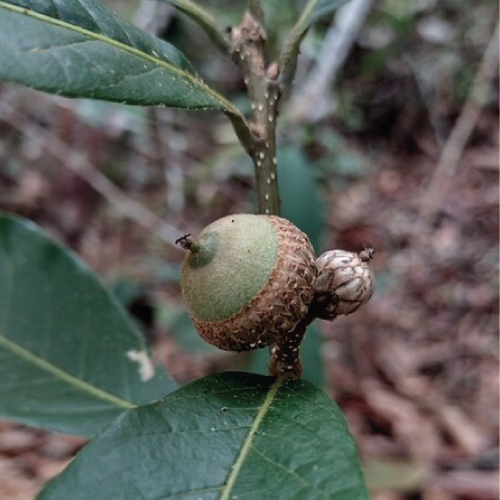
Protecting the Colombian Oak (Quercus humboldtii)

The “Colombian White Oak” (Quercus humboldtii), is an arboreal species belonging to the Fagacea family, which is currently on the IUCN red list (2021) in the category of Least Concern (LC), while according to the Red Book of Plants of Colombia this species is in the Vulnerable (VU) category (Cárdenas & Salinas 2006). 
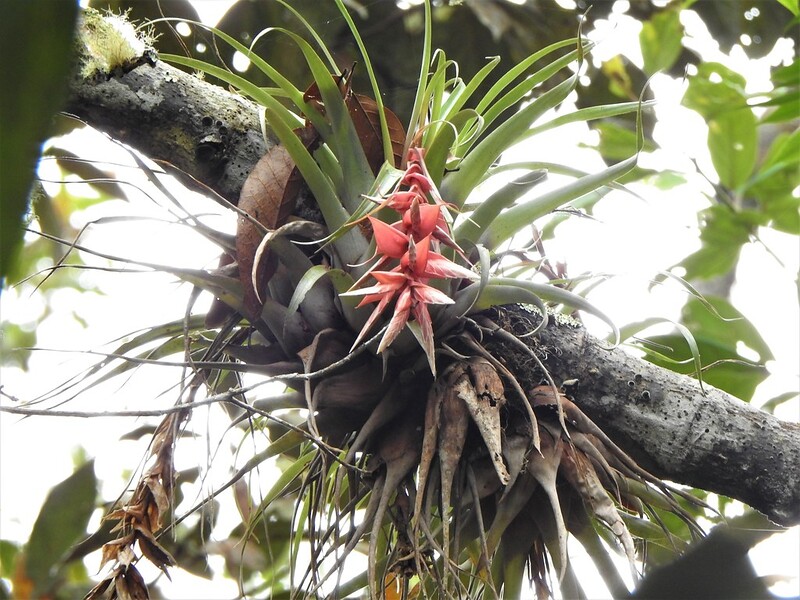
The origin of the genus Quercus spp is very old, with fossils dating back to the Lower Cretaceous and which dispersed in America with an approximate diversity of 400 species distributed in different forest ecosystems, from Canada to the Andes of Colombia where only one species could prosper (Aguilar 2006). In accordance with the above, authors such as Van der Hammen 1974 estimate that the Quercus humboldtii (Bonpl 1805) species was established in the Colombian Andes approximately 300,000 years ago, the eastern mountain range being its main area of occupation, where it probably replaced other plant communities and became established with other tree species forming dominant associations that are generally called “Robledales”.

Habitat of the Colombian oak

The Colombian Oak (Quercus humboldtii) is a species that is considered endemic to the mountains of Colombia, however, it is also present in the Panamanian Darién (GBIF 2021). It is distributed in an altitudinal range between 750 to 3.450 meters above sea level along with the three mountain ranges and some isolated massifs of the Colombian Caribbean, while the forest covers known as “Robledales” are observed from 2000 meters above sea level (Lozano & Torres 1974; Avella & Rangel 2017).

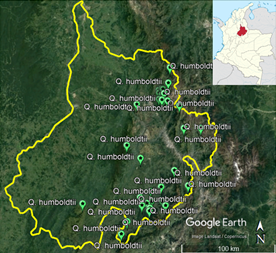
In this sense, most of the reports of the species occur mainly in the departments of Boyacá and Santander due to the fact that the most representative “Robledales” of Colombia are found in these areas (Garavito & Cárdenas 2017). With the information obtained from the database “The Global Biological Information Facility (GBIF)”, in the Santander department, the species has been reported in the municipalities of Onzaga, Charalá, Encino, El Peñón, Tona, California, Bucaramanga, Piedecuesta and Floridablanca between 1600 and 3270 meters above sea level (map 1).

Map 1: Historical records of "Roble Blanco" Q. humboldtii in the department of Santander.
SEARCHING FOR ENDANGERED SPECIES IN SANTANDER
Figure 1

With the execution of this project, a series of expeditions began with the specific objective of knowing the state of conservation and distribution of the populations of this species. To date, 7 localities have been visited in search of Q. humboldtii and an approximate area of 4000 m2 has been sampled in transects of 50×2 m² and approximately 50 km have been traveled in plant-free collections during 47 effective field days.

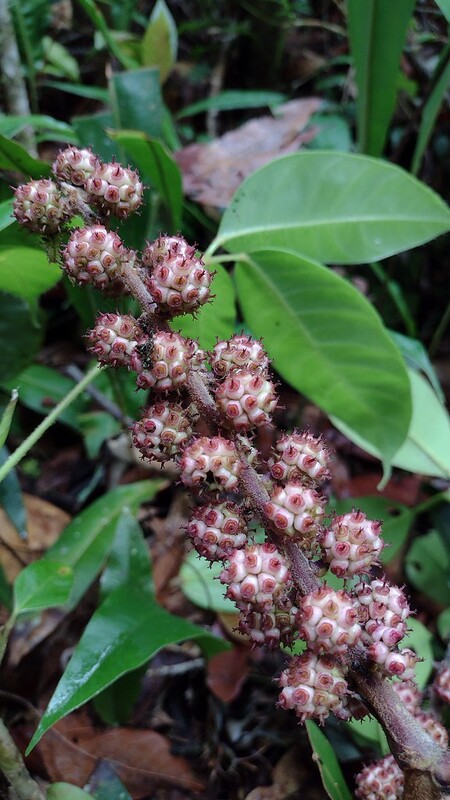
According to the established transects, a total of 1154 arboreal individuals have been registered, of which 18.5% (213 individuals) correspond to Q. humboldtii. As a result of these expeditions, it has been observed that Q. humboldtii exhibits high morphological plasticity, in terms of growth forms such as the branching or not of the main stem, or the size of the vegetative and reproductive organs, and even the abundance and size of lenticels. and stipules on young stems, both of male and female individuals (Figure 1).

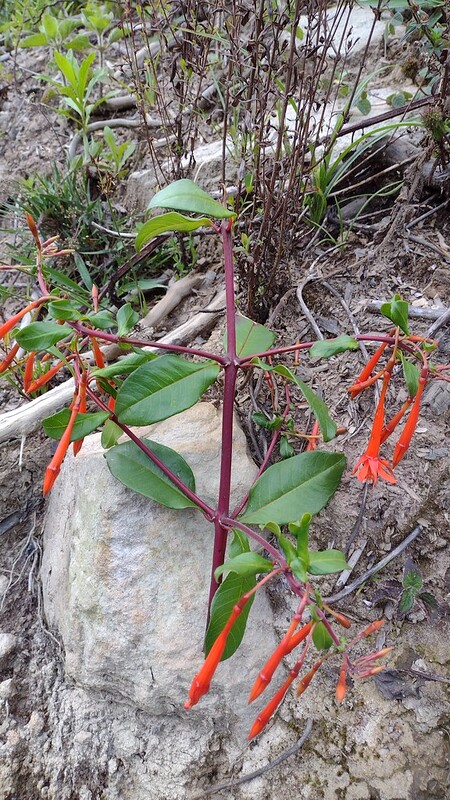
Figure 2: Flora associated with oak trees.

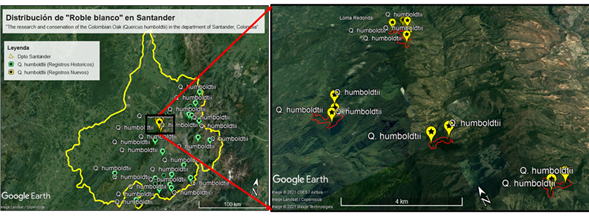
Finally, according to the information collected during the field work and that available in the GBIF, we conclude that: 5 locations within the visited areas (Reinita Cielo Azul ProAves Reserve and Chanchón village in the municipality of San Vicente de Chucuri and Veredas San Javier, La Cacica and Palo Blanco in the municipality of Zapatoca) constitute areas where the species Q. humboldtii had not been recorded, which represents new records and the area of ​​distribution of the species is expanded for the Santander department (map 2).

Map 2: Historical records (green points) and new records (yellow points) of Q humboldtii for the department of Santander.

Find more pictures of the species recorded during this expedition here.

Aguilar, M. (2006). Plan De Restitución Poblacional De Quercus humboldtii Bonpl. En La Reserva Forestal Protectora El Robledal, Cundinamarca. Universidad de Alcalá. Colombia.


Avella, A., y Rangel, O. (2017). Los Robledales. Diversidad y Conservación. En Moreno, L. A., Andrade, G. I., y Ruiz-Contreras, L. F. (Eds.). 2016. Biodiversidad 2016. Estado y tendencias de la biodiversidad continental de Colombia. Instituto de Investigación de Recursos Biológicos Alexander von Humboldt. Bogotá, D. C., Colombia.


Cárdenas, D & N. Salinas. (2006). Libro rojo de Plantas de Colombia: Especies maderables amenazadas. Instituto de Investigaciones Amazónicas (SINCHI). Bogotá.


Garavito Guerrero, B. A., & Bossa Cárdenas, R. F. (2017). Plan de Conservación del Quercus Humboldtii en la Jurisdicción CORPOGUAVIO.


GBIF.org (2021), https://www.gbif.org/species/2880642. Disponible en: https://www.gbif.org [21 Dic 2021].


IUCN (2021); https://www.iucnredlist.org/


Lozano, G & J. Torres. (1974). Aspectos generales sobre la distribución, sistemática, fitosociológica y clasificación ecológica de los bosques de Roble (Quercus) en Colombia. Ecología Tropical 1. Colombia.


Van Der Hammen, T. (1974). The Pleistocene Changes of Vegetación and Climate in Tropical South America. Journal of Biogeophy.1:3-26.

Categories
News

#GivingTuesday – Please Save the Rainforest

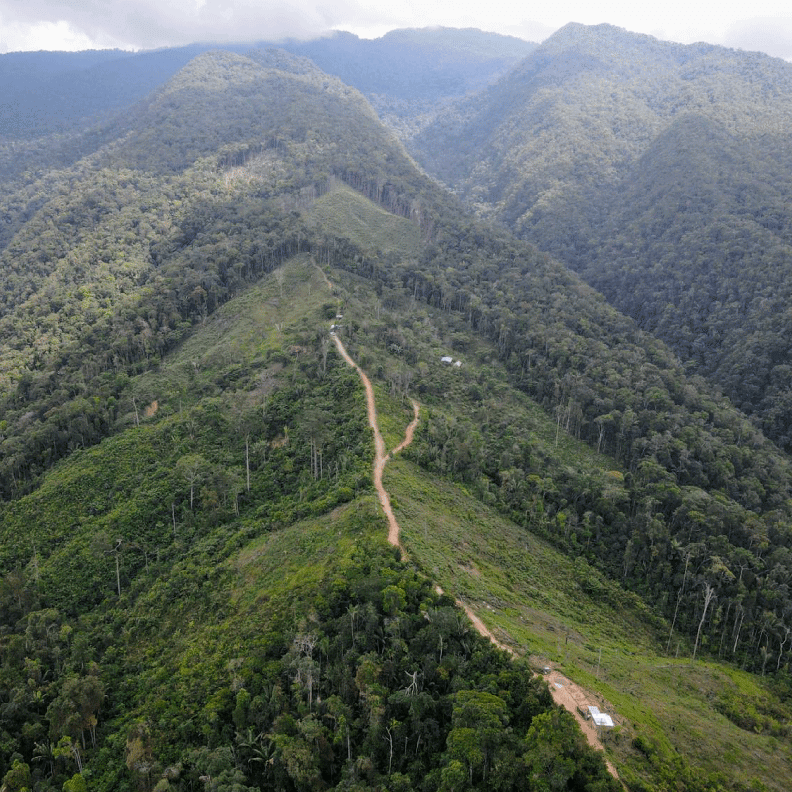
Since 2007, the Pauxi pauxi ProAves Reserve has protected over 5,000 acres of unique Rainforest in the Magdalena valley of Colombia for the endangered Northern Helmeted Curassow and many other threatened and endemic species. Recent threats of deforestation, however, are rapidly encroaching as road networks advance towards the heart of this protected wilderness. 

For this reason, the Fundación ProAves and Conservation Allies are in a race to buy up two strategic properties at the entrance of the reserve before the end of December 2021.

Even a small donation can help us save a lot of pristine forests. With the help of our matching partner, your donation of:

Donations are matched to our partner Conservation Allies, meaning your gift will be doubled!

Categories
Aves migratorias News Noticias Reinita Cielo Azul

ProAves Celebrates the arrival of the Extreme Travelers

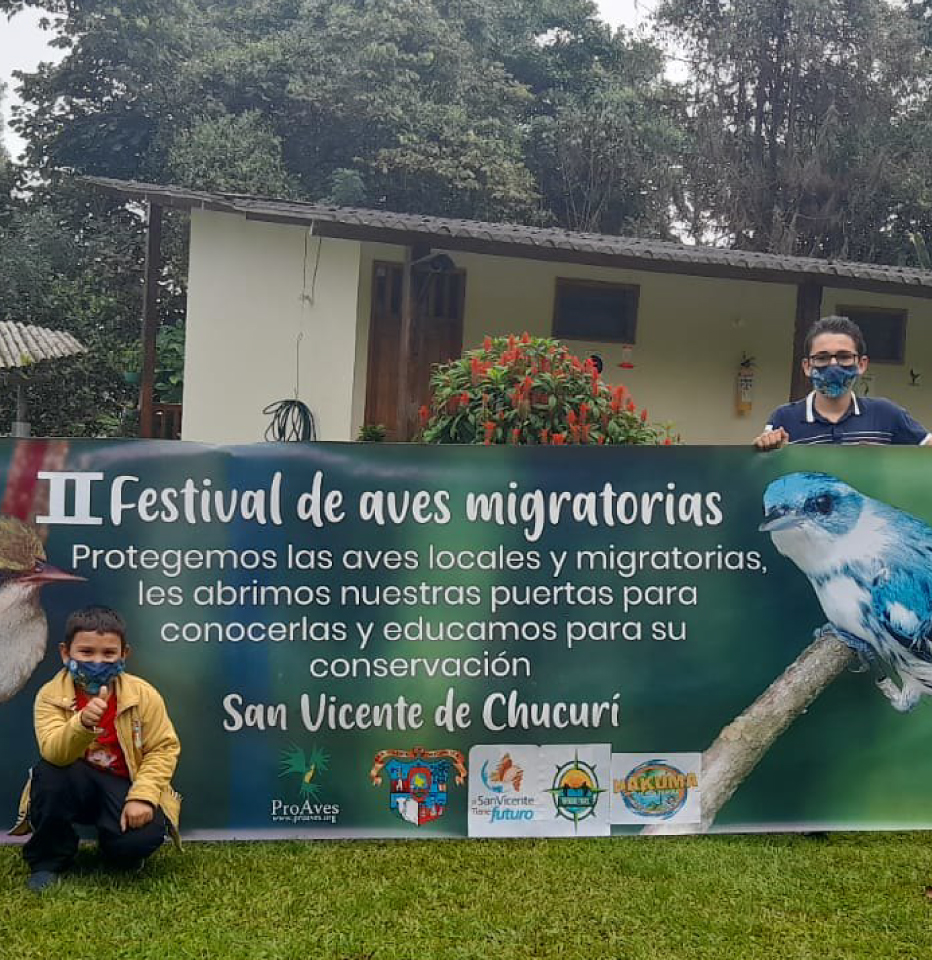
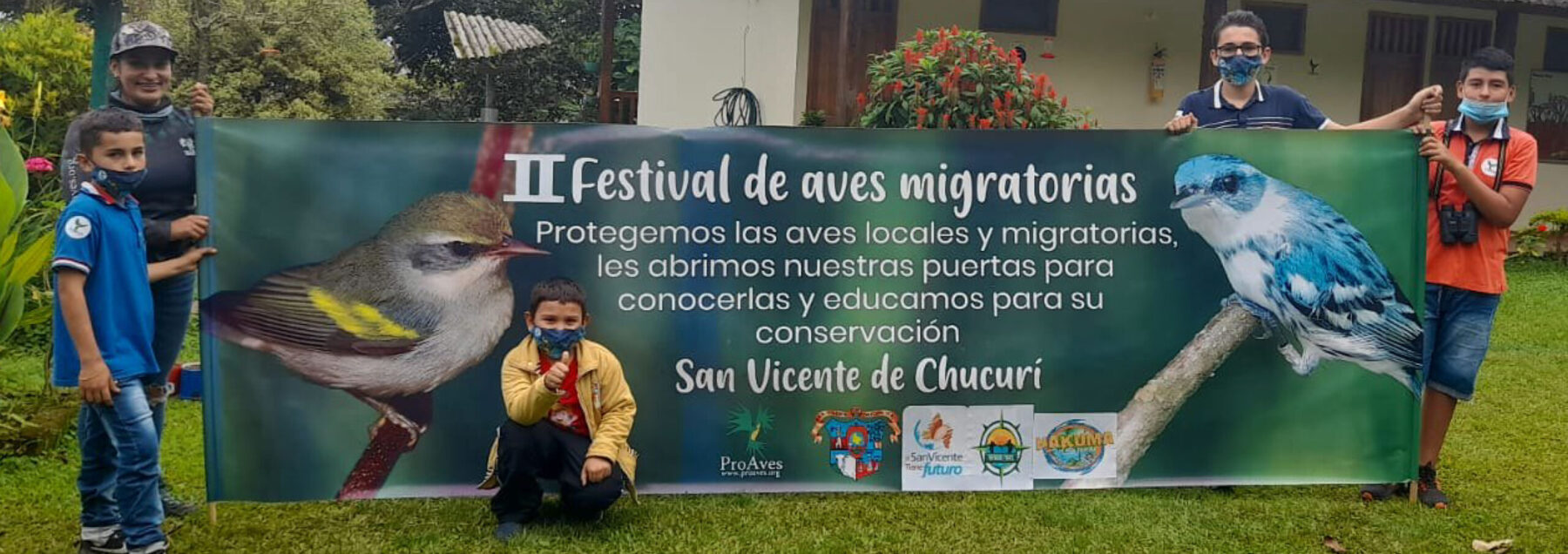
We held the second annual Migratory Bird Festival in San Vicente de Chucurí, department of Santander, with numerous activities such as workshops, talks, ecological walks, and observation outings.

WARM WELCOME TO MIGRATORY BIRDS!

In order for the community to learn more about Migratory Birds and what actions to implement to protect them, academic, cultural, and recreational activities were developed and aimed at raising awareness of the importance and threats of these feathered travelers. In addition, Likewise, the main birds that arrive in Colombia and how we can contribute to their protection were announced.

The closing of the festival, which took place on October 9, coincided with the celebration of the second-largest birding day of the year, October Big Day, for which several people, including children, adolescents, and adults, visited the Reinita Cielo Azul ProAves Reserve and registered 100 species of birds between endemic and migratory, which were registered in the eBird platform.

Through these environmental education initiatives, inclusive processes emerge, where the community recognizes, participates, and appropriates each of the strategies that promote the conservation of this particular biological group.

PROAVES RESERVES, A SAFE DESTINATION FOR MIGRATORY BIRDS

The Natural Reserves of the Fundación ProAves form a safe haven for extreme international feathered travelers. Every year hundreds of bird species visit us in search of food and warm territories during their non-breeding season. They are essential for ecosystems and their conservation. For this reason, ProAves has carrying out the Migratory Birds program for more than 15 years, with the aim of evaluating the status of species and collecting valuable information regarding changes and trends in their populations.

The program seeks to build a strategic network for bird monitoring, understand and effectively conserve these species and their habitats in Colombia, as well as increase the national capacity to carry out studies and conservation actions. In addition, the program seeks to grow awareness about migratory birds and their habitats.  

This event was made possible thanks to the support and collaboration of people and institutions that are committed to the conservation of our country’s biodiversity. Thanks to all those involved!

usfish
Categories
News Noticias Águila Harpía Noticias Arrierito Antioqueño Noticias Chamicero de Perijá Noticias Colibrí del Sol Noticias Cucarachero de Chicamocha Noticias El Dorado Noticias El Jaguar Noticias El Mirador Noticias El Pangán Noticias El Paujil Noticias El Tapir Noticias Giles Fuertesi Noticias Gorrión de Andivia Noticias Halcón Colorado Noticias Hormiguero de Torcoroma Noticias Las Tángaras Noticias Lora Carirosada Noticias Loro Coroniazul Noticias Loro Orejiamarillo Noticias Loros Andinos Noticias Mirabilis Swarovki Noticias Pauxi Pauxi Noticias Ranita Dorada Noticias Ranita Terribilis Noticias Reinita Cielo Azul Noticias Tití Cabeciblanco Noticias Zamarrito del Pinche

Great Bird Count in ProAves Reserves

ProAves participated in the October Big Day and added a total of 81 eBird lists– with 3,578 individuals and 588 distinct species of birds across 12 of their reserves.

This puts the Foundation’s Nature Reserves among the top tier of the eBird listings in Colombia: The reserve “El Jaguar” came in first place at the national level with a total of 150 species, the “El Pangán” reserve ranked fourth place with 113 species and the “Arrierito Antioqueño” reserve came in eighth place with 106 registered species.

OCTOBER BIG DAY, EVERY BIRD COUNTS

With 253 countries participating in the October Big Day (OBD), Colombia ranked first in the number of species registered worldwide on the eBird platform. The country topped the list in bird watching with 1,343 published bird species. Second and third place belongs to Peru and Ecuador, with 1,222 and 1,098 recorded species, respectively.

Colombia, known as the world’s premier hotspot for avian biodiversity, came together again and demonstrated its love for birds on the October Big Day. This citizen science initiative, organized by the Cornell Laboratory of Ornithology, mobilized thousands of Colombians, accumulating an incredible sum of 3,476 eBird checklists across the country. In comparison, birders from the United States submitted over 33,000 checklists, summing only 631 total species (less than half that Colombia). This is a testament to the immense biodiversity of Colombia.

The largest bird count in the world was held on a very special date, coinciding with World Migratory Bird Day and the arrival of thousands of avian migrants, coming to spend the winter months feeding in the ecological haven that is Colombia.

We thank all the people and institutions that support the conservation of birds, especially:

usfish
Categories
News Women for Conservation (Mujeres por la Conservación)

Building an inclusive future for women in conservation

Women play an essential role in the conservation of biodiversity and the sustainable development of communities, which is why it’s essential that their work in the protection of natural resources is recognized and that they participate in decision-making.

The election of the new president of the International Union for Conservation of Nature (IUCN) Razan Khalifa Al Mubarak not only inspires thousands of women to continue fighting for the conservation of nature, but also shows that it’s critical to have the full participation of women for the protection of ecosystems, biological diversity and natural resources.

In addition, during the 2021 IUCN World Conservation Congress in Marseille, France, a motion was approved to strengthen the role of women in conservation and promote their empowerment in the sector.

This is great news for women conservationists who, despite facing great barriers in protecting the environment, continue protecting and taking care of the most valuable treasure, biodiversity.

Isabella Cortes, Razan Khalifa Al Mubarak y Sara Inés Lara
Maud Lelièvre y Sara Inés Lara
Sara Inés Lara, Directora ejecutiva de la Fundación ProAves
Isabella Cortes y Sara Inés Lara
Isabella Cortes y Patricia Zurita, Directora General Birdlife Internacional

The Fundación ProAves and Women For Conservation continue to work together for the empowerment of women in the beautiful world of conservation. Together for #Conservation!

Categories
News

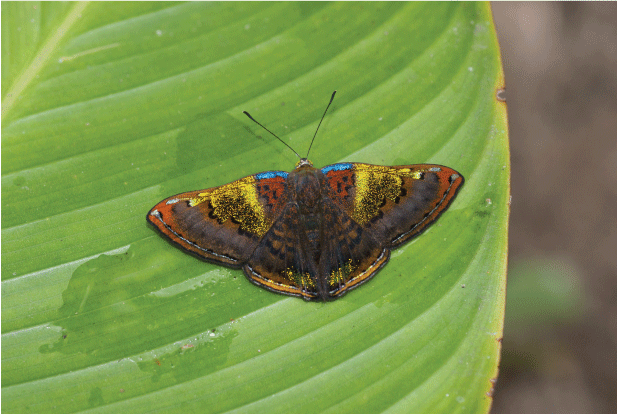
Colombia: The World’s Leader in Butterfly Species Diversity

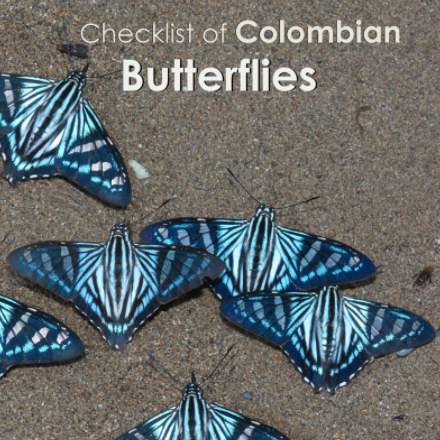
A team of butterfly experts published a Checklist of Colombian Butterflies, which contains, for the first time, 3,642 species of lepidoptera that fly in the national territory. With this publication, Colombia has officially become the country with the largest number of butterfly species on the planet.

Thanks to the immense effort made by an international team led by photographers Juan Guillermo Jaramillo and Kim Garwood, in the company of Colombian biologists Cristóbal Ríos and Blanca Huertas, it was possible to catalog the largest list of butterfly species for a country. The publication is in English and Spanish and can be downloaded here.

In the checklist, published by the Natural History Museum of London, you can appreciate the great richness and diversity of butterfly species that exist in Colombia: it contains a list of 3,642 species and 2,085 subspecies, of which more than 200 species are unique and only found in the country. Approximately 20% of the planet’s butterfly species are registered on the Checklist of Colombian Butterflies, and we hope that this publication will promote the conservation of all these insect species, as well as the protection of the forests that host them.

This is a great achievement for Colombia, since we are not only the nation with the greatest diversity of bird and orchid species in the world, but also of butterflies. According to the study, although Peru and Ecuador are very close in terms of their biodiversity, there are still no published lists of butterfly species from these countries.

“‘Protecting the butterflies in Colombia will aid the protection of its forests and other less charismatic species and actions need to be taken almost immediately as the forests in Colombia are being lost at an alarming rate over the last years’” indicates the press release sent by the team of experts.

©Juan Guillermo Jaramillo
Categories
News Noticias Noticias Águila Harpía Women for Conservation (Mujeres por la Conservación)

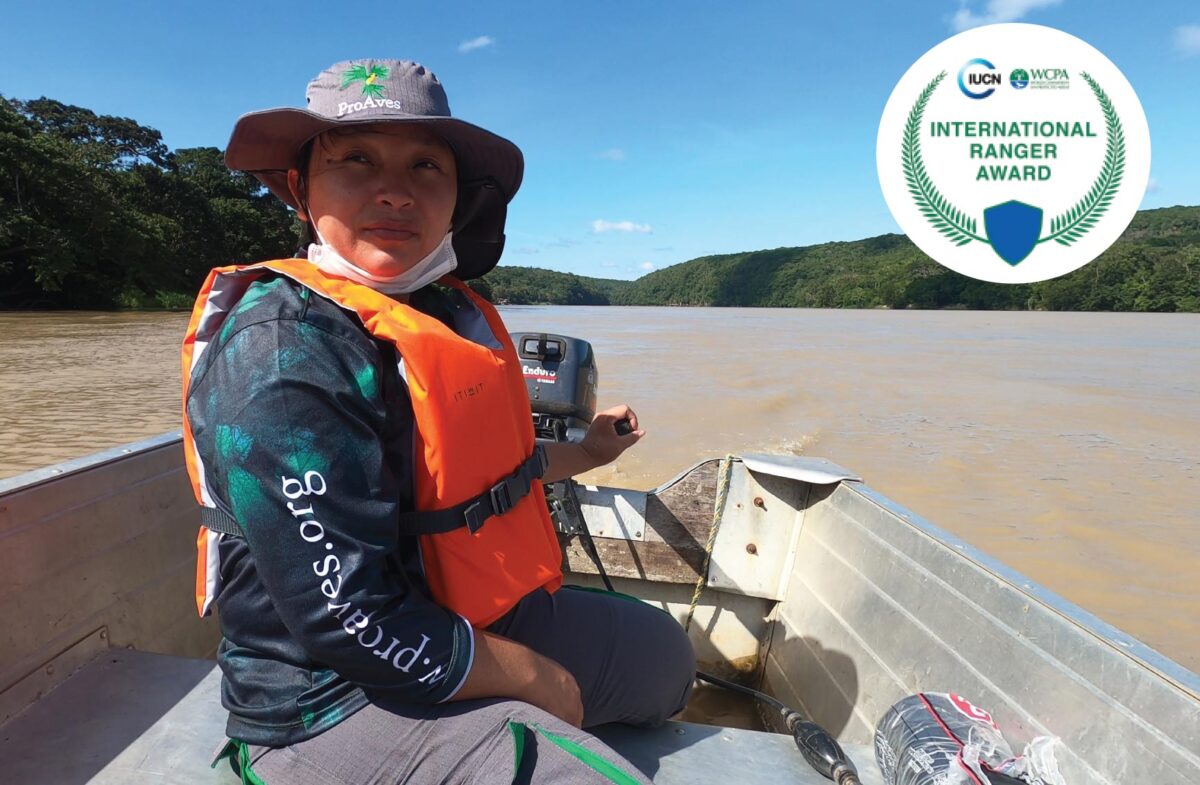
Ninfa, Winner of the International Ranger Award

With great pride we congratulate Ninfa Carianil Damaso, first female forest ranger of Fundación ProAves for being one of the winners of the important International Park Rangers Award of the International Union for Conservation of Nature (IUCN) and the World Commission on Protected Areas (WCPA). This prestigious award was developed in collaboration with the International Federation of Rangers, Global Wildlife Conservation and Conservation Allies.

This great environmental recognition, announced today by Julia Miranda, Deputy President of WCPA, highlights the extraordinary work that Ninfa does for the environment and the work of many female fighters who, despite adversity, are on the front line day after day to protect nature and animals.

ProAves is grateful to have Ninfa on the conservation team, as she acts as an example for thousands of women who seek to take care of our country’s wildlife. Therefore, the best way to honor this great recognition is by making visible the leading role that women have in conservation and praising their great work in preserving the most valuable treasure we have on the planet, the environment and its species.

“Ninfa has proven to be an example of resilience and courage. Through her hard work and love of conservation, she has become a role model for many young women. We are proud to be able to empower women in conservation”, says Sara Lara, Director of the Fundación ProAves. She adds that “women are strength, passion and energy, that is why it is very important that we continue to contribute from all areas to the protection of biodiversity and that our voice be heard.”

ProAves is committed to gender empowerment in the protection of biodiversity, and more than 60% of its staff is women.

NINFA, A VOICE OF STRENGTH AND RESILIENCE

Since arriving at the Águila Arpía ProAves Reserve in 2012, Ninfa and her husband, José Rufino Mora, have become the protectors of the 2,596 hectares of vast rainforest on the south bank of the Guaviare River. They worked hard to establish strong ties with the community and protect the area.

The reserve, located in the northern buffer area of the Nukak Natural Reserve -one of the last strips of unprotected tropical forest in the Colombian Amazon- is made up of properties bought from settlers eager to deforest the area, but thanks to the efforts of Ninfa and her husband, it was possible to recover the ecosystem that had been degraded.

 Ninfa’s life took an unexpected turn in 2019 when her 10-year-old son, Johan Sebastián, drowned in the Guaviare River in front of the reserve cabin. Heartbroken, Ninfa and her husband buried him in the reserve, where he loved to be. Then, at the height of the COVID-19 pandemic, her husband Rufino was unable to obtain medication due to the remote location of the reserve, and tragically he died in May 2020.

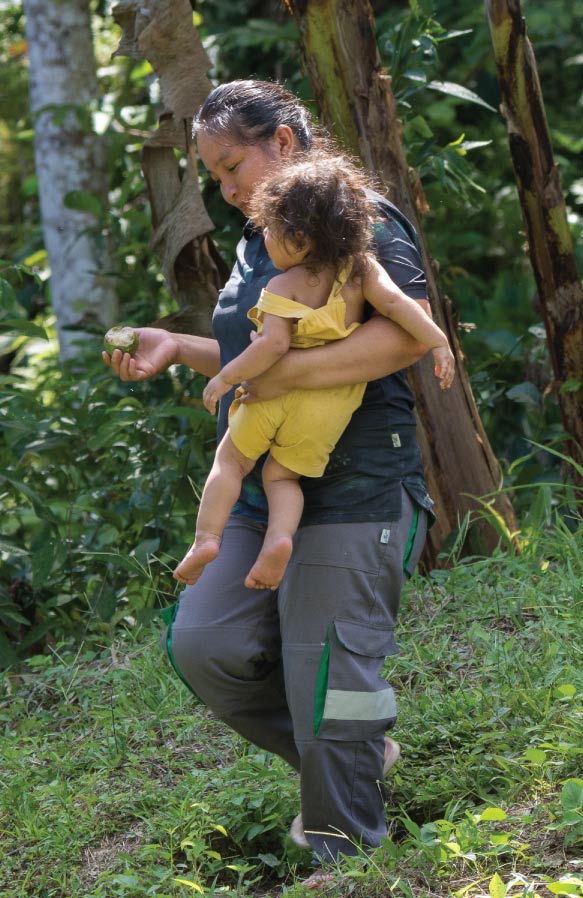
Despite the unfortunate events, Ninfa has moved on and is an example of improvement. Since then, she undertook the beautiful challenge of being the Foundation’s first female forest ranger, a task that she has carried out with great commitment and professionalism, fulfilling all the responsibilities entrusted to her to protect tropical forests from the constant threats of hunters, loggers and settlers seeking to establish settlements in this area.

Ninfa has shown, with great courage and fervor, to be the protector of the remote and highly threatened rainforest, located in the heart of the Colombian Amazon. She carries out daily surveillance of river and land boundaries (monitoring of bird species), general maintenance of the reserve facilities, works as a community and outreach leader, maintains border roads and a tree nursery for reforestation.

Her example of determination, strength and commitment to protect nature in the face of great adversity has positioned her as an inspiration for the women of Colombia, especially because of her humble origins and the impact that the armed conflict had on her life. Although only in her early 30s, Ninfa, a woman of indigenous descent, is becoming a strong voice for women and a local leader in the community.

Ninfa is very proactive, which is why she has also assisted with research in the reserve and with species monitoring, such as deploying camera traps and conducting bird censuses with the eBird app, in which her 10-year-old son, Darwin, joins her. Together they have motivated children from the local community to get involved with conservation and have even formed a group of young bird watchers in this remote location.

  • Read the full IUCN and WCPA article on the winners of the International Ranger Award here.

TOGETHER FOR CONSERVATION

Thanks to the support of Permian Global, who has supported conservation processes in the area for almost a decade, and Women For Conservation have been able to train and empower Ninfa in her role as a forest ranger.

We also thank IUCN, WCPA,  International Ranger Federation, Global Wildlife Conservation and Conservation Allies for this extraordinary recognition.

Categories
News

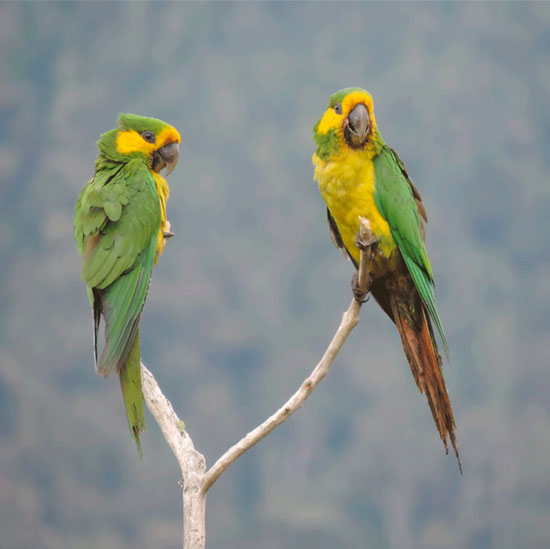
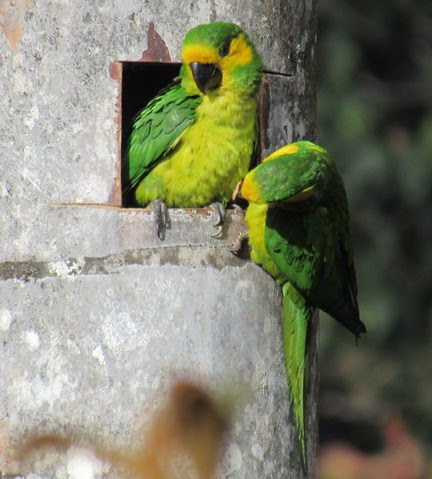
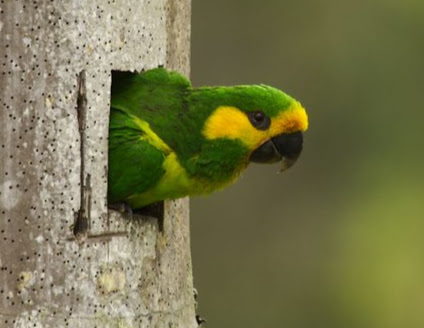
International team of scientists declare the Yellow-eared Parrot saved from extinction thanks to conservation action

Ognorrhynchus icterotis

Conservation action has prevented the global extinction of the Yellow-eared Parrot in Colombia, a study led by Newcastle University, UK and BirdLife International has shown.

Publishing their findings in the journal Conservation Letters, the team of scientists estimated the number of bird and mammal species that would have disappeared forever without the efforts of conservationists in recent decades. The researchers found that up to 32 bird and up to 7-16 mammal species extinctions have been prevented since 1993.

Ognorrhynchus icterotis (Yellow-eared Parrot)

The study has highlighted the most frequent actions to prevent extinctions in these bird and mammal species and highlighted the single species success in Colombia – the Yellow-eared Parrot. 

The research team, involving experts from BirdLife International, Sapienza University of Rome, Italy and the Zoological Society of London, among others, identified bird and mammal species that were listed as threatened on the International Union for the Conservation of Nature’s Red List.

Led by Dr Rike Bolam and Professor Phil McGowan, from Newcastle University’s School of Natural and Environmental Sciences, and Dr Stuart Butchart, Chief Scientist at BirdLife International, the team compiled information from 137 experts on the population size, trends, threats and actions implemented for the most threatened birds and mammals to estimate the likelihood that each species would have gone extinct without action. Their findings show that without conservation actions, extinction rates would have been around 3-4 times greater.

In 2019, Fundación ProAves published an extensive paper on the discovery of the last population of 81 individuals of the Yellow-eared Parrot that was on the brink of extinction. After two decades of conservation actions by ProAves together with many entities and communities, the species population today exceeds over 2,600 individuals.

Species for which extinction was prevented

Dr Rike Bolam from Newcastle University, lead author of the study, said: “It is encouraging that some of the species we studied have recovered very well. Our analyses therefore provide a strikingly positive message that conservation has substantially reduced extinction rates for birds and mammals. While extinctions have also occurred over the same time period, our work shows that it is possible to prevent extinctions.” 

Professor Phil McGowan at Newcastle University, added: “While this is a glimmer of hope – that if we take action we can prevent the irreversible loss of the last individuals of a species – we mustn’t forget that in the same period, 15 bird and mammal species went extinct or are strongly suspected to have gone extinct.

Sara Inés Lara, Executive Director of Fundación ProAves notes: “At a time when the biodiversity crisis and extinction is plaguing our planet, an international team of science experts verified that with swift action we can prevent extinction. And I am proud that ProAves saved the sole species at imminent risk of extinction in Colombia, but our joy is tempered with the knowledge that an unprecedented number of unique and spectacular species in Colombia are fast approaching extinction. This important paper is a call to action to prove that we can prevent extinction if we act now to support conservation.”

Ognorrhynchus icterotis (Yellow-eared Parrot)

Reference:

Bolam, F.C, et al. (2020). How many bird and mammal extinctions has recent conservation action prevented? Conservation Letters, e12762. doi: https://doi.org/10.1111/conl.12762 https://www.biorxiv.org/content/10.1101/2020.02.11.943902v1