Fundación ProAves – por la conservación en el país de las aves

Categories
Conservacion Educación ambiental News Noticias Loro Coroniazul Noticias Reservas Proaves @en

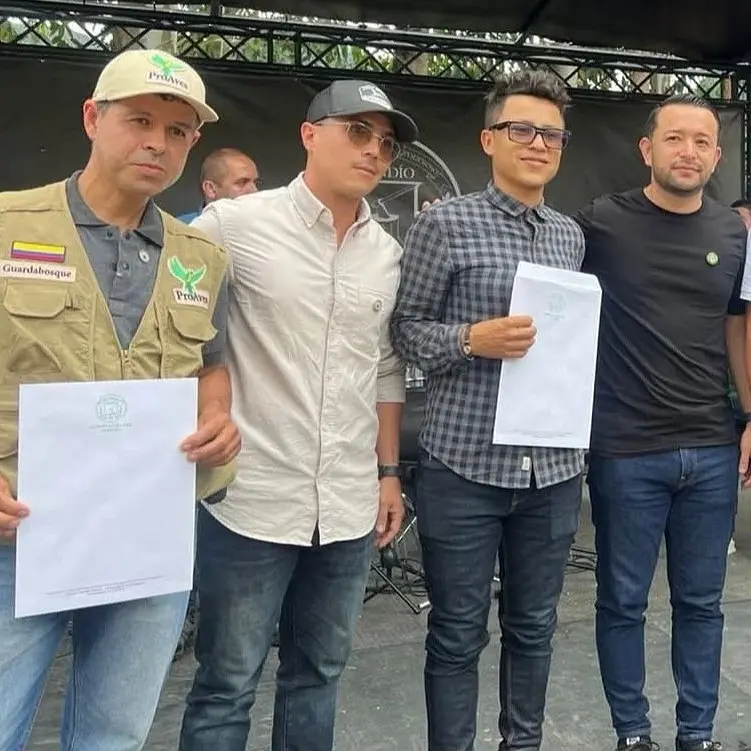
Sergio Cruz, Ranger of the ProAves Loro Coroniazul Reserve, honored as Rural Environmental Leader of Génova, Quindío

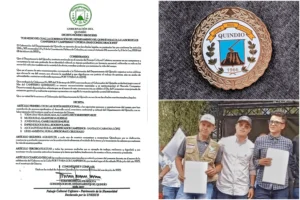
The ProAves Foundation is proud to announce that its park ranger, Sergio Raúl Cruz, has been awarded the Institutional Medal as Rural Environmental Leader by the Government of Quindío. This recognition, granted under Decree No. 688 of 2025, honors the work of the farmers and rural communities of the departmen.

Sergio was recognized for his significant contribution to the social, economic, environmental, and cultural development of Quindío, thanks to his exemplary work in the rural territory of the municipality of Génova.

We are deeply proud to have park rangers like Sergio Cruz, who demonstrate an exceptional commitment to conservation efforts in the areas where our reserves are established. His dedication is a cornerstone in the protection of our natural heritage.

Imagen 1
Categories
Conservacion Educación ambiental Investigación News Noticias Arrierito Antioqueño Noticias Colibrí del Sol Noticias El Paujil Noticias Las Tángaras Noticias Loro Coroniazul Noticias Loro Orejiamarillo Noticias Pauxi Pauxi Noticias Reinita Cielo Azul Noticias Reservas Noticias Tití Cabeciblanco Proaves @en Women for Conservation (Mujeres por la Conservación)

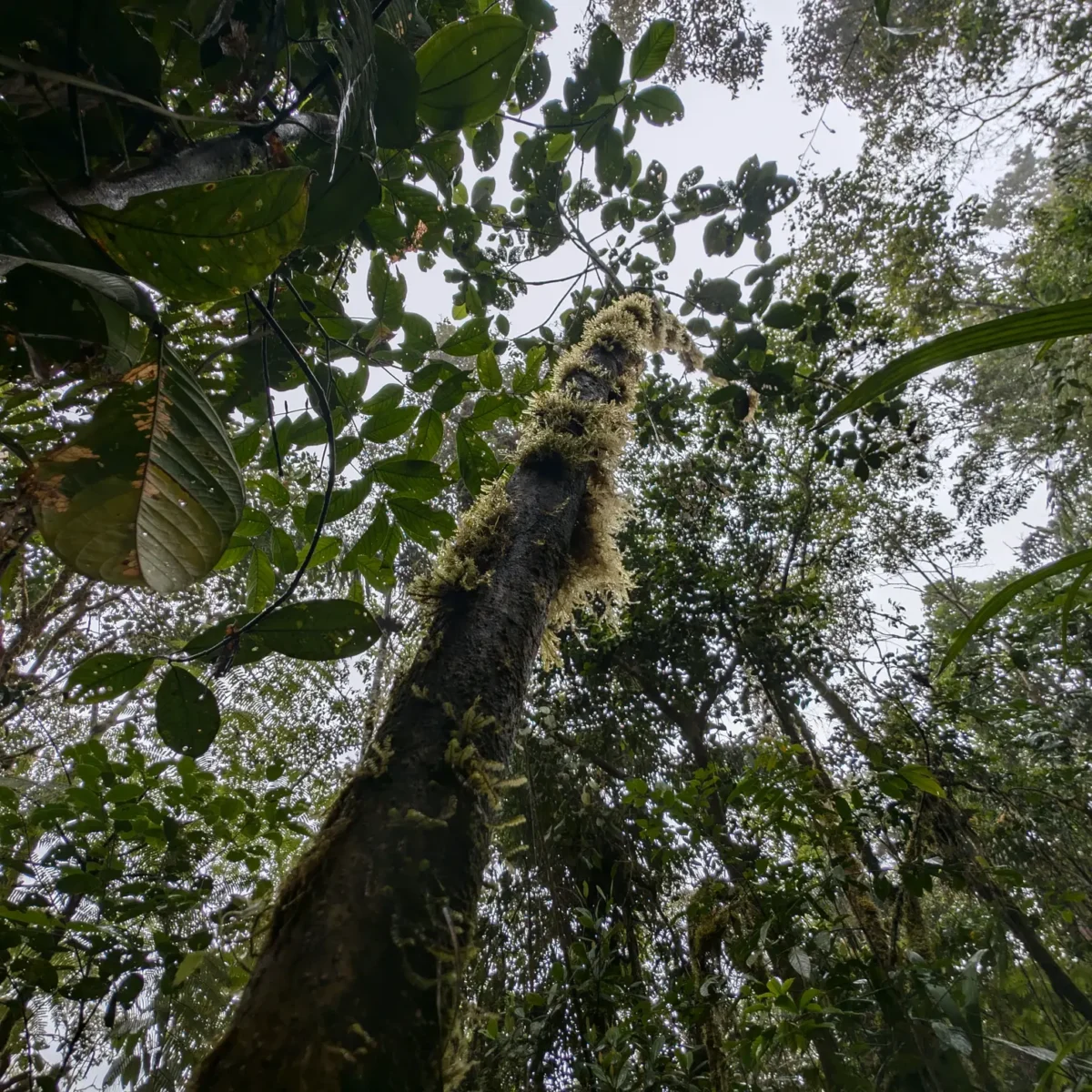
This Arbor Day, We Reaffirm Our Commitment to Magnolia Conservation

Every April 29th, Colombia commemorates Arbor Day, a moment to reflect on the vital role forests play in our ecological, cultural, and climatic well-being. Forests are not only the lungs of the planet but also guardians of biodiversity and our collective local heritage. Yet, according to the Humboldt Institute, 45% of Colombia’s endemic trees and shrubs are currently at risk of extinction. Protecting them is no longer optional, it’s essential for safeguarding biodiversity and ensuring the resilience of future generations.

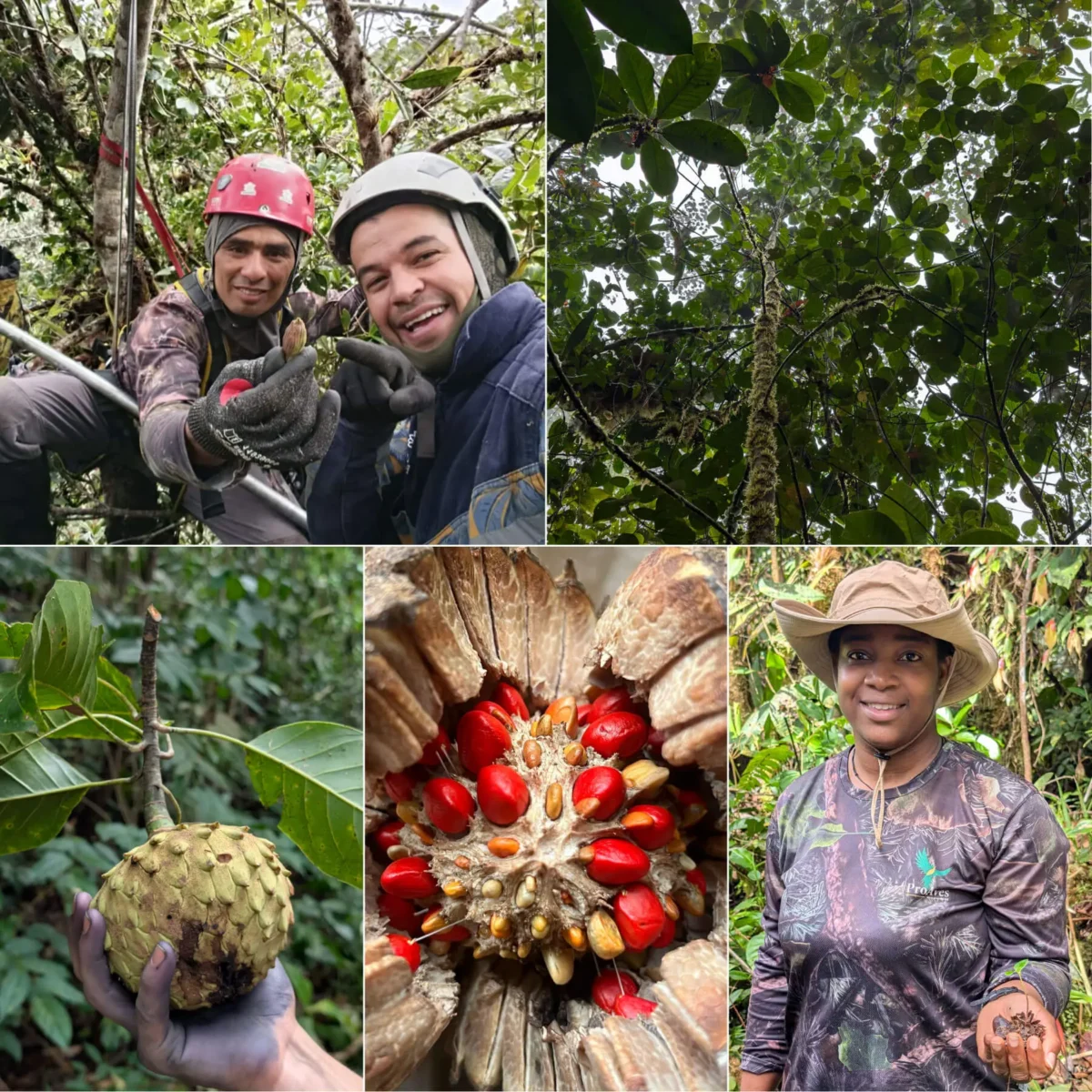
At Fundación ProAves, we mark this day by celebrating the tireless efforts of our forest rangers, who work daily to protect one of Colombia’s most threatened plant groups: the Magnolias. Our country is home to 42 Magnolia species, many of which are endemic and critically endangered. Their survival depends on continued conservation, restoration and awareness.

Through our Magnolia Project, in collaboration with Fondation Franklinia and Women for Conservation, we work on the identification, monitoring and restoration of these species in our Nature Reserves with the goal of ensuring their survival in their natural habitat.

Through this project, we implement a range of strategies to protect these “souls of the forest”, including monitoring sessions, identification of individual trees, seed collection, nursery propagation, planting in strategic restoration zones and environmental education activities with local communities. Each action brings us closer to securing a future where Magnolias continue to thrive in Colombia’s forests.

From a research perspective, this work has been crucial in highlighting both the remarkable richness of Magnolia species and the serious threats they face in Colombia. Ongoing restoration and reforestation efforts have not only helped regenerate key habitats but also led to the documentation of several Magnolia species across different regions. These efforts have generated valuable data on their distribution and conservation status within our network of Nature Reserves, information that is essential for guiding future protection strategies.

Discover the Magnolias recorded in our Reserves:

In addition to Magnolias, our Nature Reserves shelter many other threatened tree species, which we protect every day with unwavering commitment and care. At Fundación ProAves, we remain steadfast in our mission to ensure the comprehensive conservation of Colombia’s forests, recognising that every single tree is a vital thread in the web of life. 

This Arbor Day, we renew our commitment to biodiversity and redouble our efforts to defend the forest ecosystems that sustain thousands of species and the future of our planet.

With the support of:

Imagen 1
Imagen 2
Imagen 3
Categories
Conservacion Educación ambiental Investigación News Noticias Reservas Proaves @en Women for Conservation (Mujeres por la Conservación)

Magnolia Project: A Vital Strategy to Save Colombia’s Most Threatened Tree Species

At ProAves, we’ve dedicated over 25 years to the conservation of Colombia’s most threatened species—protecting critical habitats and taking bold, tangible action to ensure their survival. As one of the most biodiverse countries on Earth, Colombia is home to thousands of species found nowhere else in the world.

This Earth Day, we proudly reaffirm our unwavering commitment to safeguarding biodiversity and preserving the unique ecosystems that make Colombia a global conservation priority.

Among the natural treasures we work tirelessly to protect are Magnolias—an ancient lineage of trees and shrubs found across Asia and the Americas. Colombia alone is home to 42 Magnolia species, of which 36 are endemic. Sadly, many of these are at serious risk of extinction due to deforestation, climate change, and agricultural expansion. 

Beyond their striking beauty and valued timber, Magnolias play a vital ecological role: they capture carbon and help regulate the climate, support the water cycle, and provide essential habitat for a wide range of species. Their protection is not only about saving individual species—it’s about preserving the integrity and resilience of entire ecosystems.

Thanks to the generous support of Fondation Franklinia and the collaboration between ProAves and Women for Conservation, we are making great strides with the Magnolia Project—an initiative dedicated to the identification, monitoring, and restoration of Magnolia species within our Nature Reserves. To date, we’ve identified around 20 different Magnolia species, many of which are rare and endemic, underscoring the critical importance of protecting their habitats.

Through dedicated fieldwork, we’ve developed and implemented a comprehensive conservation strategy to safeguard Colombia’s Magnolia species. Our approach includes:

  • Identification and monitoring of Magnolia trees in the field.
  • Fruit collection and seed germination in specialised nurseries.
  • Planting of seedlings in strategic ecological restoration zones within our Nature Reserves.
  • Environmental education and community awareness programs focused on the ecological and cultural importance of Magnolias.

An essential component of this project is the work of our forest rangers, who, through their ongoing efforts, ensure the protection of these trees and their ecosystems.


“Working on the Magnolia Project at the Las Tángaras Reserve has been a truly special experience. We are helping to rescue trees that are on the brink of extinction. I’ve learned so much about germination, dealing with pests, planting, and nursery care. It fills me with joy to care for nature and to contribute, with my own hands, to the protection of a species that could otherwise disappear.” Fanis Mosquera, Forest Ranger and Nursery Leader, Magnolia Project

Several Magnolia species are currently in their reproductive phase, with fruits maturing and requiring close monitoring to ensure viable seed production and support natural regeneration. These efforts highlight ProAves’ steadfast commitment to the conservation of endangered species and the protection of the forests that sustain Colombia’s incredible biodiversity.

With every rescued seed, every monitored tree, and every trained forest guardian, we are sowing hope for Colombia’s Magnolias and for the future of its rich biodiversity. On this meaningful day, we call for united action to protect these vital species, which are essential to the health, balance, and resilience of the Andean forests.

Discover the Magnolia species documented in our ProAves Reserves at our microsite: Souls of the Foresthttps://proaves.org/blog/proyecto-magnolias/
Imagen 1
Imagen 2
Imagen 3
Categories
Conservacion Educación ambiental Investigación News Noticias El Paujil Noticias Reservas Proaves @en Women for Conservation (Mujeres por la Conservación)

We Relaunch Our “Women in Research and Science” Scholarship Program

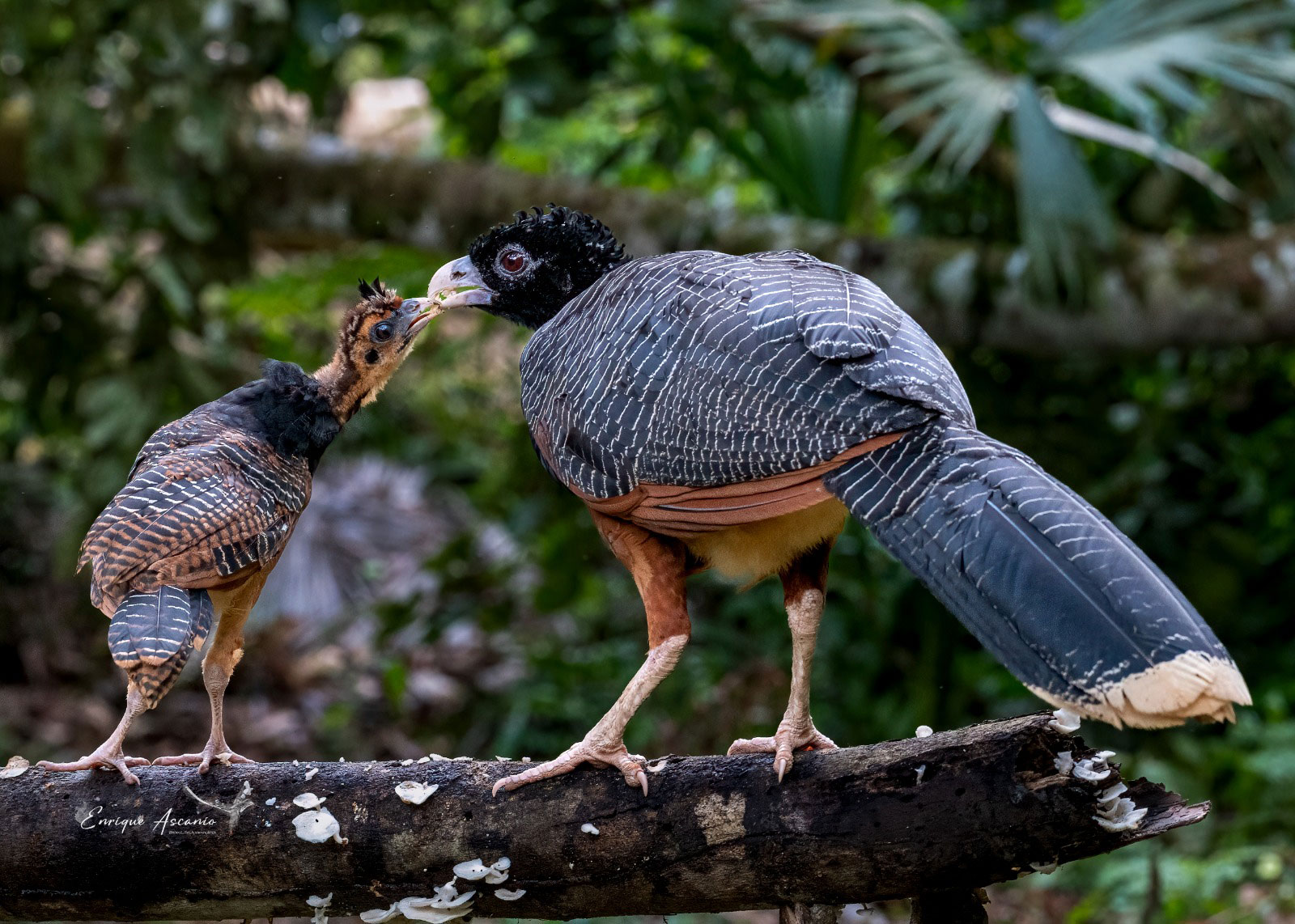
The Blue-billed Curassow (Crax alberti) is one of Colombia’s most emblematic and critically endangered species, classified as Critically Endangered (CR) by the International Union for Conservation of Nature (IUCN). Its populations are scarce and highly fragmented, making research that contributes to its conservation an urgent priority. 

In this context, and with the goal of continuing to strengthen the participation of women in science and conservation in our country, we are opening a new call for applications to our scholarship program, aimed at: 

Five (5) women who wish to conduct undergraduate or graduate research in the ecology of endemic and/or threatened species in the ProAves El Paujil Reserve.

One (1) of the scholarships must specifically focus on estimating the abundance and density of the Blue-billed Curassow (Crax alberti) within our Reserve.

One (1) of the scholarships must be focused on the diversity of herpetofauna in the Reserve.

The scholarship includes:

  • COP $3,000,000 for transportation and food
  • 50% of lodging costs at the ProAves El Paujil Reserve during the stay
  • Publication in the journal Conservación Colombiana

Location: ProAves El Paujil Reserve, Puerto Pinzón (district), municipality of Puerto Boyacá, Boyacá, Colombia

Selected candidates must:

  • Submit a report of the activities carried out to the ProAves Director of Research
  • Conduct community workshops related to the research topics
    Submit an article on the research conducted for publication in Conservación Colombiana

Requirements to apply:

  • Be a woman enrolled in an undergraduate or graduate program (to be verified by official documentation)
  • Conduct a research project focused on estimating the abundance and density of the Blue-billed Curassow at the ProAves El Paujil Reserve
  • If not currently enrolled in an academic program, applicants must submit a letter of intent explaining why they are a suitable candidate for the project and what research topic they would like to pursue. The letter should be sent to: acortes@proaves.org and lgmosquera@proaves.org
  • Applicants may also seek co-financing or additional support from other organizations if needed.

This call aims to encourage the active participation of women in science and conservation, offering a unique opportunity to carry out research projects in one of the most biodiverse areas of Colombia.

Applications will open on May 1, 2025, and will close as selected candidates are approved.

Applications must be submitted through the following form: https://forms.gle/eByPVekHa73nbDSNA

Opening date: May 1, 2025
Application deadline: June 13
Project socialization: June 19 and 20
Results announcement: June 27
Fieldwork: Minimum of 4 weeks (between July and August)
Article submission deadline: October 1
The article must be submitted following these guidelines: https://proaves.org/guia-para-autores/

If you have any questions or would like more information, please contact:

Alex Cortés

acortes@proaves.org  aborrero@proaves.org 

Celular: 315 4745155

Luis Gabriel Mosquera

lgmosquera@proaves.org 

Celular: 3105375059

Categories
Conservacion Educación ambiental Investigación News Noticias Reservas Proaves @en Women for Conservation (Mujeres por la Conservación)

Women Driving the Conservation of Magnolias in ProAves Reserves

Thanks to the support of Fondation Franklinia, ProAves, together with Women for Conservation, is leading a targeted conservation strategy to protect 20 endemic and critically endangered Magnolia species across several Nature Reserves managed by the ProAves Foundation.


This initiative aims not only to regenerate, restore, and replant Magnolia species, but also to empower women by strengthening their leadership in nursery management and ecological restoration efforts.
Conserving Magnolia species and preventing their extinction demands meticulous, hands-on work—from locating parent trees and carefully harvesting their fruits, to the delicate process of germination, nurturing seedlings until they reach optimal planting size, selecting ideal reforestation sites, and conducting ongoing monitoring to ensure successful adaptation to their new environment.

A cornerstone of this process has been the construction of specialised nurseries. These spaces are designed for post-harvest handling, equipped with germination chambers, and set up for the close monitoring and care of each seedling, ensuring that every step of the restoration process is handled with precision and dedication.

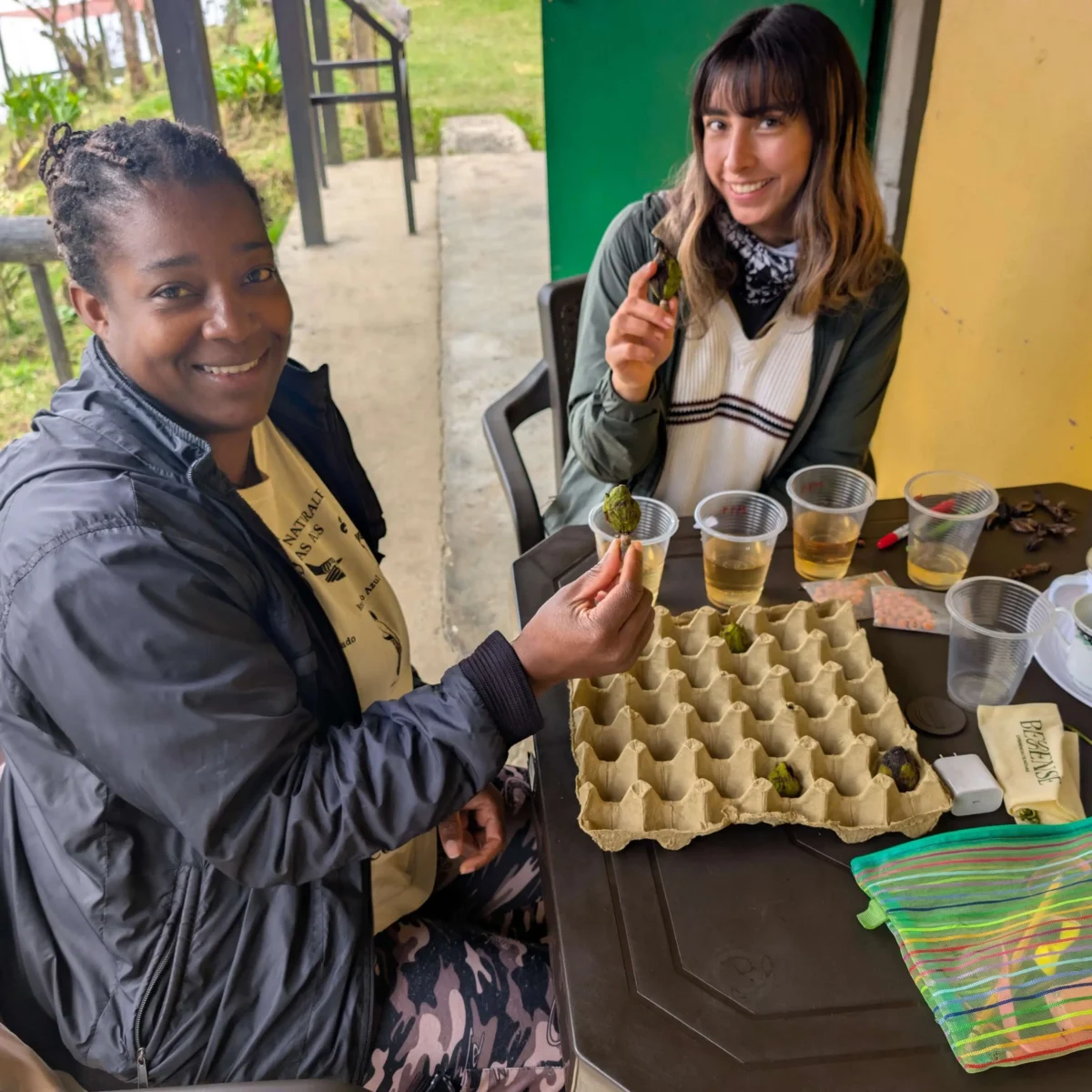
Following fruit collection, our rangers and women leaders in the nurseries work together to carefully sort viable from non-viable seeds—an essential step for ensuring the success of the germination process. Additionally, we maintain close monitoring of humidity levels within the germination chambers to create optimal conditions for seedling growth.

Following the fruit harvest, the women leaders of the nursery, in collaboration with the rangers, undertake a crucial task: classifying the seeds. Separating the viable seeds from the non-viable ones demands both expertise and patience, as this step is critical to the overall success of the conservation process. Meanwhile, the germination chambers are continuously monitored to maintain optimal conditions for the healthy development of the future plants.

At ProAves and Women for Conservation, we actively promote the participation of women from local communities in the production of Magnolia seedlings as a key strategy for advancing gender equity. Through this initiative, we not only involve them in ecological restoration efforts but also work to strengthen their technical skills in nursery management, empowering them to play a central role in conservation.

Through the Magnolias Project, we remain dedicated to empowering women in critical conservation areas. With every Magnolia that blooms in our nurseries, we are not only sowing life and hope but also reinforcing the vital connection between ecological restoration and women’s leadership within our communities.

Currently, the nursery project is being implemented across several conservation areas, with a focused effort on reforesting endangered endemic Magnolia species in the following Nature Reserves:

With the support of:

Imagen 1
Imagen 2
Imagen 3
Categories
Conservacion Educación ambiental News Noticias Giles Fuertesi Noticias Loro Orejiamarillo Noticias Loros Andinos Noticias Reservas Proaves @en

Reconnect with Nature: 25 Years of Planting Environmental Awareness in Our Country

Every year, many Wax Palms are used in religious celebrations without knowing that this practice is destroying the home of the Yellow-eared Parrot, an endangered bird species endemic to Colombia that depends on this palm. During this season, we make a call to reconcile with these species and prevent their extinction.

The Reconnect with Nature campaign is an environmental education strategy led by ProAves for over 25 years, carried out prior to Holy Week. Its goal is to raise awareness about the importance of conserving two iconic species that represent Colombia’s biodiversity: the Wax Palm (Ceroxylon quindiuense) and the Yellow-eared Parrot (Ognorhynchus icterotis).

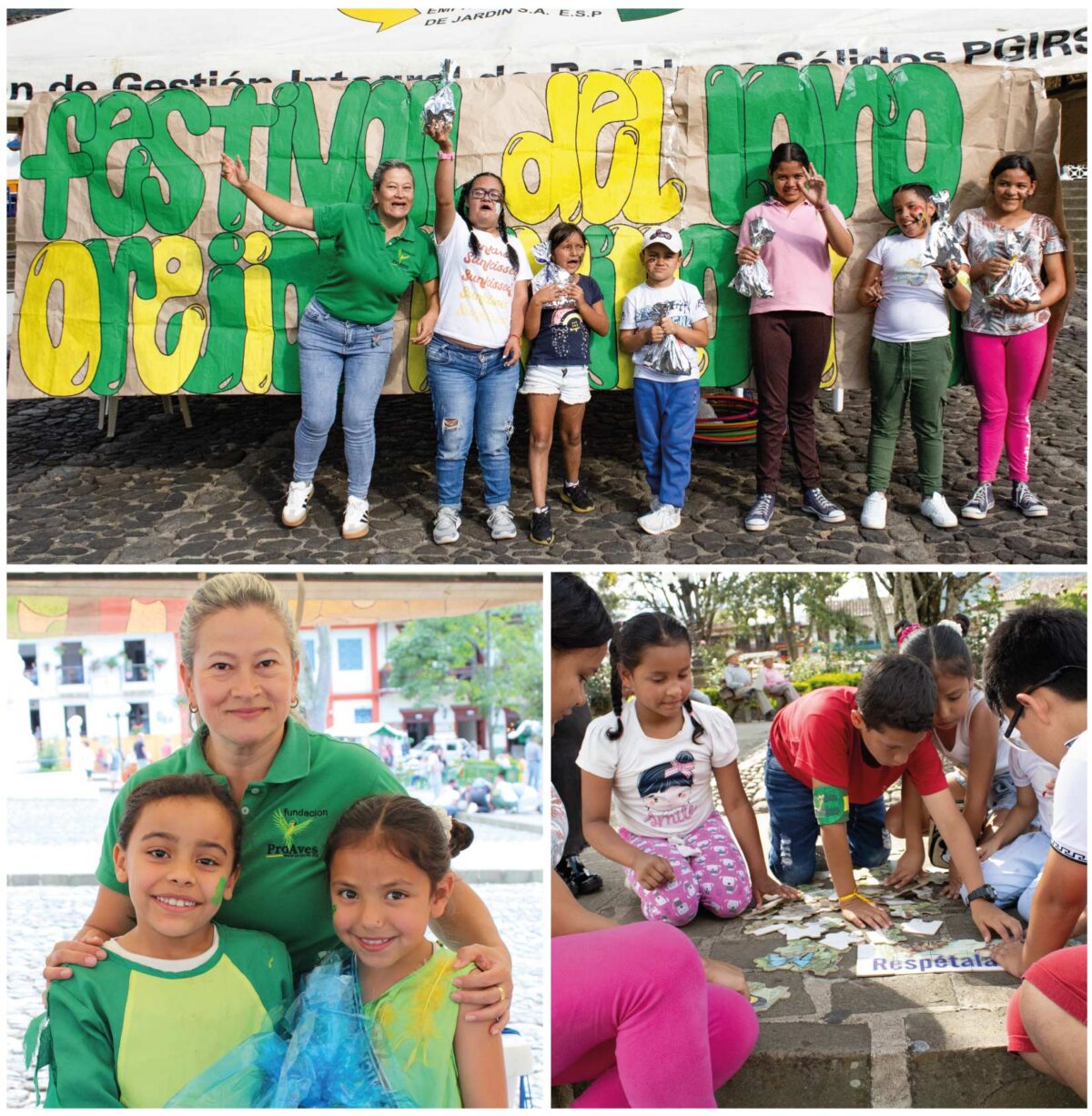
This year, the campaign was implemented in Jardín, Antioquia; and Cajamarca and Roncesvalles, Tolima, where various activities were carried out with local communities on Palm Sunday to raise awareness among residents of these towns — known for hosting the largest populations of the Yellow-eared Parrot — about the importance of protecting this emblematic species.

The town of Jardín, located in the department of Antioquia, welcomed us with open arms, allowing children to learn about environmental conservation through playful activities focused on preserving this species. Additionally, adults received messages about the importance of conserving this threatened parrot, which was once on the brink of extinction.

During the event, Wax Palm seedlings were distributed to people who had suitable areas on their land to plant these species, contributing to the recovery of the palm and the improvement of the Yellow-eared Parrot’s habitat in the future.

In the towns of Cajamarca and Roncesvalles, in the department of Tolima, community engagement and awareness-raising efforts also took center stage. Through printed materials such as posters and stickers, we shared the message of reconciliation with nature and promoted environmental responsibility to protect the Yellow-eared Parrot and the Wax Palm.


The Reconnect with Nature campaign is a call to protect and respect wildlife. At ProAves, we recognize environmental education as a key action to instill awareness in children, youth, and adults, helping us move forward in protecting emblematic species of our biodiversity, such as the Yellow-eared Parrot and the Wax Palm.

With the support of:

Categories
Conservacion Educación ambiental News Proaves @en

Gunpowder extinguishes their lives, help us protect biodiversity with a December without gunpowder

Birds are the wildlife species most affected by the explosion of fireworks. Their hearing is 7 to 10 times more developed than that of humans, which makes it very common for them to become disoriented, collide, and abandon their nests, causing damage to their auditory system, leading to tachycardia and heart attacks that ultimately end their lives.

With the aim of raising awareness about the use of gunpowder and the effects it can have on wildlife and domestic animals, ProAves launches the campaign: “Gunpowder extinguishes their lives,” an initiative aimed at sensitizing the population about this issue.

This is a situation that should concern us, as birds in Colombia and around the world continue to disappear at an exponential rate. According to SEO/BirdLife, 49% of the 11,000 bird species worldwide are in decline, according to the data from the latest report analyzing the global situation of these species. The main threats they face include agricultural expansion, deforestation, the presence of invasive species, poaching, climate change, and urban development.
In addition to birds, domestic animals such as dogs and cats are also strongly affected by these intense noises, which disrupt their behavior, cause anxiety, and can lead to accidents, severe injuries, or even death.


On December 2, the day after the fireworks display, media outlets reported the effects this practice can have on biodiversity:

“One of the most severe cases was that of a hawk that was brought by the Envigado Fire Department to environmental authorities. The animal was in a complete state of shock, with stress lines on much of its feathers. There was also the case of a juvenile currucutú that, due to the loud explosions, flew disoriented into a house in Robledo. Additionally, three opossums were reported to have entered a house stunned in the Estadio neighborhood,” described Blu Radio.

Furthermore, one of the cases that most impacted social media was the behavior of Ara macaws in the city of Medellín, where: “The birds, visibly disturbed by the explosions of the fireworks, began to vocalize and disperse in all directions, revealing the severe impact that the massive use of fireworks has on local wildlife,” mentioned the website Minuto30.com.

At ProAves, we invite you to enjoy the Christmas festivities responsibly, without resorting to fireworks, and to promote a safer environment for our avifauna. It is time to choose ways of celebrating that do not involve suffering for the living beings around us.

You can support bird conservation from your home, be part of the solutions for the planet, and prevent species from becoming extinct.

Gunpowder extinguishes their lives!

Categories
Conservacion Educación ambiental News Proaves @en

ProAves at the 2024 Caldas Birdwatching Congress: A Gathering of Conservation and Passion for Birds

Carrying out conservation work in Colombia requires great efforts and a race against time to save numerous endemic and vulnerable species from extinction. These conservation challenges have been tackled by ProAves for over 25 years and were shared at events like the 12th Birdwatching Congress held in the department of Caldas from November 7 to 10, 2024.

Undoubtedly, the passion for observing the marvelous world of birds continues to grow every year in the country. Activities such as photographing, recording sounds, identifying birds, and enjoying their natural habitats bring birdwatchers together for this event, which also featured forums, conferences, and a commercial exhibition.

Through a booth, attendees had the opportunity to learn more about the 27 conservation areas that ProAves has established to safeguard not only the bird species but also the most threatened mammals and amphibians in Colombia. These Natural Reserves are located in key biodiversity hotspots where environmental education, research, and community engagement are necessary to address deforestation, the expansion of agricultural and livestock borders, illegal mining, among others, while also seeking to reduce the impacts of climate change affecting our planet.

On Sunday, November 12, Efraín Gómez, Director of Protected Areas, gave a conference titled “The Yellow-eared Parrot and the Role of ProAves in Its Population Recovery.” This was a space to share one of the most significant species recovery milestones in Latin America: saving the yellow-eared parrot from extinction. This species of parrot, belonging to the Psittacidae family, also includes parakeets, conures, and macaws, all known for their colorful plumage and intelligence.

The recovery of the yellow-eared parrot (Ognorhynchus icterotis) from nearly 81 individuals in 1998 to over 3,500 today is undoubtedly one of the most important species recovery examples in Latin America. The work with communities has been key to preventing this valuable species from disappearing.

Conservation efforts in Colombia, especially in protecting emblematic species like the yellow-eared parrot, are a testament to tireless work. Over more than 25 years, ProAves has shown that combining science, environmental education, and social commitment can yield significant results, even in the face of the most complex challenges.

Events like the 12th Birdwatching Congress not only allow for the celebration of these achievements but also raise awareness and educate new generations about the importance of preserving our natural environment. With continuous support and collective effort, Colombia can continue advancing in the protection of its invaluable biodiversity.

Together for conservation in the land of birds.

Categories
Blog Conservacion Educación ambiental News Noticias Loro Orejiamarillo Proaves @en

Yellow-eared Parrot and Migratory Bird Festival, a space to celebrate biodiversity in Jardín, Antioquia

The yellow-eared parrot is a symbol of biodiversity and its conservation in Colombia, being a species that thanks to the efforts of many entities has had great success in its recovery.  Moving from the Critically Endangered category to a Vulnerable category according to the Red List of Threatened Species of the International Union for Conservation of Nature IUCN. For this reason and because this species has had a great significance for environmental awareness in the municipality of Jardín, it is a perfect reason to celebrate the Yellow-eared Parrot Festival year after year.

The municipality of Jardín, in the southwest of Antioquia, was the scene for this festival on the 11th and 12th of October.  A festival that brings together those who are interested in birds and their conservation, as well as the community in general. Providing a recreational and educational space to teach about the importance of the conservation of the Yellow-eared Parrot and the conservation of nature in general.

Since the 12th of October 2024, was also the International Day of Migratory Birds, the festival also included a joint celebration. Where we also paid tribute to these extremely far travellers who arrive in our territory every year. For this reason, it was called the “Festival of the Yellow-eared Parrot and Migratory Birds.”

On October 11th, the Festival was held in the main park of the municipality, where children enjoyed various interactive activities and workshops focused on the knowledge and conservation of birds. During that day, not only was the beauty of the Yellow-eared Parrot, an emblematic species of the region, highlighted but also the importance of migratory birds was made known.  Some species travel thousands of kilometres/miles to protect themselves from the cold, seek food and find a safe harbour during the winter season in our territory. 

El día 12 de octubre se programó una visita y recorrido a la Reserva ProAves Loro Orejimarillo de  con un grupo de niños que hacen parte del programa Escuelas Amigas de las Aves, para que fueran participes del avistamiento y registro de las especies de aves propias de la Reserva, durante la jornada mundial de avistamiento de aves migratorias denominada October Big Day OBD, liderada por el Laboratorio de Ornitología de la Universidad de Cornnell y apoyada por cientos de organizaciones ornitológicas de todo el mundo, al igual que por todas las organizaciones ornitológicas del país.       

On October 12th, a visit was scheduled to the ProAves Loro Orejimarillo  Reserve with a group of children who are part of the Bird-Friendly Schools program.  S in that way they could participate in the observations and recordings of the Reserve’s native bird species, during the global day of migratory birds called October Big Day OBD, led by the Cornell University Laboratory of Ornithology. This event is supported by hundreds of ornithological organizations from around the world, as well as by all the ornithological organizations in the country.

At ProAves we continue our work of raising awareness and environmental education, promoting love for nature and the need to protect Colombia’s wealth of biodiversity. Year after year, this festival consolidates itself as a key space to connect the community with its natural environment and promote the conservation of birds and nature.

Categories
Articles Blog Conservacion Educación ambiental News Proaves @en

ProAves at COP16: A journey for bird conservation & global biodiversity

We participated in COP16, the most important biodiversity event on the planet, where we were able to tell the whole world about our work on bird conservation we have been doing for more than 25 years.

The ProAves team, led by our Executive Director Sara Inés Lara, actively participated in the key spaces of COP16 such as the Blue Zone, an area dedicated to negotiations and the exchange of ideas between governments, organizations and biodiversity experts themselves.

In addition, our Executive Director was a speaker at the symposium “Women of Biodiversity for Biocultural Water Territories” and moderator of the panel: Exchange of Experiences, organized by the E.O. Wilson Foundation. In these spaces, the importance of women’s participation in the preservation of territories and their ecosystems was highlighted.

On the other hand, Andrea Borrero, from the ProAves research area, participated in the discussion “Zero Extinction Areas in Colombia”, organized by the Humboldt Institute. Here is where strategies for the protection of Colombian ecosystems and the prevention of species extinction were discussed. 

We also had an information stand in the Green Zone at COP16, where we welcomed visitors from around the world interested in learning more about our 27 nature reserves and the conservation work that is linked to environmental education and research.


The presence of costumed performers such as the majestic harpy eagle (Harpia harpyja), the gorgeted puffleg (Eriocnemis isabellae) and the blue-billed curassow (Crax Alberti) caught the attention of many visitors due to their realism and size. The attendees of the event took advantage of taking photographs or just having fun with these species of great importance for Colombian birdlife.

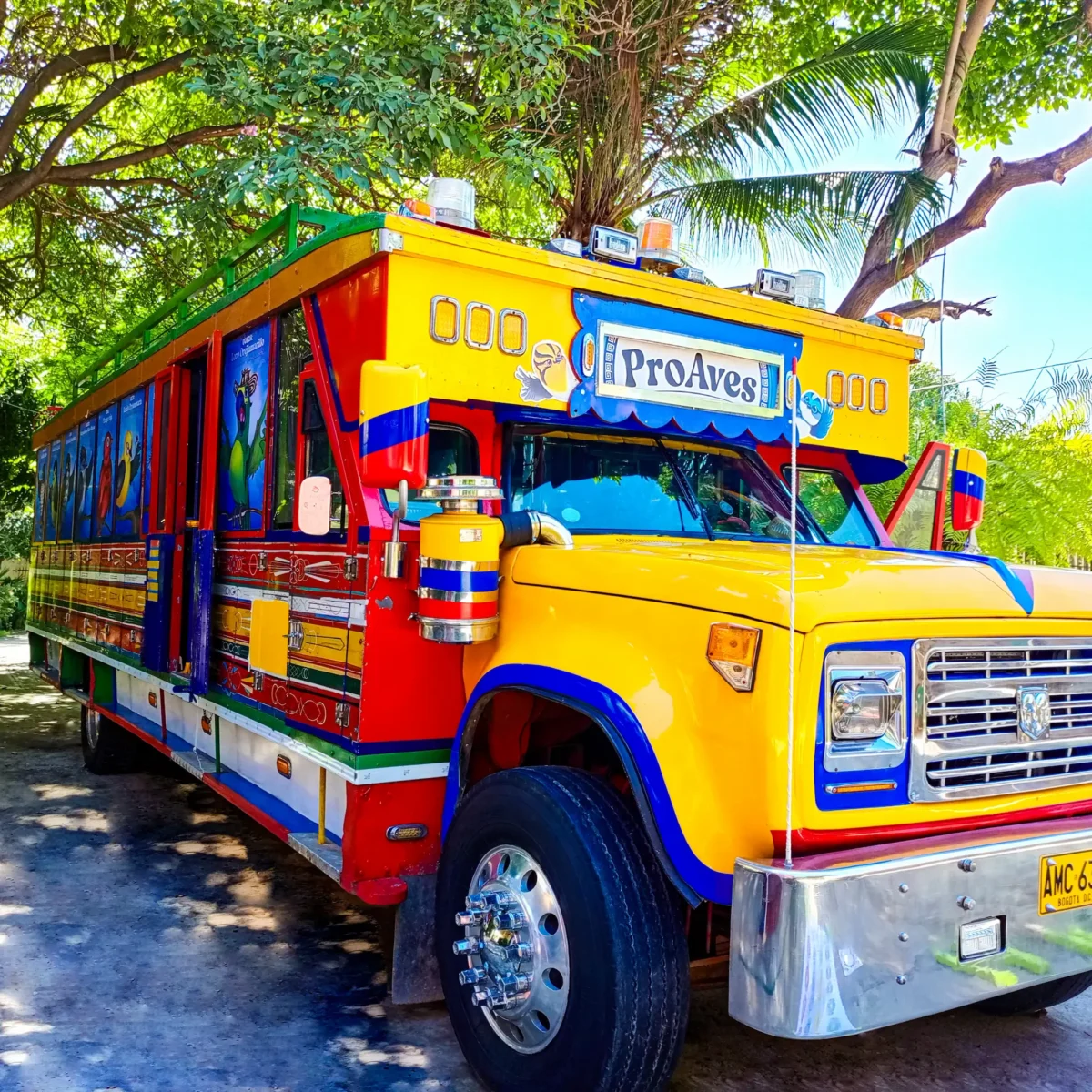
To foster the love for birds and their ecosystems, the Conservation Chiva bus travelled more than 1,200 kilometres (750 miles) to reach COP16 and tell the world about the wonderful event of bird migration. With educational activities, games and hundreds of smiles. This mobile environmental classroom managed to transmit playfully the importance of conserving migratory birds, captivating both children and adults alike.

Our participation at the COP16 reaffirms our commitment to conservation. To strengthen national and international alliances to protect the wildlife and natural heritage of Colombia and therefore the world.

Together for conservation in the land of 

Categories
Aves migratorias Conservacion Educación ambiental News Proaves @en

La ReinitaChiva started its tour of Colombia and is now at COP16

Migratory birds are amazing species that travel thousands of kilometers to protect themselves from the cold, get food and find safe spaces during the winter season to reach countries like Colombia. Understanding the importance of these birds, our environmental mobile classroom has evolved to become the ReinitaChiva, a change that represents a conservation challenge focused on education about these extreme travelers.

We are excited to begin a new phase that will contribute to the conservation of boreal and austral migratory species where communities play a key role in preserving them.

This colorful vehicle that will visit schools, parks, squares and communities throughout Colombia will allow the enjoyment of a journey full of learning, games and smiles around the fascinating world of migratory birds, in addition, the experience in the chiva includes interactive activities, games and workshops, aimed at children and adults, with the aim of promoting the love of nature and the protection of biodiversity.

Our emblematic conservation chiva has now completed its first kilometers of travel with 4 visits. The first stop was in Santa Marta, in the town of Bonda, then visited the South American Regional Forum of the International Union for Conservation of Nature (IUCN). From there, he continued his journey to Cajamarca, Tolima and now he is at the COP16, the most important event in the world dedicated to biodiversity conservation.

Join this exciting adventure and learn more about the incredible world of these extreme travelers that beautify the Colombian sky with their visit every year.

Categories
Articles Conservacion Educación ambiental News Proaves @en

ProAves at COP16
For conservation in the country of birds!

ProAves Colombia will show the work it has been developing for 25 years at the Conference of the Parties to the Convention on Biological Diversity (COP16) and is considered the most important event worldwide for the protection of biodiversity.

At COP16 we will have a stand in the green area, a space where we will develop awareness campaigns, educational activities, cultural exhibitions and other civic activities that enhance the agenda planned during the development of the Conference of the Parties.

In addition, we will have our ReinitaChiva, a mobile classroom that will tell the world about the wonderful event of migration through environmental education.

We are proud to participate in COP16, a key scenario that will allow us to contribute to the global dialogue on biodiversity protection where we have worked from research, conservation and environmental education contributing to the dream of saving our planet.

This event brings together close to 190 countries and will be a key moment for the fulfillment of global goals for biodiversity conservation.

Categories
Conservacion Educación ambiental Investigación Proaves @en

Let’s protect our biodiversity. Say no to illegal wildlife trafficking!

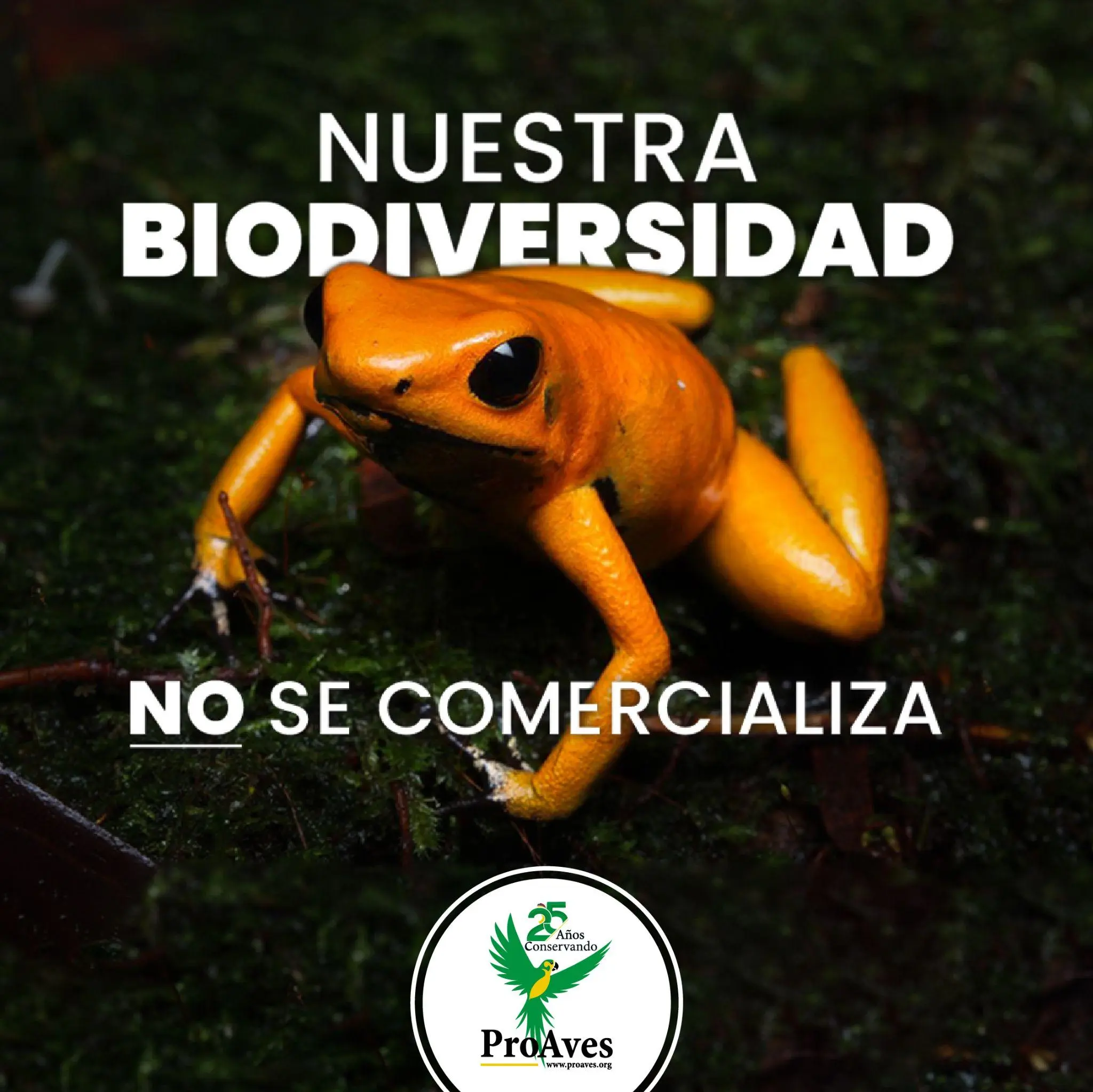
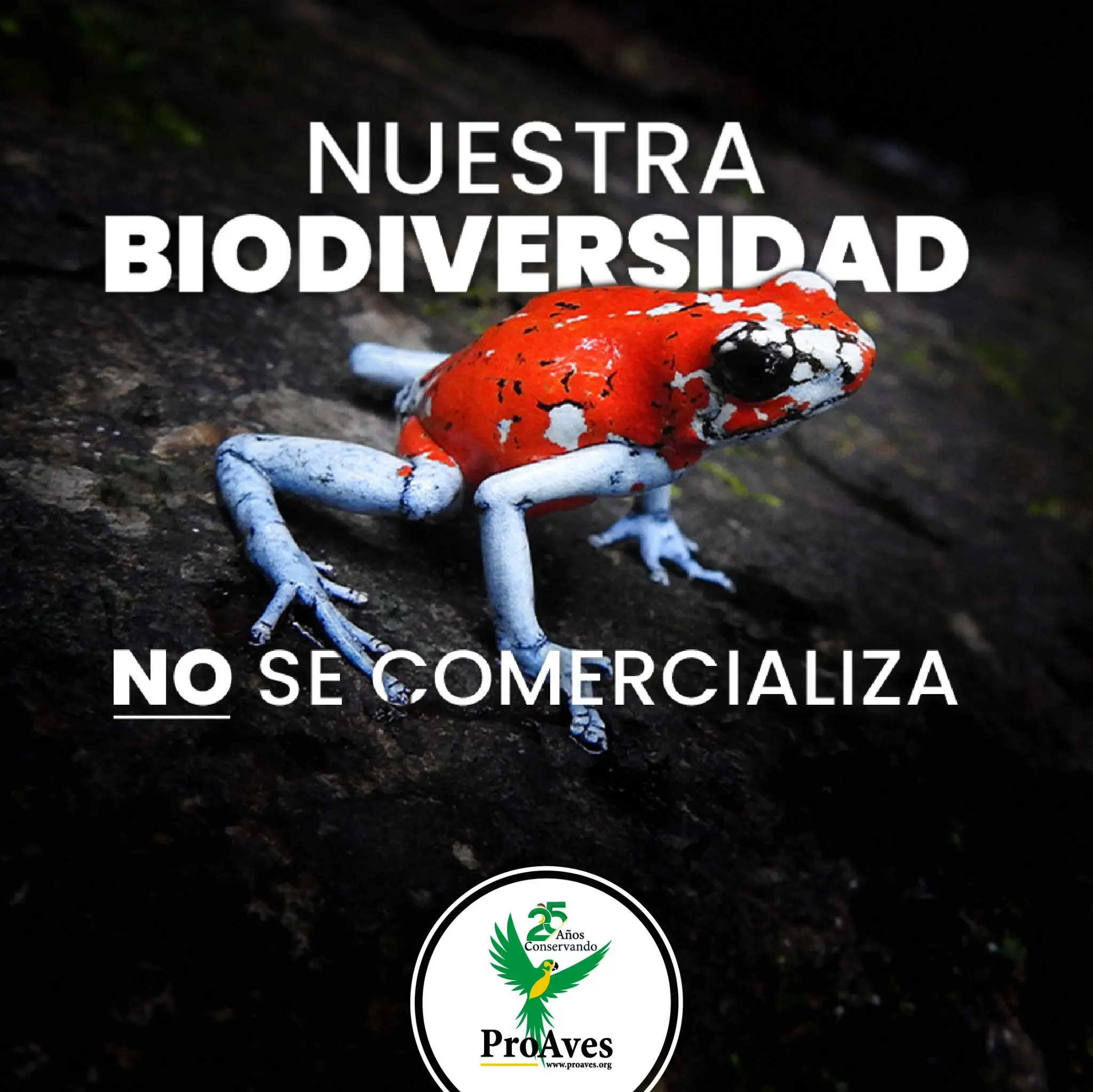
In recent months, the media reported the news of the trafficking of 130 individuals of the Sylvatic Poison Frog (Oophaga sylvatica) by a woman apprehended at the El Dorado International Airport in Bogotá. These species were intended to be transported to the city of São Paulo in Brazil, posing a risk to the biodiversity richness our country possesses.

Sadly, illegal wildlife trafficking is one of the leading causes of biodiversity loss worldwide. Additionally, it is considered the fourth most profitable global crime according to the United Nations Office on Drugs and Crime (UNODC). Therefore, over time, the work of raising awareness to discourage humans from engaging in trafficking becomes increasingly urgent in order to prevent species extinction.

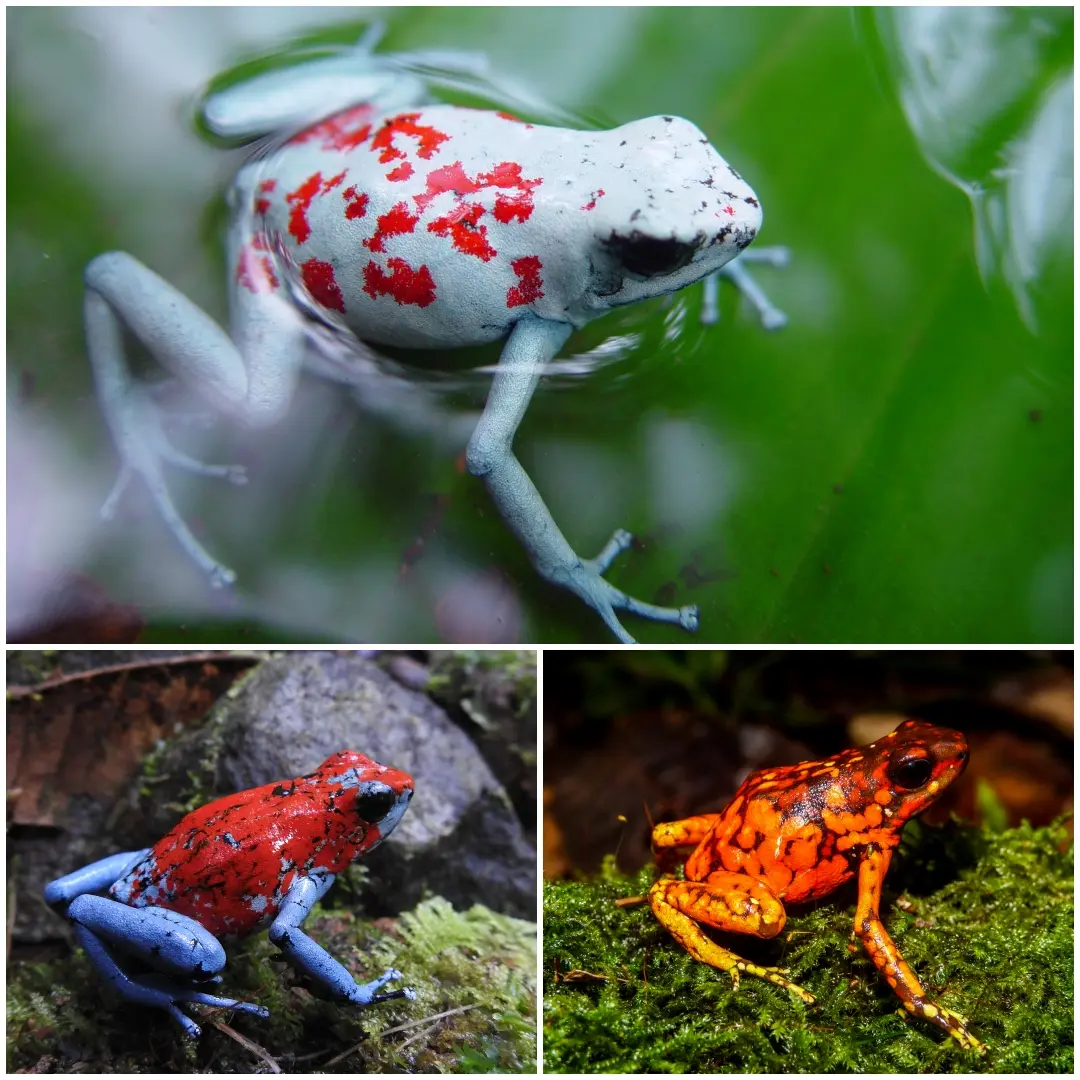
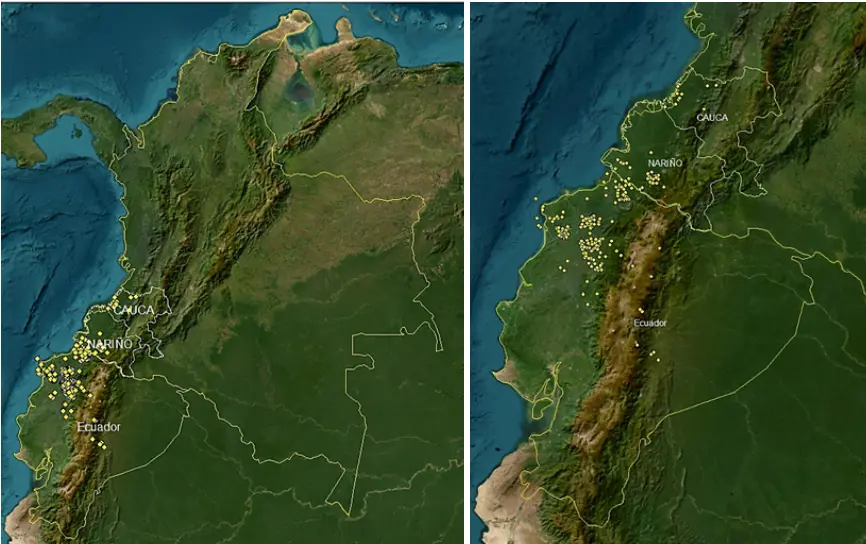
The Kiki frog (Oophaga sylvatica) is a species of poison dart frog, also known as the Red Devil, which is distributed in the tropical humid forests of the southern Pacific region in the departments of Cauca and Nariño in southwestern Colombia and in the northwest of Ecuador. It belongs to the Dendrobatidae group (poison dart frogs) and is one of the 7 species of frogs in the genus Oophaga found in our country.

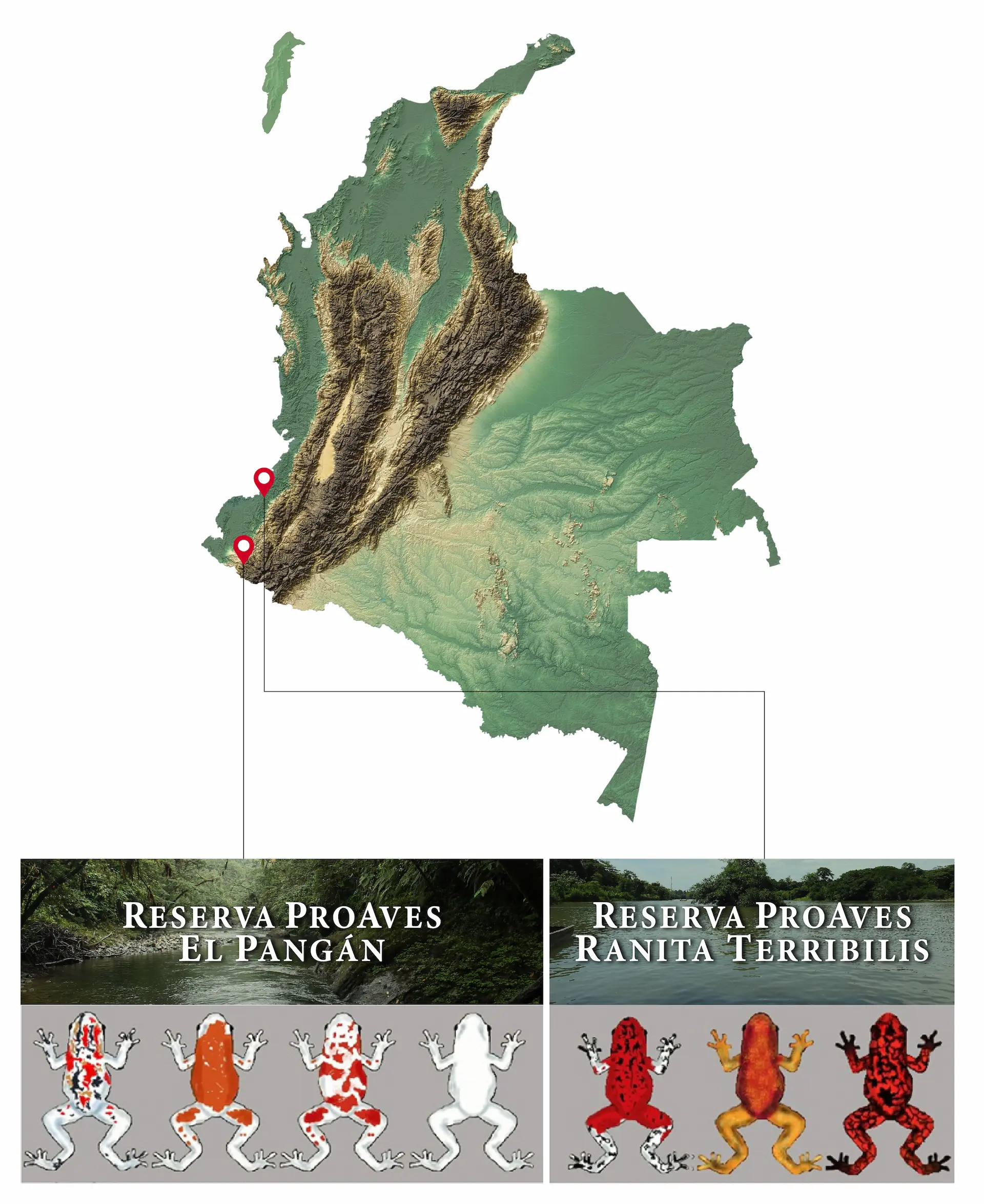
ProAves, which has been engaged in biodiversity conservation efforts for over 25 years, has also undertaken actions to protect amphibians. Currently, in the ProAves El Pangán and Ranita Terribilis Reserves, located respectively in the departments of Nariño and Cauca, 7 different morphs of Oophaga sylvatica are recognized (5 in El Pangán and 2 in Ranita Terribilis).

This frog, like the vast majority of amphibians in Colombia, faces serious threats to its survival due to ongoing habitat fragmentation, poisoning of water sources by mining activities, agrochemicals, and sewage. In addition to these challenges, these impressive frogs, known for their aposematic colors, are affected by the chytrid fungus or Bd (Batrachochytrium dendrobatidis), which attacks the skin of these amphibians.

In addition to these risks, these individuals are collected and traded by unscrupulous individuals who remove them from their habitats, pushing them to the brink of extinction. Websites such as Terraristik.com and Seshop.es.tl are dedicated to the commercialization of species, offering prices ranging from €250 to €350, which corresponds to over 1 million Colombian pesos per individual. According to Juan Carlos Arévalo, operational commander of the Metropolitan Police of Bogotá, collectors are willing to pay up to $1,000 per individual.

Unfortunately, in addition to amphibians, species of utmost importance such as the white-headed titi monkey, marine turtles, pink dolphins, spectacled bear, among others, are among the most common targets of these commercialization practices, putting biodiversity at risk.

The richness of fauna and flora in our country is of utmost importance, and conserving it requires actions ranging from environmental education to research aimed at raising awareness about the need to protect these individuals that give Colombia its astonishing beauty.

Join our conservation efforts!
Say no to illegal wildlife trafficking!

Categories
Educación ambiental News Proaves @en

Conserving the Critically Endangered Blue-billed Curassow: Women’s Empowerment & Accessible Healthcare in Puerto Pinzon

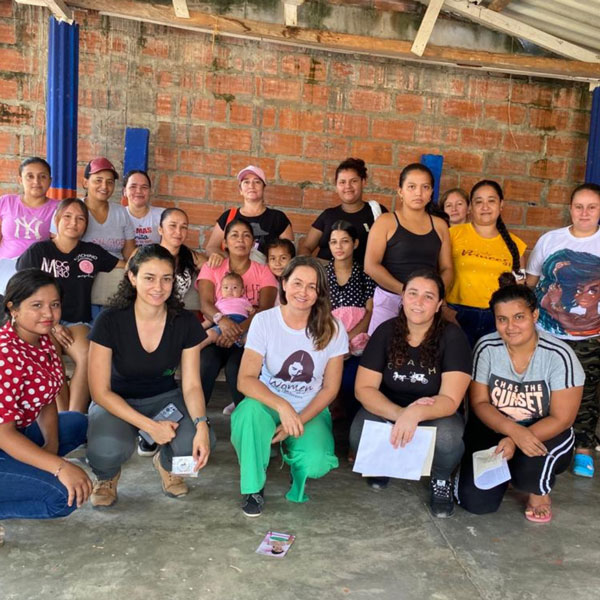
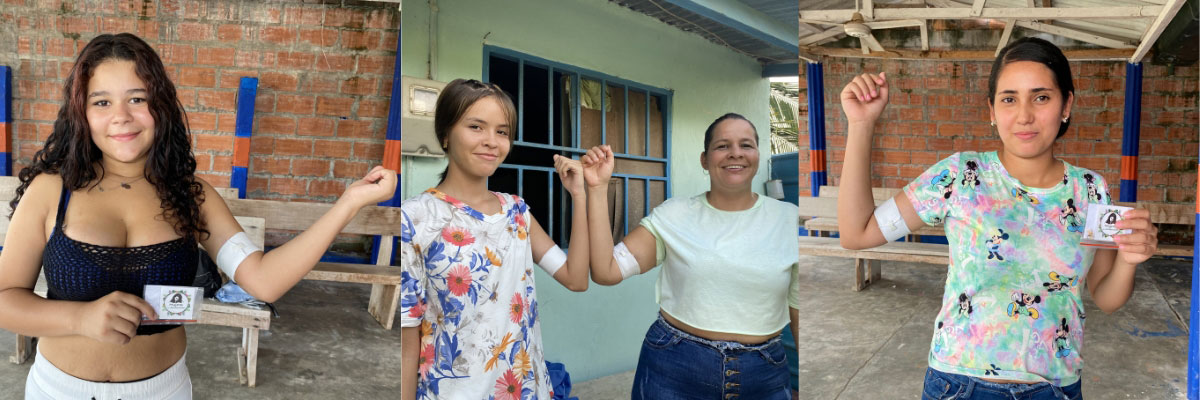
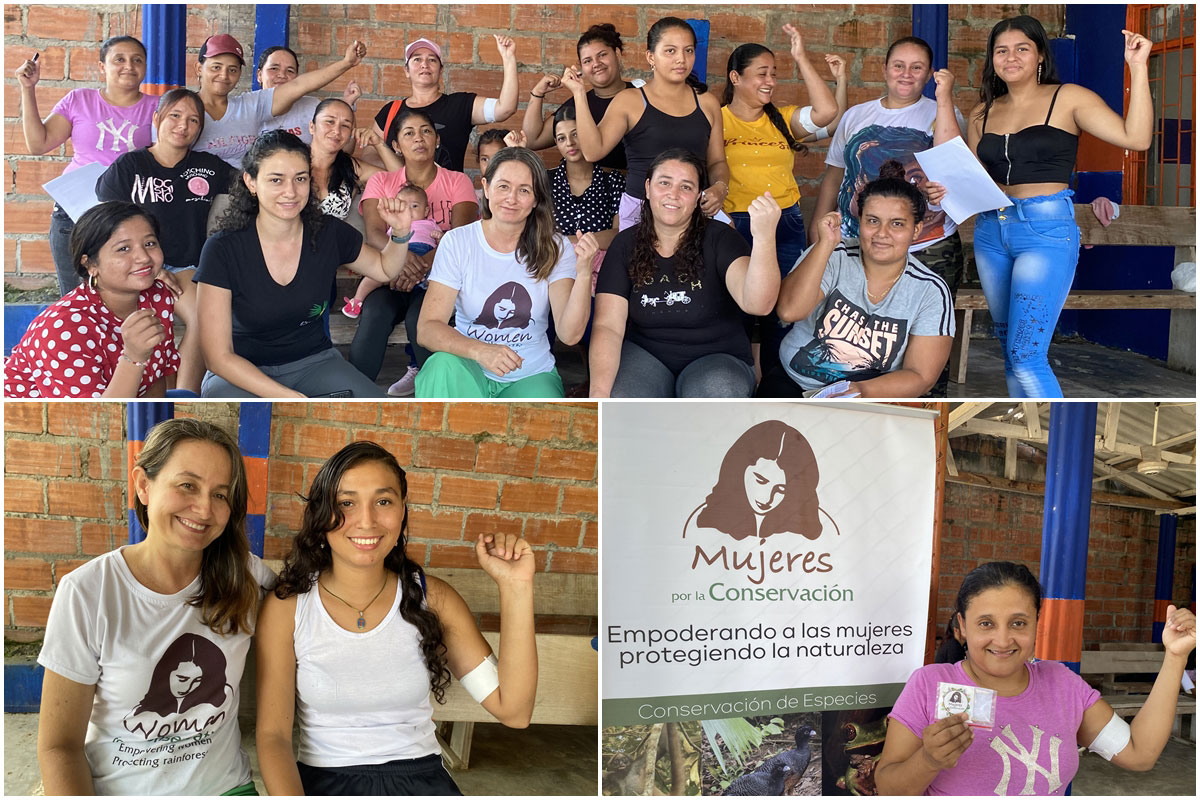
We are excited to announce the success of our first accessible Family Planning campaign in Puerto Pinzon, a rural Colombian community buffering our ProAves El Paujil ReserveWomen for Conservation and ProAves partnered with Profamilia to provide women with free and voluntary access to family planning and information about their reproductive rights.  From March 29-31st, 60 women in Puerto Pinzon chose to receive contraceptive implants to plan their pregnancies, which will reduce stress on local endangered wildlife and ecosystems.  

Accessible Family Planning as Conservation Solution

Facilitating accessible reproductive healthcare is considered a top solution to curbing global climate emissions and preventing the worst outcomes of human created climate change.  On the local level, allowing women to plan their families helps girls finish school, reduces strain on limited natural resources, and gives women the freedom to join our conservation training programs. 

ProAves and Women for Conservation understand that healthy communities are better equipped to become stewards of nature, while also allowing women to overcome gendered barriers to pursuing conservation work.  We facilitate free and voluntary access to family planning and reproductive healthcare education in order to make it accessible to all women. 

Through the gender empowerment and family planning program, we contribute to wildlife and ecosystems conservation in areas such as the Serranía de las Quinchas, between the municipalities of Puerto Boyacá, Bolívar, and Cimitarra in the departments of Boyacá and Santander, where our ProAves El Paujil Reserve is located, dedicated to the conservation of the Blue-billed Curassow, a critically endangered endemic species of Colombia. This reserve is also a focus area according to the research of and Alliance for Zero Extinction (AZE) and Key Biodiversity Areas (KBA) .


“We are convinced of the importance of family planning programs for women’s empowerment, which will directly mitigate climate impact, while also conserving local wildlife habitat.” affirmed Sara Inés Lara, Executive Director of ProAves and Women for Conservation.

For many women in Puerto Pinzón, this was their first ever opportunity to access comprehensive reproductive healthcare, as they are far from urban cities and lack access to adequate health centers.

The campaign has made it possible for women to have autonomy over their bodies and  decide how many children they want to have. It will allow dozens of young girls to graduate high school and fulfill their dreams of becoming the first in their families to receive a university education.  Many of the first teenage girls we  empowered with contraceptive implants in 2020 are now starting university, pursuing degrees in Education, Rural Sustainable Development Studies, and Biology, among other things.  

Ciria Torres, our Local Women for Conservation community organizer in Puerto Pinzón, spoke to the significance of this program to the girls and women of her community. 

“We have never before had a family planning campaign in Puerto Pinzón, but today for the first time it has arrived. We began this new program because we live very far from the city, which makes it difficult for women to have this procedure because they have to travel many times to the city.  It is difficult for women of Puerto Pinzon to make this long journey, on top of the high price of transportation and lodging expenses in the urban area.

Women for Conservation and ProAves (and profamilia) are covering the cost of this entire process, which helps this region. (Lack of reproductive healthcare) leads to the stresses of population pressure, as inhabitants are very poor and do not have sufficient economic resources to provide quality of life for their children.” – Ciria Torres 

Women for Conservation and ProAves are proud to have facilitated the first family planning campaign for women in Puerto Pinzón and to provide healthcare to rural women living far from medical centers.

Empowered women, the protectors of nature!

Thanks to the support of: