Fundación ProAves – por la conservación en el país de las aves

Categories
Articles Blog Conservacion News Noticias Las Tángaras Noticias Reservas Proaves @en

New areas of our ProAves Las Tángaras Reserve have been officially registered in SINAP — a key step toward strengthening the protection of the Chocó Biogeographic Region

For over 25 years, ProAves has worked to protect key ecosystems under critical threat in Colombia — a mission we continue daily, contributing to the conservation of our biodiversity. A clear example of this commitment is the inclusion of 1,632.8 hectares of our ProAves Las Tángaras Reserve in the National System of Protected Areas (SINAP) — an important recognition that strengthens our dedication to preserving the Chocó Biogeographic Region, one of the most naturally rich areas in the world.

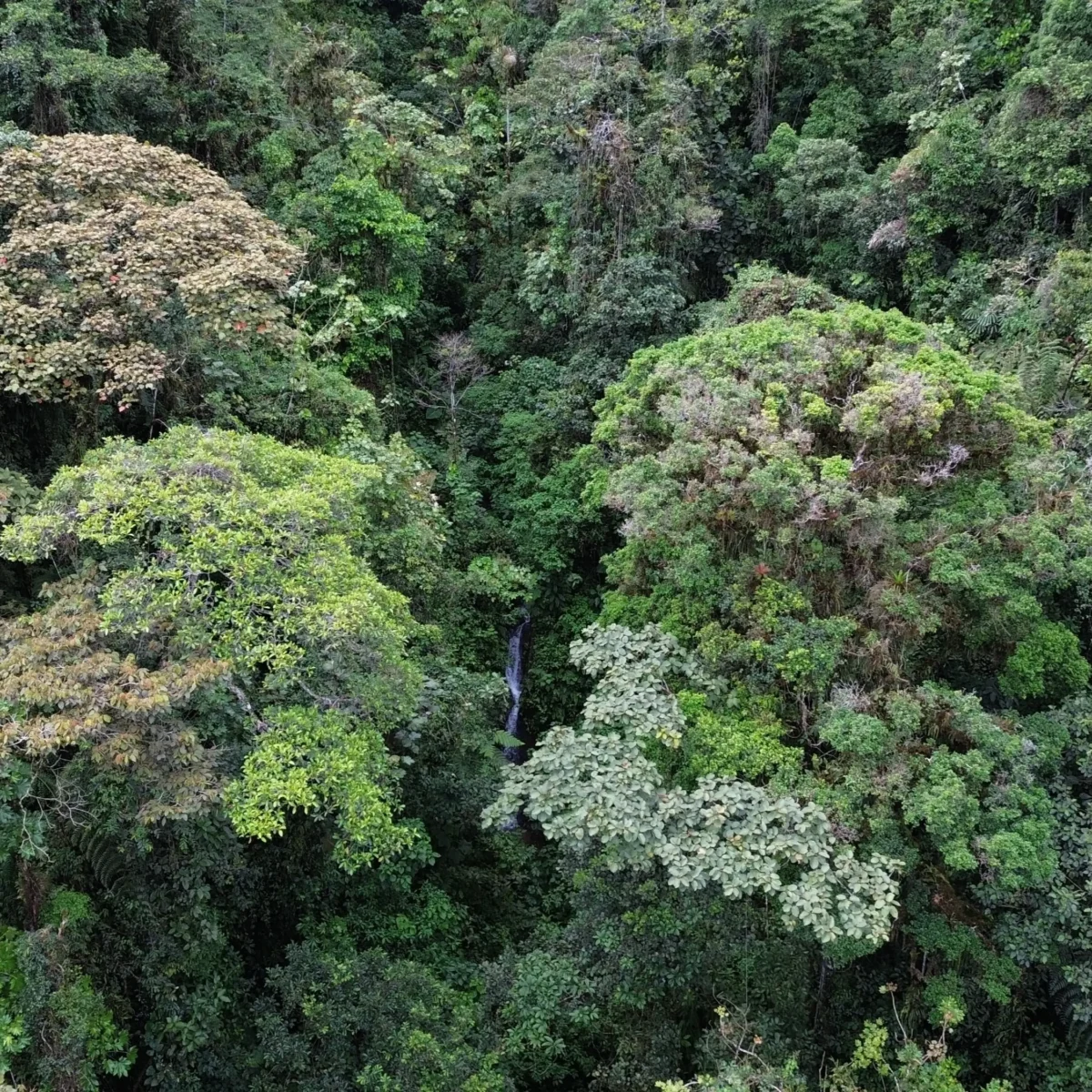
Our ProAves Las Tángaras Reserve is located in the municipality of El Carmen de Atrato, on the western slope of the Chocó Biogeographic Region. It is strongly influenced by the Atrato River and surrounded by very humid and rainy Andean and sub-Andean forests—ecosystems that shelter a great number of fauna and flora species, many of them endemic or endangered. Thanks to ProAves’ conservation efforts, nearly 95% of this reserve has been incorporated into SINAP under the categories of Regional Natural Park (65%) and Civil Society Nature Reserve (30%).

This is one of the richest birdwatching sites in Colombia, with a record of 348 bird species belonging to 45 families. Among them are the Munchique Wood-Wren (Henicorhina negreti), the Gold-ringed Tanager (Bangsia aureocincta), and the Black-and-gold Tanager (Bangsia melanochlamys) — all endemic and categorized as Vulnerable (VU) according to the IUCN Red List of Threatened Species. The reserve also protects a wide variety of orchids and bromeliads, characteristic of the region.

Our reserve is also home to a rich diversity of amphibians, with 26 registered species, nine of which are endemic to Colombia. Among them are the Lumpy-nosed Toad (Rhinella lindae), categorized as Endangered (EN), and the Rocket Frog (Silverstoneia nubicola), listed as Vulnerable (VU).

In terms of mammals, we have recorded 32 species, including nine of high conservation interest. These include the Spectacled Bear (Tremarctos ornatus) and the Oncilla (Leopardus tigrinus), both categorized as Vulnerable (VU).

The National System of Protected Areas (SINAP) is the network responsible for integrating and managing the country’s protected areas, ensuring their long-term conservation. In this context, registering new areas of our ProAves Las Tángaras Reserve encourages us even more to continue protecting the most threatened species in this invaluable biodiversity hotspot of the Chocó Biogeographic Region.

By joining this system, we receive official recognition as an area of strategic importance for biodiversity, which allows us to connect with other conservation initiatives and access key tools to strengthen nature protection efforts.

“This affiliation is a key aspect for ecosystem management, land-use planning, and sustainable development, in addition to facilitating monitoring and tracking efforts for biodiversity conservation, reforestation, proper water management, and pollution reduction. It is fundamental for a more efficient, responsible, and sustainable territorial management that promotes environmental conservation and community well-being,” emphasized Kruzi Paloma Carrillo León, Executive Director of ProAves.

At ProAves, we reaffirm our commitment to the conservation and restoration of forests and the species that depend on them. The inclusion of our ProAves Las Tángaras Reserve in SINAP motivates us to continue strengthening our actions in monitoring, ecological restoration, research, and environmental education, working hand in hand with communities and strategic allies to ensure a sustainable future for our biodiversity.

For conservation in the country of birds!

Categories
Articles Blog Conservacion News Proaves @en

Rural Youth and Kogui Indigenous People from the Sierra Nevada de Santa Marta Learn About Birdwatching and Identification

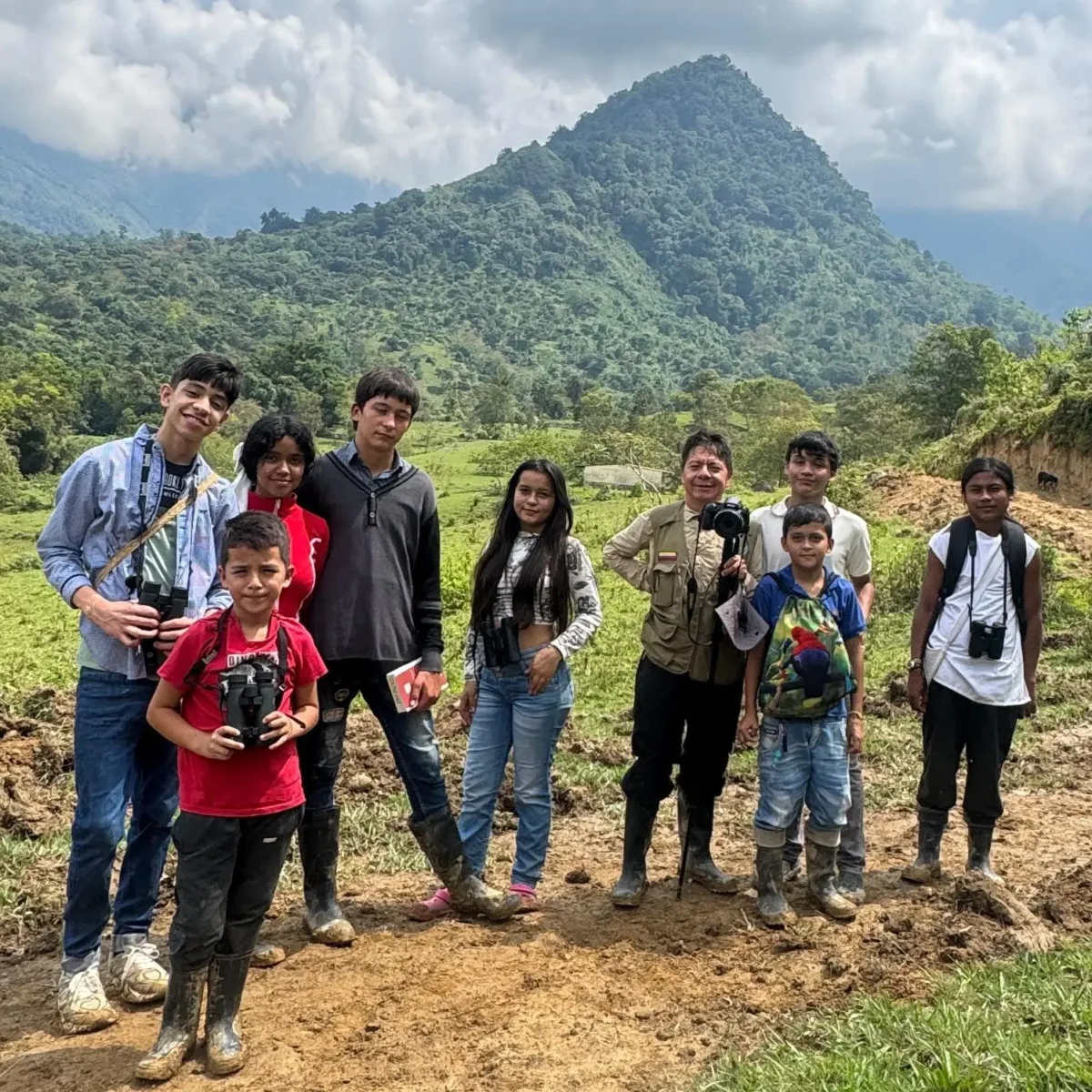
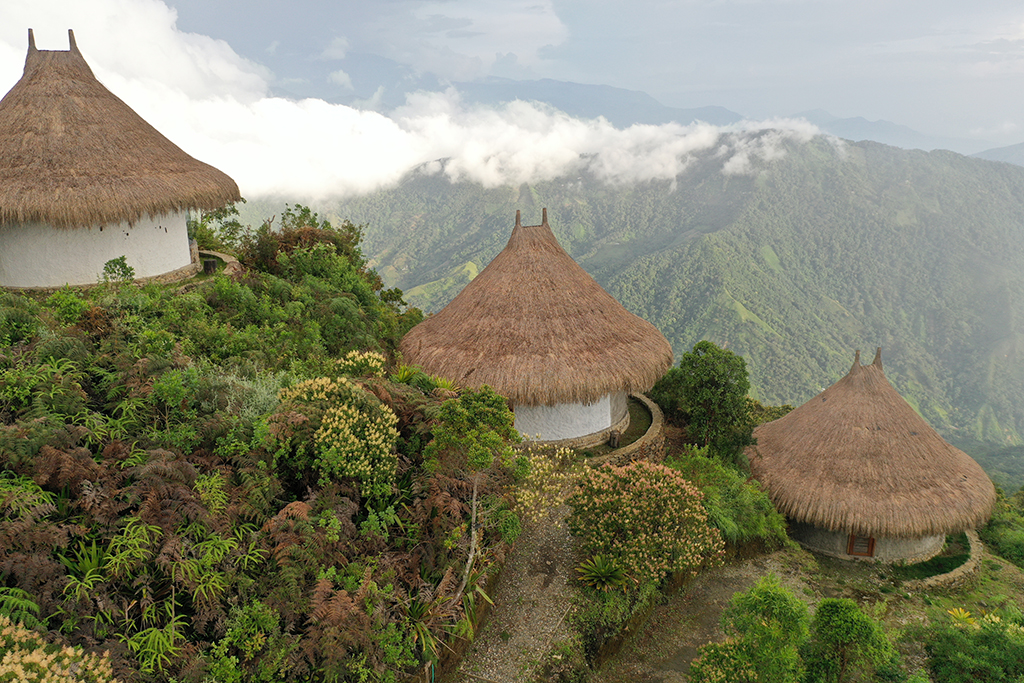
At ProAves, we work to promote ecotourism and environmental education in communities near our conservation areas. As part of this commitment, we continue to provide training in birdwatching and identification. This time, the initiative was directed at a group of rural youth and Kogui Indigenous people from the Bethel district and the Palestina village, located in the heart of the Sierra Nevada de Santa Marta, within the area of influence of our ProAves El Dorado Reserve.

With this initiative, we seek to promote knowledge and the conservation of local biodiversity through learning and observing the birdlife that inhabits the region.

The training was led by Juan Carlos Luna, a member of Fundación ProAves and an expert ornithologist, who shared specialized bird identification techniques with the participants. He also provided key information about their behavior, habitats, and the importance of their protection.

During the training sessions, the young participants had the opportunity to take field trips, where, equipped with binoculars and specialized guides, they put their new skills into practice and recorded various iconic species of the Sierra Nevada de Santa Marta. Among them were migratory species such as the Blackburnian Warbler (Setophaga fusca) and the Rose-breasted Grosbeak (Pheucticus ludovicianus), as well as endemic species like the Santa Marta Foliage-gleaner (Clibanornis rufipectus) and the Santa Marta Tapaculo (Scytalopus sanctaemartae).

This activity not only expanded their knowledge of birdlife but also sparked a greater interest in protecting the natural environment and considering ecotourism as a sustainable alternative for their communities’ development.

This training program adds to previous efforts carried out with the Emberá Katío Indigenous community in the Chocó department, offering them an opportunity to enhance their economic activities while fostering a deeper connection to the biodiversity that surrounds them.

At ProAves, we reaffirm our commitment to environmental education and biodiversity conservation, creating learning spaces that connect new generations with nature and provide them with the tools to protect it.

Categories
Articles Blog Conservacion Investigación News Noticias Reservas Proaves @en Revista

We are launching Volume 29 (2) of our Conservación Colombiana Journal, contributing to scientific research and biodiversity protection

The Conservación Colombiana Journal is a space dedicated to scientific research and knowledge on biodiversity in Colombia and other regions of Latin America. With a rigorous and multidisciplinary approach, the journal has established itself over more than 25 years as an essential tool for researchers, educators, and conservation enthusiasts, significantly contributing to the care of biodiversity and the protection of wildlife and their ecosystems.

Volume 29 (2) of the journal includes nine articles highlighting innovative research and important findings for the preservation of species and their habitats. Among the key topics covered in this edition are details on the ecological characterization of flora, herpetofauna, mammal fauna, and birds in the ProAves Las Tángaras Reserve, located in El Carmen de Atrato, Chocó, which has been declared a Regional Natural Park. This declaration underscores the importance of conserving one of the country’s most biodiversity-rich ecosystems, the Biogeographic Chocó.

Additionally, one of the articles reports the main challenges and opportunities for agrobiodiversity in Perú, providing a comprehensive analysis exploring how biodiversity can be key to sustainable development.

Foto: Nigel Voaden

This edition highlights the notable sighting of Eriocnemis mirabilis in the Peñas Blancas district, rural area of Cali, Valle del Cauca. This hummingbird, classified as Endangered (EN) and endemic to Colombia, is also the emblematic bird of the Munchique National Natural Park. This sighting is a significant record, expanding knowledge about its distribution and conservation efforts.

The Conservación Colombiana Journal not only highlights advances in research and conservation in Colombia and Latin America, but this content also serves as a reference for the academic community and a key resource for those working to protect wildlife and their ecosystems.

To access the full journal, visit the following link: https://proaves.org/blog/conservacion-colombiana-volumen-29-numero-2/

Categories
Articles Blog Investigación News Noticias El Dorado Proaves @en Uncategorized @en

ProAves and CORPAMAG signed an agreement that will contribute to the conservation of the most endangered ecosystems and species in the Magdalena department.

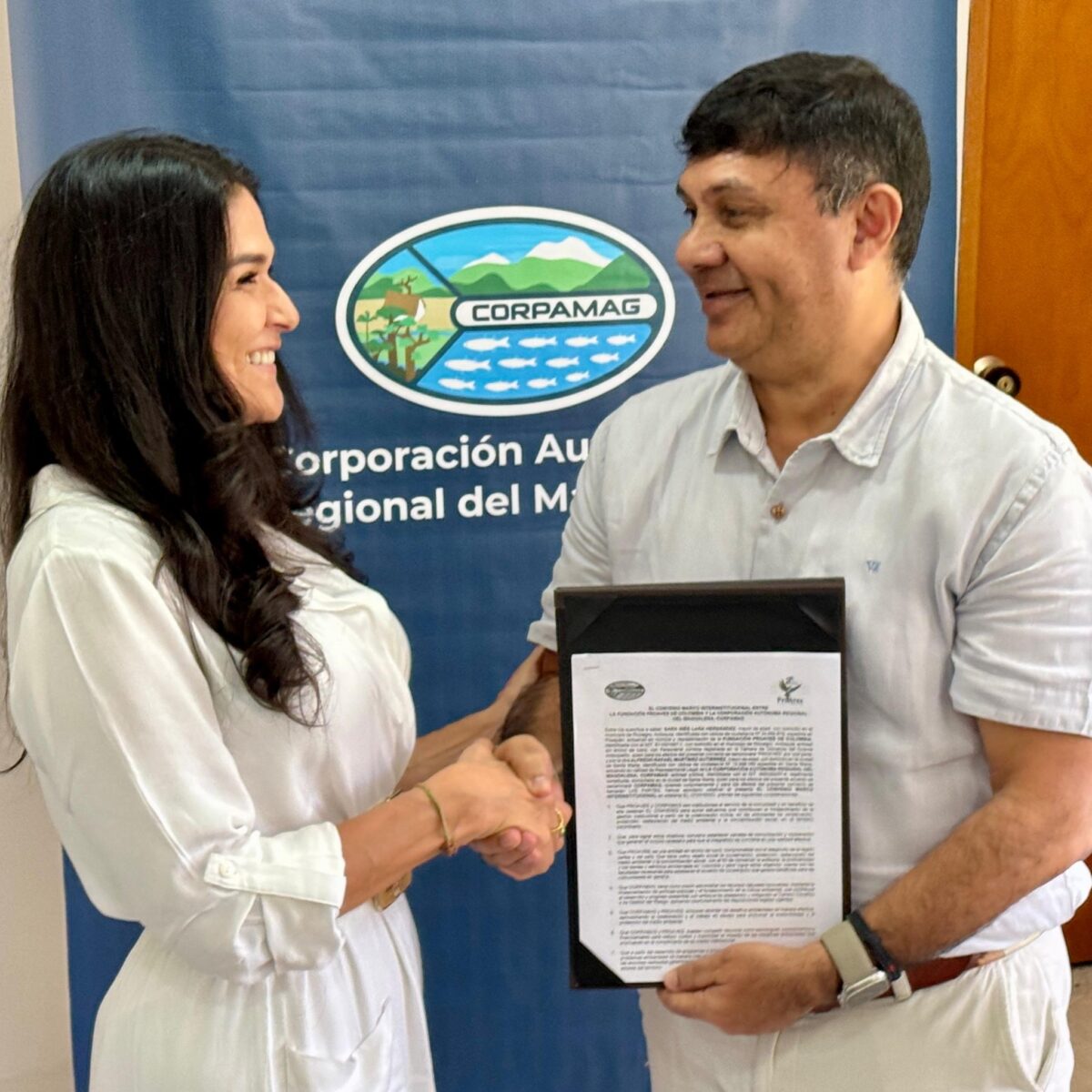
In an important step towards biodiversity conservation, ProAves and the Magdalena Regional Autonomous Corporation (CORPAMAG) signed an inter-institutional agreement that seeks to carry out conservation and restoration actions on the San Lorenzo ridge, in the Santa Marta District, to protect prioritised species in the Department of Magdalena.   


The signing of this agreement took place at the Corporation’s headquarters, with the presence of Sara Inés Lara, Executive Director of ProAves and the General Director of CORPAMAG, Alfredo Martínez Gutiérrez.

The agreement establishes a framework for collaboration that will allow the execution of specific projects aimed at protecting critical habitats and preserving biodiversity. The region faces various threats due to the loss of its natural environment and human activities. Through this alliance, we hope to implement ecological restoration and community awareness strategies, involving local communities in the defense of their natural heritage.

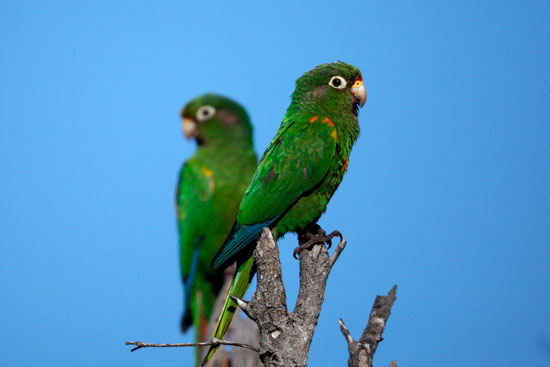
One of the main focuses of the agreement is the protection of the remaining habitats on the upper part of the San Lorenzo ridge, in the ProAves El Dorado Reserve, a vital area for biodiversity that protects more than a thousand hectares of forest in an excellent state of conservation. There, reforestation campaigns, eradication of invasive species and conservation programs focused on the protection of species such as the Santa Marta Parakeet (Pyrrhura viridicata) and various species of endemic amphibians, such as the Magdalena giant glass frog (Ikakogi tayrona).

The agreement also includes a research component to measure the impact of conservation actions and monitor birdlife and its population growth. This effort will allow the effectiveness of the implemented strategies to be evaluated and contribute to scientific knowledge of the species that are inhabiting the region’s ecosystems.

“This agreement marks a very important point for the protection and conservation of biodiversity of the Sierra Nevada de Santa Marta. With this collaboration, we will advance in the protection of habitats that are in danger of extinction and the species that inhabit them. We are working closely together to implement conservation, research and environmental education strategies. That will allow us to have quick and concrete results that would benefit local communities and biodiversity,” said Sara Inés Lara, Executive Director of ProAves during the signing of the document.

On its behalf, the Autonomous Corporation of Magdalena highlighted the importance of inter-institutional collaboration as a key tool to address the environmental challenges affecting the region.

“With the signing of this agreement, we will have an opportunity to continue strengthening the protection and conservation of the Sierra Nevada of Santa Marta. We are joining forces to allow us to have planning instruments that, through regulations, guarantee the use of protection and conservation of these important areas. Areas such as the El Dorado Reserve, which is of great interest from an ecosystemic point of view.  As well with this agreement working hand in hand with the communities. Taking into account the great experience that ProAves already has in the territory” said Alfredo Martínez Gutiérrez, General Director of CORPAMAG.

This agreement is a reflection of the commitment of both parties to promote sustainable development and guarantee the health of the ecosystems that sustain life in Magdalena. With this joint effort, ProAves and the Magdalena Autonomous Corporation hope not only to protect local biodiversity but also to foster a culture of perpetual conservation with the communities of the region.

Categories
Blog Conservacion Educación ambiental News Noticias Loro Orejiamarillo Proaves @en

Yellow-eared Parrot and Migratory Bird Festival, a space to celebrate biodiversity in Jardín, Antioquia

The yellow-eared parrot is a symbol of biodiversity and its conservation in Colombia, being a species that thanks to the efforts of many entities has had great success in its recovery.  Moving from the Critically Endangered category to a Vulnerable category according to the Red List of Threatened Species of the International Union for Conservation of Nature IUCN. For this reason and because this species has had a great significance for environmental awareness in the municipality of Jardín, it is a perfect reason to celebrate the Yellow-eared Parrot Festival year after year.

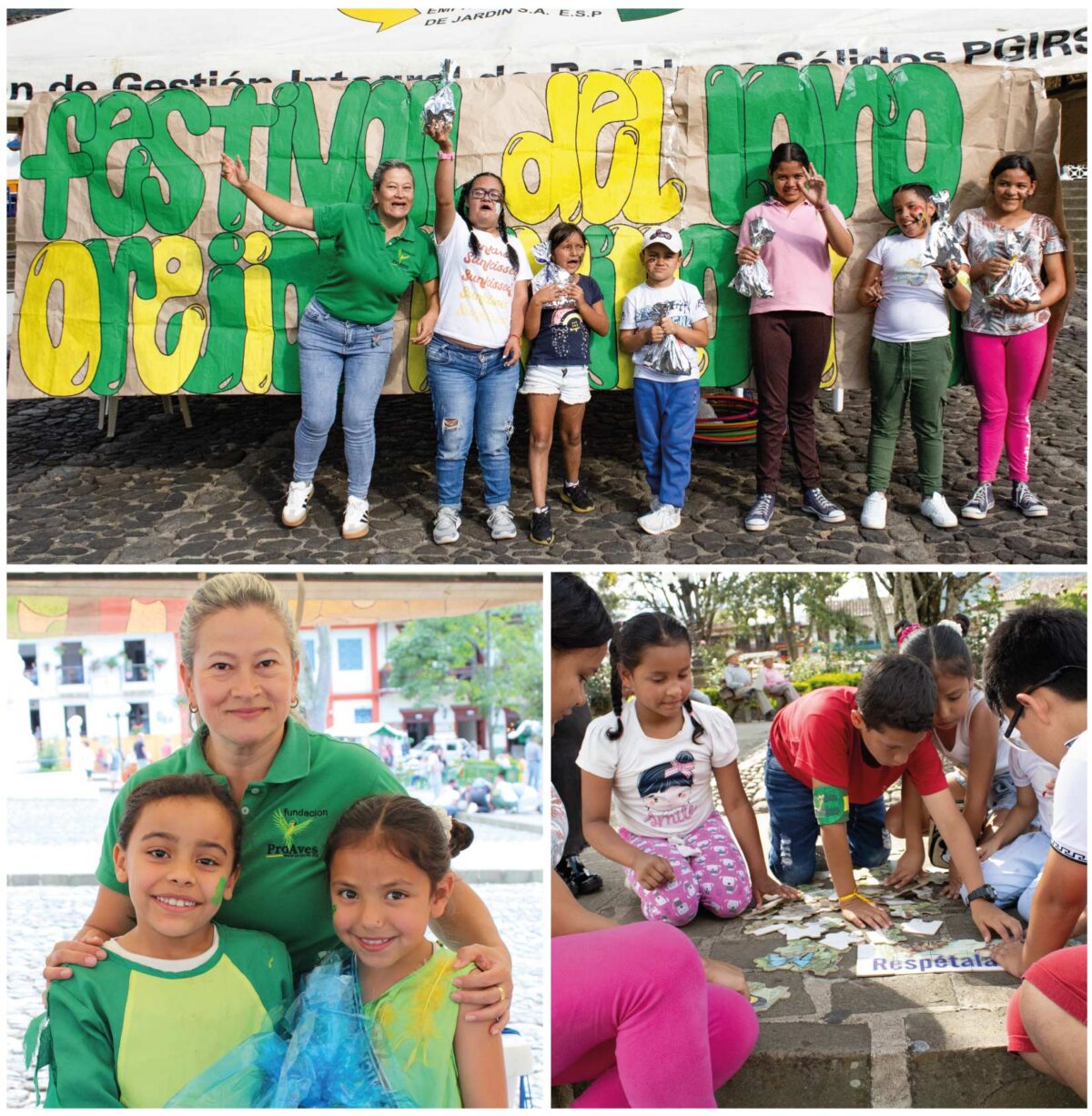
The municipality of Jardín, in the southwest of Antioquia, was the scene for this festival on the 11th and 12th of October.  A festival that brings together those who are interested in birds and their conservation, as well as the community in general. Providing a recreational and educational space to teach about the importance of the conservation of the Yellow-eared Parrot and the conservation of nature in general.

Since the 12th of October 2024, was also the International Day of Migratory Birds, the festival also included a joint celebration. Where we also paid tribute to these extremely far travellers who arrive in our territory every year. For this reason, it was called the “Festival of the Yellow-eared Parrot and Migratory Birds.”

On October 11th, the Festival was held in the main park of the municipality, where children enjoyed various interactive activities and workshops focused on the knowledge and conservation of birds. During that day, not only was the beauty of the Yellow-eared Parrot, an emblematic species of the region, highlighted but also the importance of migratory birds was made known.  Some species travel thousands of kilometres/miles to protect themselves from the cold, seek food and find a safe harbour during the winter season in our territory. 

El día 12 de octubre se programó una visita y recorrido a la Reserva ProAves Loro Orejimarillo de  con un grupo de niños que hacen parte del programa Escuelas Amigas de las Aves, para que fueran participes del avistamiento y registro de las especies de aves propias de la Reserva, durante la jornada mundial de avistamiento de aves migratorias denominada October Big Day OBD, liderada por el Laboratorio de Ornitología de la Universidad de Cornnell y apoyada por cientos de organizaciones ornitológicas de todo el mundo, al igual que por todas las organizaciones ornitológicas del país.       

On October 12th, a visit was scheduled to the ProAves Loro Orejimarillo  Reserve with a group of children who are part of the Bird-Friendly Schools program.  S in that way they could participate in the observations and recordings of the Reserve’s native bird species, during the global day of migratory birds called October Big Day OBD, led by the Cornell University Laboratory of Ornithology. This event is supported by hundreds of ornithological organizations from around the world, as well as by all the ornithological organizations in the country.

At ProAves we continue our work of raising awareness and environmental education, promoting love for nature and the need to protect Colombia’s wealth of biodiversity. Year after year, this festival consolidates itself as a key space to connect the community with its natural environment and promote the conservation of birds and nature.

Categories
Articles Blog Conservacion Educación ambiental News Proaves @en

ProAves at COP16: A journey for bird conservation & global biodiversity

We participated in COP16, the most important biodiversity event on the planet, where we were able to tell the whole world about our work on bird conservation we have been doing for more than 25 years.

The ProAves team, led by our Executive Director Sara Inés Lara, actively participated in the key spaces of COP16 such as the Blue Zone, an area dedicated to negotiations and the exchange of ideas between governments, organizations and biodiversity experts themselves.

In addition, our Executive Director was a speaker at the symposium “Women of Biodiversity for Biocultural Water Territories” and moderator of the panel: Exchange of Experiences, organized by the E.O. Wilson Foundation. In these spaces, the importance of women’s participation in the preservation of territories and their ecosystems was highlighted.

On the other hand, Andrea Borrero, from the ProAves research area, participated in the discussion “Zero Extinction Areas in Colombia”, organized by the Humboldt Institute. Here is where strategies for the protection of Colombian ecosystems and the prevention of species extinction were discussed. 

We also had an information stand in the Green Zone at COP16, where we welcomed visitors from around the world interested in learning more about our 27 nature reserves and the conservation work that is linked to environmental education and research.


The presence of costumed performers such as the majestic harpy eagle (Harpia harpyja), the gorgeted puffleg (Eriocnemis isabellae) and the blue-billed curassow (Crax Alberti) caught the attention of many visitors due to their realism and size. The attendees of the event took advantage of taking photographs or just having fun with these species of great importance for Colombian birdlife.

To foster the love for birds and their ecosystems, the Conservation Chiva bus travelled more than 1,200 kilometres (750 miles) to reach COP16 and tell the world about the wonderful event of bird migration. With educational activities, games and hundreds of smiles. This mobile environmental classroom managed to transmit playfully the importance of conserving migratory birds, captivating both children and adults alike.

Our participation at the COP16 reaffirms our commitment to conservation. To strengthen national and international alliances to protect the wildlife and natural heritage of Colombia and therefore the world.

Together for conservation in the land of 

Categories
Articles Blog News Proaves @en Proyecto Santander

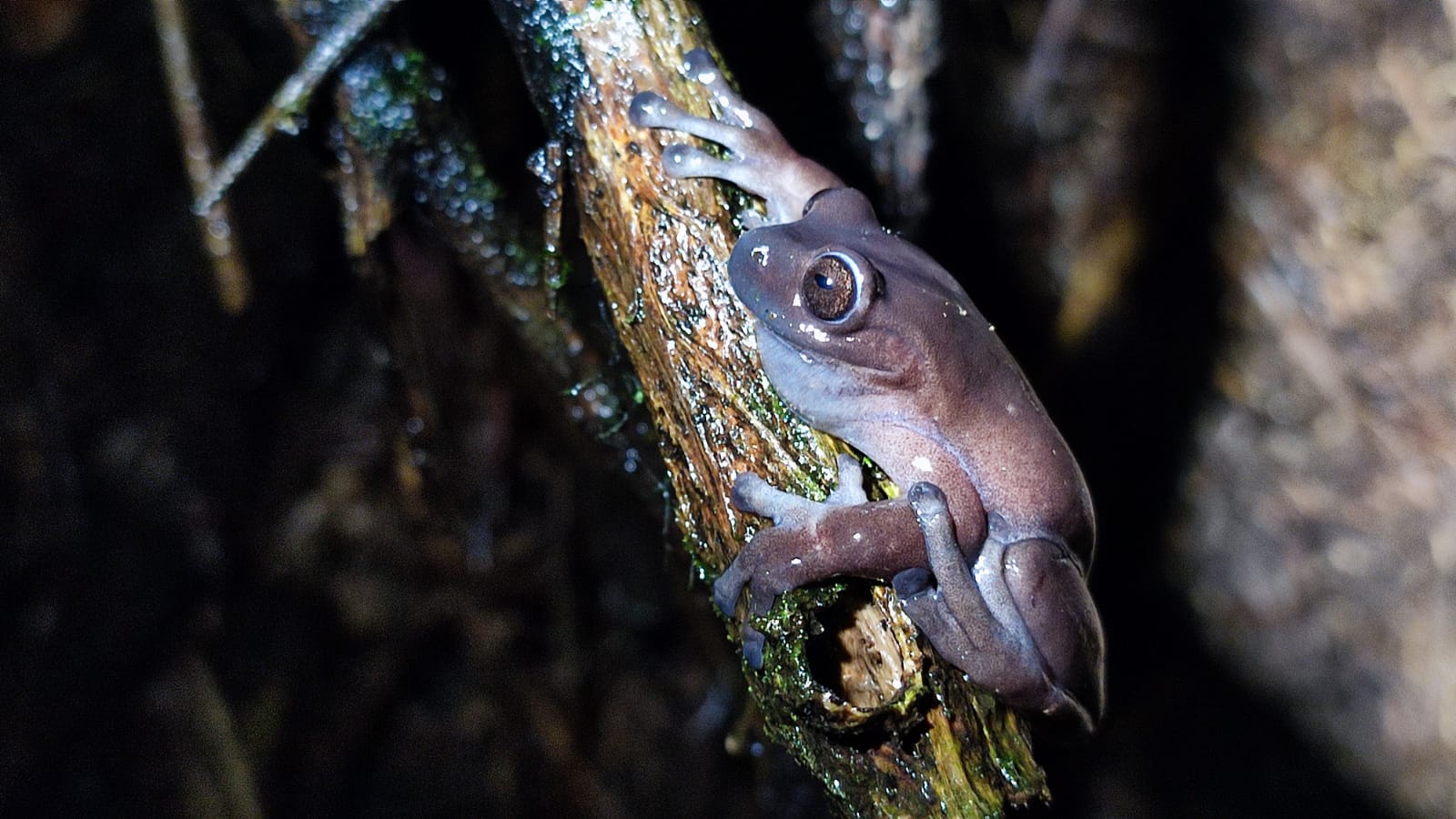
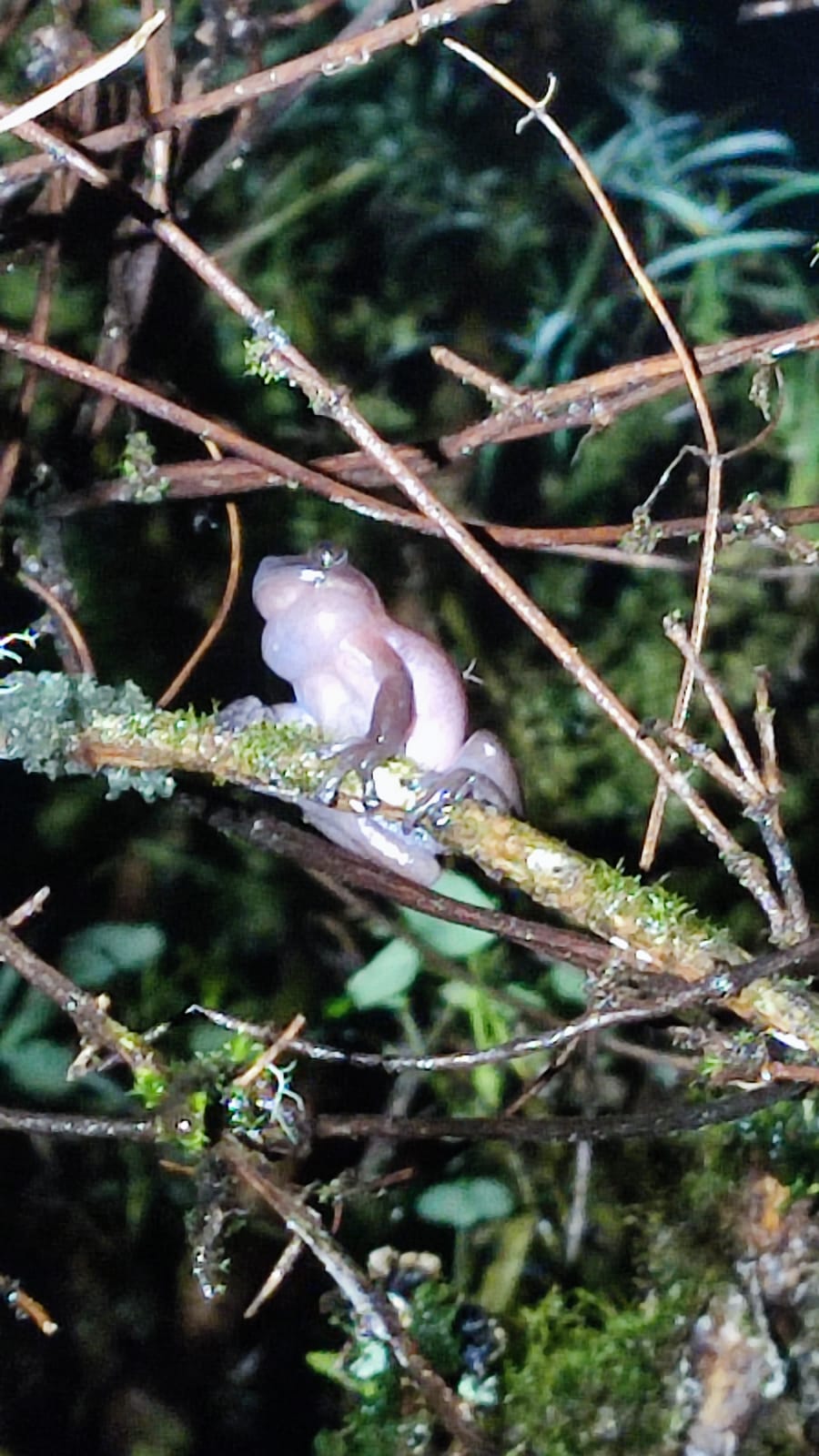
Rediscovered Critically Endangered Amphibian after 36 years: Lynch’s Colombian tree frog

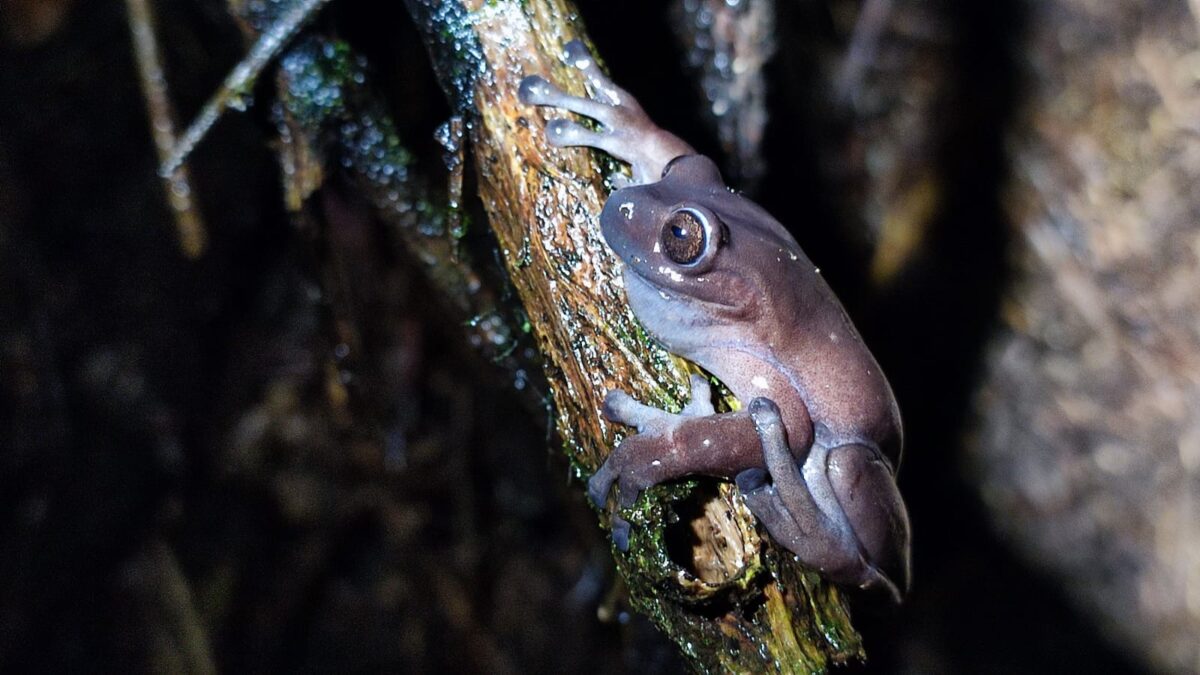
Last seen 36 years ago, Lynch’s Colombia Tree Frog (Hyloscirtus lynchi) was considered extinct after many unsuccessful searches by hundreds of researchers over recent decades.

This large arboreal frog was discovered by Dr John Lynch and Dr Pedro Ruiz and is restricted to montane cloud forest of the eastern Andes of Santander department. It is assessed by the IUCN Red List as Critically Endangered (CR), mainly due to the continuous impact of deforestation resulting in a decrease of its natural forest habitat.

After 9 months of searching for this species, Fundación ProAves researcher Elson Meneses finally located the first Lynch’s Colombia Tree Frog individual after 36 years in a new location of the edge of its suspected range. We suspect that the species has disappeared from its original habitat and now located at a higher elevation suggesting the effects of climate change have pressured it to gradually seek cooler climes higher in the Andes, but where very little natural habitat remains.

Lynch’s Colombian Tree Frog is part of a group of frogs of the genus Hyloscirtus called bogotensis, and is the unique of its group, by its uniform brown color with a lavender-colored sheen, and for presenting a sharp face in dorsal view.

Fundación ProAves researchers will intensify research towards establishing a Conservation Action Plan and then implement direct conservation actions to save this highly endangered species.

We are grateful to the intense fieldwork of Elson Meneses and other Fundación ProAves researchers and for support from the Mohamed Bin Zayed Species Conservation Fund.

Categories
Blog Uncategorized @en

ProAves in the development of bird tourism in Colombia

By Pablo Flórez

Colombia is one of the most beautiful and biodiverse countries on the planet. With over 1,941 species of birds, it possesses the highest number of species in the world. For any bird watcher or ecotourist Colombia is very attractive. On a low budget you can observe numerous birds as well as many ecosystems in a short time.

Although bird watching has occurred since the early 20th century, it was only around 1965 that Ornitholidays appeared in England, the first company dedicated to bird watching tourism. Bird tourism had an exponential increase thanks to lower-cost flight and the as availability of identification books and experienced local guides. And importantly, during the last decade digital photography has become highly advanced and affordable.

Ecuador, Costa Rica and Panamá pioneered this activity, followed by Peru, Brazil and Argentina. Today there is a good tourist infrastructure consisting of lodges, feeders, hides, and canopy towers and walkways.

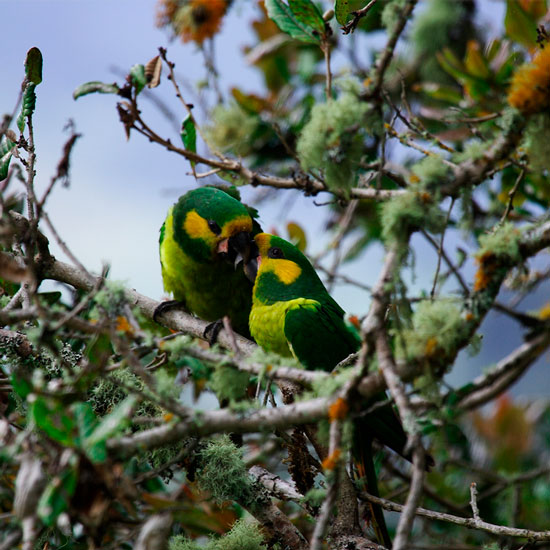
Yellow-eared Parrot (Ognorrhynchus icterotis)

Potential for bird tourism in Colombia

In Colombia bird watching tour began in the early 1990s where pioneers like Paul Coopmans and Steve Hilty brought a few clients. Between 1996 and 1999, Dr. Paul Salaman led the first tours in Colombia with the goal of observing 1,000 bird species in 30 days in order to promote the country as a travel destination.

Unfortunately, between 1998 and 2003 the security situation in Colombia became very difficult, delaying the development of bird tourism. However, between 2003 and 2009, the Belgian Jurgen Beckers travelled extensively and designed tour routes incorporating many interesting species, and helped move the country away from the bad reputation it had due to the internal conflict.

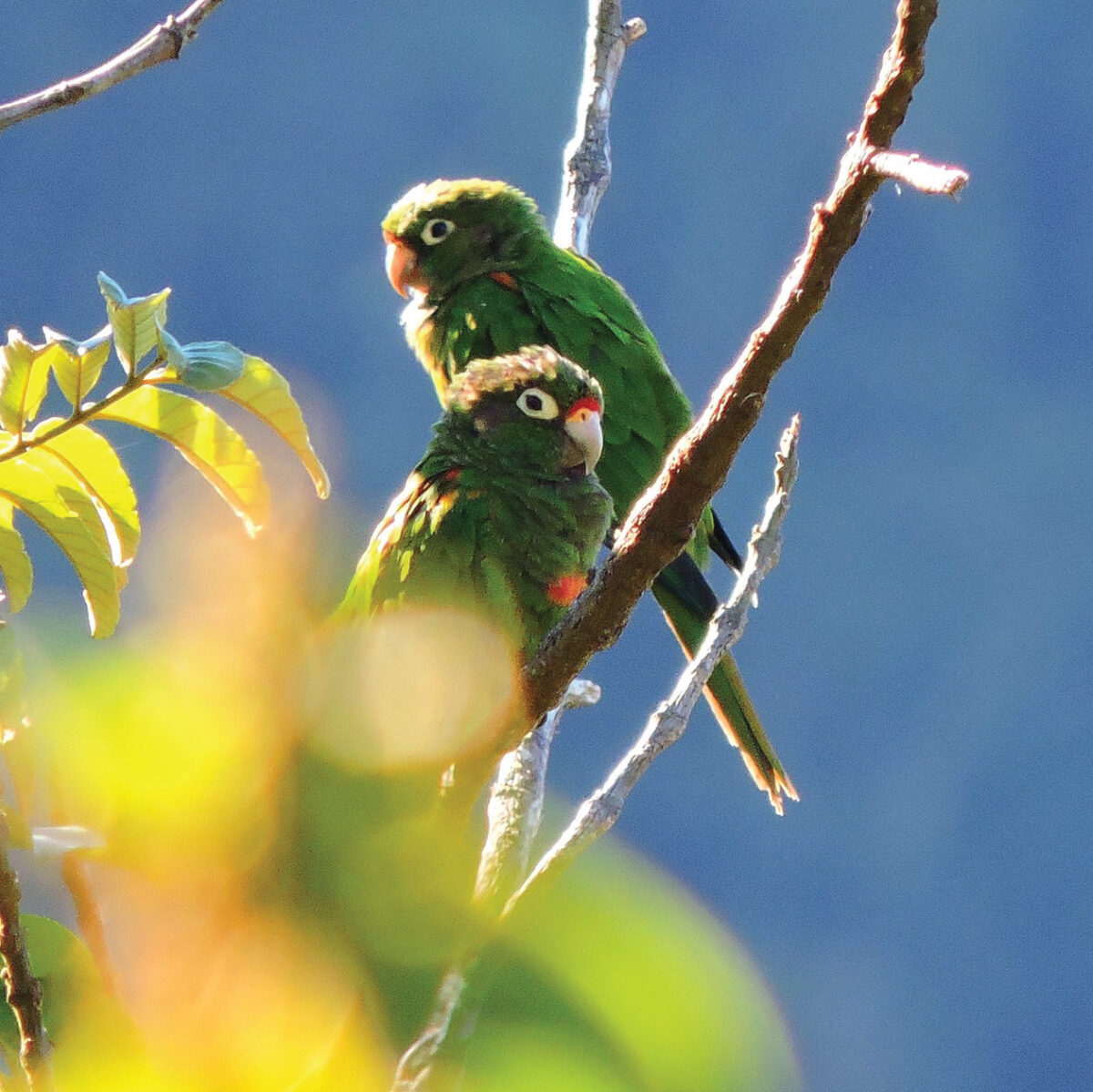
Santa Marta parakeet (Pyrrhura viridicata)

Fundación ProAves was born in 1998, and was legally established in 2001, creating the first private Nature Reserves in the country to protect critical sites of bird biodiversity in Colombia. Between 2002 and 2015, Reserves were established for bird watching, including’s ProAves Reserves El Dorado (in the Sierra Nevada of Santa Marta), El Pangán (a place with mega-diversity in the Pacific foothills of Nariño), Loro Orejiamarillo, Colibrí del Sol and Arrierito Antioqueño (in the mountains of Antioquia), and El Paujil (located in the most important forest of Magdalena Medio). In total 28 ProAves Reserves encompass more than 60,000 hectares of protected ecosystems, having more than 1,600 species and the majority of endemic and threatened birds. The Foundation did a remarkable job developing bird watching tours within and route to their Reserves and training some of the first guides in Colombia, who now have their own companies.

In 2007 ProAves organized the first fam trip (for familiarization) of bird watchers coming from outside Colombia. Several of the best guides in the tropics and representatives of birding tours companies (such as Nick Athanas, Frank Lambert, Steve Hilty, and Bradley Davis) visited reserves and promoted Colombia as a safe and satisfying birding destination.

The result was a large advance in bird tourism, as the Colombian government itself recognized its potential contribution to sustainable development.

In 2008 ProAves became the first Colombian Foundation to have a stand at the famous annual Bird fair in England. This was a major advance in publicizing Colombia was as a safe ecotourism destination. In that year, the Foundation created the first bird-tourism company, EcoTurs Colombia, to operate tours in Colombia and manage the tourism infrastructure of ProAves Reserves.

In 2010 ProAves published the guide to the birds of Colombia in English (which had not been updated? since 1986). A second edition of the English version appeared in 2014 under the guidance of Miles McMullan and Thomas Donegan.

Without doubt, El Dorado and Las Tángaras (The Tanagers) ProAves Reserves have become benchmark tourism lodges for other Reserves in Colombia.

Ecotourism for the sustainable development in Colombia

Ecotourism is an excellent way to generate employment, protect ecosystems, and publicize the country’s resources. We are happy and proud to actively conserve nature and generate prosperity for Colombia. And we believe that tourism in ProAves Reserves, by Colombians and foreigners, is essential to sustain these young reserves for the birds of Colombia.

Our achievements are: the world famous El Dorado lodge, excellent bilingual field guides, the promotion of Colombia as an international premier birding destination, and the attraction of bird watching companies. This success has led to an “explosion” in bird tourism that now benefits hundreds of companies and thousands of people involved in the tourism industry in Colombia.

 Commendably, ProAves has formed a large network of spectacular bird Reserves that are saving great places, which people from around the world can enjoy in relaxation and in awe of nature’s bounty.

ProAves Reserve El Dorado

Pablo Flórez​

Pablo is a founding member of Fundación ProAves. He completed his studies on the Yellow-eared Parrot in Jardín, Antioquia, in 2002. Pablo is a professional bird and nature guide in Colombia and owner of one of the oldest and most respected birding companies in Colombia, Multicolored Birding Tours.