Fundación ProAves – por la conservación en el país de las aves

Categories
News Noticias Ranita Terribilis

A new hope for the world’s most poisonous frog

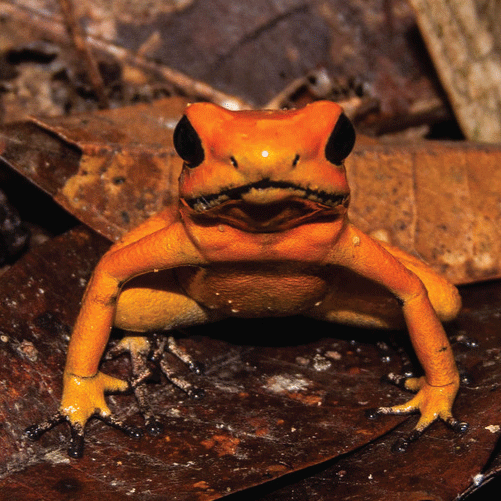
Located to the western side of the department of Cauca, on the banks of the imposing Timbiquí River, stands one of the most important areas on the Pacific Coast for the conservation of nature. There lies the Ranita Terribilis ProAves Reserve; established in 2008 by the Fundación ProAves to protect populations of the world’s most poisonous amphibian, Phyllobates terribilis.
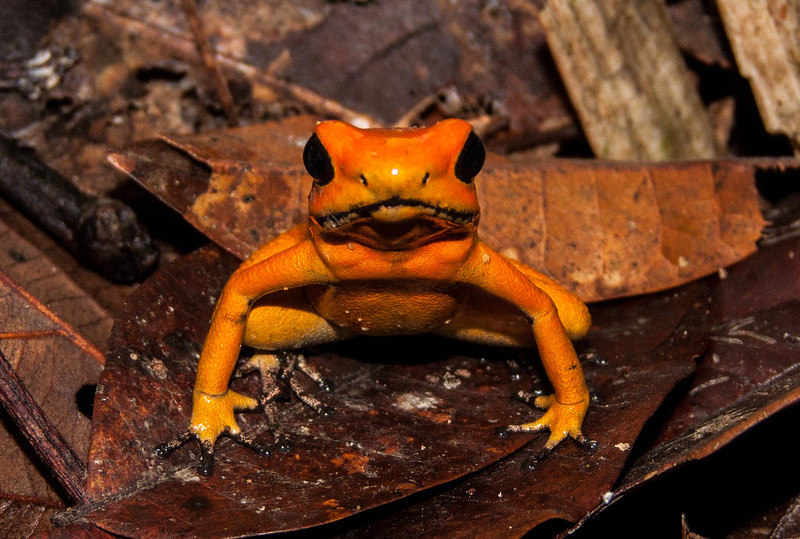
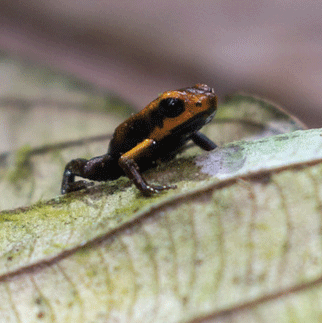
The Golden Poison Dart Frog (La Rana Kokoi in Spanish), named after the ancestral people Eperara Siapidara, is a species of amphibian belonging to the Dendrobatidae family. There are several species of poisonous and endemic frogs in this family, from Central and South America, that are called poison dart frogs. This name comes from the fact that indigenous tribes used to smear the tips of their arrows on the back of the frog before hunting animals.

The distribution of the Golden Poison Dart Frog, considered an endemic species of Colombia, is restricted only to the department of Cauca. But the Dendrobatidae family, to which this amphibian belongs, is present in the entire biogeographic region of Chocó, from the department of Chocó in Colombia, to the province of Manabí in Ecuador.

Within the large family of Dendrobatids, La Rana Kokoi is relatively large, with adult individuals reaching between 5 and 5.5 centimeters. The entire group of poisonous frogs stands out, mainly, for different aposematic coloration patterns on the skin, a type of pigmentation that is usually related to the toxicity of the animal and functions as a warning sign against potential predators. Despite their name, not all Golden Poison Dart Frogs are golden; there are three different color morphs in the region.
PROTECTING THE HOME OF THE MOST POISONOUS AMPHIBIAN ON THE PLANET

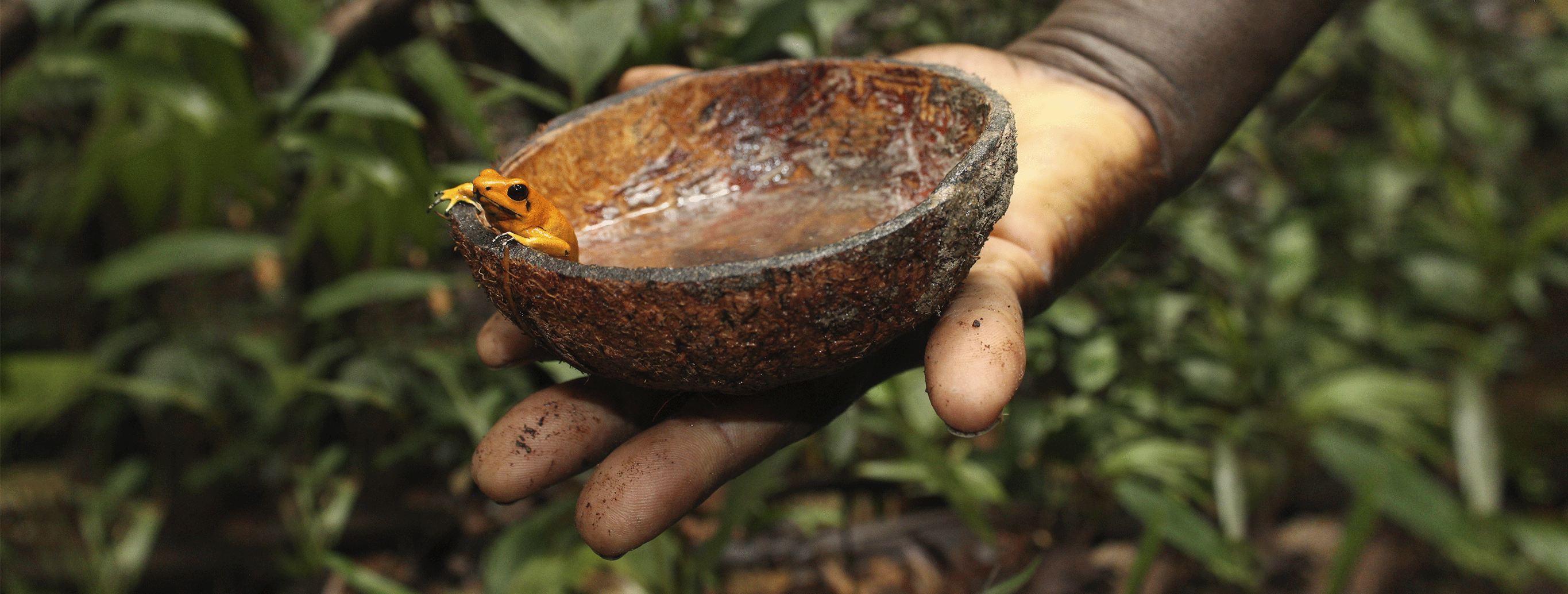
The Ranita Terribilis ProAves Reserve is home to 2 of the 3 morphs present in the region. Empty coconut covers have been installed in the protected area for several years, with the purpose of being used by the frogs to deposit their young, helping the reproduction of the species; That is why one of the most important tasks of our team within the Nature Reserve is the daily monitoring of the population of Phyllobates terribilis. 

The Golden Poison Dart Frog is listed as an endangered species, according to the IUCN red list, despite having a powerful defense system against predators. The survival of this amphibian is mainly threatened by human interference in its habitat due to hunting, capture and deforestation. Illegal wildlife trafficking in many places has caused enormous damage to populations leading to extinction.

THE HABITAT OF ONE OF THE DEADLIEST ANIMALS IN THE WORLD

In their natural habitat, these frogs are diurnal, they tend to look for food mainly in the morning and early afternoon. It is a carnivorous animal, whose diet consists of insects, mainly ants of the Brachymyrmex and Paratrechina families. Although they also catch crickets, caterpillars, flies, cockroaches, and beetles, among other insects.

Currently, many specialists assume that the very high toxicity of the Golden Poison Dart Frog is due to the high consumption of a small species of beetle, which in addition to producing formic acid, would also be capable of synthesizing Batrachotoxin. It is believe that the presence of this chemical in the frog’s diet contributes to their toxicity.

However, this hypothesis has not yet been confirmed. Within the same protected area, one of the ants most feared by the locals stands out, it is the Paraponera clavata, known locally as Konga. The pain from the sting of this insect is said to be greater than that of any other Hymenoptera and is classified as the most painful, according to the Schmidt index of pain by sting. It is possible that La Rana Kokoi includes this type of ants in its diet, making it the most poisonous amphibian on the planet.  It’s so venous that the venom of a single frog would be enough to kill 10 people.

We thank the World Land Trust (WLT) and the American Bird Conservancy (ABC) for helping us protect and conserve the world’s most poisonous amphibian, Phyllobates terribilis.


Categories
News Noticias Cucarachero de Chicamocha Noticias Reinita Cielo Azul

Protecting the habitat of Niceforo’s Wren

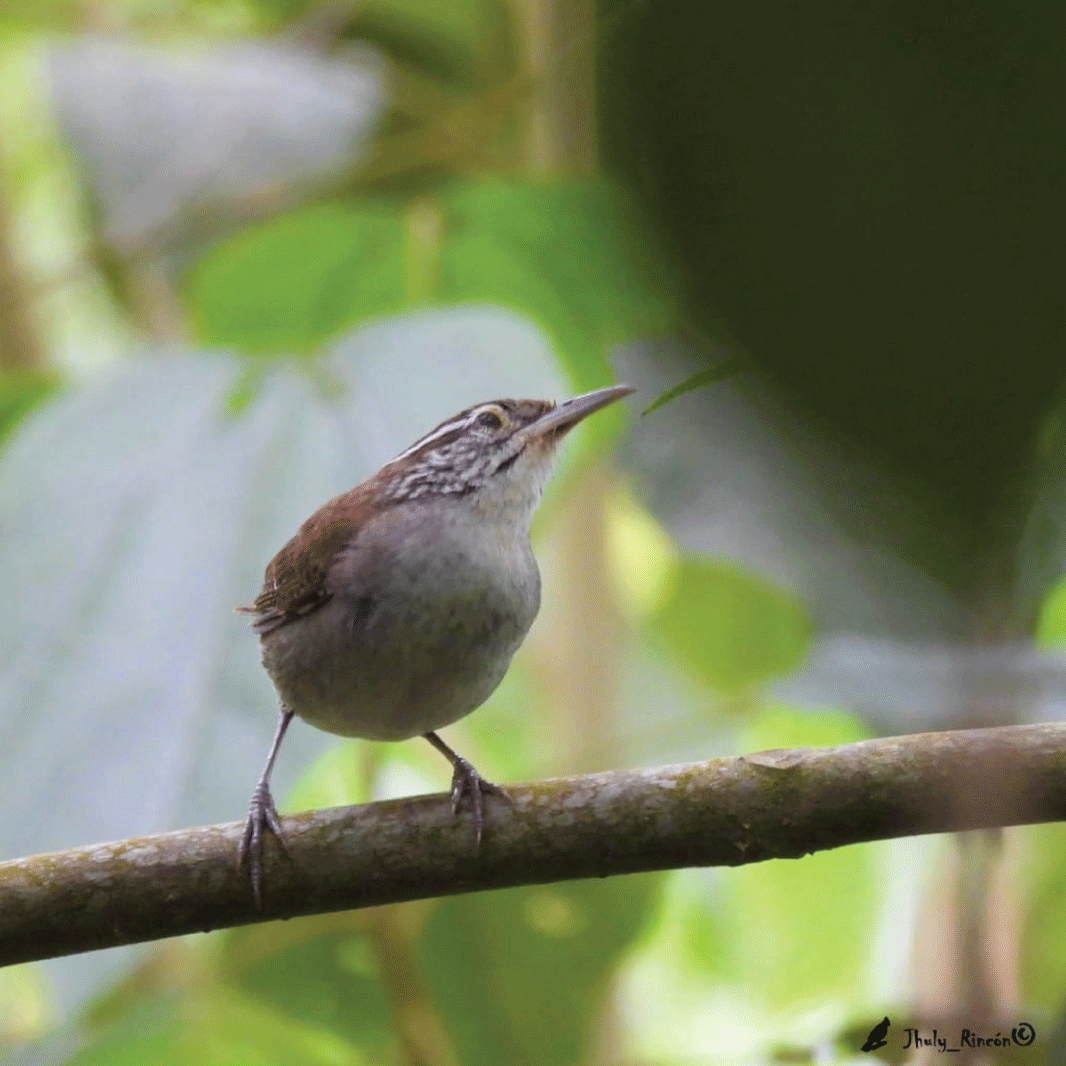
Thryophilus nicefori is an endemic species of Colombia that was discovered in the 1940s and described by Rodolphe Meyer de Schaeunsee (author of “Birds of the Republic of Colombia”) in 1946. It was first discovered in the Fonce river basin, in the vicinity of San Gil, to the west of the Eastern Andes Range in the department of Santander. Since 2003, scattered populations have been discovered in the basins of the Chicamocha, Suárez, and Sogamoso rivers, in the departments of Boyacá and Santander. In Santander, populations have been confirmed in the sub-Andean forests of the municipality of Floridablanca and the surrounding areas of the city of Bucaramanga, which were believed to correspond to Thryophilus rufalbus. More populations are believed to exist on the western slope of the eastern Andes range in the departments of Santander, Cesar, and Norte de Santander.

Current Threats

All known populations of the species face a progressive loss of habitat caused by the transformation of forests into farmland, the pressure of goat farming, forest fires, and the drying of streams and rivers. These activities have generated massive destruction of vegetation and have prevented its regeneration, which is why Thryophilus nicefori is currently listed as Critically Endangered (CR) according to the IUCN Red List.

In residential areas, they are exposed to predation by domestic animals, such as cats. In the municipality of San Gil, where the species was first described and where seven pairs were reported in 2004, several have disappeared as a result of the urban expansion. The loss of territories and pairs has also been detected in the Butaregua and Macaregua villages due to the expansion of tobacco crops and pastures for livestock.

The Fundación ProAves, aware of the serious condition of the species, contribute to the conservation of Niceforo’s Wren by protecting its habitat in 2 of its Nature Reserves: Reinita Cielo Azul, in San Vicente de Chucurí, and Cucarachero de Chicamocha, in Zapatoca, both in the department of Santander.

Their habitat

The Niceforo’s wren inhabits dense understory tangled with forest fragments along rivers and streams between 1,100 and 2,100 meters. The most important characteristics of its habitat are the presence of leaf litter, on which it depends to look for arthropods that serve as food, and the presence of a canopy that maintains the humidity of the understory. In addition, it is observed in gallery forests with a predominance of large evergreen trees such as Anacardium excelsum, Ficus spp., Trichanthera gigantea, Myrsine floridana, Clusia sp., Ochroma pyramidale, Inga spectabilis, Inga vera, Syzygium jambos, Guazuma ulmifolia, and Platypodium elegans.

In the understory, Thryophilus nicefori has been observed in seedlings and shrubs as Croton sp., Piper aduncum and Eugenia victoriana. Other common plants are Xanthosoma sagittifolium and Carludovica palmata. It also inhabits subxerophytic forests with deciduous trees such as Bauhinia variegata, Guazuma ulmifolia, Cedrela ordorata and Bursera simarubaand evergreen trees such as Pithecellobium unguis-cati, Zanthoxylum fagara, Fagara rhoifolia and Thevetia peruviana. In this type of forest, a great abundance of annual herbs of the Verbenaceae family has been recorded during the rainy season as Bouchea sp., Lantana sp. and species such as Commelina erecta and Peperomia pellucida. Some epiphytes found in both gallery forests and subxerophytic forests include Tillandsia flexuosa, T. juncea and T. recurvada. Among the most abundant vines are Smilax cumanenses, Serjania sp. and Aristolochia maxima.  Niceforo’s wren has also been observed in crops of shade coffee and cocoa near streams.

The Niceforo’s wren is a monogamous species. The pairs defend territories of 1 to 4 hectares, along streams and rivers, and it’s population density in suitable habitat is estimated to be one individual per every two hectares.  They are difficult to observe but can be easily identified by their flute-like songs. They occupy the lower layer of the forest between the ground and 7 m high. They frequently use high perches for singing, and foraging activities take place in the leaf litter, where individuals spend 60% of their time searching for insects. The reproductive season varies between July and October, where nests are often placed near hornets’ nests, possibly as an anti-predatory strategy.

Due to the fragmentation of its habitat, it has a discontinuous distribution. Although it can exist in considerably transformed landscapes, its survival depends on the permanence and connectivity of forest remnants along waterways.

  • Meyer de Schauensee, R. 1946. A new species of wren from Colombia. Notulae Naturae, 182.
  • Meyer de Schauensee, R. (1948). The birds of the Republic of Colombia: Their Distribution, and Keys for their Identification. Caldasia, 5(22), 251-379. Recuperado a partir de https://revistas.unal.edu.co/index.php/cal/article/view/32833

We thank Neotropical Migratory Bird Conservation Act (NMBCA), World Land Trust (WLT), American Bird Conservancy (ABC), Fondo Acción for their support in the protection and conservation of threatened species in Colombia.

Categories
News Noticias Águila Harpía

Ninfa, Protecting the Heart of the Colombian Amazon

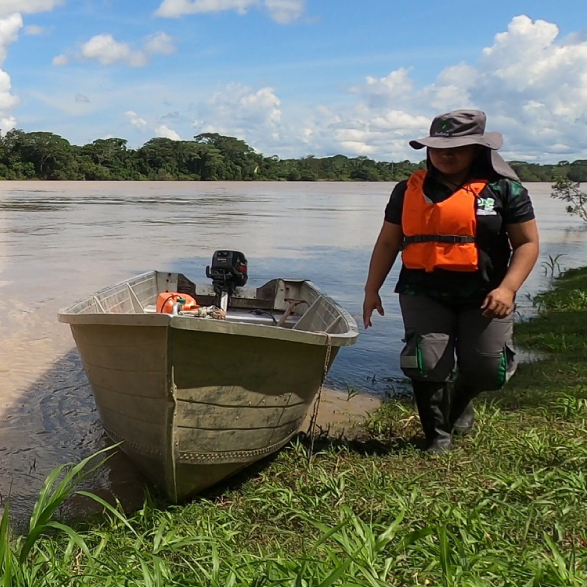
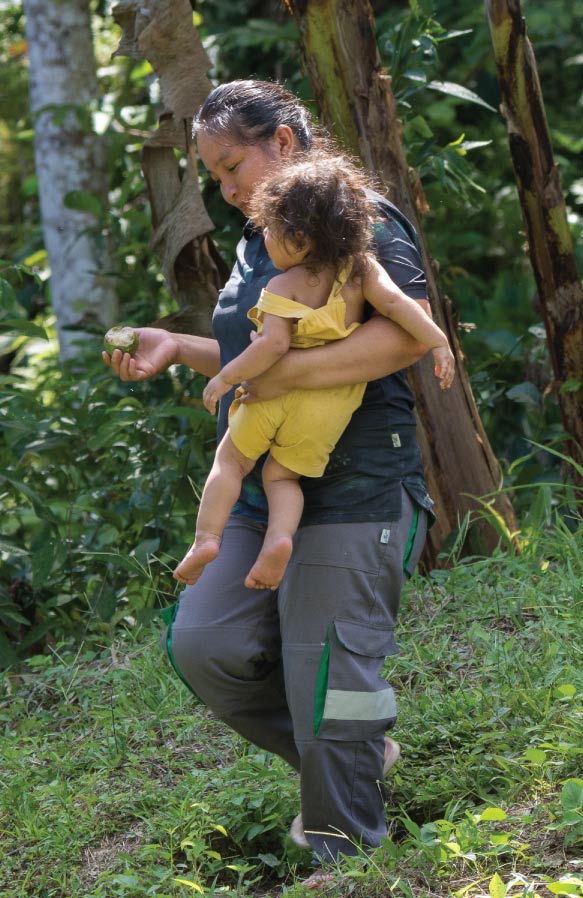
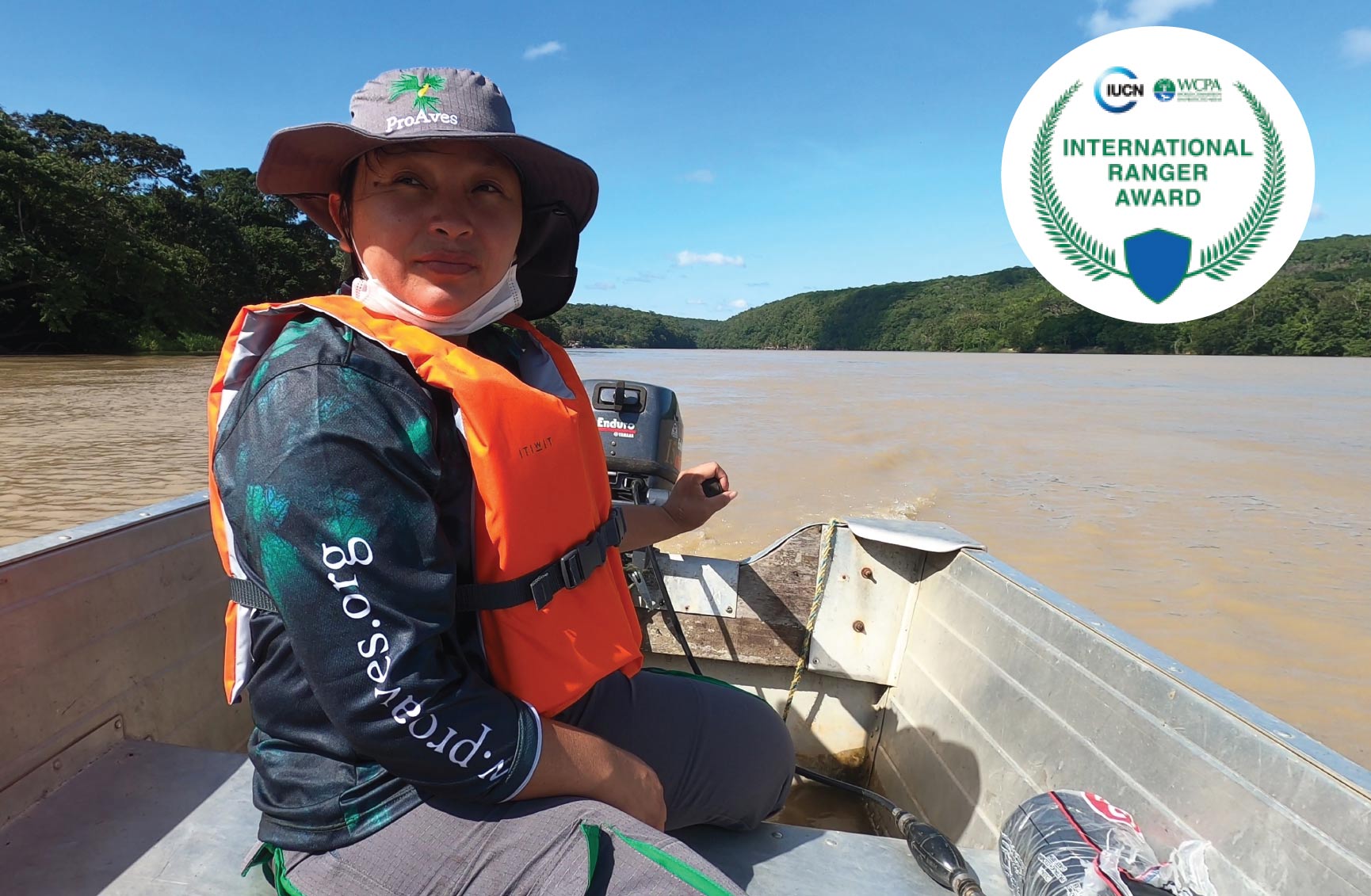
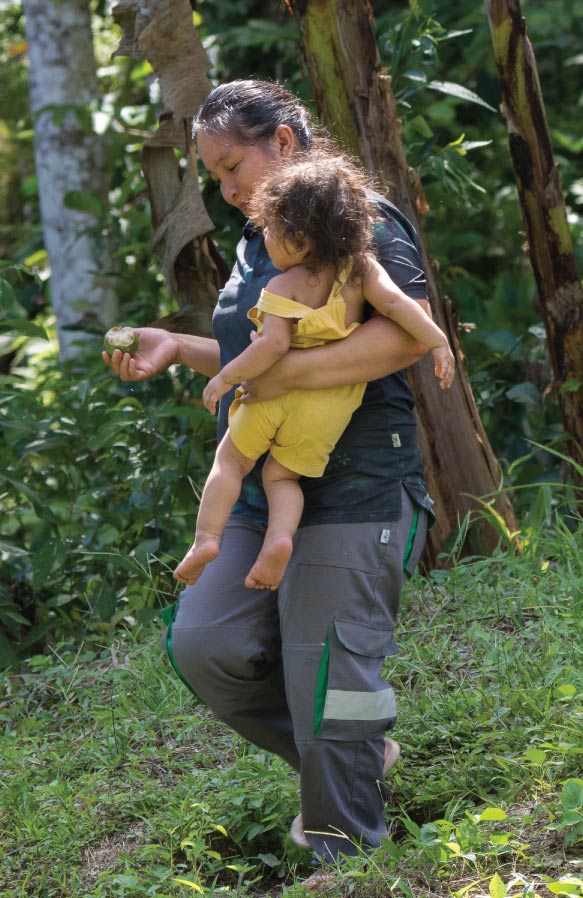
The job of a forest ranger consists of protecting forests, caring for the species that live there, and learning to interpret the small changes in nature that are imperceptible to many– the hatching of an insect, the croaking of a frog or the flapping of a hummingbird. Forest Ranger Ninfa Carianil Damaso is immersed in these sounds on a daily basis as she conducts boat tours and walking tours along the conservation areas surrounding the Guaviare River.

Ninfa, a woman of indigenous descent, protects the tropical forests from the constant threats of hunters, loggers and settlers who seek to settle in this area. Her example of determination, strength and commitment to caring for nature in the face of adversity has made Ninfa a role model and an inspiration for thousands of women.

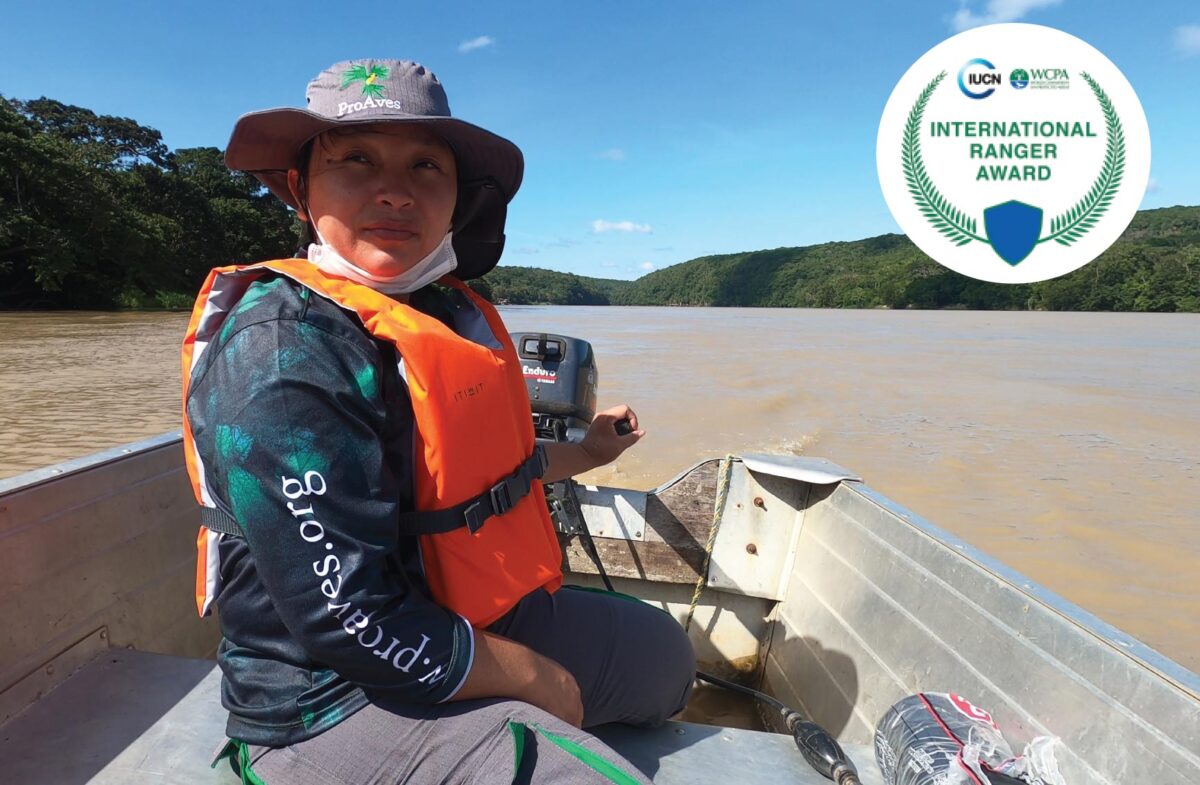
Thanks to the extraordinary work that Ninfa does for the environment and its species, she was one of the winners of the important International Park Rangers Award of the International Union for Conservation of Nature (IUCN) and the World Commission on Protected Areas (WCPA).

“For ProAves is extremely important to empower women and provide opportunities to be actively involved in protecting nature”, says Sara Lara, Executive Director.

GUARDIAN OF THE REMOTE ÁGUILA ARPÍA PROAVES RESERVE

The Águila Arpía ProAves Reserve is located southeast of the Eastern Colombian Andes Range, in the town of Raudal de la Mapiripana (Guainía Department). This conservation area protects the habitat of more than 300 species of birds, including the Harpy Eagle (Harpia harpyja), and other species of mammals, such as primates, jaguars, and tapirs.

The Nature Reserve, located in the heart of the Colombian Amazon, is difficult to access and internet connectivity is very limited, so Ninfa constantly faces challenges as she reports the news of the reserve. Ninfa has embraced these difficulties, and carries out her conservation work with great commitment and professionalism. 

Being the first female forest ranger for ProAves, and fulfilling this important conservation work in such a respectable way, makes Ninfa a role model for many young women across the region. 

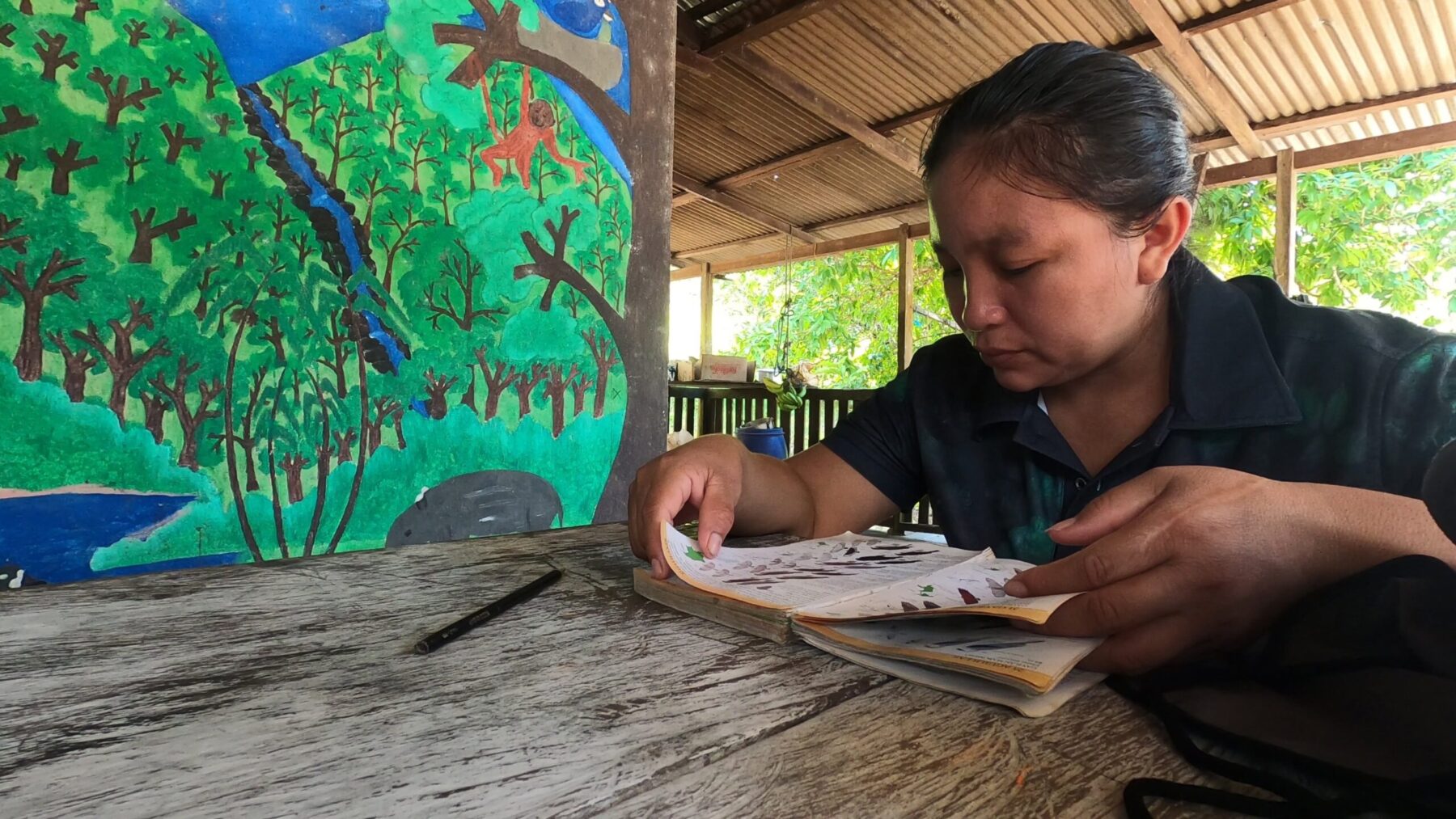
In order to keep the trails passable, Ninfa utilizes GPS applications, camera traps, binoculars, and field guides. In this line of work, she must always keep a machete handy for clearing the dense vegetation that quickly overgrows the trails. Ninfa conducts this work with great courage and enthusiasm. In her early 30’s, she has already become a voice of encouragement and strength for women who, like her, want to be protectors of the most valuable treasures on the planet, the environment and its species.

We thank Women For ConservationPermian Global and the International Union for Conservation of Nature (IUCN) for inspiring, empowering and connecting Colombian women in the beautiful world of conservation.

Categories
News Noticias Ranita Dorada

Deforestation is Threatening the Unique Habitat for the Tolimense Poison Frog

The deforestation of tropical moist forests in the buffer zones of the Ranita Dorada ProAves Reserve, located in the mountains of the Falan municipality, in the Tolima department, threatens the biodiversity of the conserved area, in which 2 species of frogs are found: the Tolimense poison frog (Andinobates tolimensis) and the dotted poison frog (andinobates dorisswansonae) endemic to Colombia and categorized as Vulnerable (VU) by the International Union for the Conservation of Nature (IUCN).

In the last few decades, the transformation of native forests in areas dedicated to deforestation have become the main threat to habitat for many species that depend on these conservation areas for survival. After many years of significant environmental destruction, the Fundación ProAves acquired the property that makes up the Ranita Dorada ProAves Reserve. It succeeded in a notable regeneration of native plant species in primary and secondary succession in what used to be paddocks, ultimately recuperating part of the habitat for various amphibious, mammal and bird species. 

The Ranita Dorada ProAves Reserve, established in 2008 to prevent the extinction of the Andinobates tolimensis and the Andinobates dorisswansonae, is considered an area of exceptional ecological importance. Here, any disturbance in the natural area has the potential to create an irreparable environmental disequilibrium, triggering the loss of unique species, especially amphibians. The latter are exceptionally sensitive to environmental changes. Until now, Andinobates tolimensis has only been registered in the locality it was first discovered in 2007, the ProAves Reserve, which is the only habitat of the Tolimense poison frog. 

Unfortunately, as of late, new deforestation activities are underway in an area adjacent to the Ranita Dorada ProAves Reserve, posing a real menace to the conservation efforts in progress there. The Fundación ProAves of Colombia makes an urgent call to the right entities so that they help us disseminate this dire situation, and help stop this great threat against the environment and, against the thousands of species that live in this area.

We appreciate the great support of IUCN, Dendrobatidae Nederland, Conservation International, Netherlands Postcode Lottery, and ASG for making this dream of saving the Tolimense poison frog a reality.

News translated by Sophie Maas
Categories
News Noticias Chamicero de Perijá

Colombian forests are disappearing

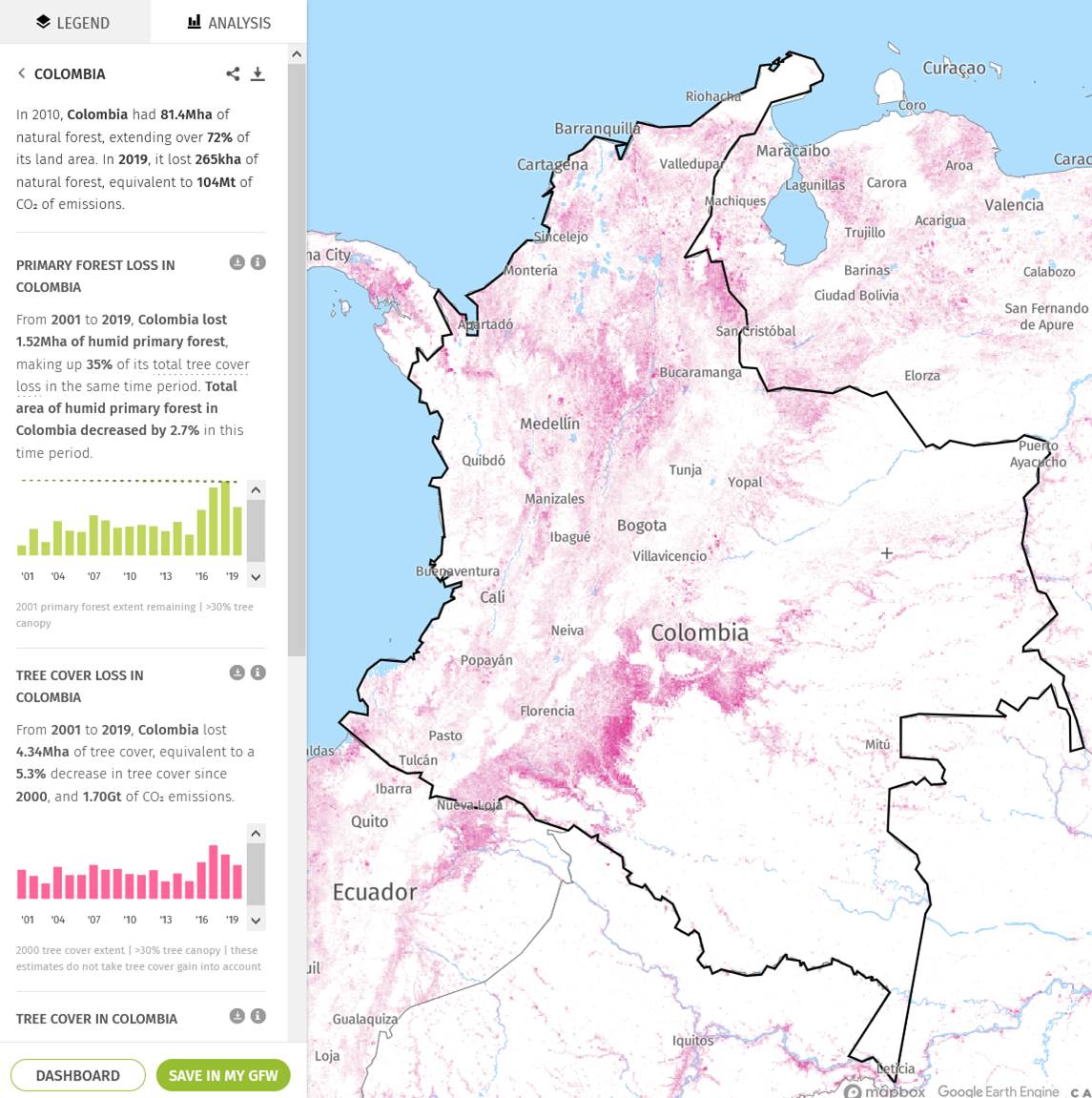
Colombian forests have been ruthlessly cut down – we have lost 563,000 hectares of primary rainforest from 2016-2019 and that was before the tsunami of increased illegal logging and land invasions during the pandemic.  An area three times the size of Bogota D.C. has been destroyed and over 1.4 billion trees have been  lost. 

If every Colombian, a population of 50.3 million individuals, planted a tree every month it would take over 2 years just to recover those trees lost from 2016-2019. Yet Colombian’s unparallel biodiversity – for example its #1 world ranking diversity in birds – is also being lost with those forests and these species can not be replanted.

While planting trees is inspiring it is merely symbolic. Stopping the destruction of Colombia’s amazing wild places, like the neotropical rainforests, alpine tundra ecosystems and cloud forests. Preserving all species in these ecosystems – is undeniably the most important priority.

Pandemic has created the Wild West

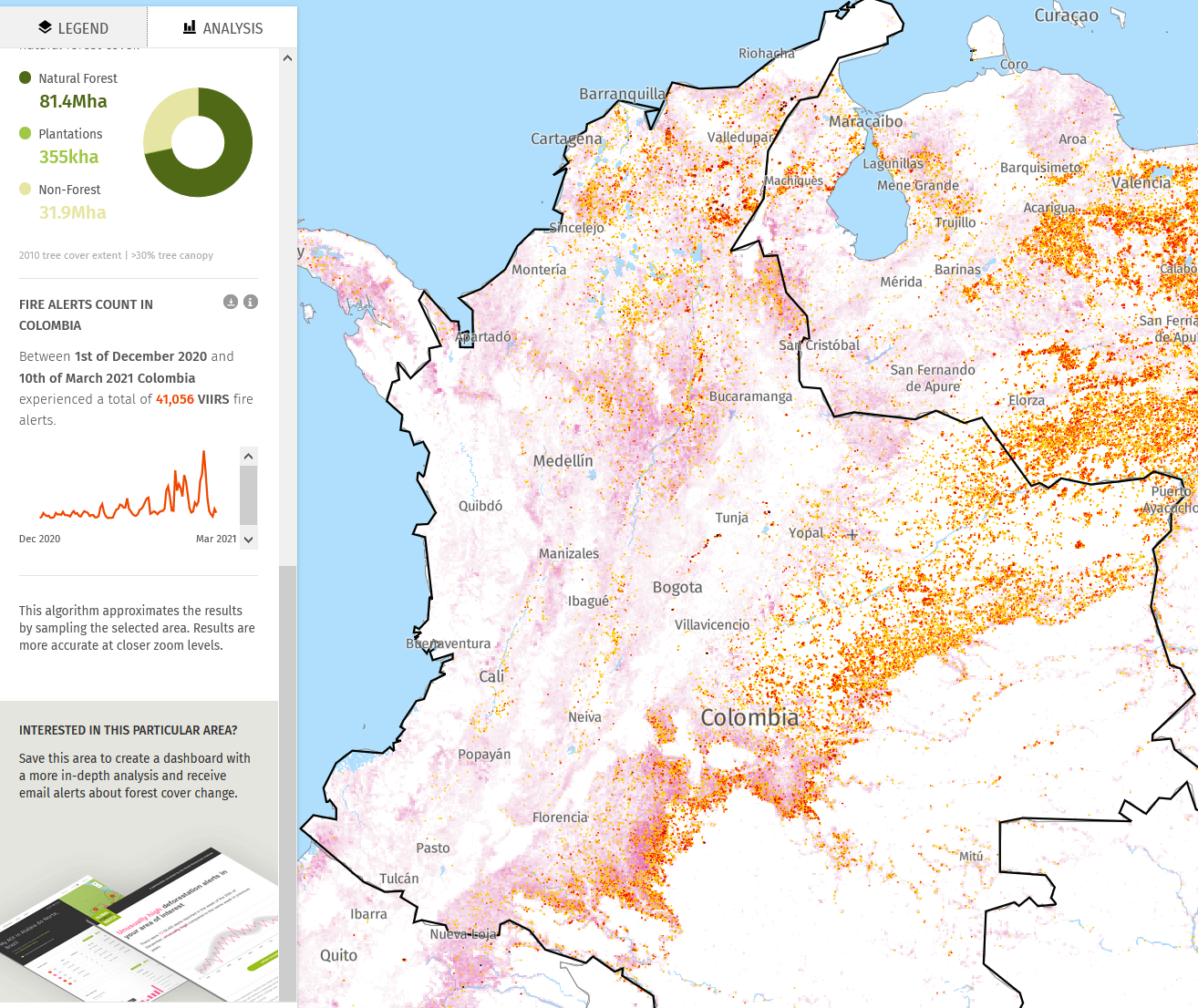
But anti-deforestation programs have no chance.  Current deforestation rates are accelerating. In just the past 3 months, Global Forest Watch – a free online tool that provides daily deforestation alerts for all of Colombia – shows a massive spike in forest fires – over 41,000 forest fires between 1st December 2020 to 10 March 2021.

Sadly, the recent spike in deforestation has greatly affected Colombia’s precious Protected Area system – with the media and Global Forest Watch reporting extensive threats from illegal mining and logging across National Parks and Nature Reserves. 

Threats against conservation

Since 1998, Fundación ProAves has faced many challenges to conserve its 28 Nature Reserves, where more than 1,600 species of the country are protected, and most of the endemic or threatened birds exist in Colombia. Today, COVID-19 presents us with another great challenge for conservation.

Unscrupulous people have seen the pandemic as an opportunity to aggressively inflict natural areas and cause irreversible environmental detriment to the ProAves Reserves:

Unfortunately, in 10 of the 28 ProAves Reserves, attacks of different kinds were registered, for which it was necessary to hire trained personnel and strengthen the patrolling and control of the limits of the conservation areas. In addition, 5 complaints were filed with the Attorney General’s Office, 10 complaints with the Municipal Inspections, three complaints with the environmental authorities, one complaint with the National Aquaculture and Fisheries Authority, two complaints with civil courts, and three complaints with the Army National.

The misfortune of Colombia, its precious natural resources

The withdrawal of the FARC has created an opportunity for legal and illegal industries to take advantage of Colombia’s natural forest treasure’s.

Colombian government receives tens of million of dollars from Norway, Germany and Great Britain for forest protection programs to fight climate change and preserve tropical forests that produce life-sustaining oxygen and capture CO2 in vegetation. Independent satellite data from Global Forest Watch show these programs are having virtually no effect in Colombia primarily because they are not supporting grassroots efforts by communities and small NGOs like Fundación ProAves. 

If Colombia is to salvage what remains of its most precious asset – its living natural wonders – it needs to start supporting and empowering local efforts to protect what remains and aggressively penalize illegal mining and logging with the full weight of the judiciary government.


Categories
News Noticias Noticias Águila Harpía Women for Conservation (Mujeres por la Conservación)

Ninfa, Winner of the International Ranger Award

With great pride we congratulate Ninfa Carianil Damaso, first female forest ranger of Fundación ProAves for being one of the winners of the important International Park Rangers Award of the International Union for Conservation of Nature (IUCN) and the World Commission on Protected Areas (WCPA). This prestigious award was developed in collaboration with the International Federation of Rangers, Global Wildlife Conservation and Conservation Allies.

This great environmental recognition, announced today by Julia Miranda, Deputy President of WCPA, highlights the extraordinary work that Ninfa does for the environment and the work of many female fighters who, despite adversity, are on the front line day after day to protect nature and animals.

ProAves is grateful to have Ninfa on the conservation team, as she acts as an example for thousands of women who seek to take care of our country’s wildlife. Therefore, the best way to honor this great recognition is by making visible the leading role that women have in conservation and praising their great work in preserving the most valuable treasure we have on the planet, the environment and its species.

“Ninfa has proven to be an example of resilience and courage. Through her hard work and love of conservation, she has become a role model for many young women. We are proud to be able to empower women in conservation”, says Sara Lara, Director of the Fundación ProAves. She adds that “women are strength, passion and energy, that is why it is very important that we continue to contribute from all areas to the protection of biodiversity and that our voice be heard.”

ProAves is committed to gender empowerment in the protection of biodiversity, and more than 60% of its staff is women.

NINFA, A VOICE OF STRENGTH AND RESILIENCE

Since arriving at the Águila Arpía ProAves Reserve in 2012, Ninfa and her husband, José Rufino Mora, have become the protectors of the 2,596 hectares of vast rainforest on the south bank of the Guaviare River. They worked hard to establish strong ties with the community and protect the area.

The reserve, located in the northern buffer area of the Nukak Natural Reserve -one of the last strips of unprotected tropical forest in the Colombian Amazon- is made up of properties bought from settlers eager to deforest the area, but thanks to the efforts of Ninfa and her husband, it was possible to recover the ecosystem that had been degraded.

 Ninfa’s life took an unexpected turn in 2019 when her 10-year-old son, Johan Sebastián, drowned in the Guaviare River in front of the reserve cabin. Heartbroken, Ninfa and her husband buried him in the reserve, where he loved to be. Then, at the height of the COVID-19 pandemic, her husband Rufino was unable to obtain medication due to the remote location of the reserve, and tragically he died in May 2020.

Despite the unfortunate events, Ninfa has moved on and is an example of improvement. Since then, she undertook the beautiful challenge of being the Foundation’s first female forest ranger, a task that she has carried out with great commitment and professionalism, fulfilling all the responsibilities entrusted to her to protect tropical forests from the constant threats of hunters, loggers and settlers seeking to establish settlements in this area.

Ninfa has shown, with great courage and fervor, to be the protector of the remote and highly threatened rainforest, located in the heart of the Colombian Amazon. She carries out daily surveillance of river and land boundaries (monitoring of bird species), general maintenance of the reserve facilities, works as a community and outreach leader, maintains border roads and a tree nursery for reforestation.

Her example of determination, strength and commitment to protect nature in the face of great adversity has positioned her as an inspiration for the women of Colombia, especially because of her humble origins and the impact that the armed conflict had on her life. Although only in her early 30s, Ninfa, a woman of indigenous descent, is becoming a strong voice for women and a local leader in the community.

Ninfa is very proactive, which is why she has also assisted with research in the reserve and with species monitoring, such as deploying camera traps and conducting bird censuses with the eBird app, in which her 10-year-old son, Darwin, joins her. Together they have motivated children from the local community to get involved with conservation and have even formed a group of young bird watchers in this remote location.

  • Read the full IUCN and WCPA article on the winners of the International Ranger Award here.

TOGETHER FOR CONSERVATION

Thanks to the support of Permian Global, who has supported conservation processes in the area for almost a decade, and Women For Conservation have been able to train and empower Ninfa in her role as a forest ranger.

We also thank IUCN, WCPA,  International Ranger Federation, Global Wildlife Conservation and Conservation Allies for this extraordinary recognition.

Categories
News Noticias Noticias Loros Andinos

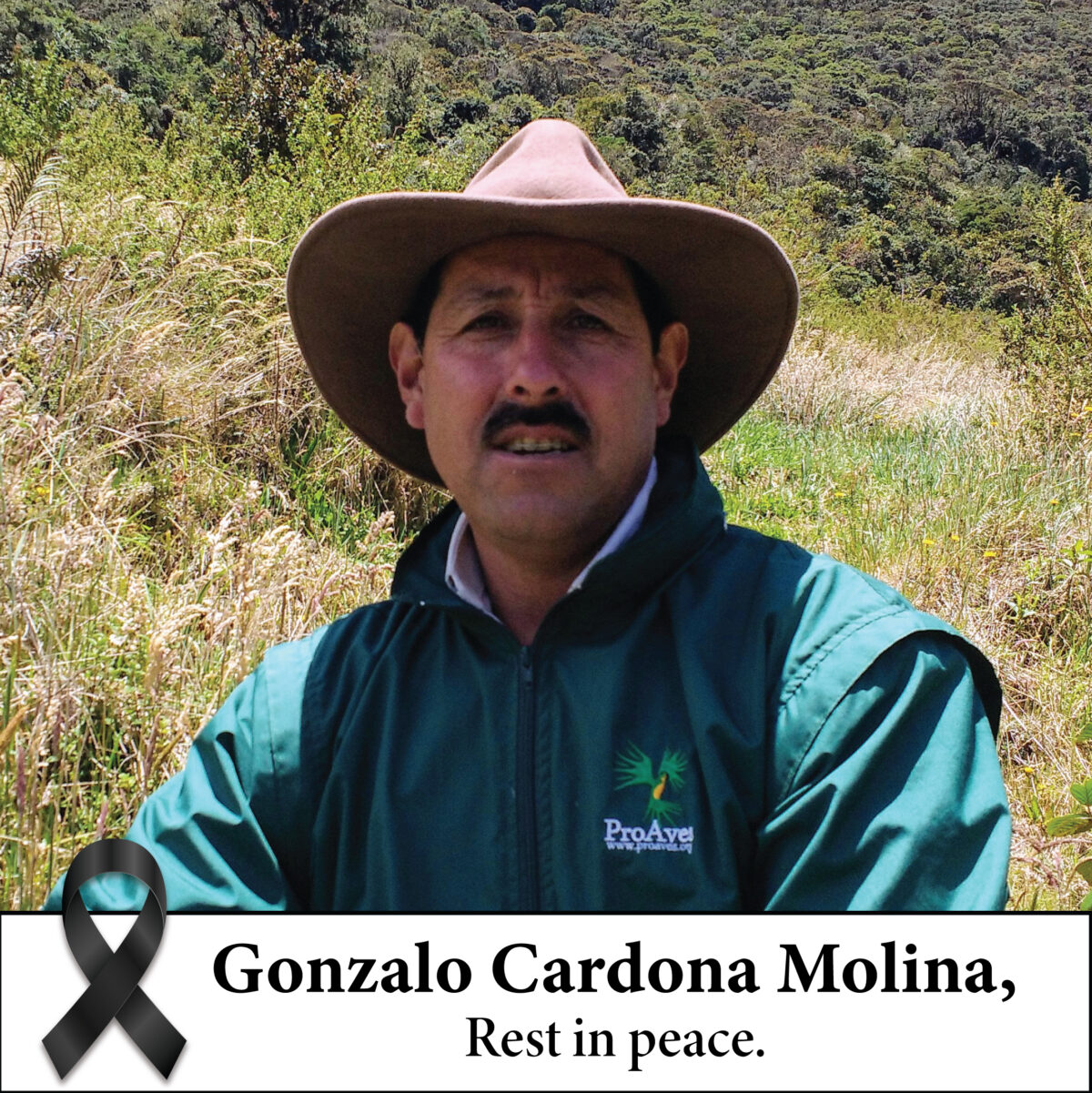
Goodbye “Gonza”, Champion of the Yellow-eared Parrot

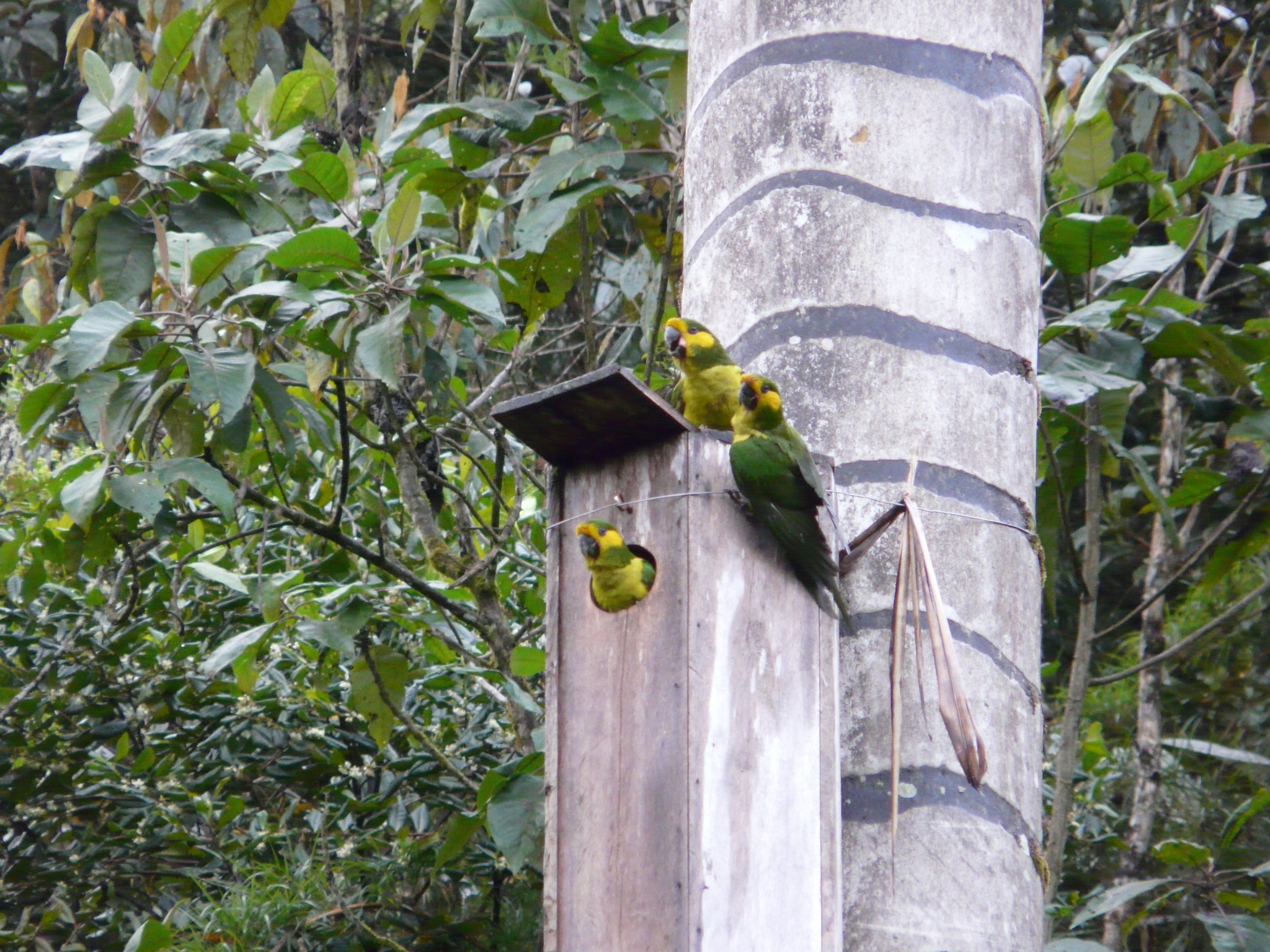
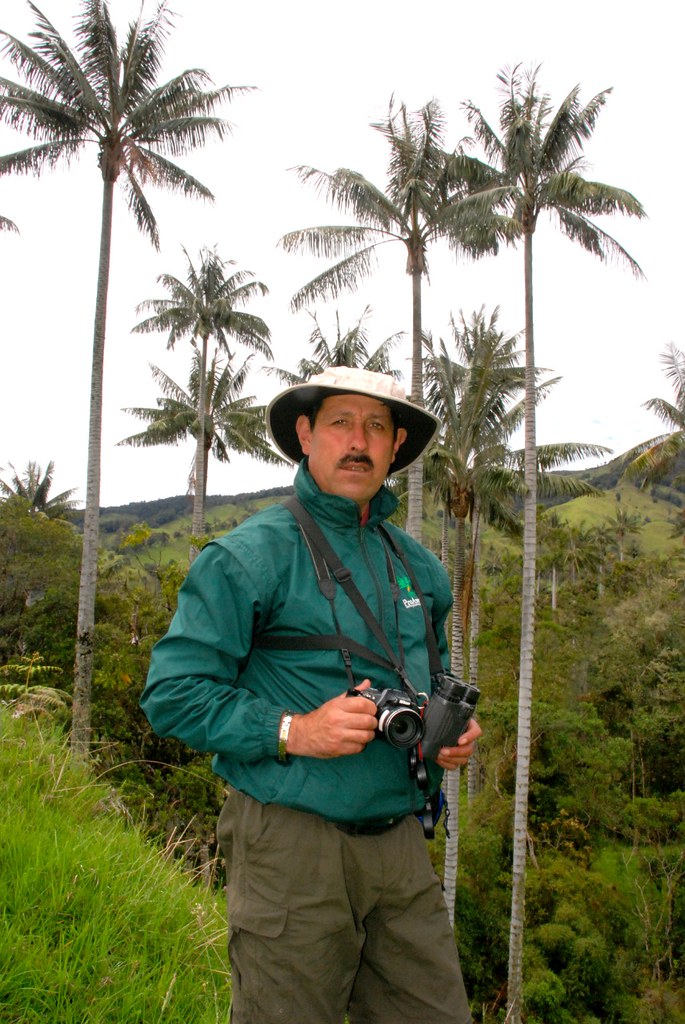
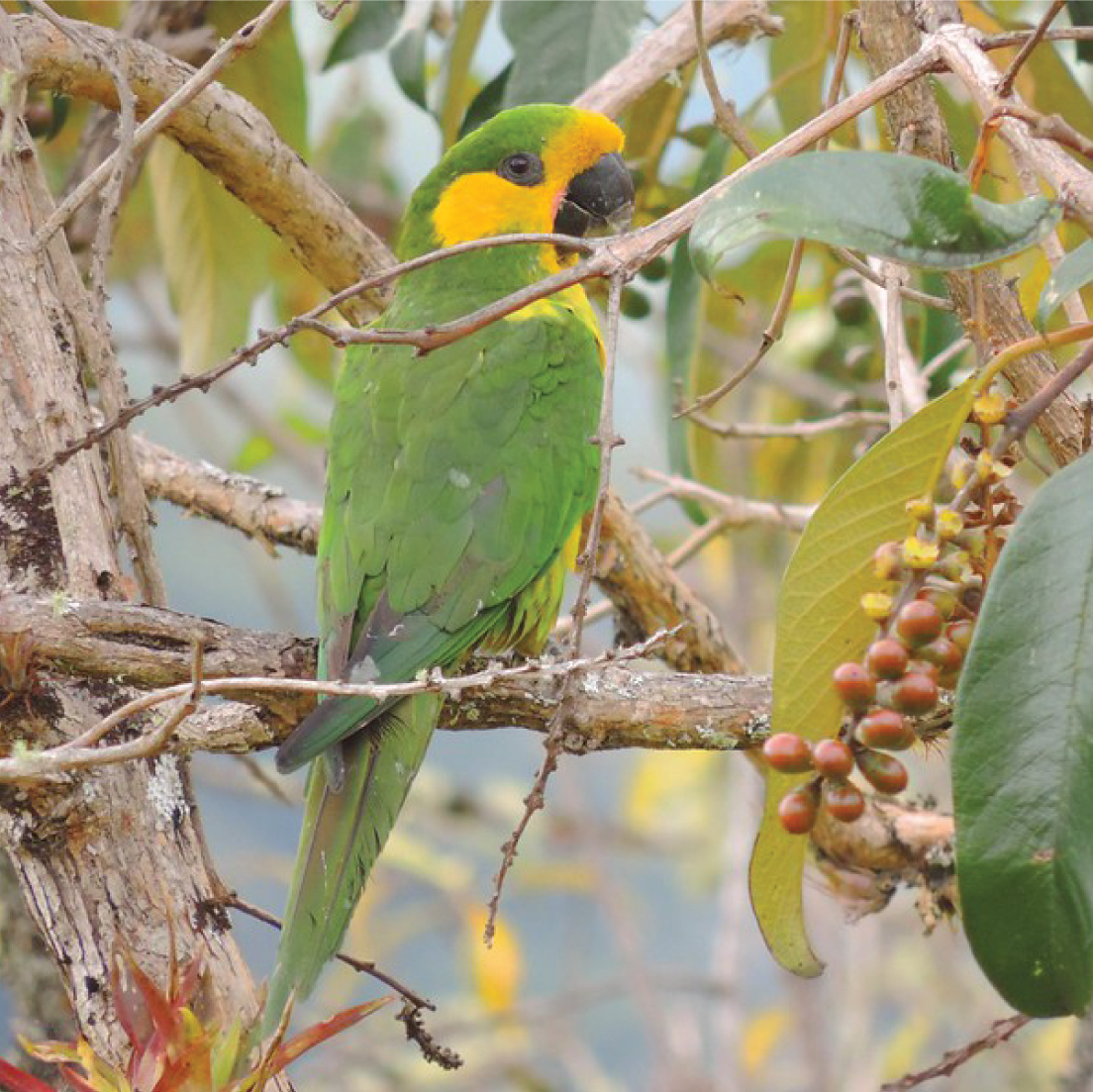
Gonzalo Cardona Molina, better known as Gonza, was born and raised on a farm in Roncesvalles, Tolima. The day he found out from Fundación ProAves about the need to support the conservation of a parrot that lived in the wax palms and accompanied him each day, he had no doubt and gave himself entirely to save the most majestic and charismatic species in Colombia, the Yellow-eared Parrot (Ognorhynchus icterotis).  

The species was on the brink of extinction in 1999. The last 81 individuals were barely surviving in the Central Cordillera of Roncesvalles, Tolima.  With alarm bells ringing that urgent actions were needed to save the species, one person more than any other stepped forward to answer the call to help this species – Gonzalo Cardona Molina.

For over 20 years, Gonzalo was THE champion to save Colombia’s greatest natural treasure. He was Fundación ProAves first employee and he did this at a time of immense danger and uncertainty. The parrots occurred in an area where battles and skirmishes between the military and guerrilla were frequent. Gonzalo and his team were regularly facing life-threatening situations to work in the region and ensure the parrots were safe. For over 20 years, everyday Gonzalo tirelessly accompanied these parrots to ensure they were not hunted and their habitat was not destroyed.

The threats were not just to the parrot, but to Gonzalo personally. He had been threatened many times by many sides unable to comprehend that he loved the parrots and was not interested in politics. They assumed he had an alternative motive, when he was simply driven to do something special.

In his last days, during the month of December 2020, Gonzalo conducted out the last national census of the Yellow-eared Parrot and the Fuertes’s Parrot, his notebook showed a still impressive number for himself: 2,895 parrots in Roncesvalles. Joy overflowed his heart with pride of his duty accomplished.

Today, Colombia didn’t just lose a precious life, Colombia lost a champion for nature and our beloved Yellow-eared Parrot’s lost their father and savior.

ProAves and his entire team express our solidarity with his family, his loved ones and the entire community of Roncesvalles, Tolima, where his impact will remain forever.

Rest in peace, Gonzalo

Categories
News Noticias Reinita Cielo Azul

ProAves Reserves: critical migratory bird refugees

Every year, approximately 173 species of migratory birds pass through Colombia in search of food and warm territories. The birds play a fundamental role in ecosystems and their conservation, so it is of great importance to preserve these habitats.

The ProAves Reserves are key sites for conservation, which is why different migratory species pass through its corridors each year. For this reason, the Fundación ProAves has been running the migratory bird program for more than 15 years, with the objective of evaluating the status of the species and collecting valuable information regarding changes and trends in populations.

Starting in October, ProAves began monitoring the 2019-2020 migration season. For 7 months, from October 2019 to April 2020, the rangers followed the migration.

These monitoring were carried out in 19 ProAves Reserves during two days (3 hours in the morning and 3 hours in the afternoon) once a week, for a total sampling effort of 24 hours/month in each of the Reserves.

Thanks to the knowledge of the rangers, their ability to identify the species and manage the tools and applications, in the 19 Reserves a total of 3,795 records were obtained from 6,453 individuals belonging to 82 migratory species.

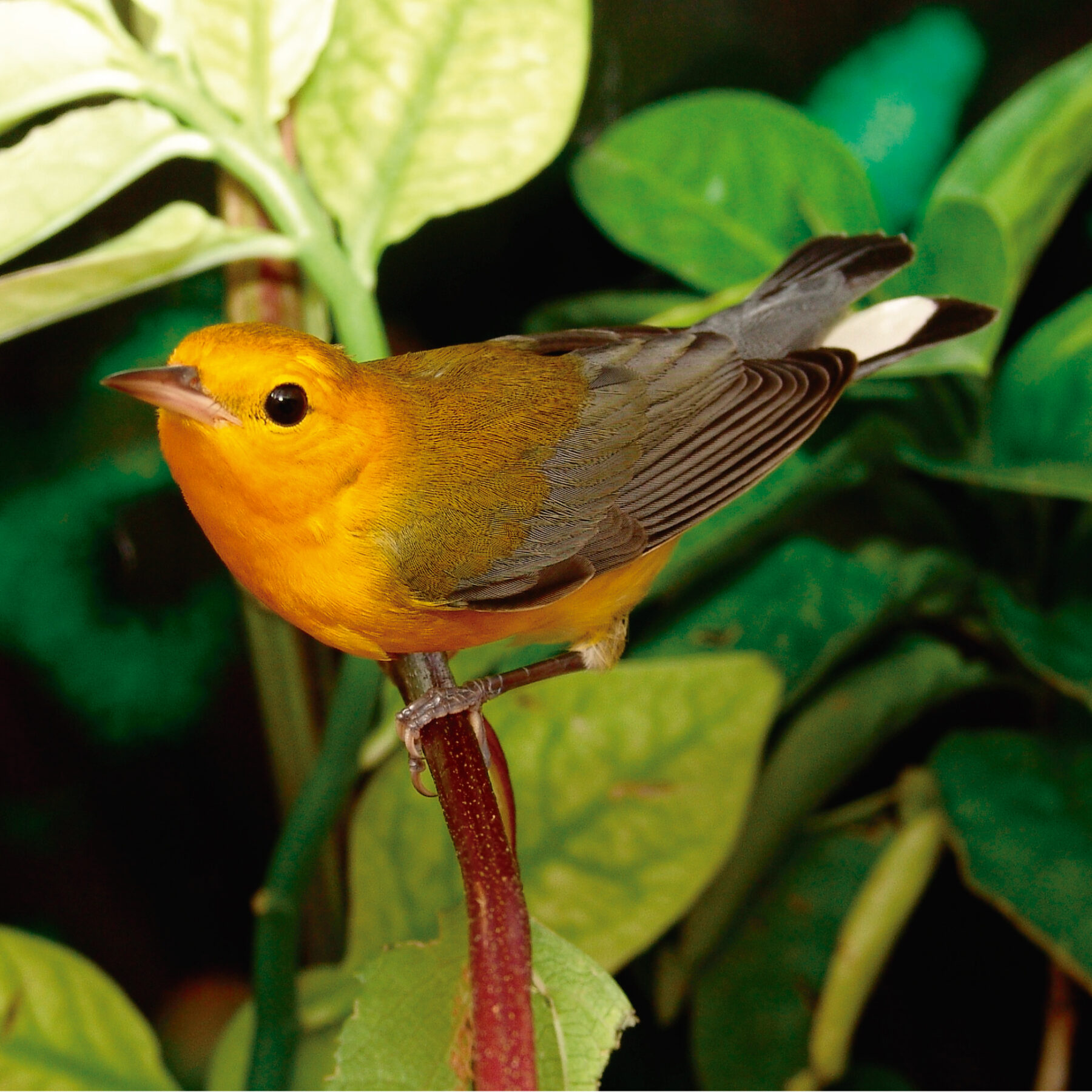
The species prioritized in the Plan for the conservation of migratory birds in Colombia (ProAves 2009) and observed in the Fundación ProAves Reserves were: Elanoides forficatus, Buteo swainsoni, Empidonax traillii, Contopus cooperi, Vermivora chrysoptera, Setophaga castanea, Setophaga cerulea, Protonotaria citrea, and Cardellina canadensis.
usfish

We are extremely grateful to the Neotropical Migratory Bird Conservation Act (NMBCA) for their contribution to conservation, and especially to the migratory bird program in the ProAves Reserves.